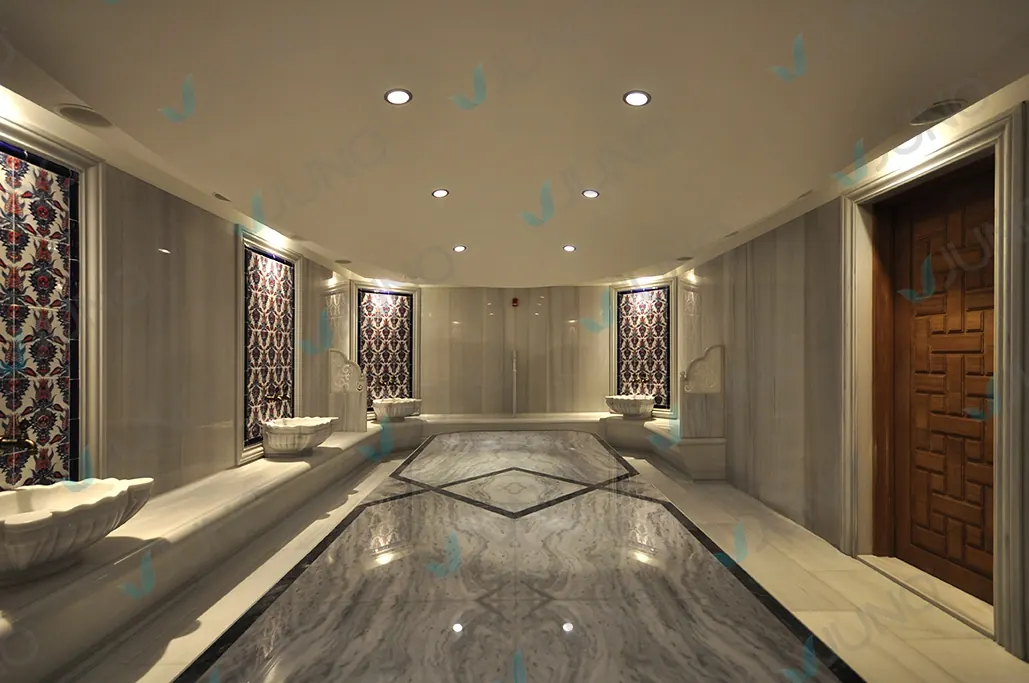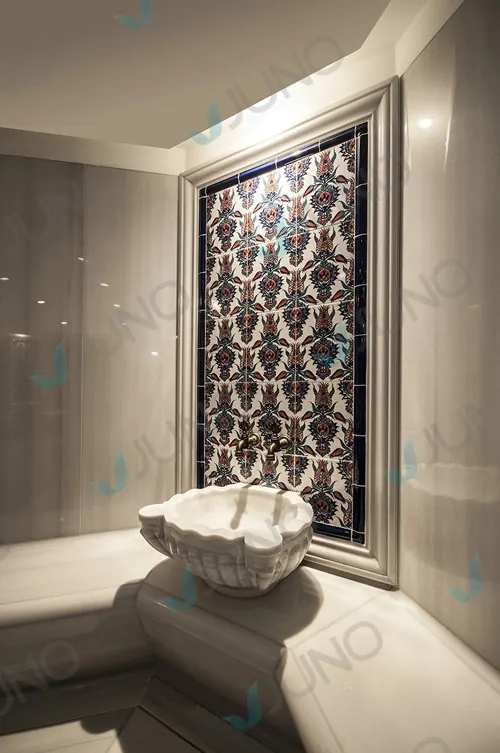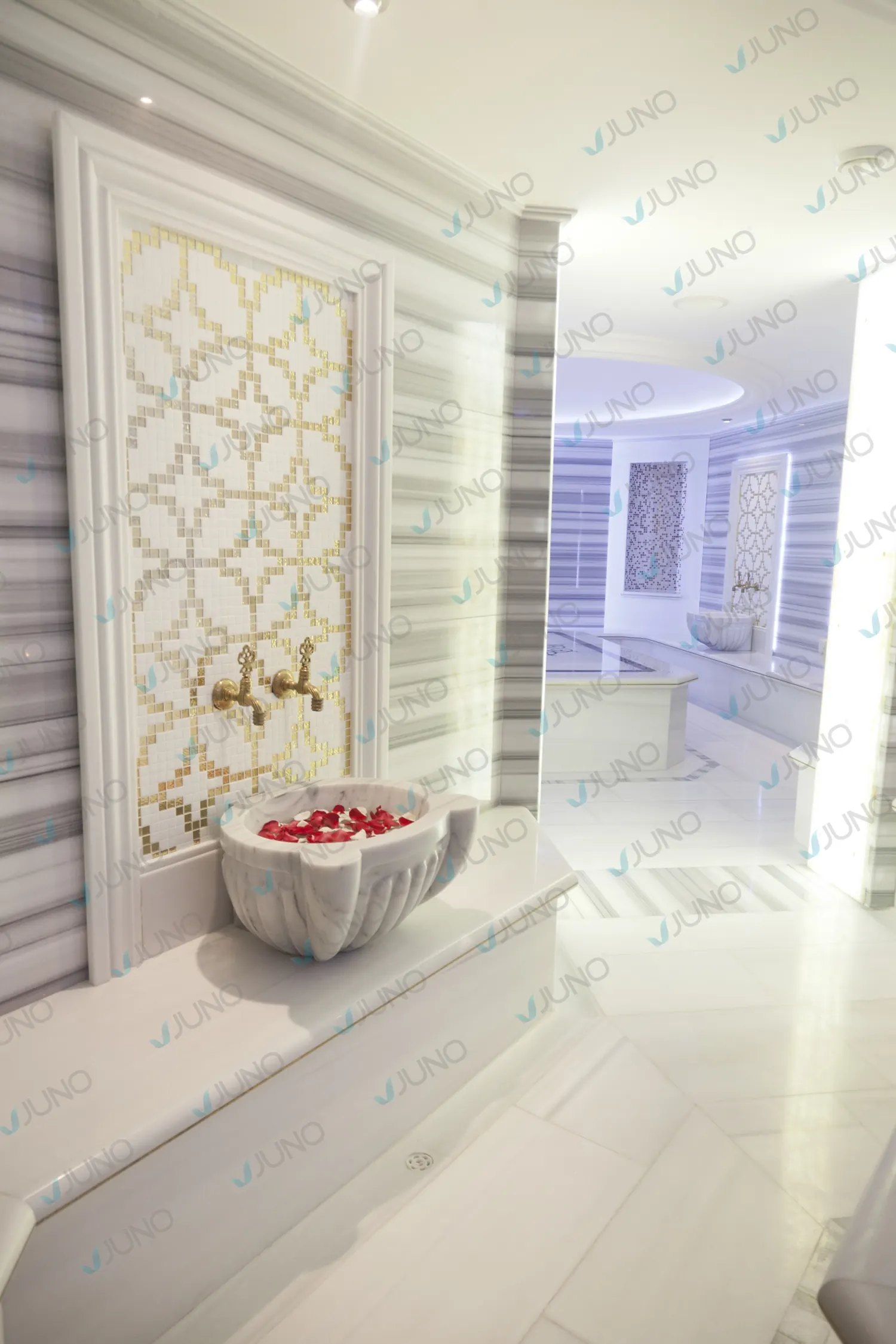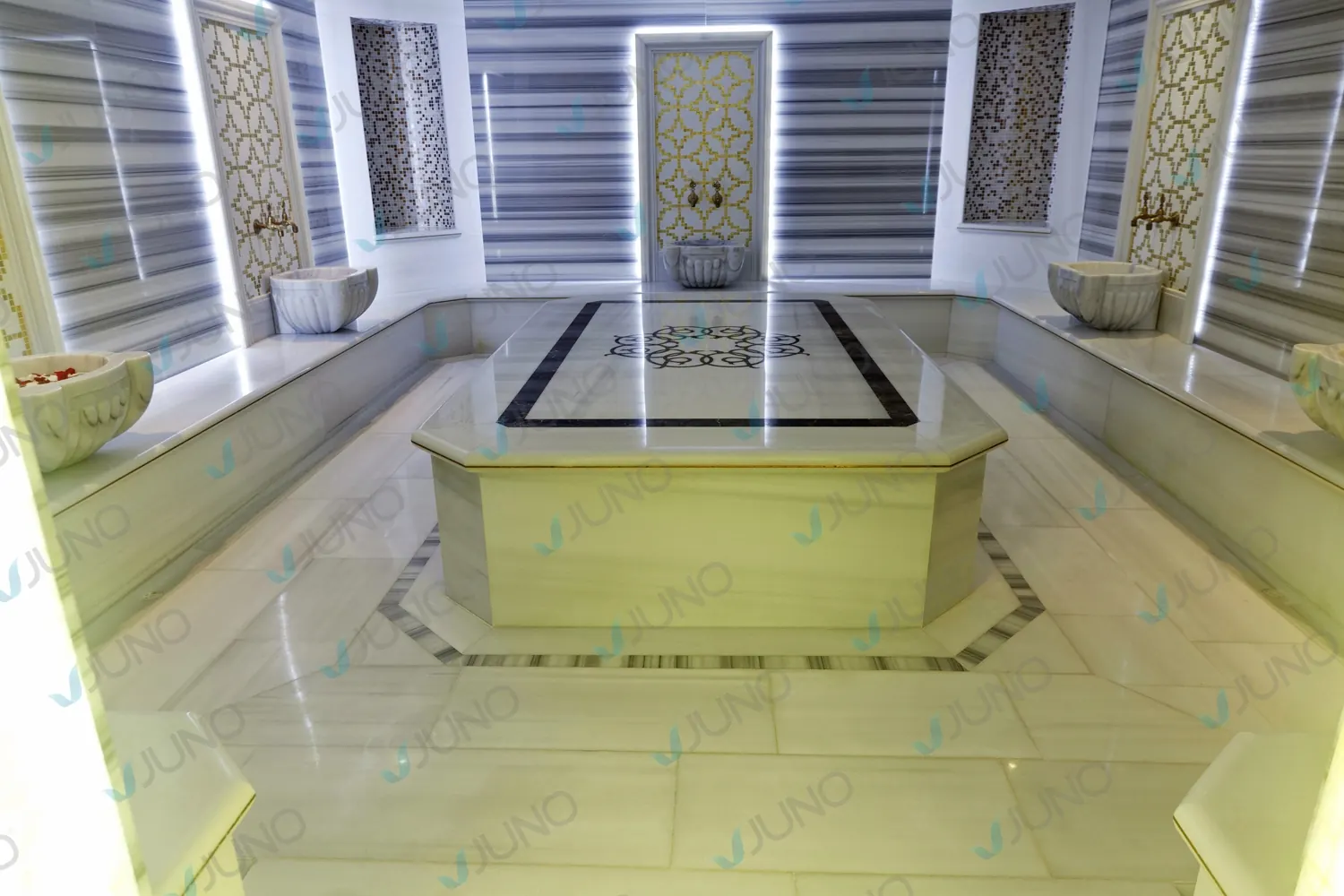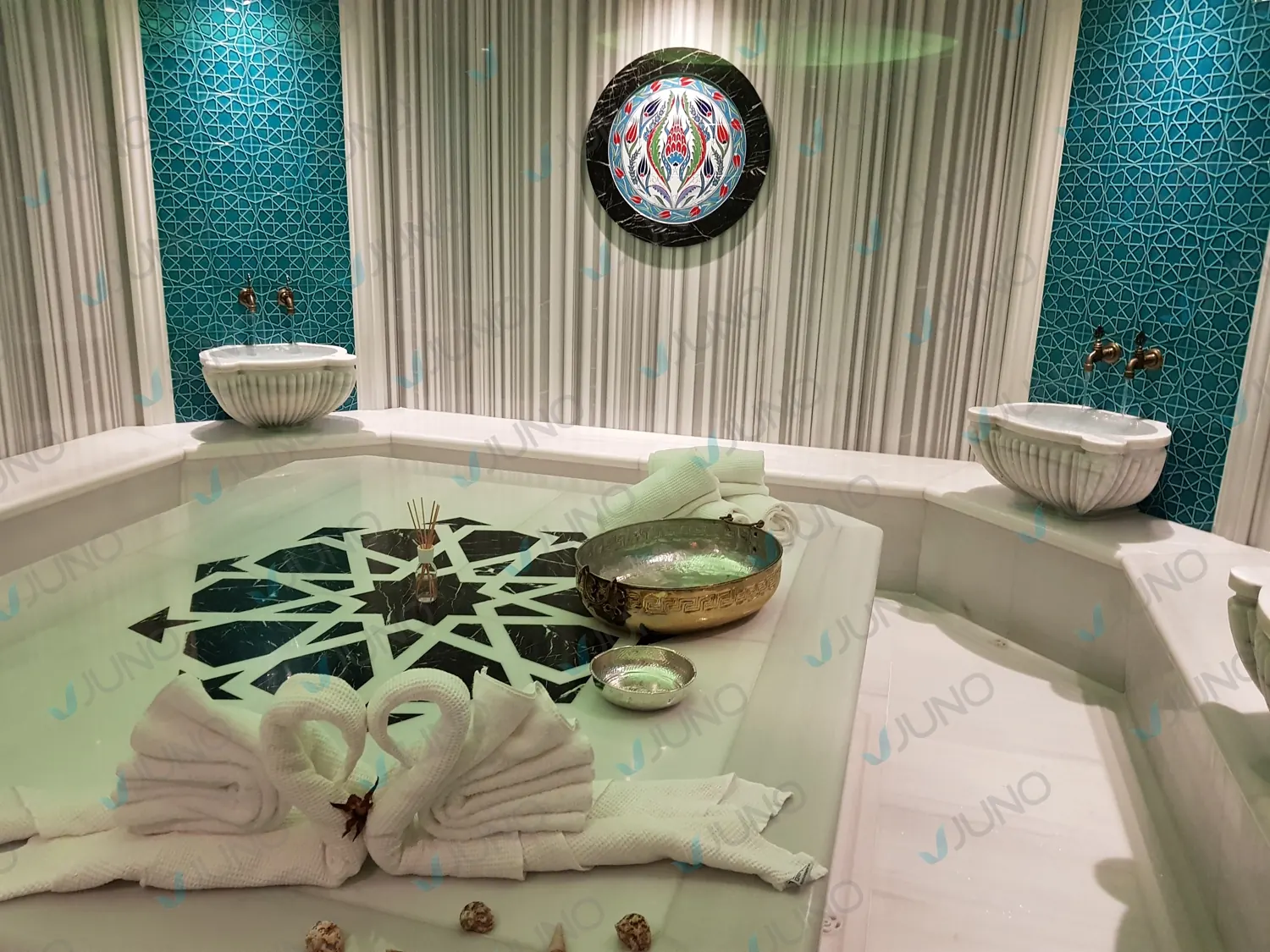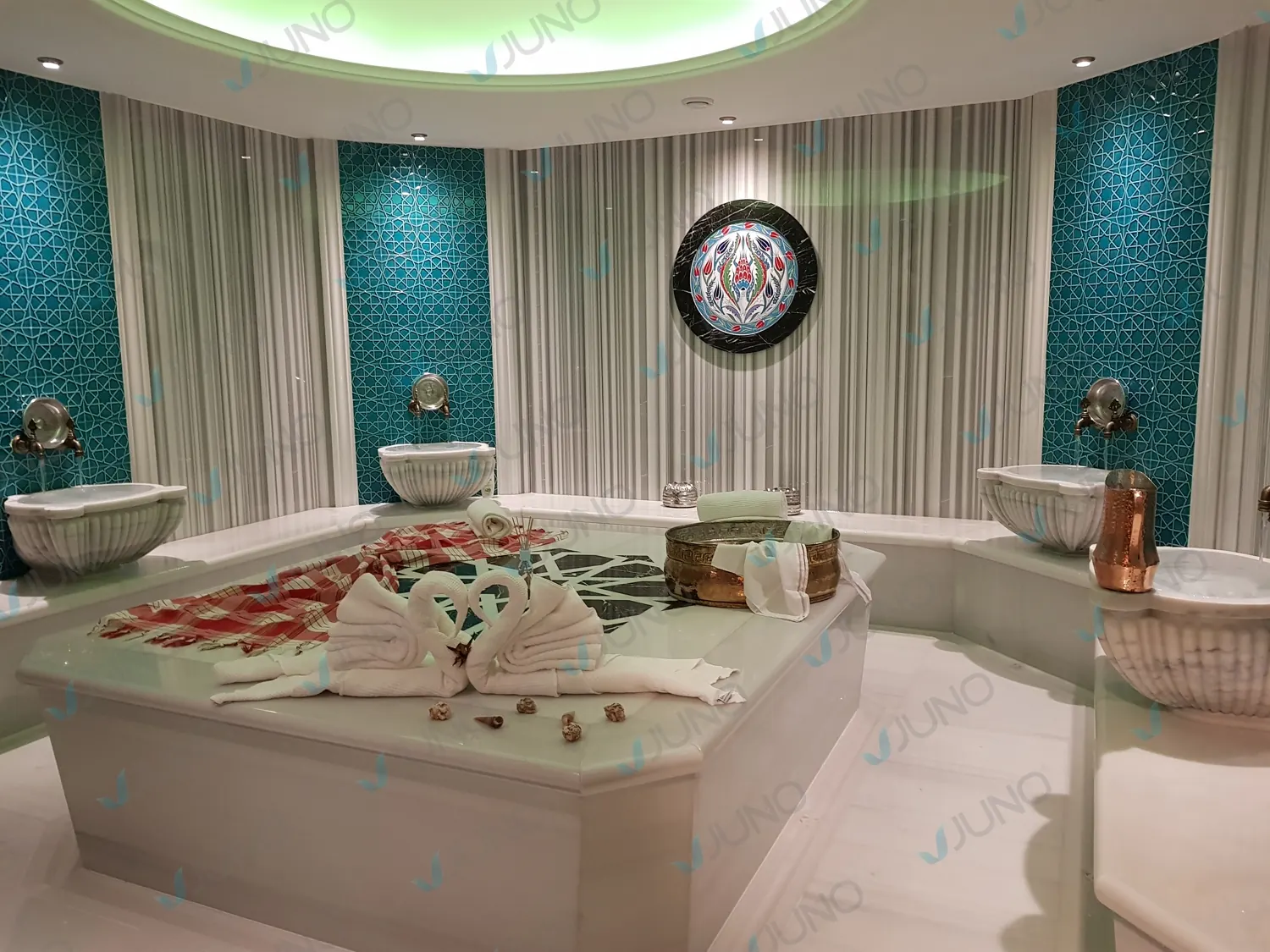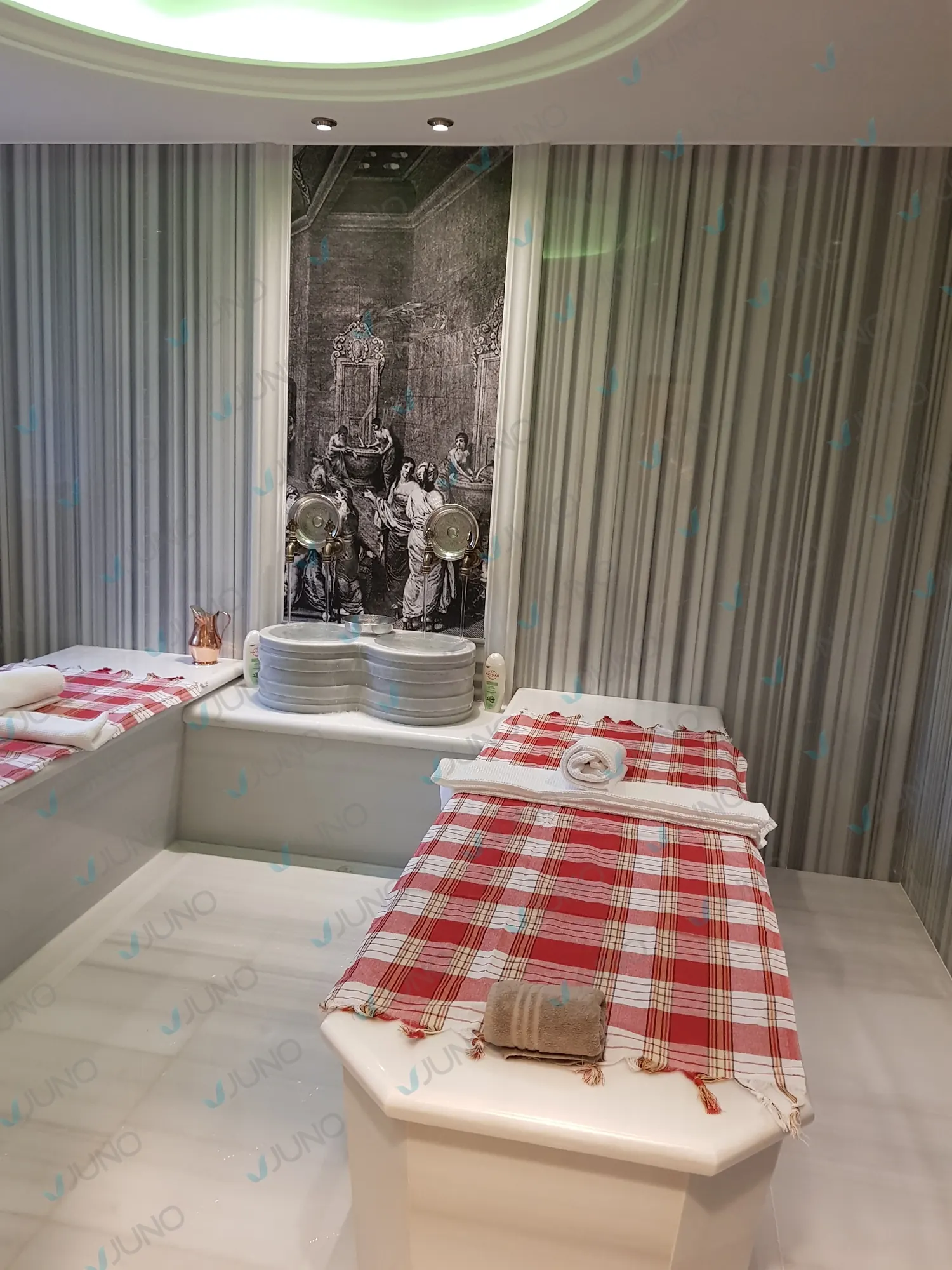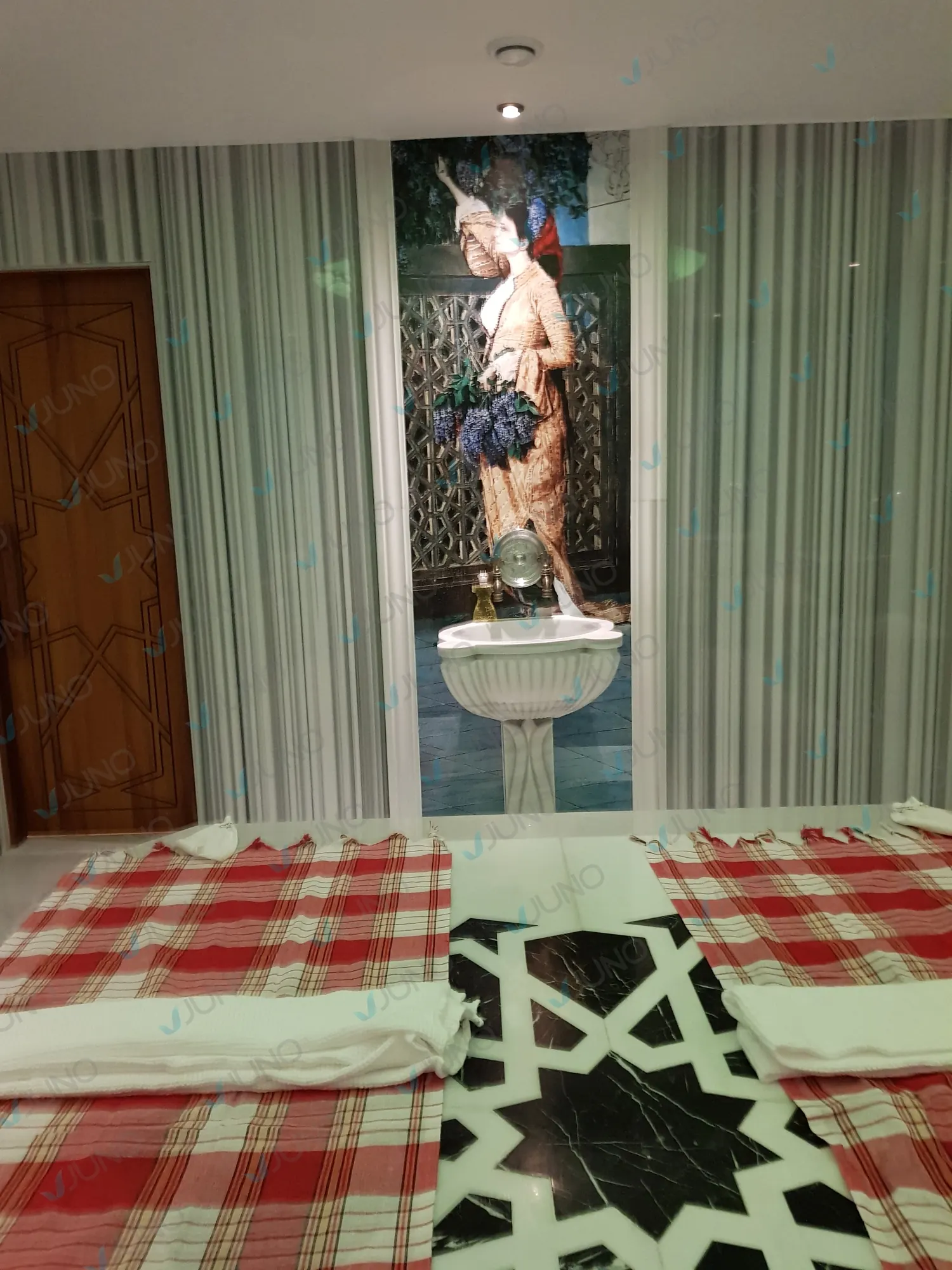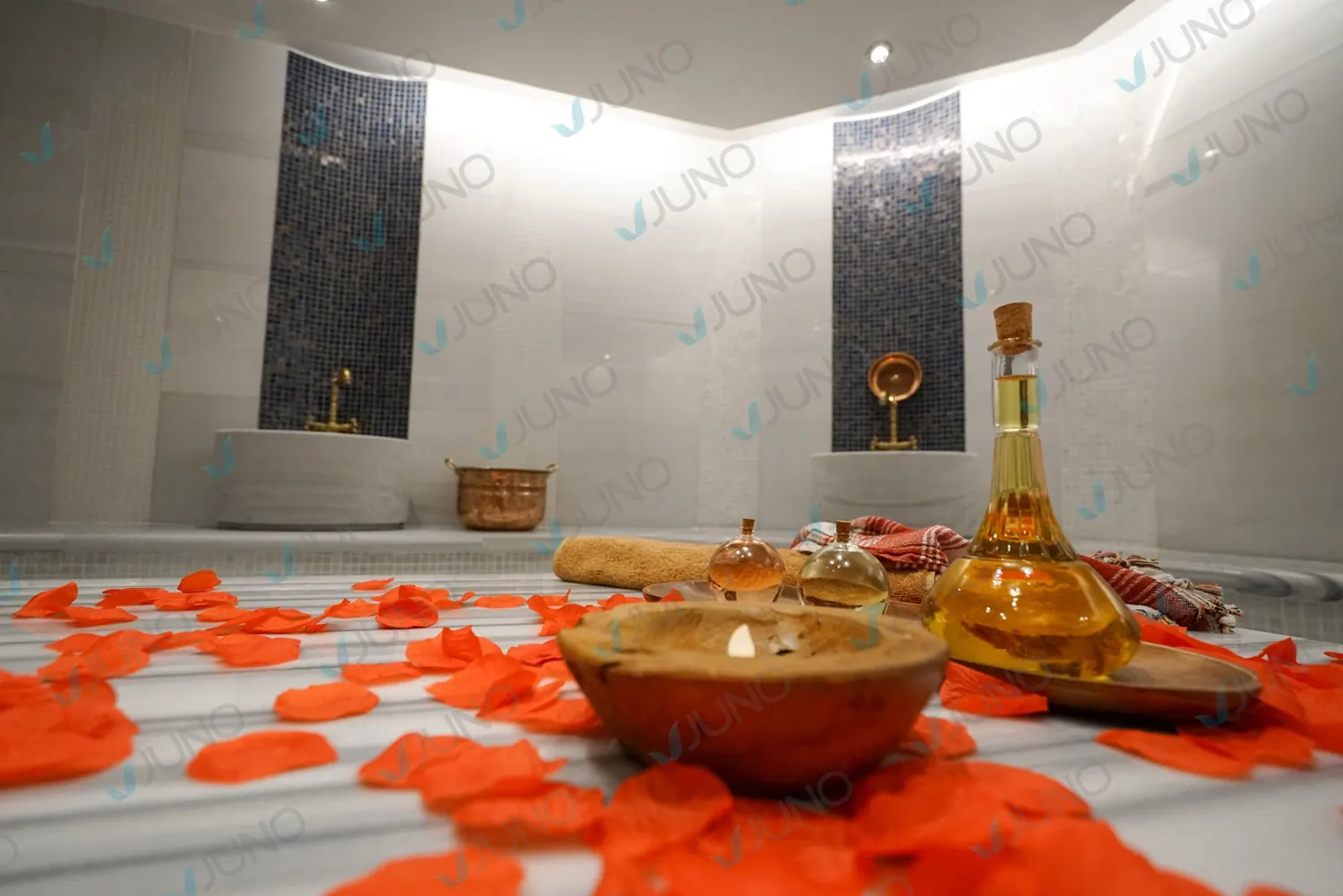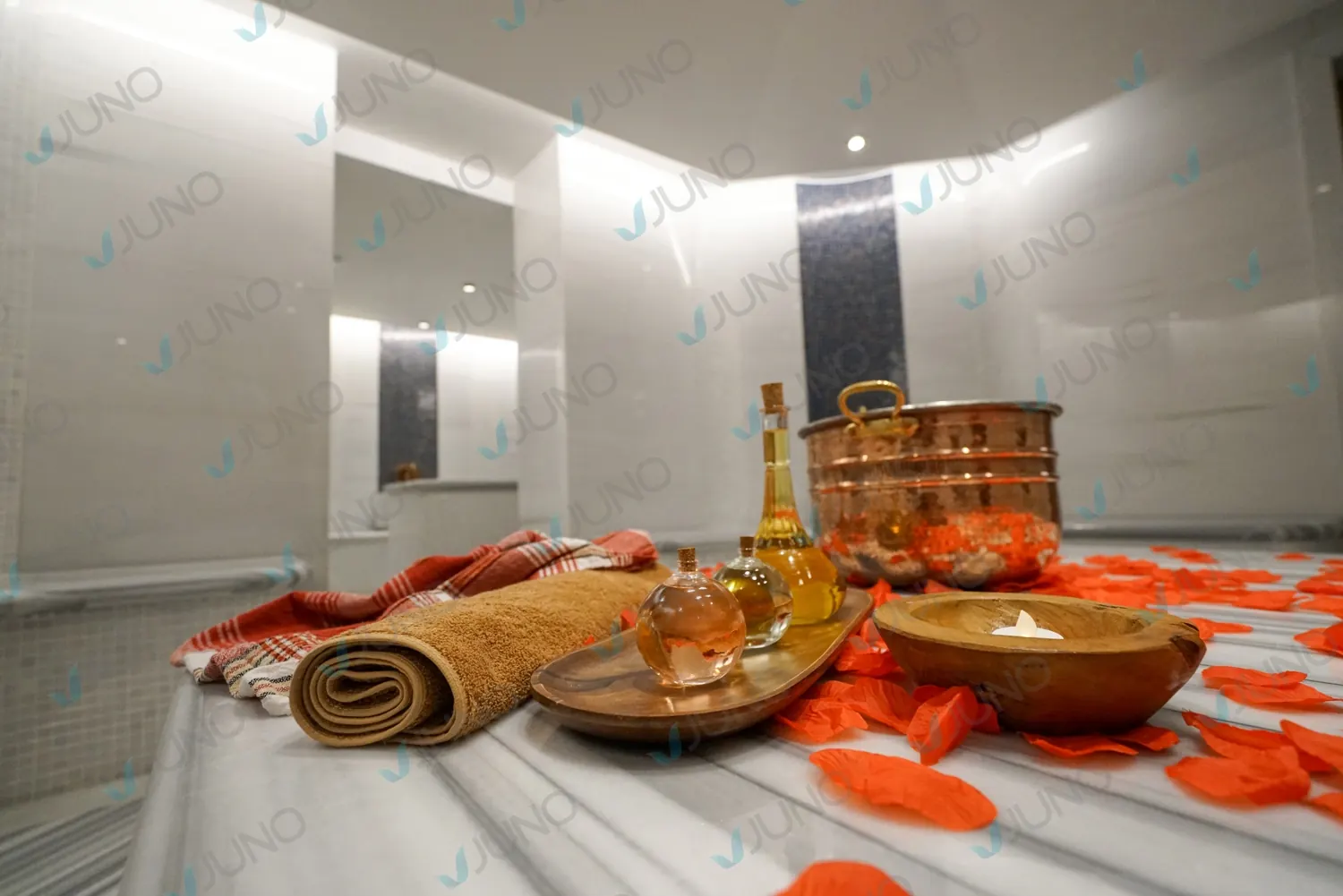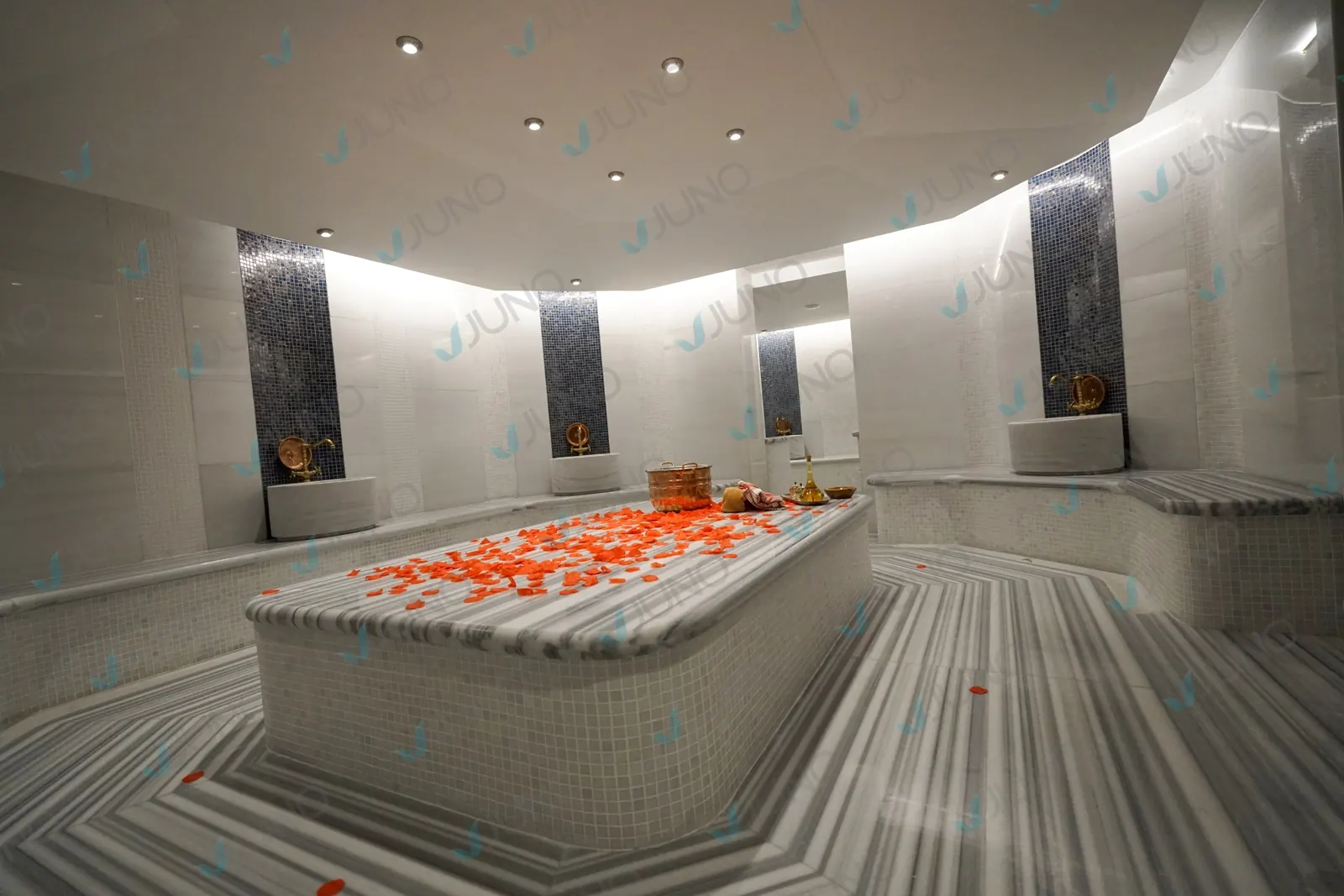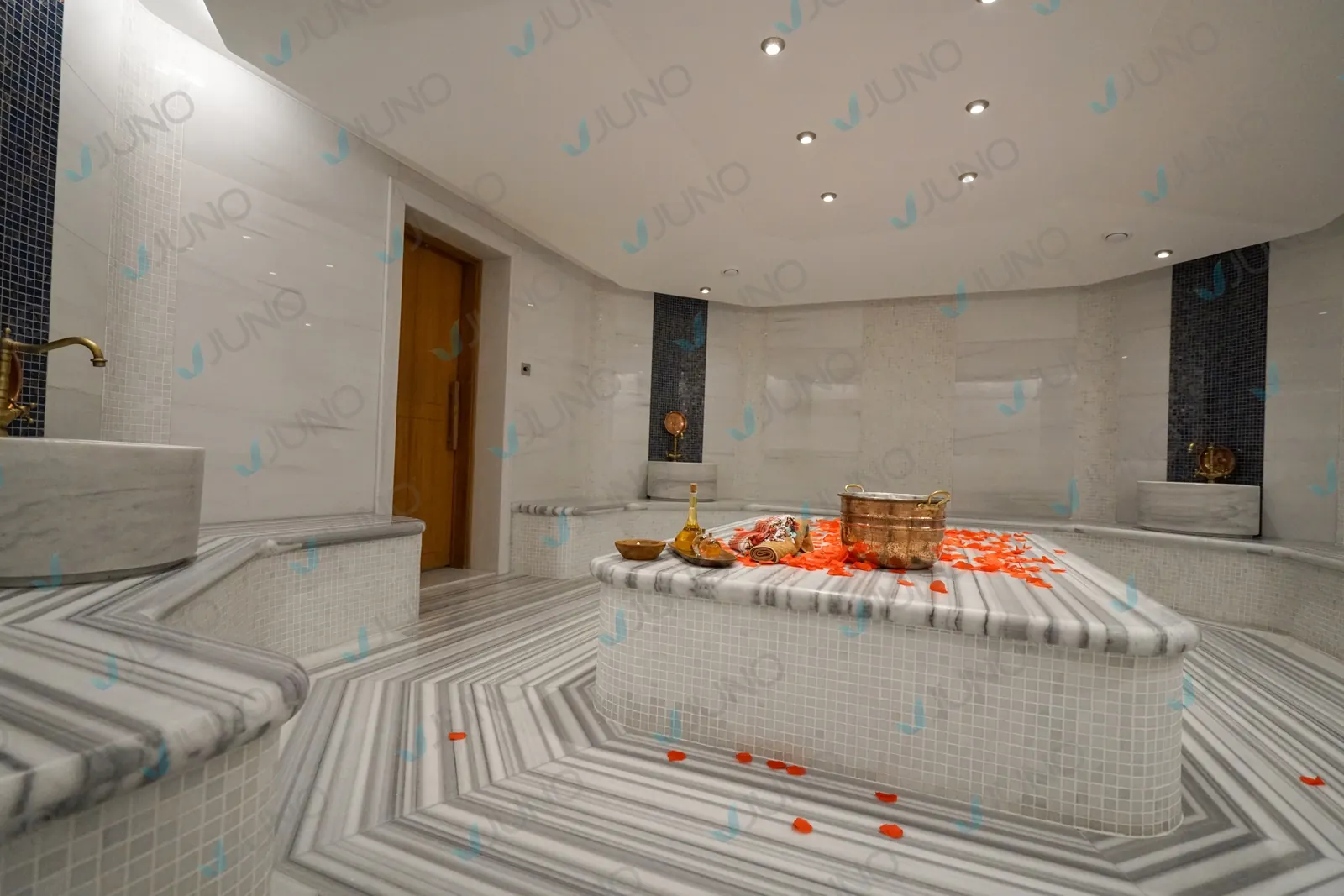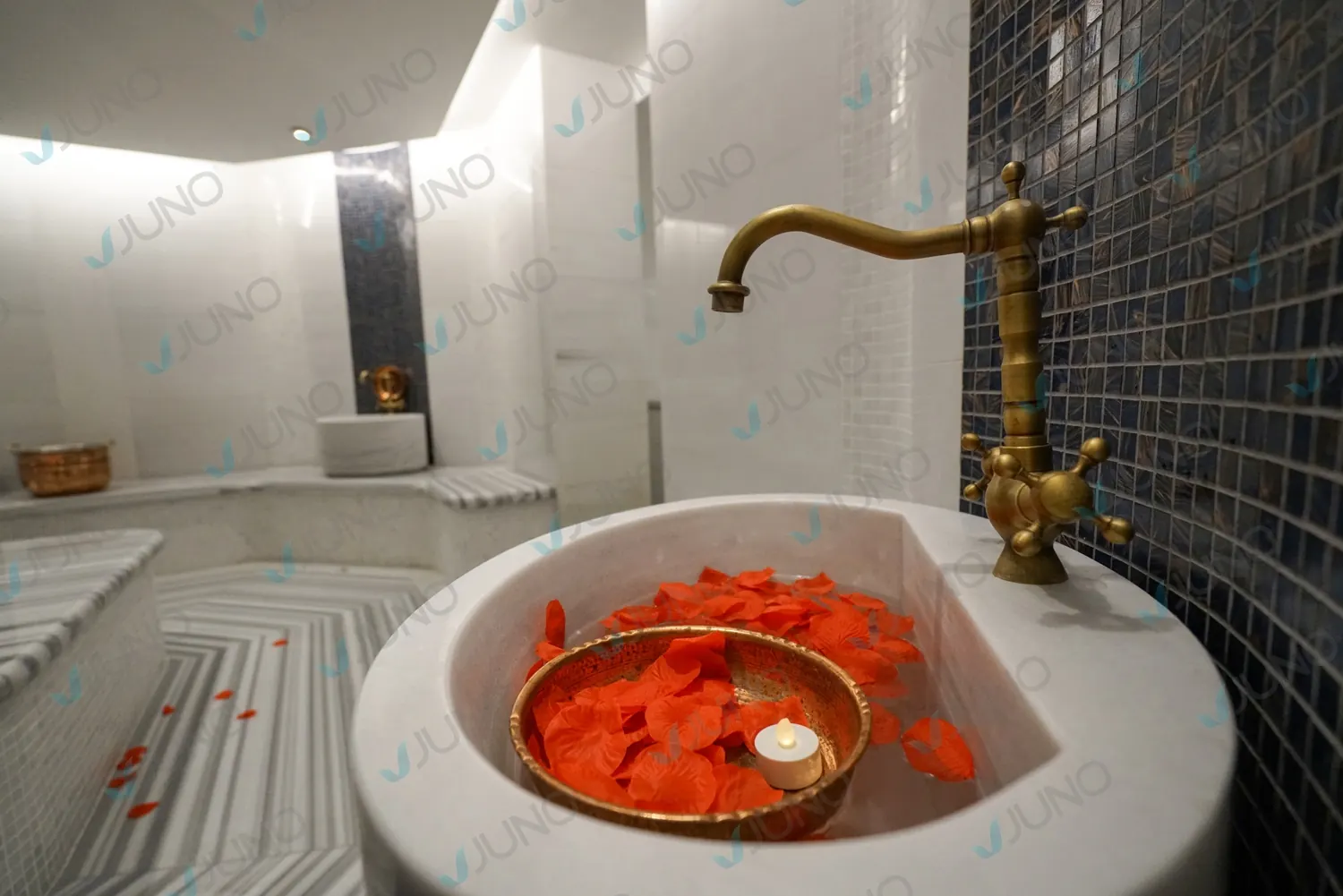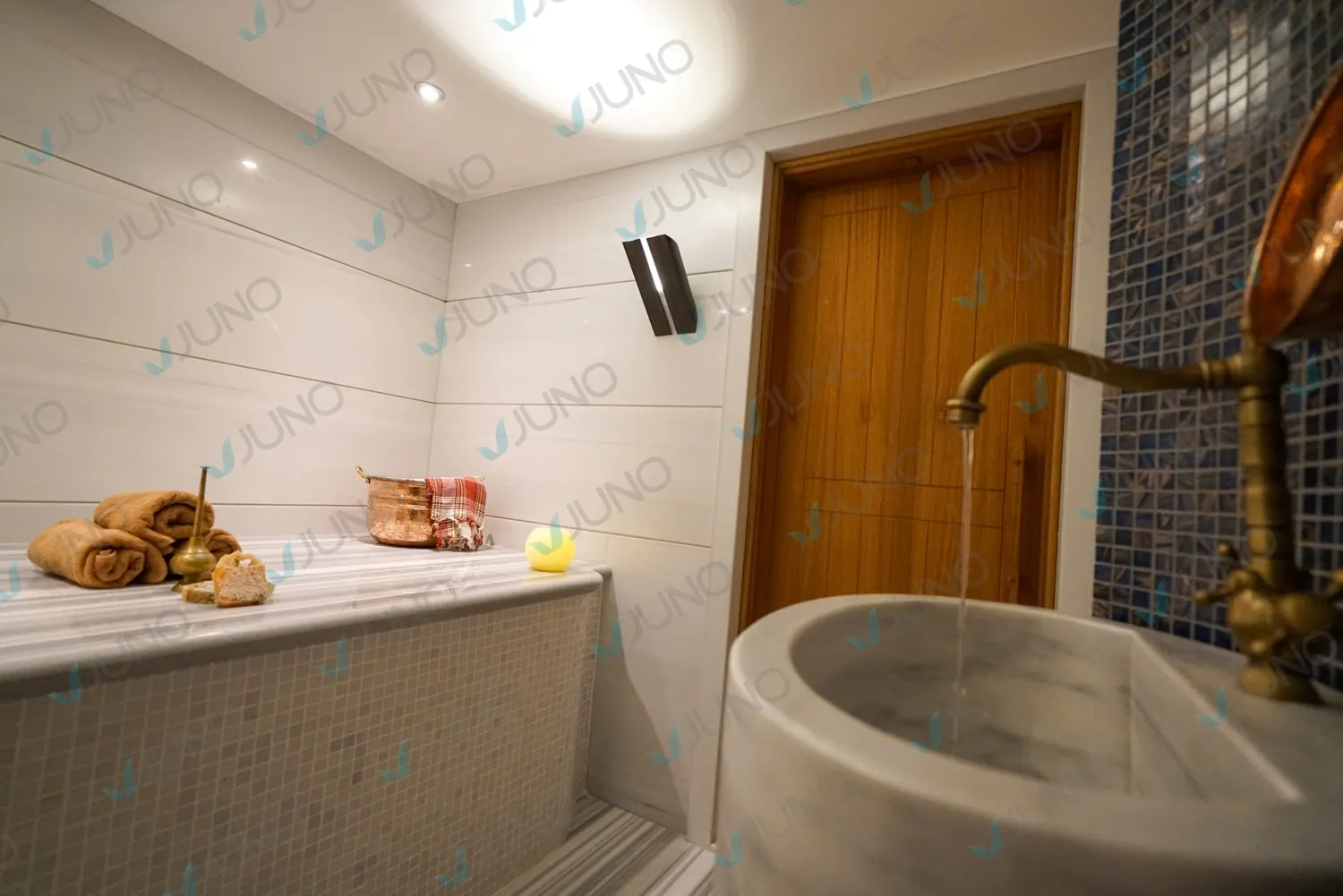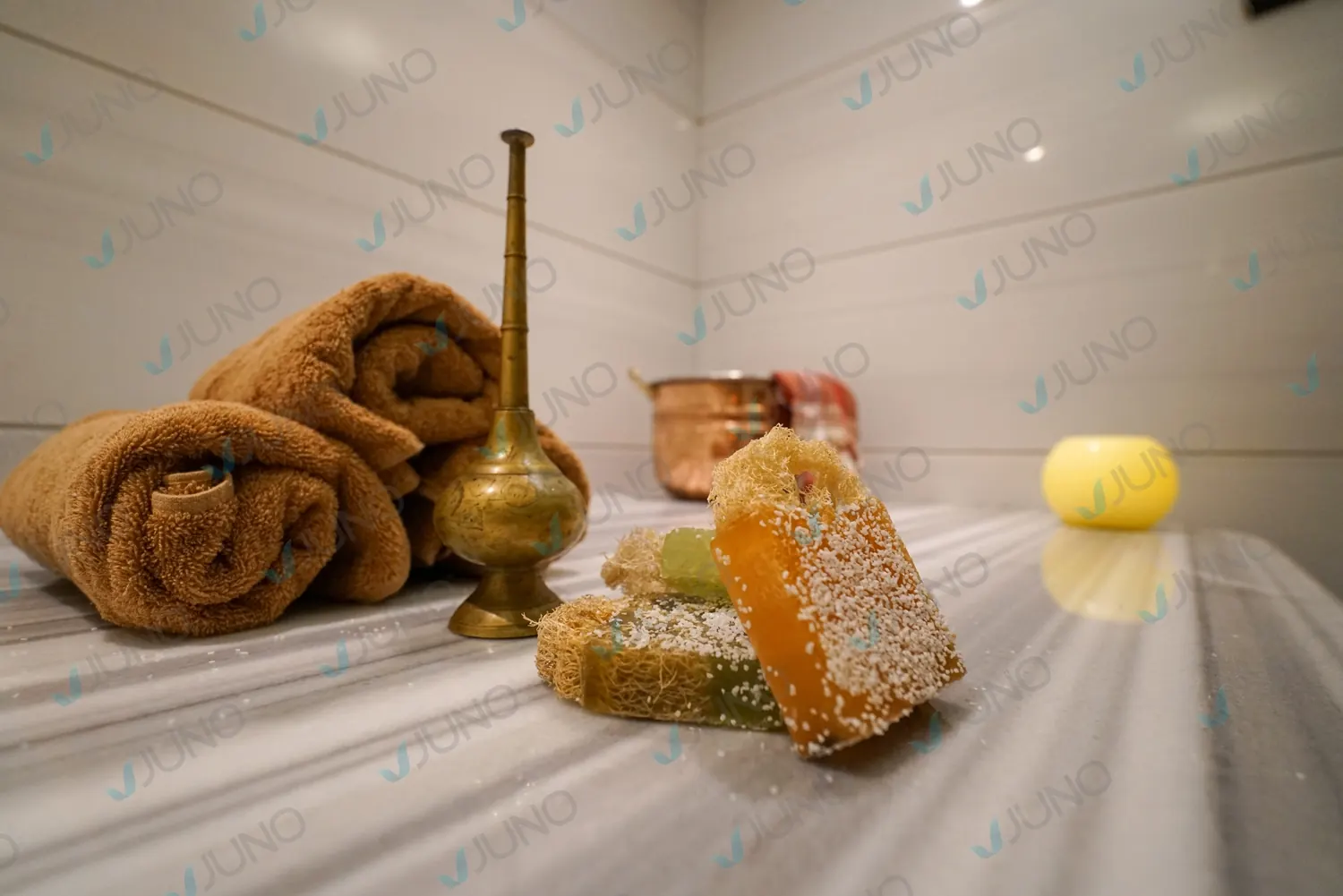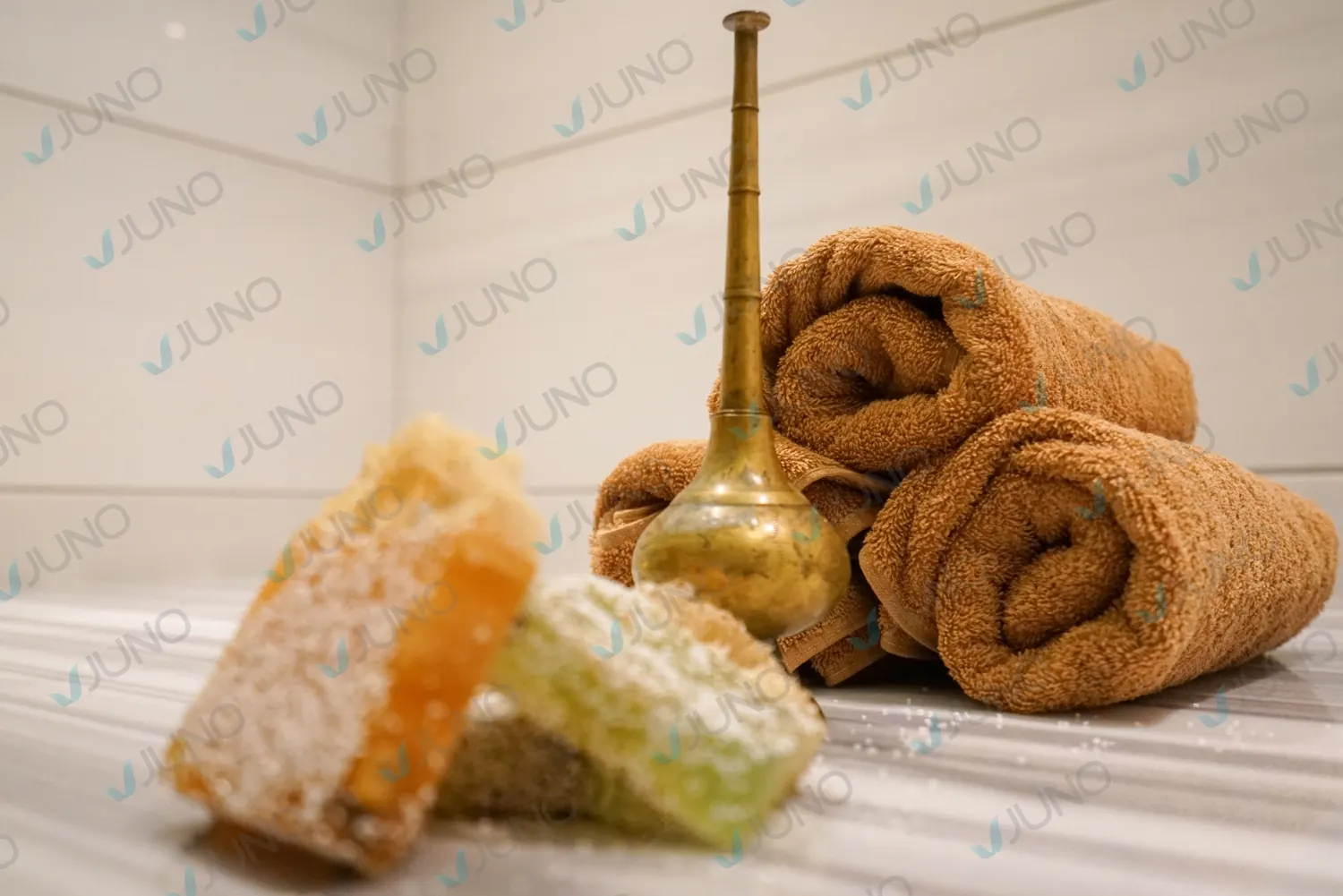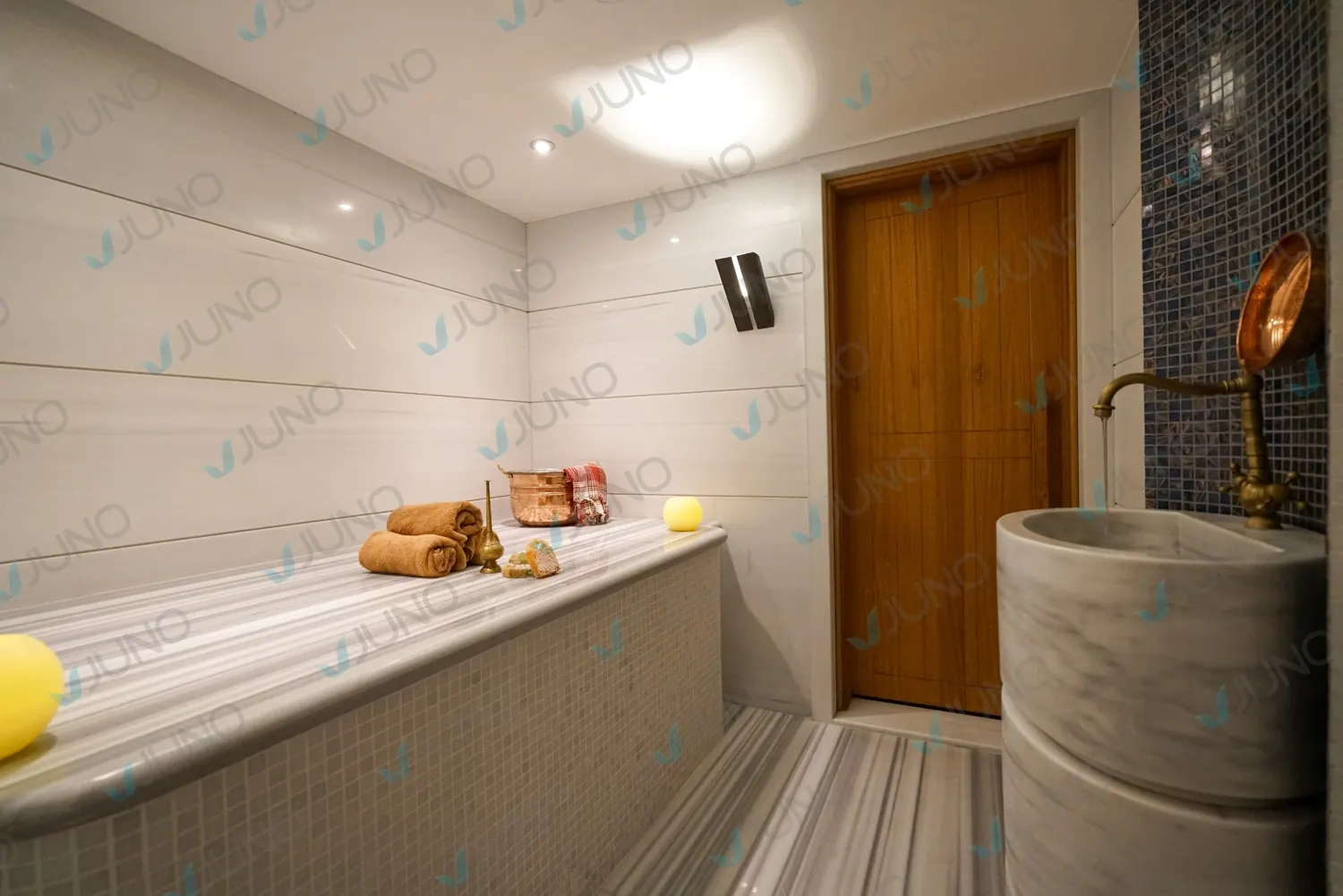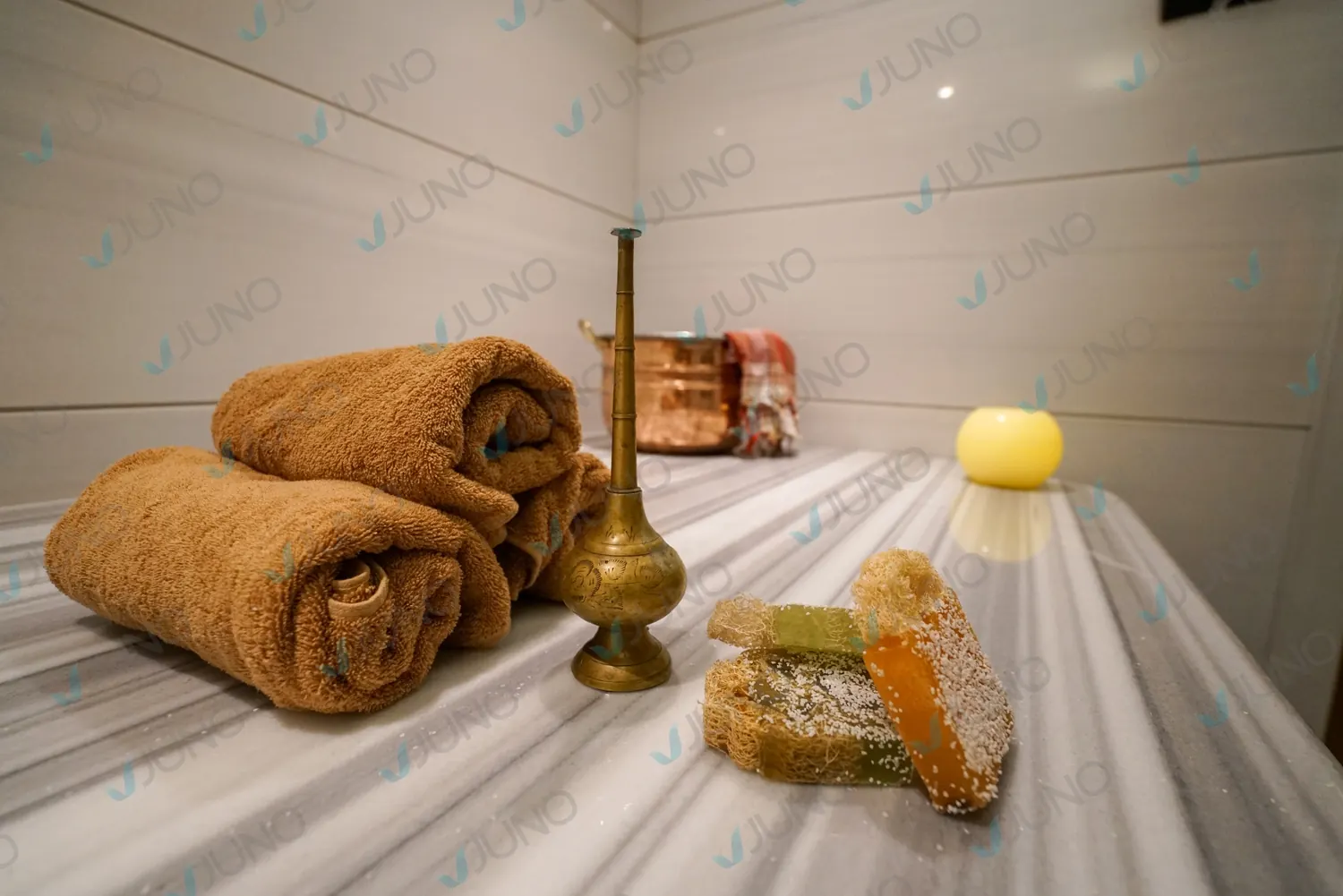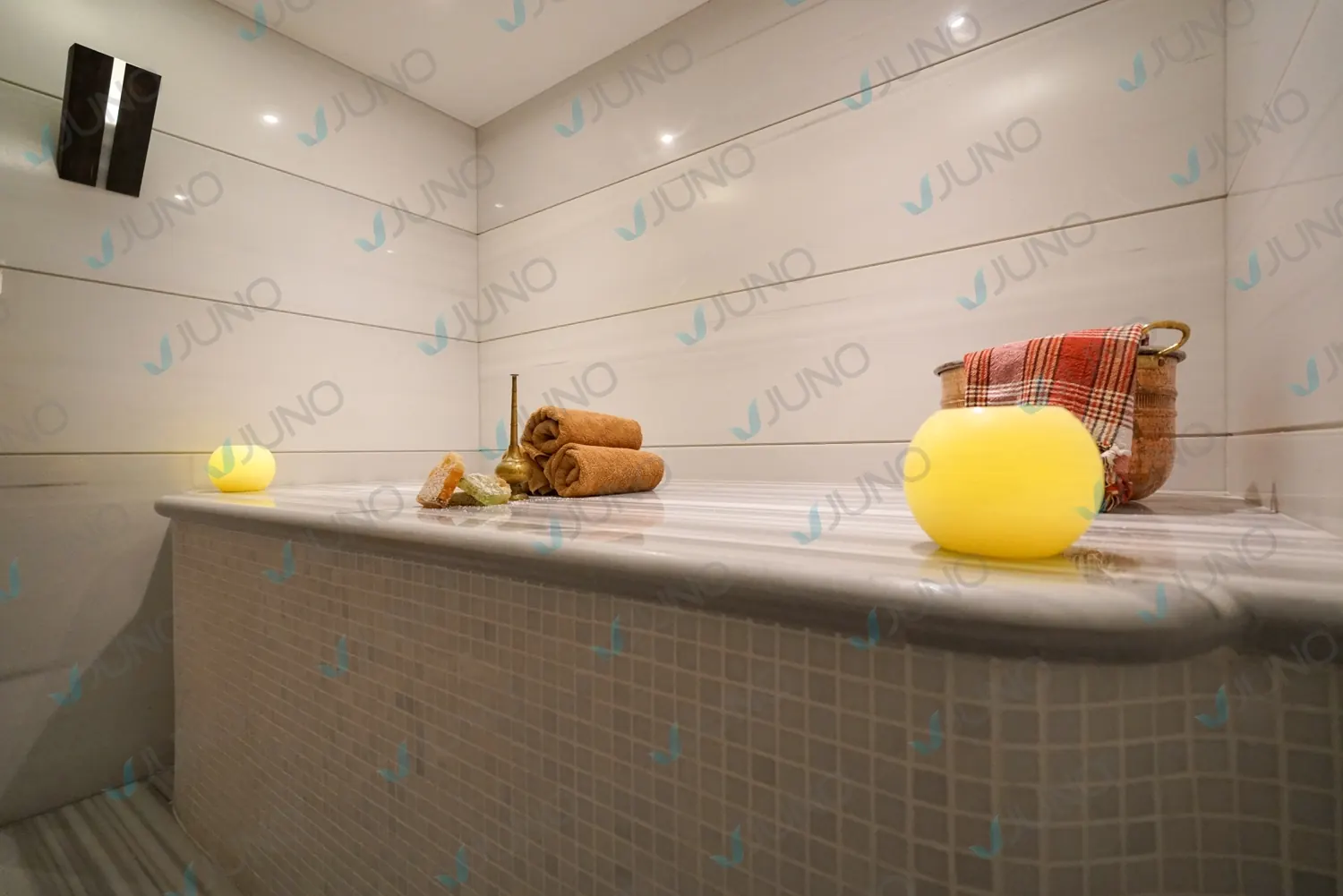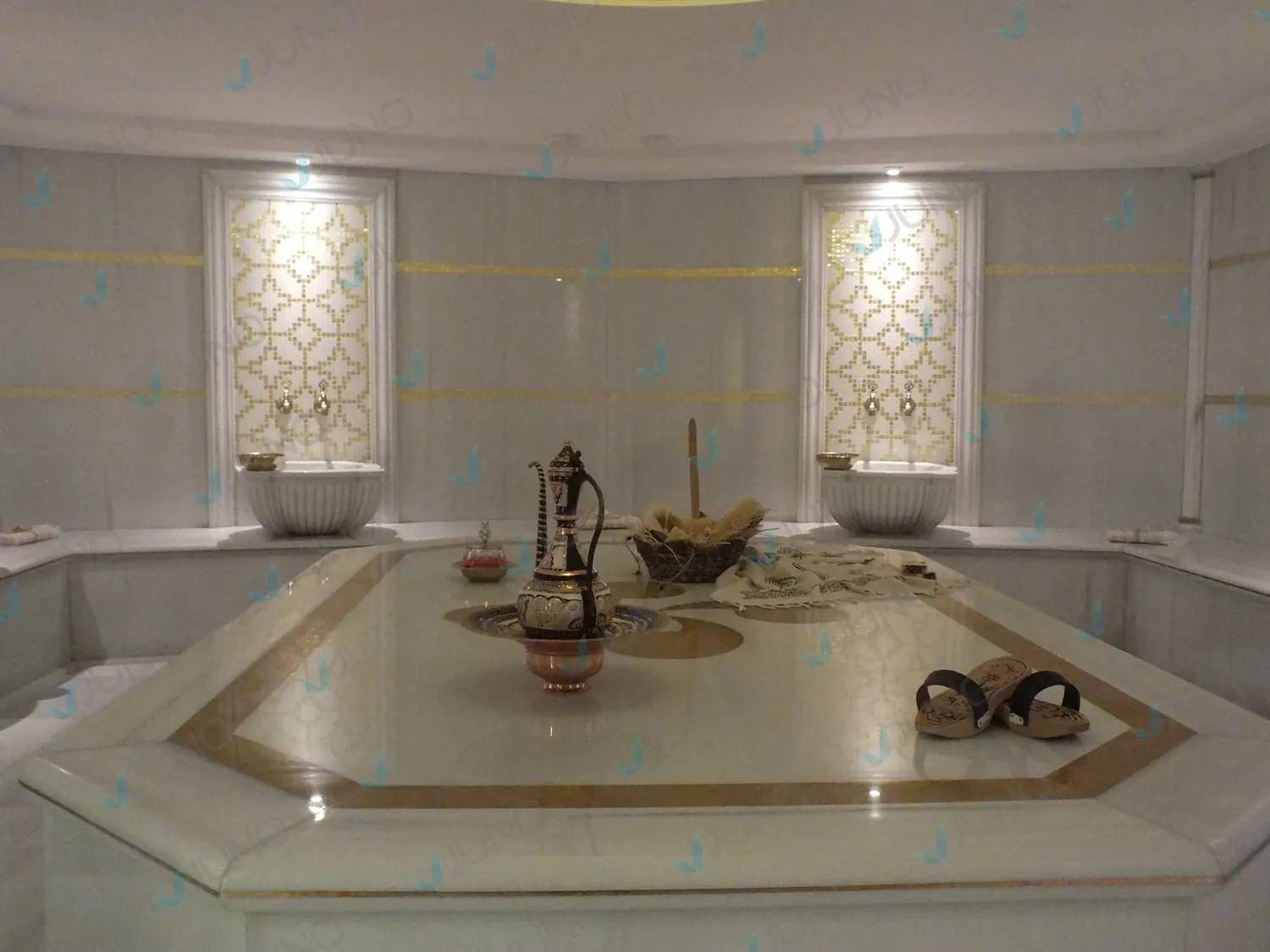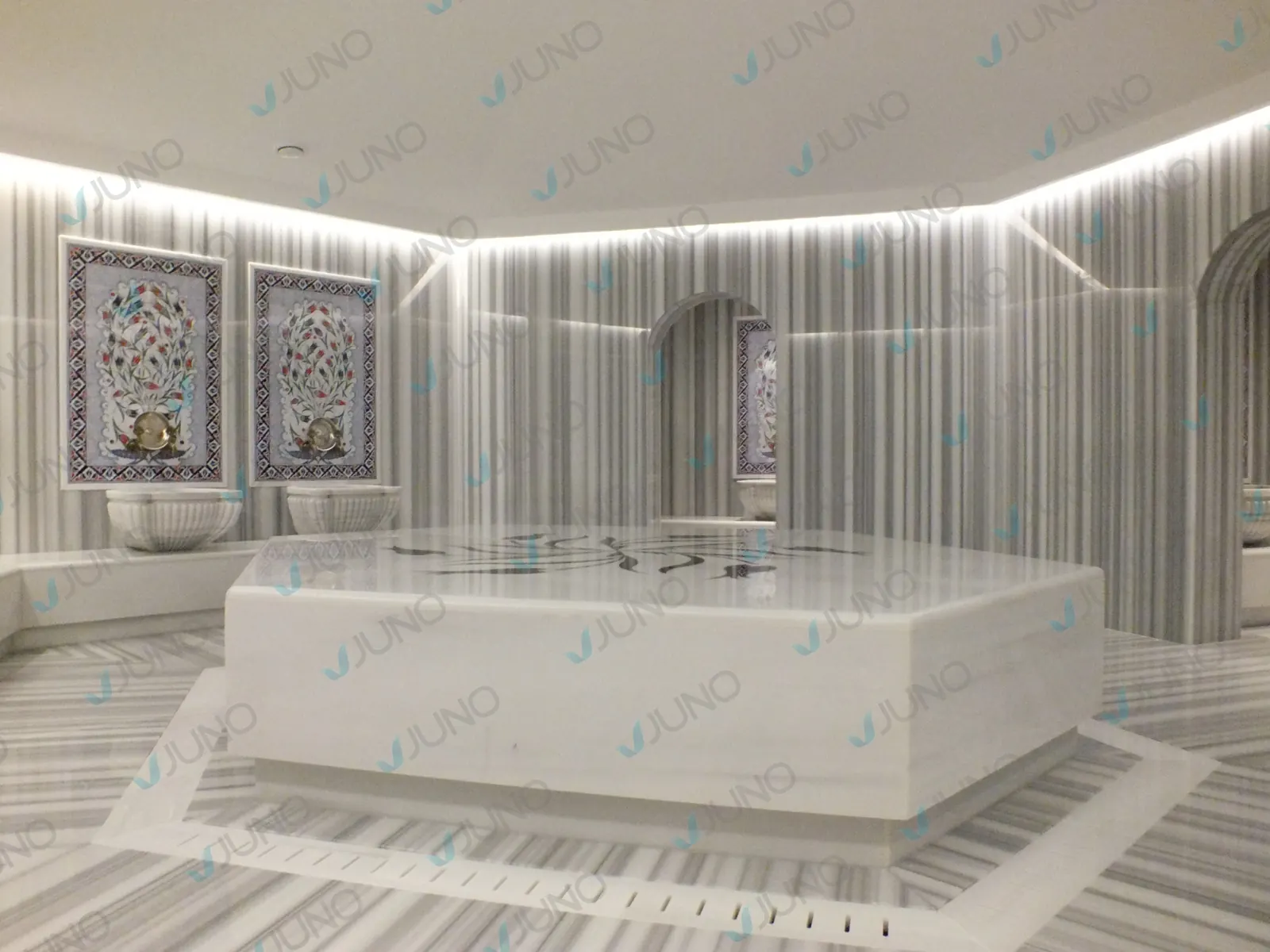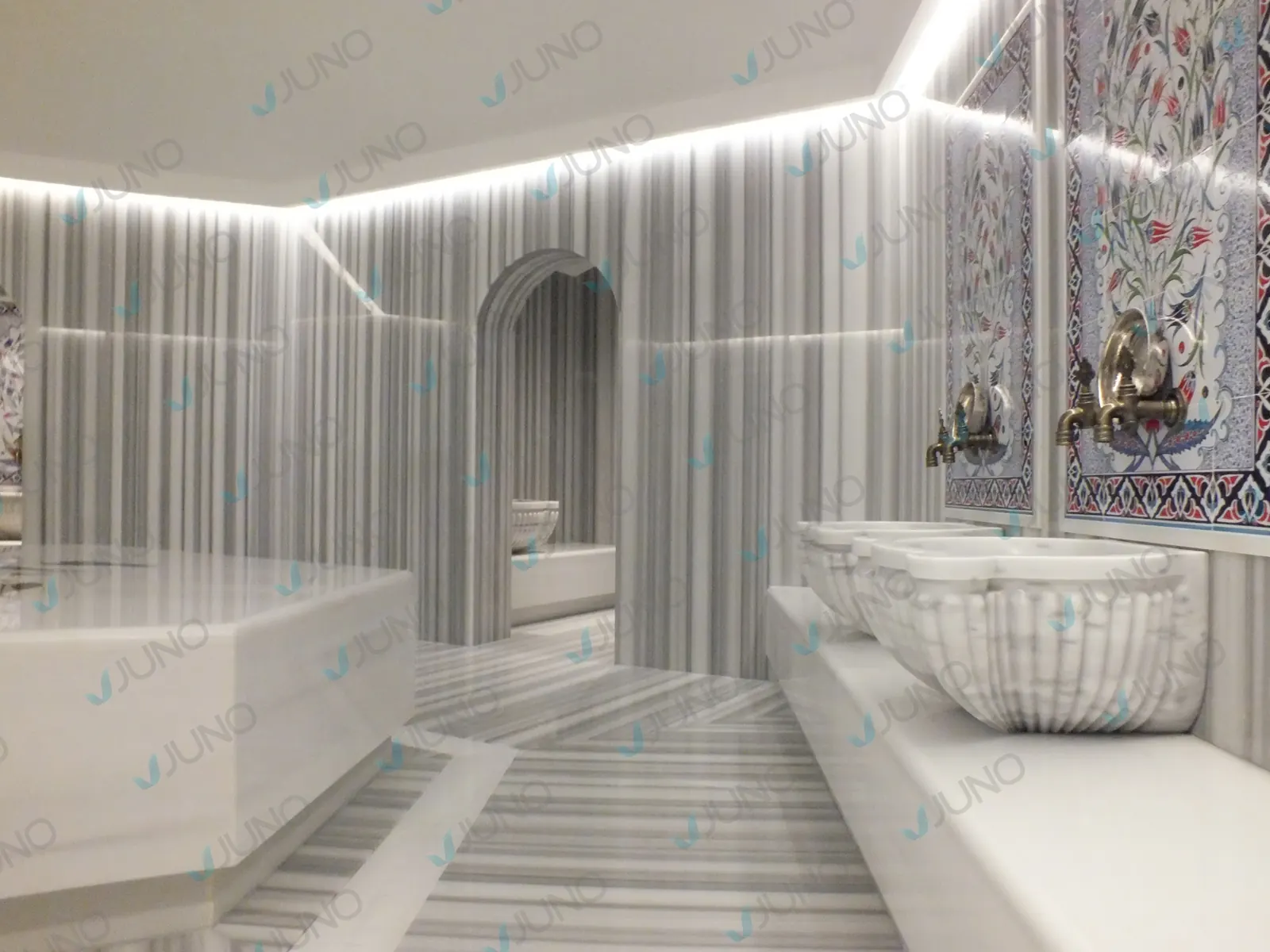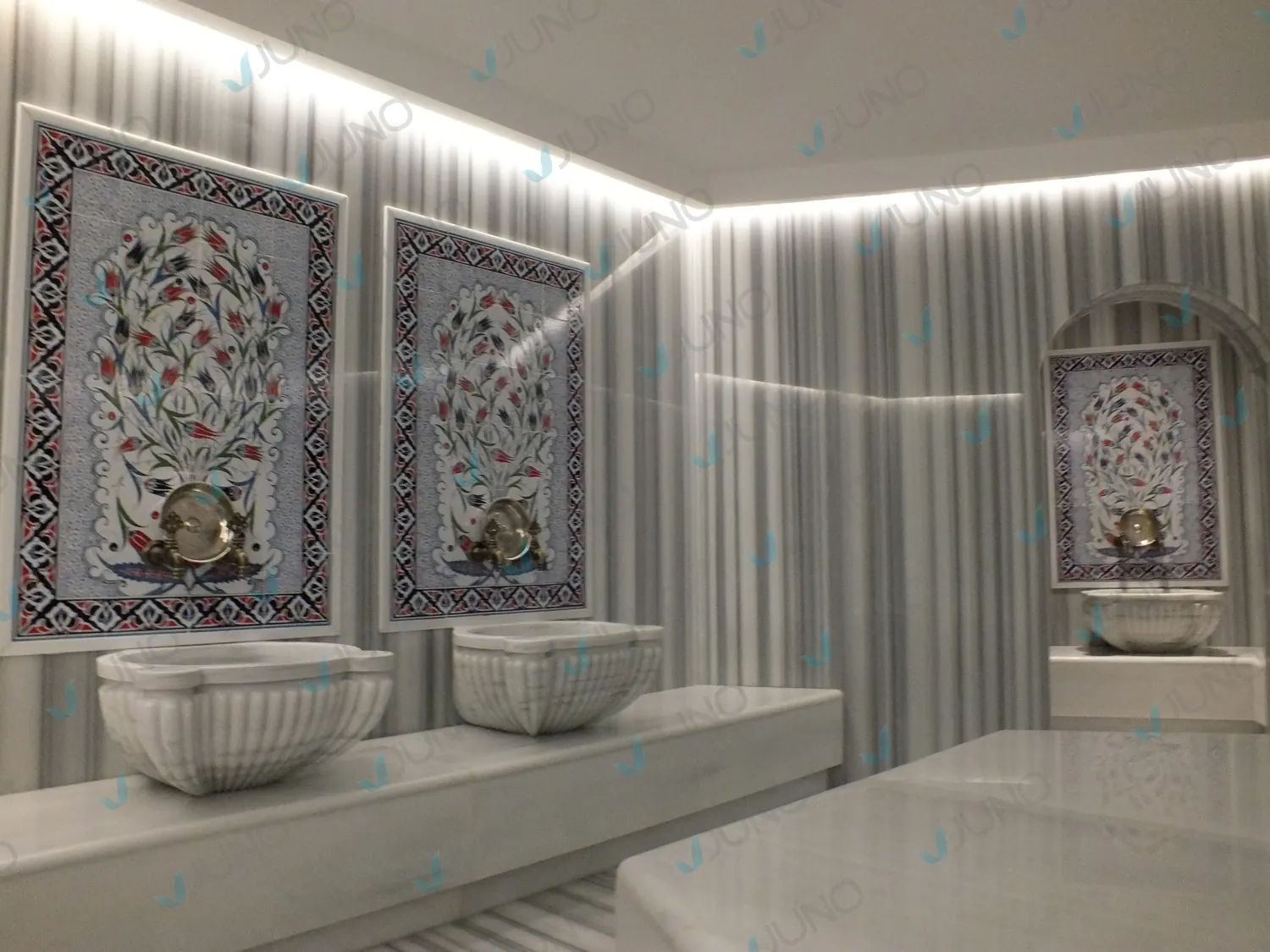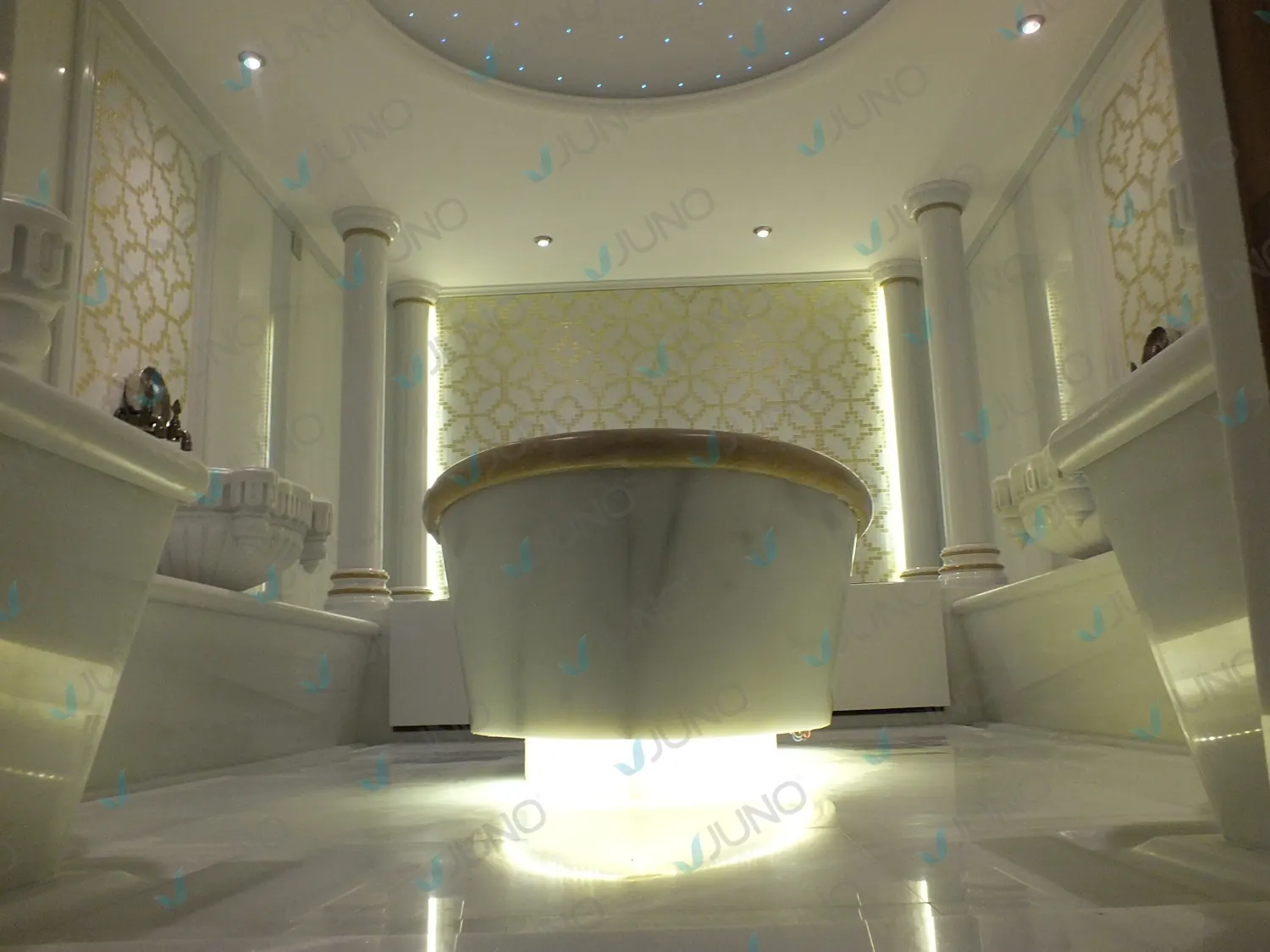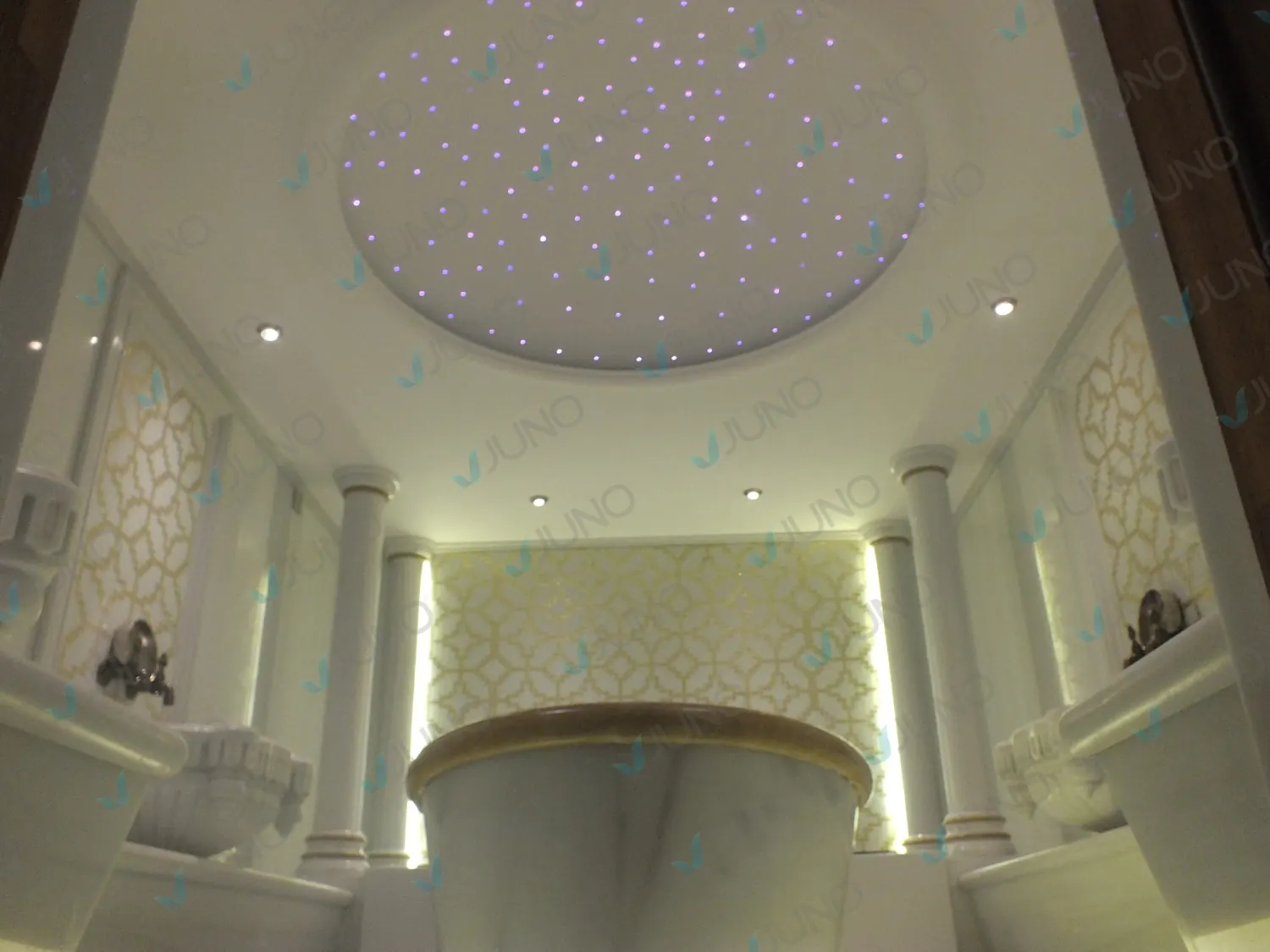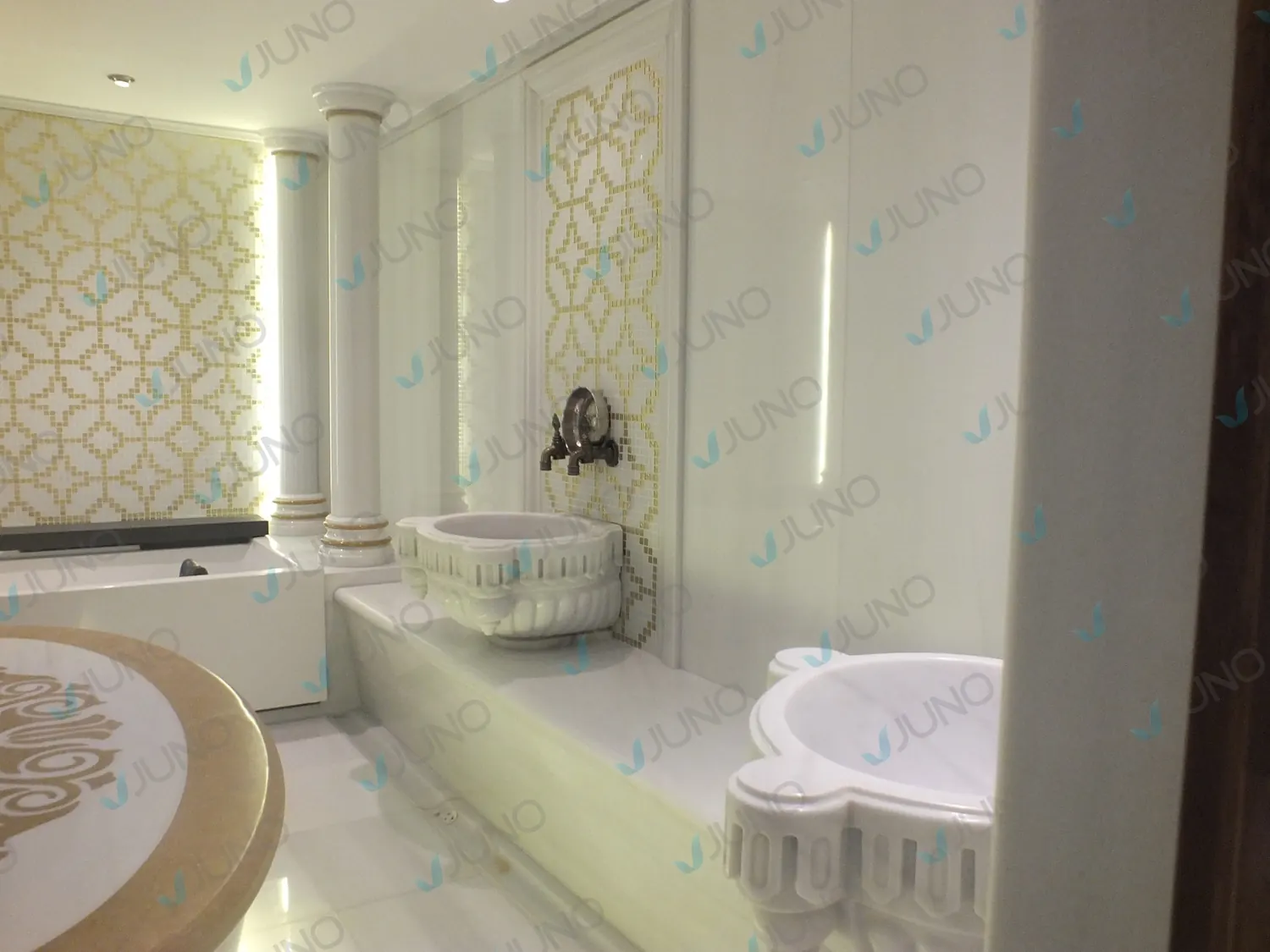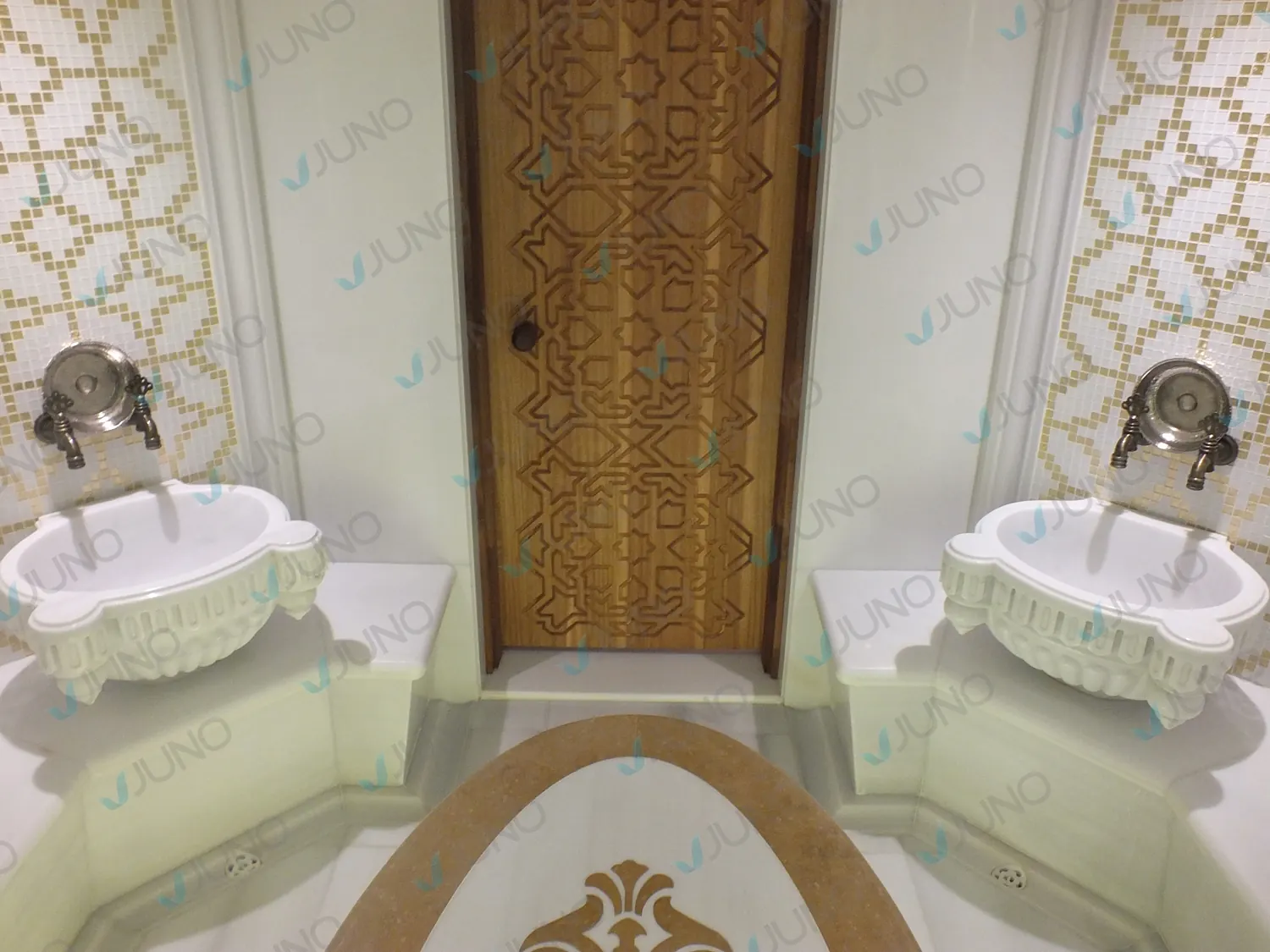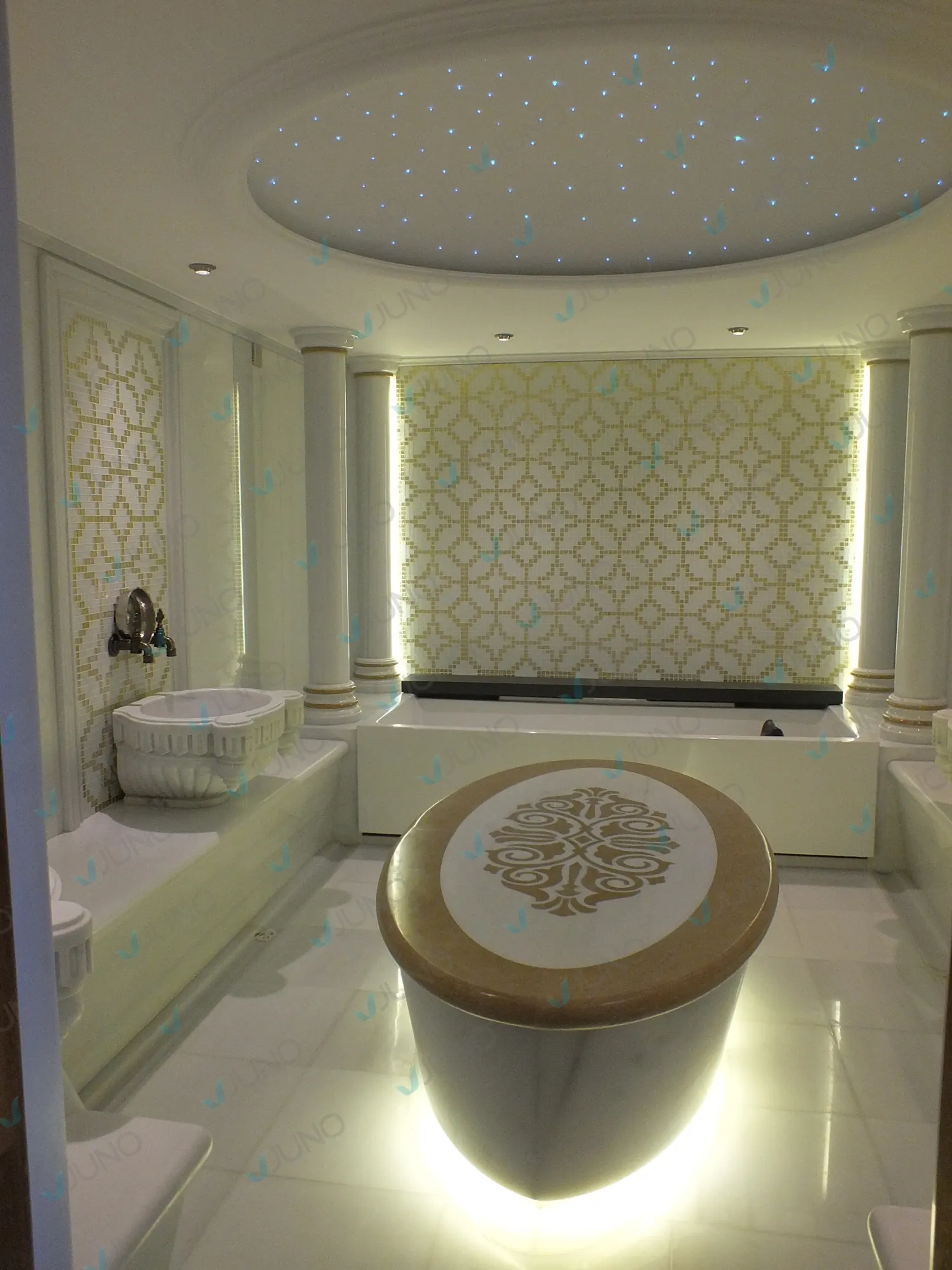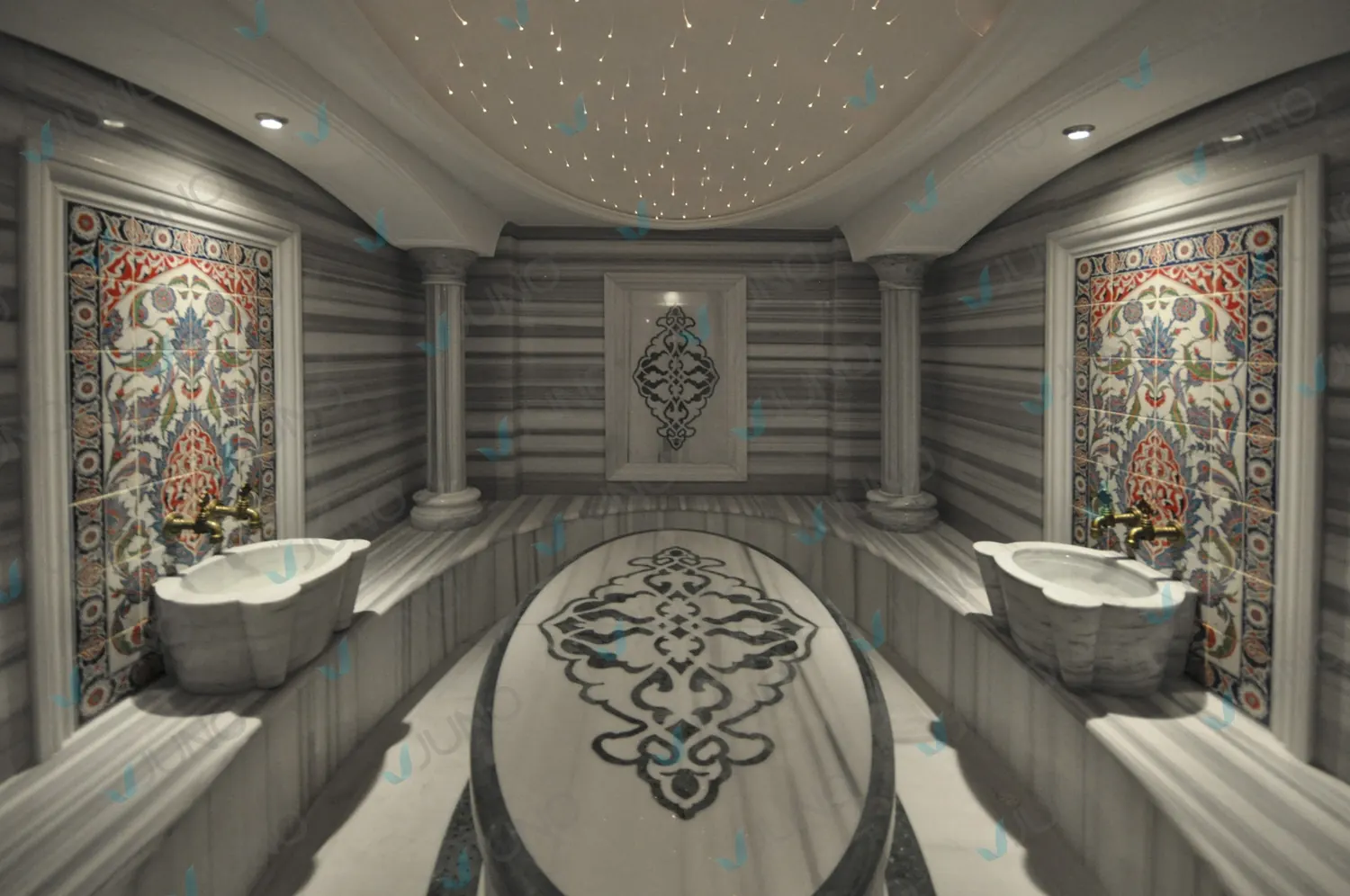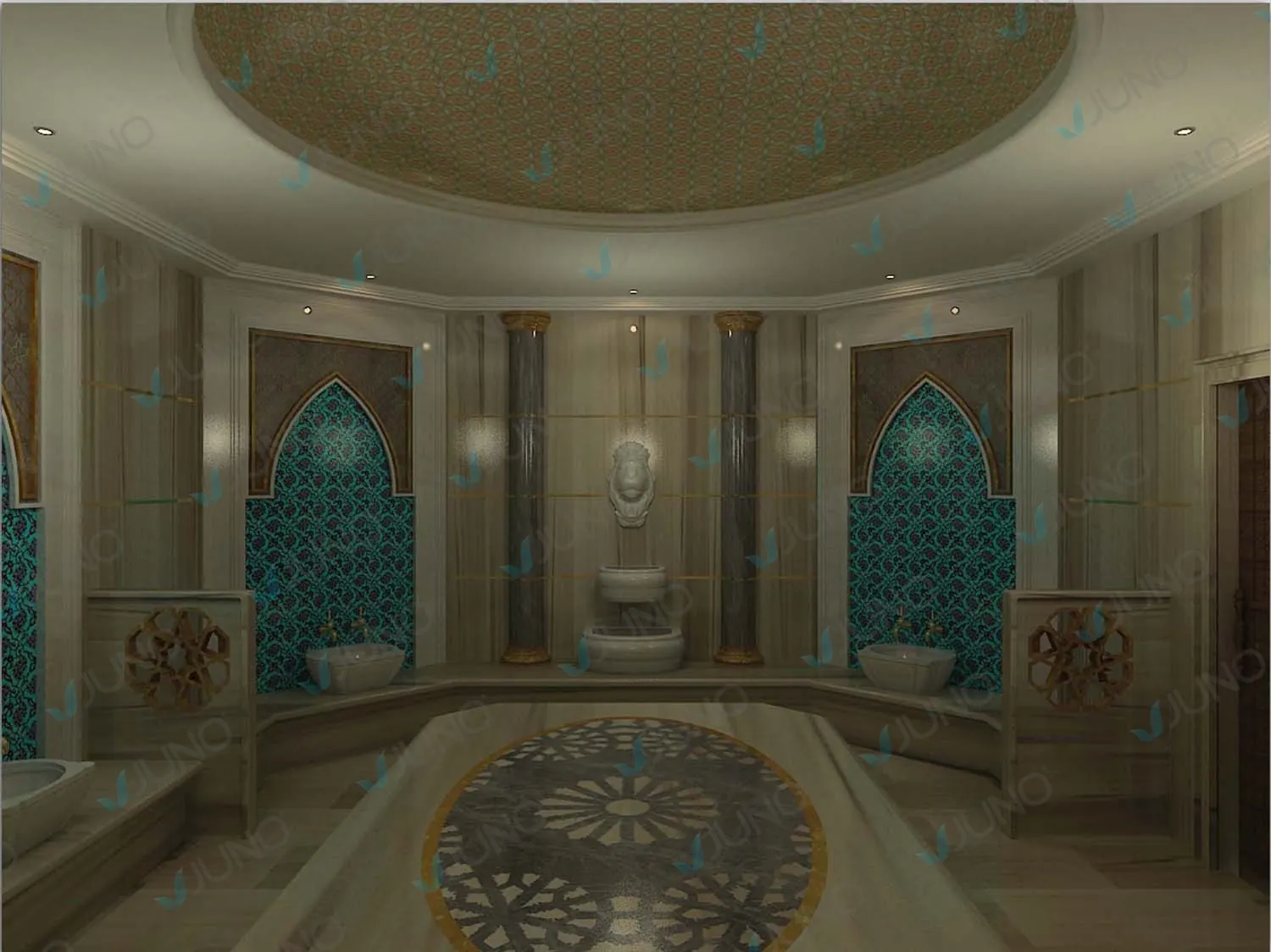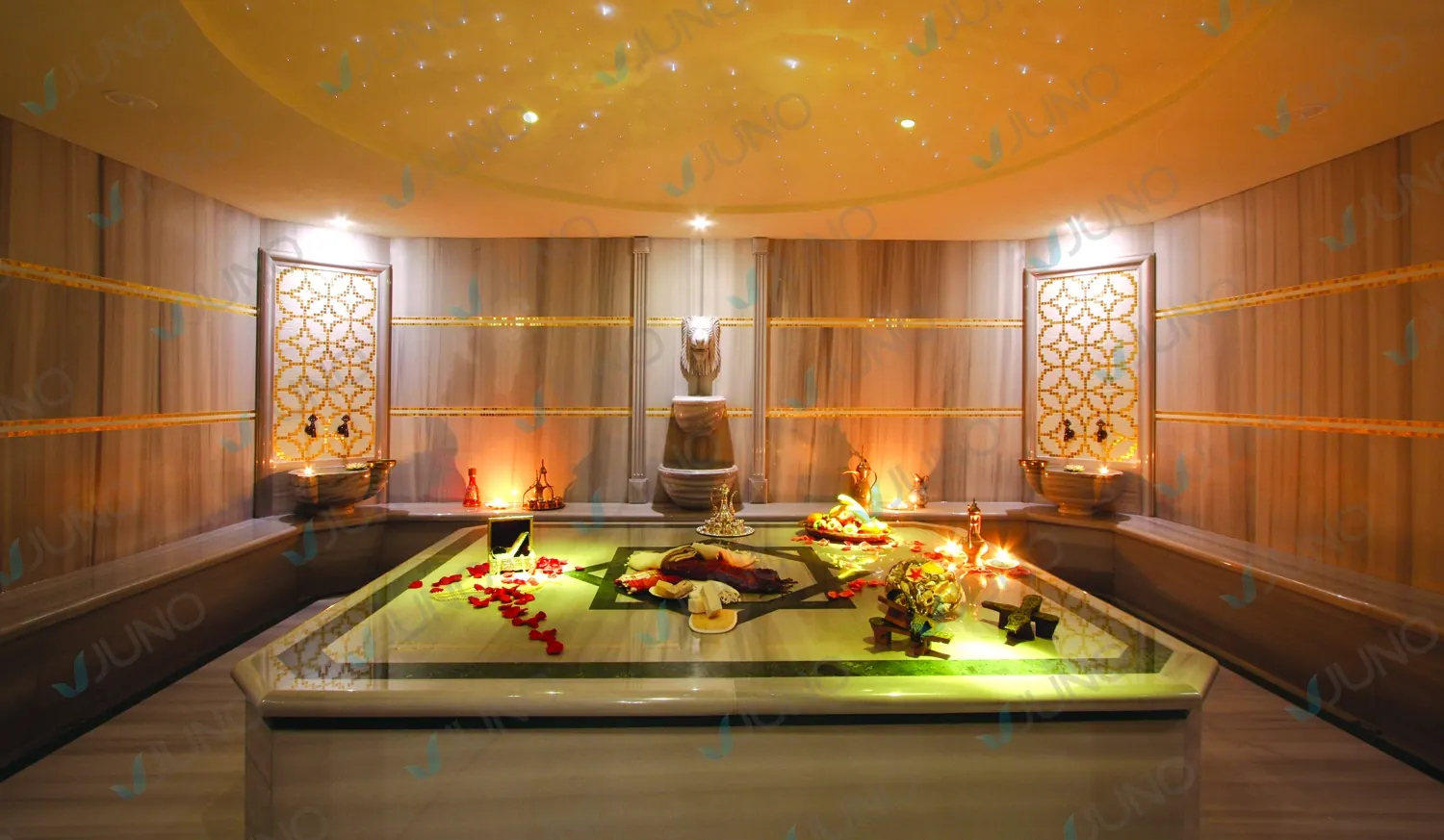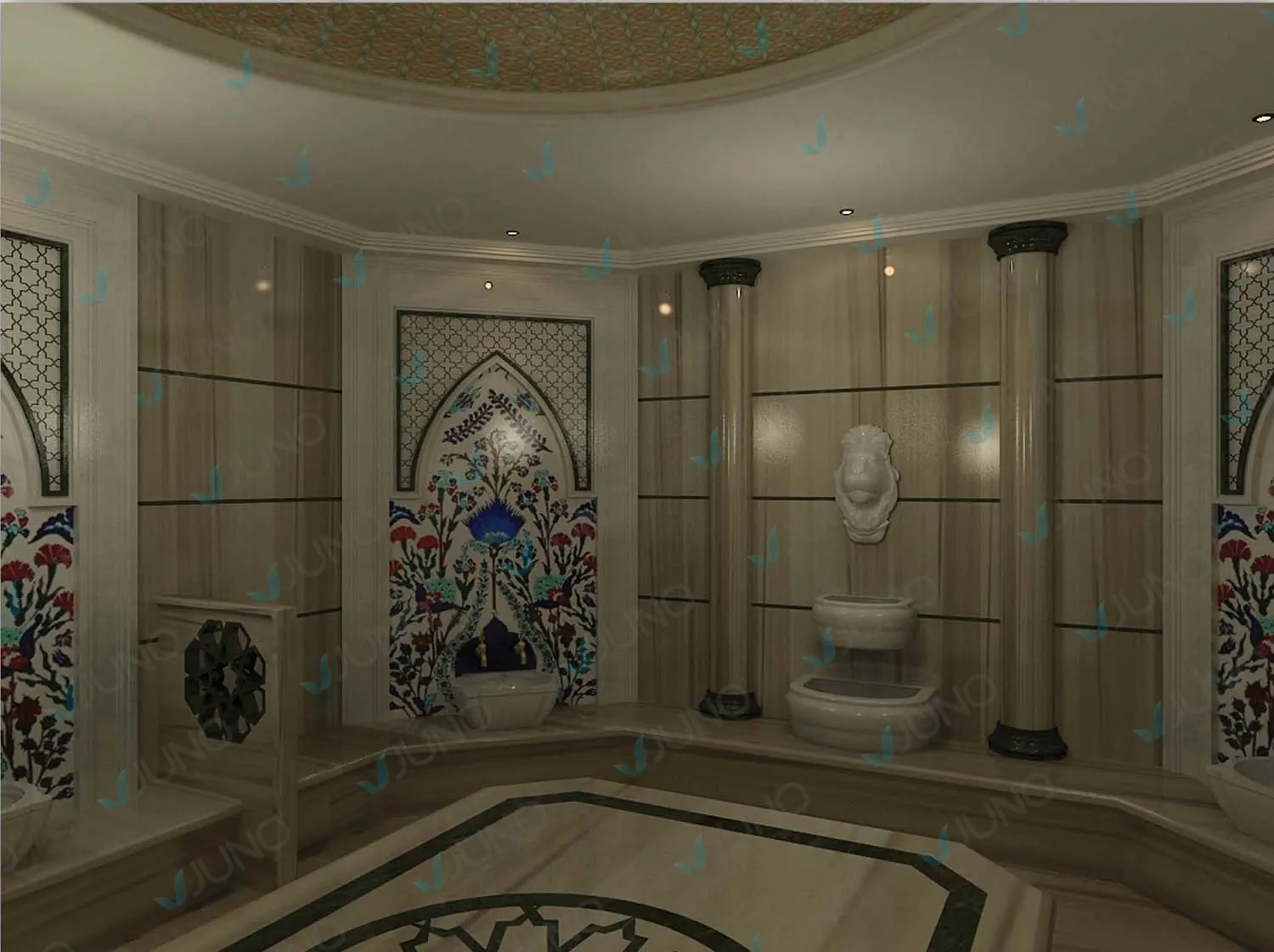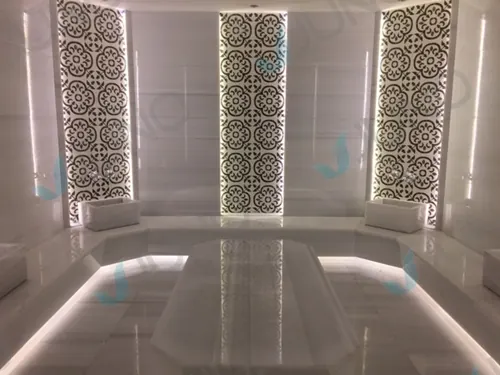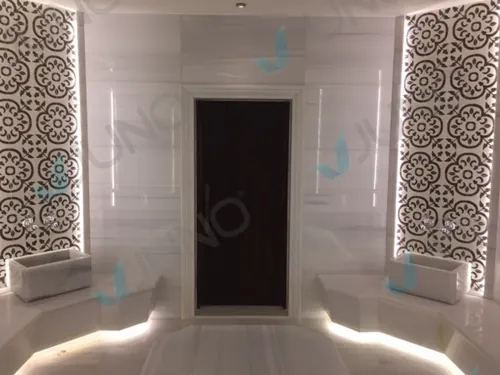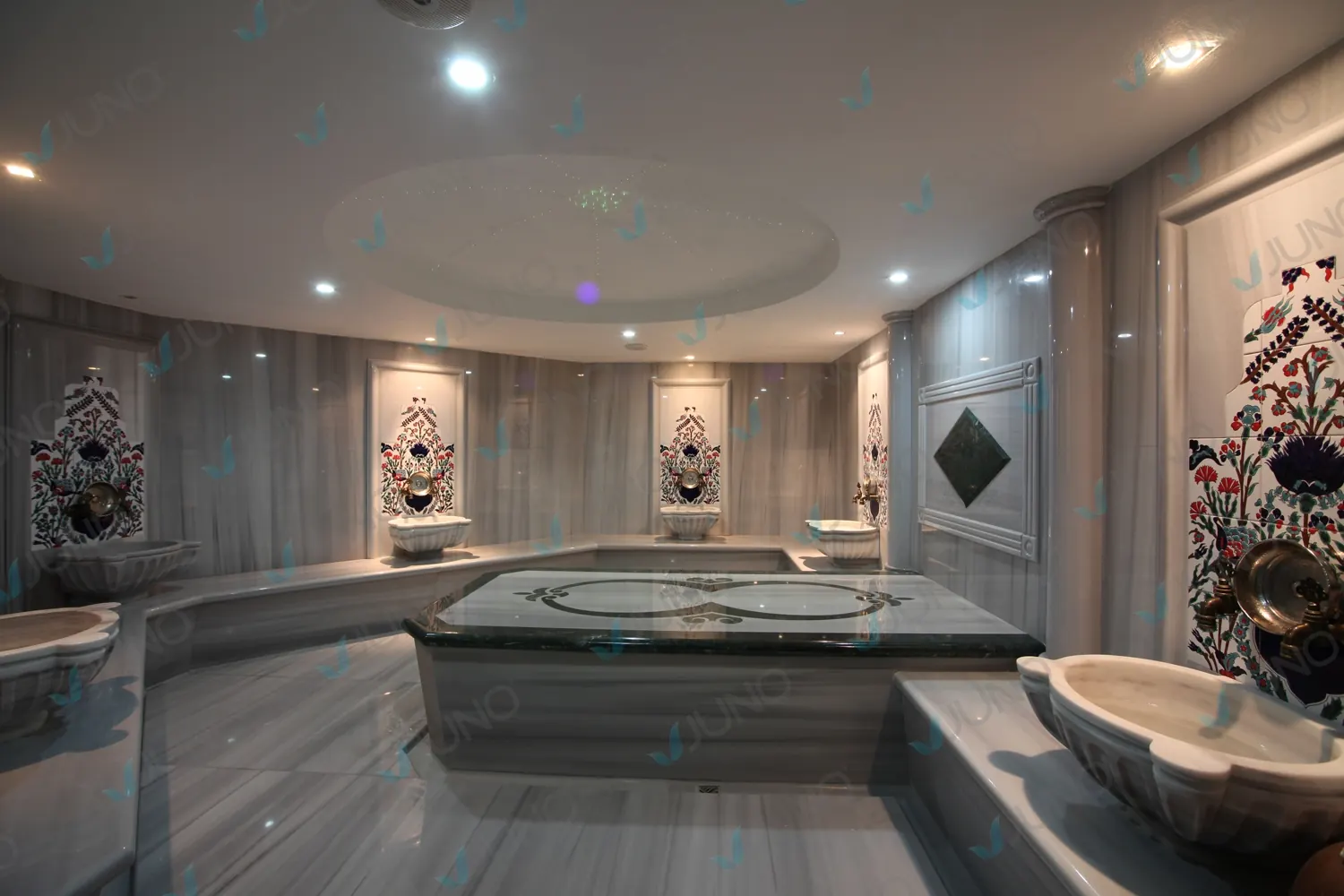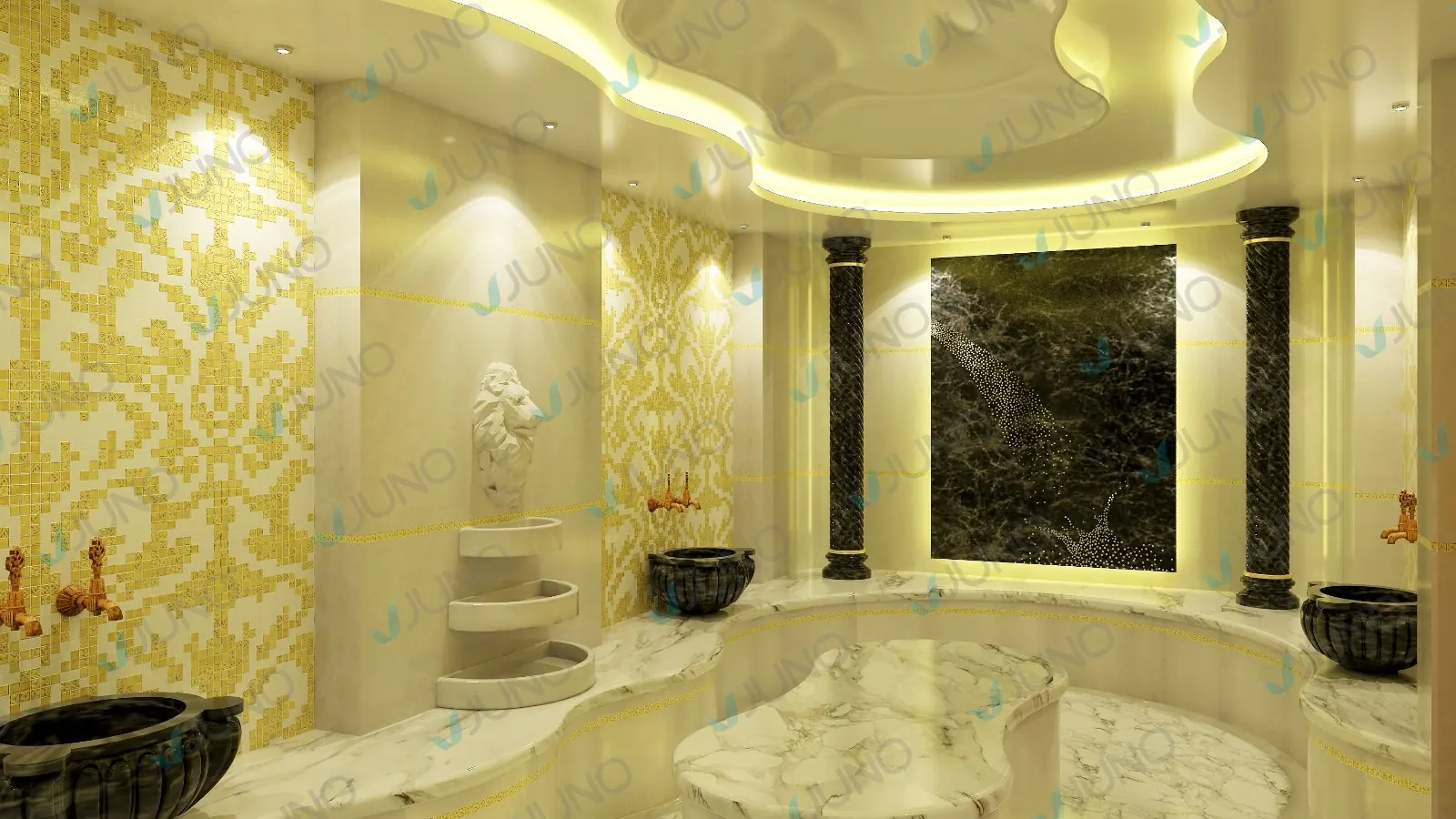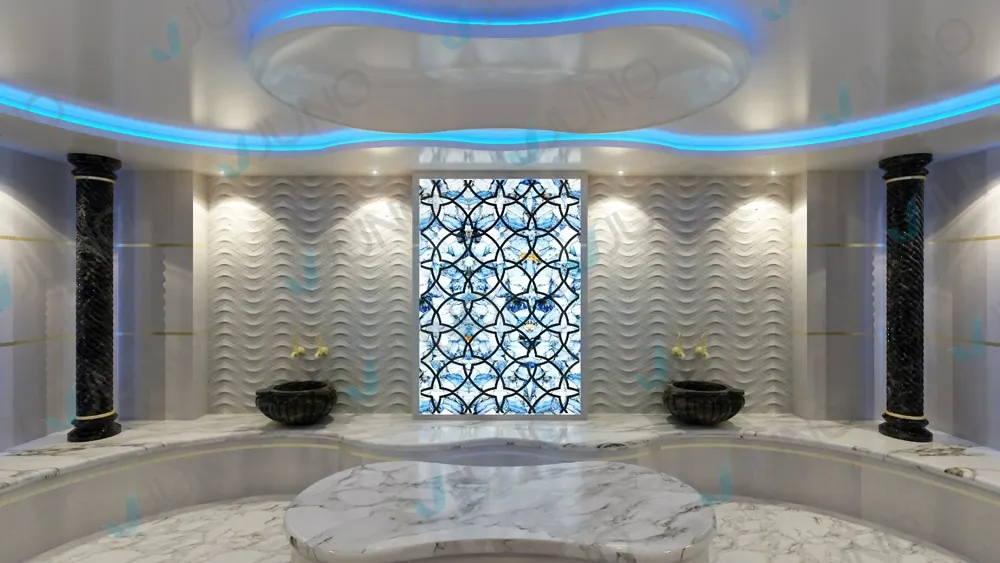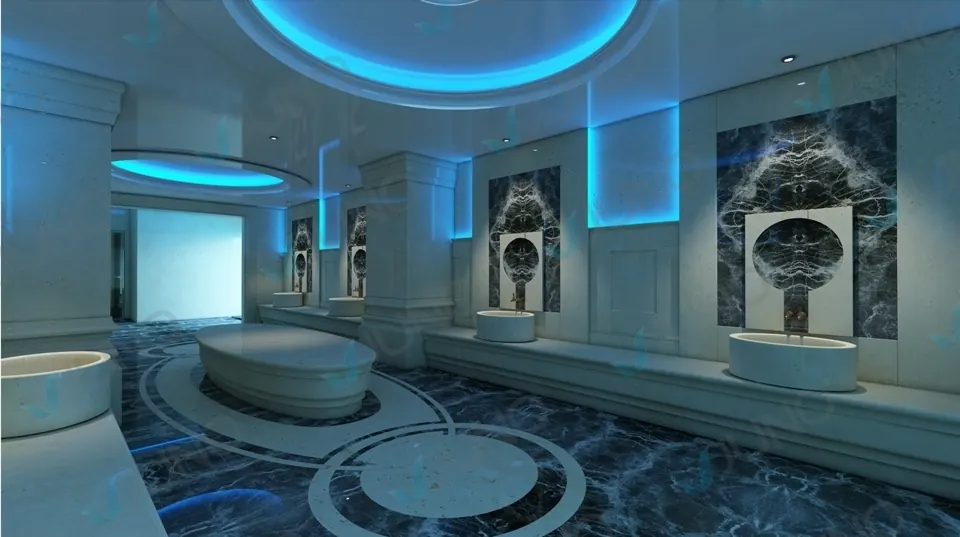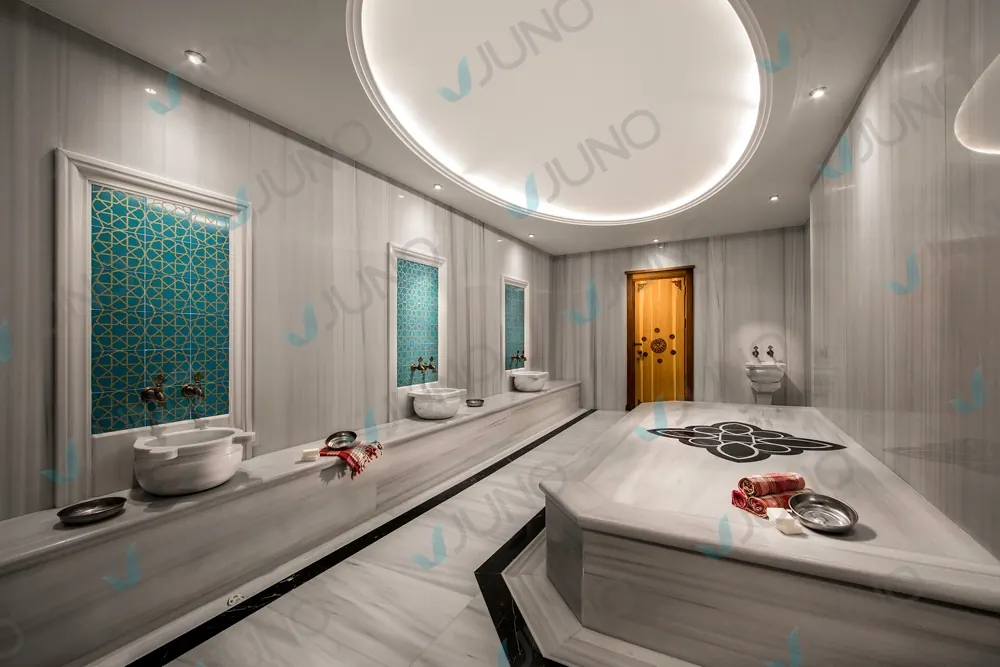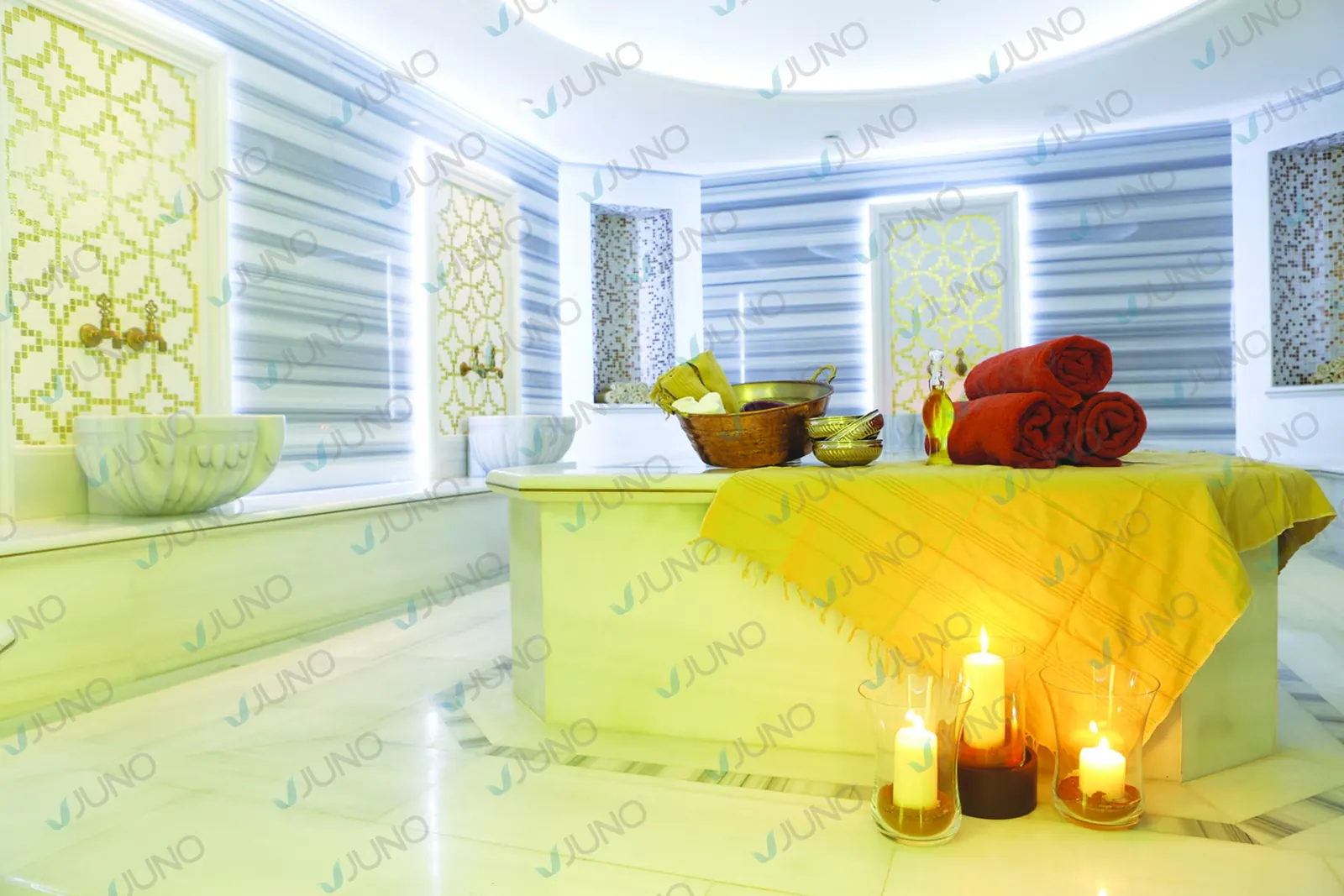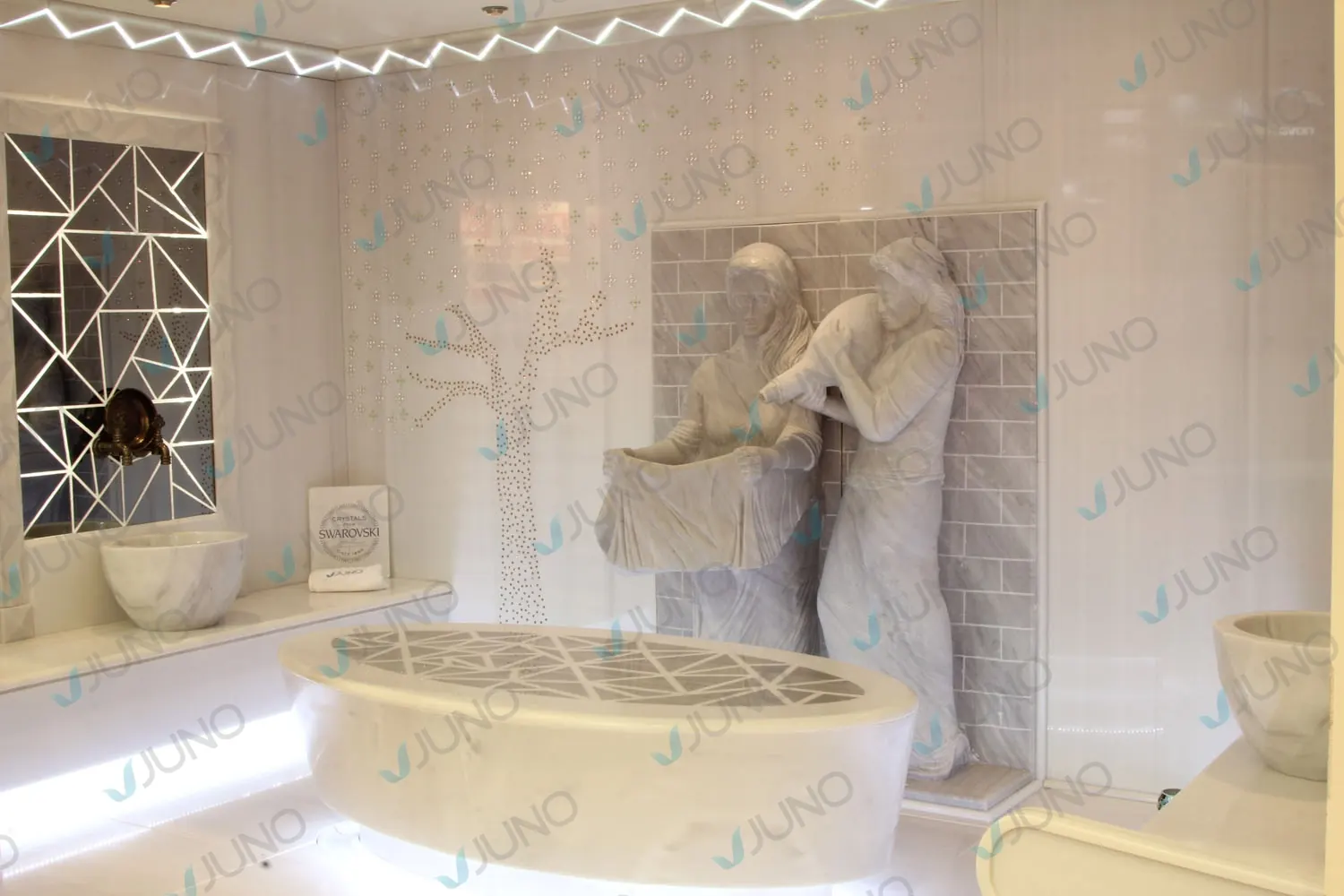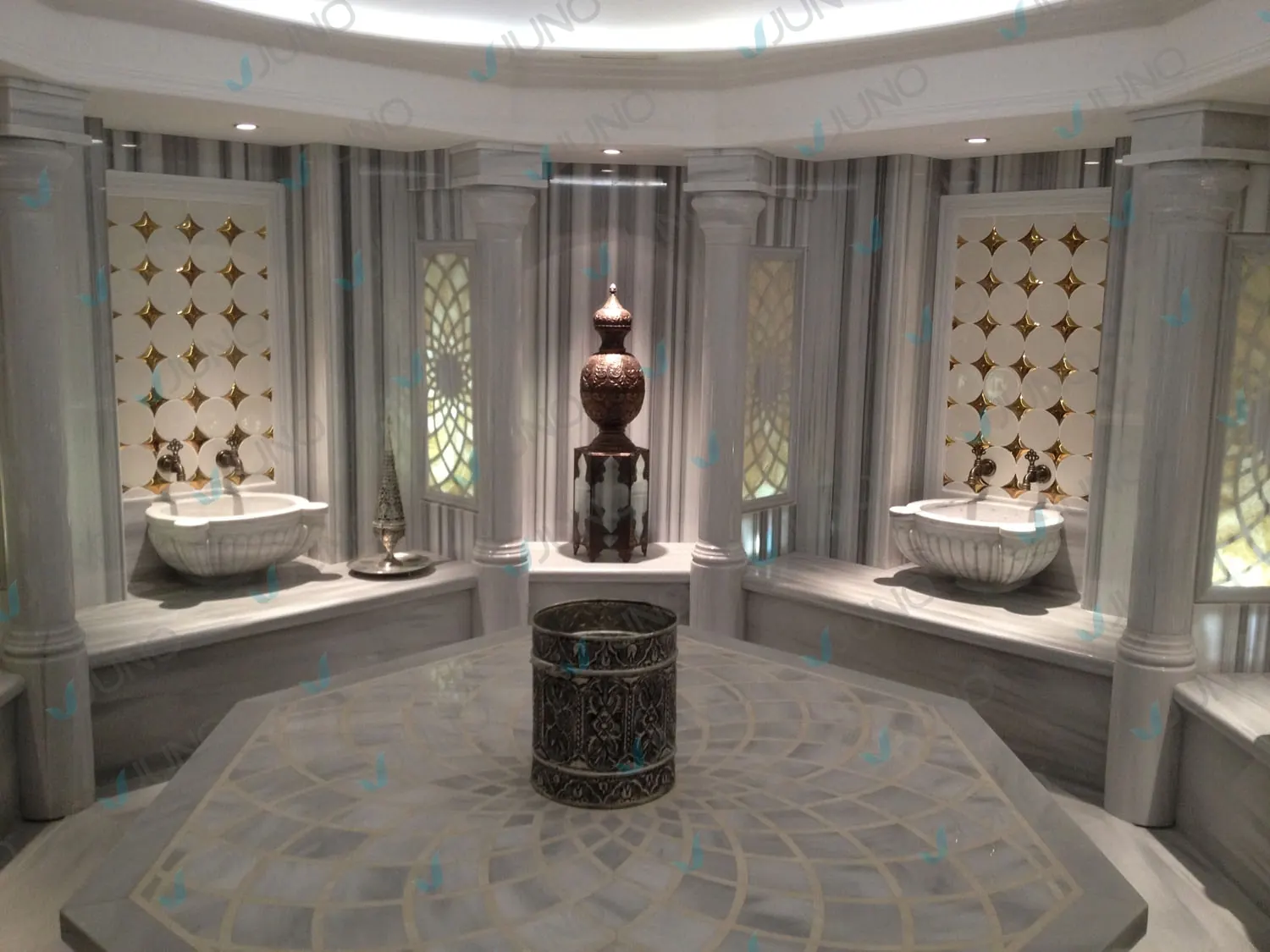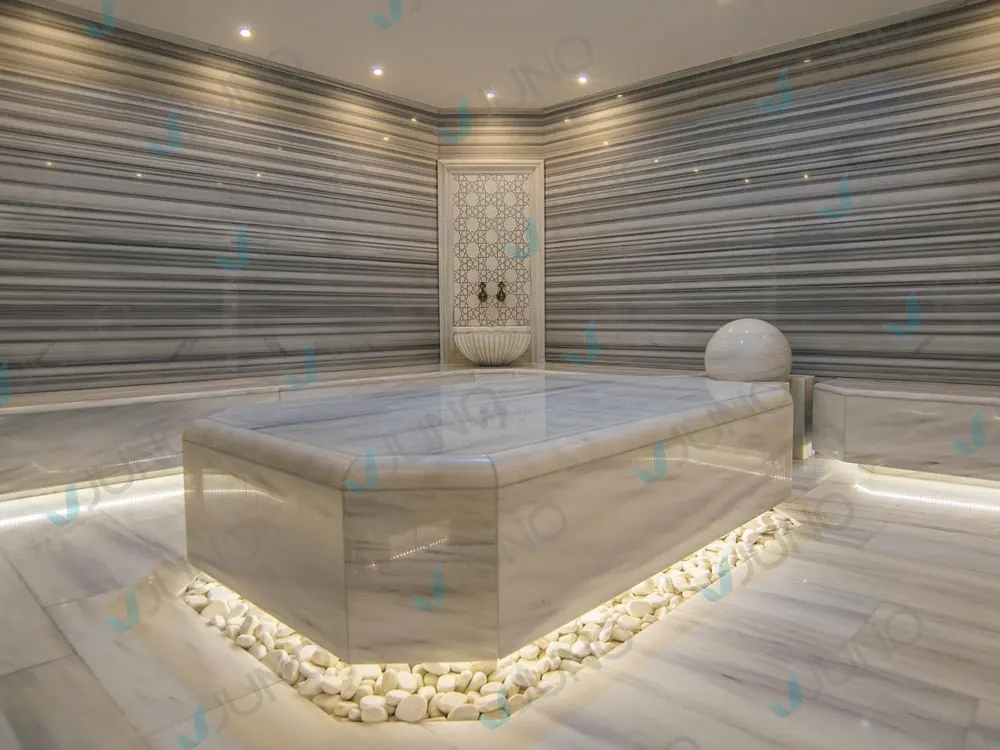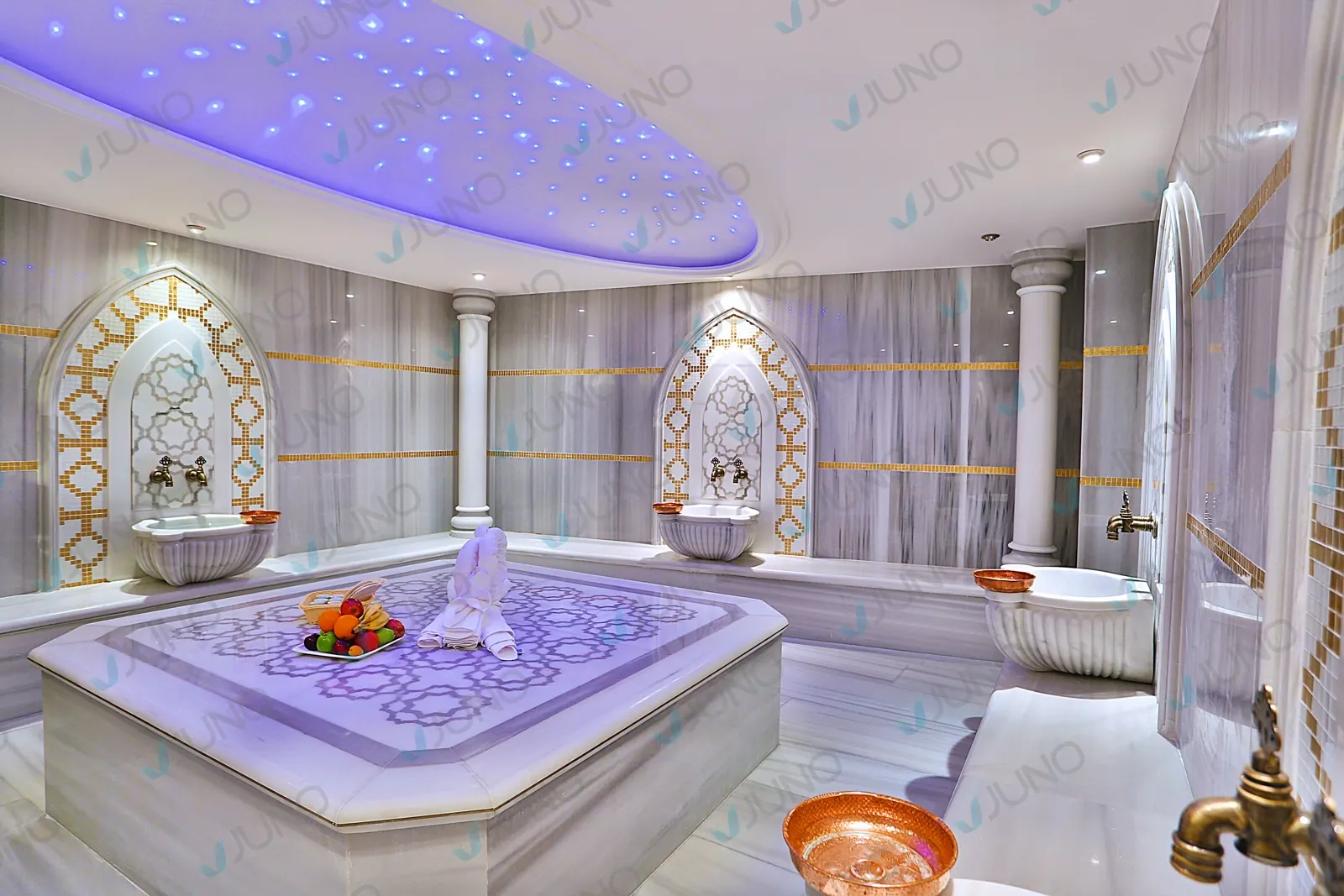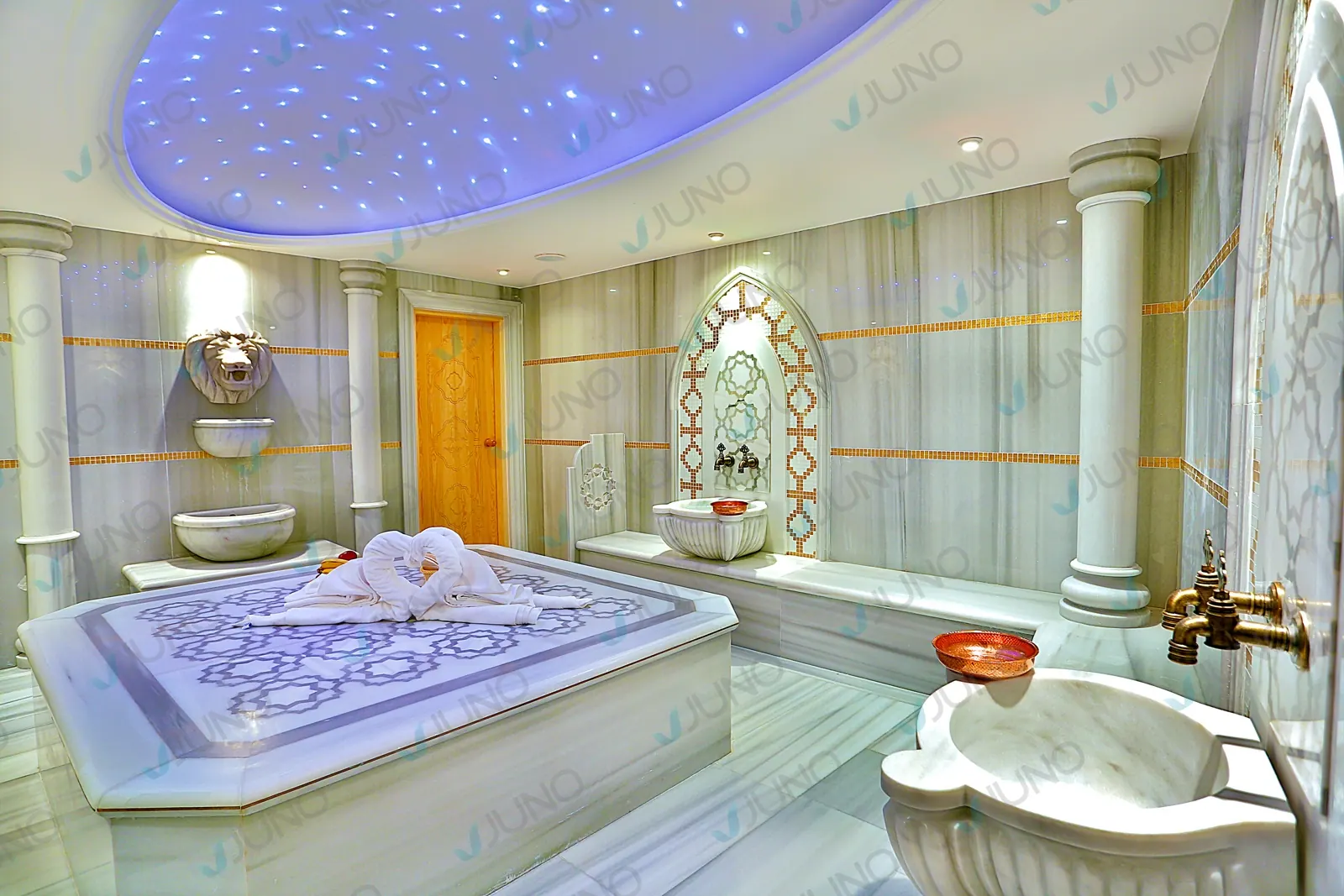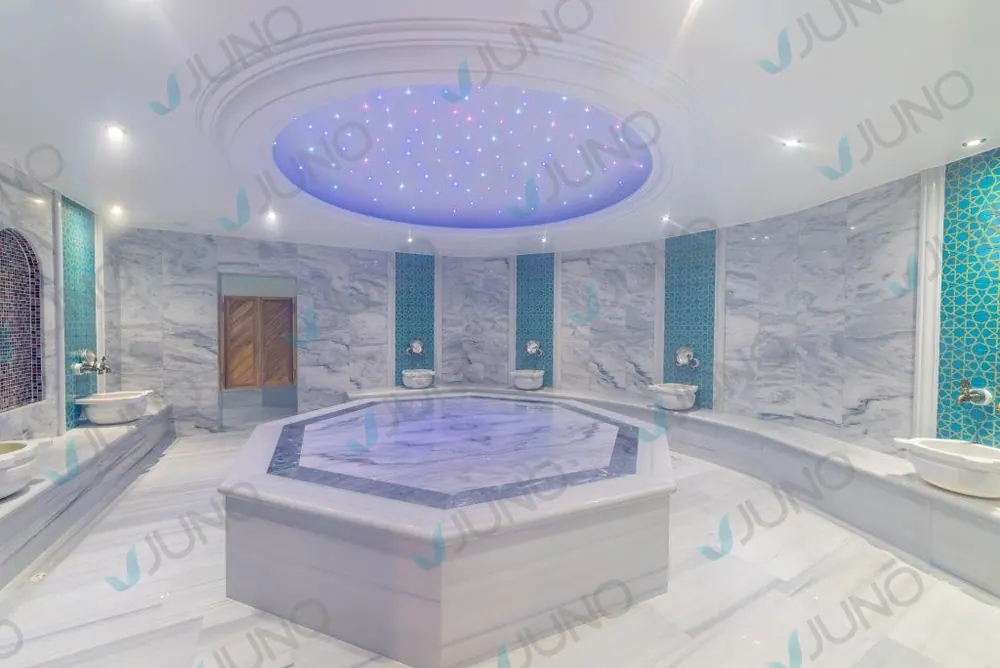
What Is a Hammam?
The word hammam comes from the Arabic “hammam” (bath) and the Hebrew “hamam” (to be hot).
In short, a hammam can be defined as “a place devoted to bathing, purification and healing”.
History and Architecture of the Hammam
Health is one of humankind’s vital needs. Hot-water facilities such as Turkish hammams and thermal springs came into being to meet this need.
The use of bathing to prevent and treat illness goes back a very long way. It is known that in the 4th century BC the Romans had Roman Baths, institutions for the care and treatment of the body. Built over very large areas in this period, the Roman Baths became centres not only of cleanliness and healthy living but also of sporting and cultural activity.
In Turkish life, too, hammams were never merely a place to wash; they were centres of health, social life and cultural activity. Turkish hammams met people’s need above all for bathing and cleansing.
In every period, Turkish hammams have shown architectural differences in line with the religious beliefs of the societies that built them, and have been part of their social life.
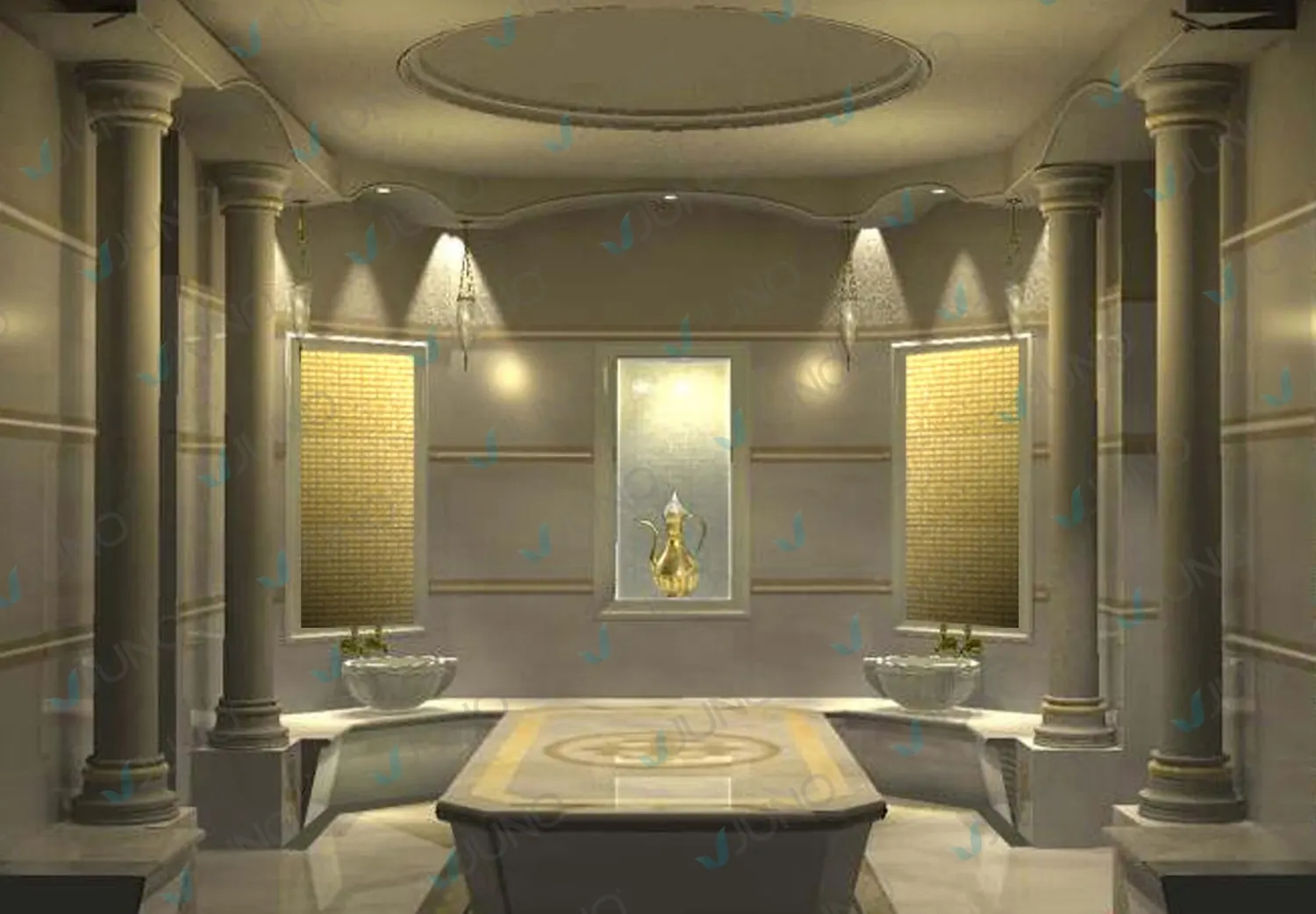
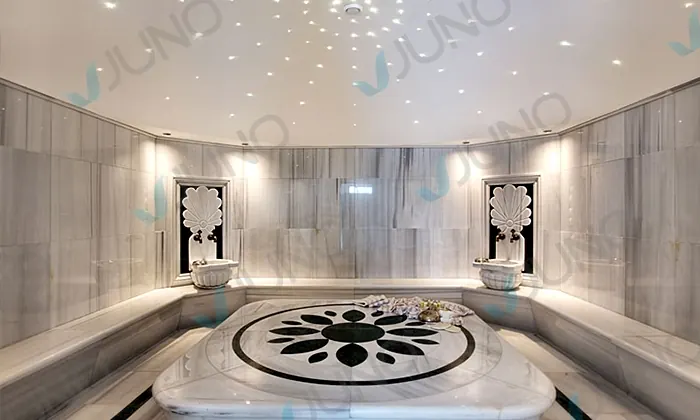
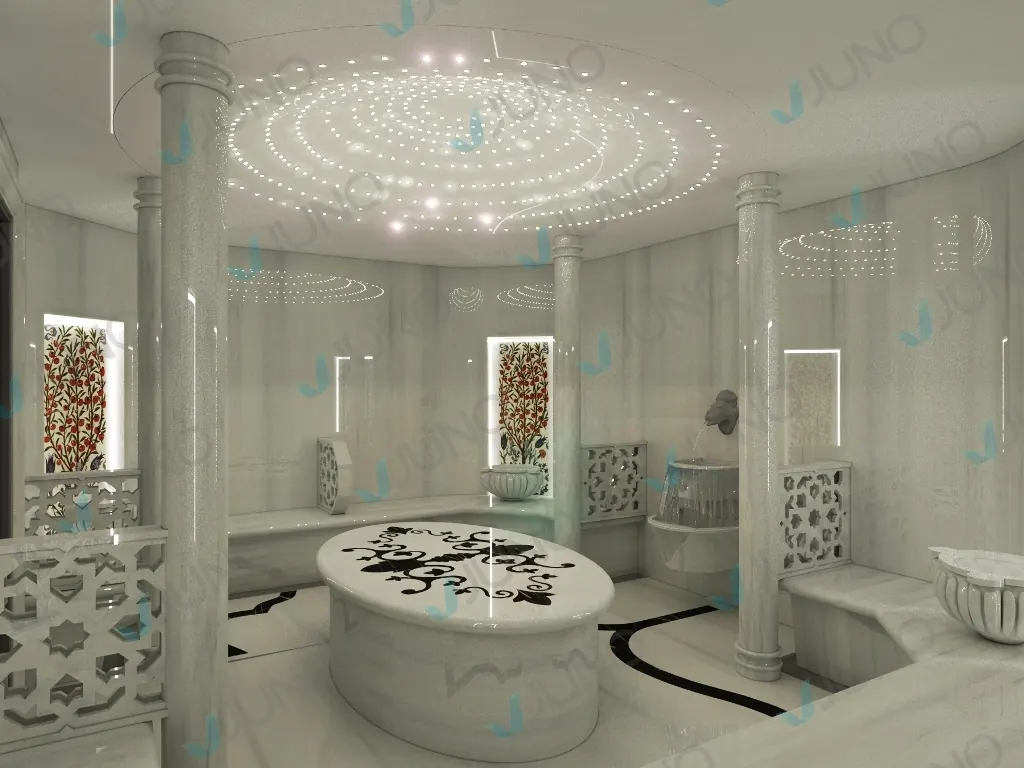
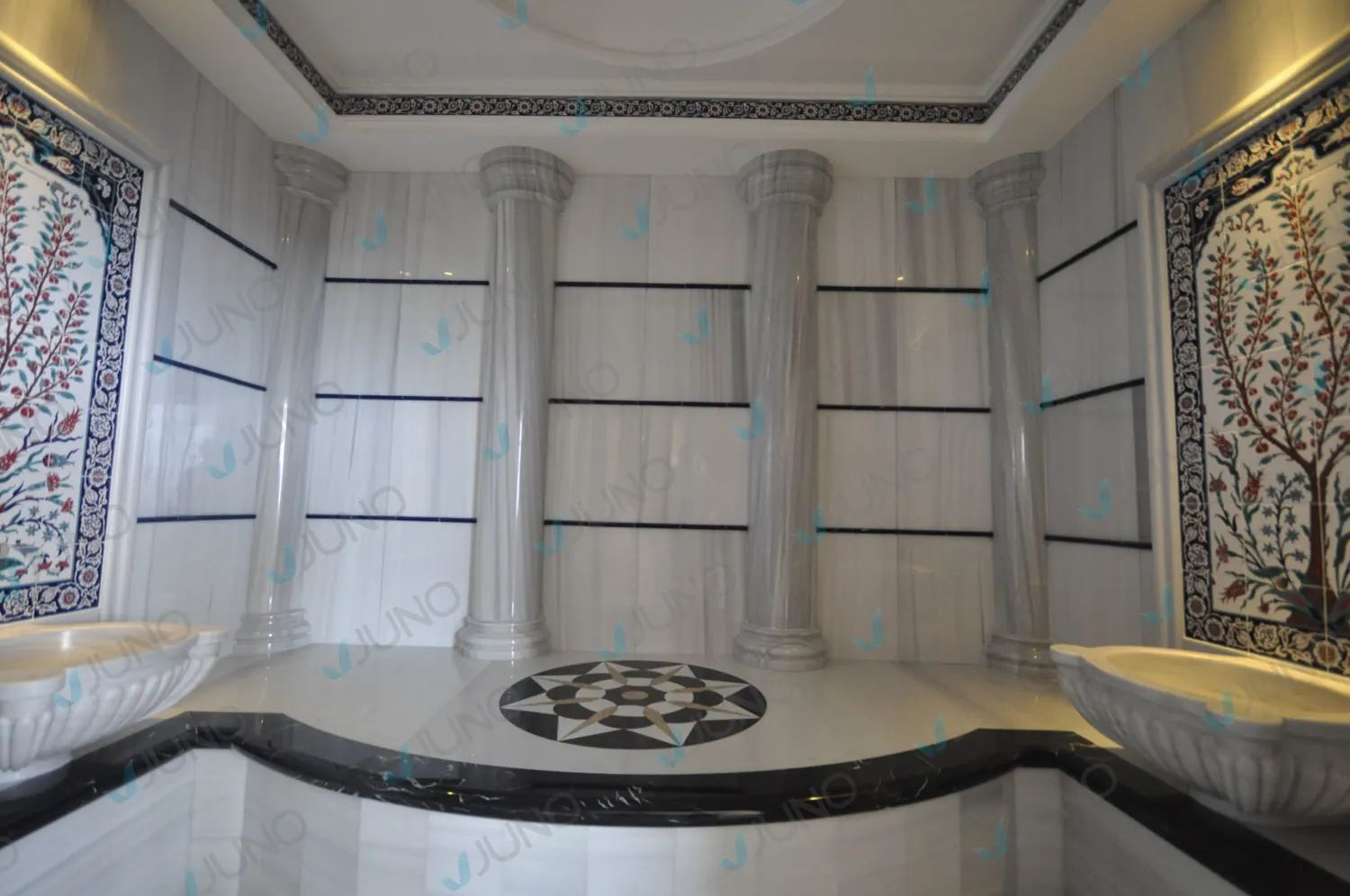
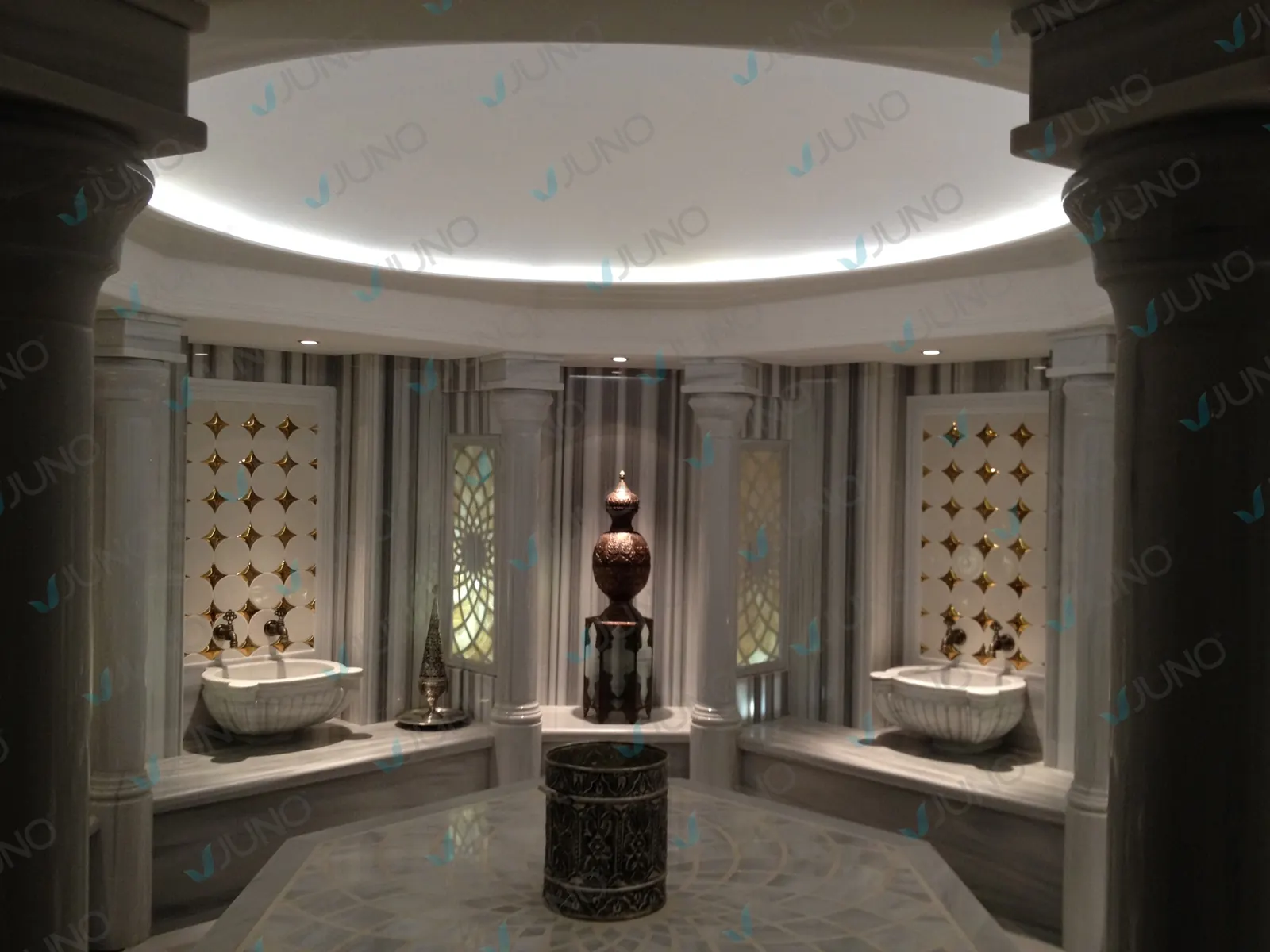
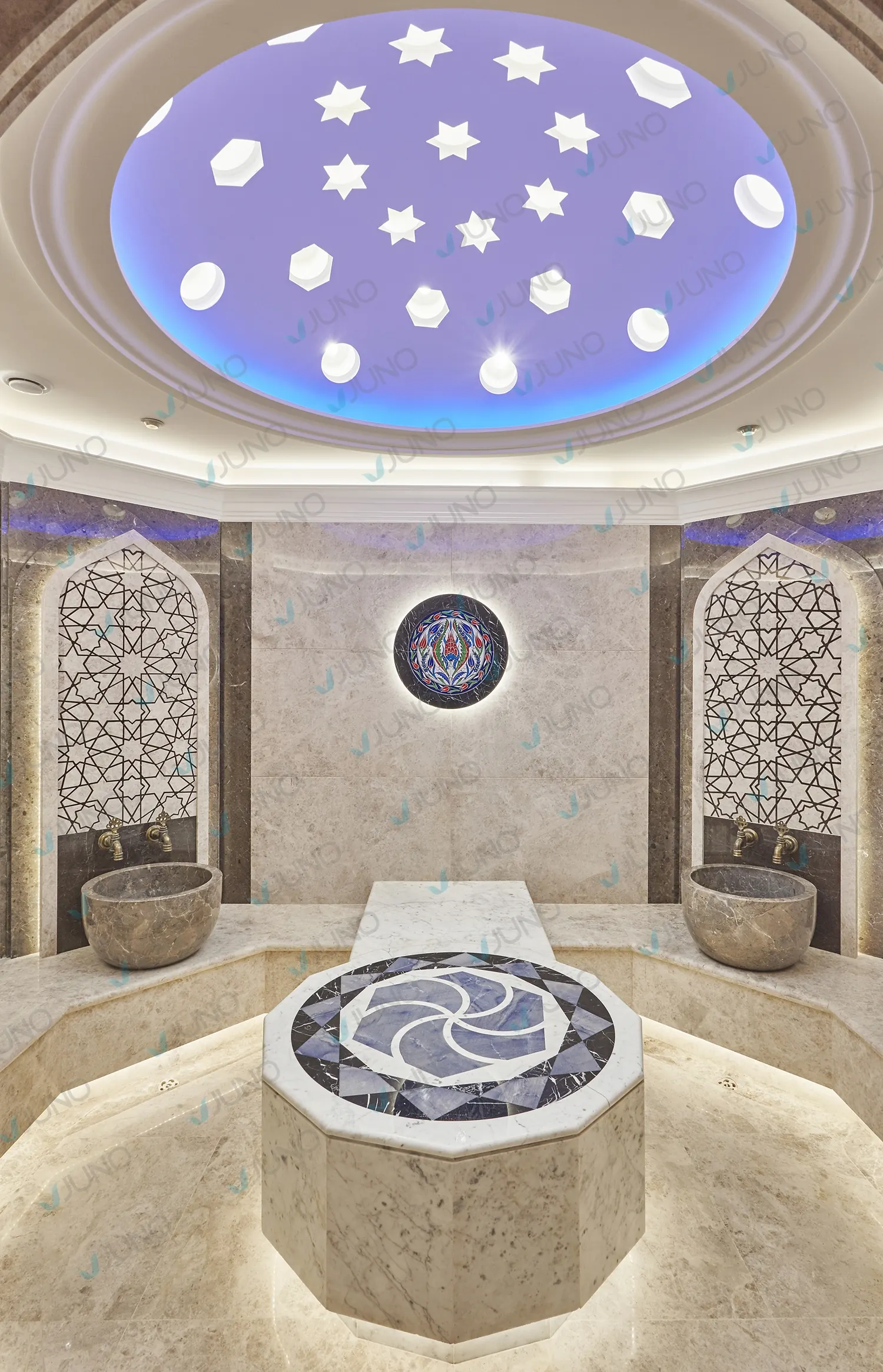
Although Turkish hammams drew on the architecture of the Roman bath for their architectural character, they took their essential form from Islamic building architecture. Architecturally, hammams resemble mosques; the hammam dome, for example, was designed with inspiration from the mosque dome.
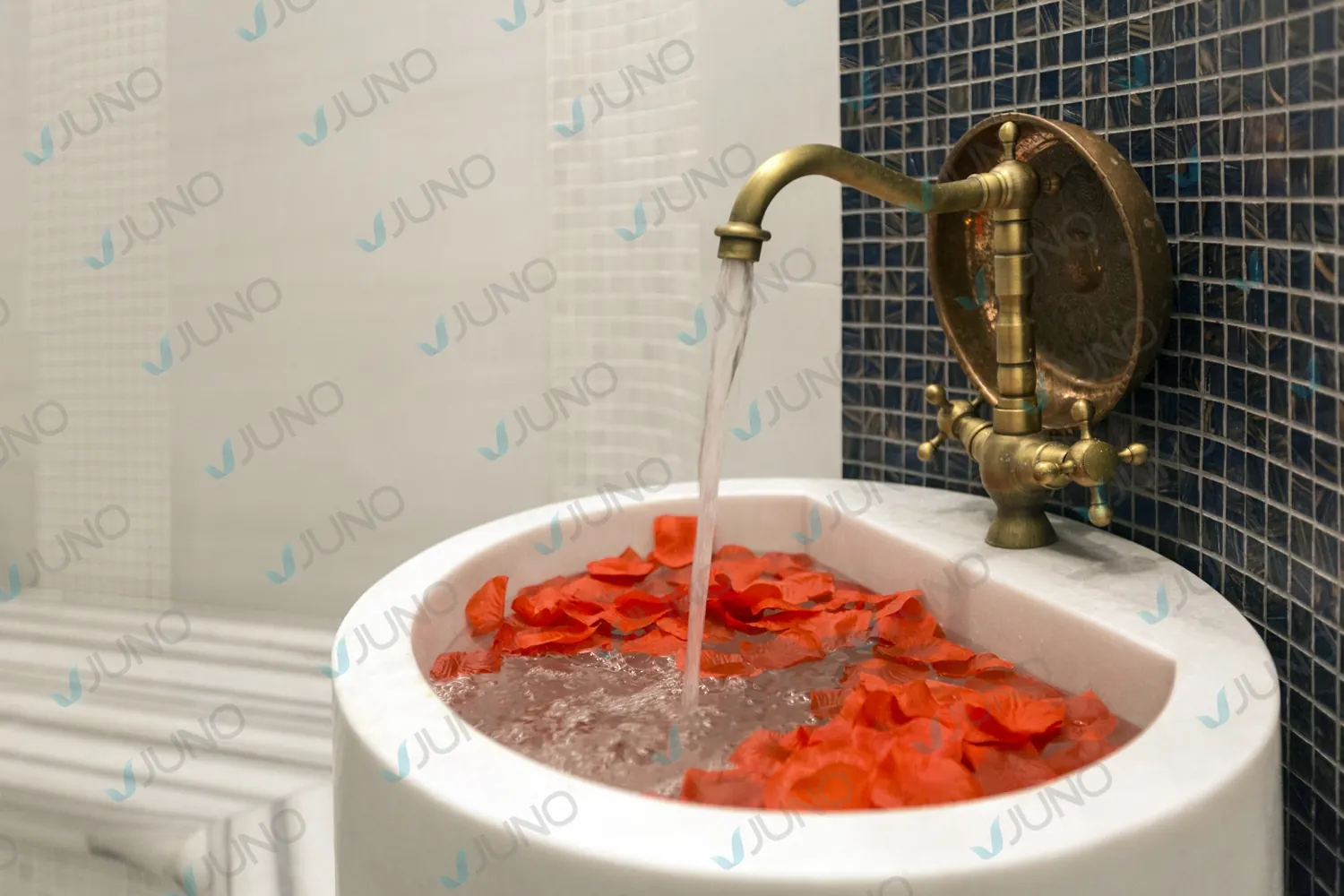
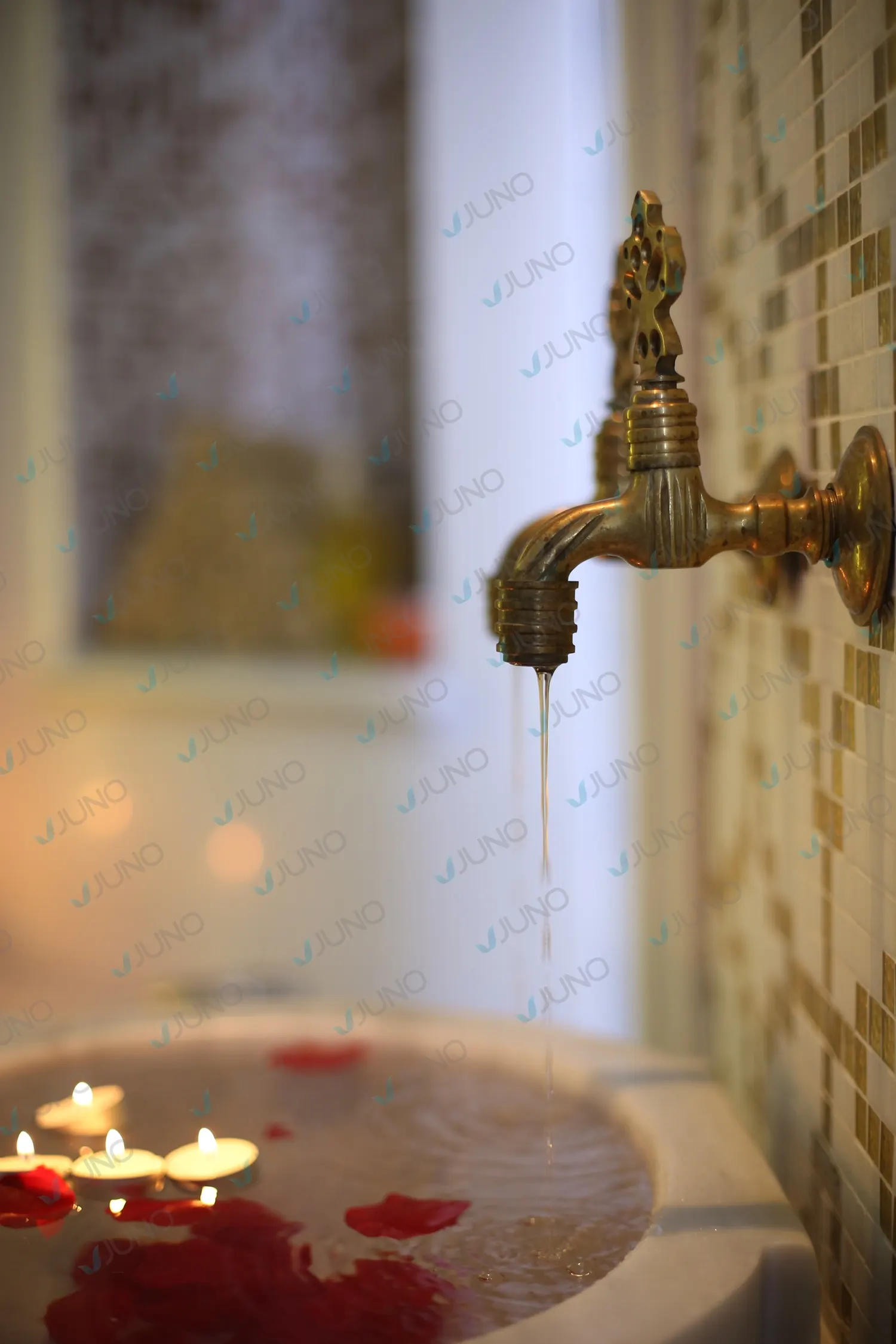
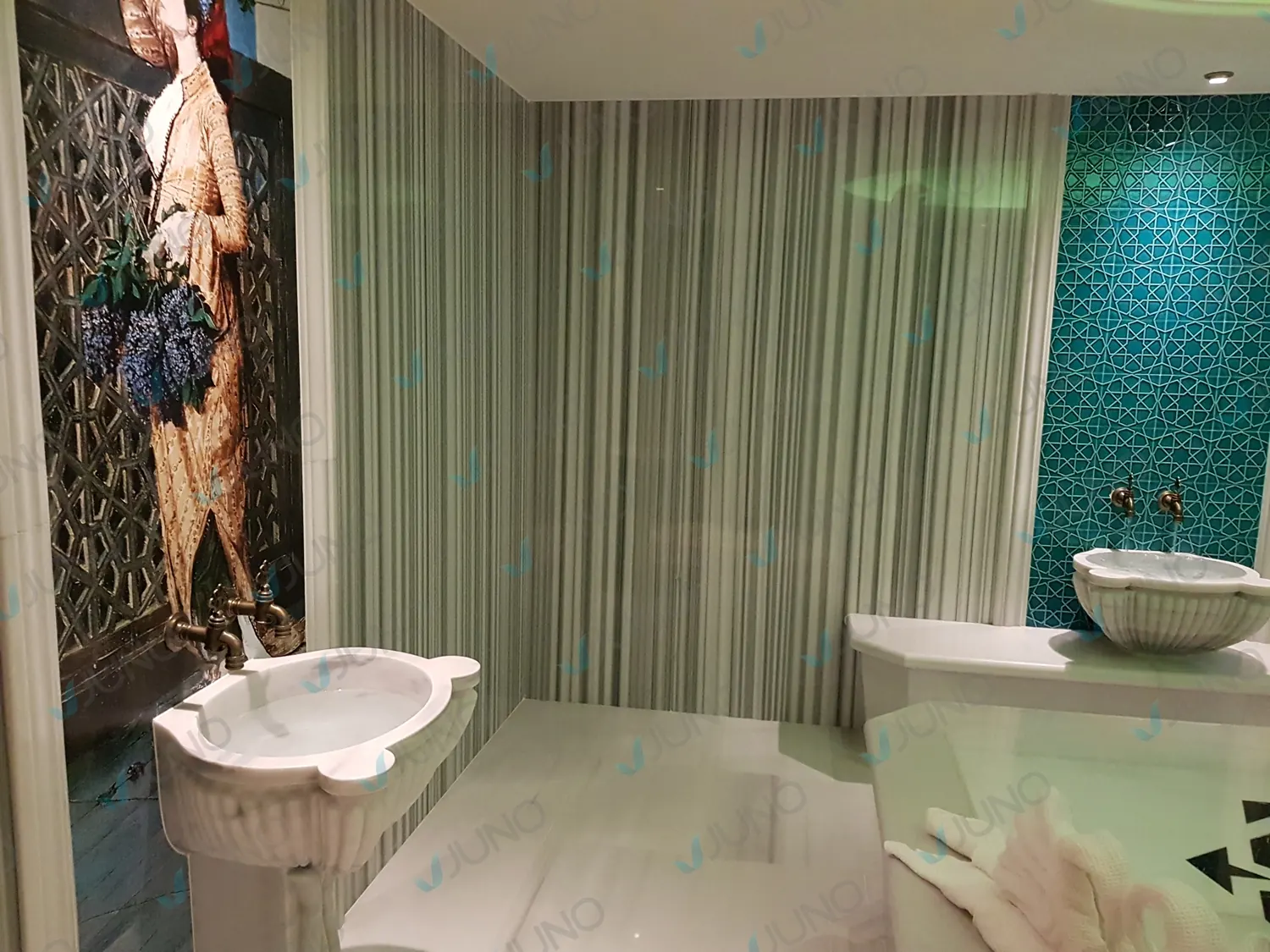
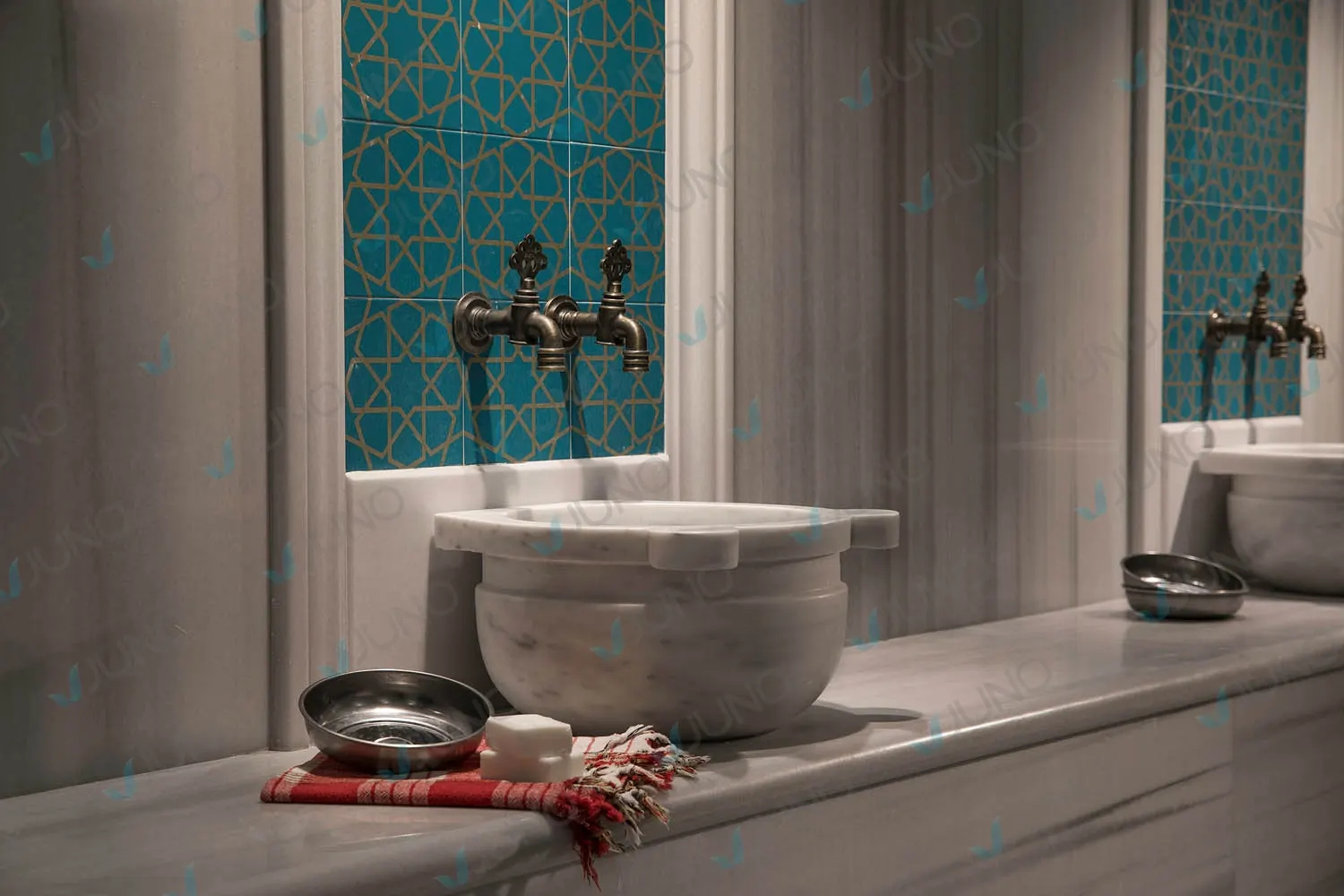
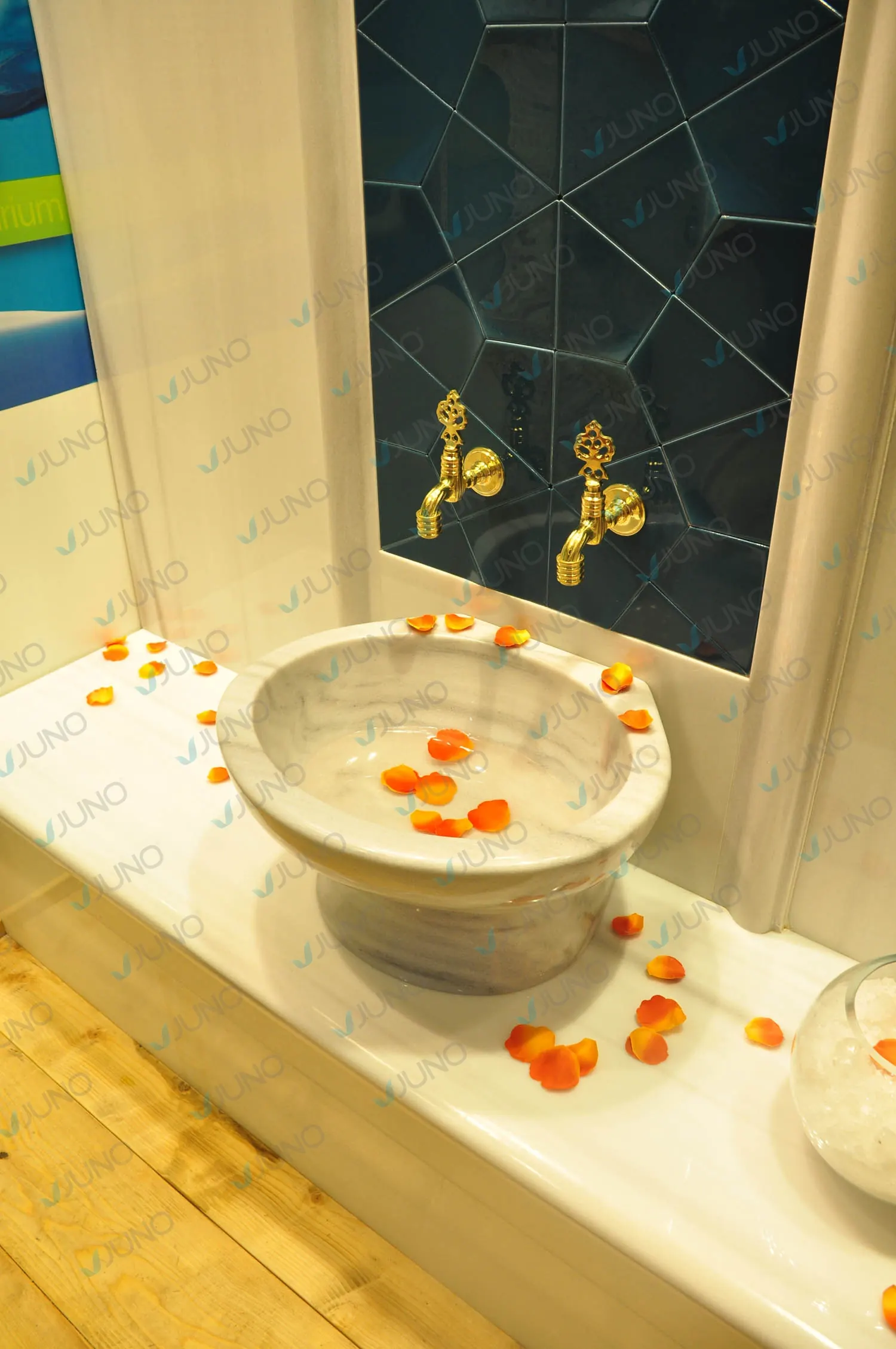
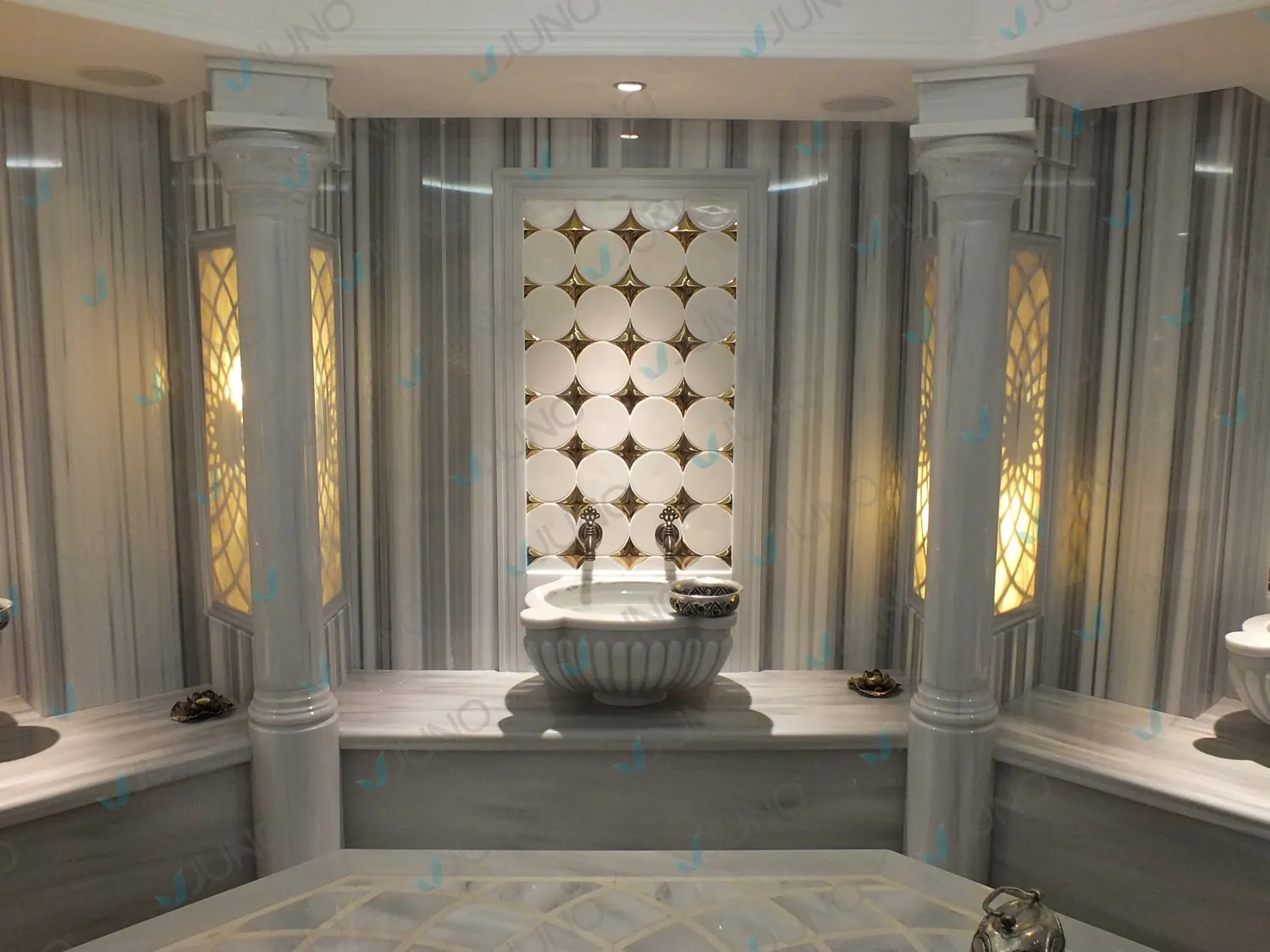
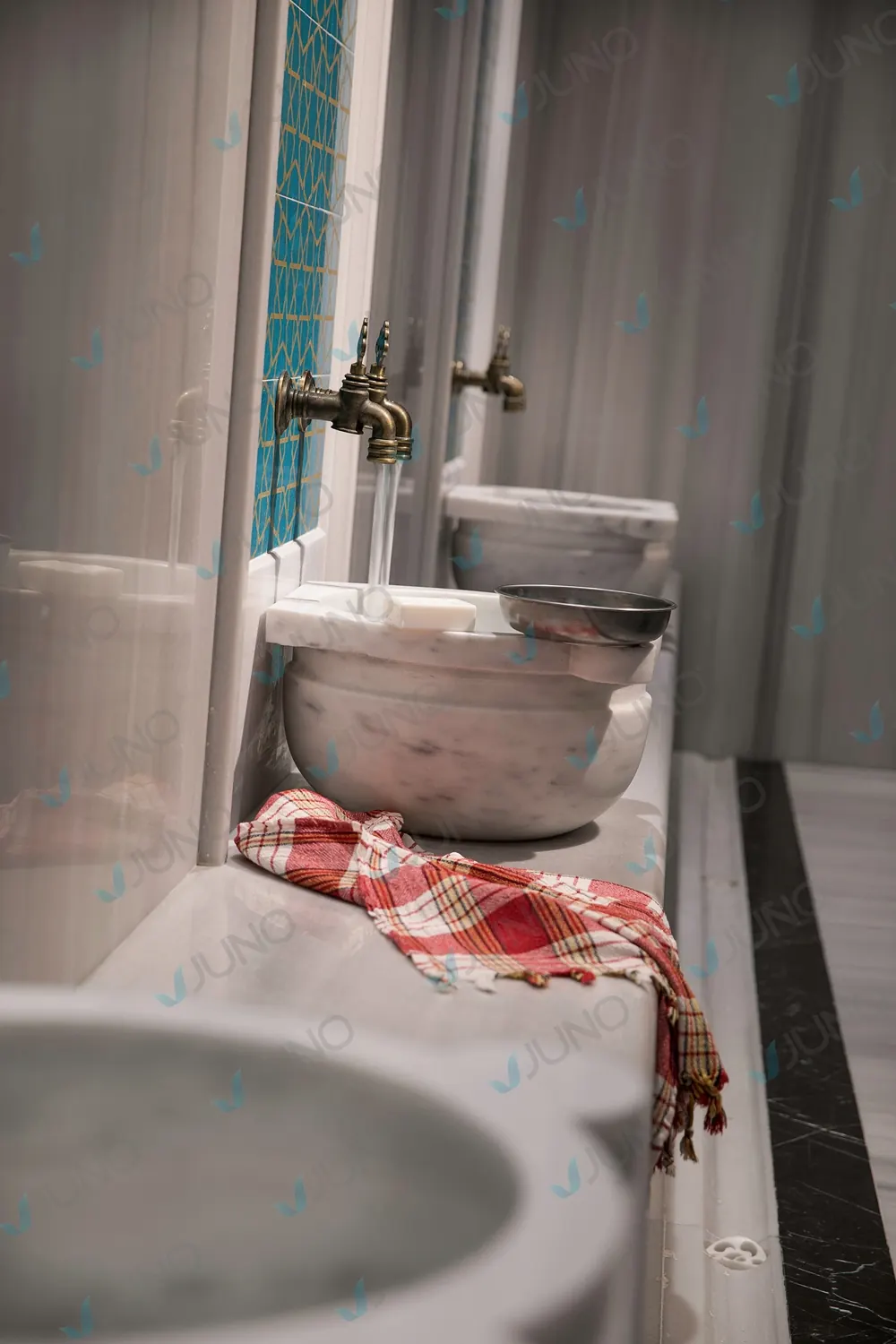
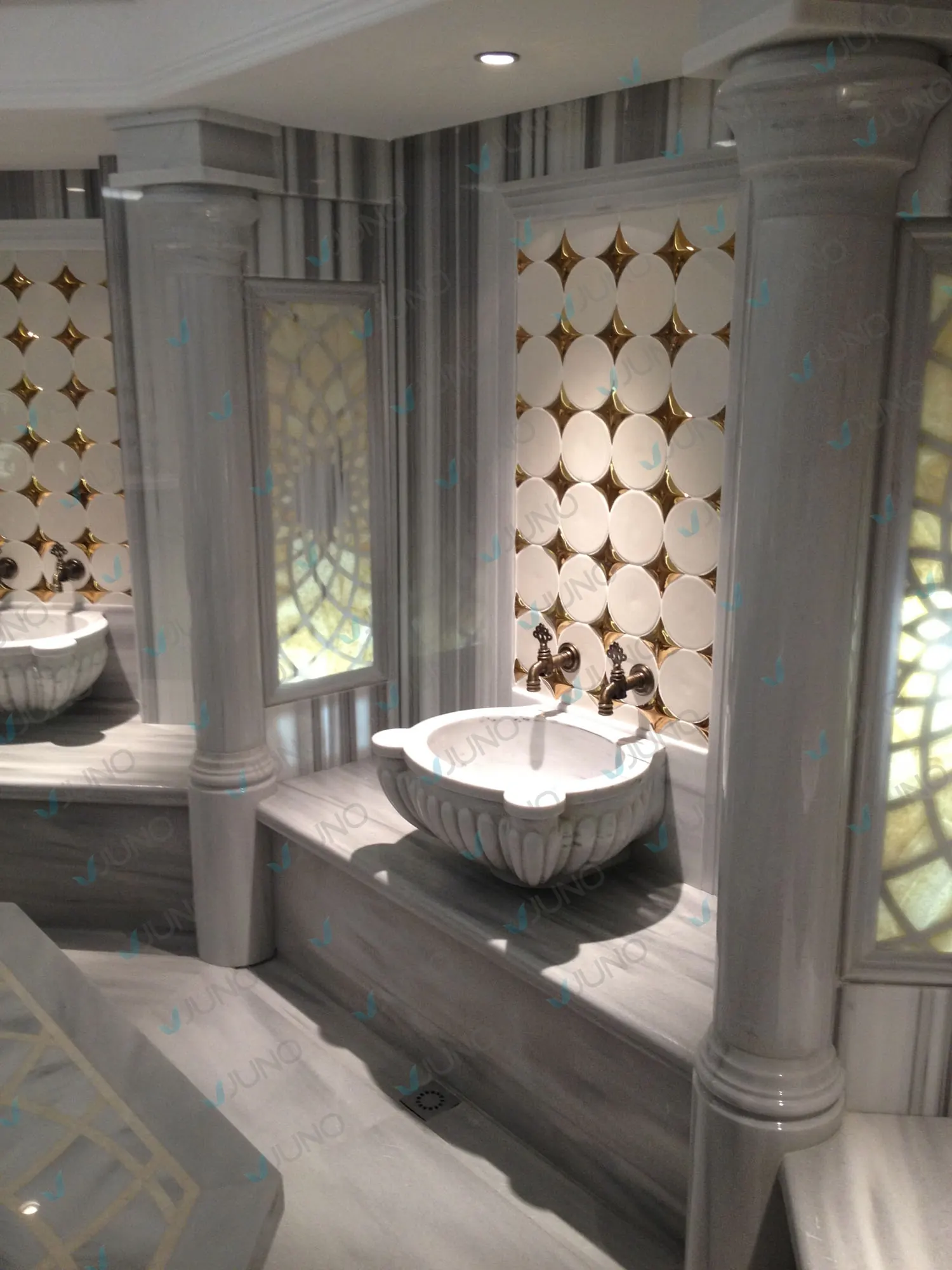
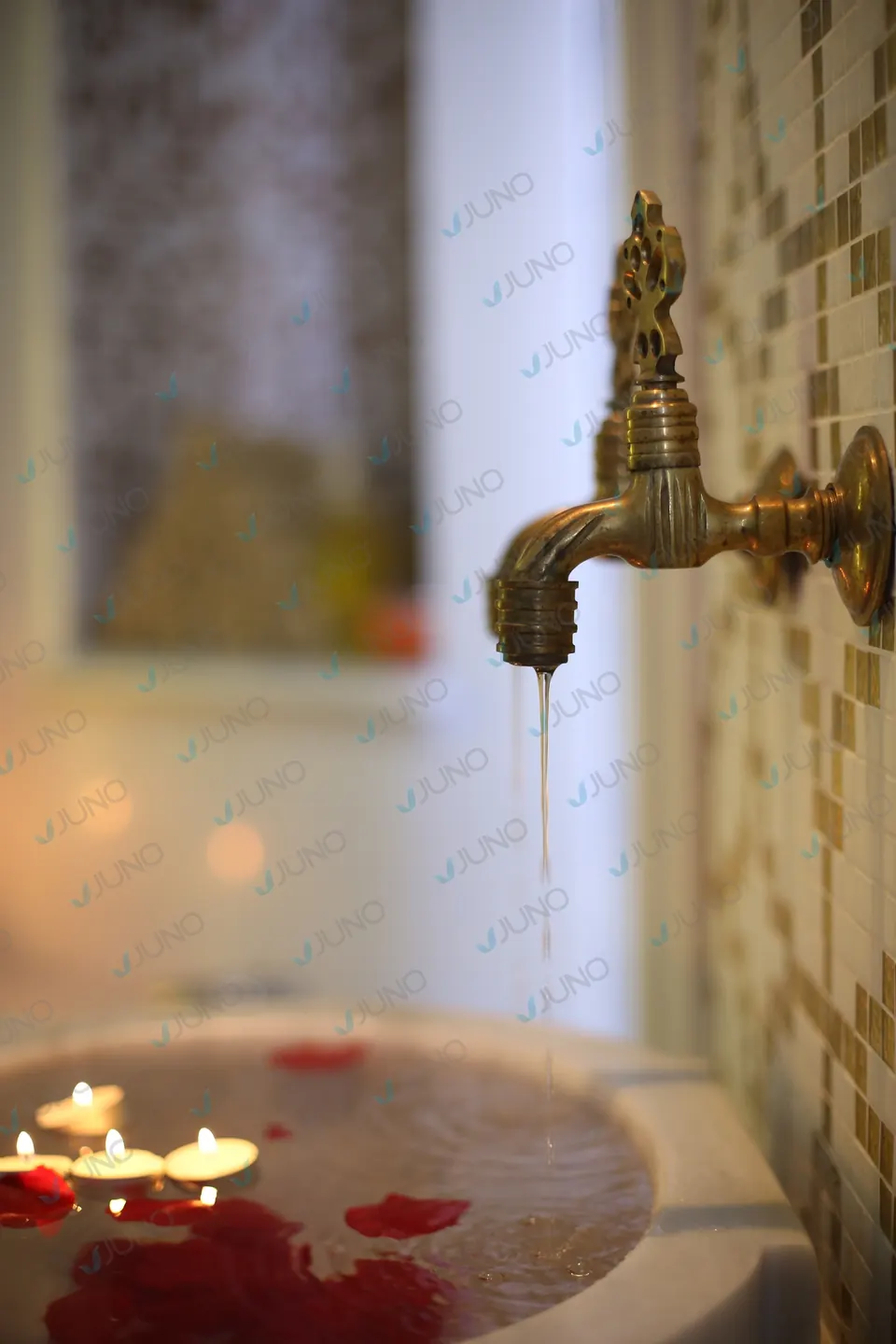
According to Islam, from a health point of view, a body cannot enter water that another body has entered, because that water has become unclean. From this belief arose the Islamic devotion to washing in running water and performing ablution. For this reason the basins (kurna) were regarded as an important requirement in Turkish hammams, whereas Roman baths rarely have them.
Even where Turkish hammams resemble Roman baths in architecture, they differ architecturally in function and purpose.
After the conquest of Istanbul, the Turks built thousands of hammams there and throughout the Ottoman State. In the 17th century there were 168 large public bazaar (çarşı) hammams in Istanbul alone.
A Turkish Hammam Has Three Basic Sections
- Changing areas
- Bathing areas: the cold section (soğukluk) and the hot section (sıcaklık, the hammam proper)
- Heating area (külhan)
Changing Areas
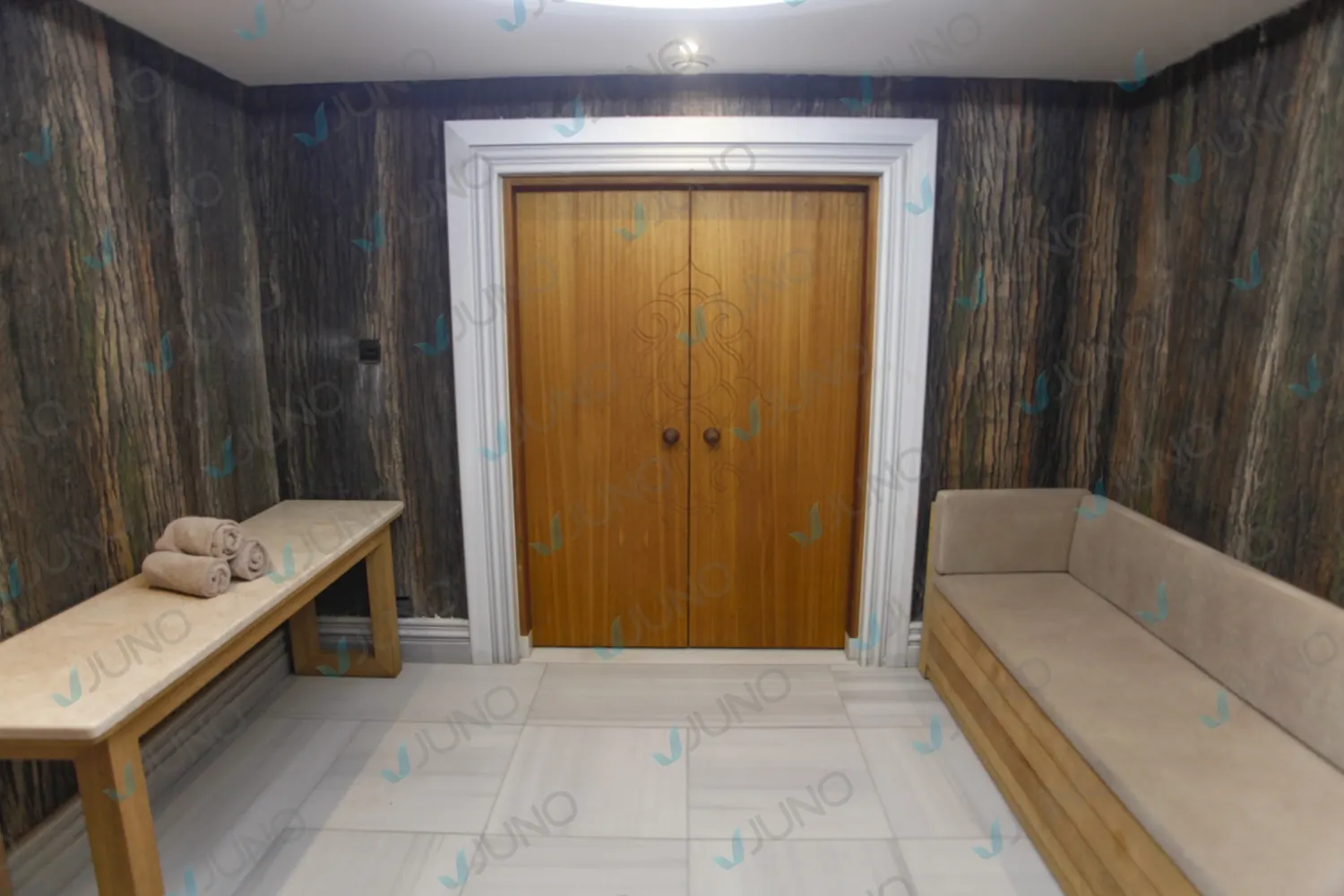
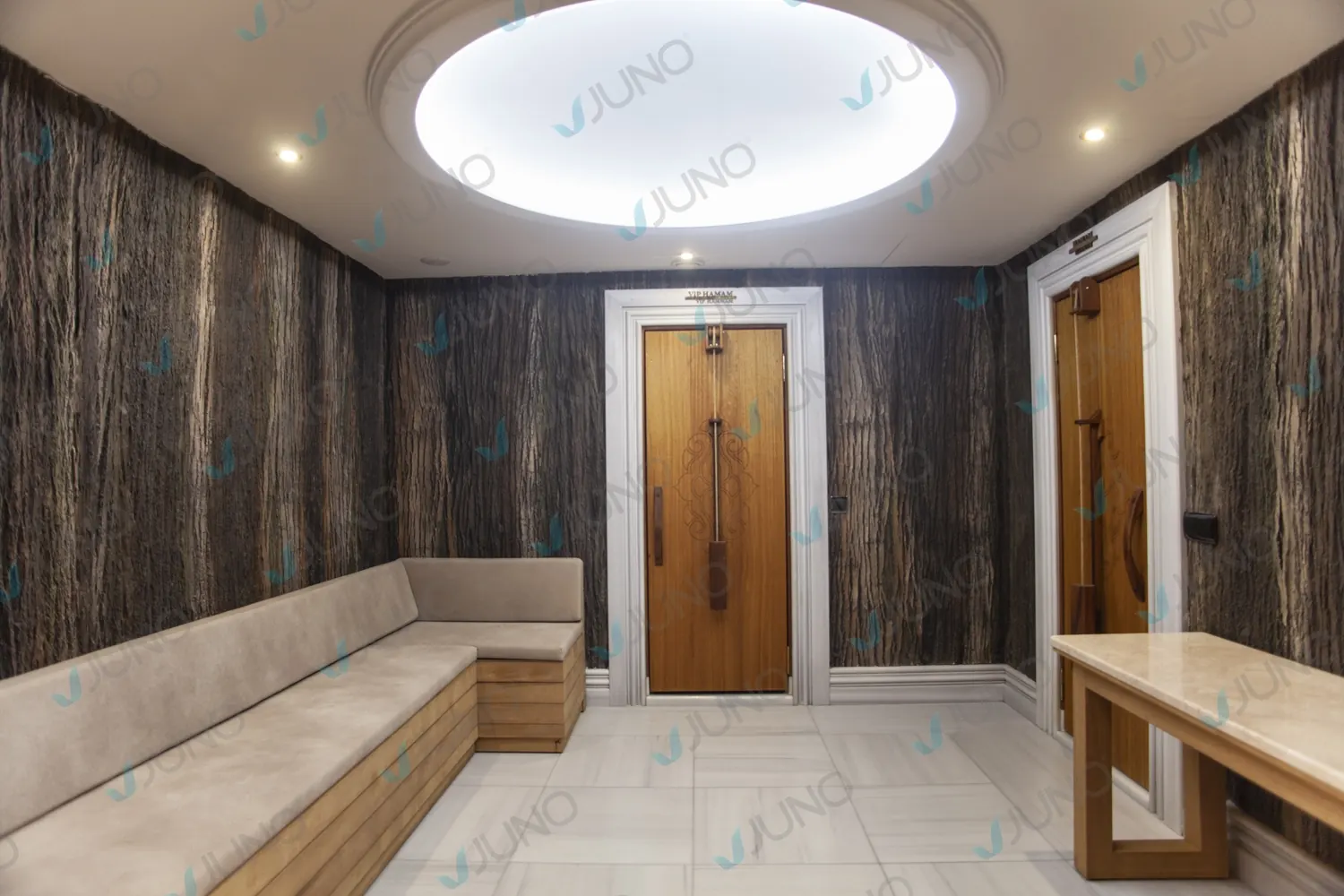
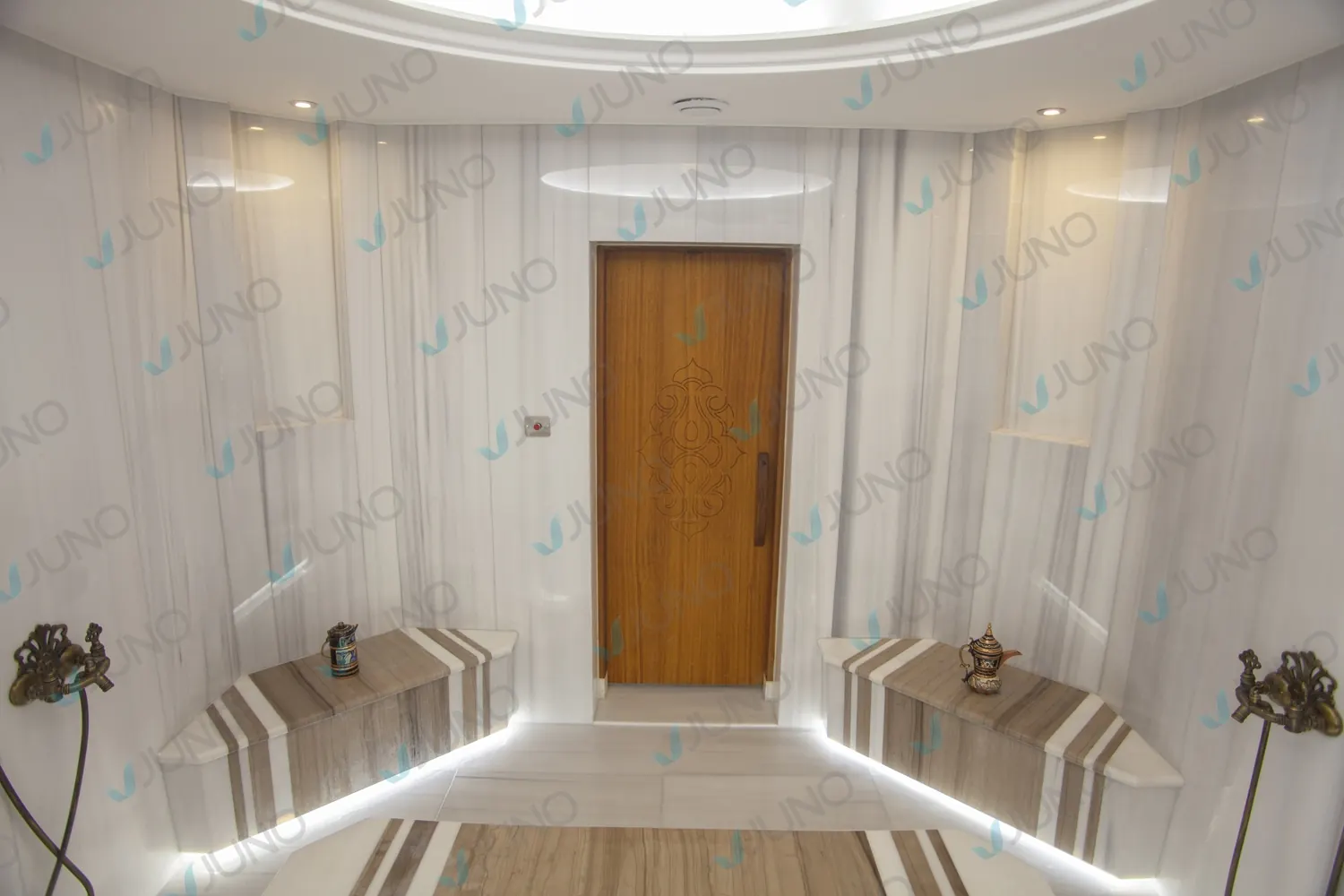
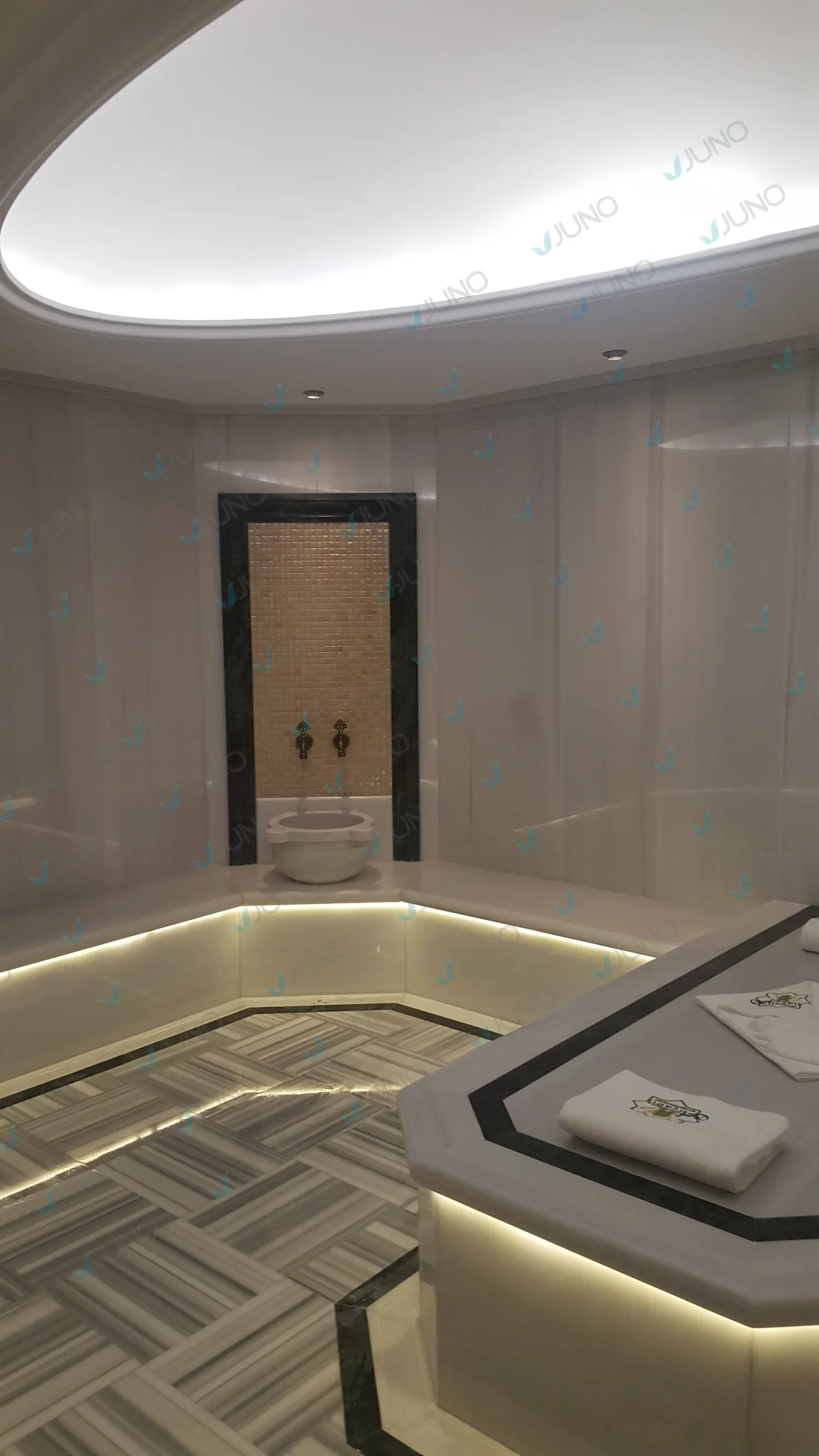
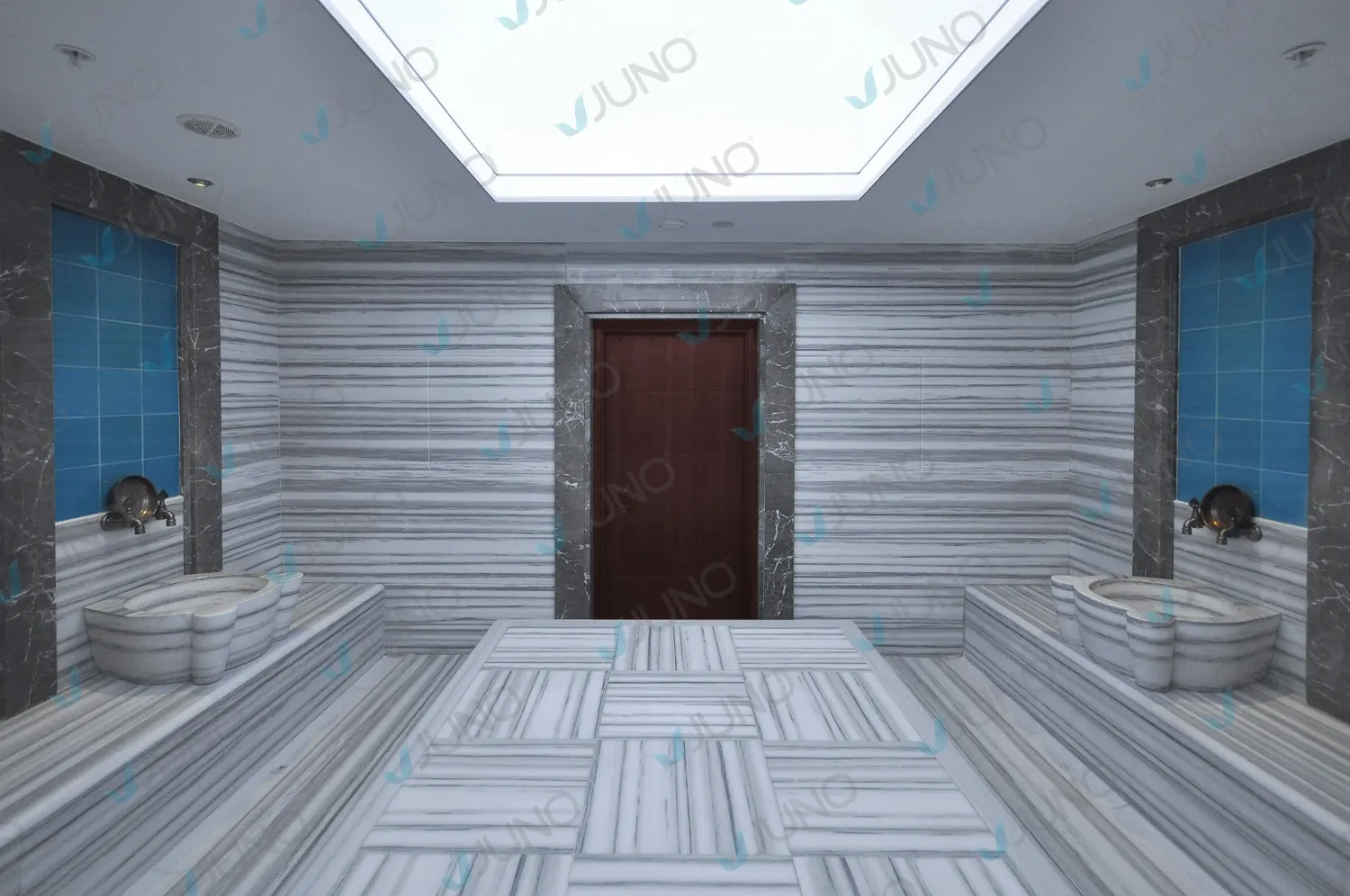
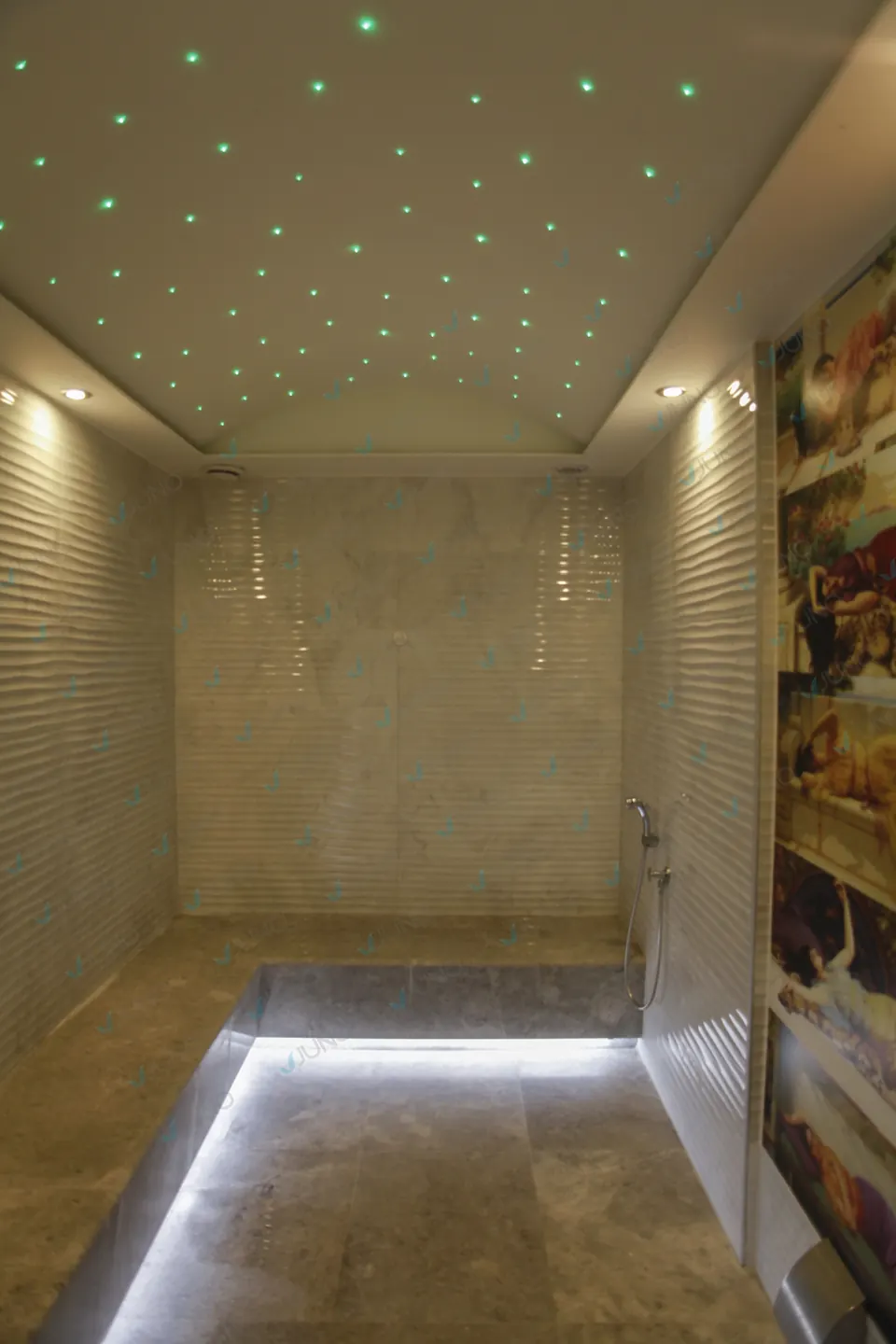
A broad central hall (sofa) is surrounded by partitioned alcoves. Bathers lie down and rest in these alcoves.
Bathing Areas
The bathing area is the part of the hammam that is entered by passing through the cold section. It is in turn divided into several sections:
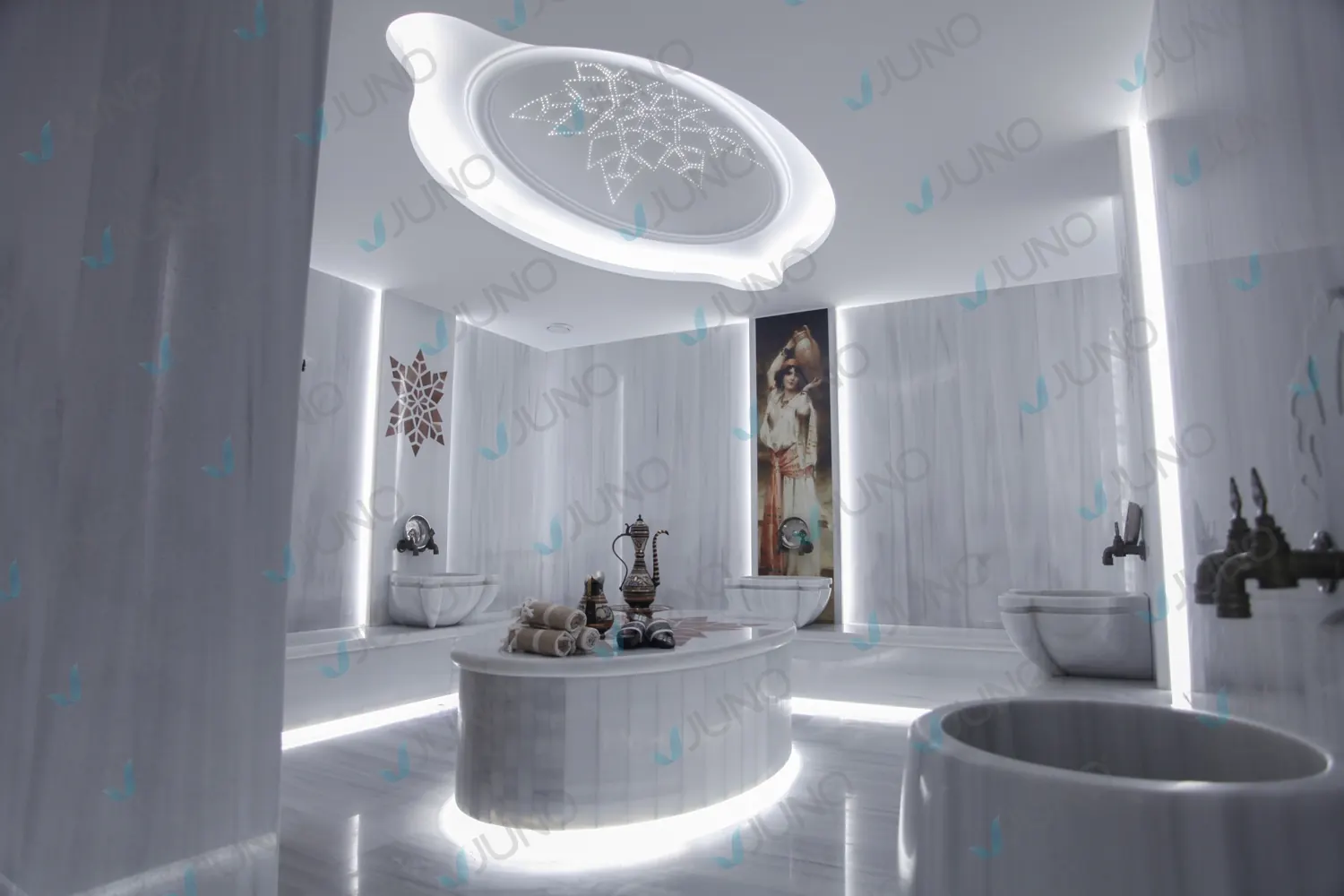
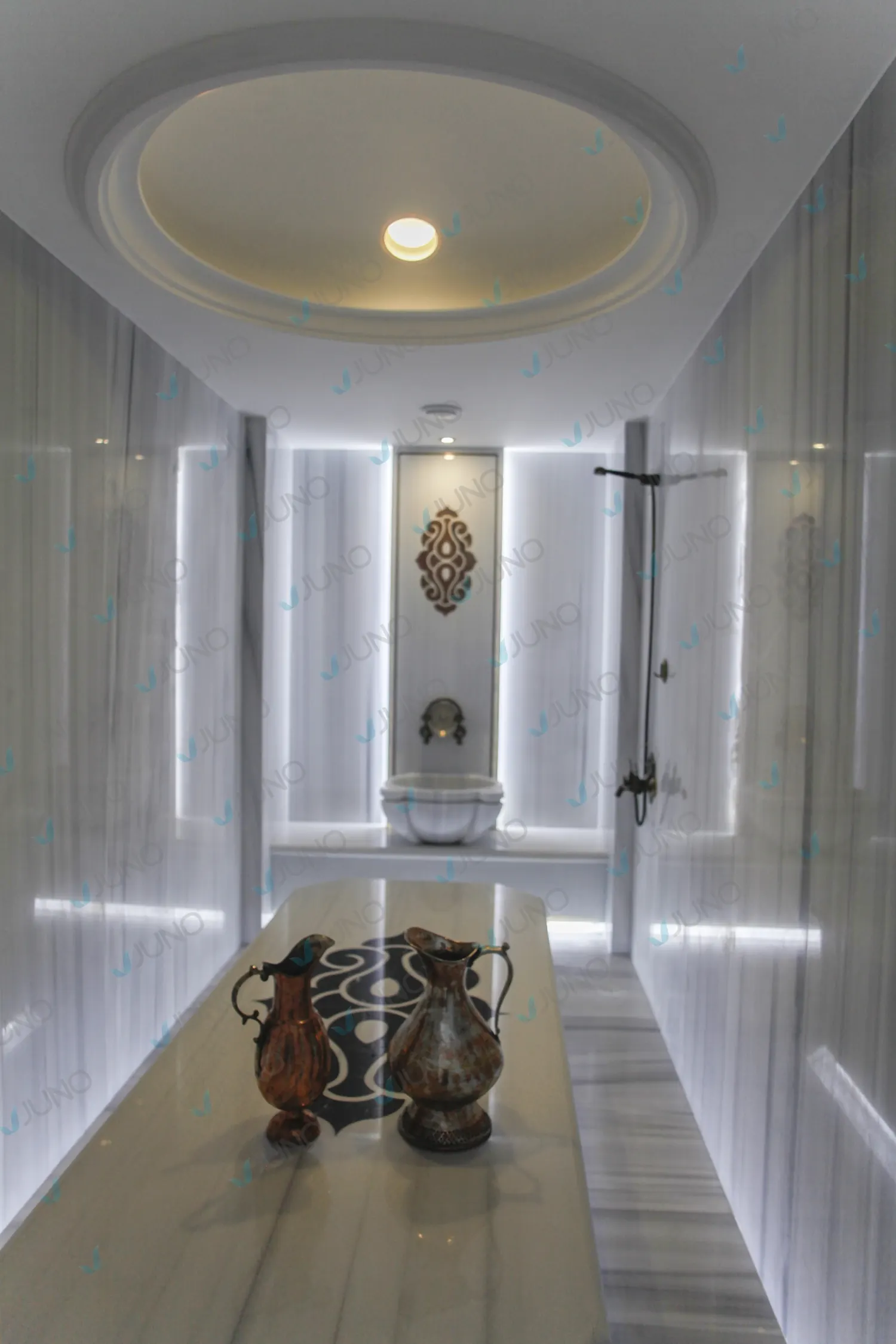
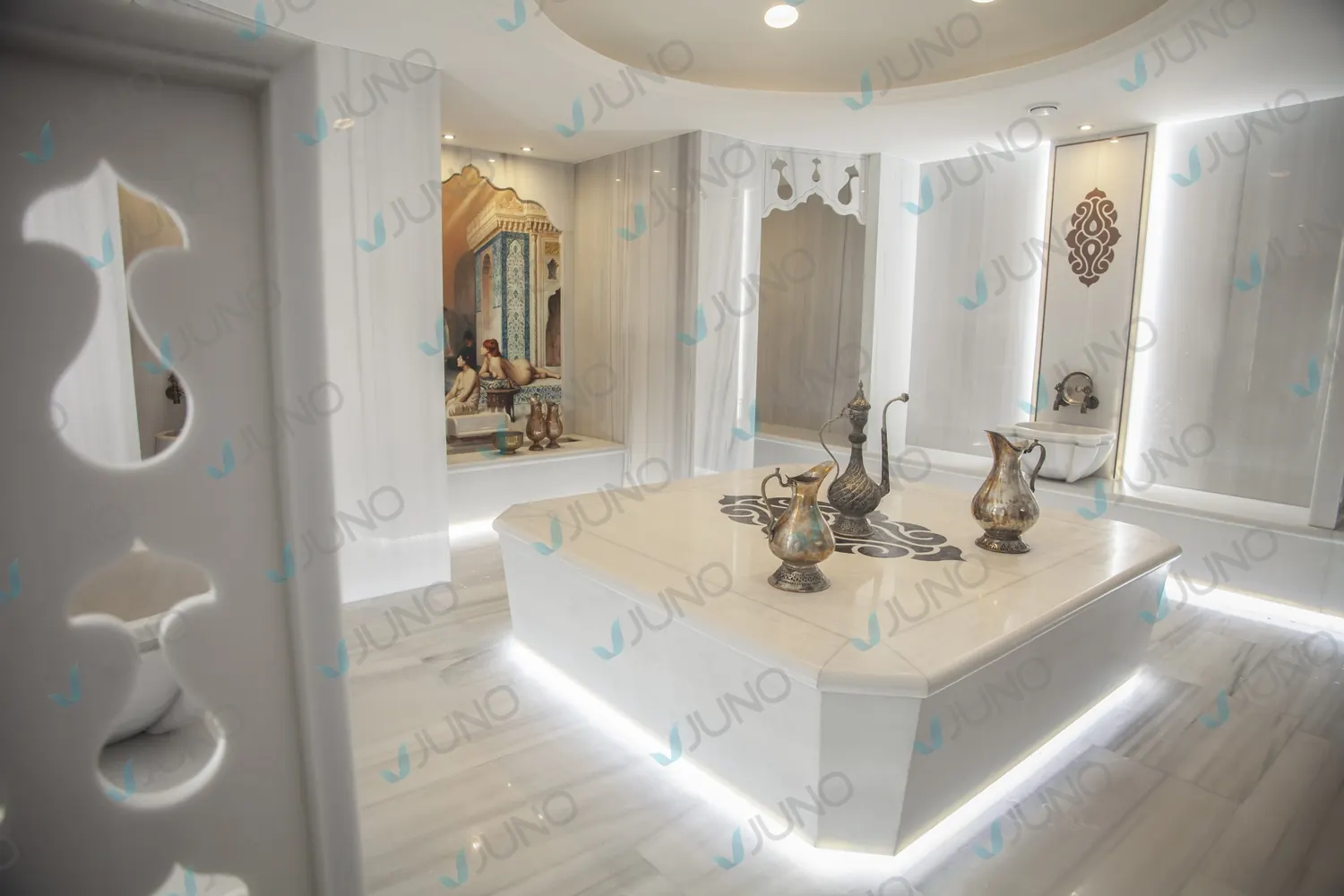
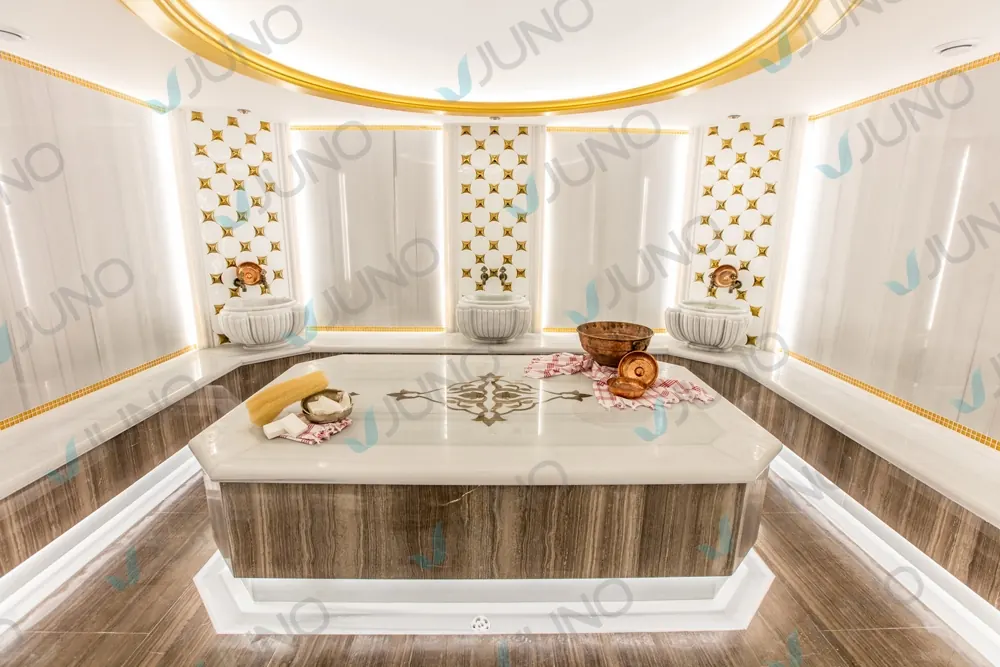
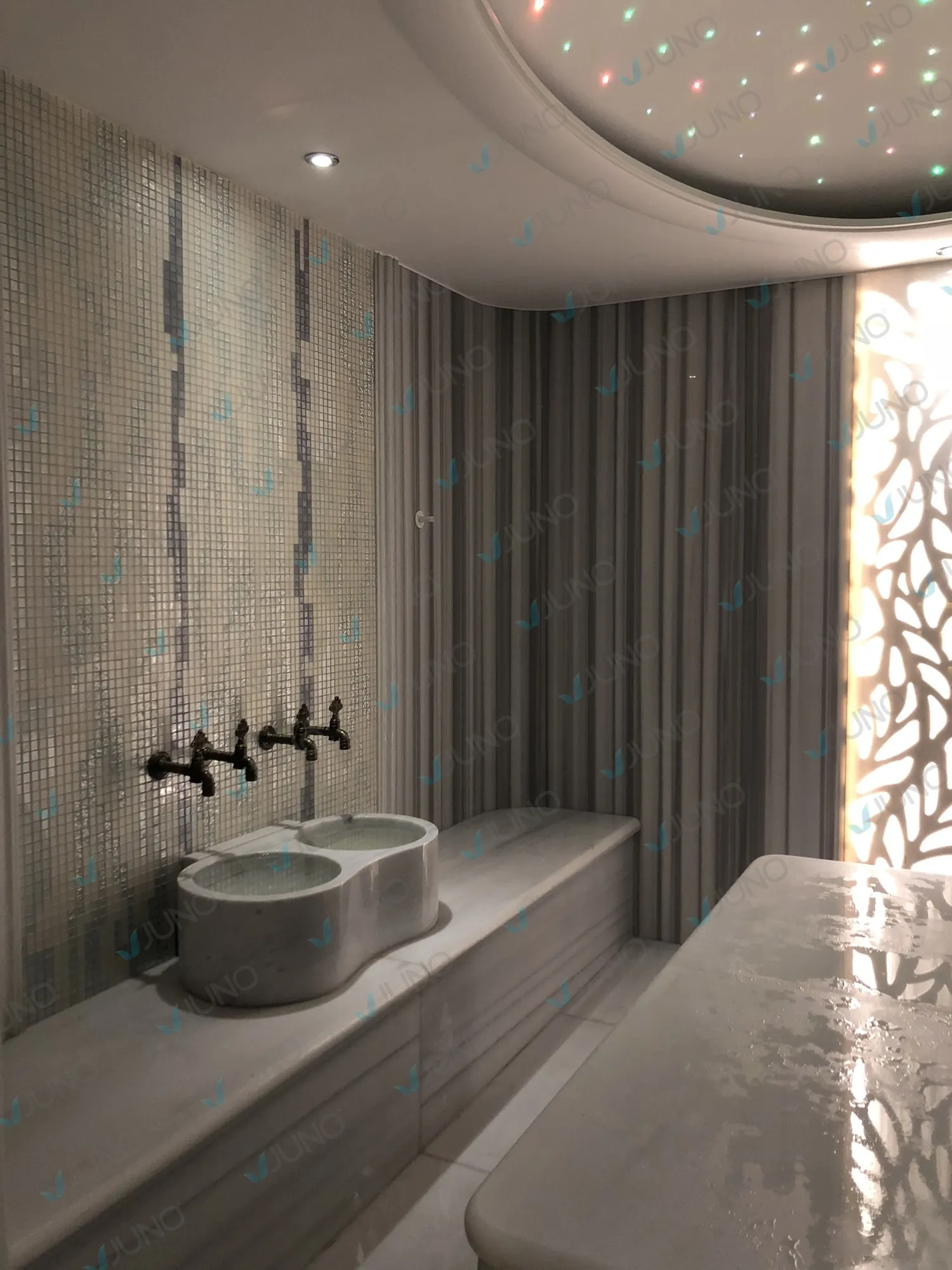
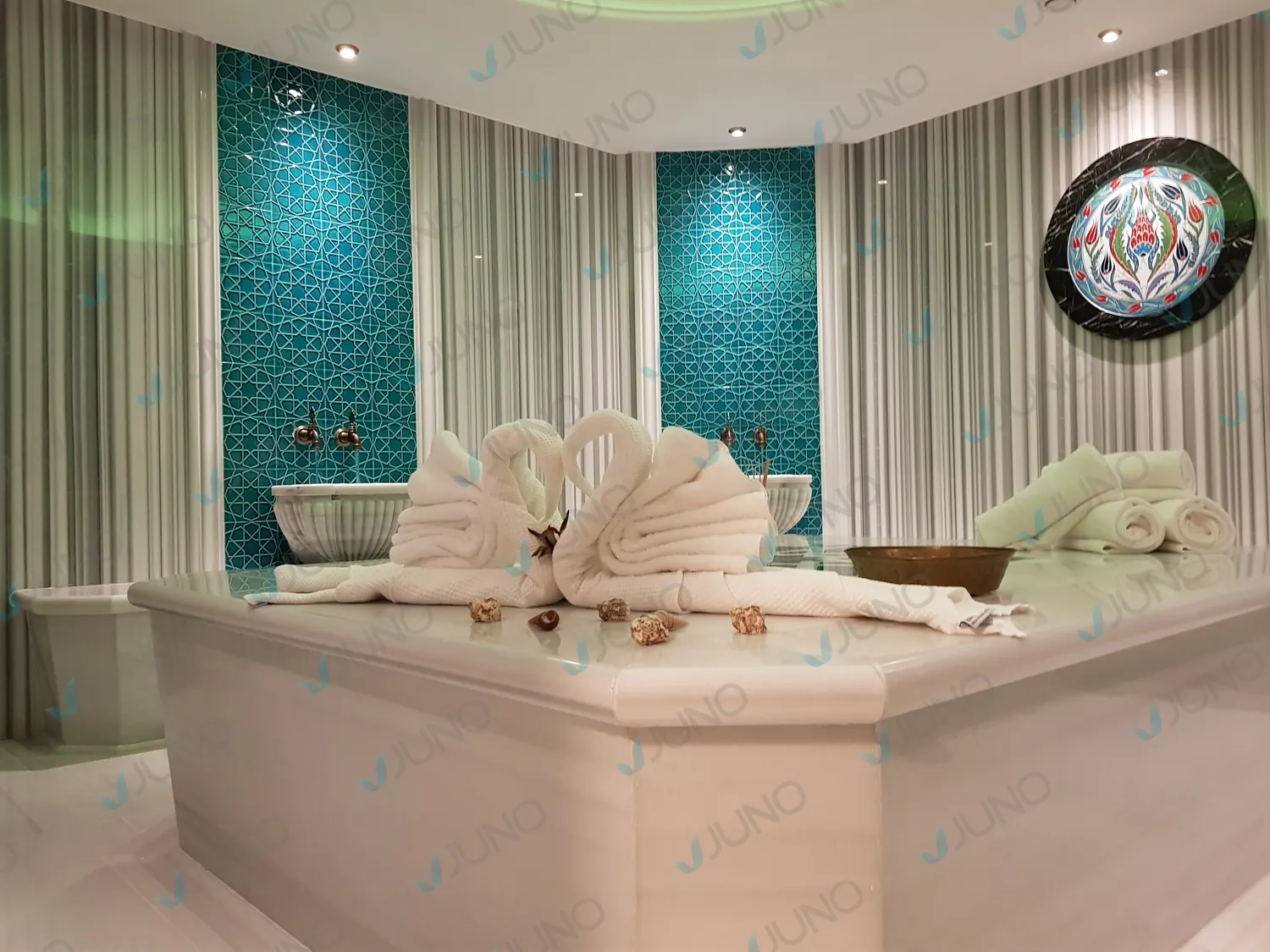
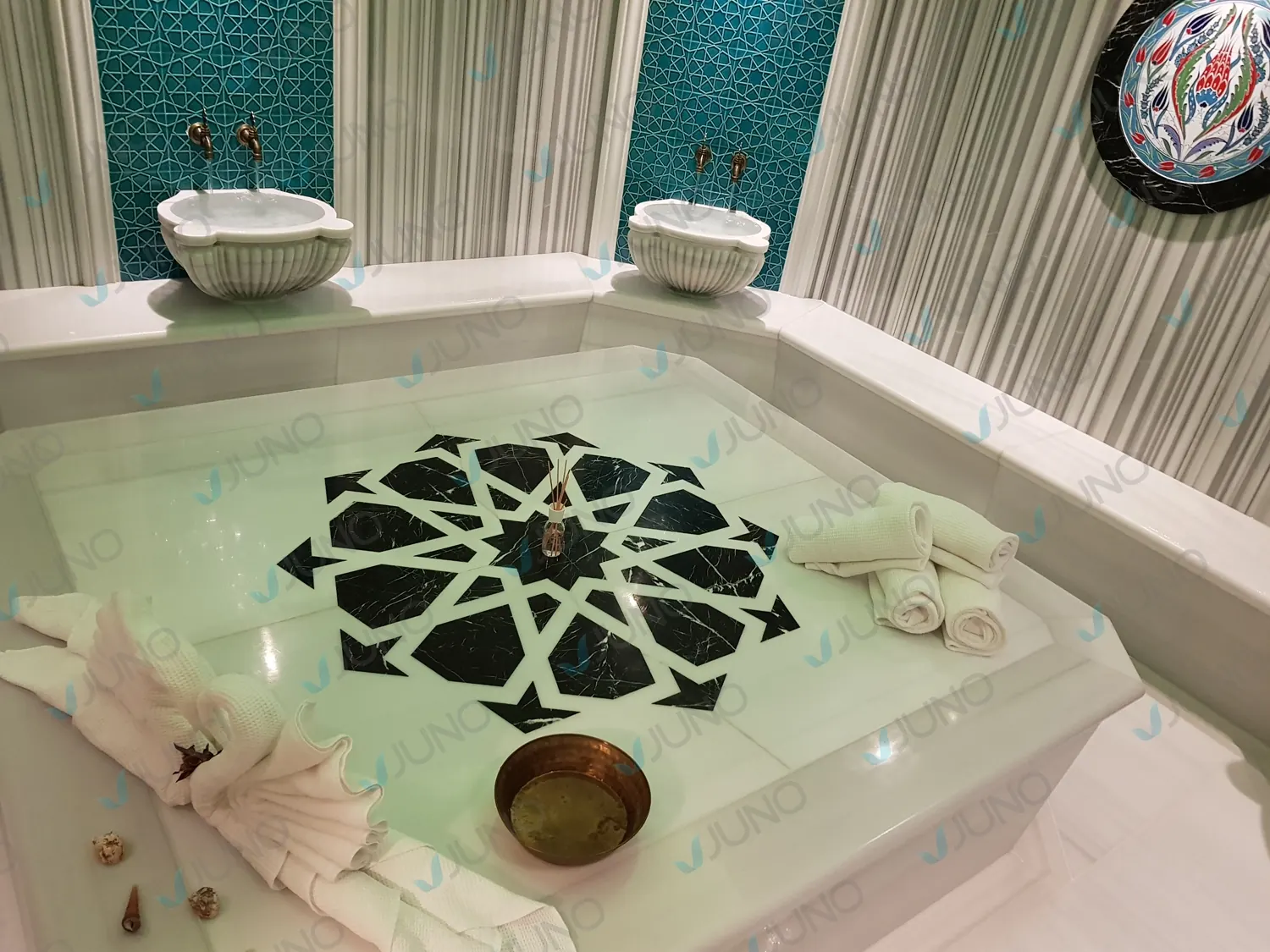
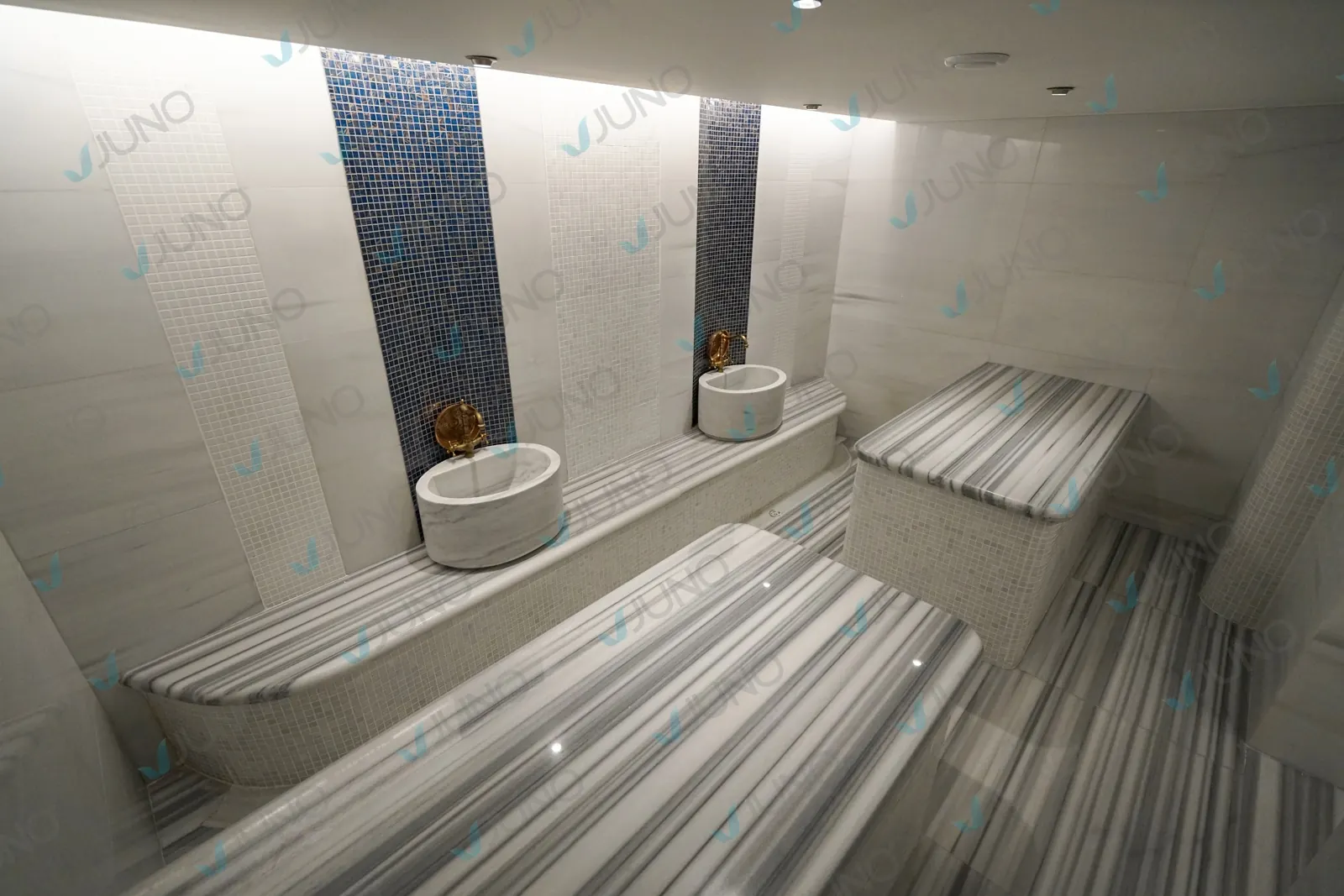
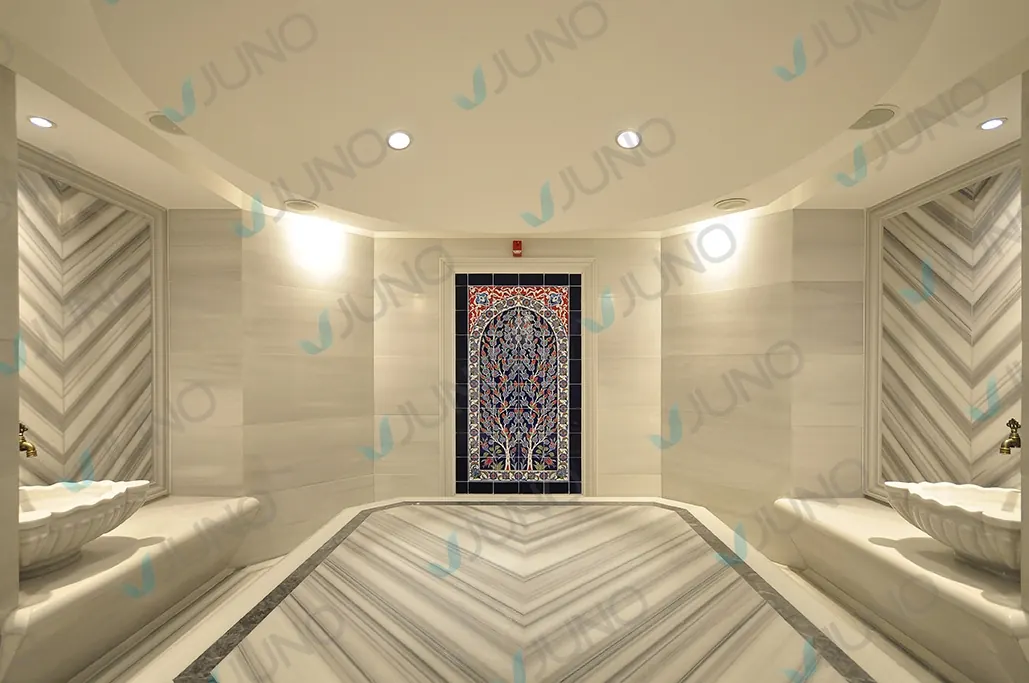
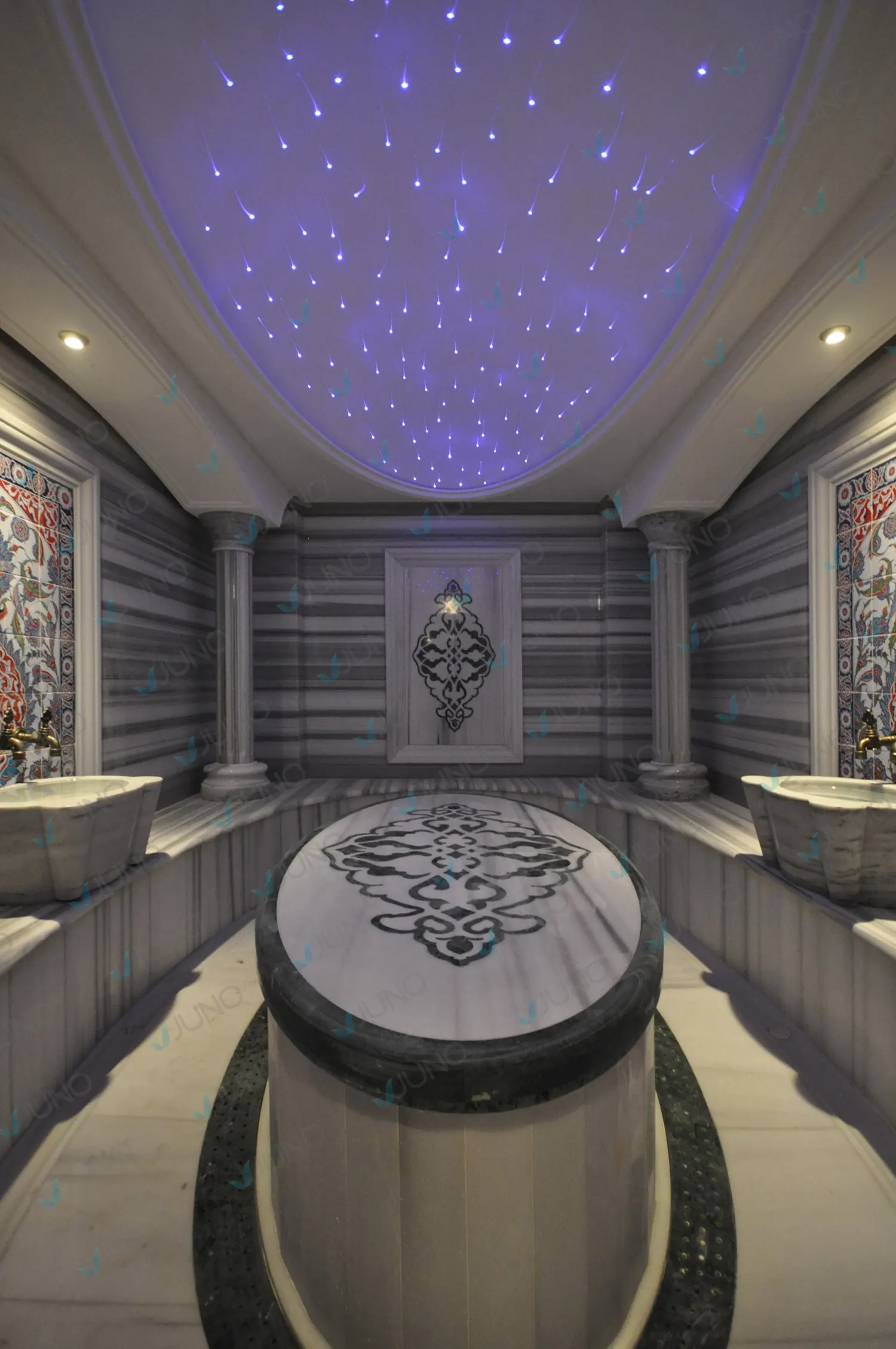
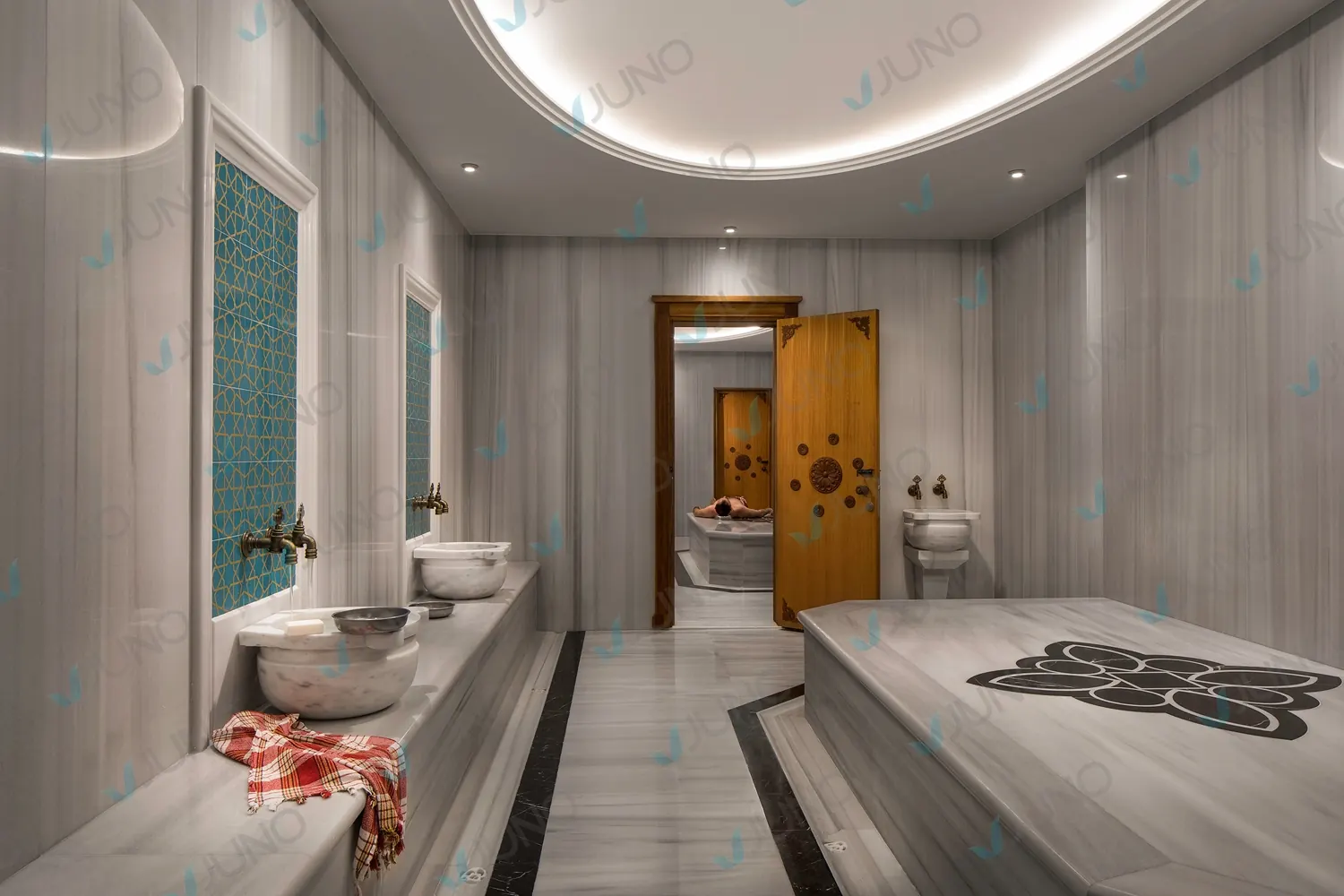
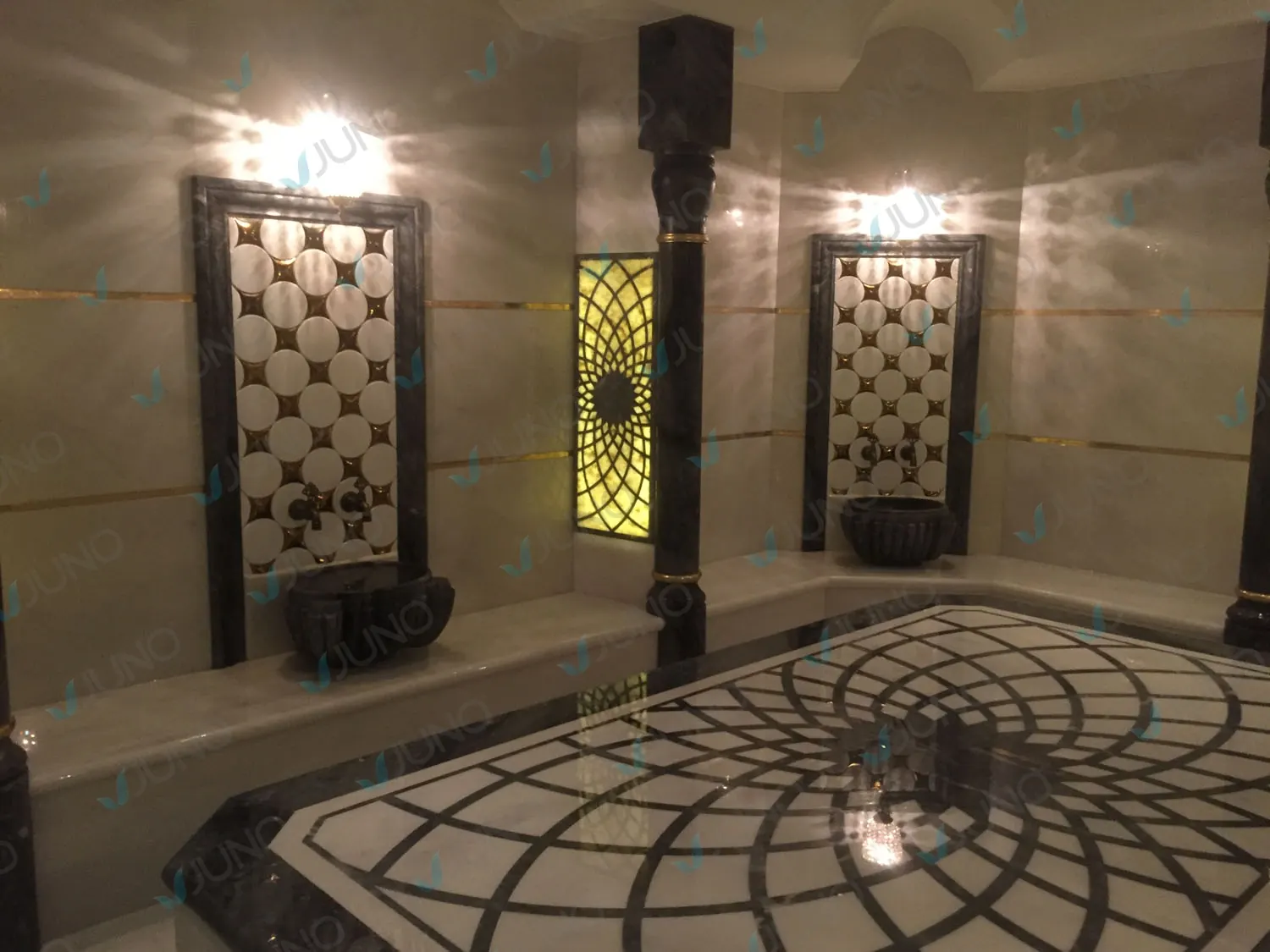
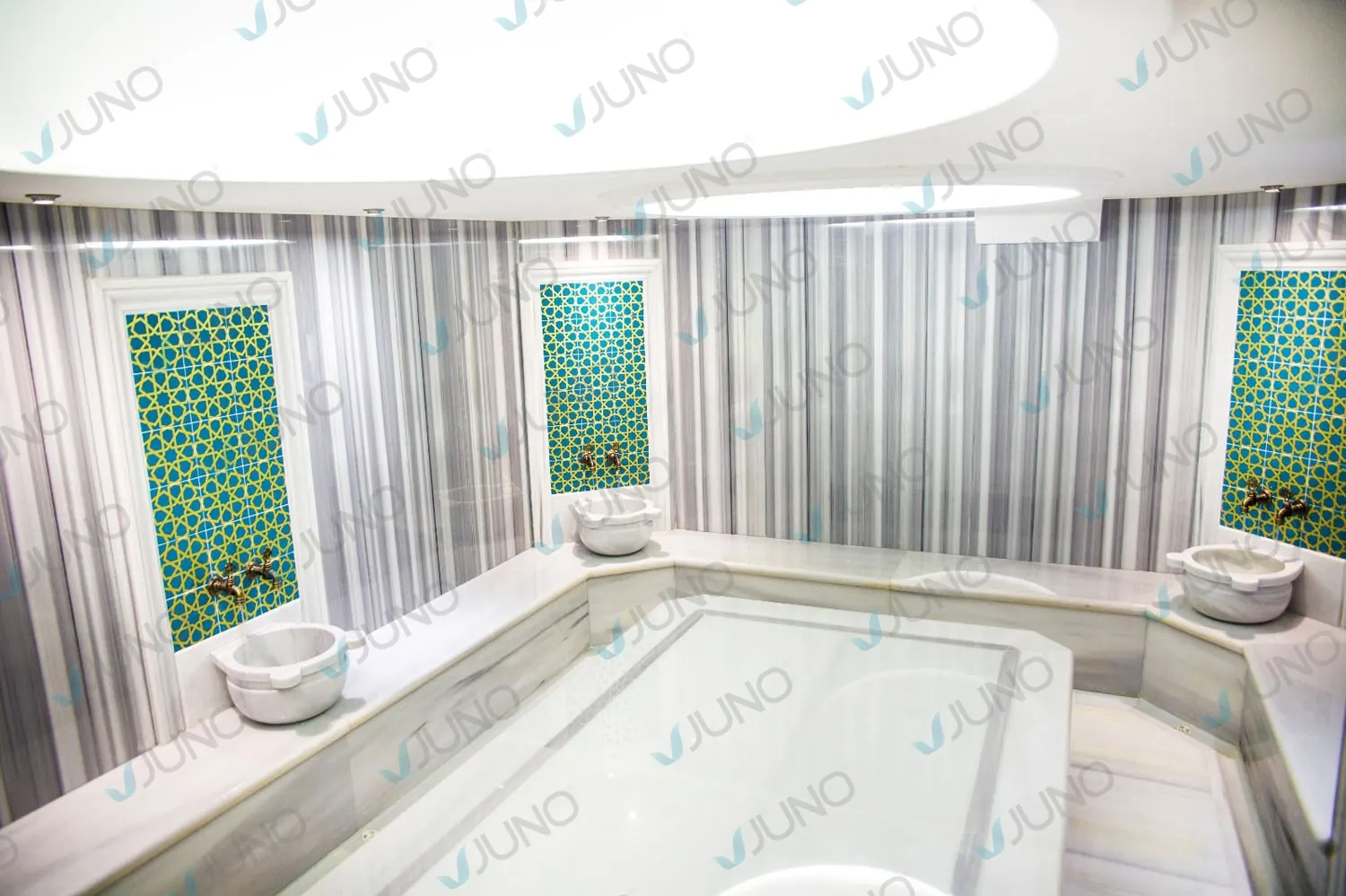
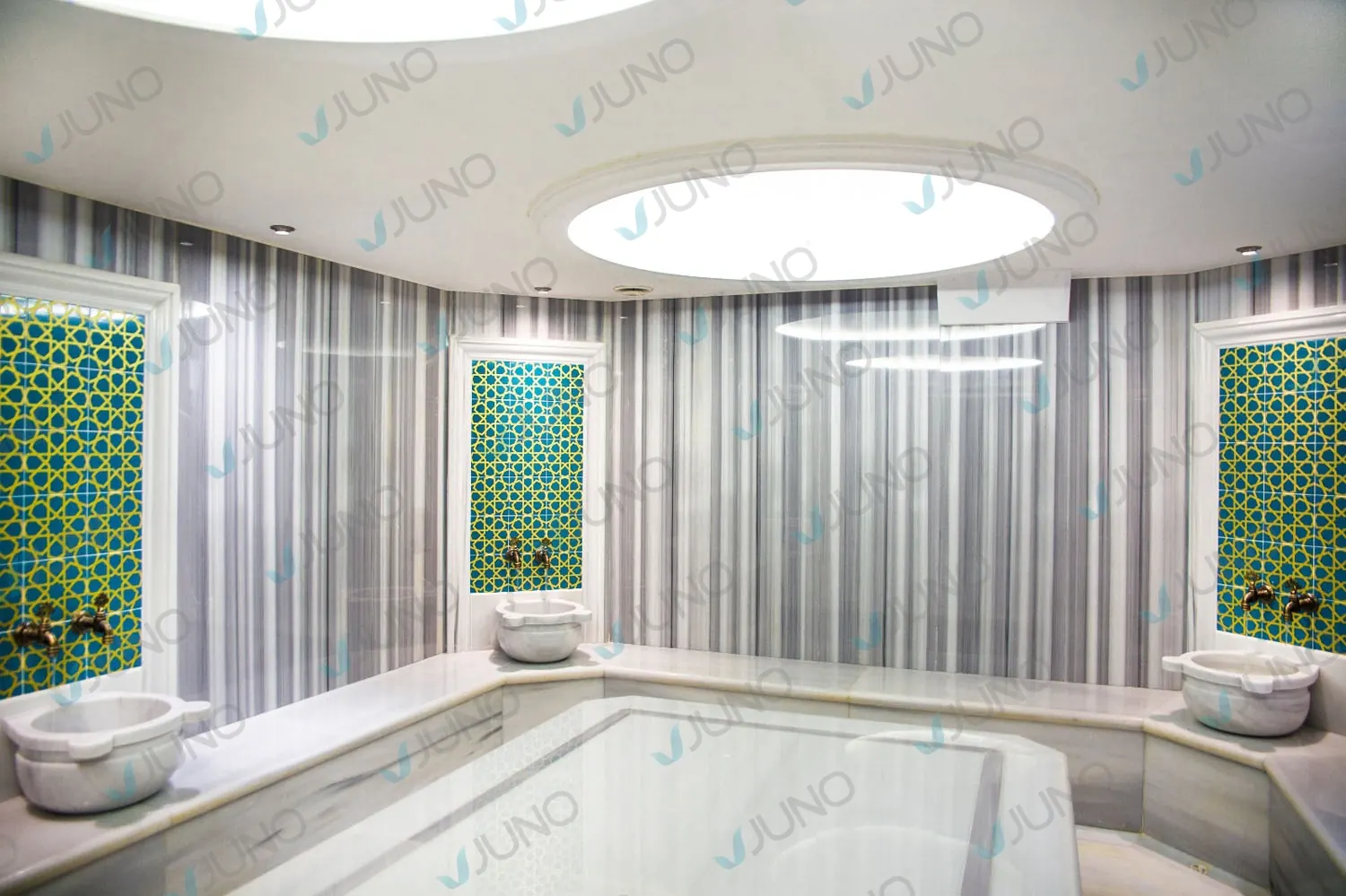
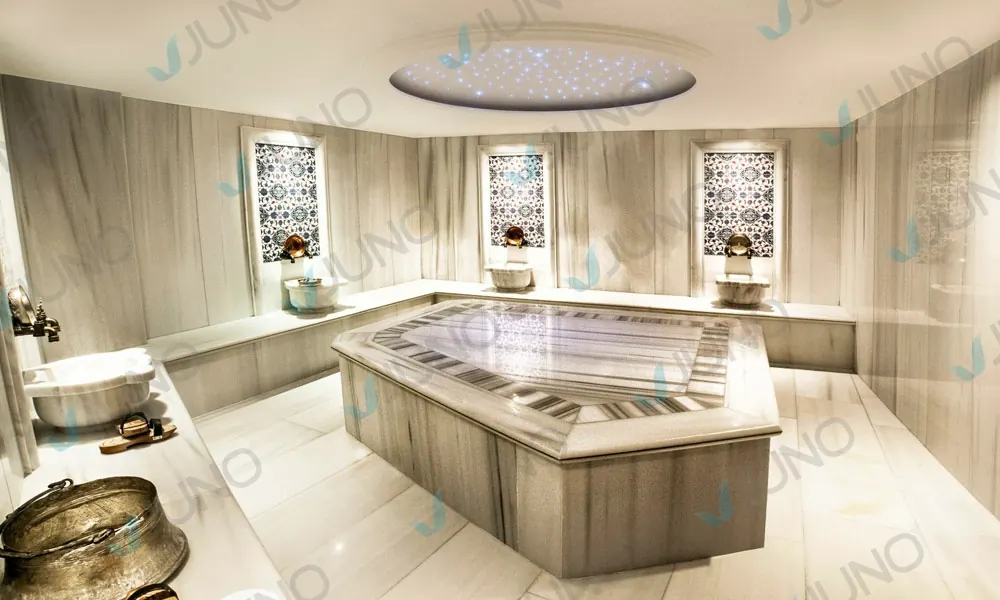
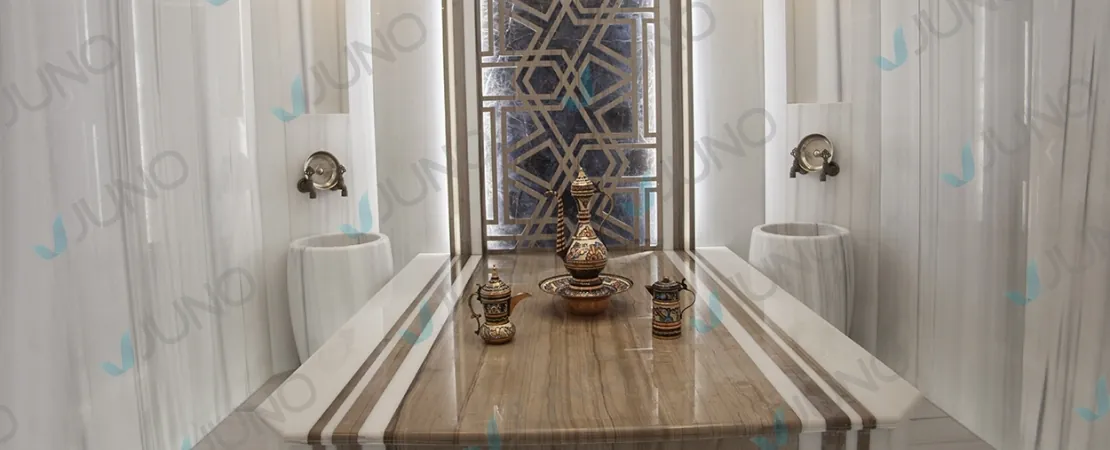
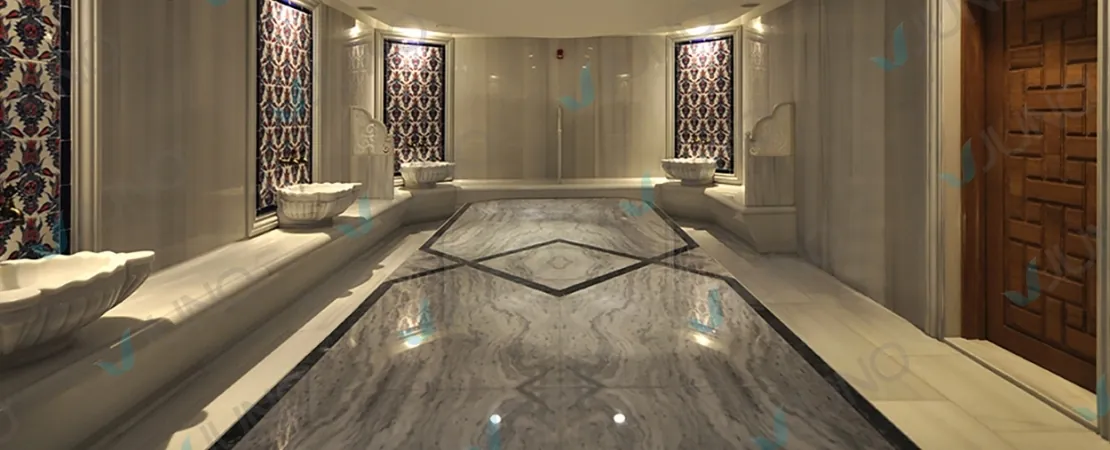
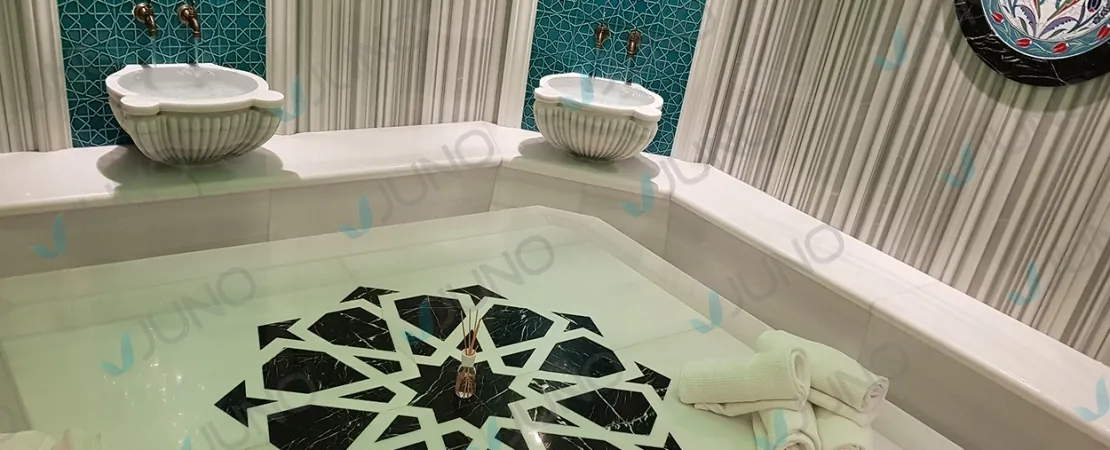
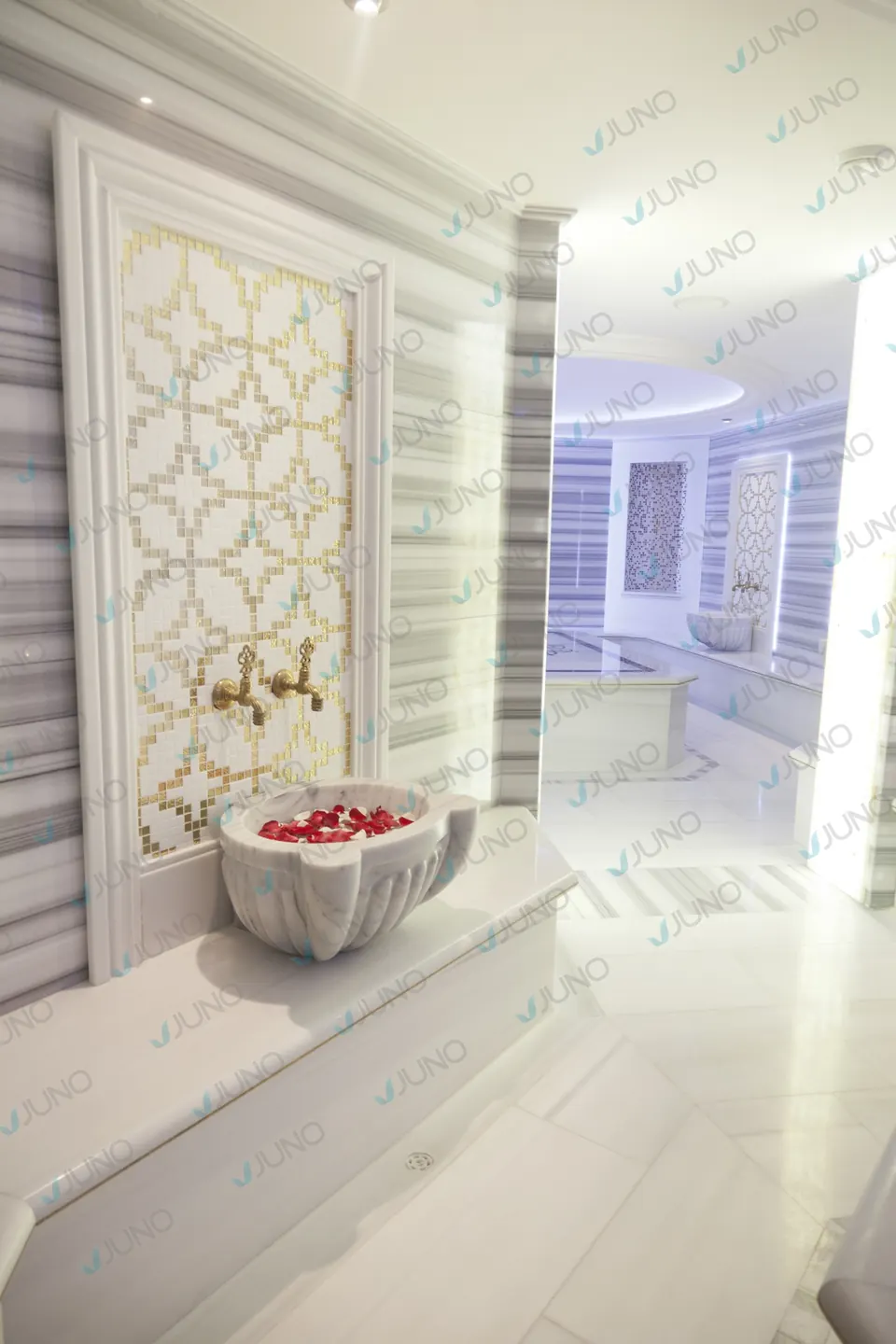
- Kurna başı (basin area): The section where bathers wash one at a time.
- Halvet: The section with closed cubicles for bathing alone.
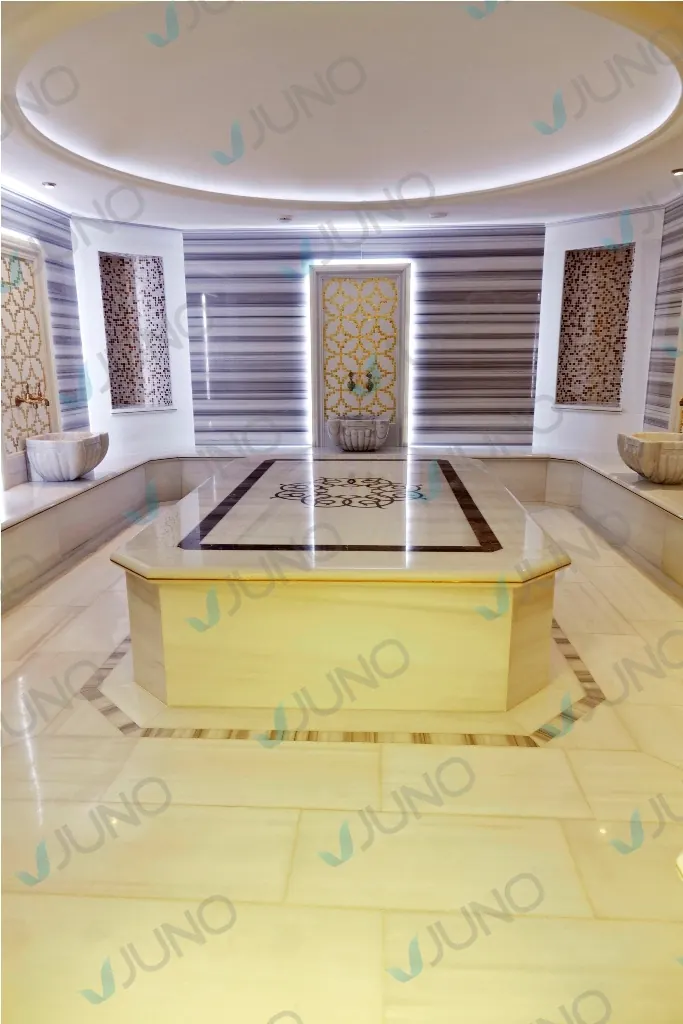
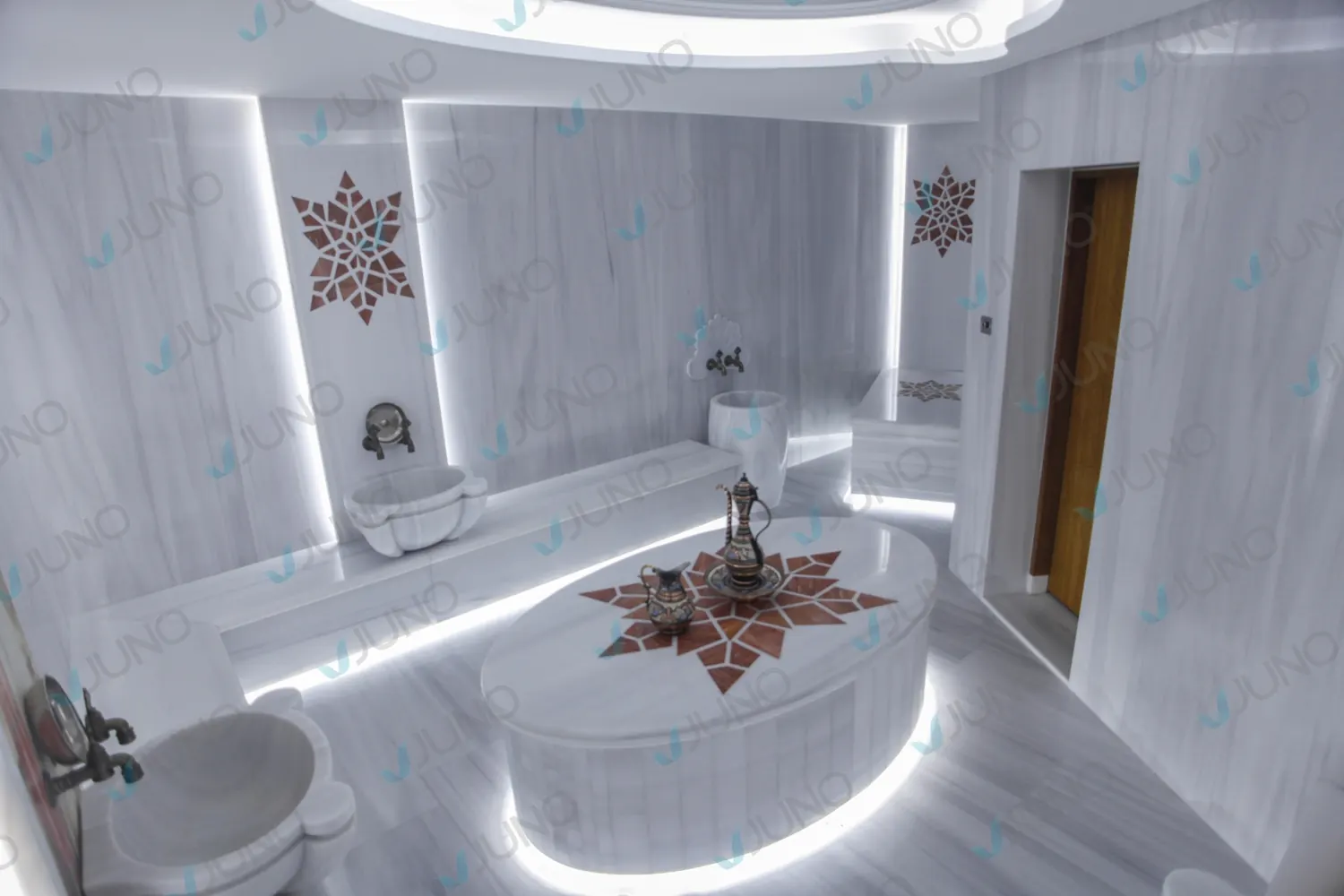
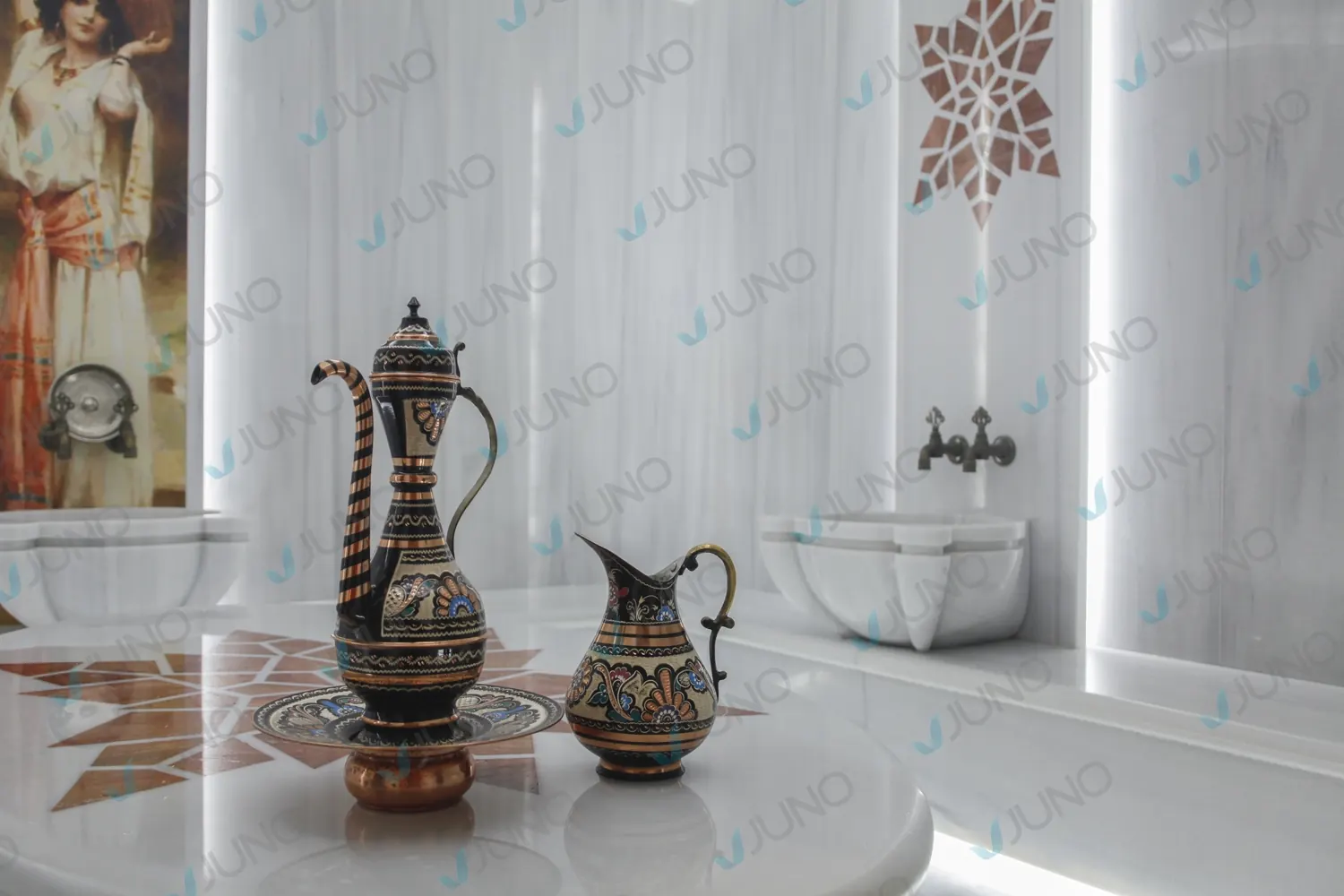
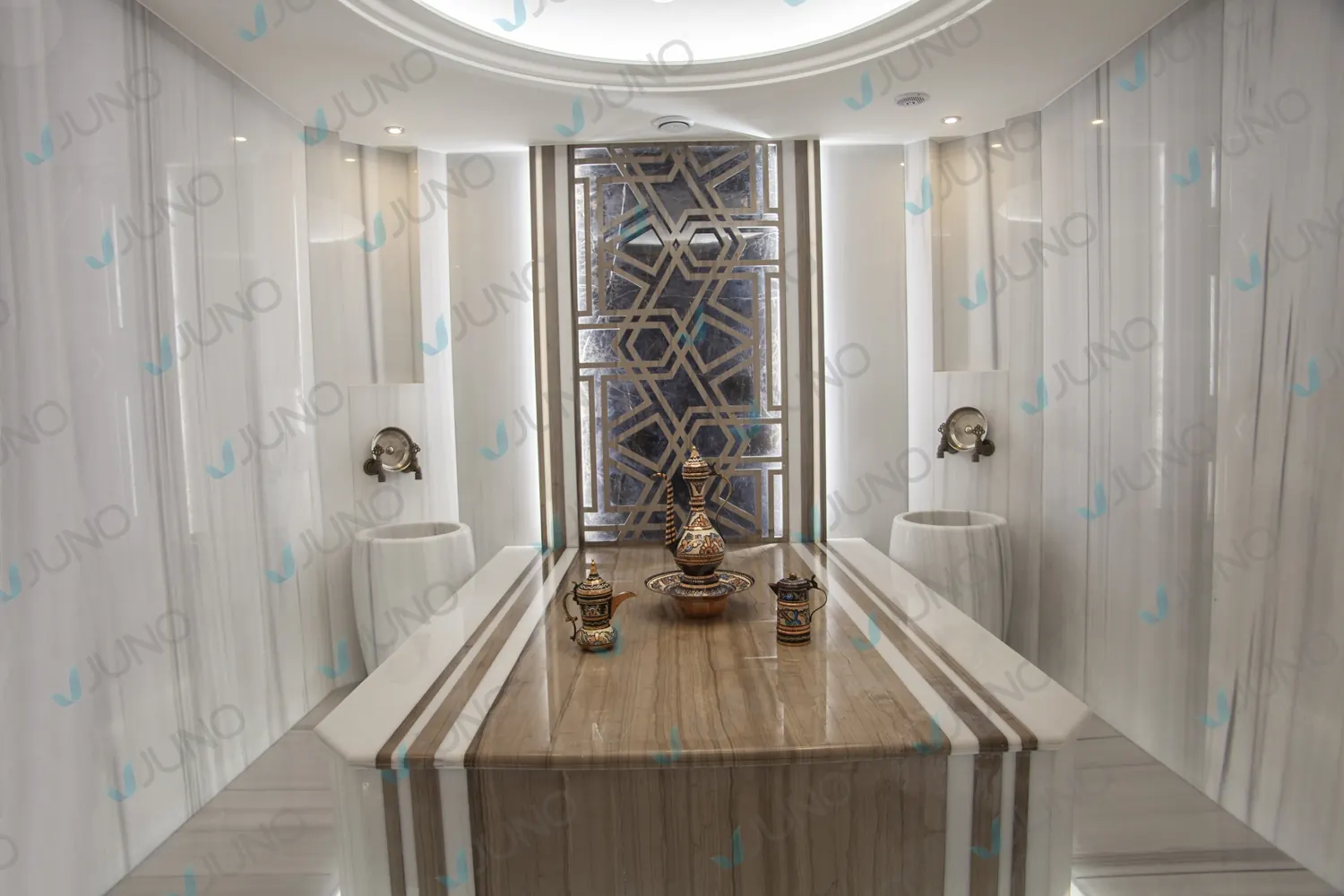
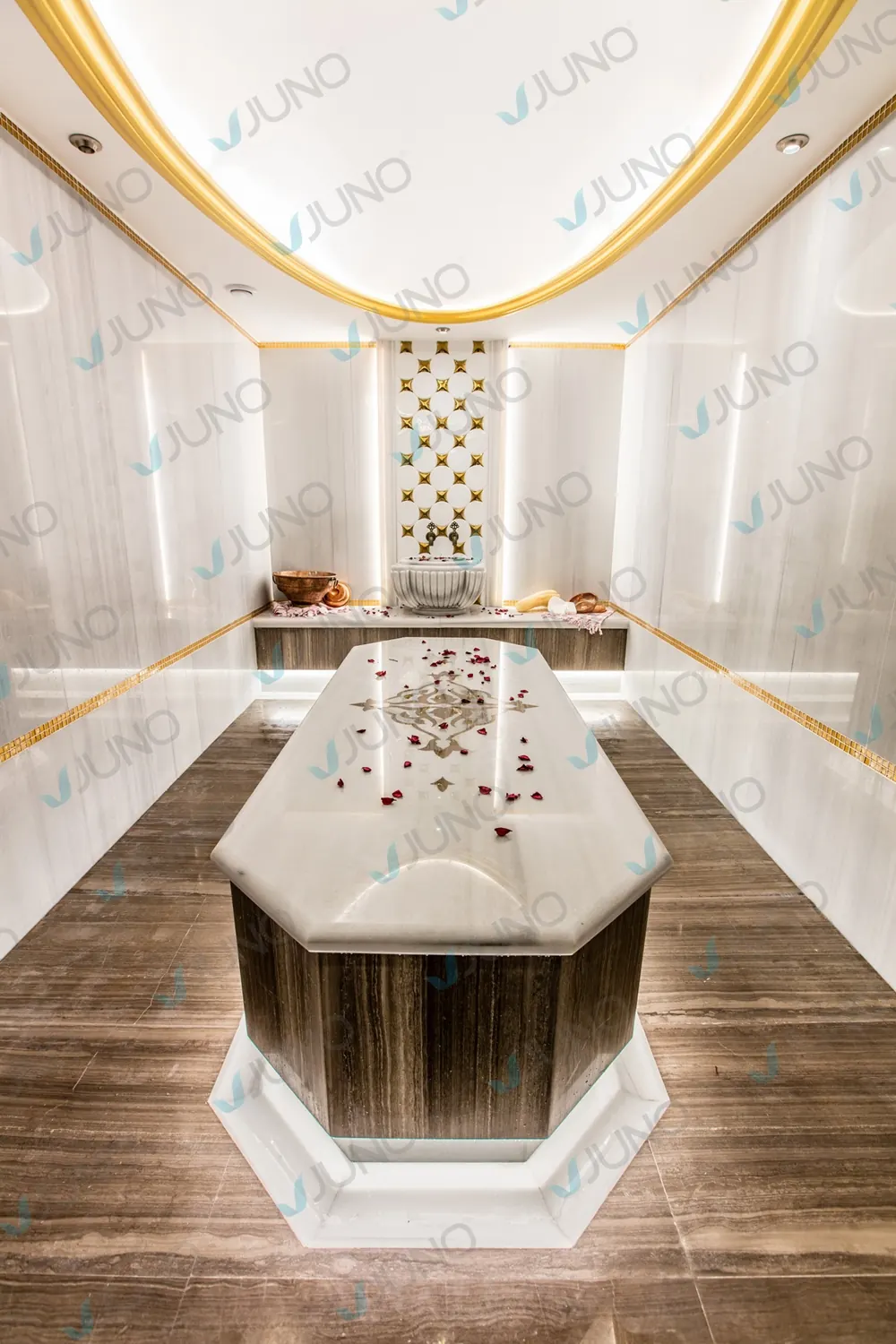
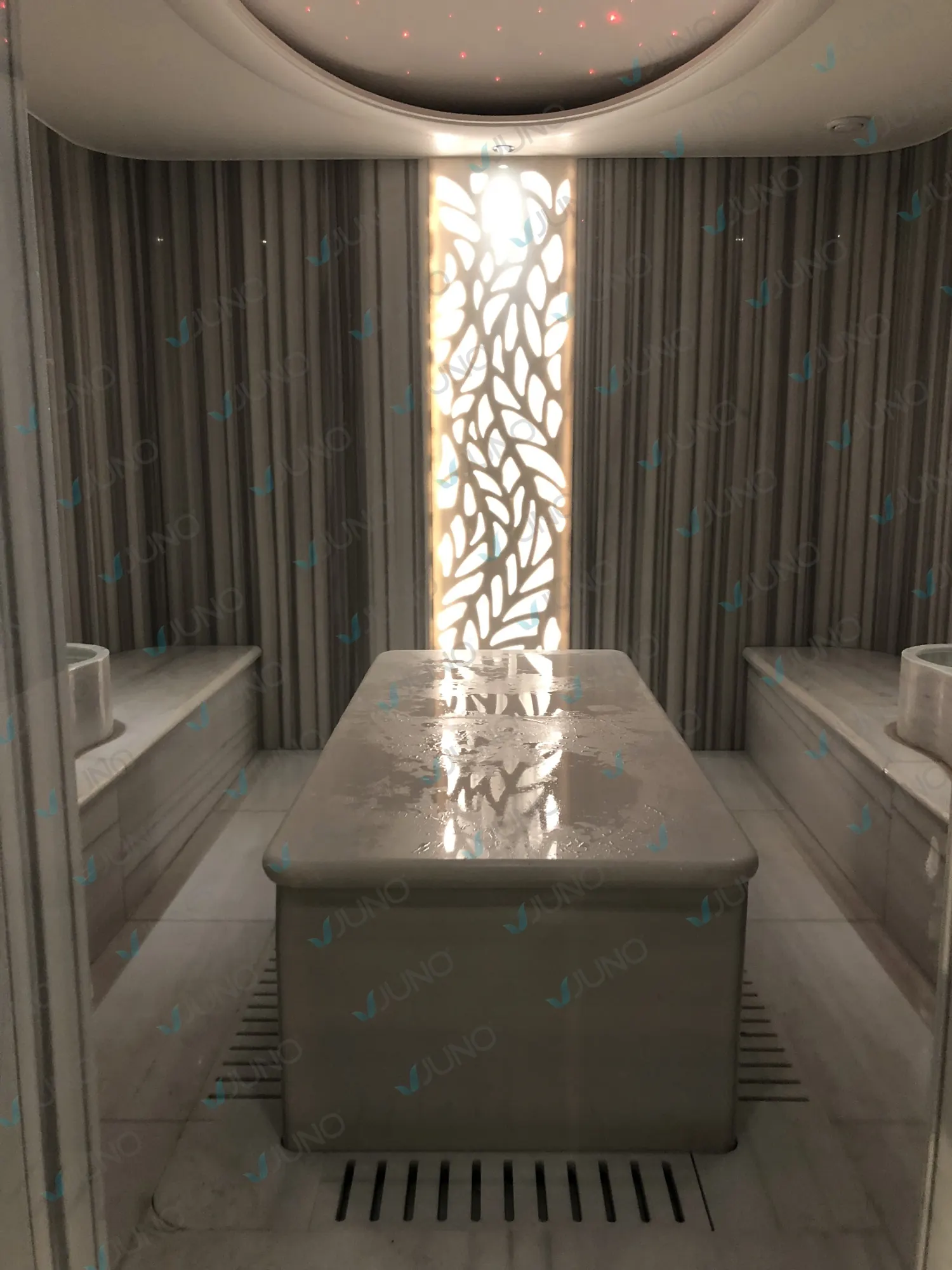
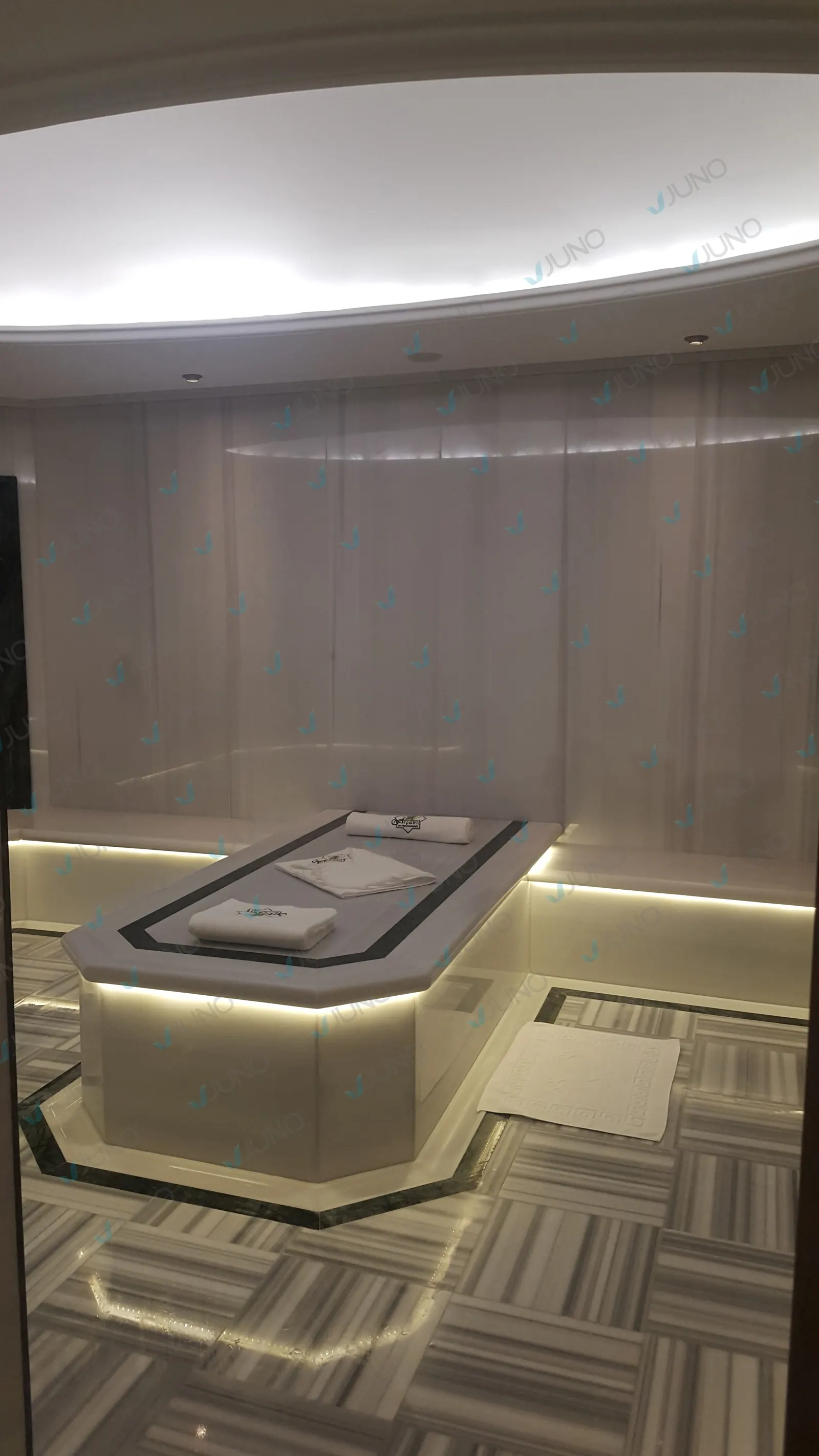
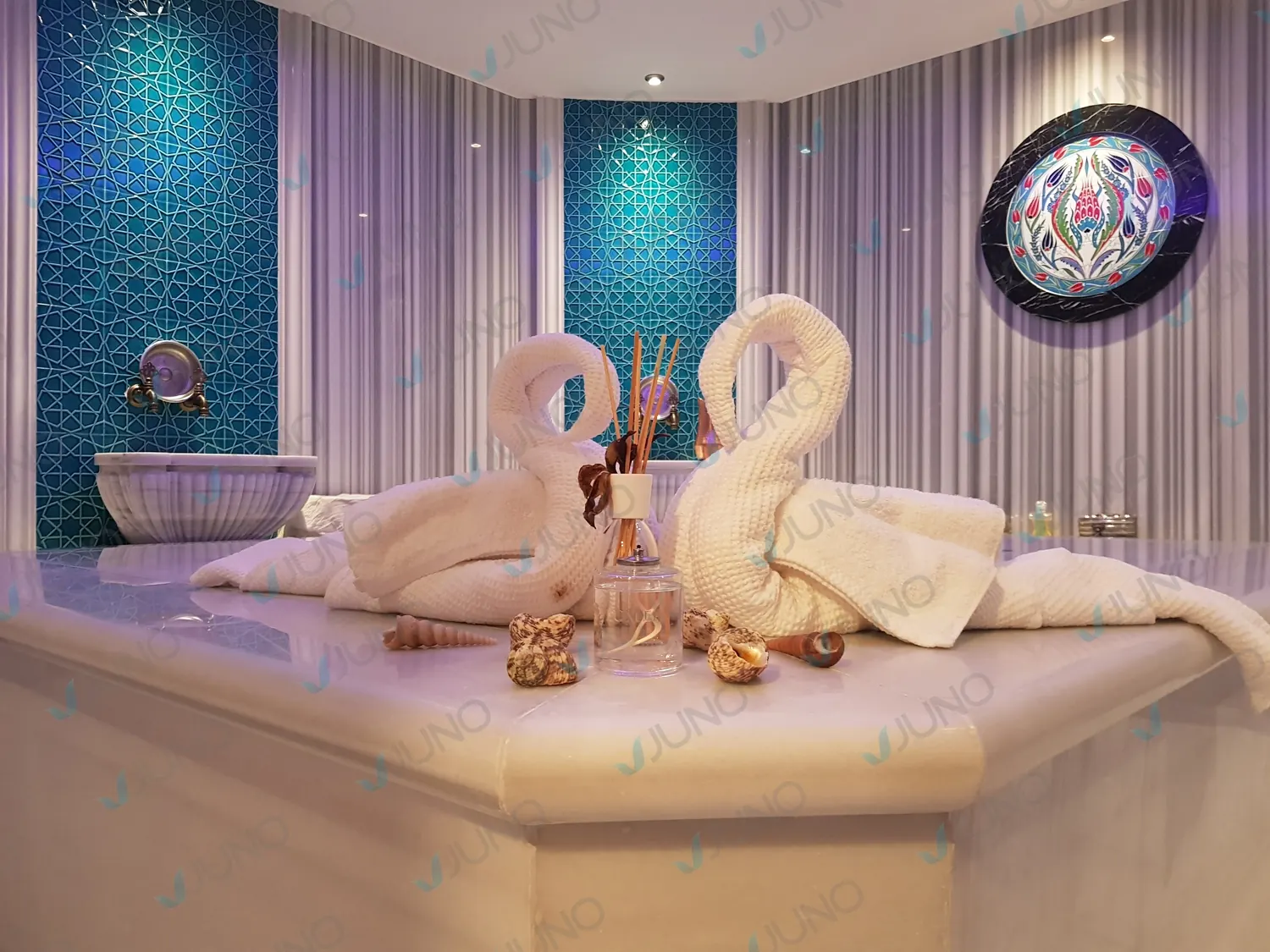
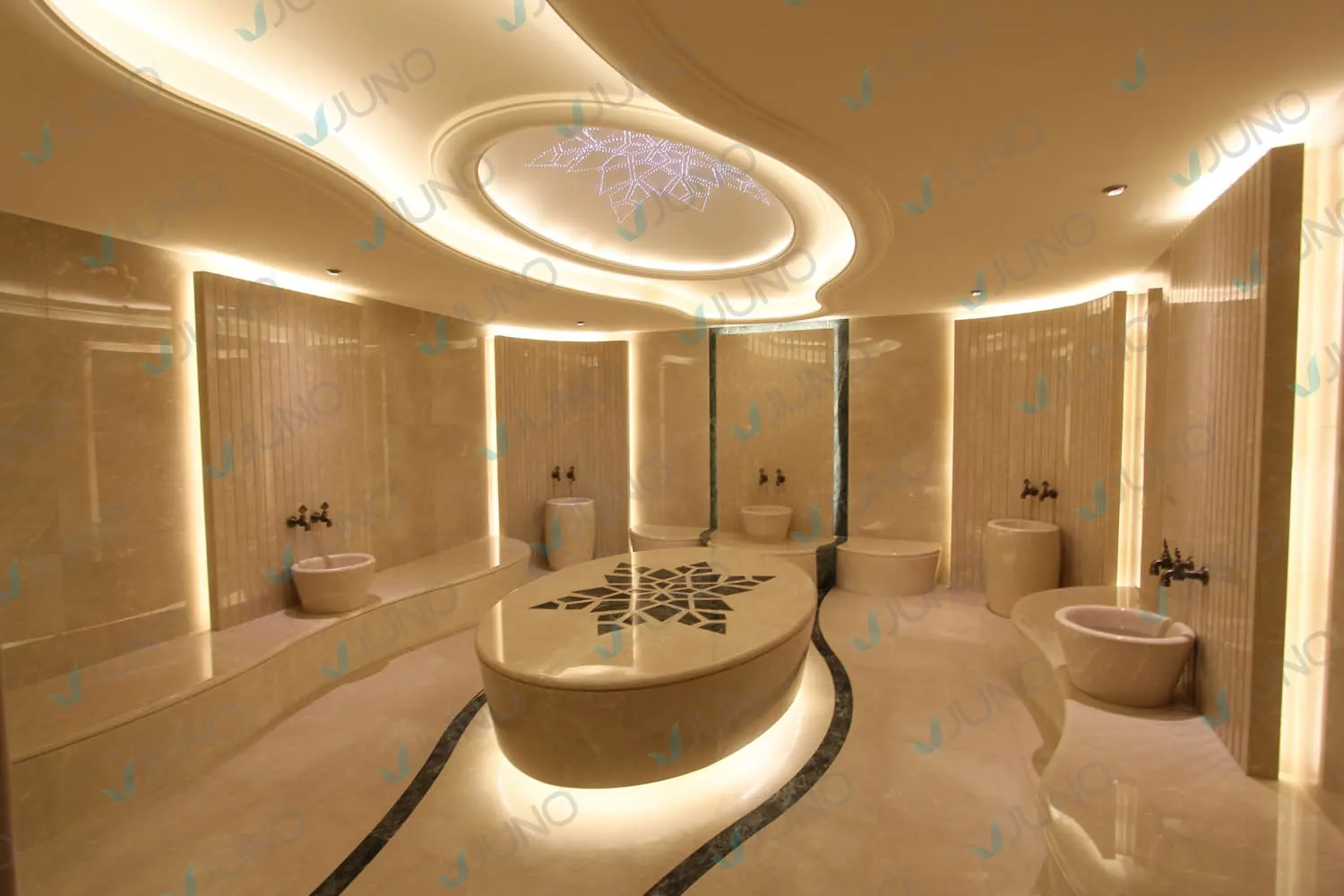
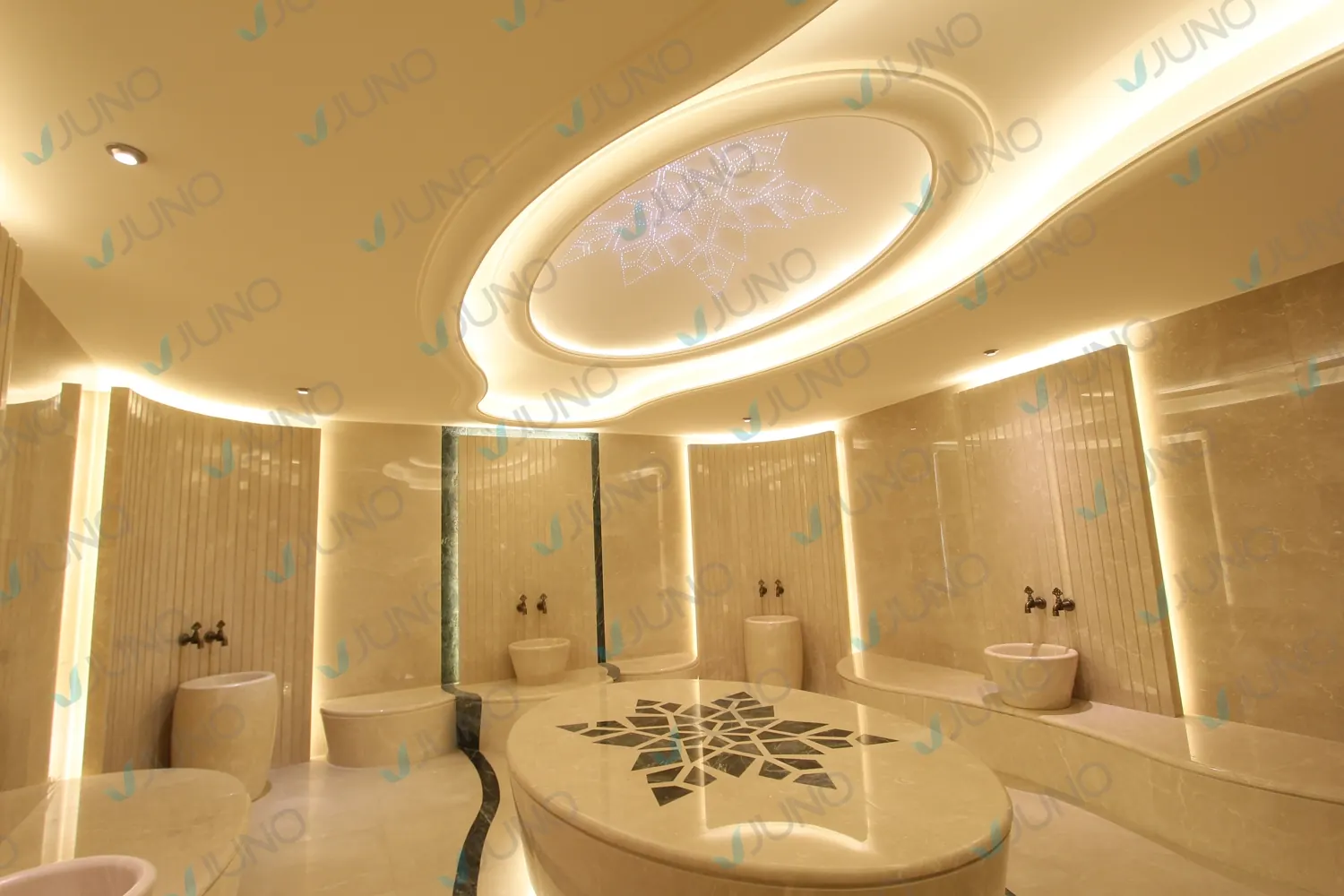
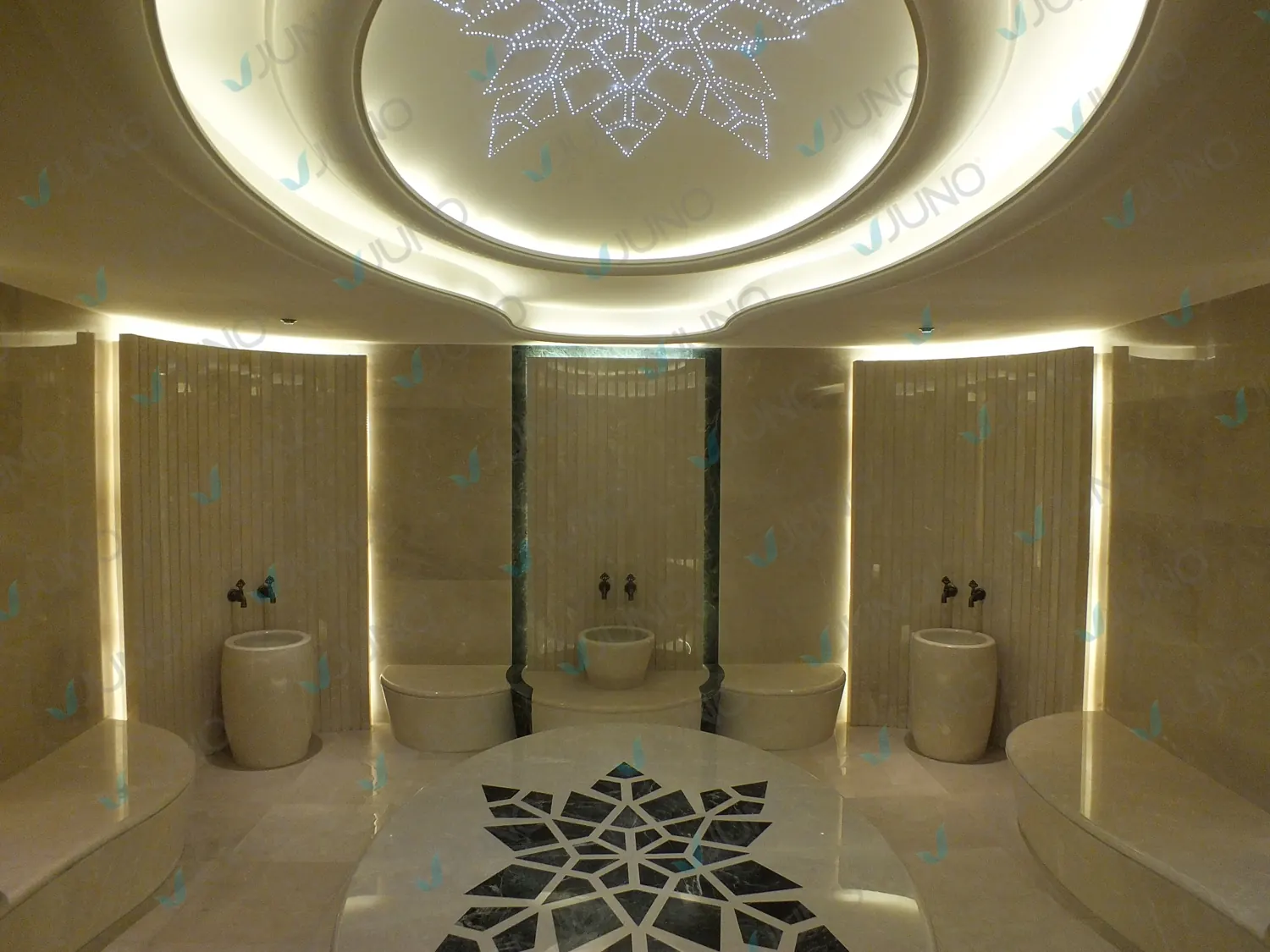
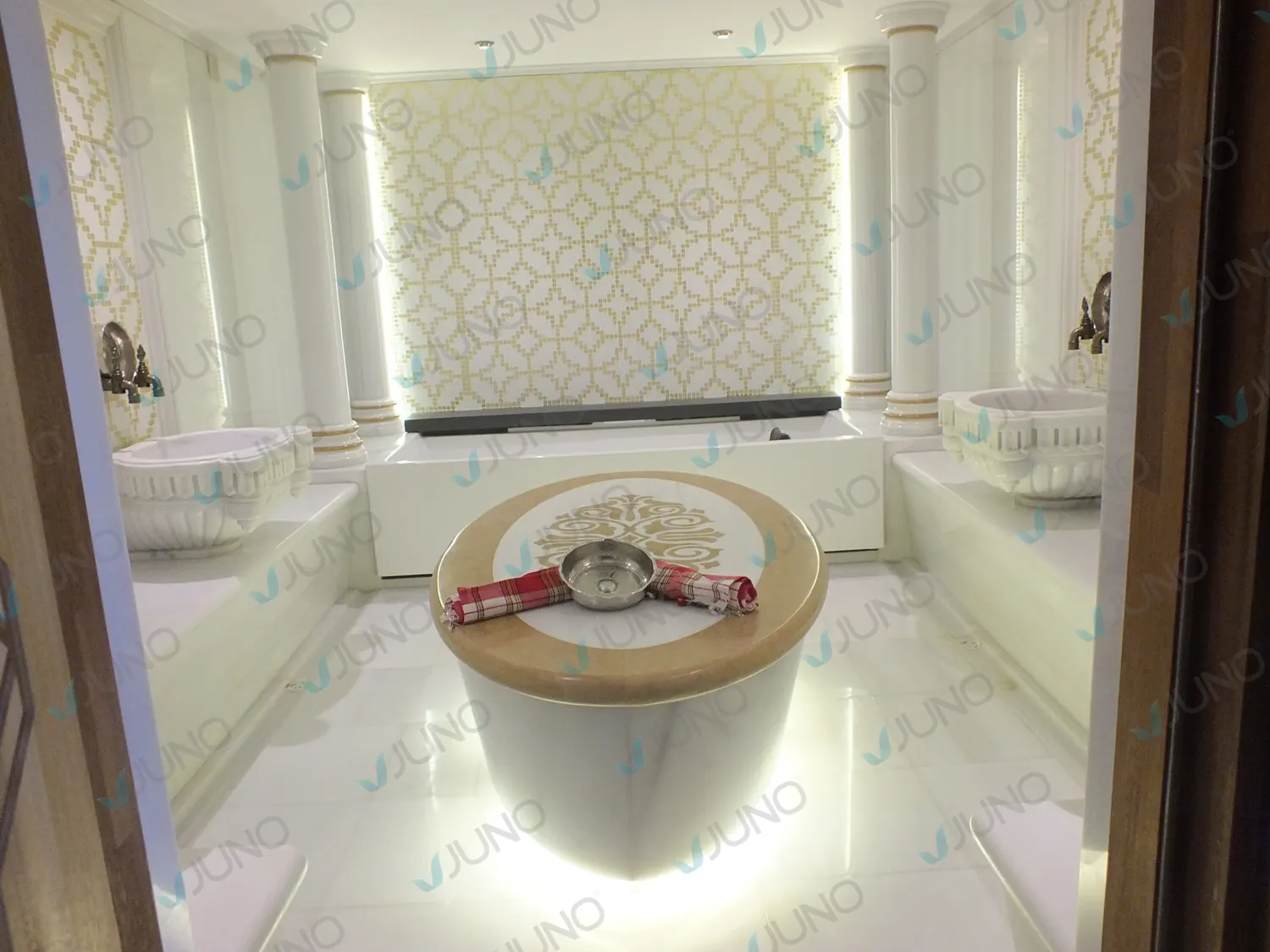
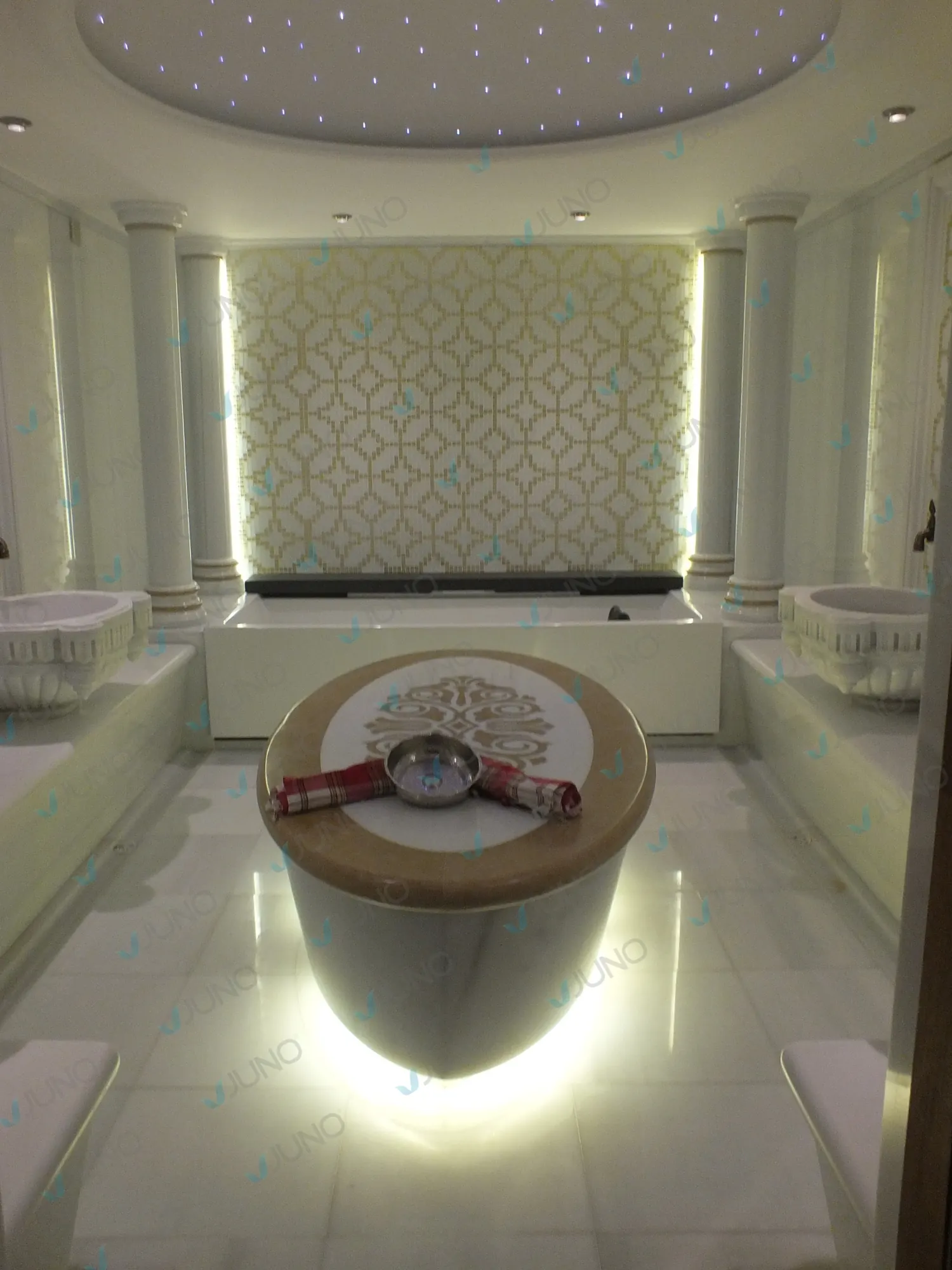
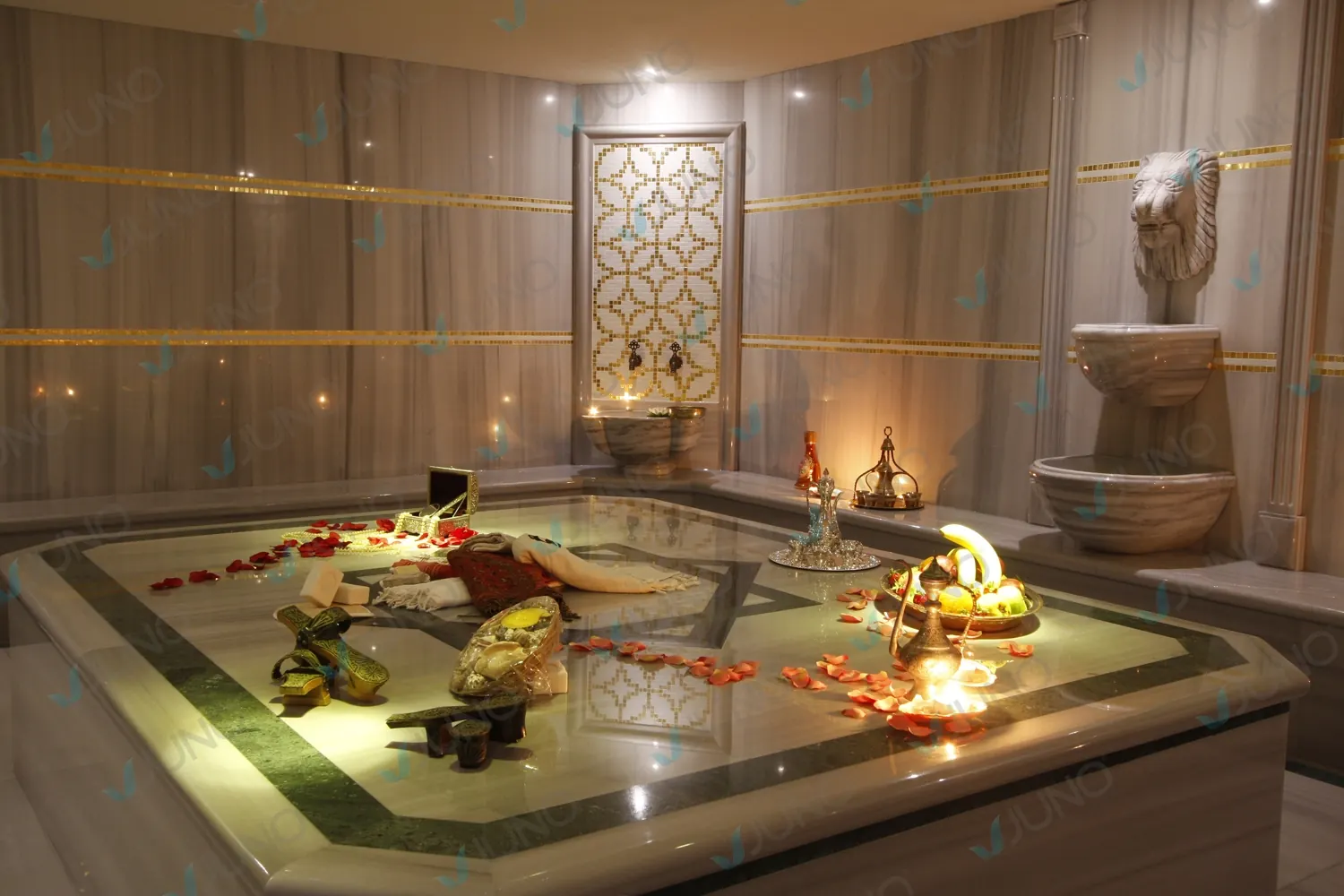
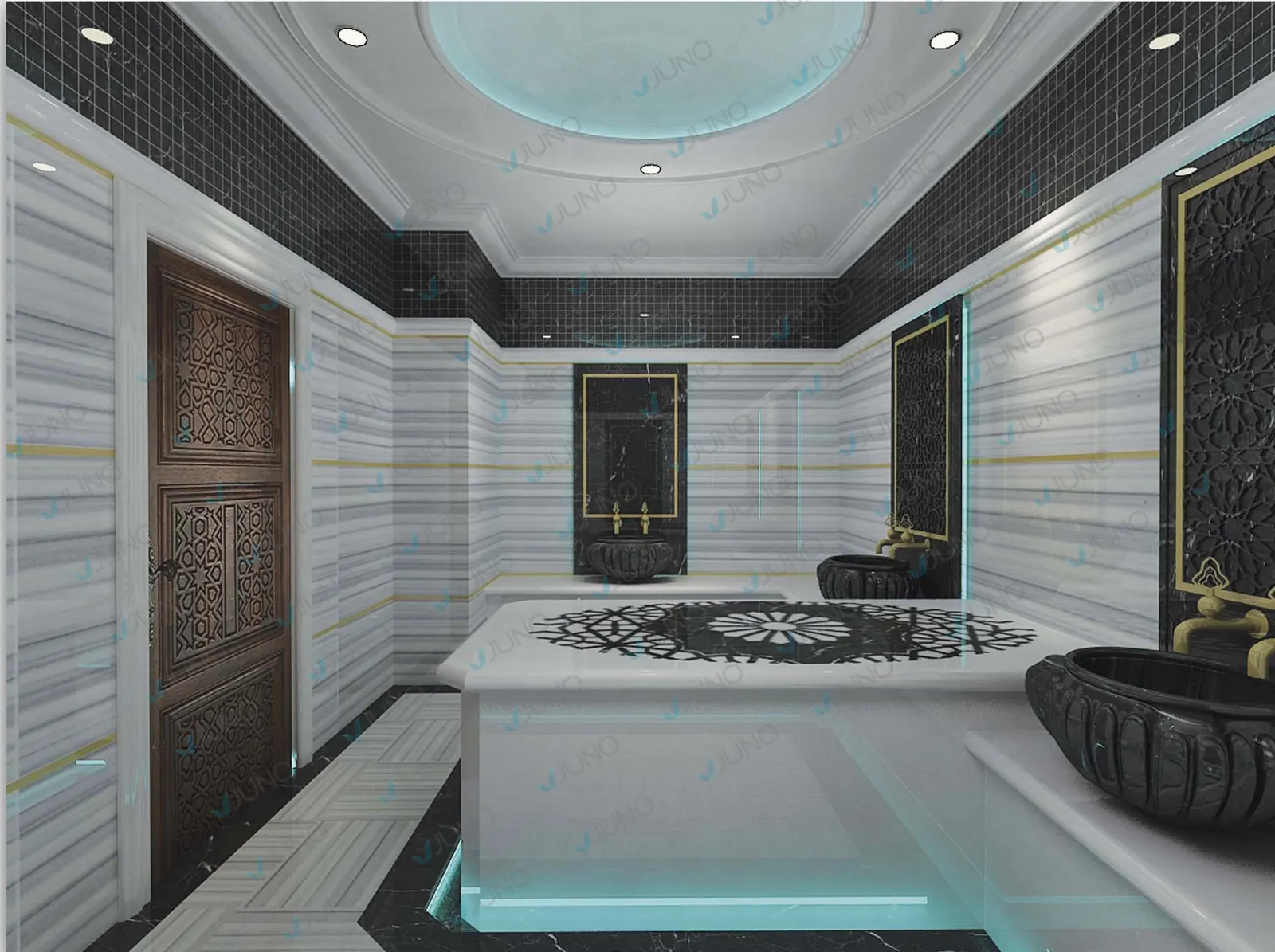
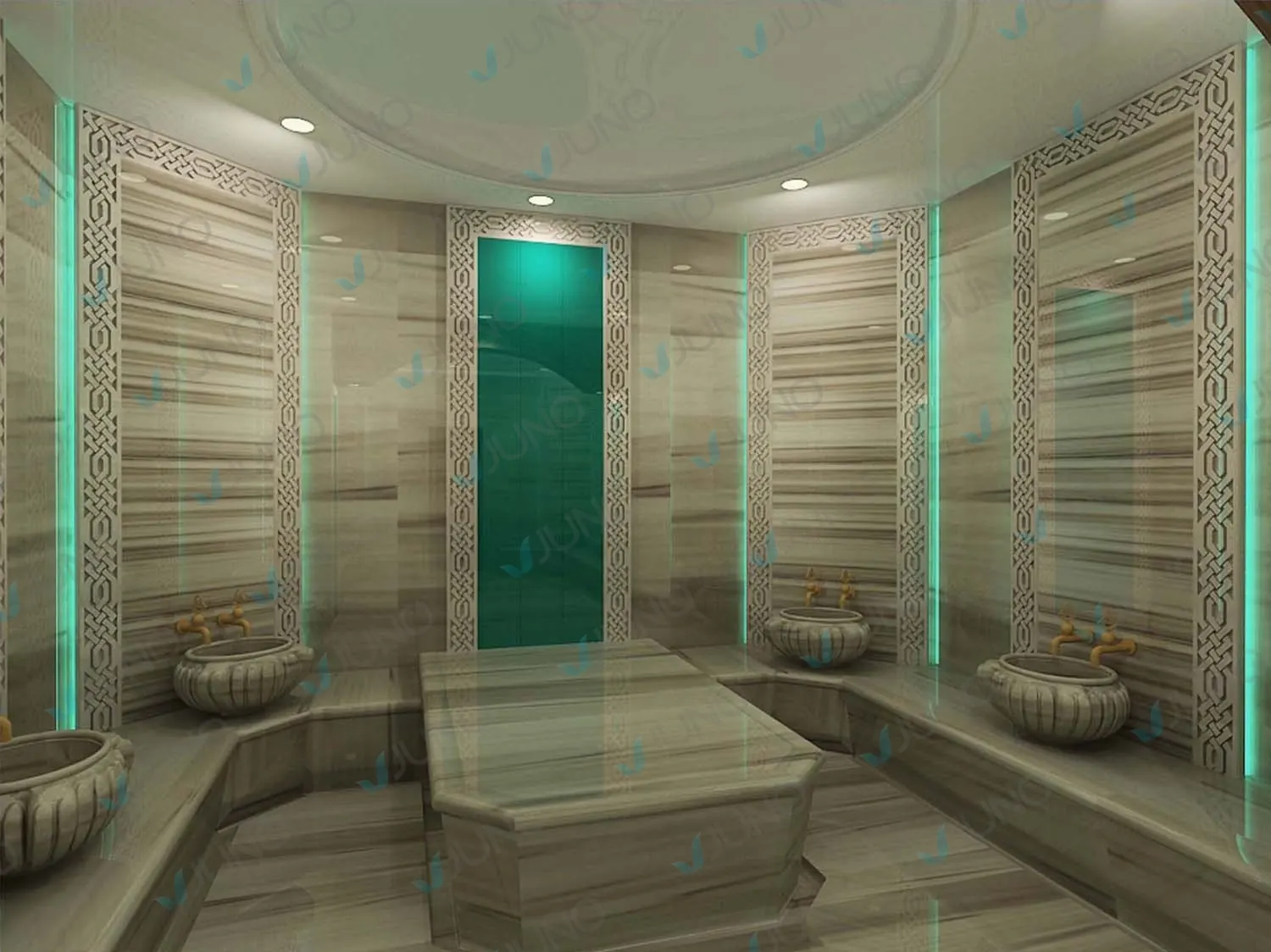
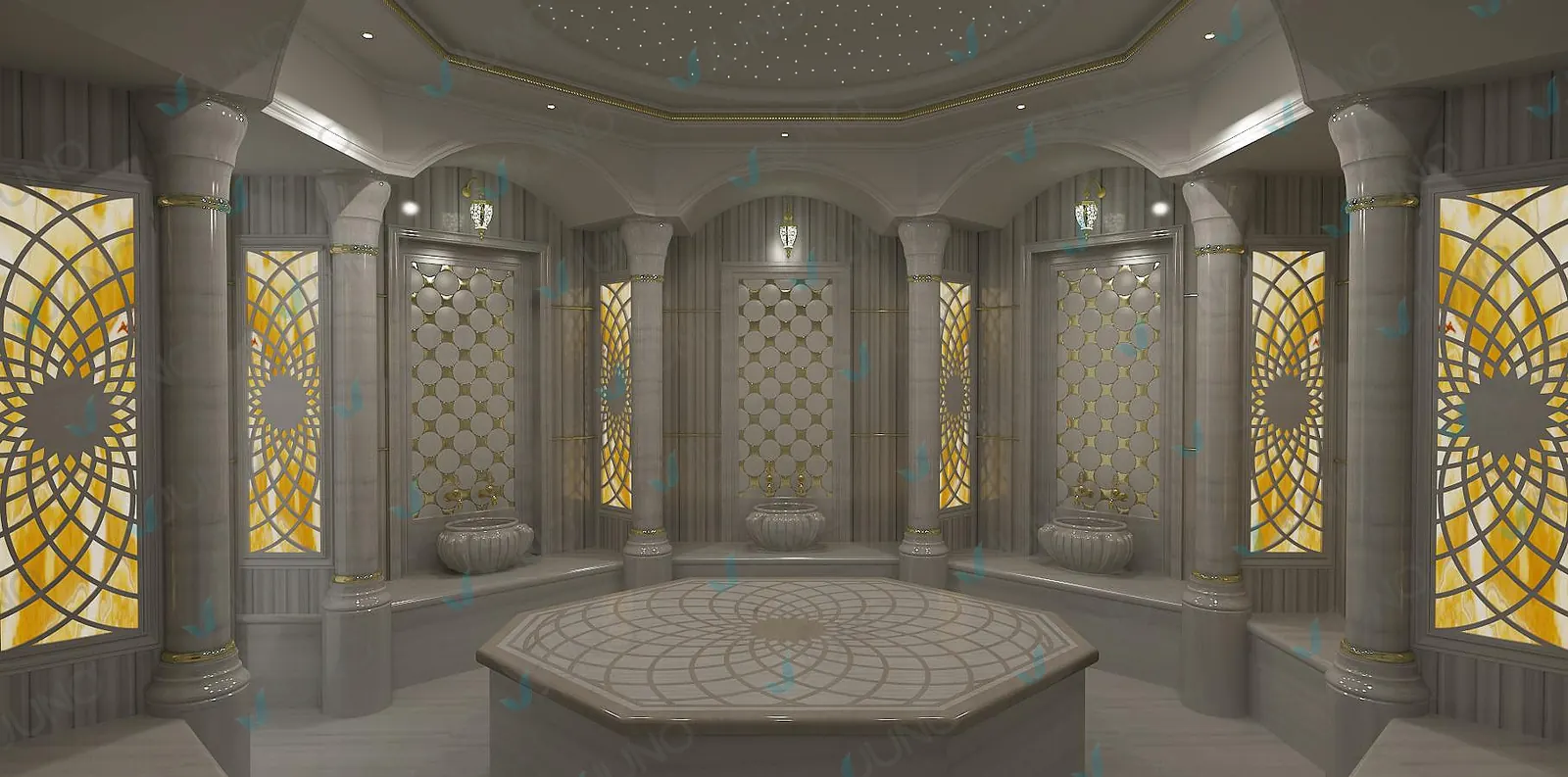
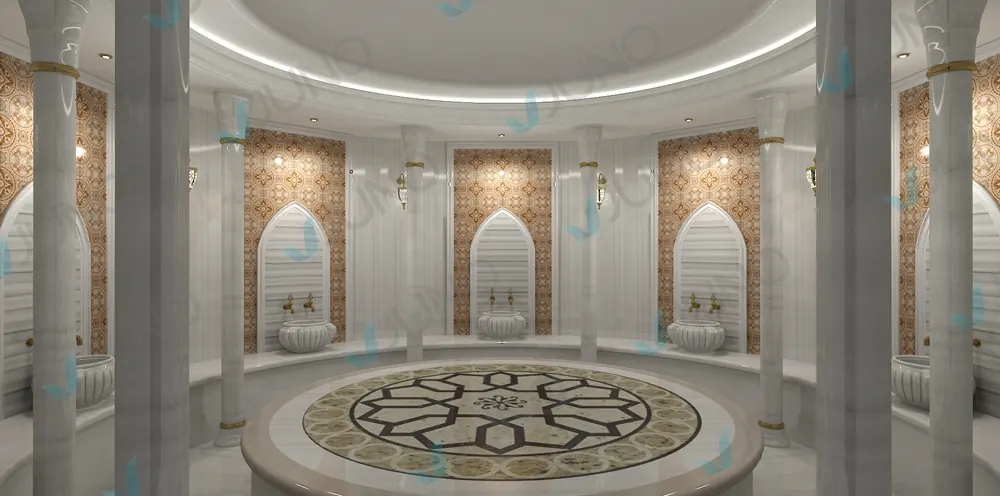
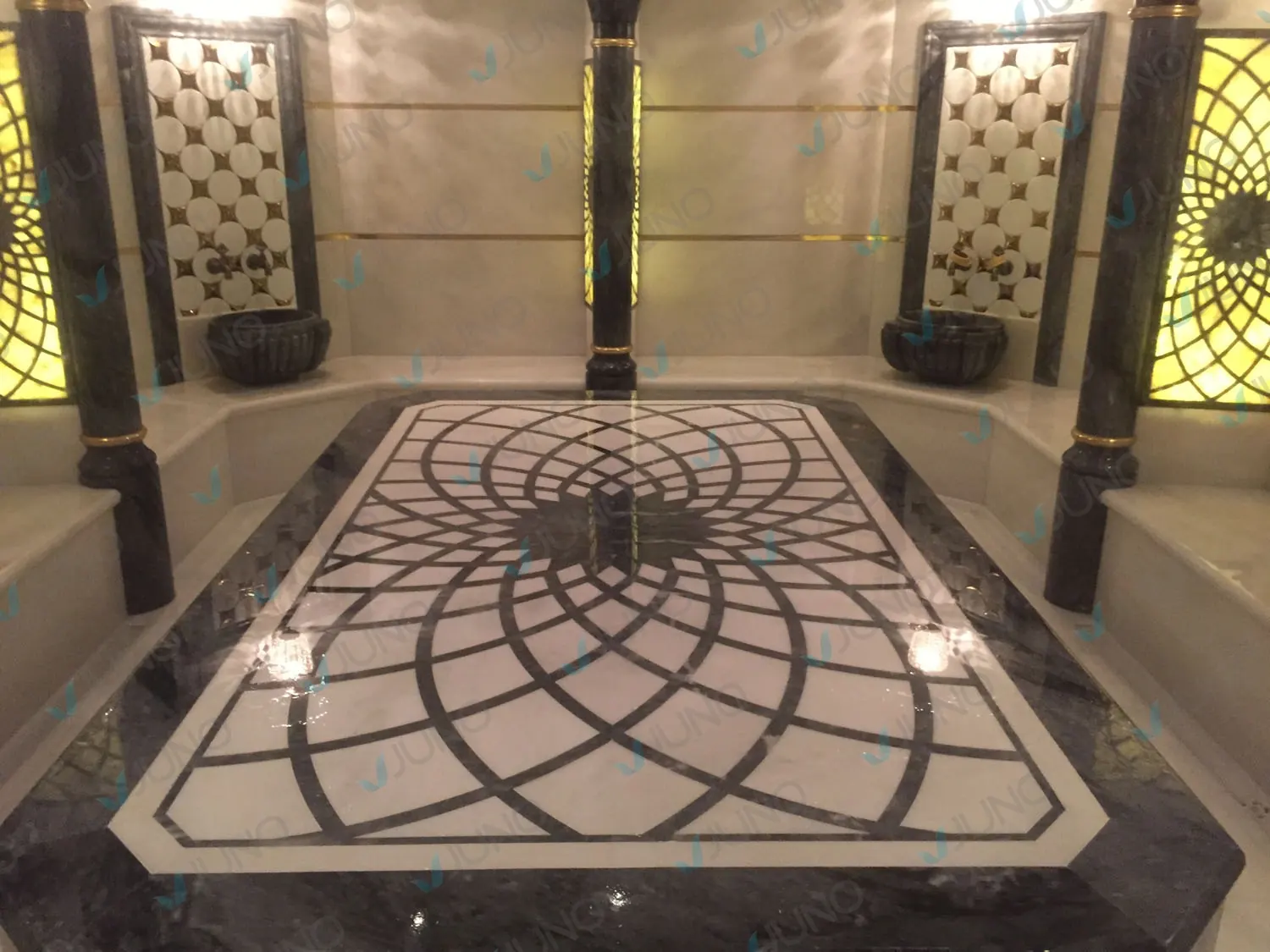
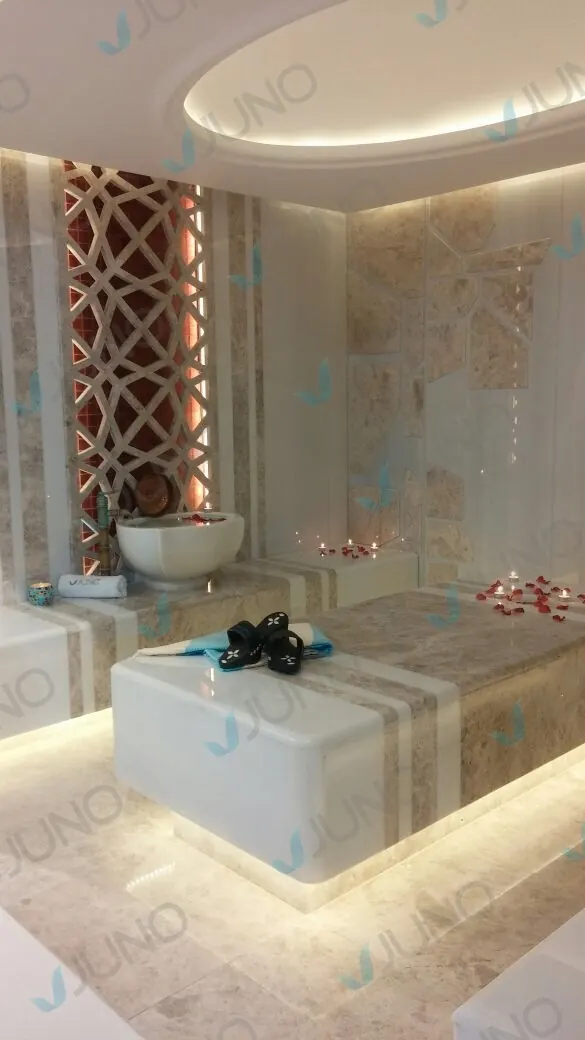
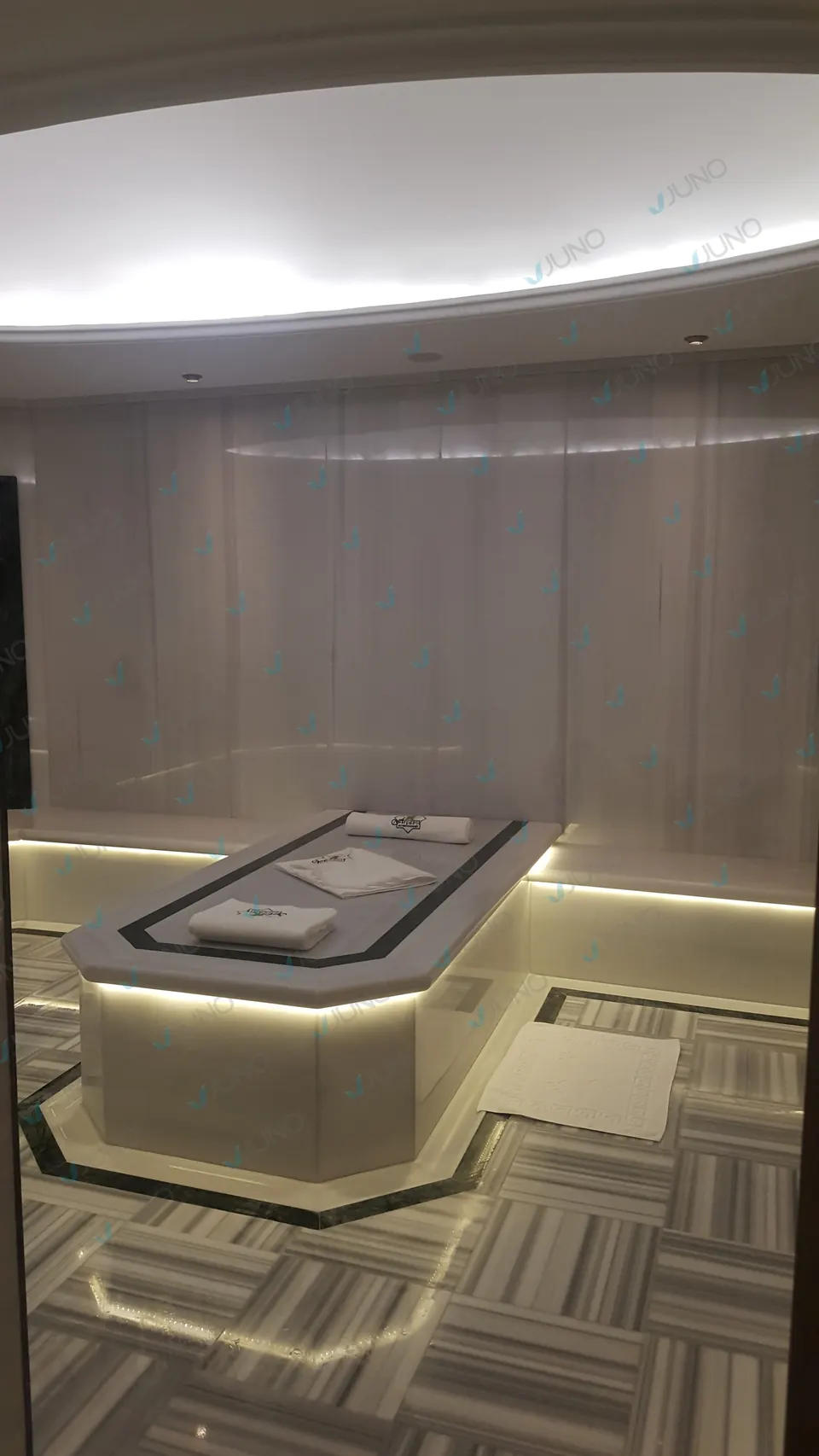
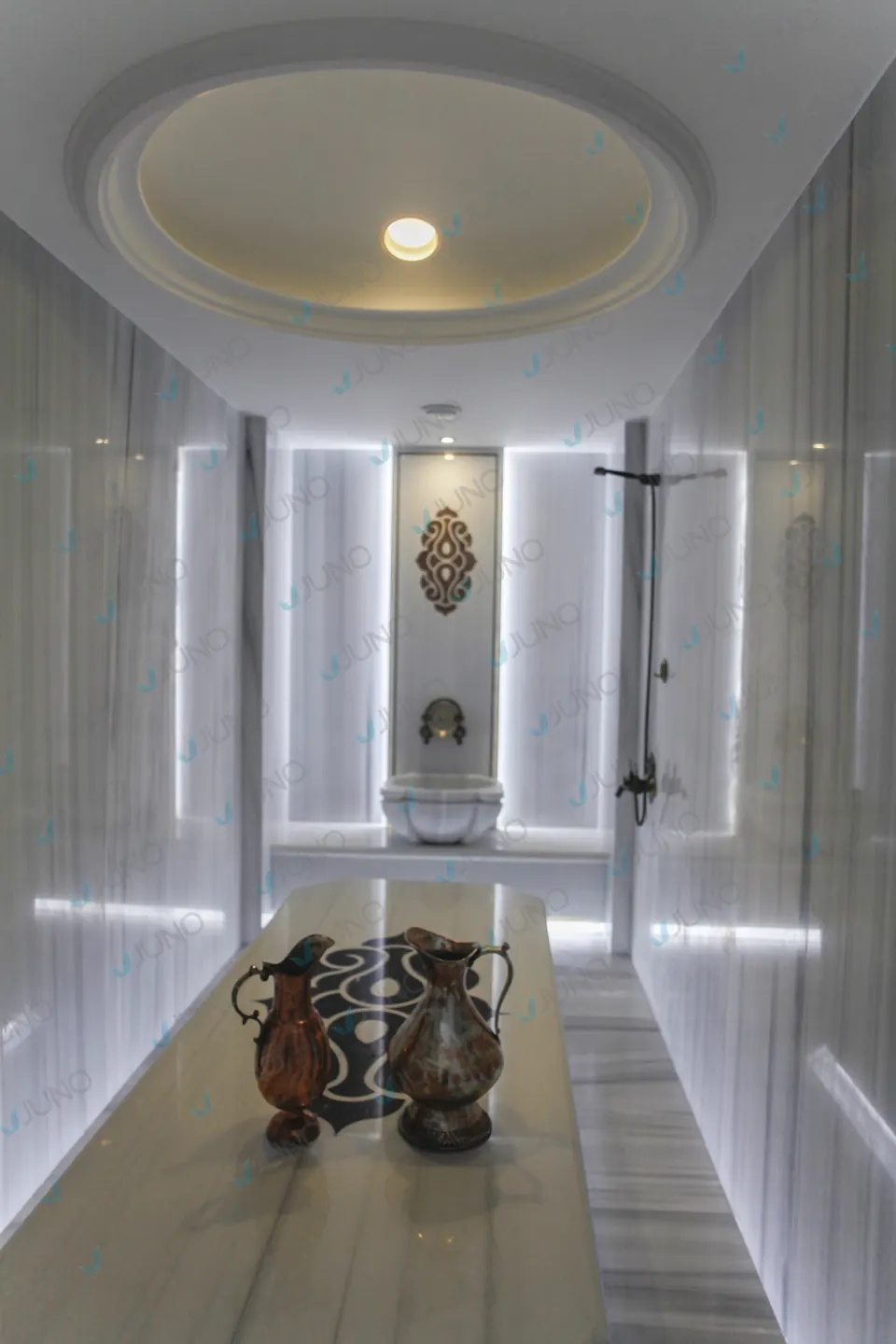
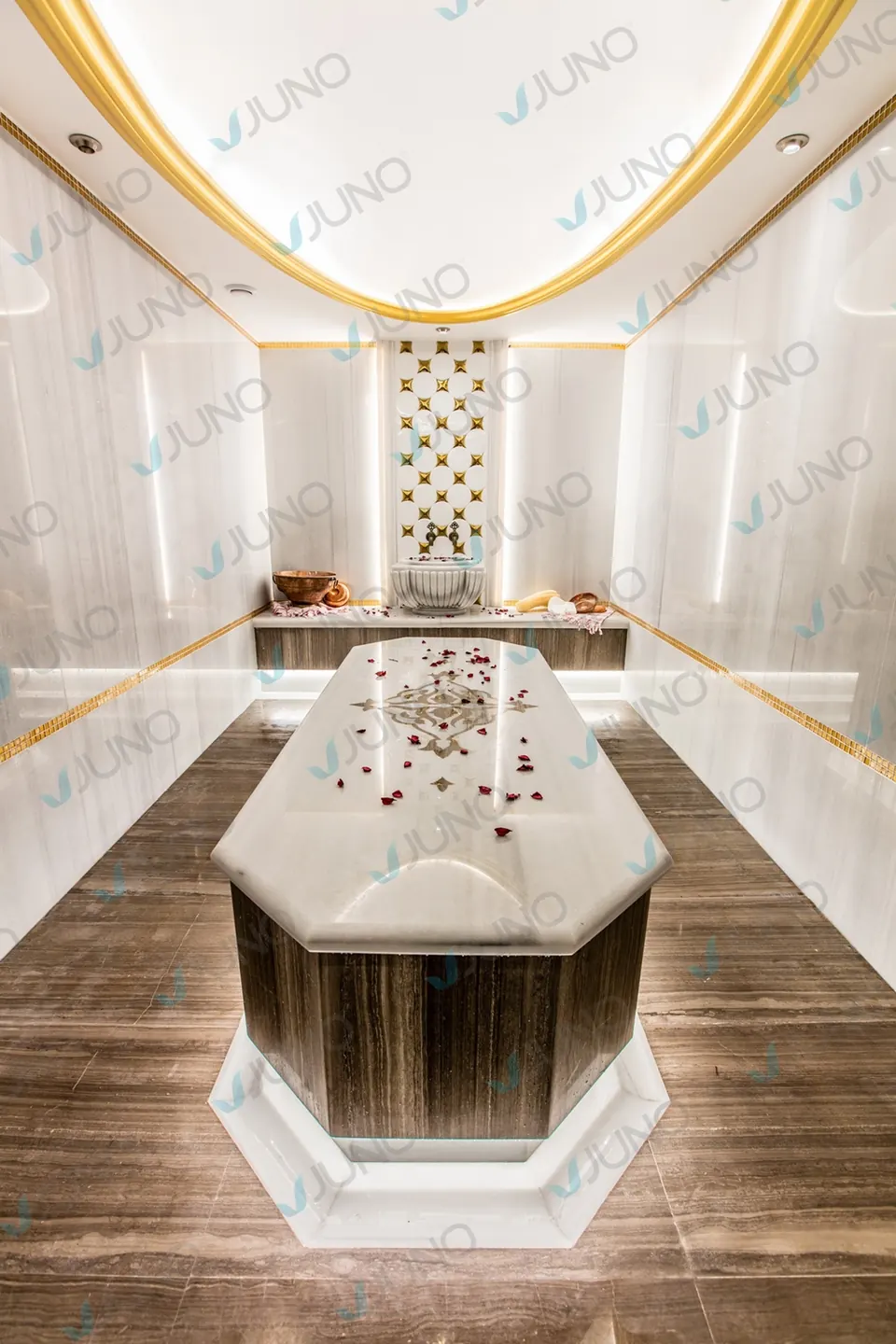
- Göbek taşı (navel stone): The area containing the stone on which bathers lie down to sweat. It is built higher than the marble-clad floor of the hammam and can take a variety of geometric shapes.
Heating Area
The heating area lies beneath the hammam, and a fire burns there. The flames and smoke rising from the fire pass through special channels under the marble floor and through the walls, and leave through a chimney known as the tüteklik.
A cold-water tank sits above the hearth in the külhan. Several channels at the base of the hearth run beneath the navel stone in the middle of the bathing area. When the dark space beneath this stone becomes very hot, it is called cehennem (“hell”).
Public Hammams and Double Hammams
Public (çarşı) hammams are open to women on certain days of the week and to men on other days. Double hammams, by contrast, are two adjoining hammams, one reserved for women and the other for men. These hammams are open every day.
The Hammams of Istanbul and Turkey
The hammams of Istanbul are known throughout the world. Among the older ones are the Beyazıt, Çemberlitaş, Hoca Paşa and Fındıklı Hammams, and the Mehmedağa Hammam in Fatih, among others. In addition, there are hammams that could not withstand the ravages of time and have been demolished. None of the famous mansion (konak) hammams has survived to this day.
Only the palace hammams (Topkapı and Dolmabahçe), as examples of the architectural monuments of different eras, still adorn Istanbul today.
In addition to these there are the thermal spring hammams of Bursa, famous for their natural hot sulphurous waters, the Gönen thermal spring hammams, and thermal spring hammams and ordinary hammams scattered across every corner of Turkey.
Health Benefits of Thermal Spring Hammams
Thermal spring hammams are specialised facilities that use thermal waters and may offer a number of health benefits. However, these benefits can vary from person to person, and because everyone’s state of health is different, it is difficult to make a general assessment. Some of the main health benefits of thermal spring hammams are as follows:
- Helps with rheumatic diseases: The minerals and heat in thermal spring waters may ease the symptoms of rheumatic diseases. These include osteoarthritis and rheumatoid arthritis.
- Relieves muscle and joint pain: The minerals in thermal spring waters can have a soothing effect on muscle and joint pain. This may reduce muscle spasms and increase joint mobility.
- Helps with skin problems: The minerals in thermal spring waters can nourish the skin and help with some skin problems. They may be especially beneficial for people with chronic skin conditions such as eczema and psoriasis.
- Reduces stress and anxiety: Hot water and a relaxing setting can lower general stress levels. By providing emotional relaxation and mental rest, thermal spring hammams may help to ease anxiety and depression.
- Improves the circulatory system: The heat of thermal spring waters can increase blood circulation. This may help carry more oxygen and nutrients to the tissues, which in turn can improve bodily functions in general.
- Benefits the respiratory tract: The steam in thermal spring hammams can help open the airways and bring relief to people with respiratory problems. It may be beneficial for people with respiratory conditions such as asthma and bronchitis.
- Supports detoxification: It may help the body eliminate toxins through sweating. This can support the body’s detoxification processes.
However, when the health benefits of thermal spring hammams are being assessed, individuals’ state of health must be taken into account, particularly conditions such as heart problems and high blood pressure. In addition, anyone with a health condition is advised to speak to a healthcare professional before using such facilities.
The Turkish Hammam Today
Hammams, which at one time were almost forgotten because of modern bathing habits, have begun to be remembered again thanks to the interest of tourists visiting Turkey. Without doubt, in terms of health, wellbeing and beauty, Turkish hammams offer a variety and effectiveness of treatments that has no equal in the world.
Because every tourist coming to Turkey wants to visit a Turkish hammam, and because hammams are important structures for health, they have returned to being among the most striking features of hotel spa centres in Turkey. The presence of a Turkish hammam, an important factor in tourists’ choice of hotel, has also become an additional source of income for hotels.
Interest in Turkish hammams grows every day. Their benefits include relief from stress, often seen as the malady of modern times, and the alternative solutions people seek in the name of beauty. Turkish hammams are now being built not only in Turkey but in many parts of the world.
Why a Turkish Hammam?
The benefits of the Turkish hammam have been known since the past. As well as cleansing and purifying, it has indirect effects such as boosting blood circulation and stimulating the immune system. It supports physical and mental activity.
Turkish hammams and steam rooms beautify the skin and make the body more supple. They reduce everyday stress and ease muscle tension. Other benefits of such heat therapies include relieving aches, pains and inflammation in some areas of the body. They also ease asthma and allergic reactions and relieve respiratory congestion by widening the windpipe. Hot environments do not cure a cold, but they make breathing easier.
What to Consider When Building a Hammam
When building a spa and wellness facility, it is very important to work with a professional team of experienced architects, builders and designers. In addition, keeping up with trends and innovations in the sector can help create a hammam that is both authentic and modern.