Architecture and Sections of the Turkish Hammam
The Turkish hammam has been an important part of Turkish culture and tradition for centuries. These places, which support both bodily cleansing and social interaction, also stand out for their distinctive architecture. Bringing together function and aesthetics, the architecture of the Turkish hammam offers a unique experience.
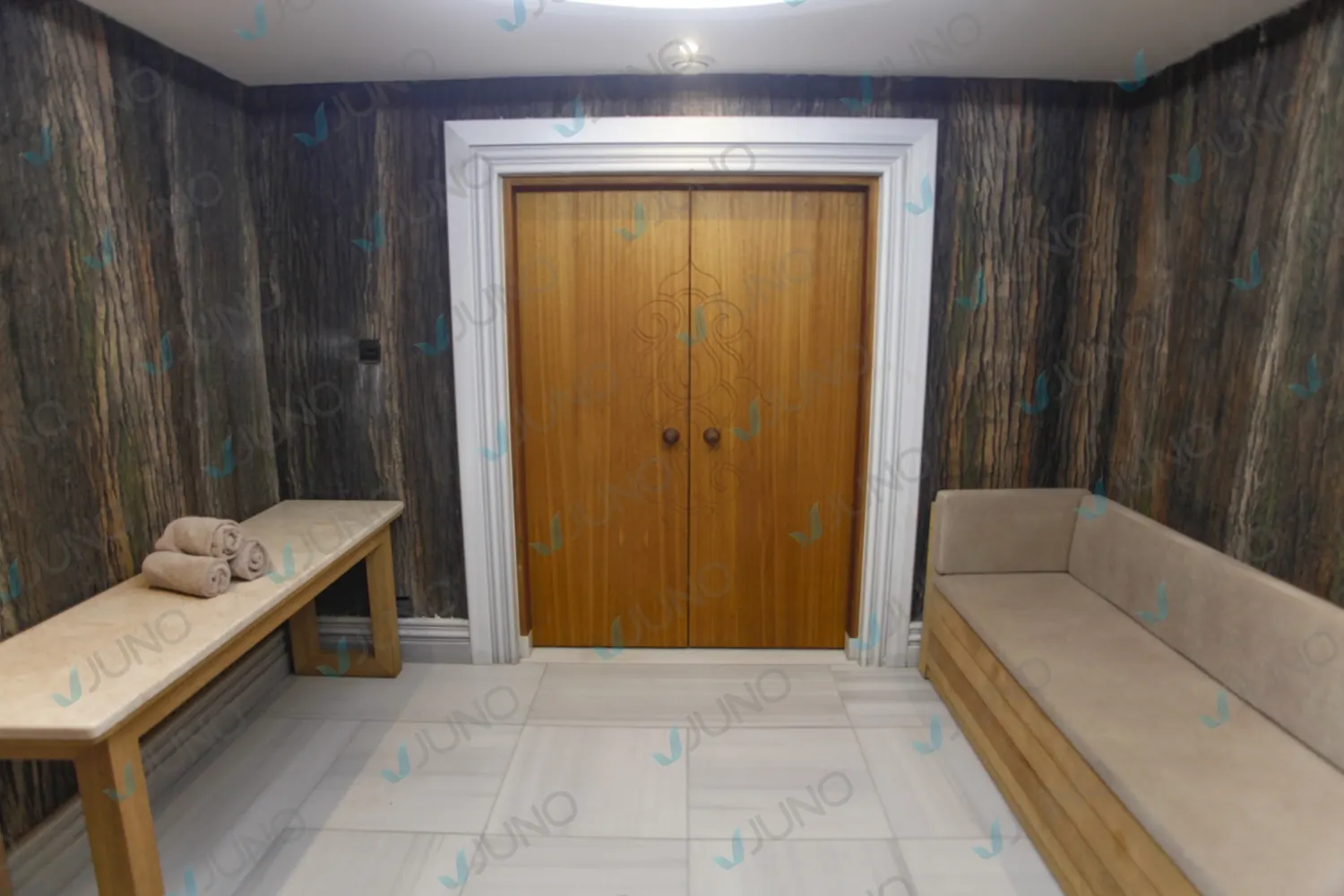
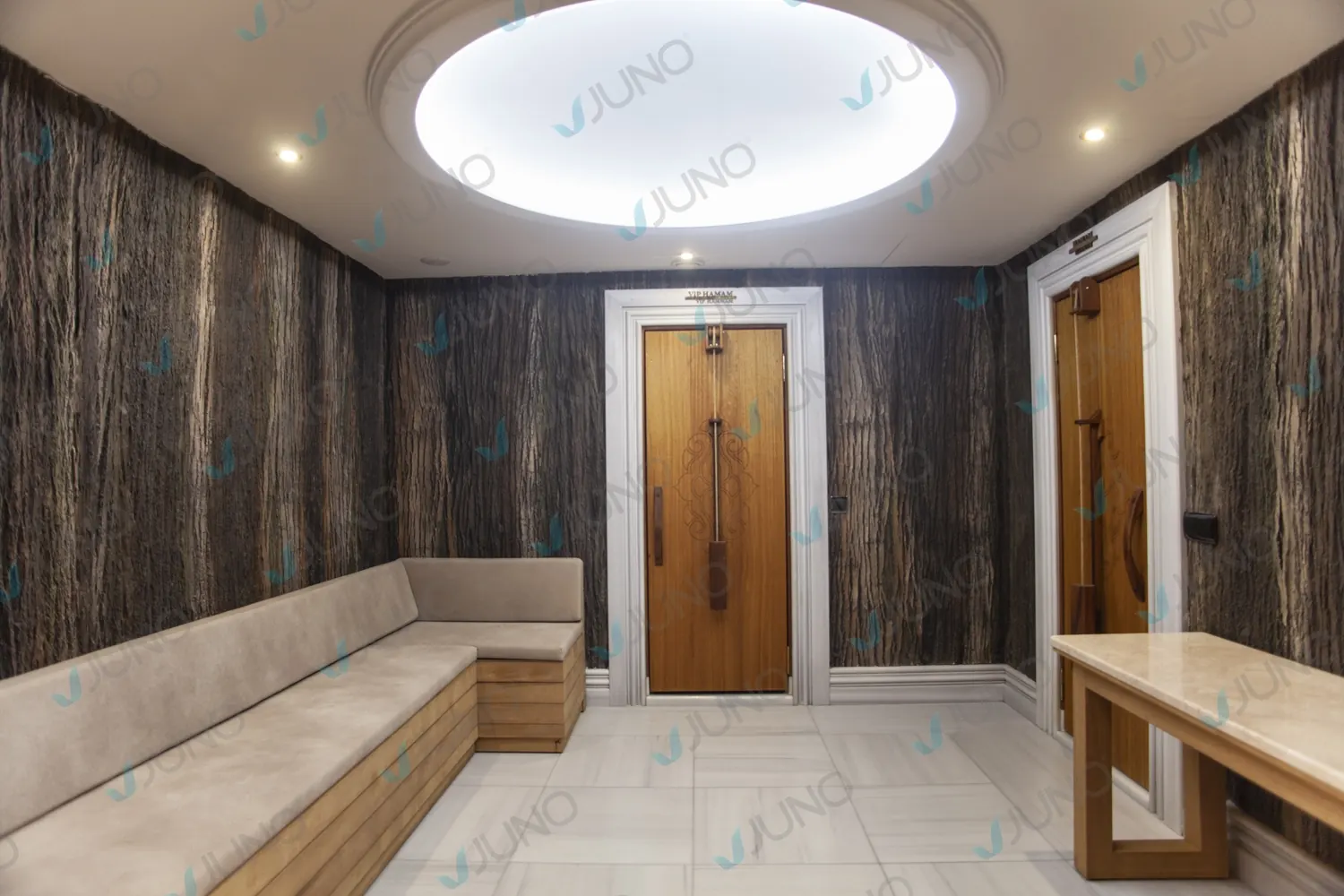
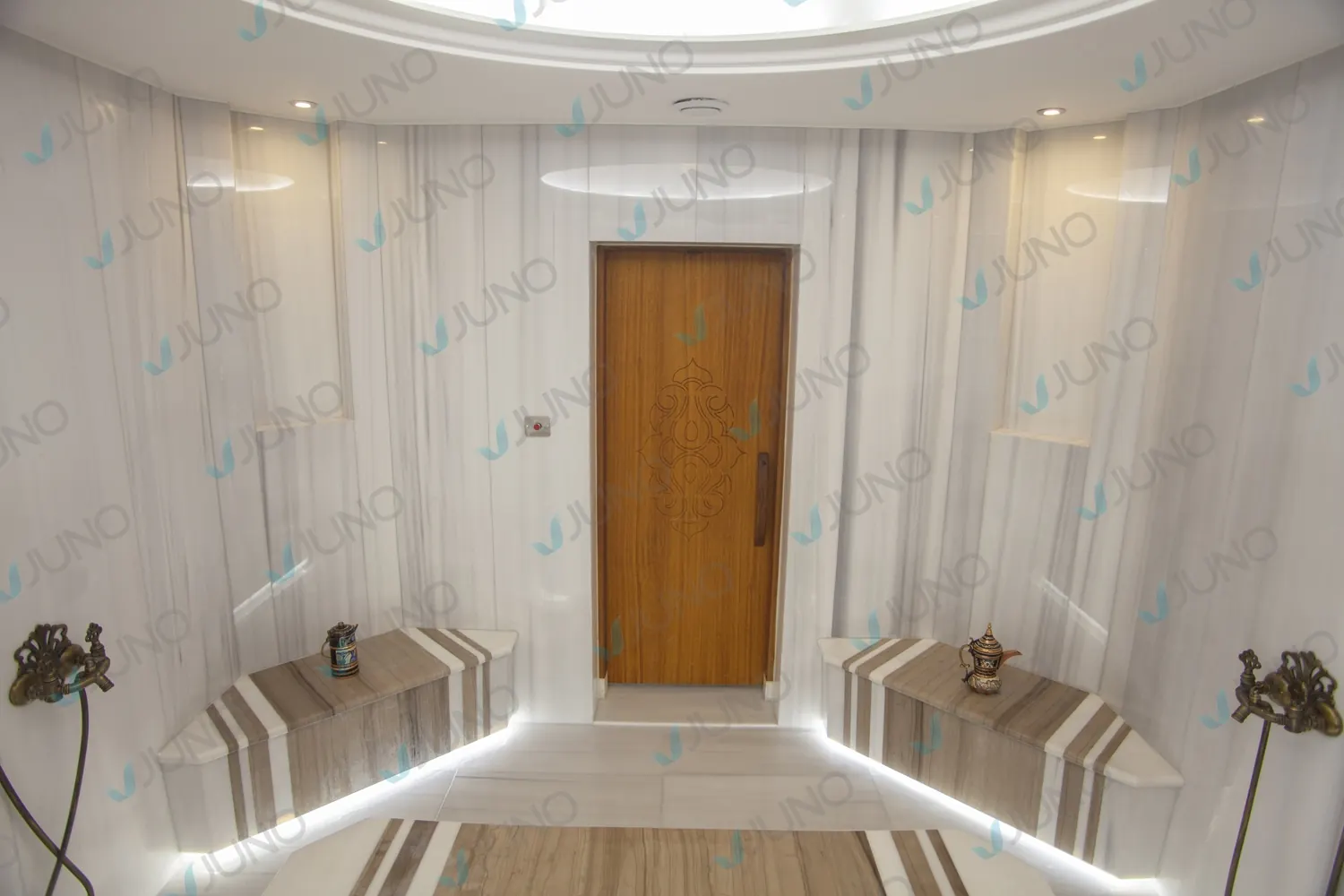
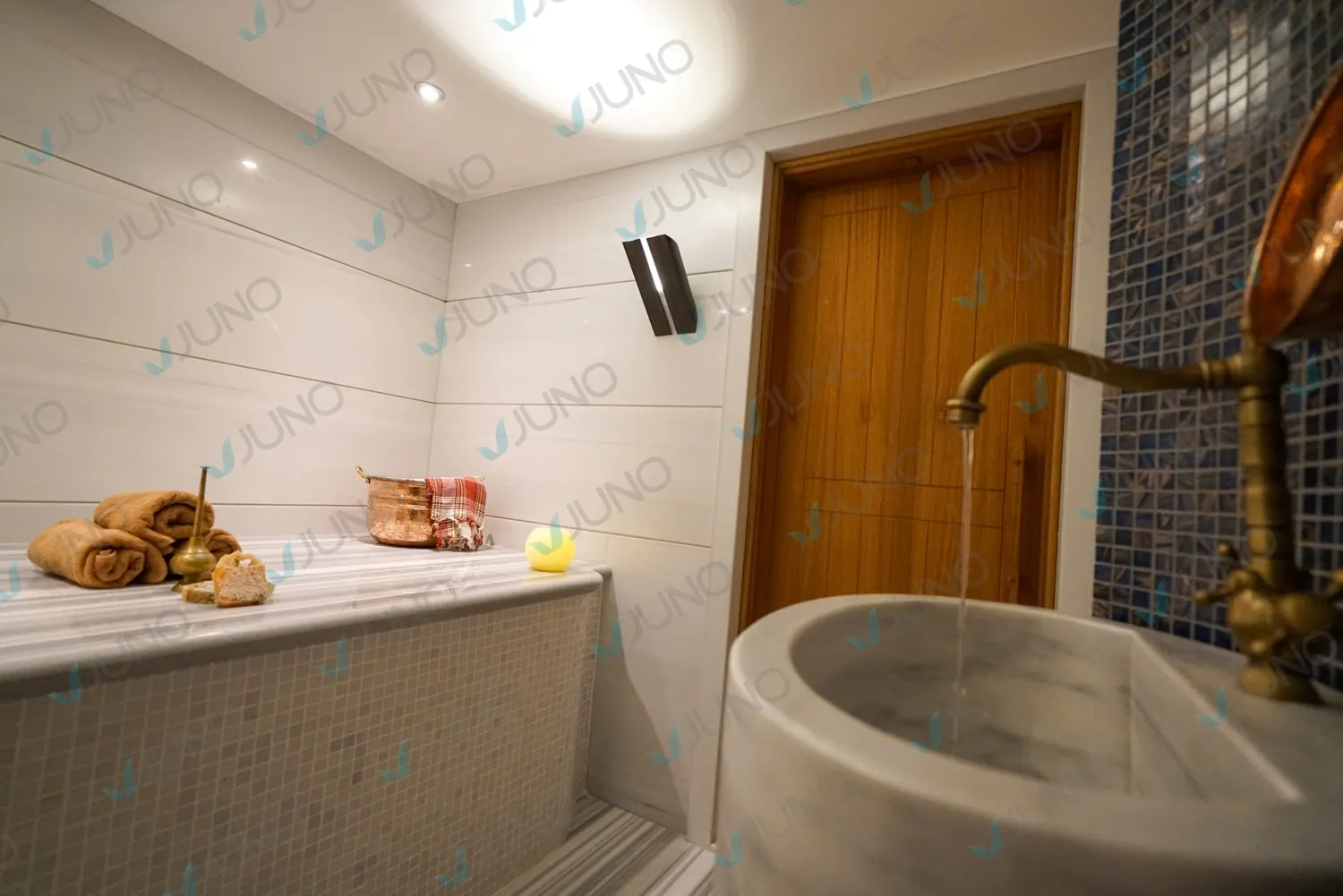
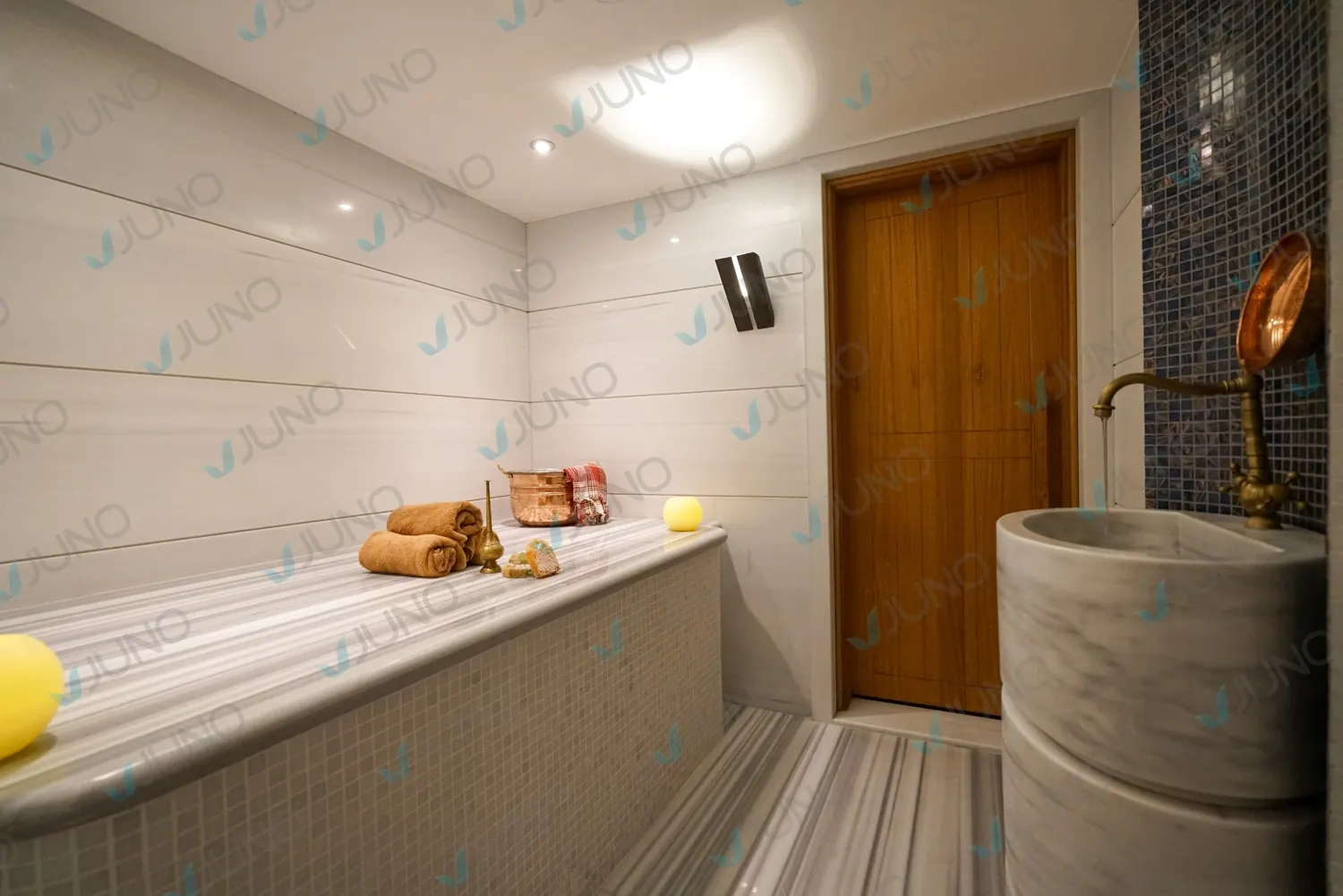
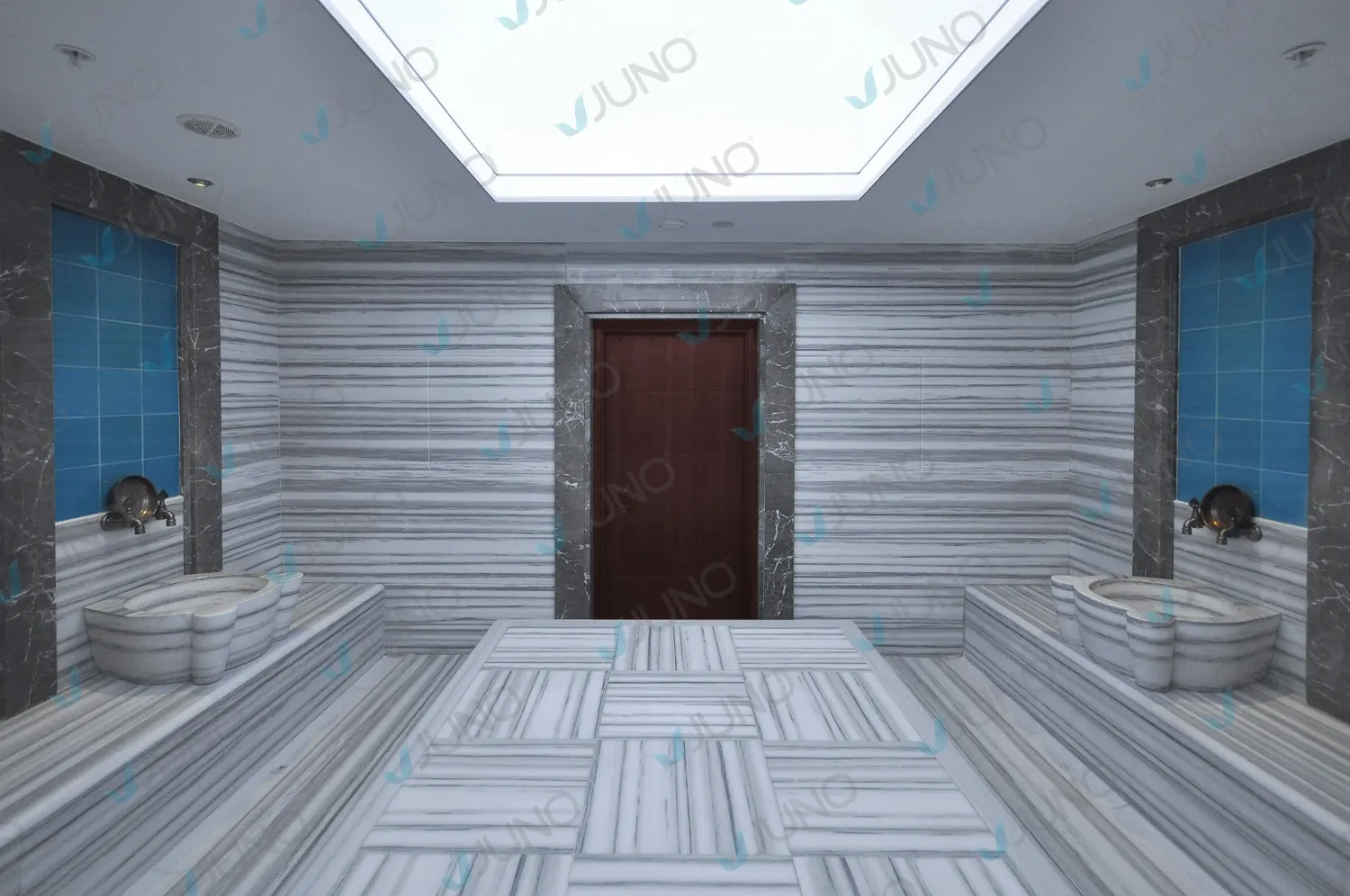
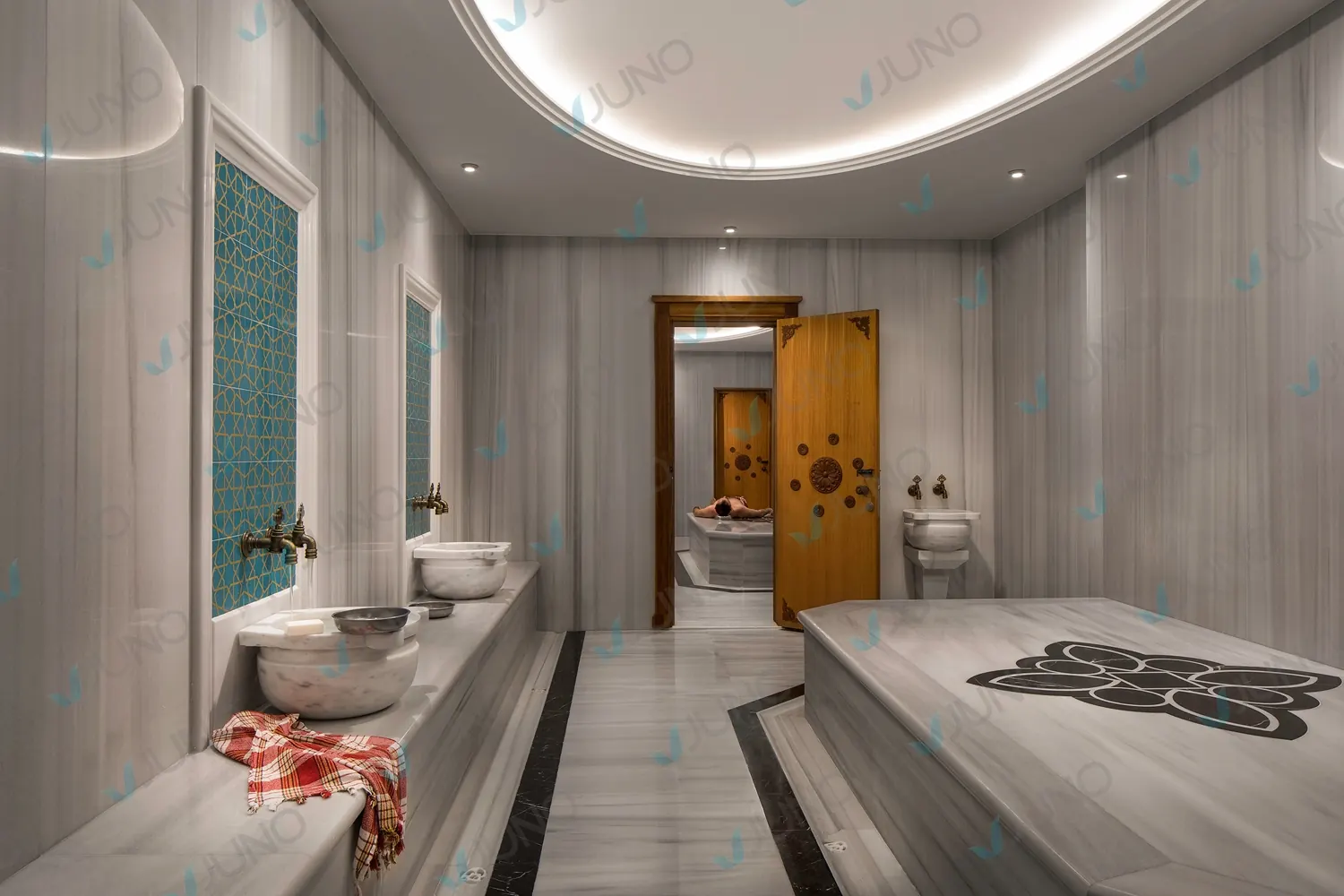
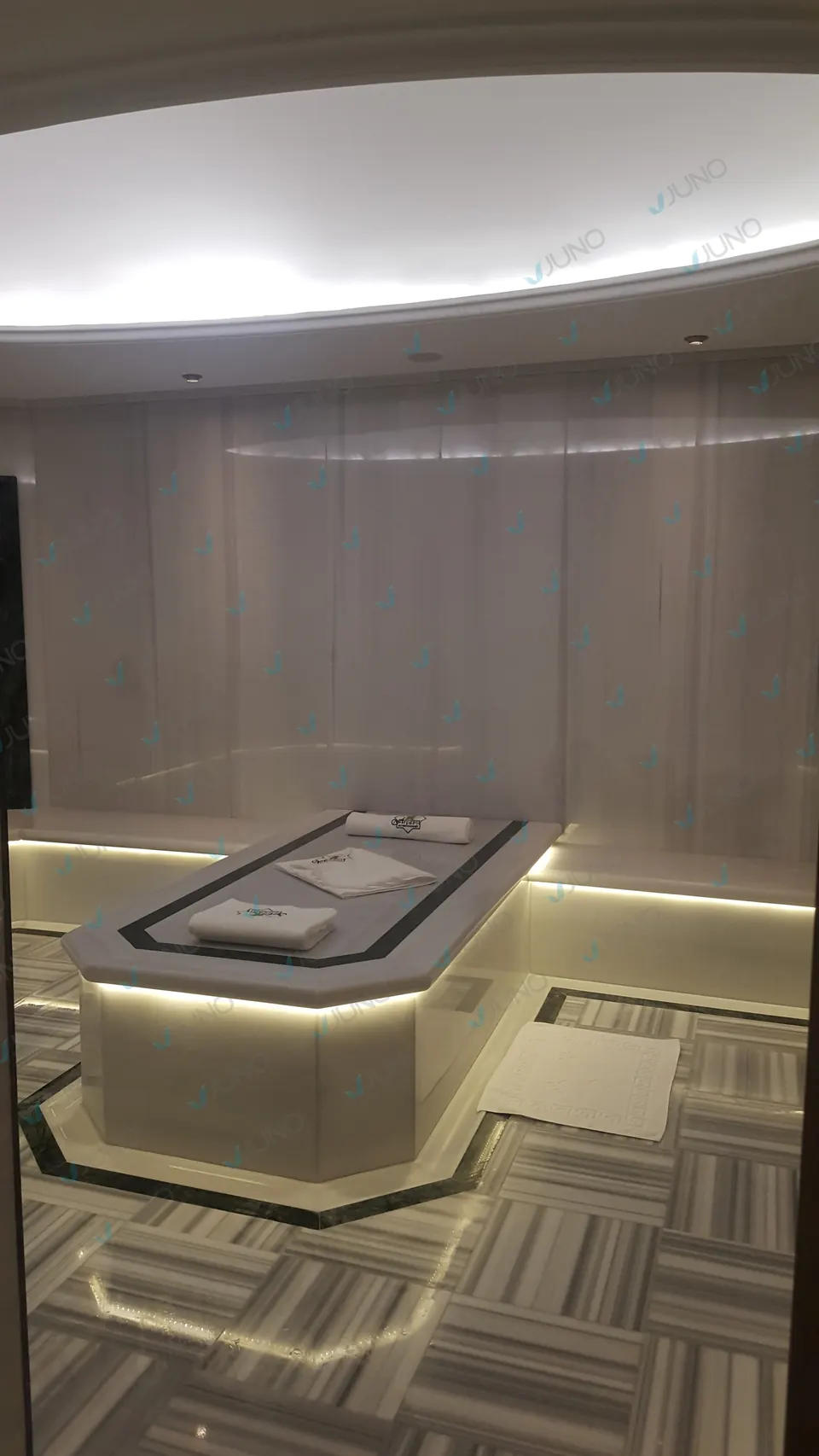
Turkish hammams generally consist of three main sections: the cold section (changing room), the hot section (sıcaklık) and the warm section. Each section has its own purpose and design. Visitors first prepare in the cold section, then spend time in the hot section sweating and cleansing the body, and finally relax and rest in the warm section.
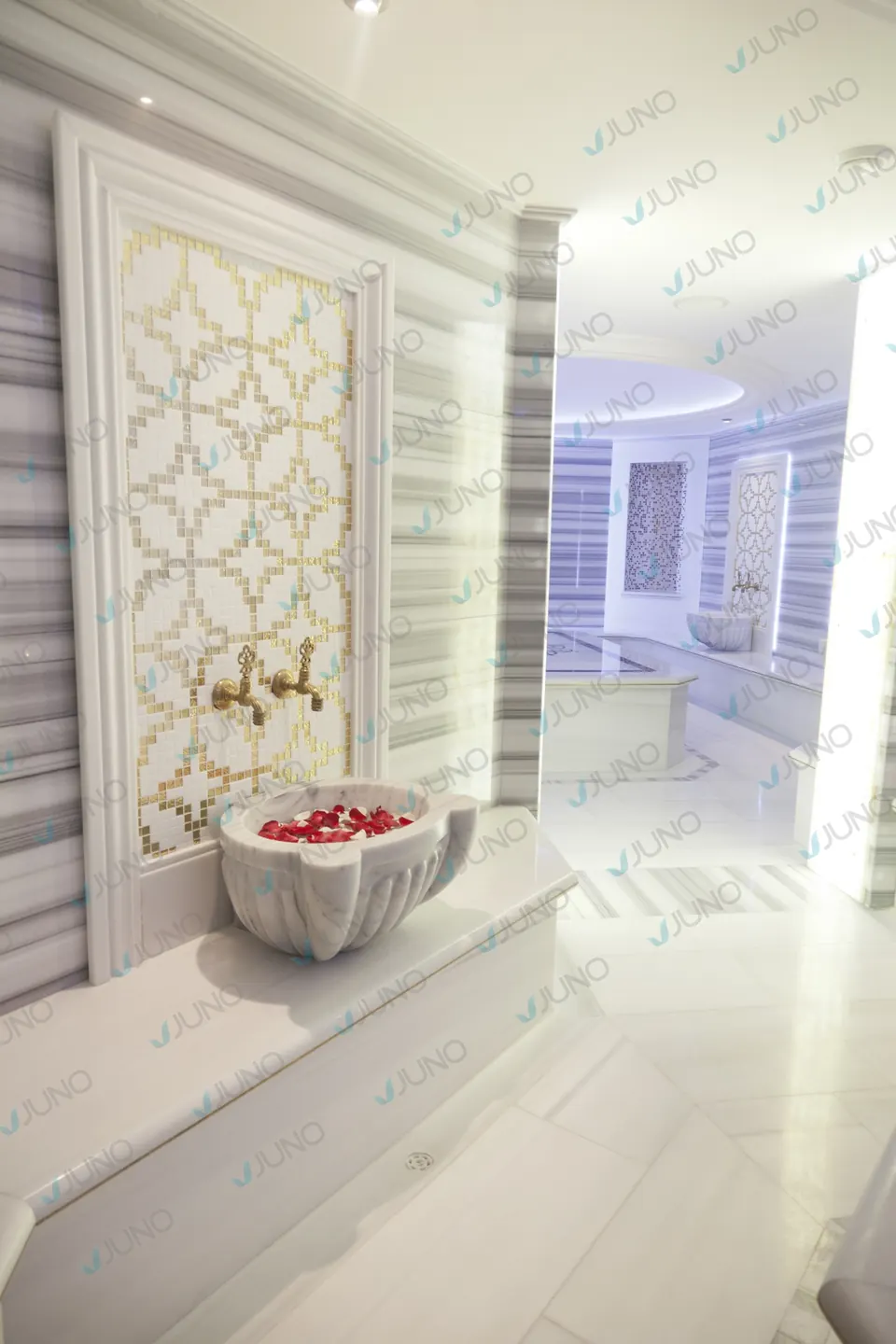
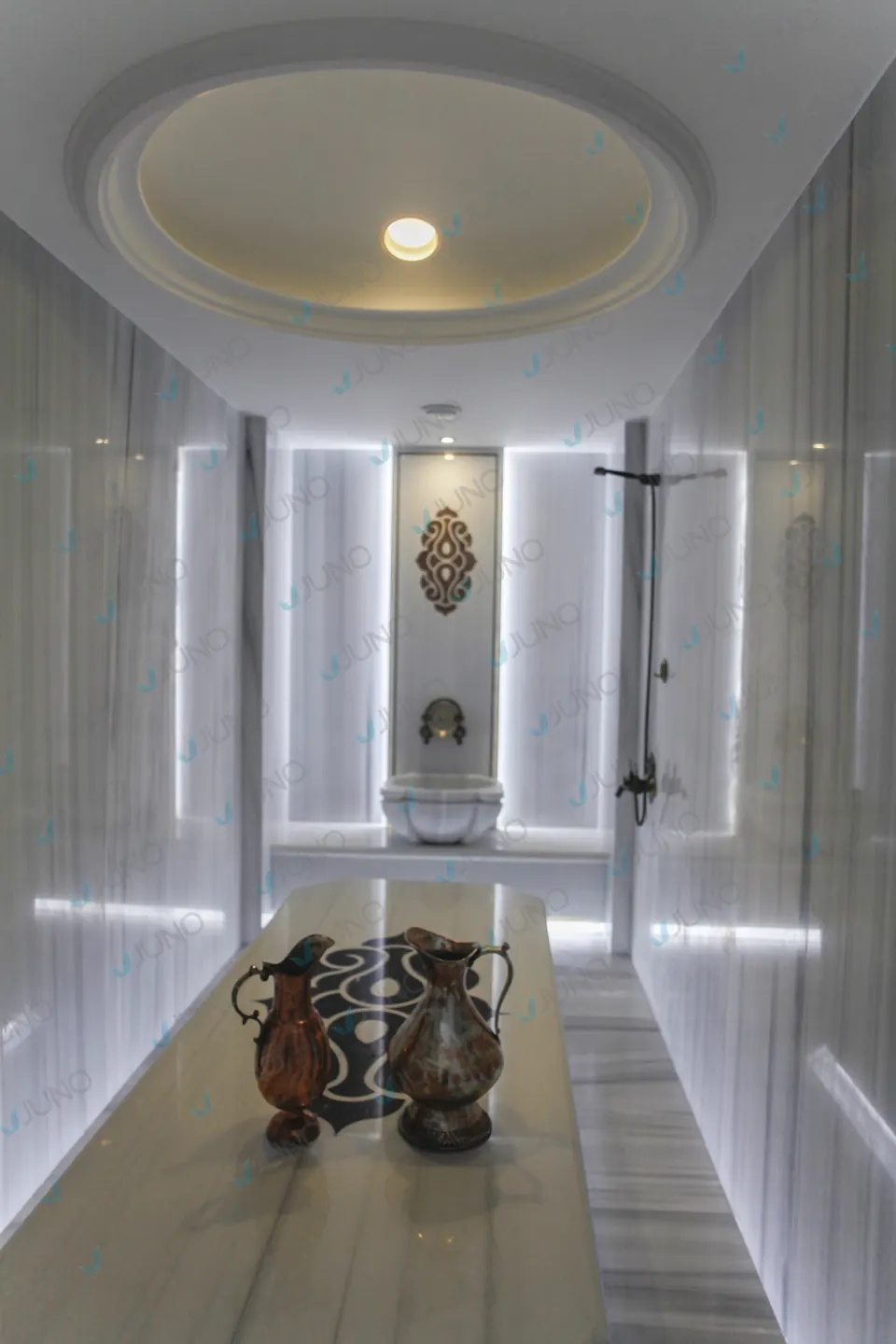
Domed Structure
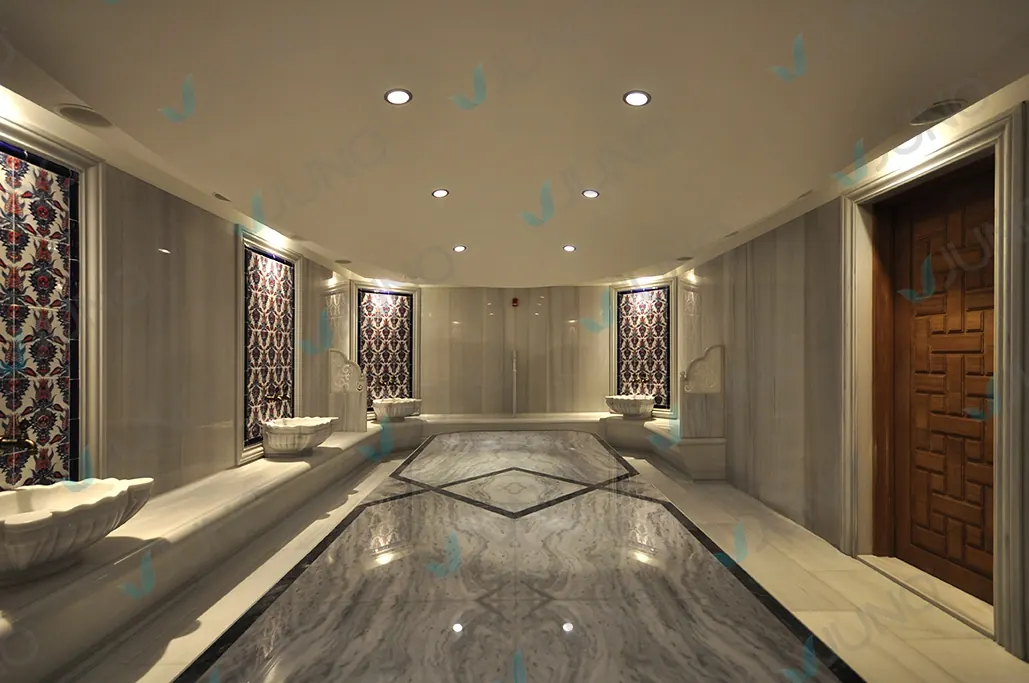
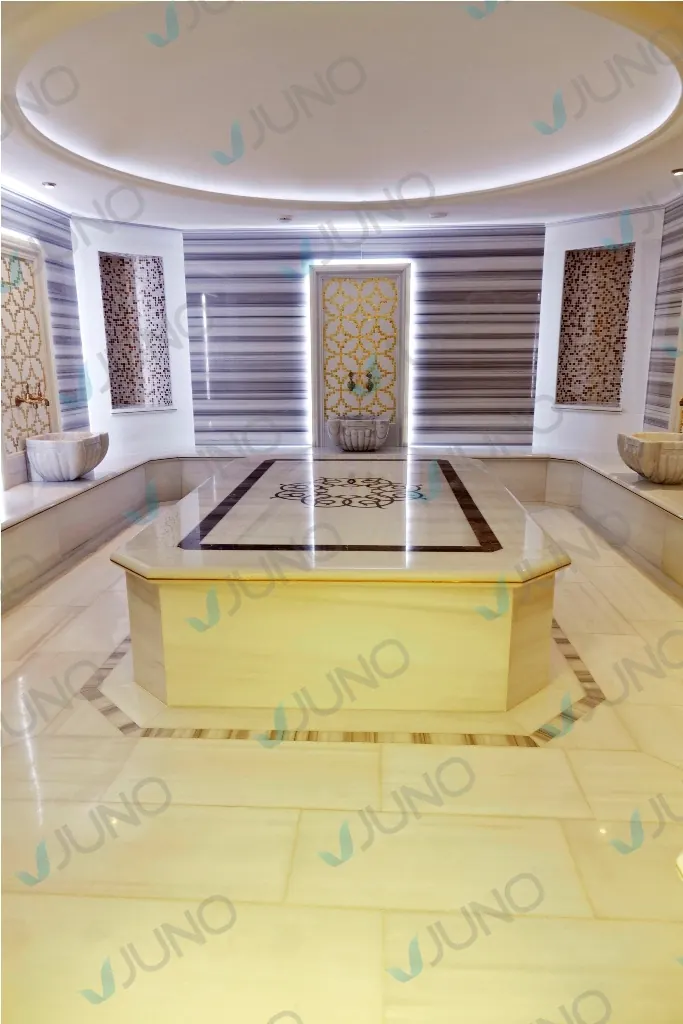
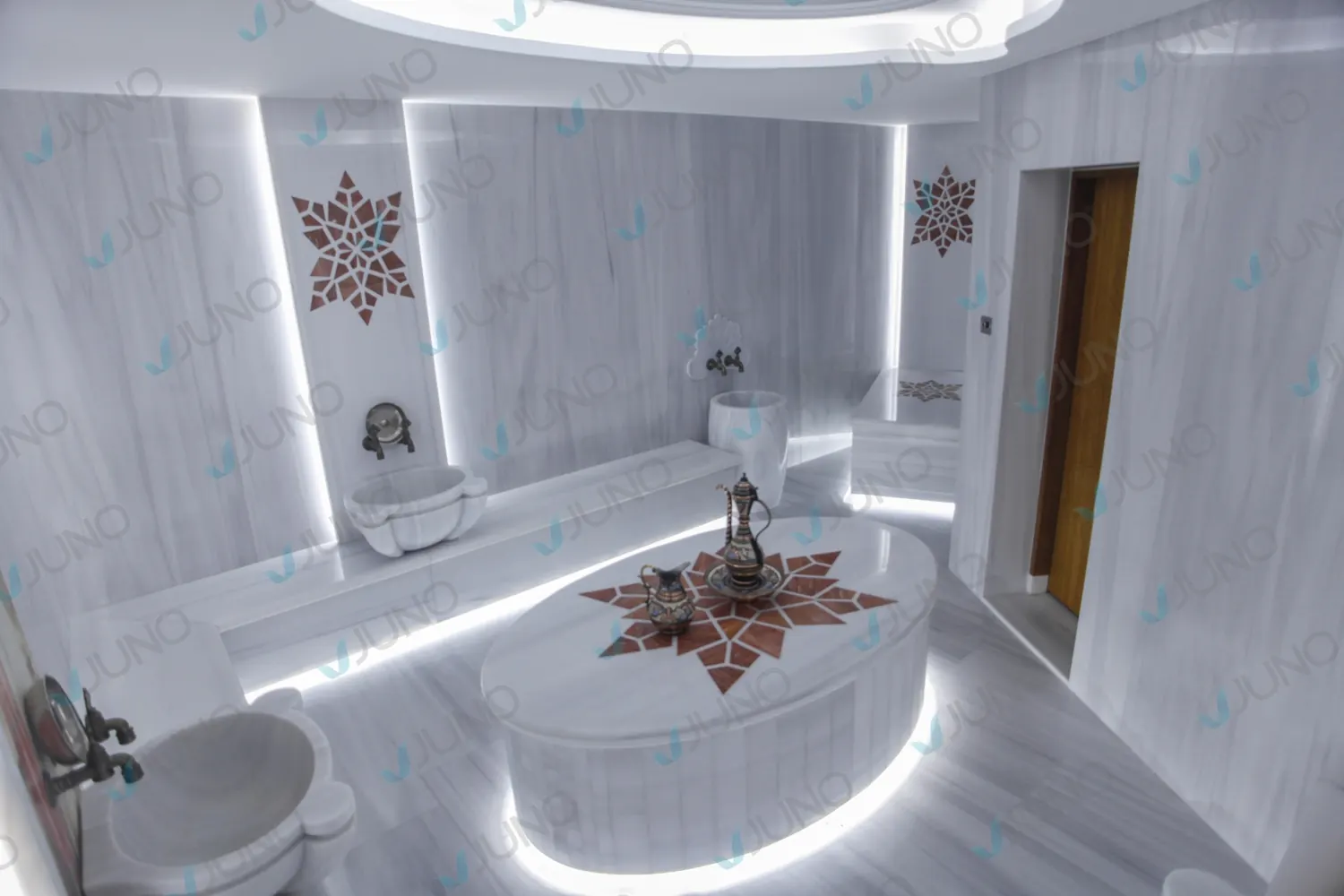
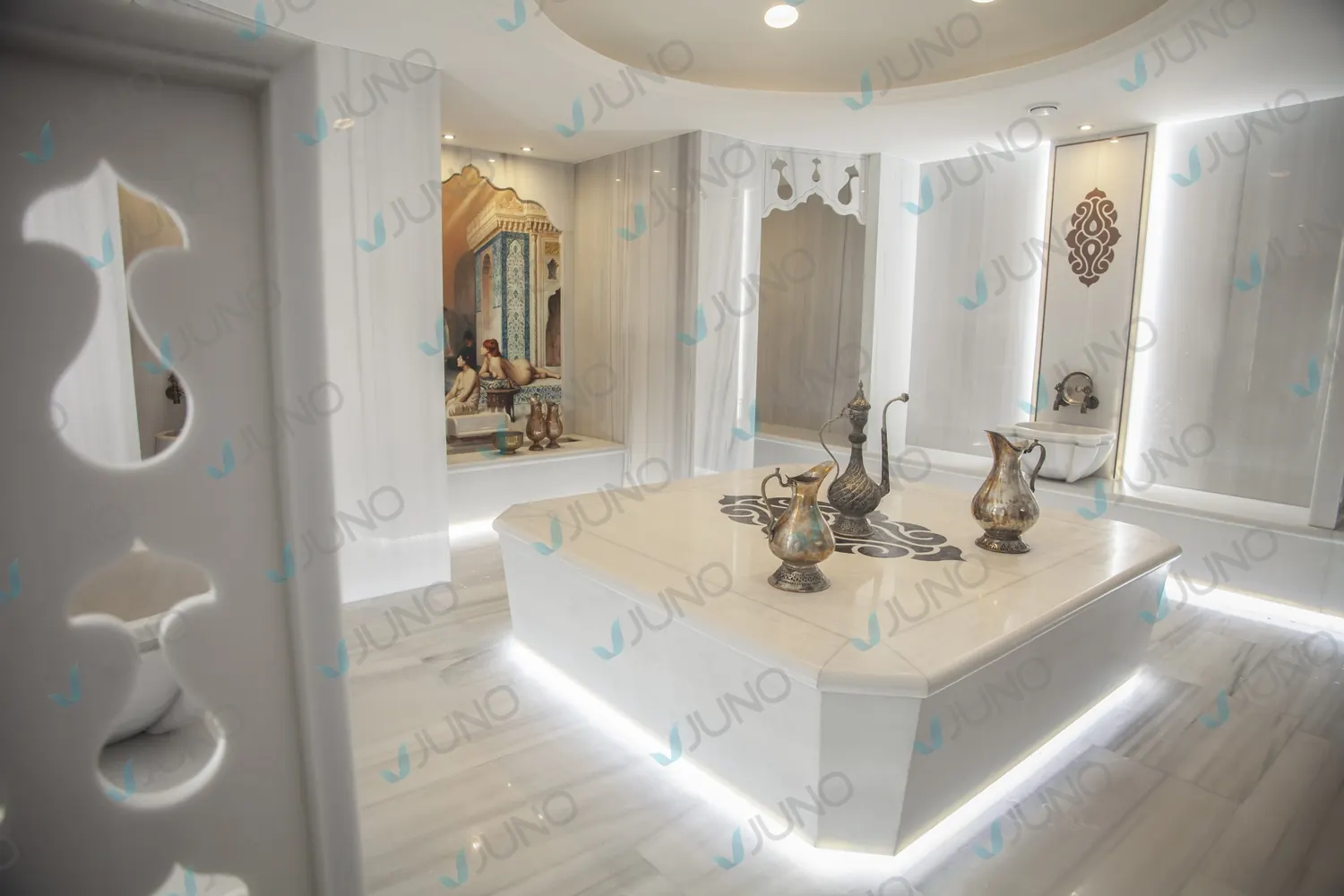
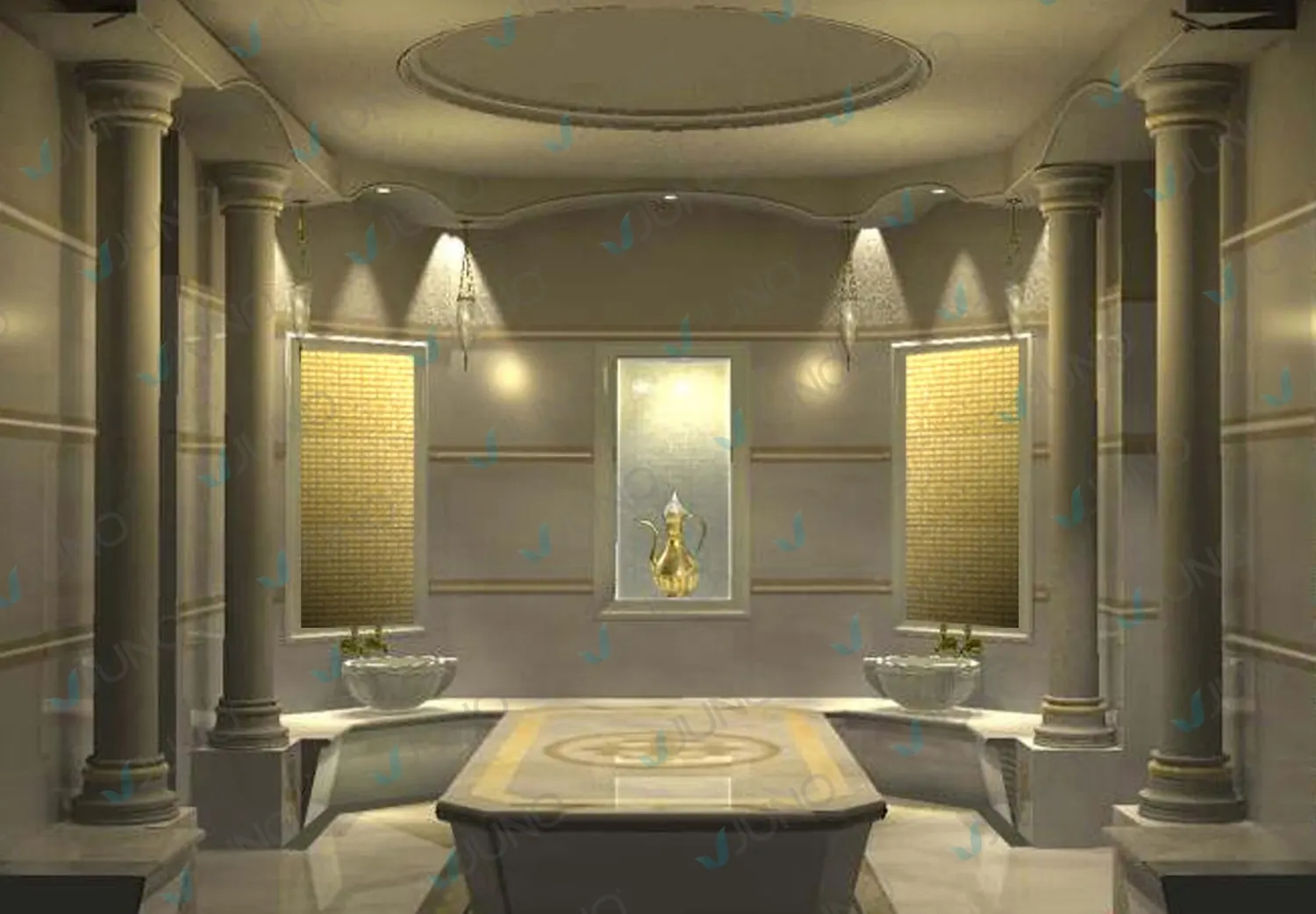
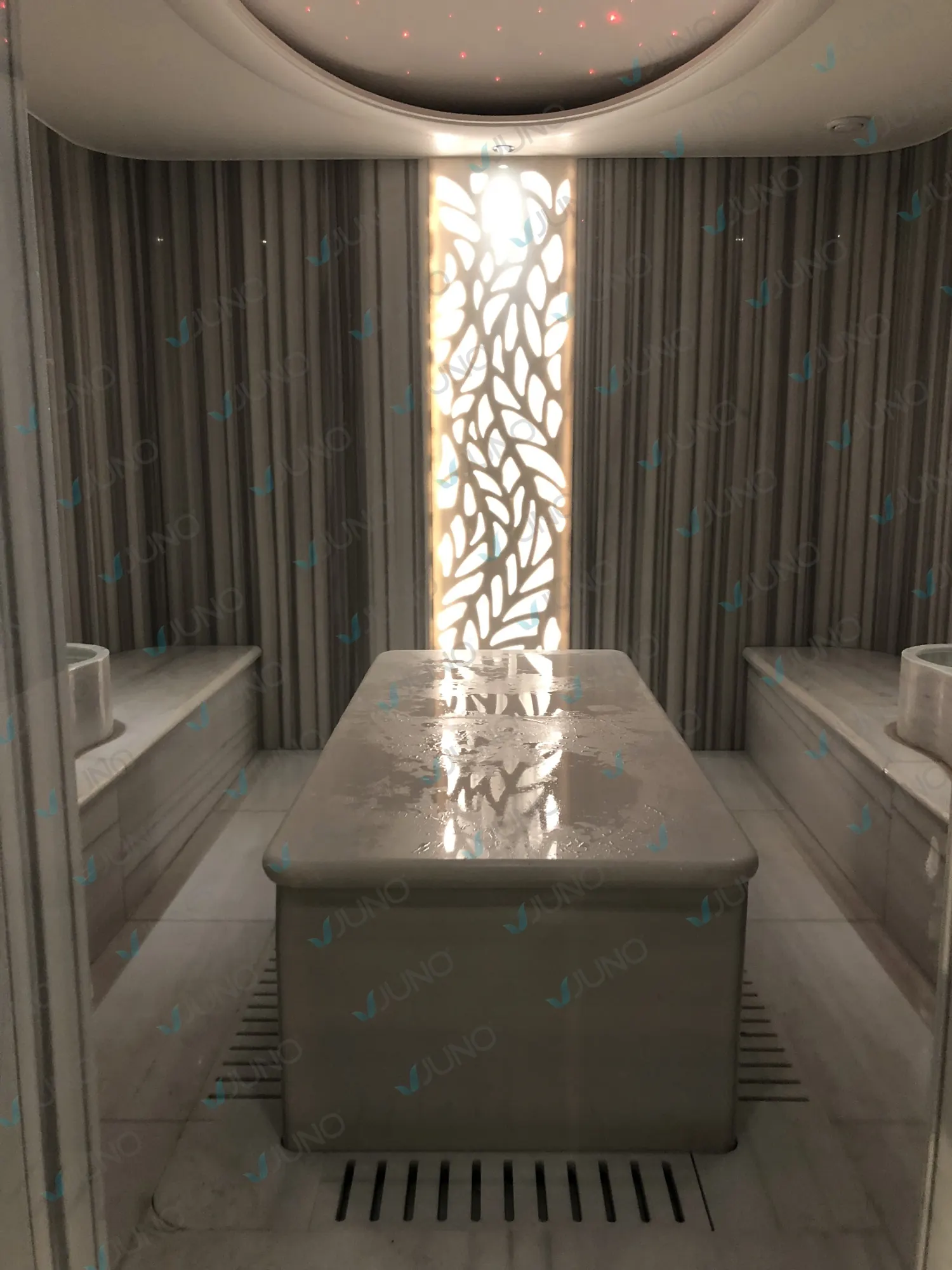
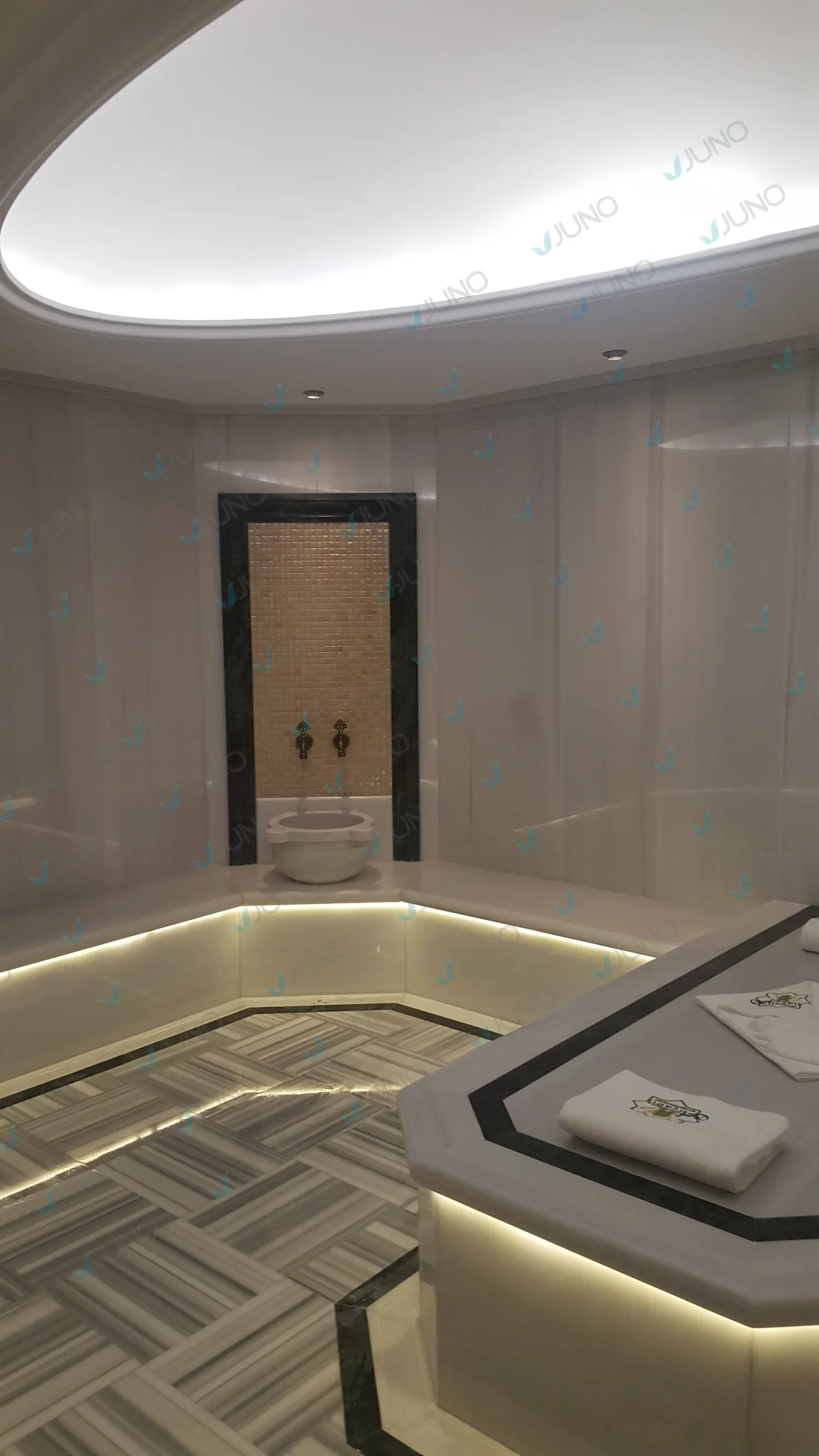
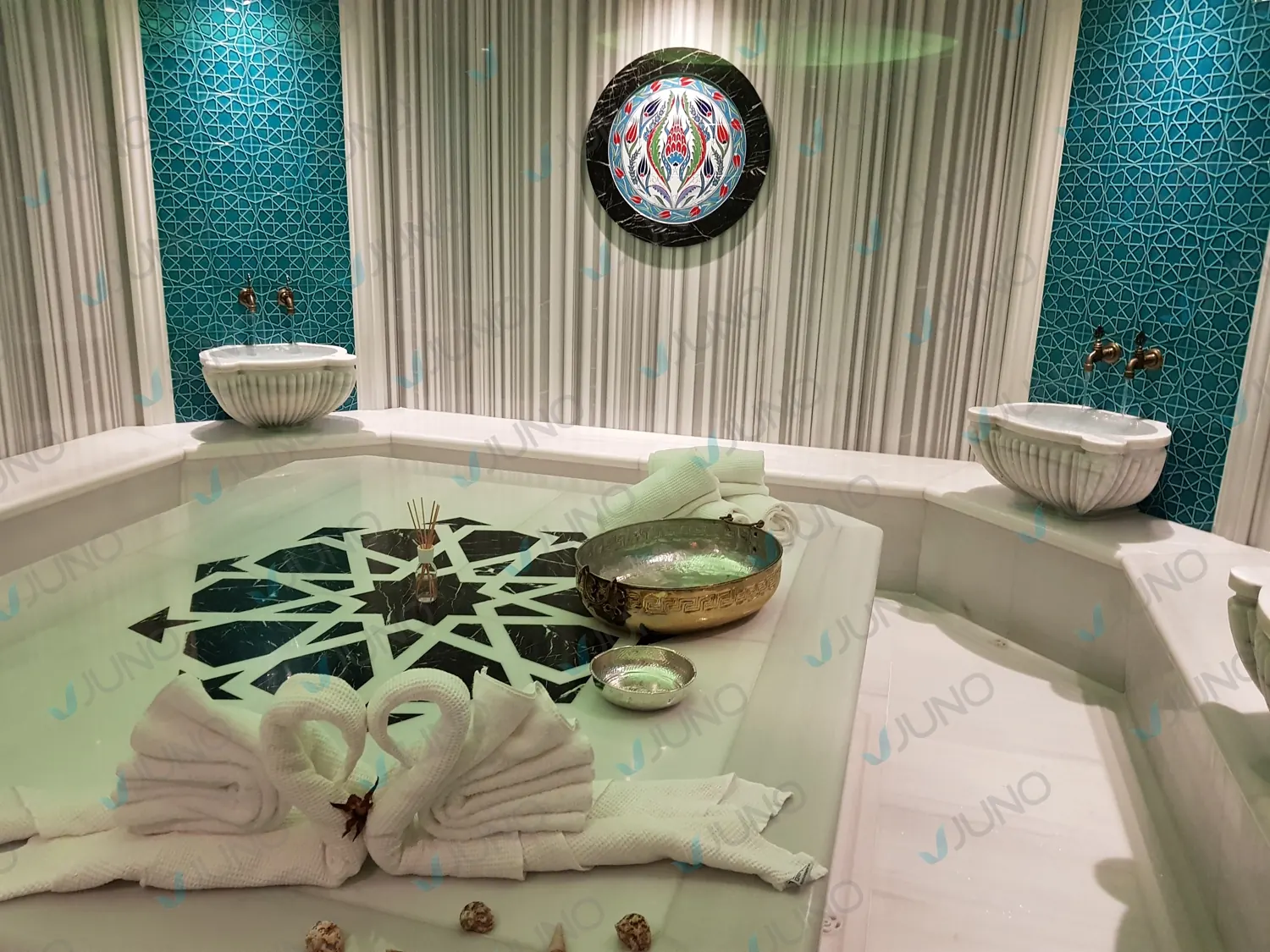
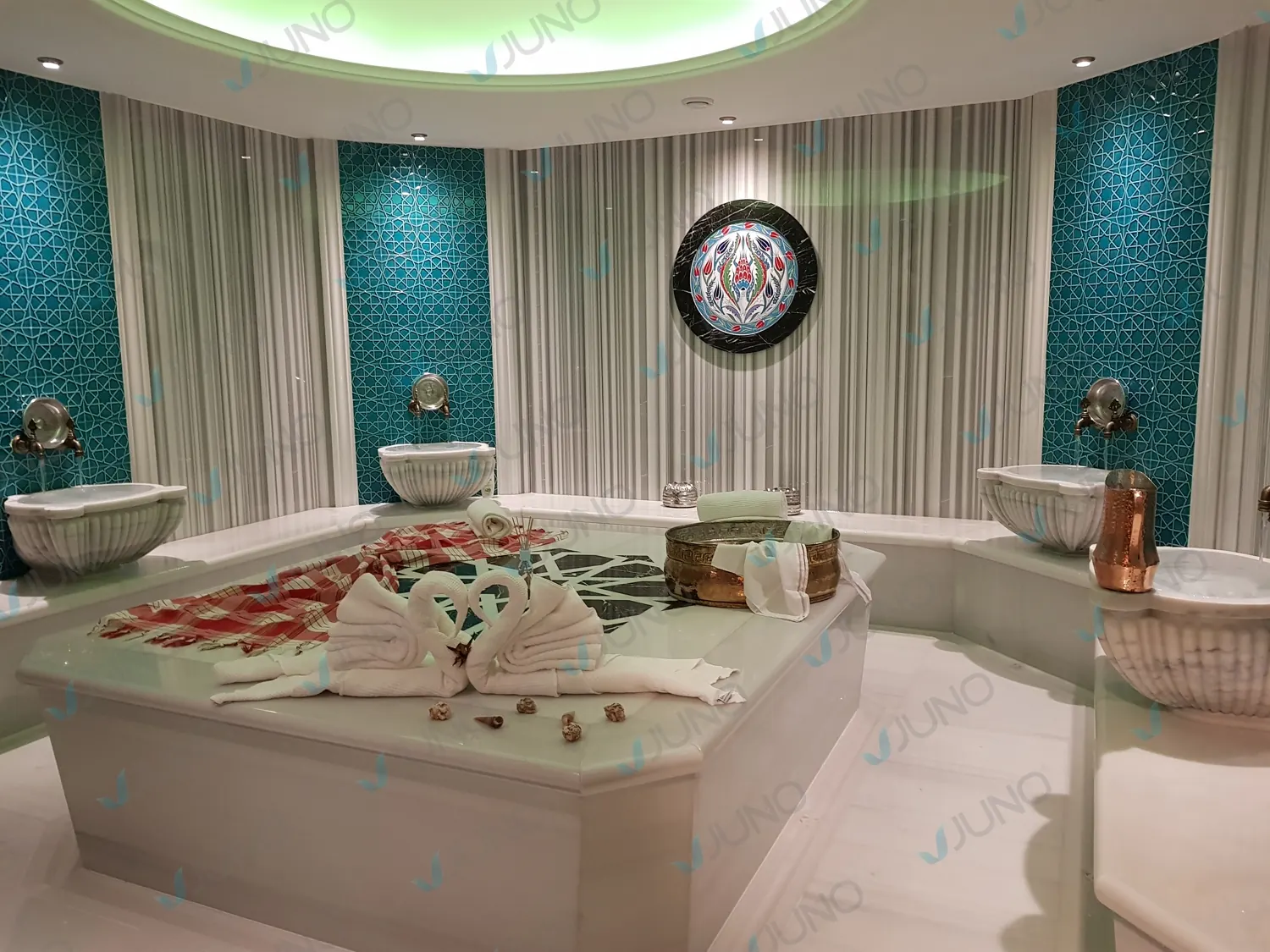
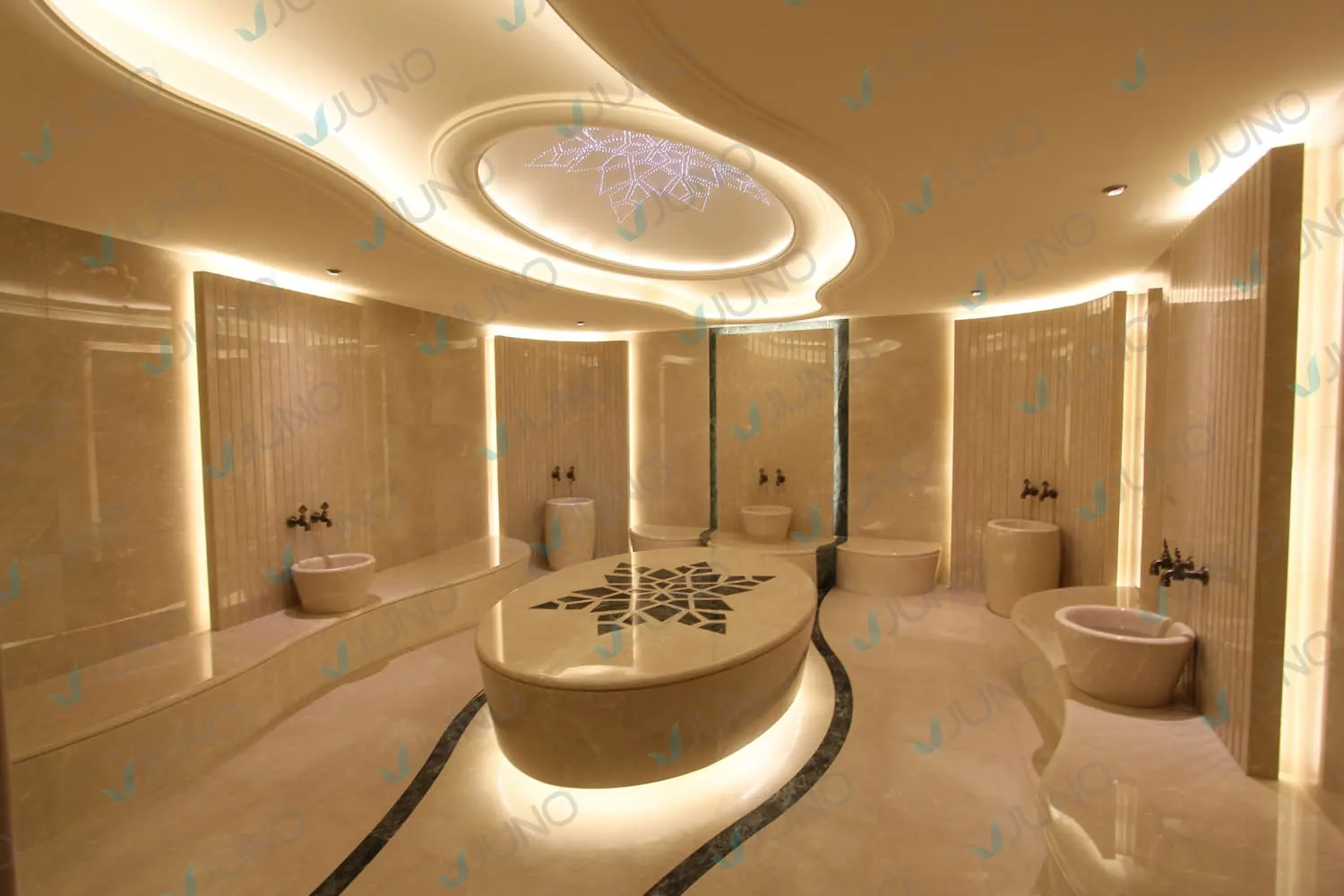
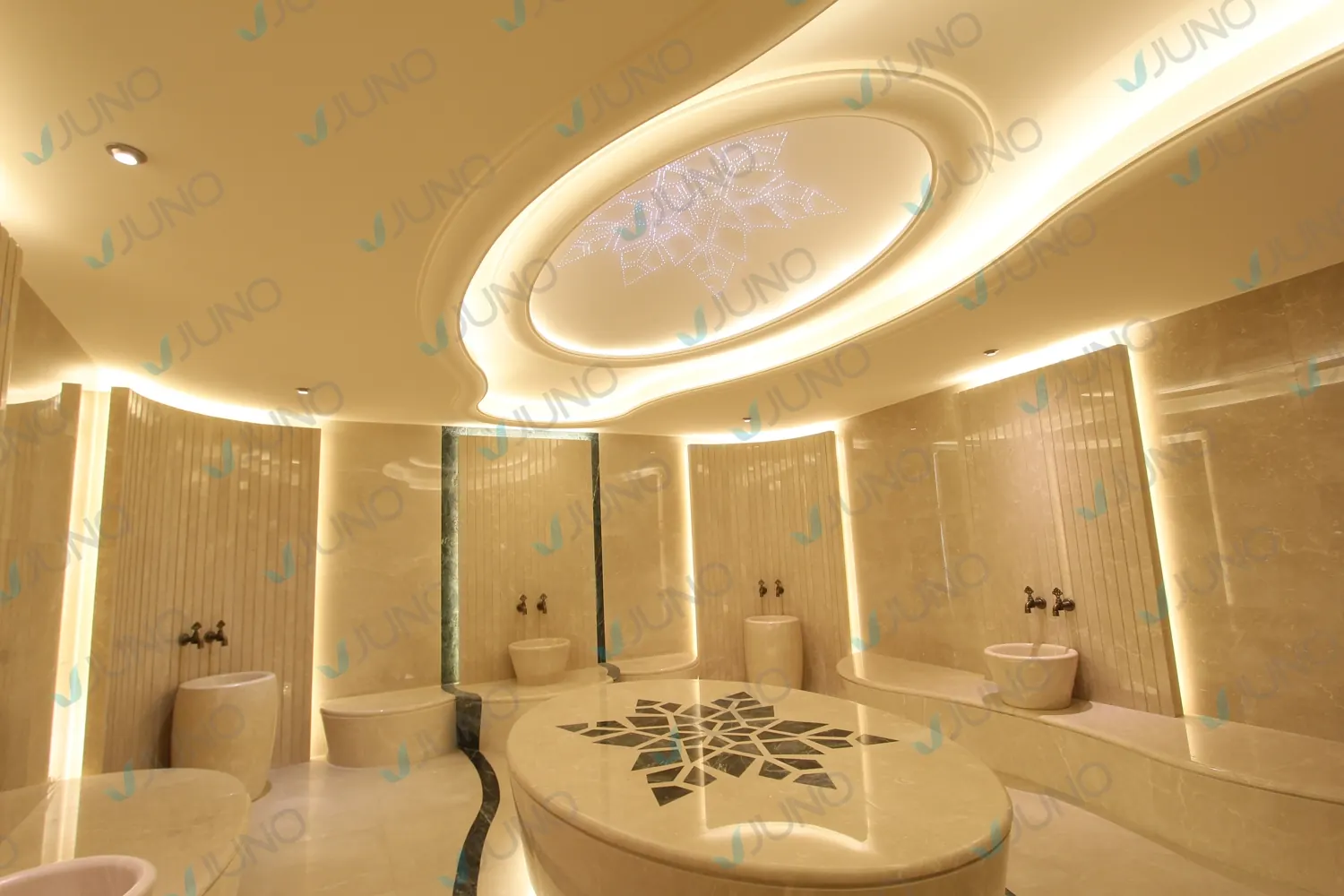
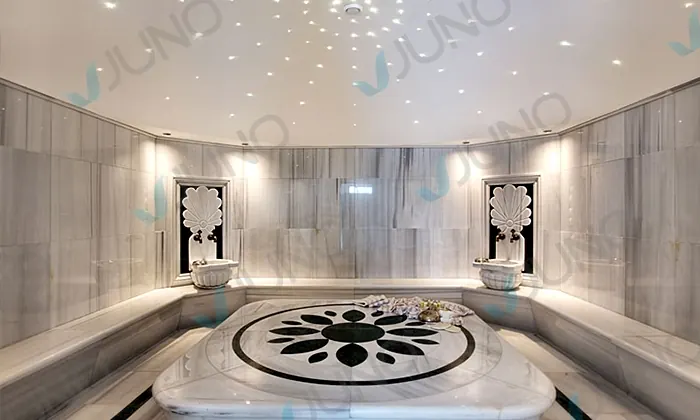
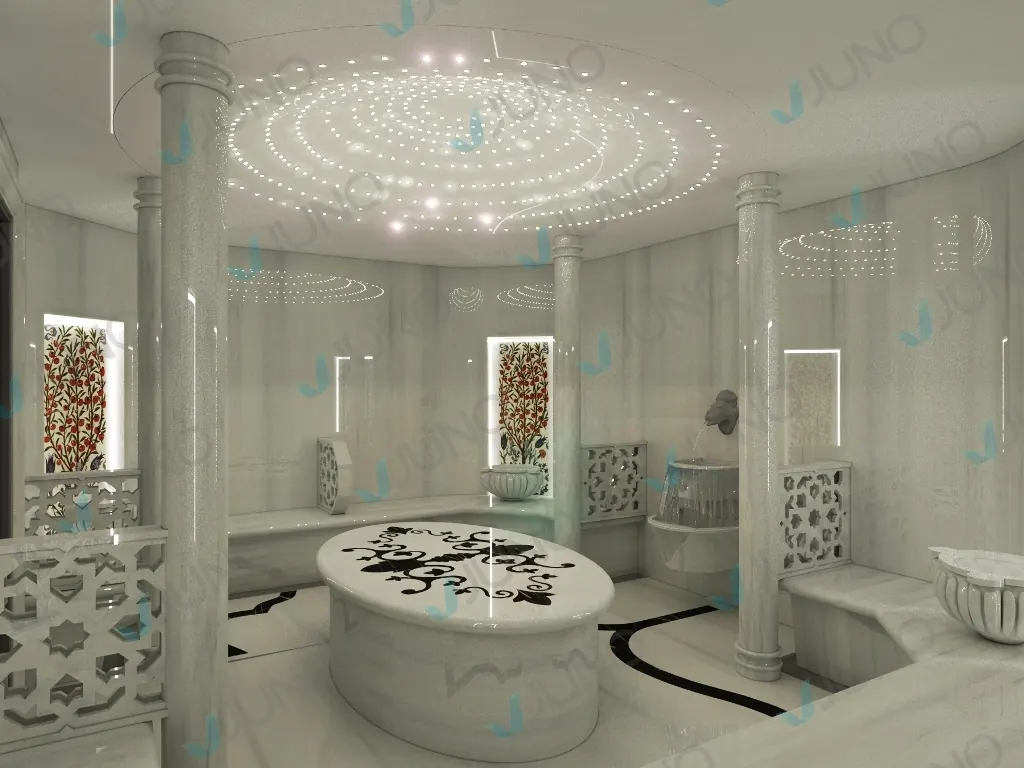
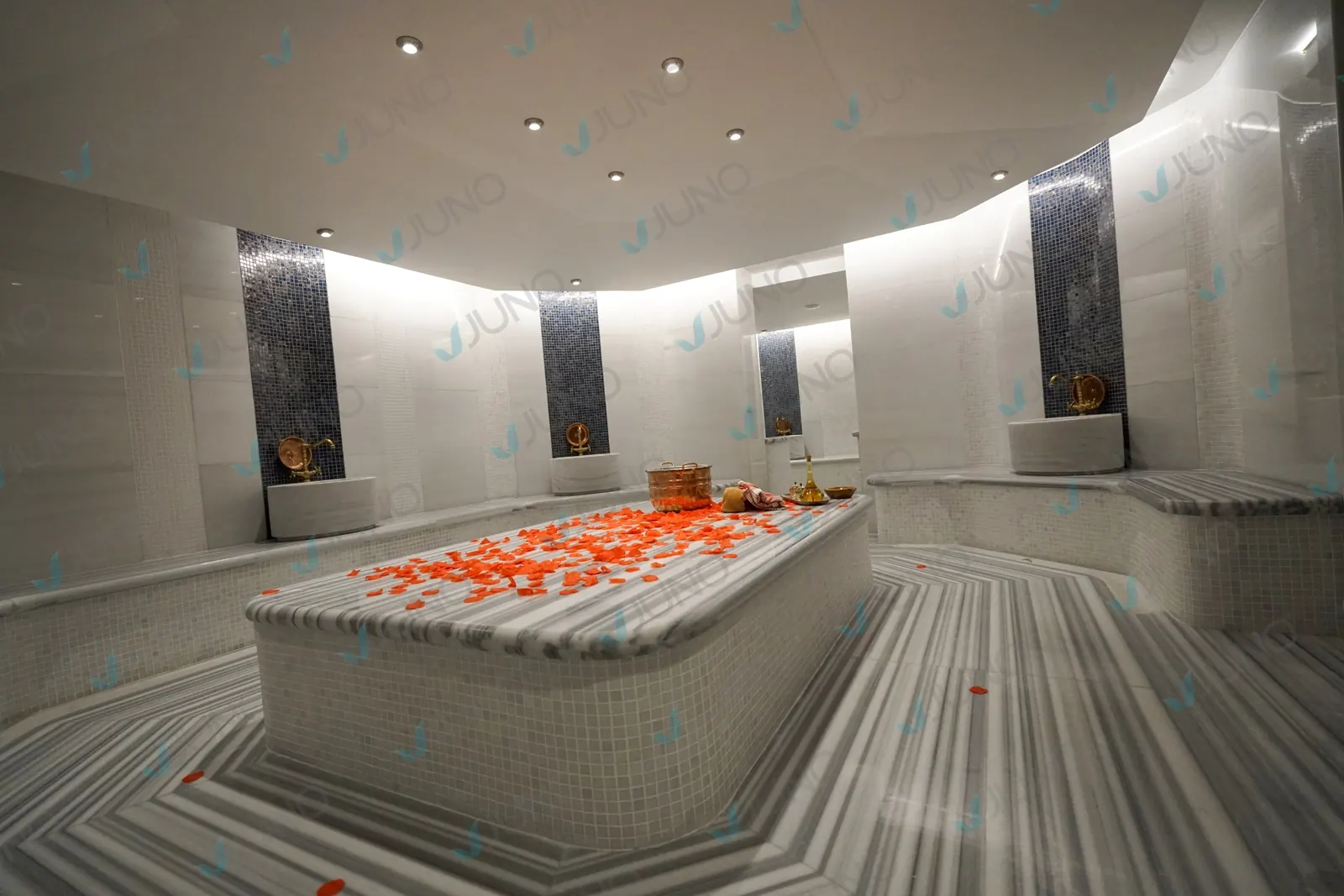
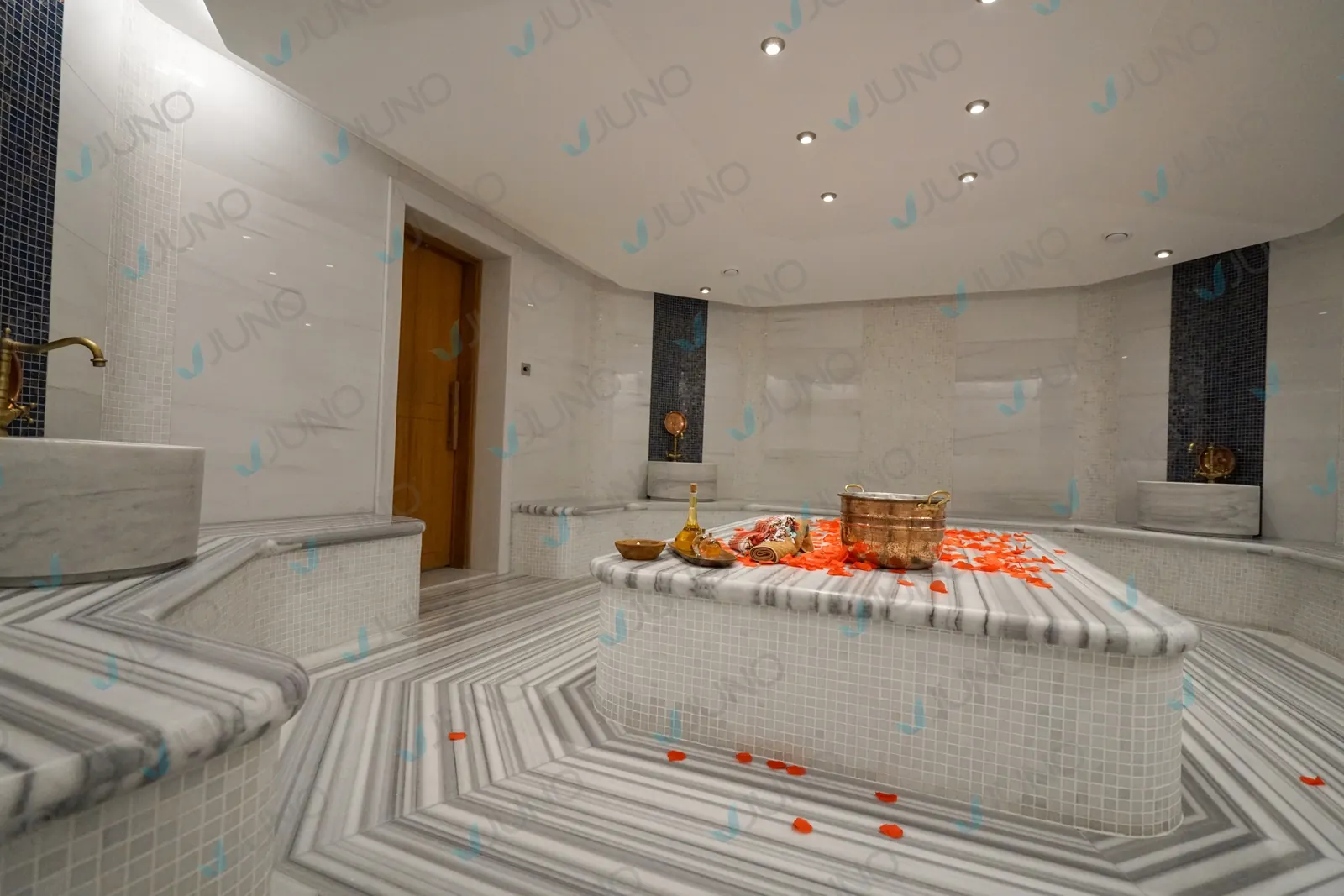
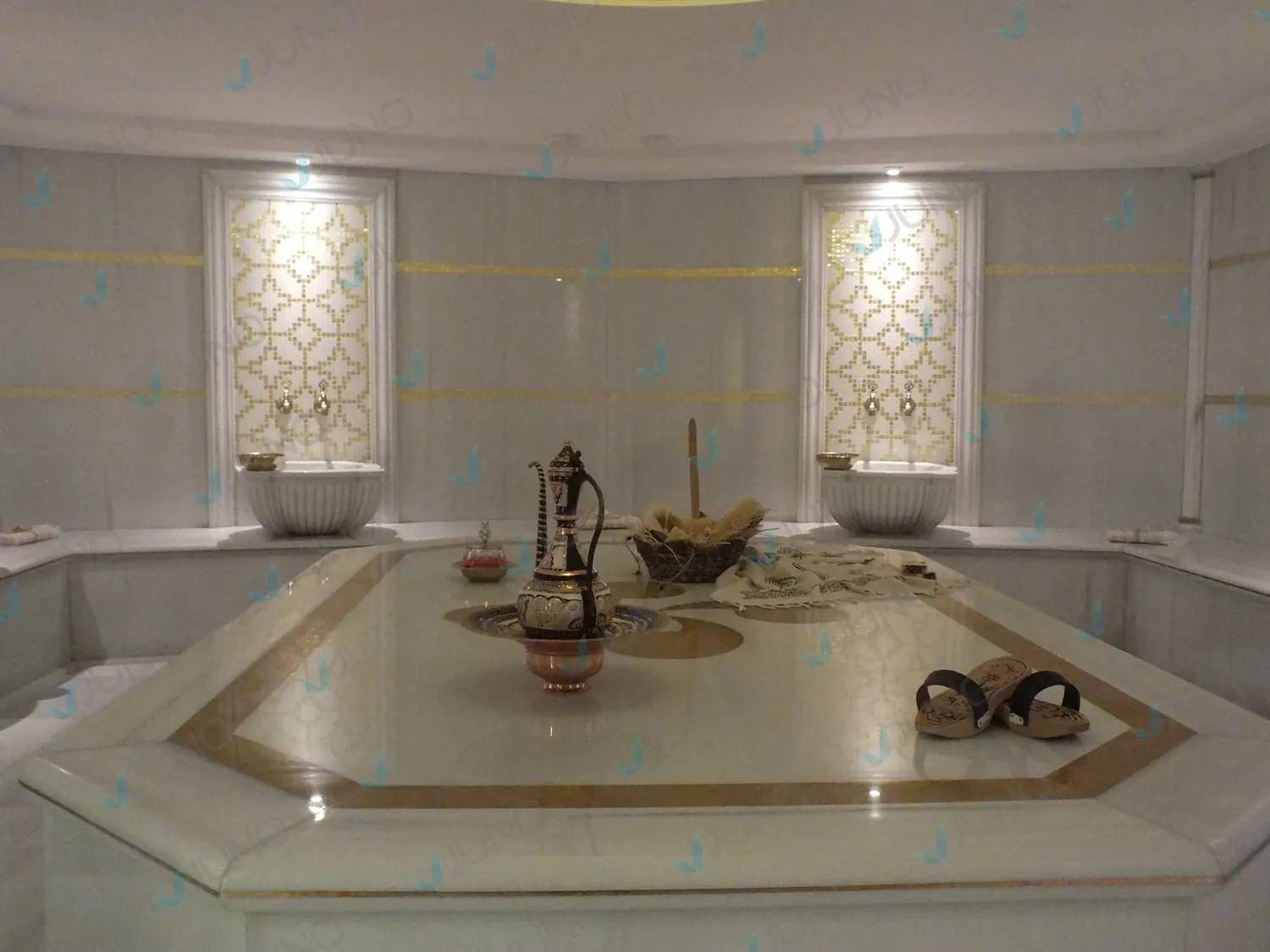
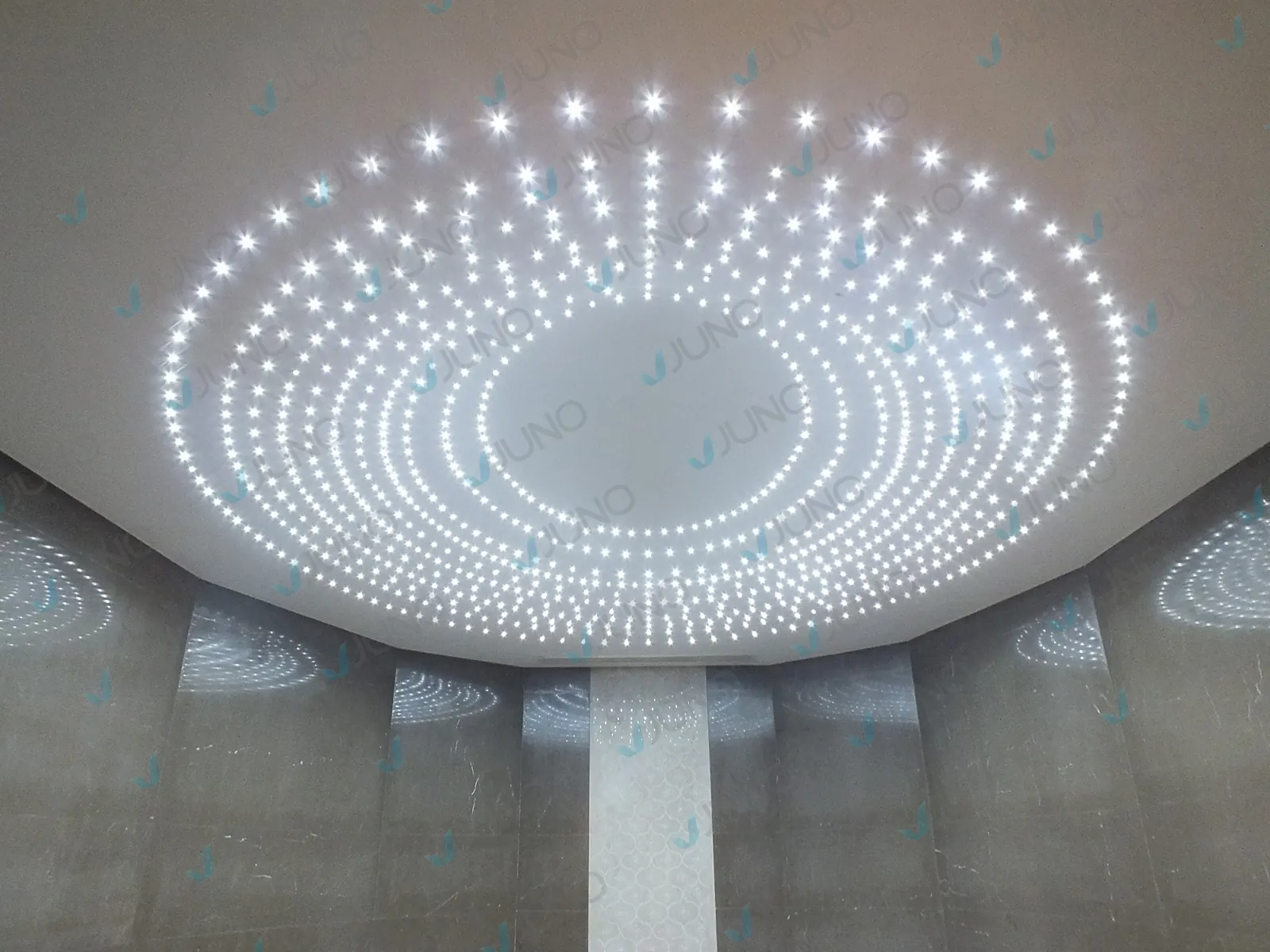
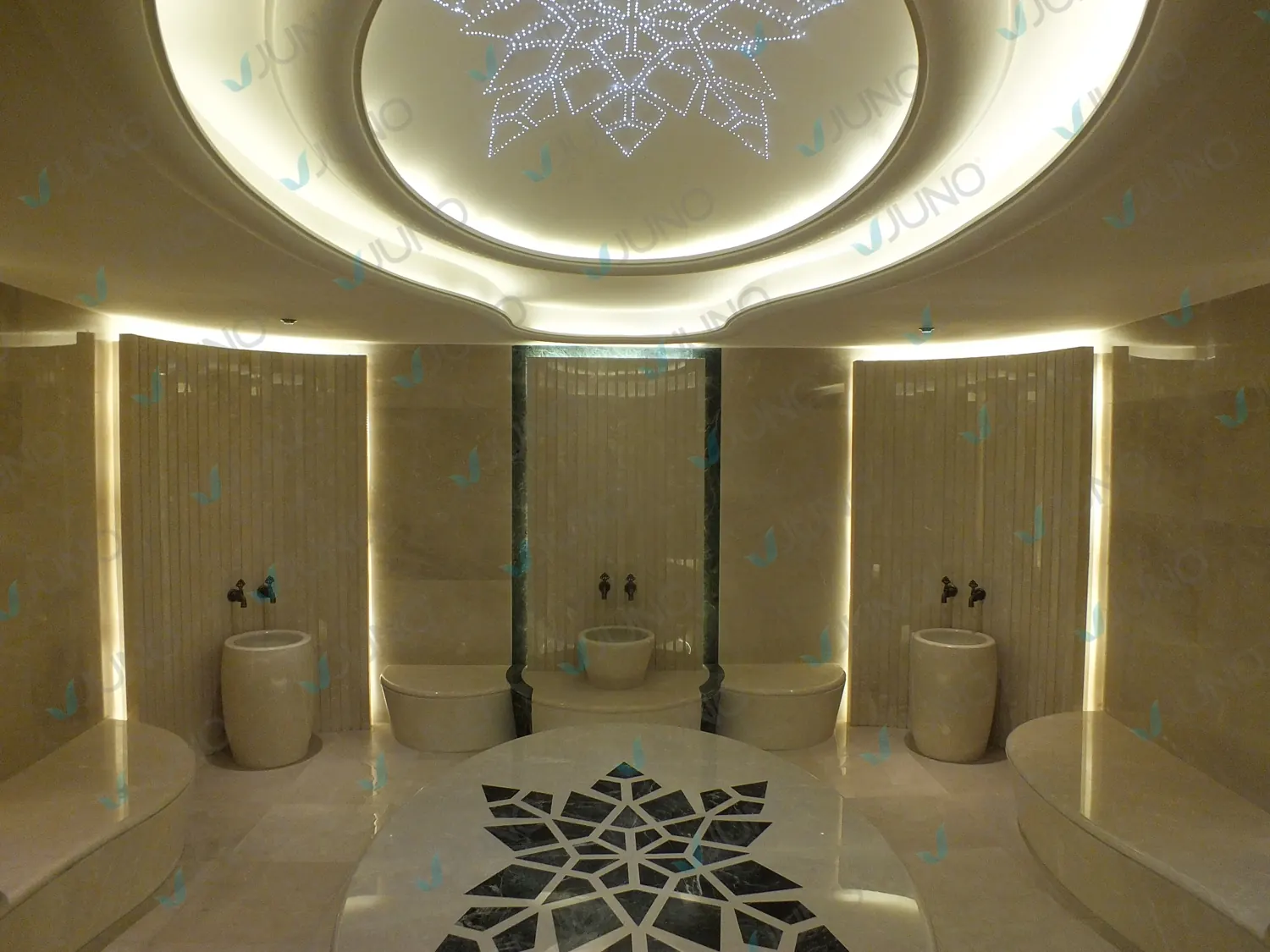
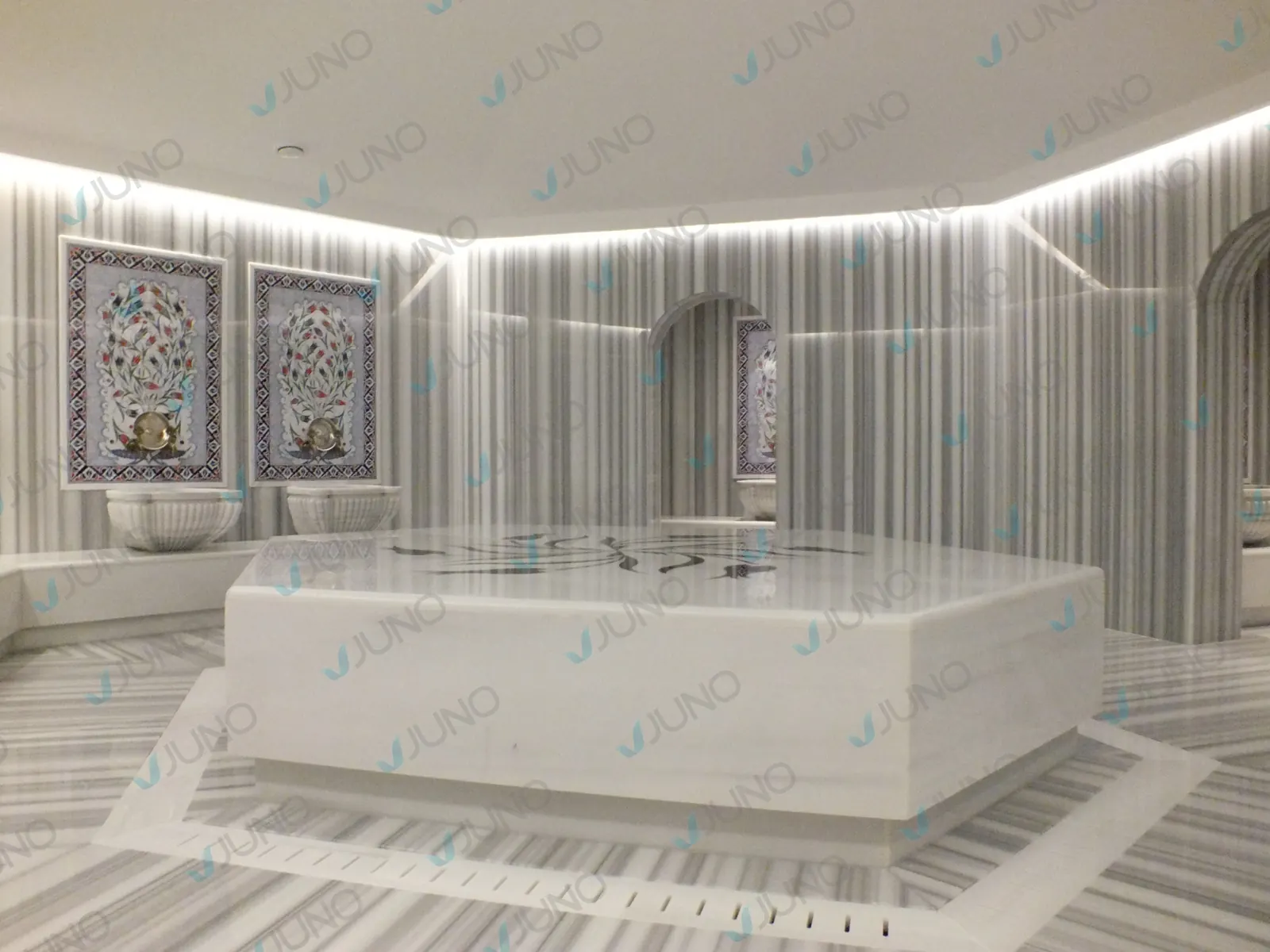
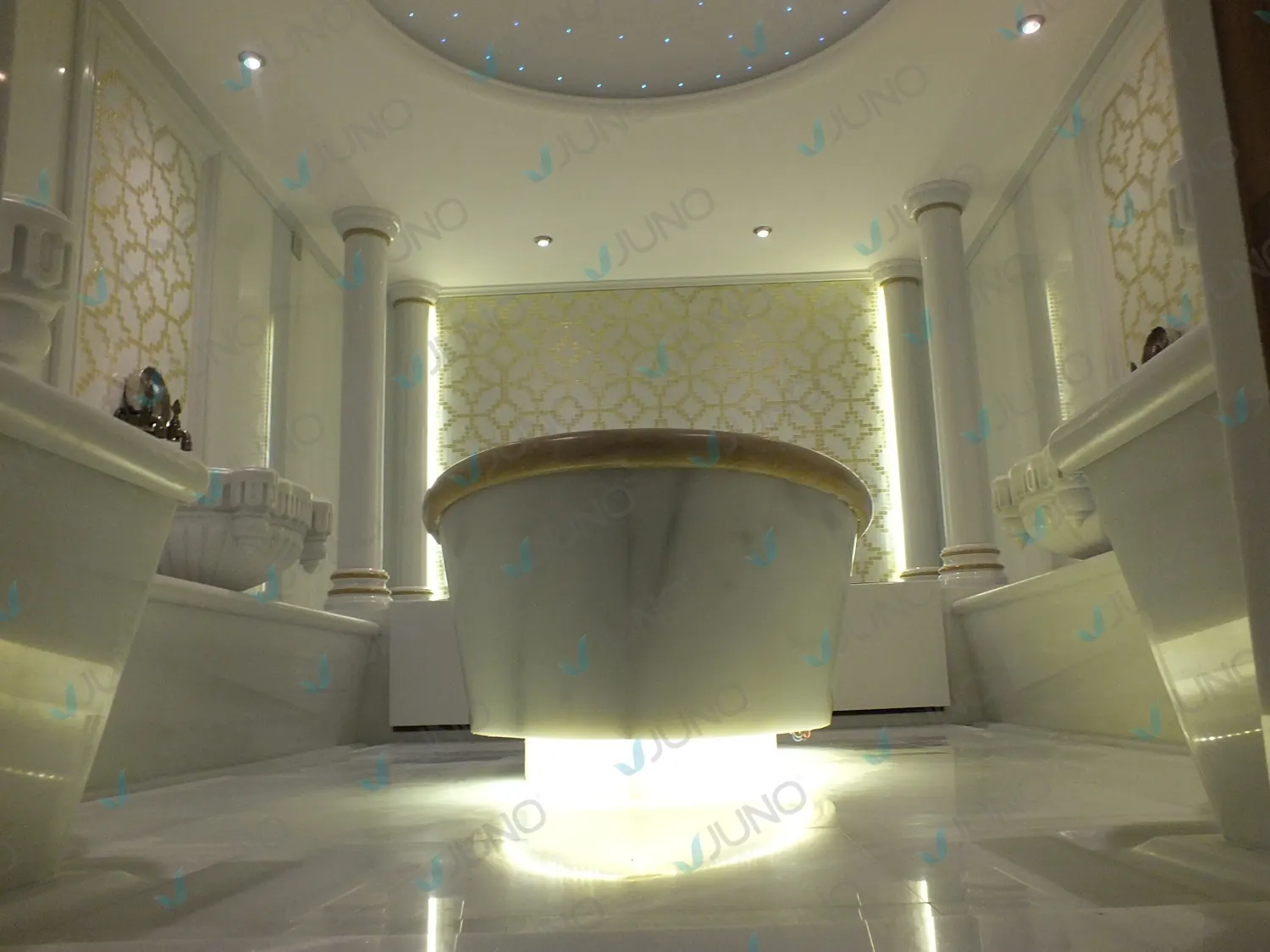
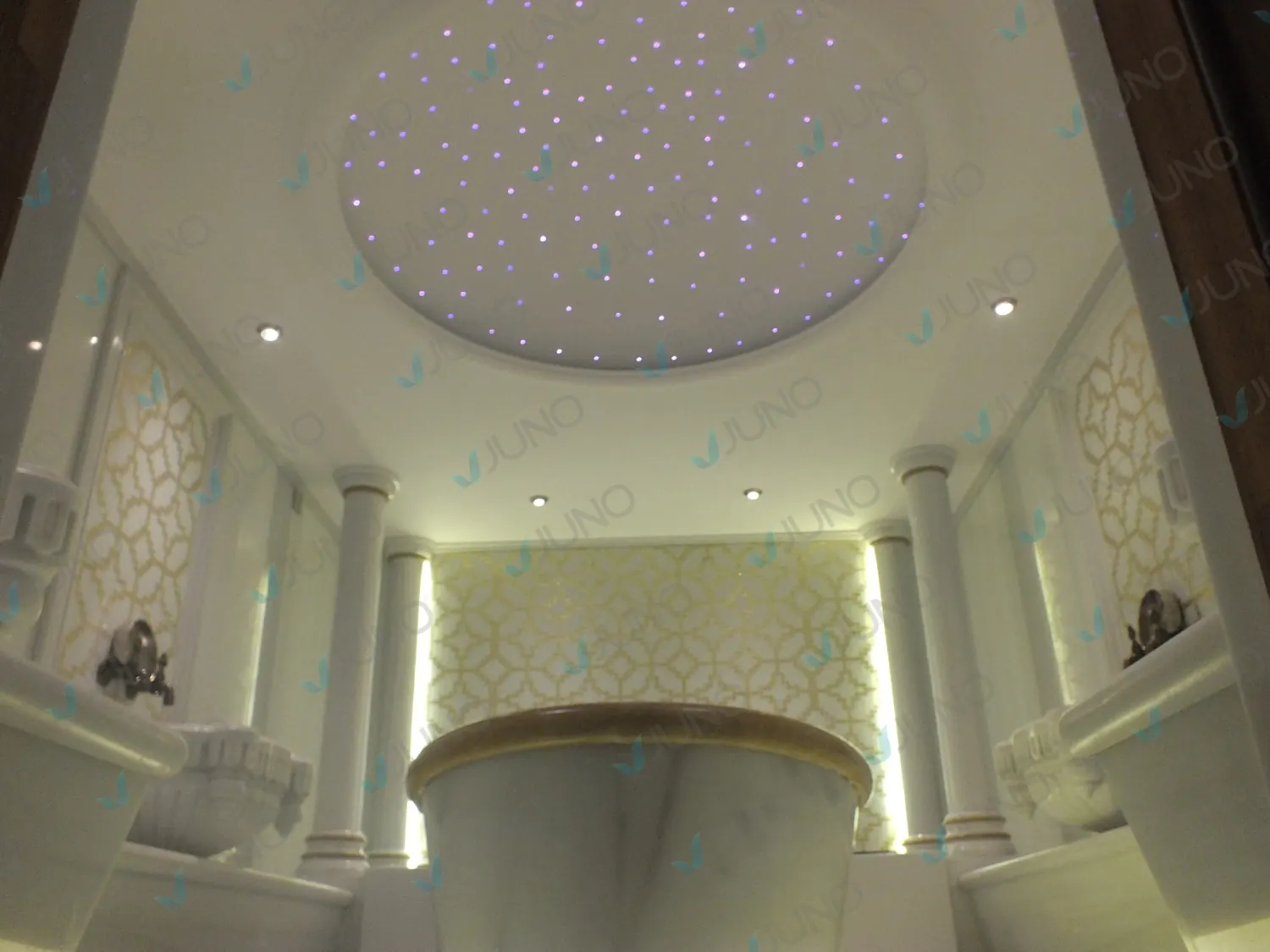
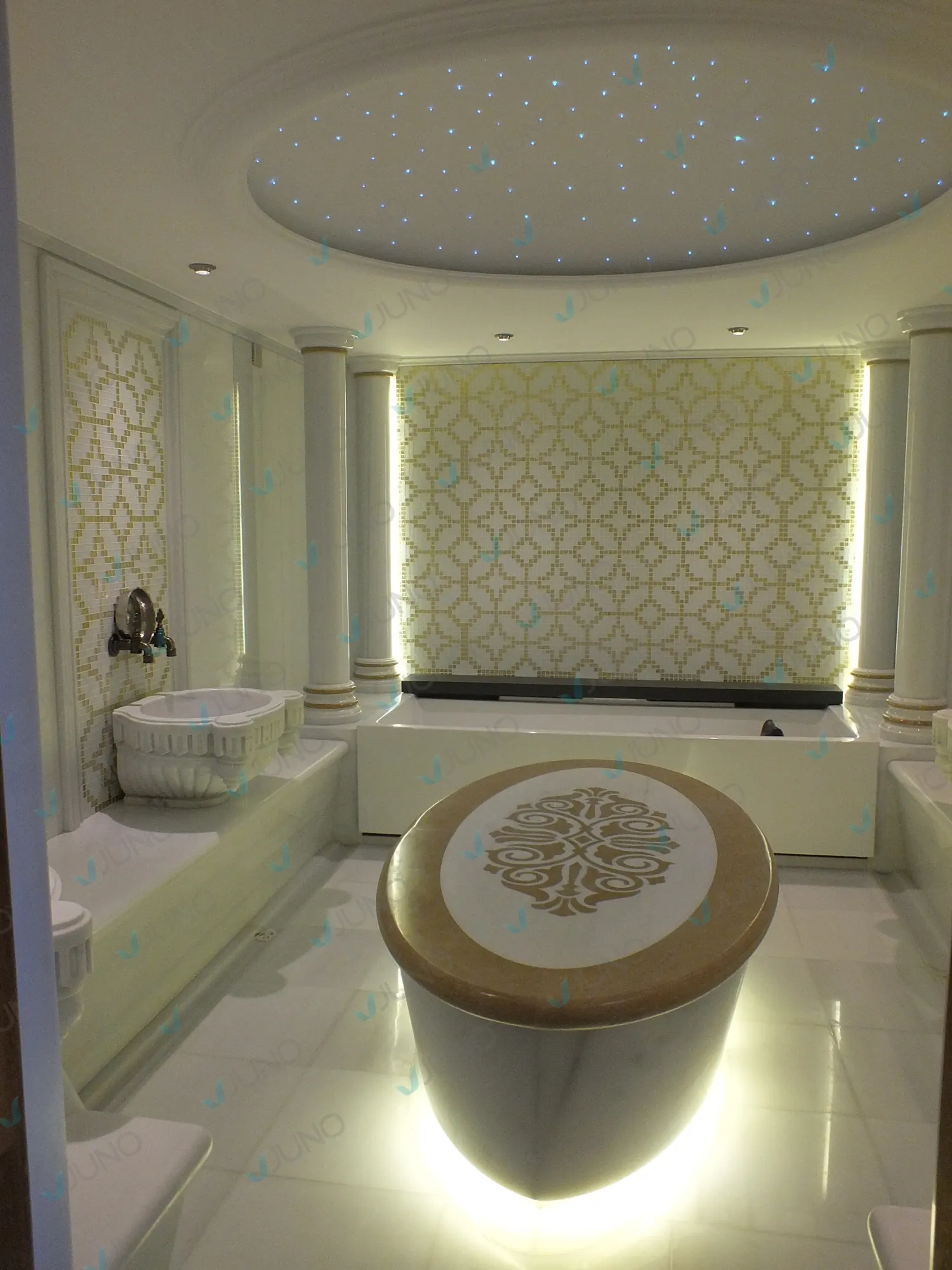
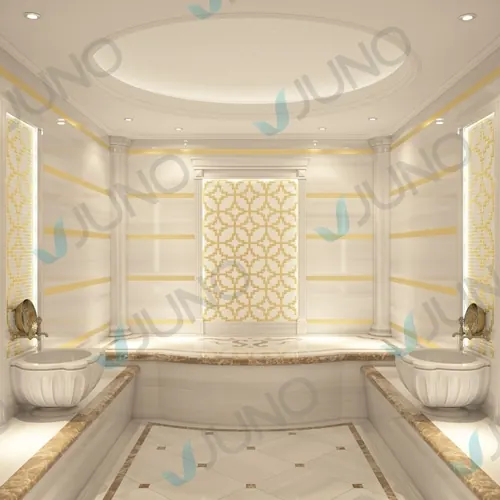
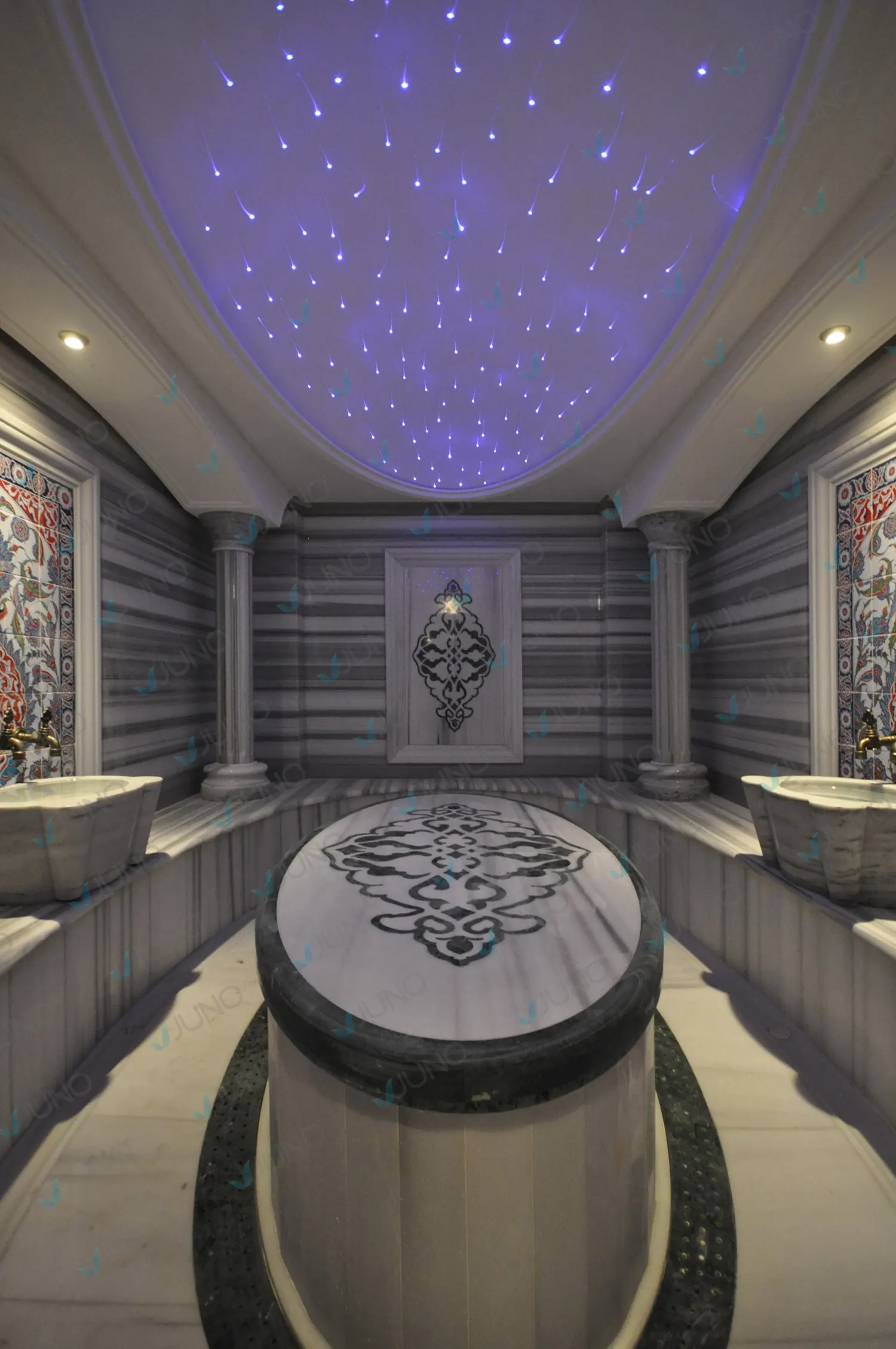
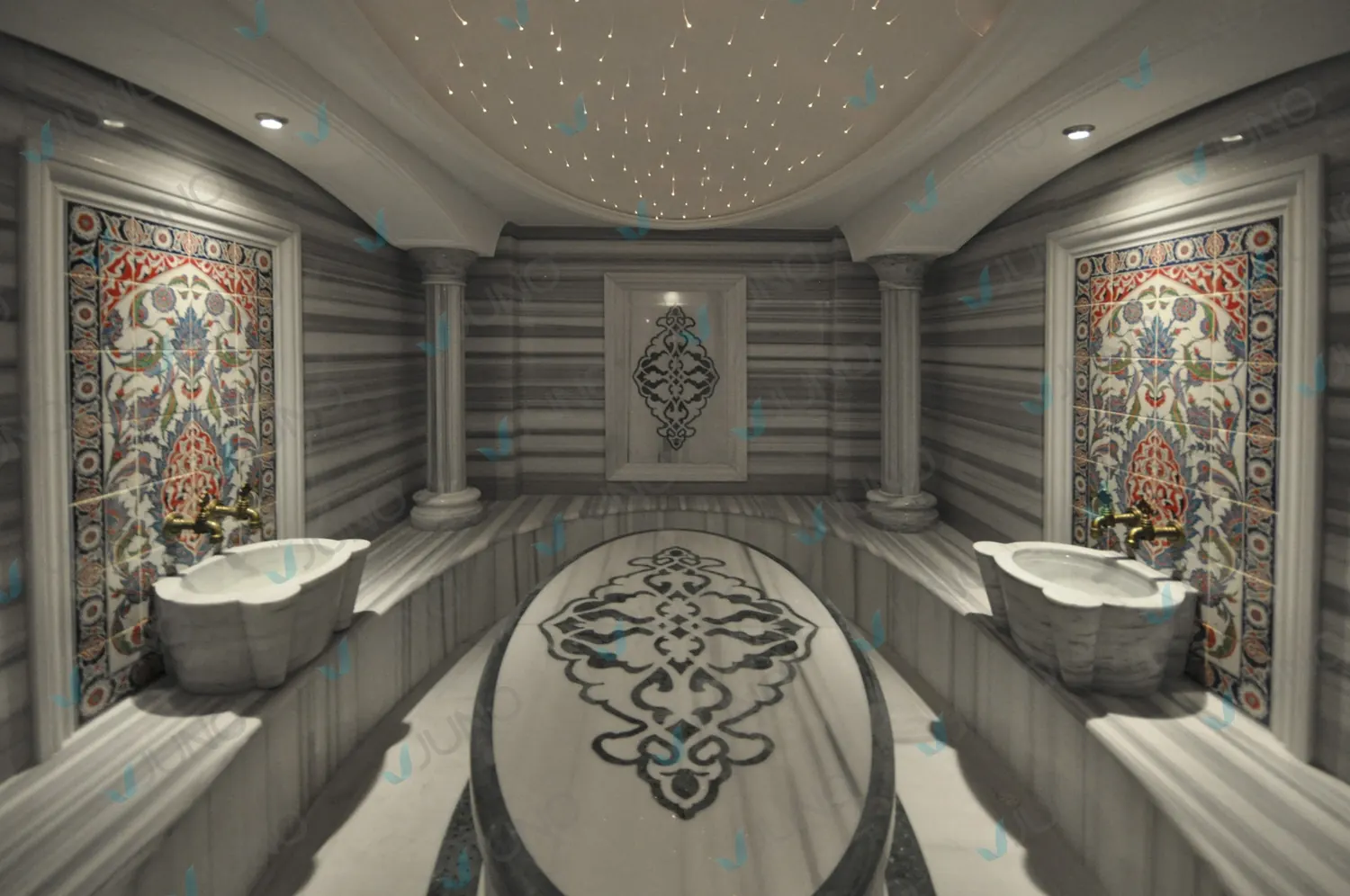
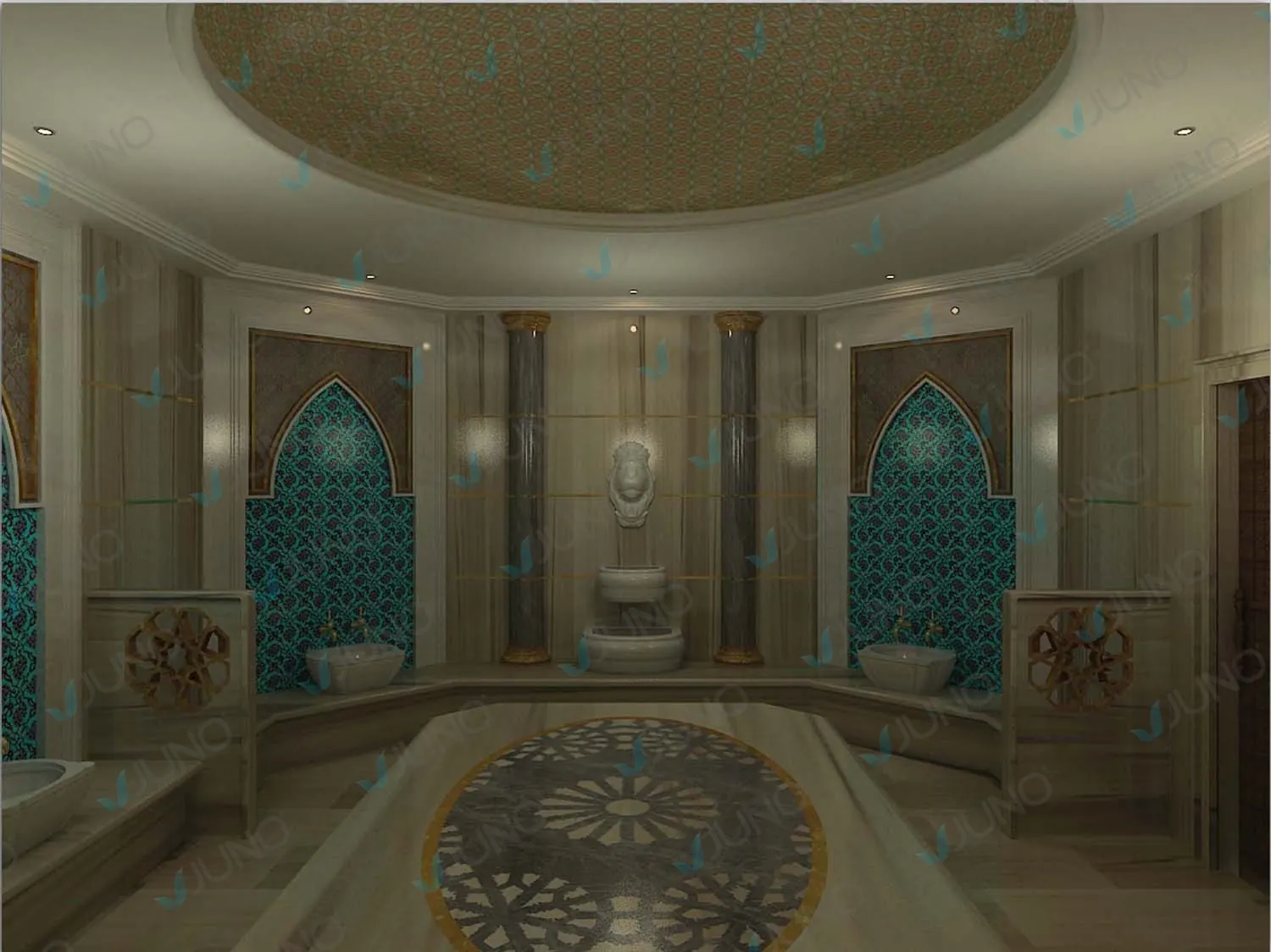
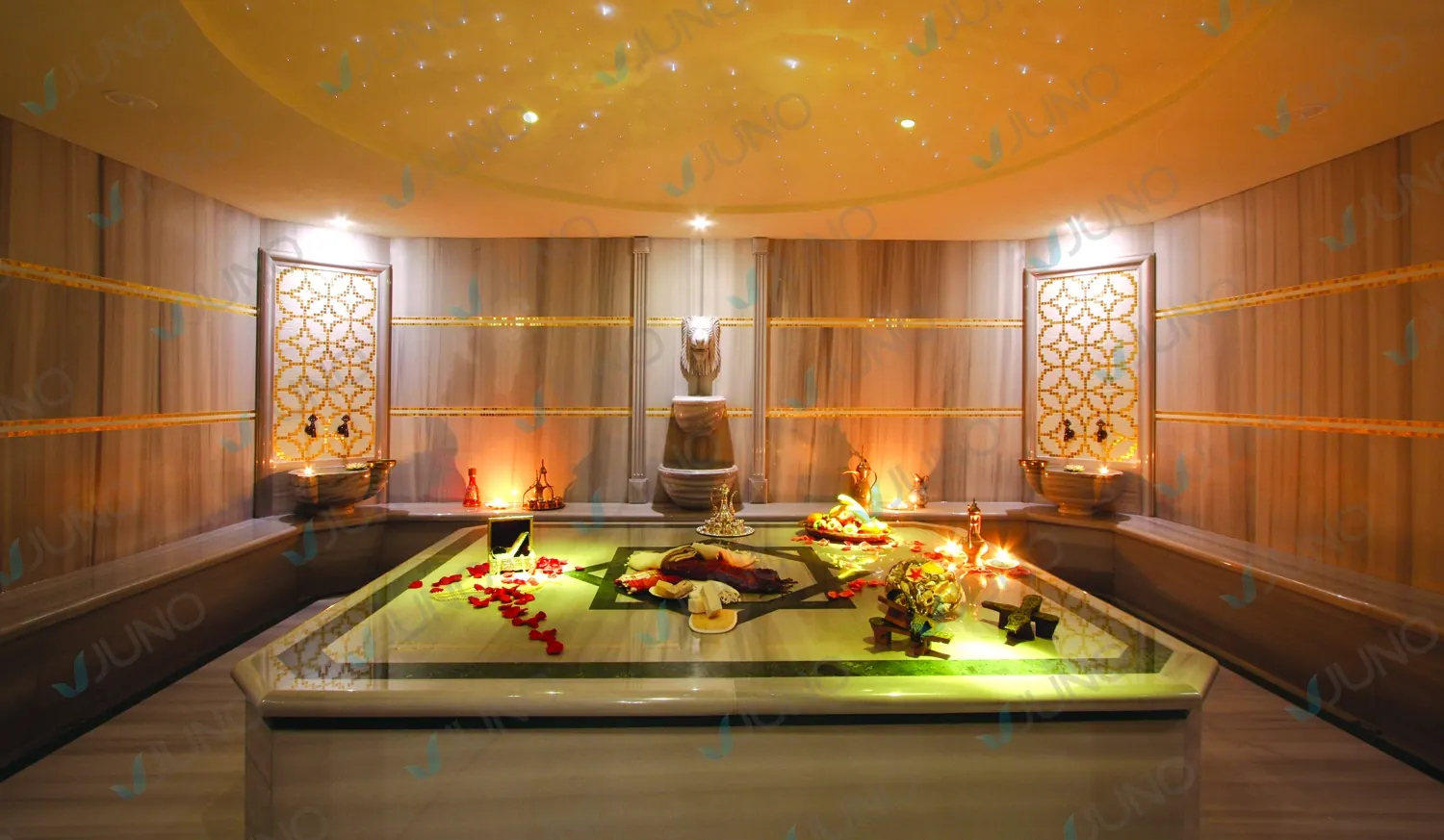
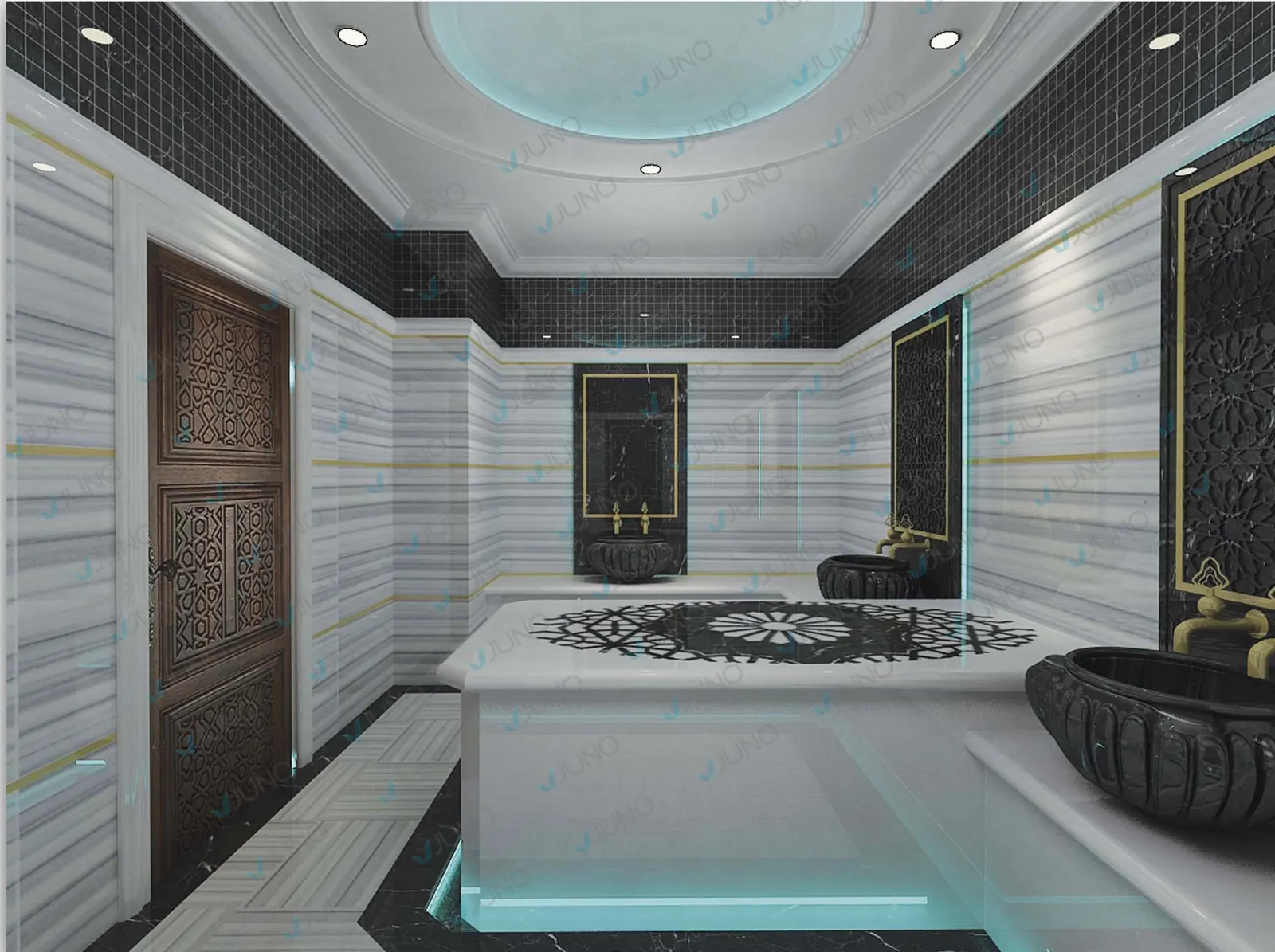
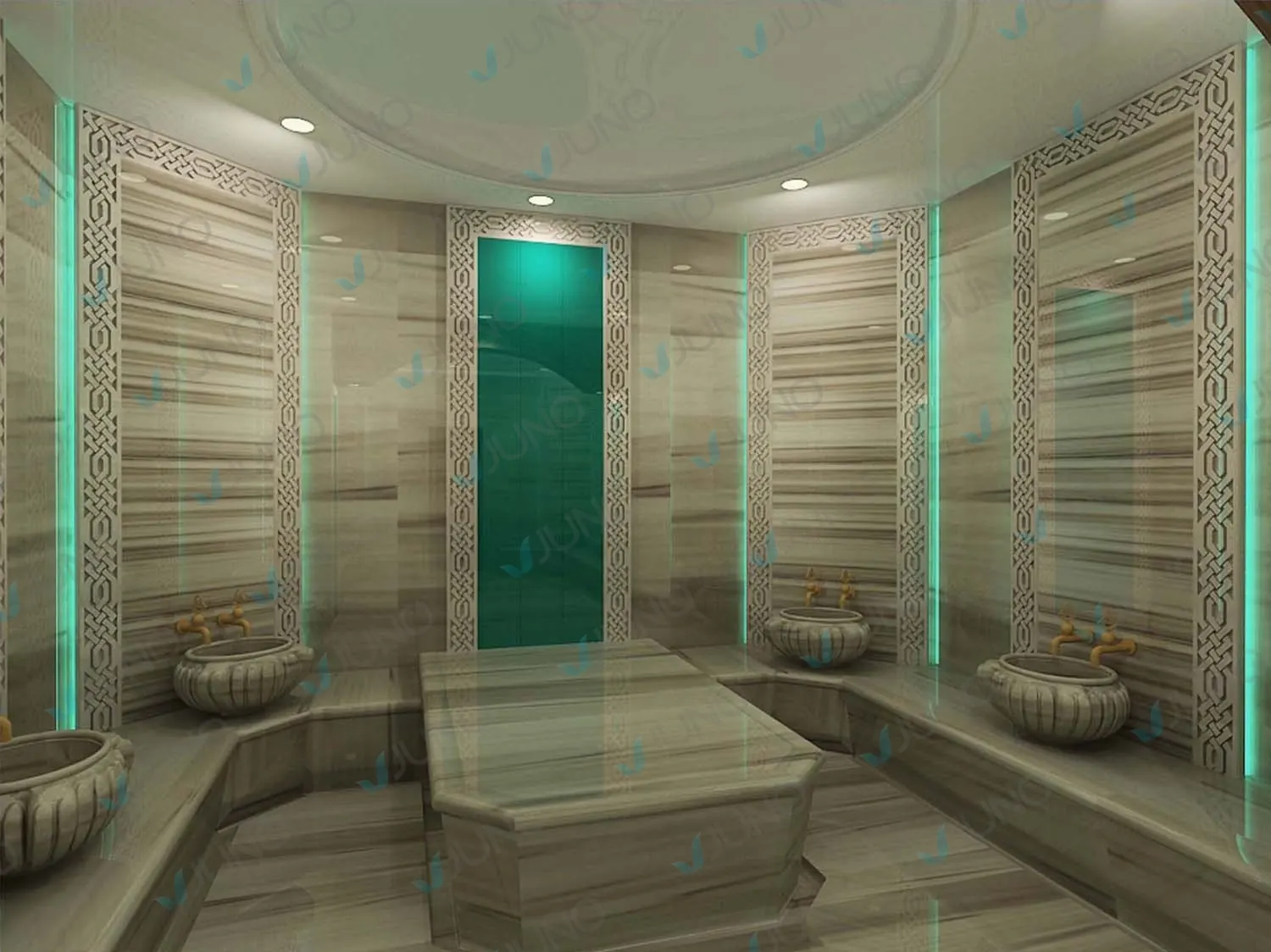
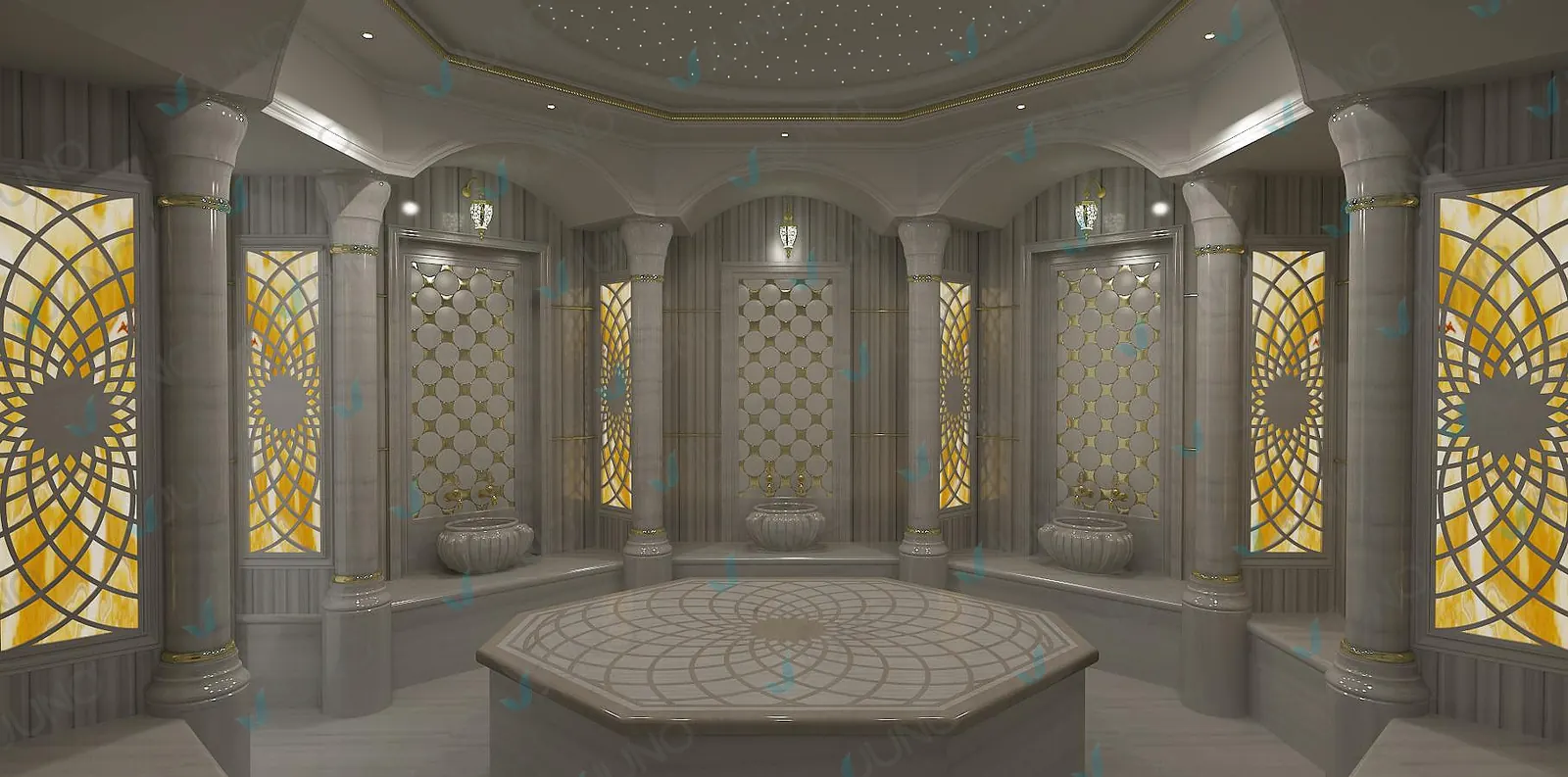
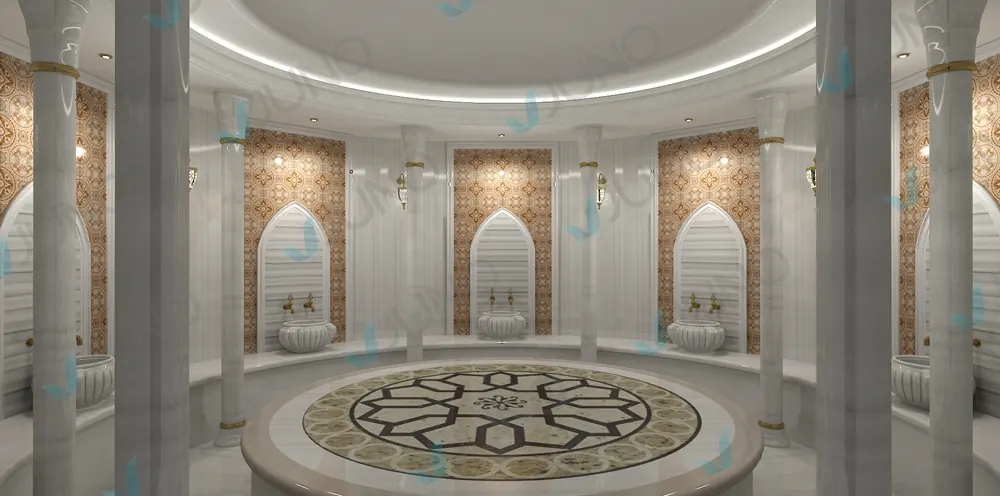
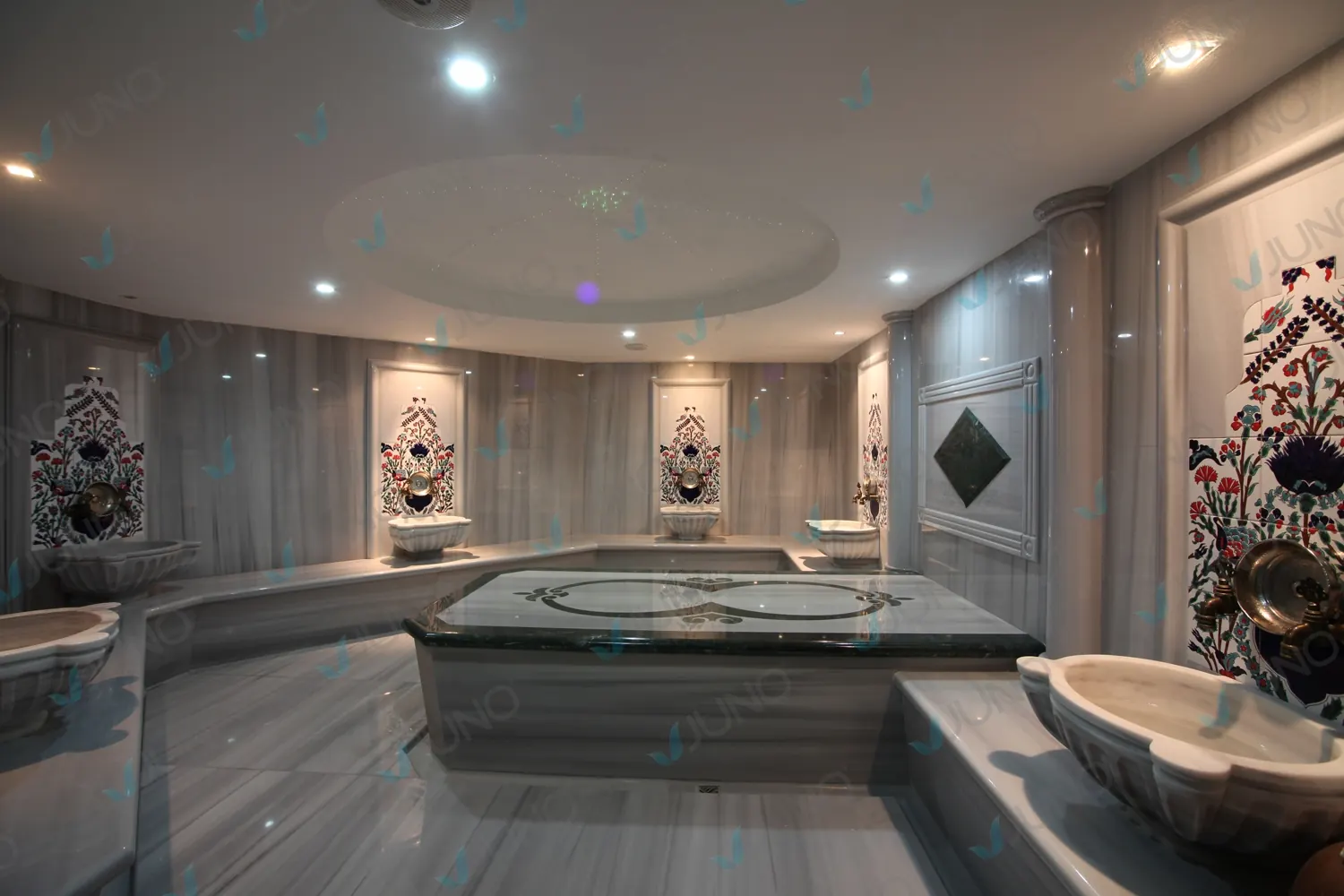
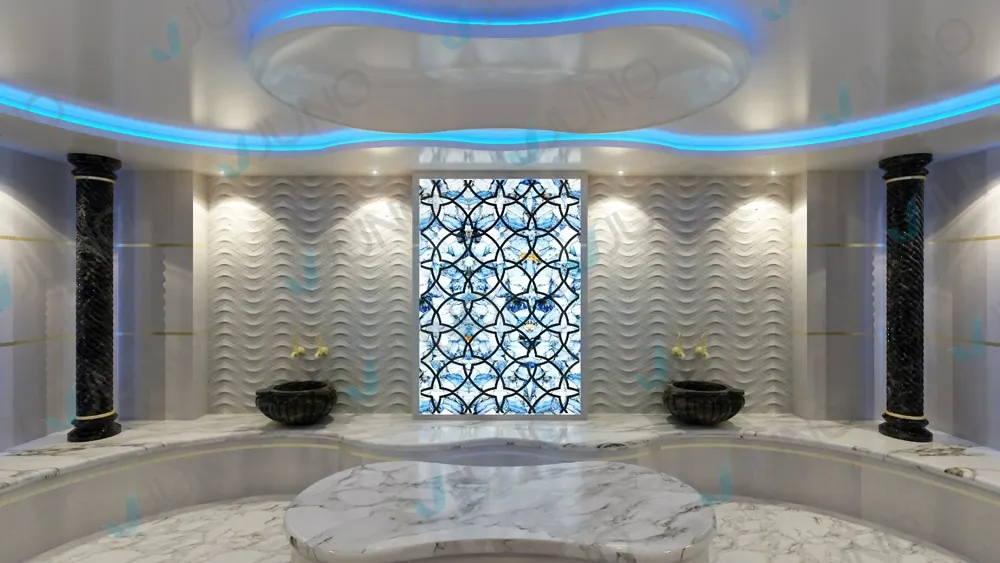
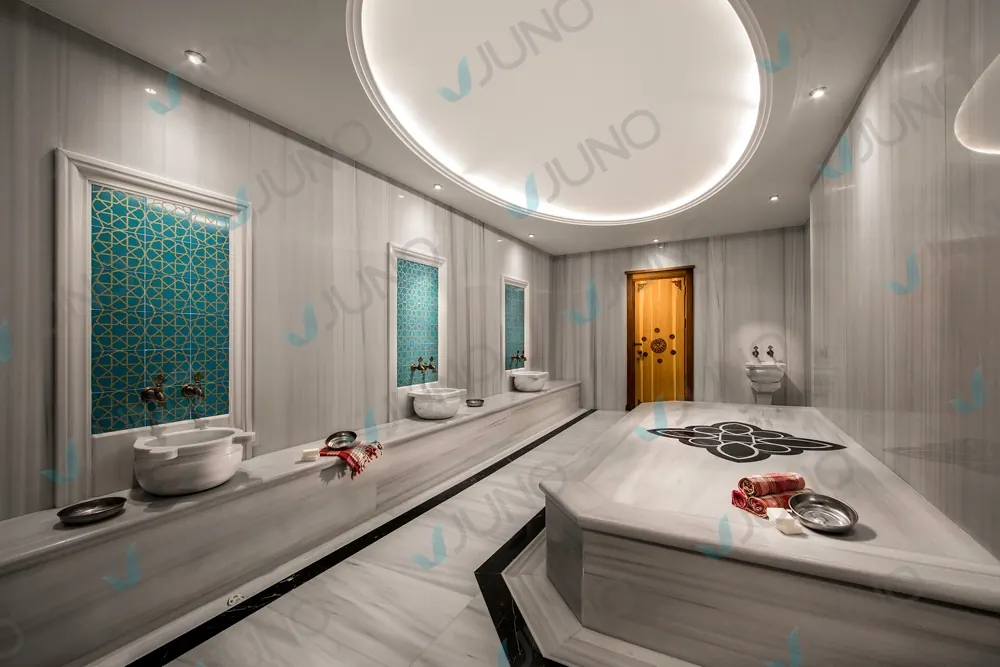
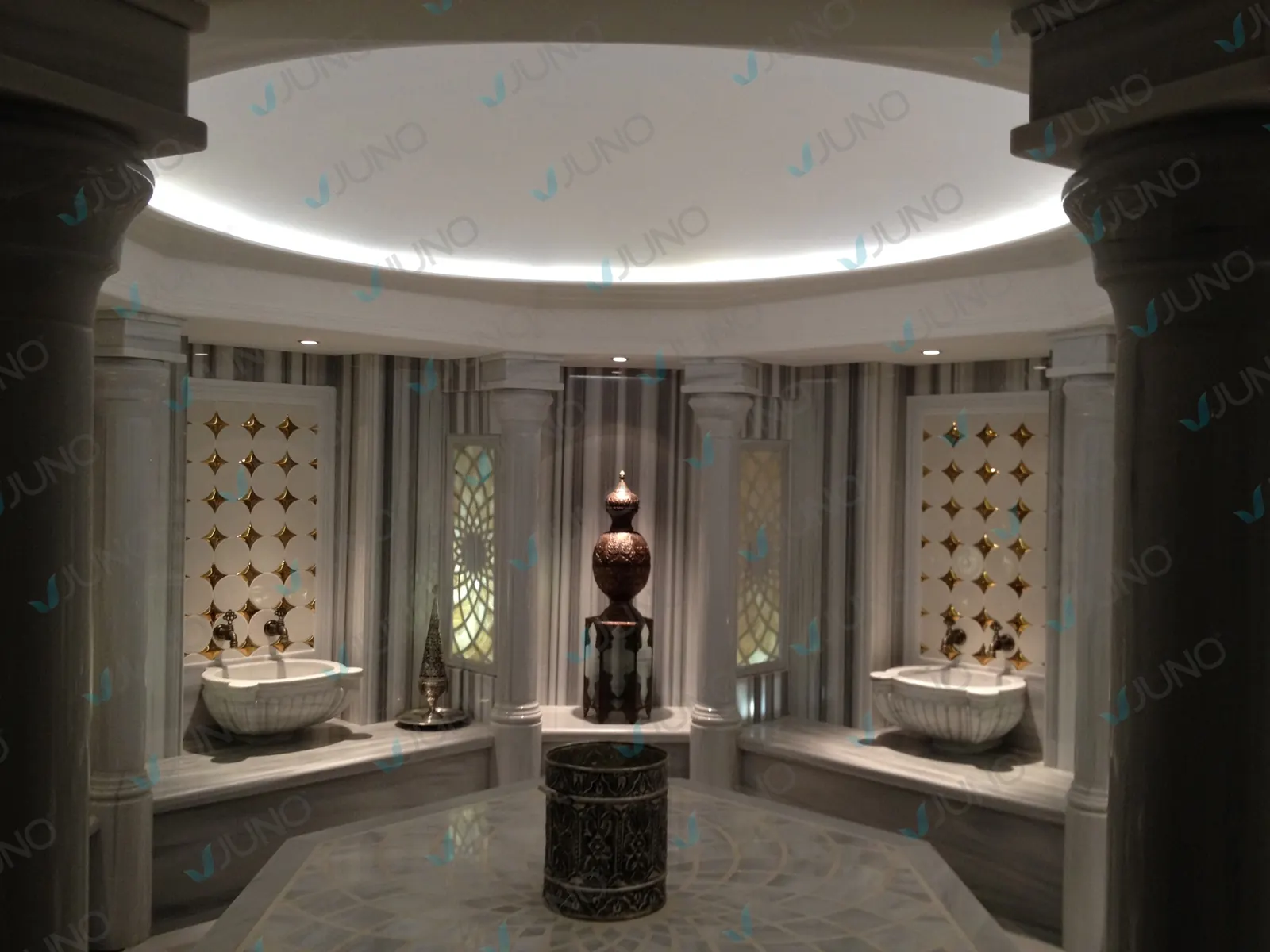
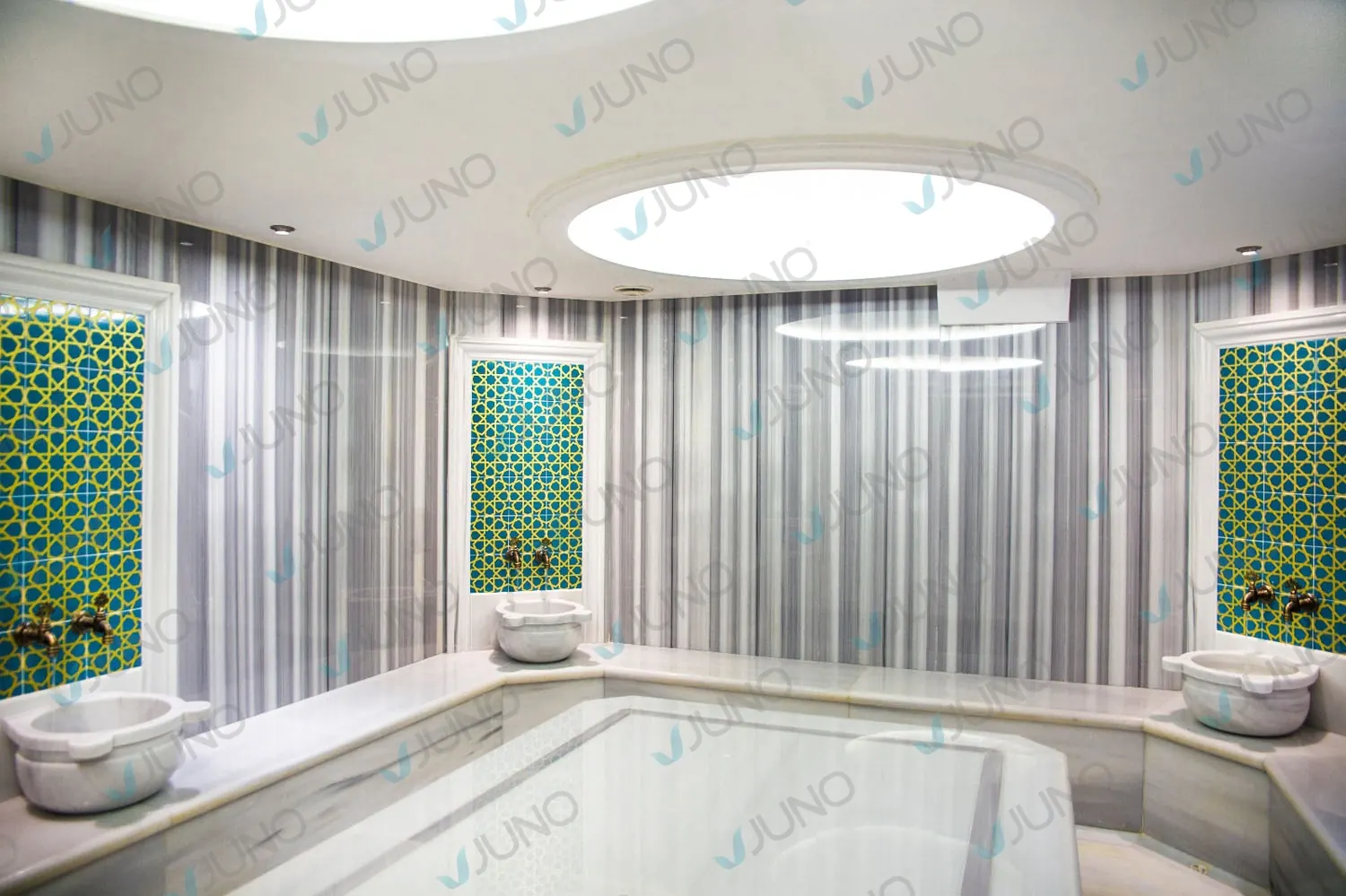
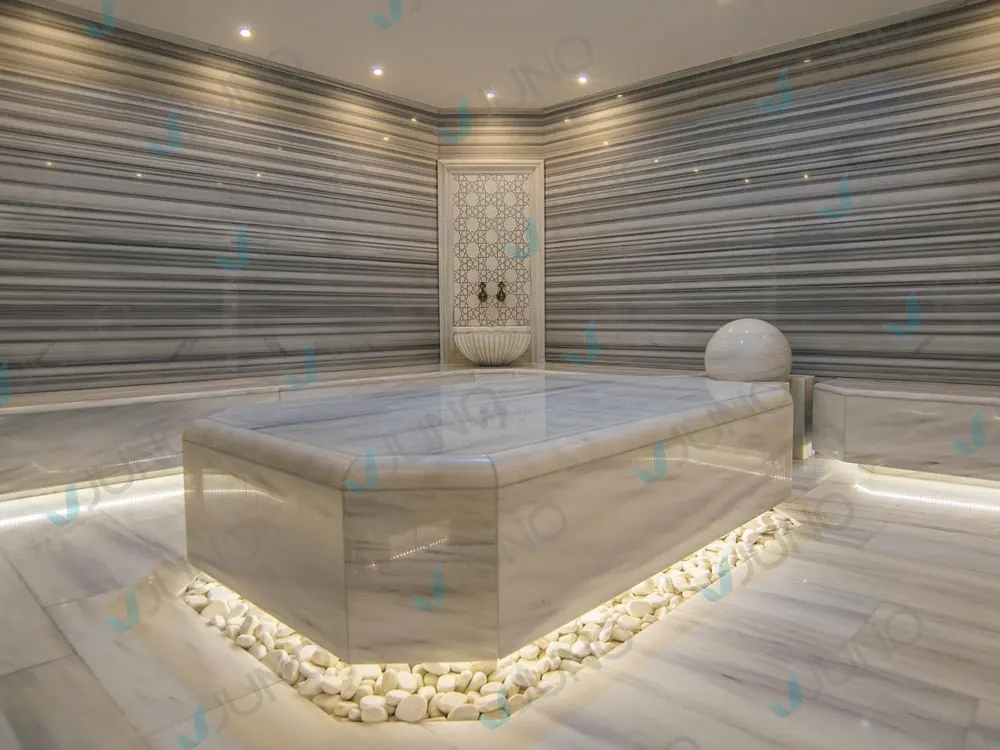
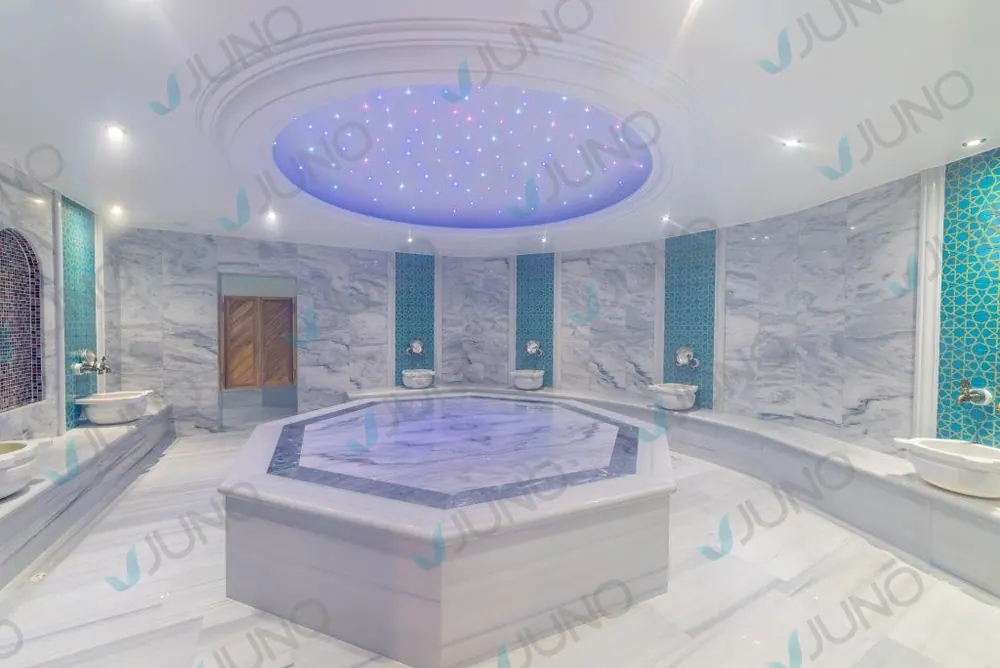
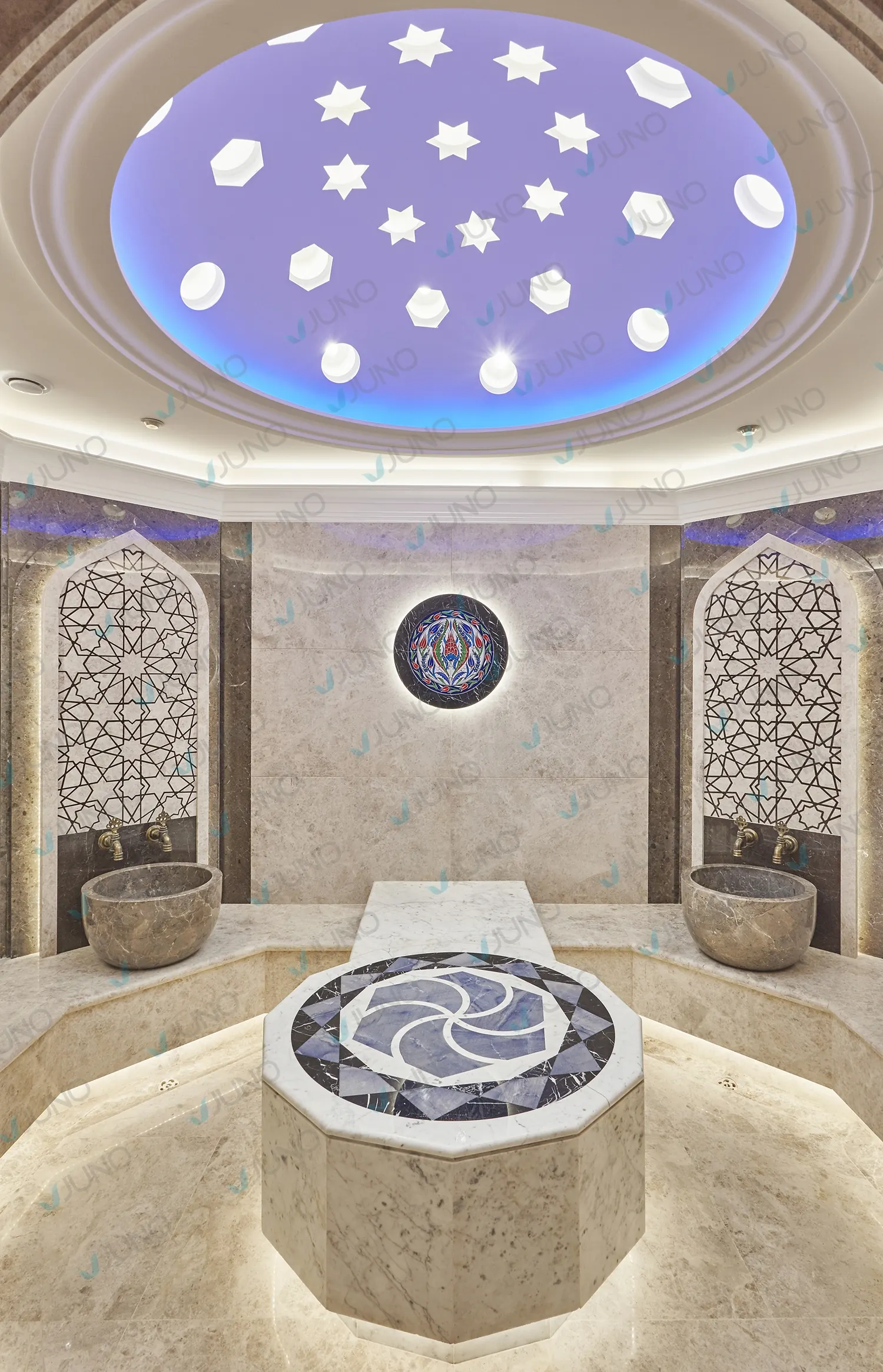
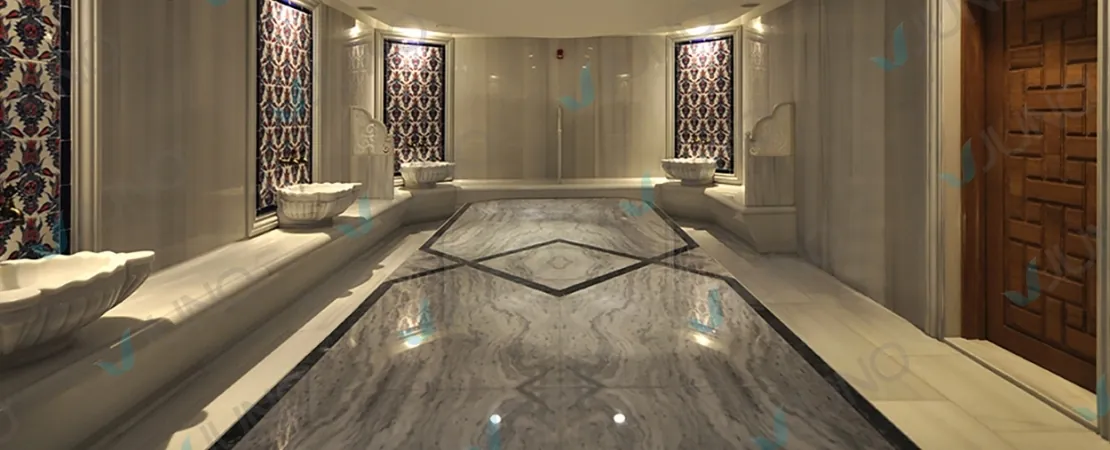
The architecture of a Turkish hammam is usually distinguished by a dome or domes. Large, high domes sit at the centre of the hammam and usually cover the warm and hot sections. These domes distribute heat evenly while also making an eye-catching architectural sight.
The Hot Section
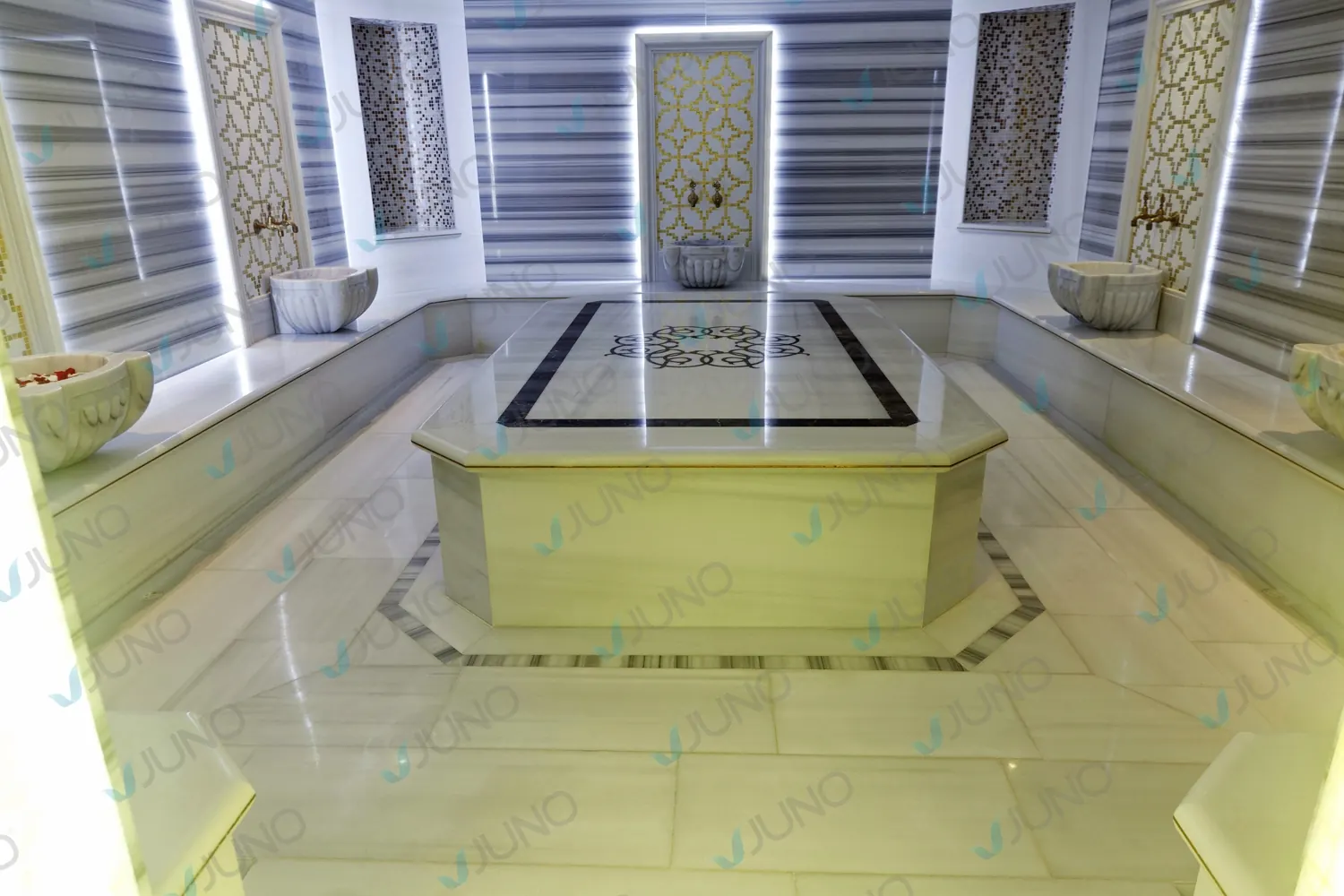
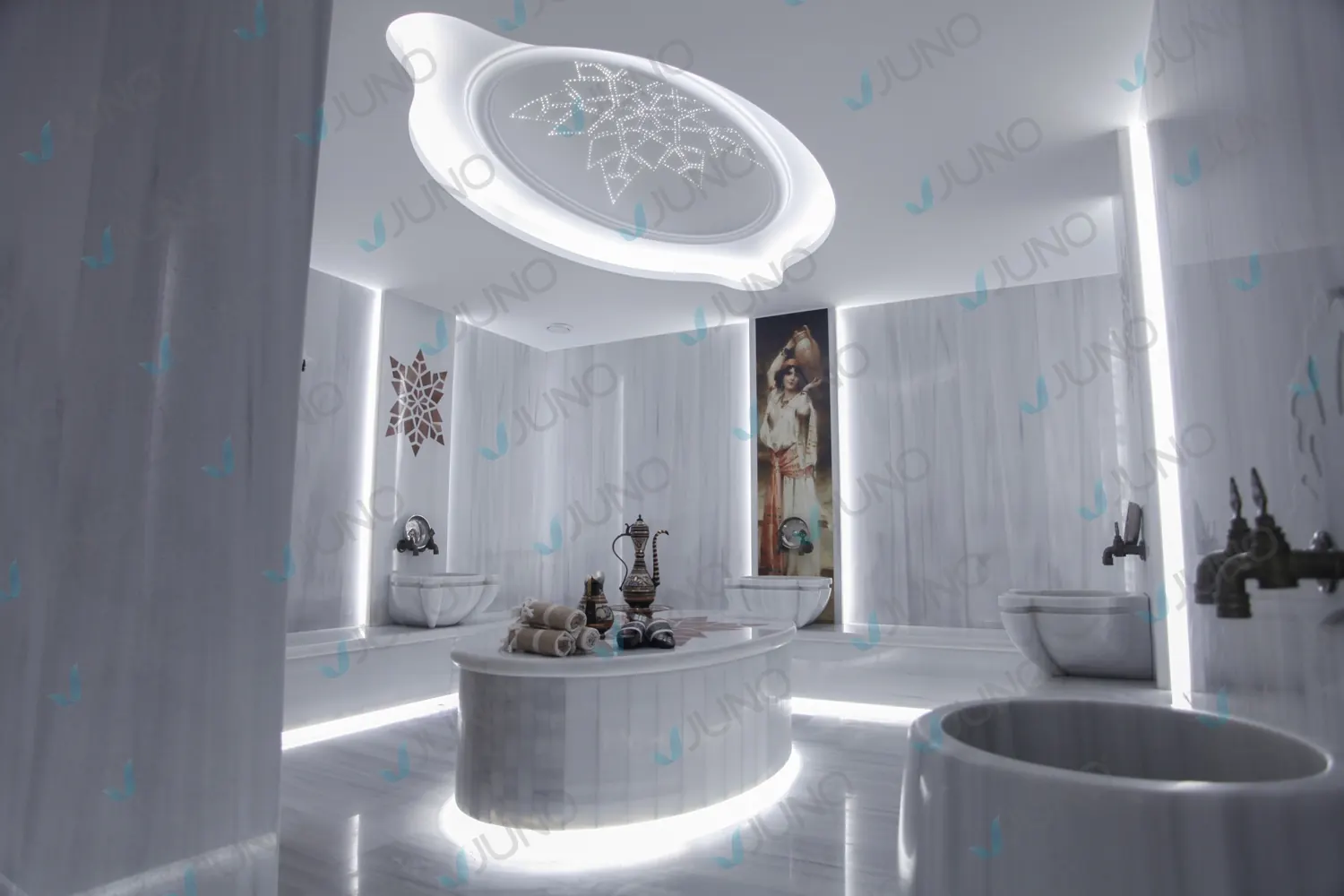
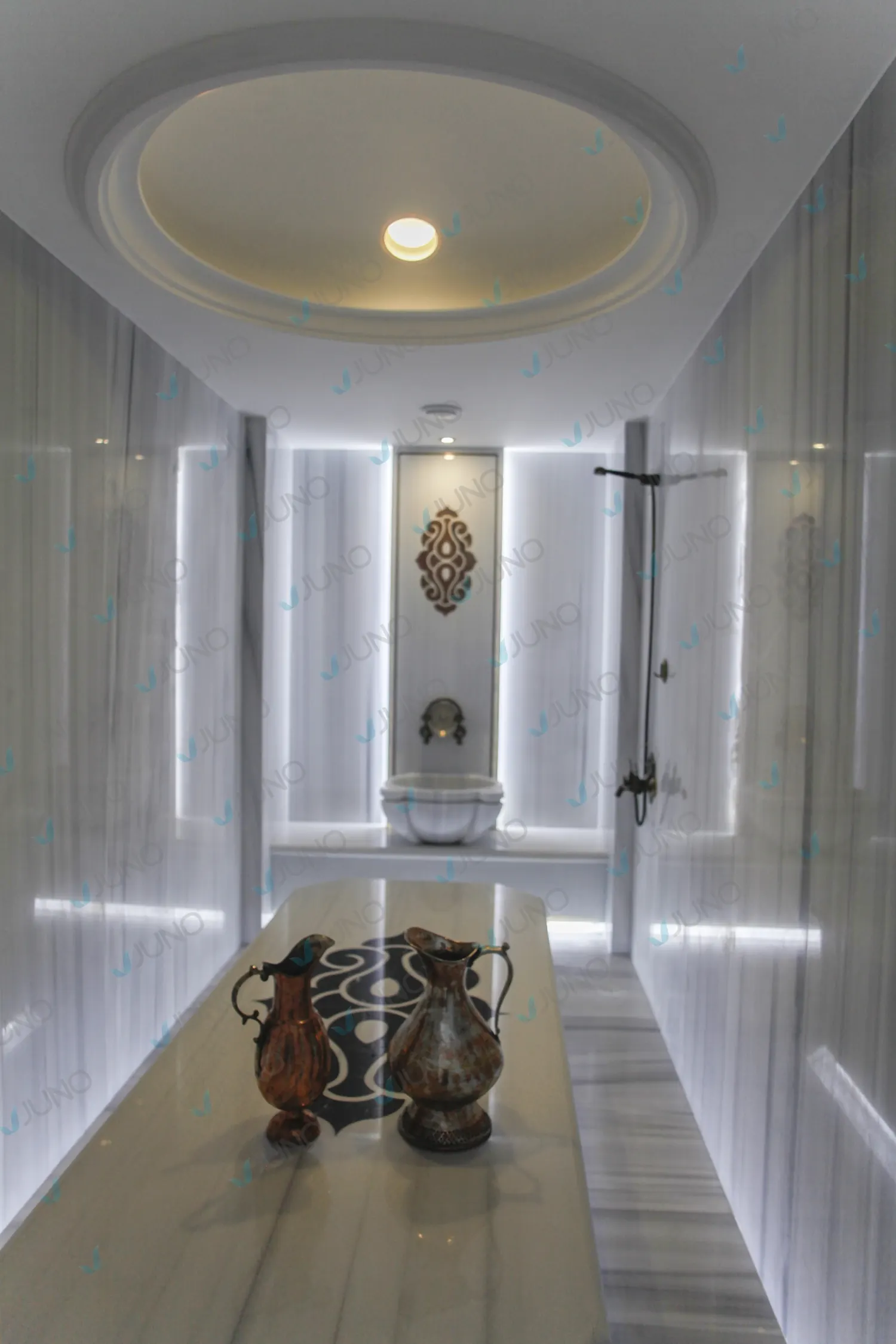
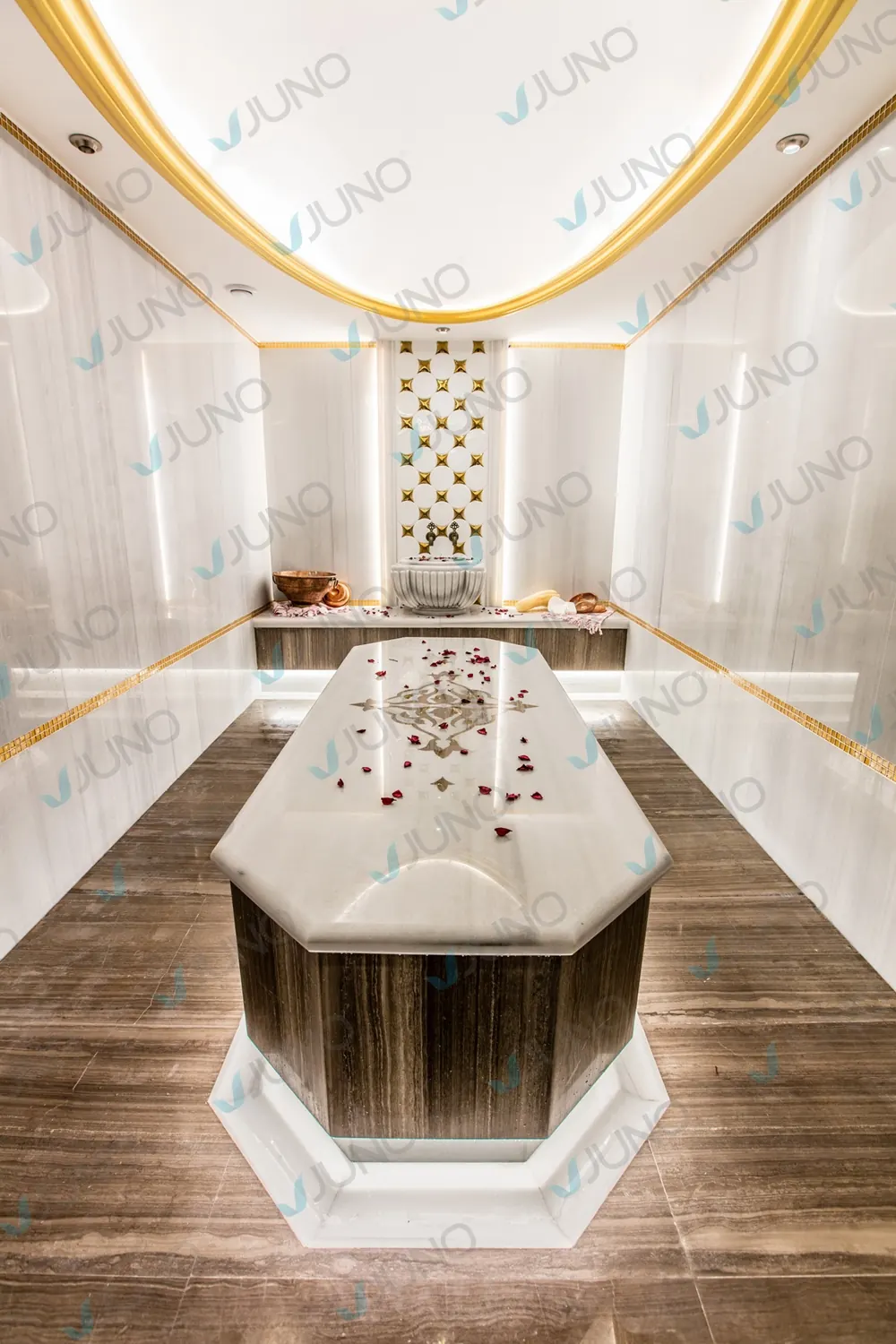
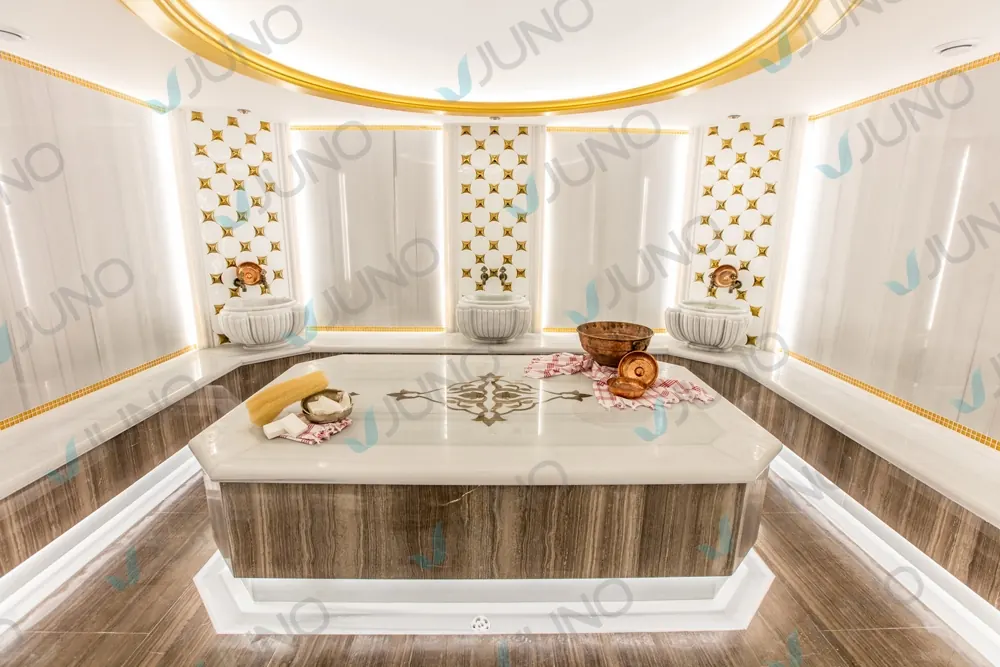
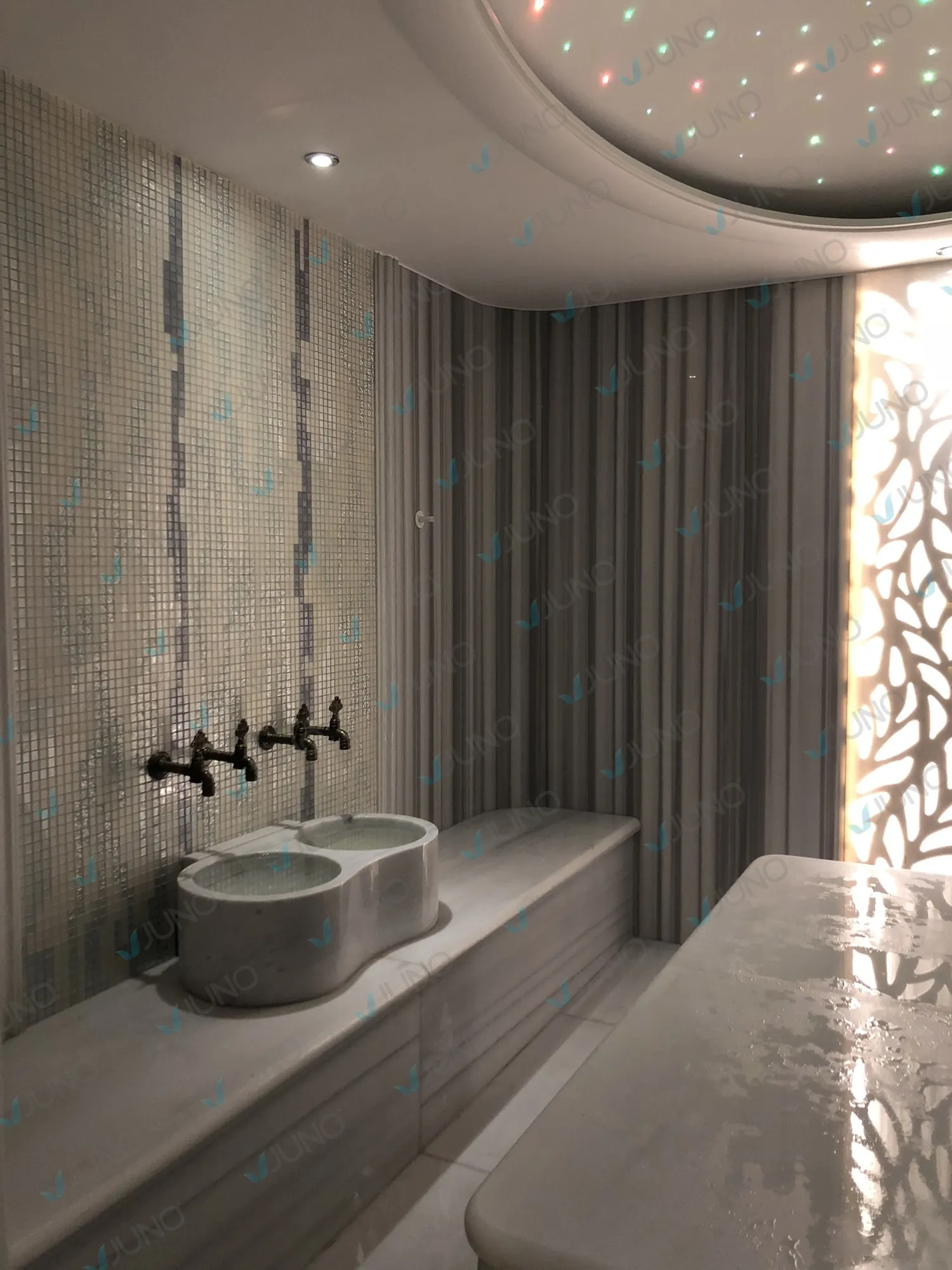
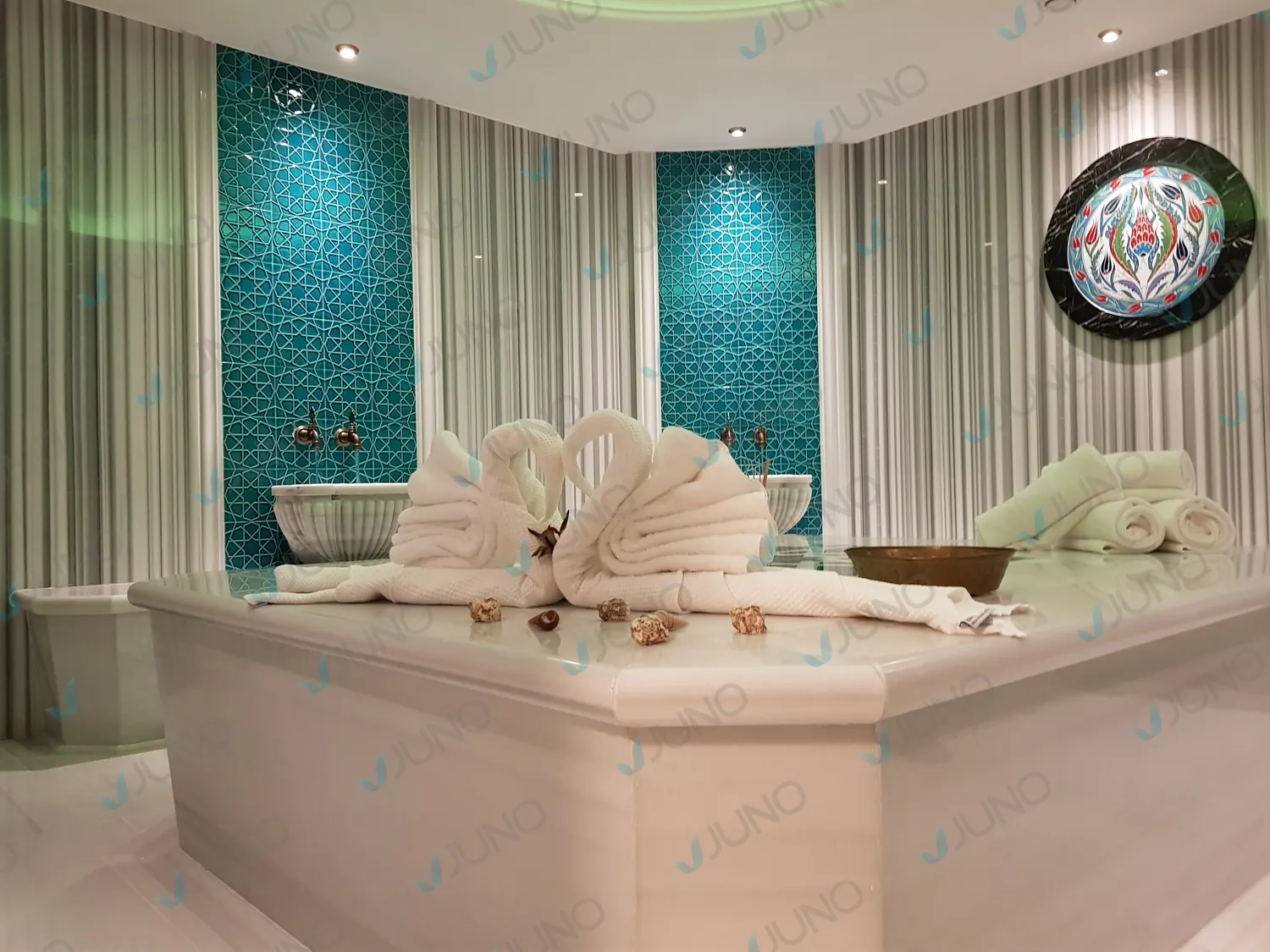
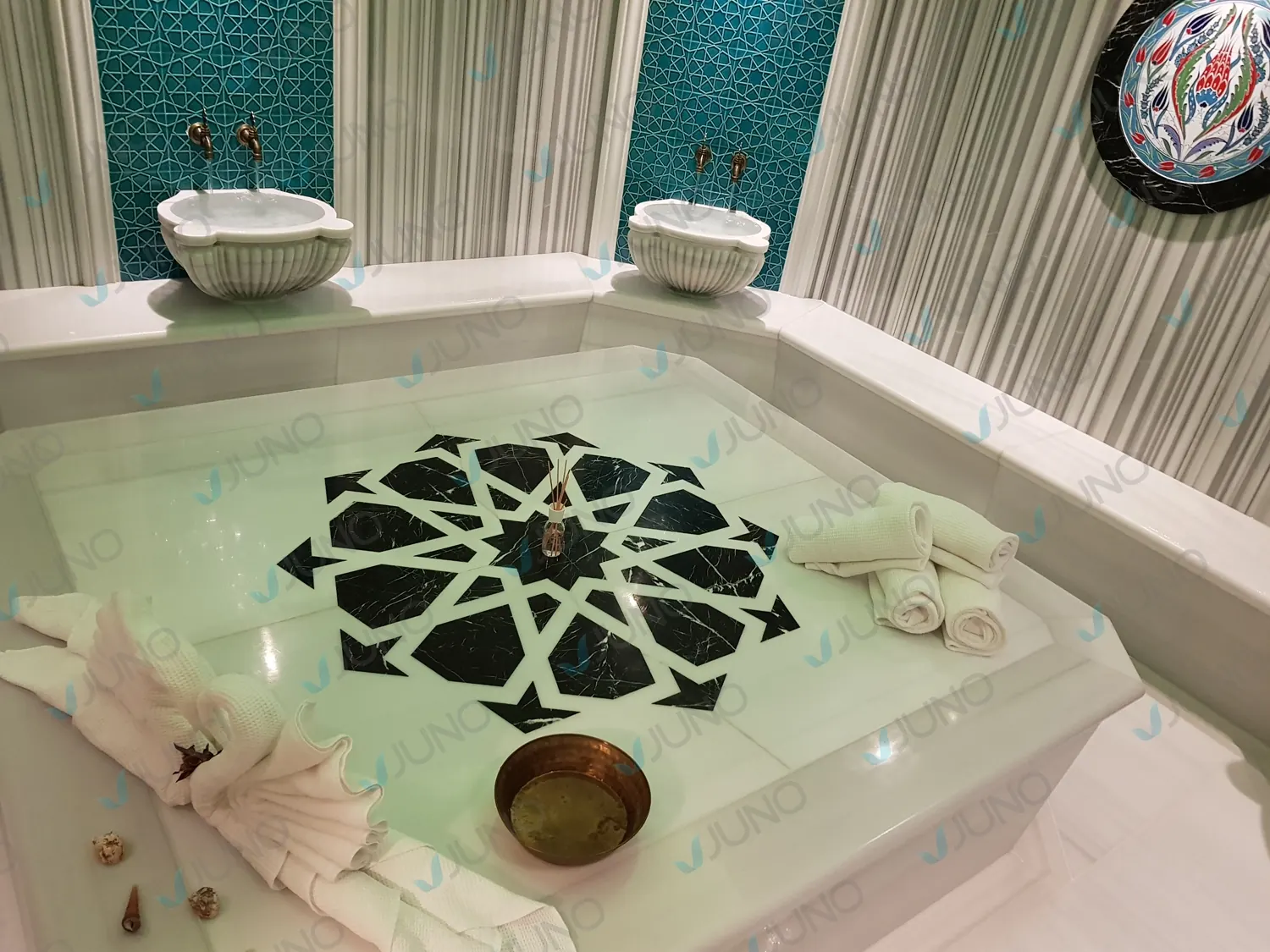
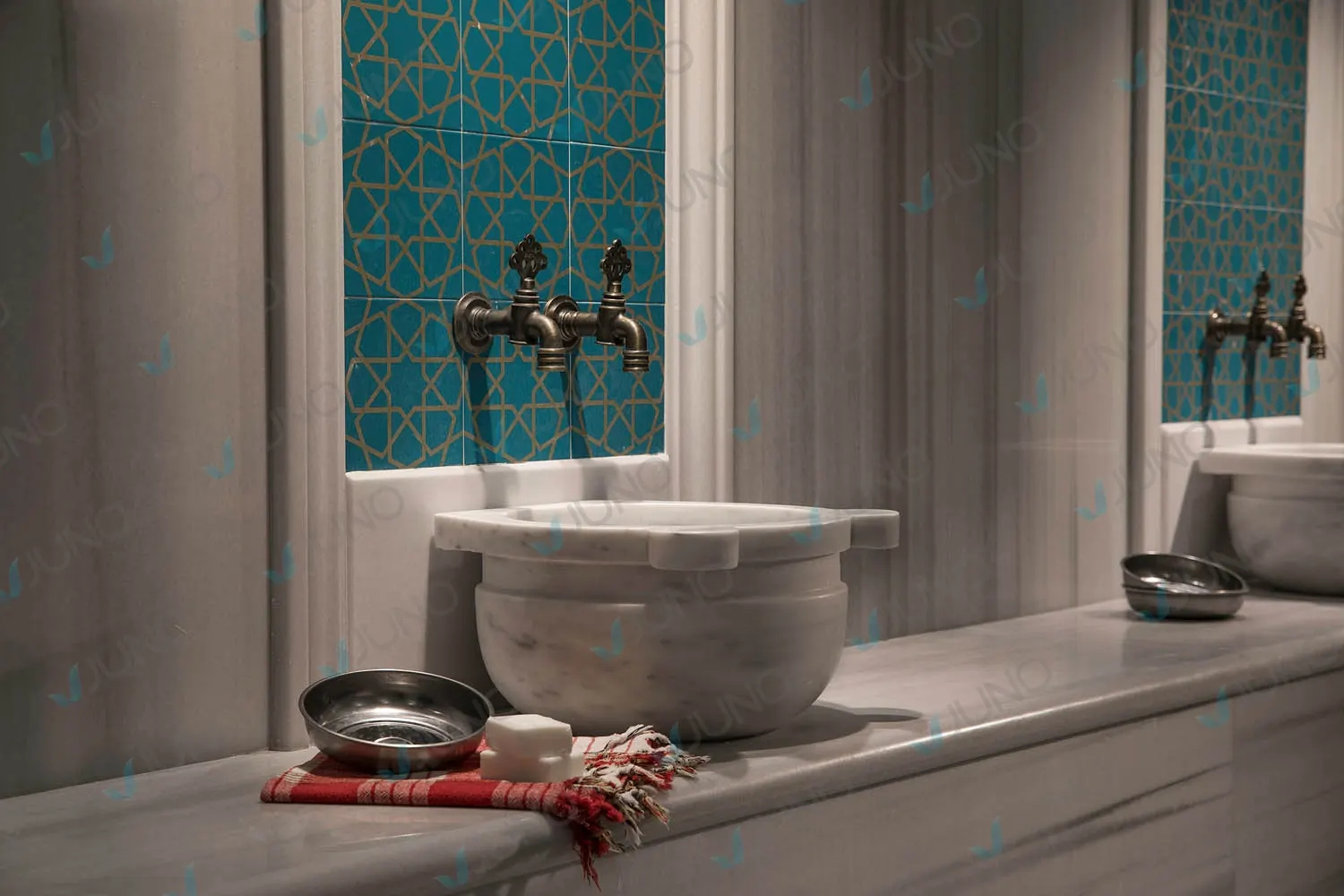
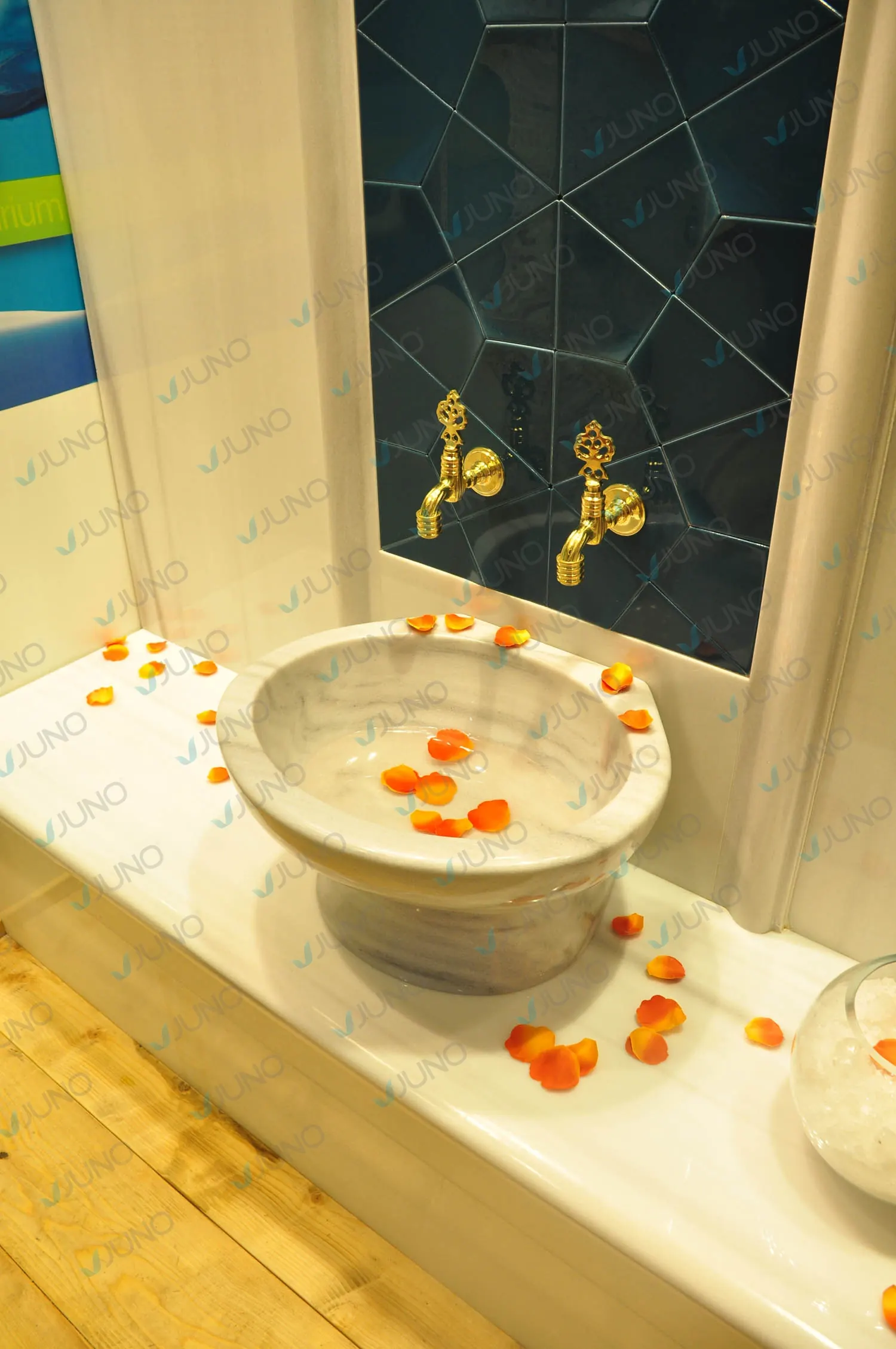
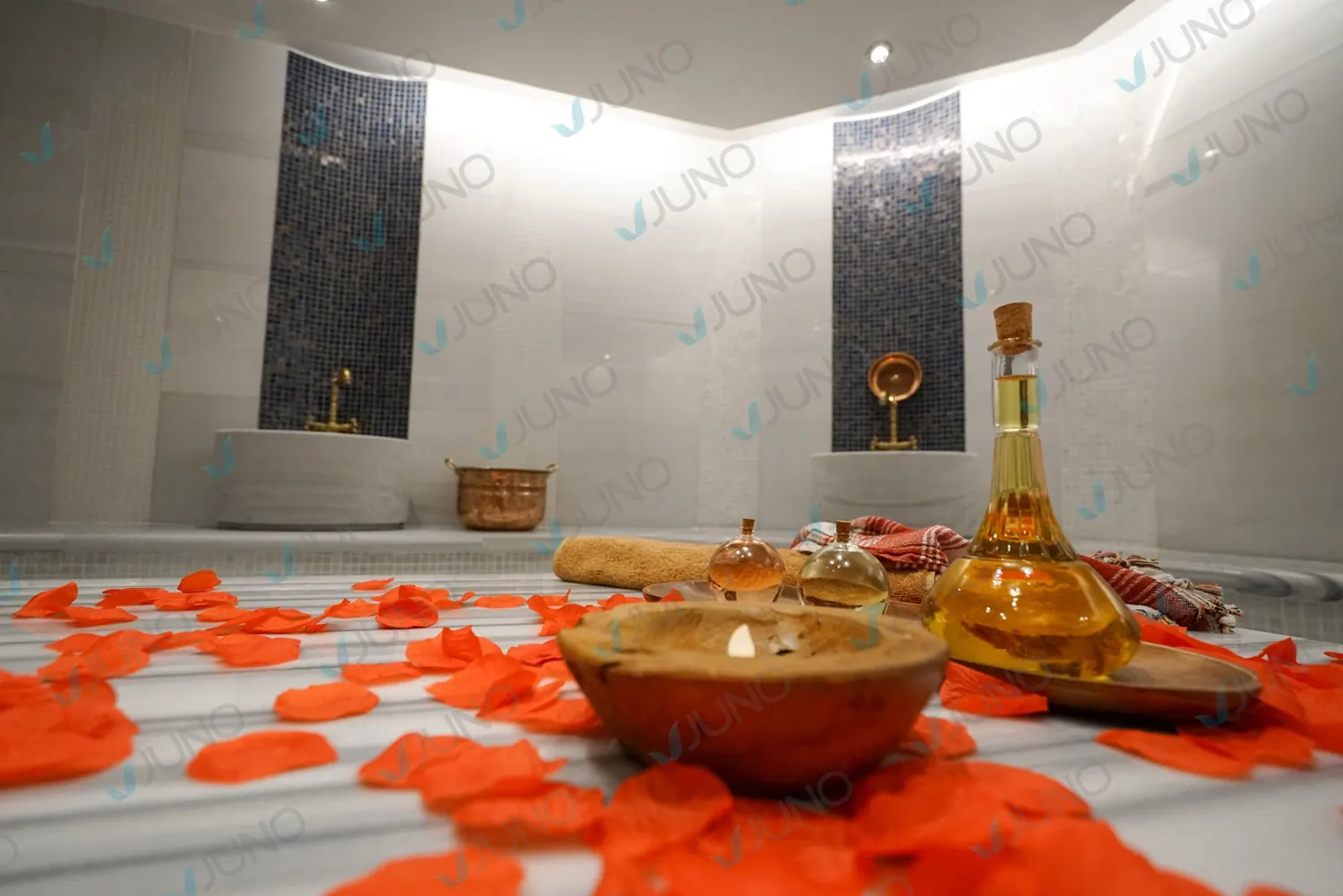
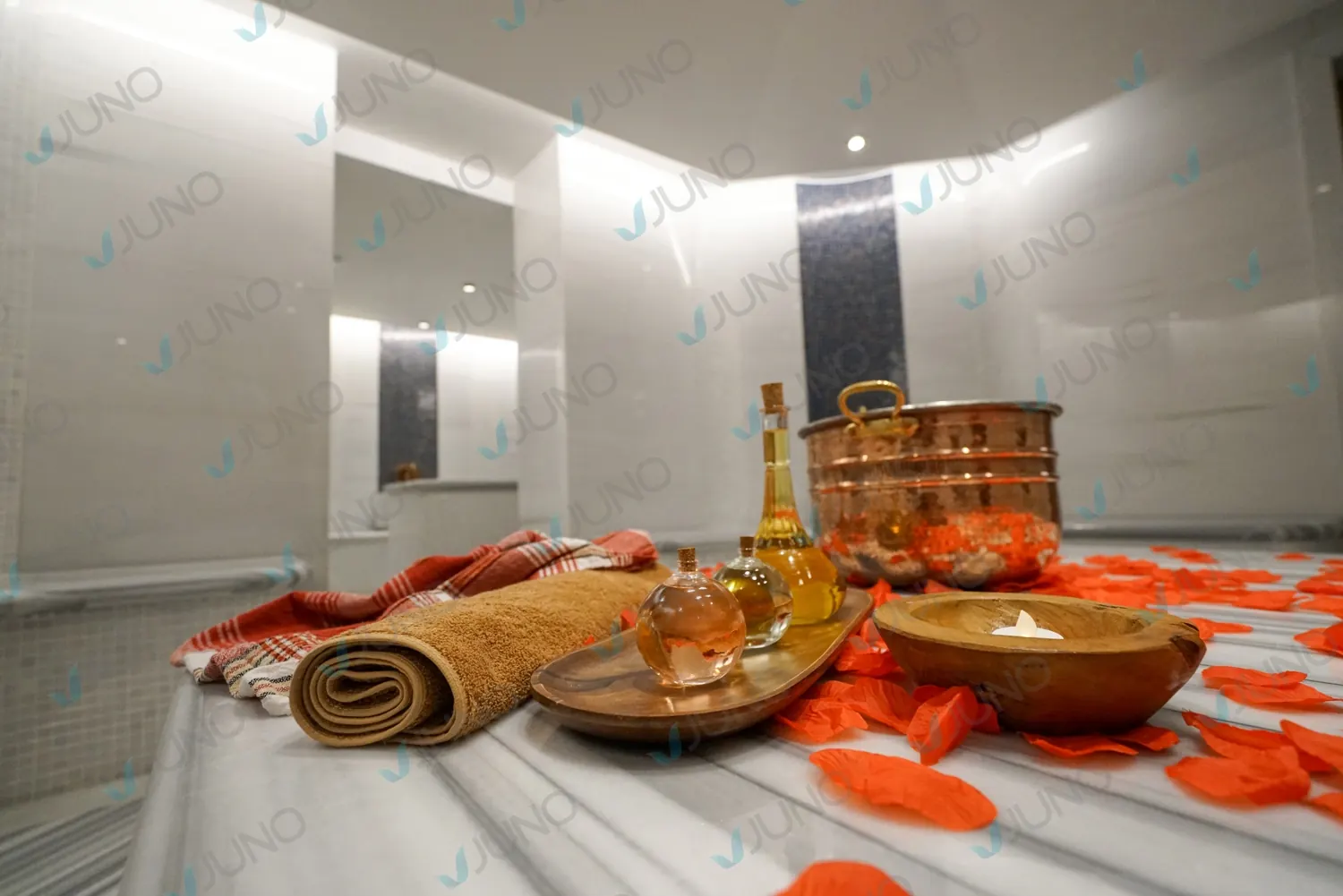
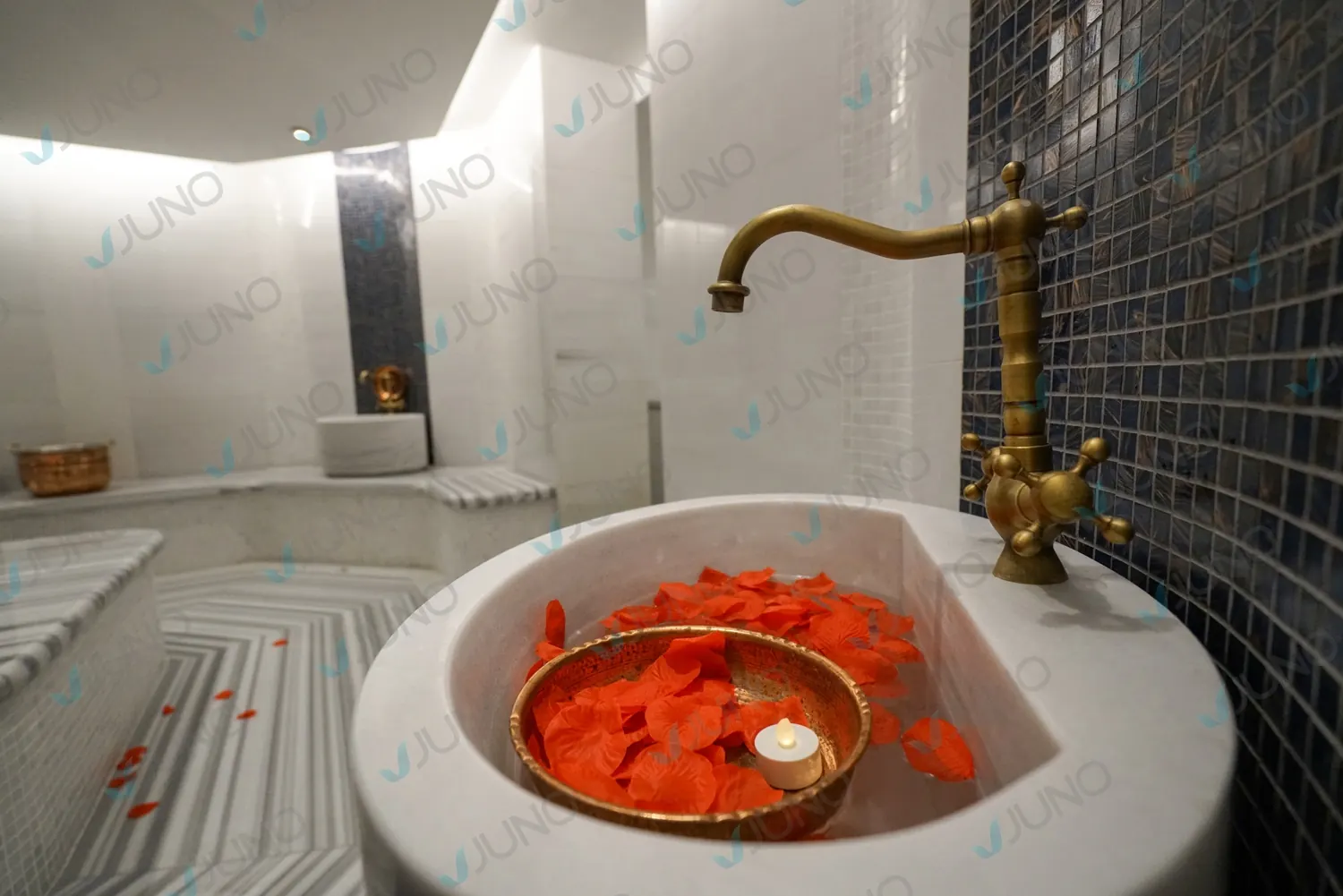
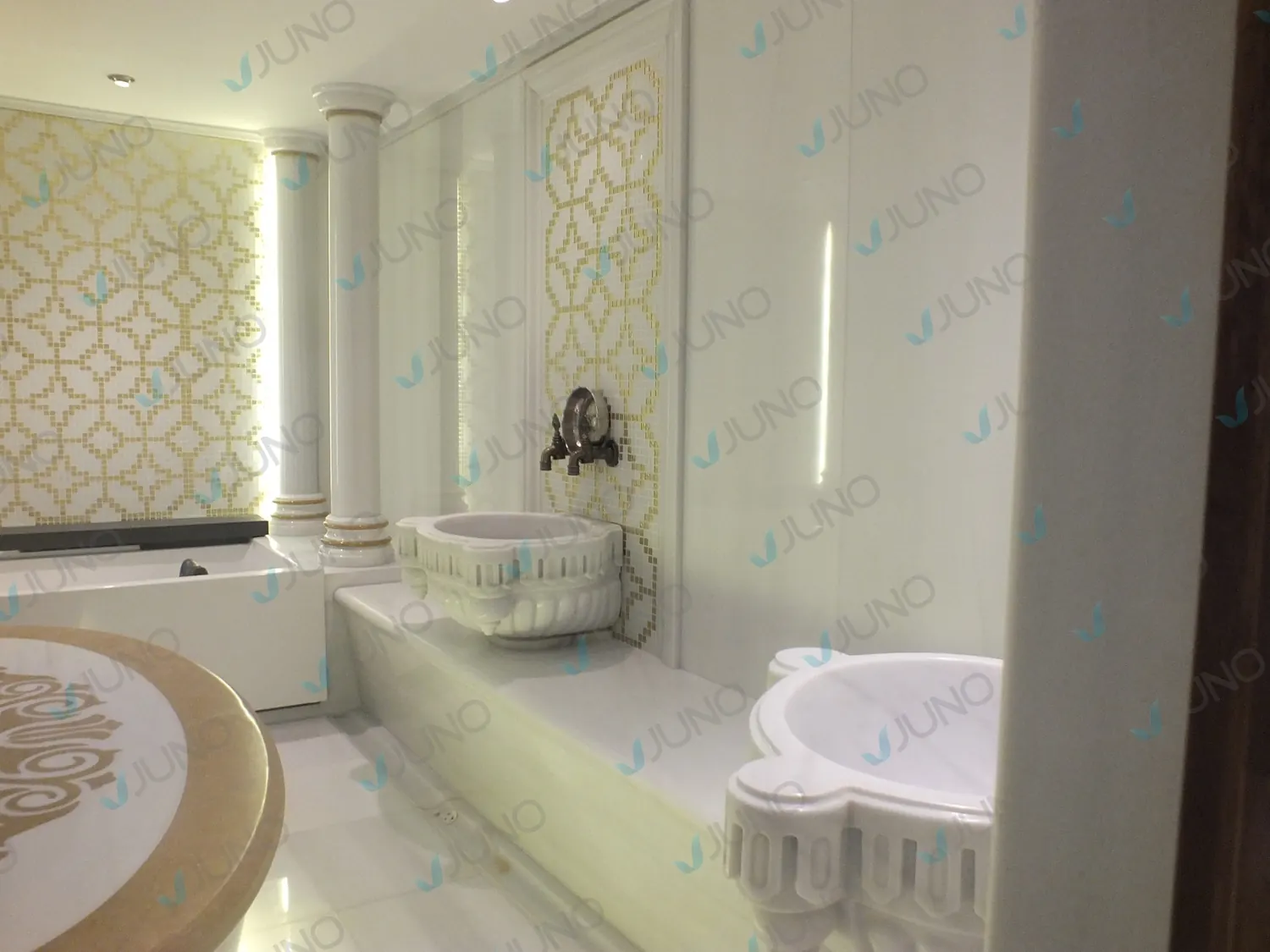
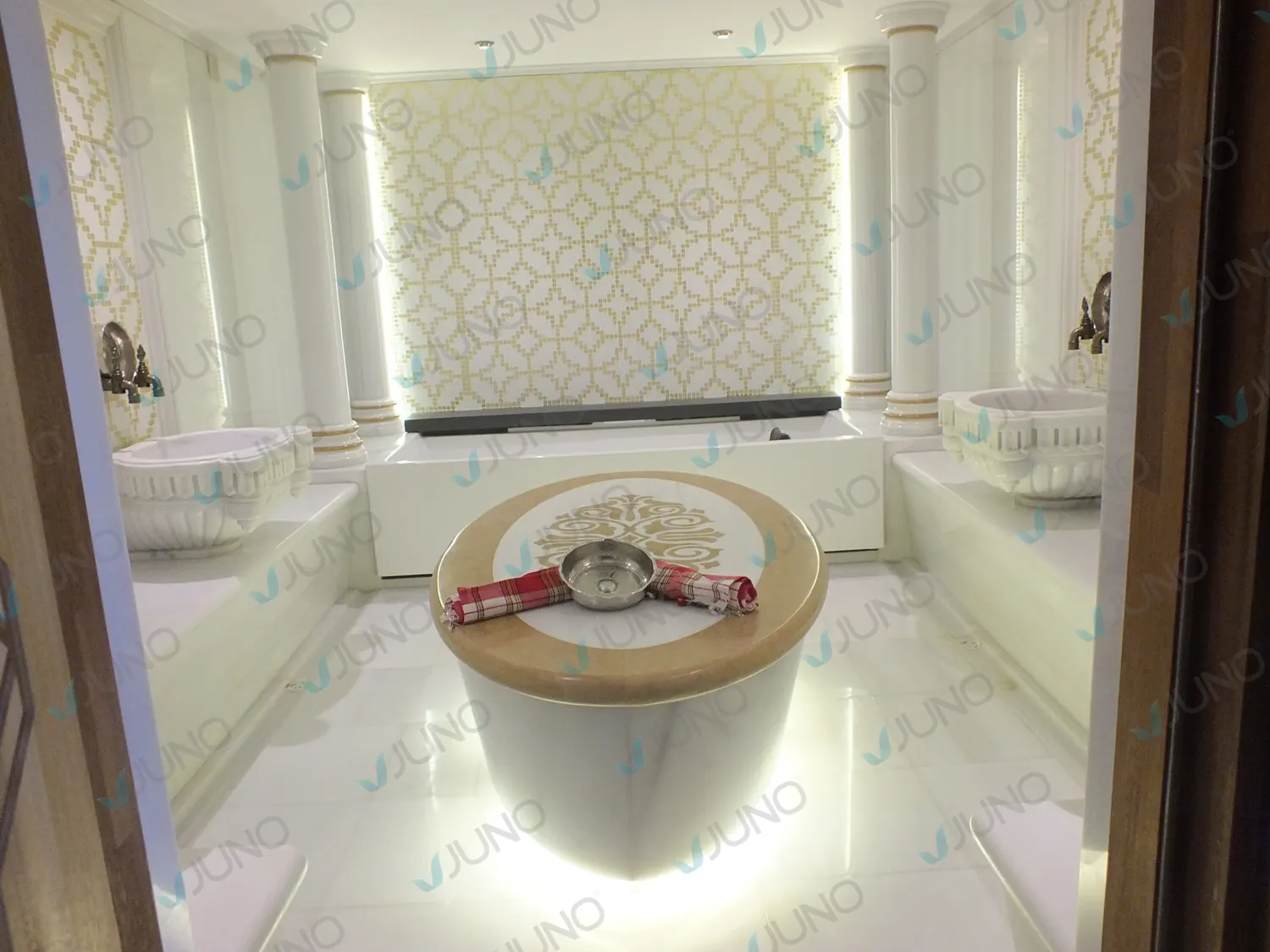
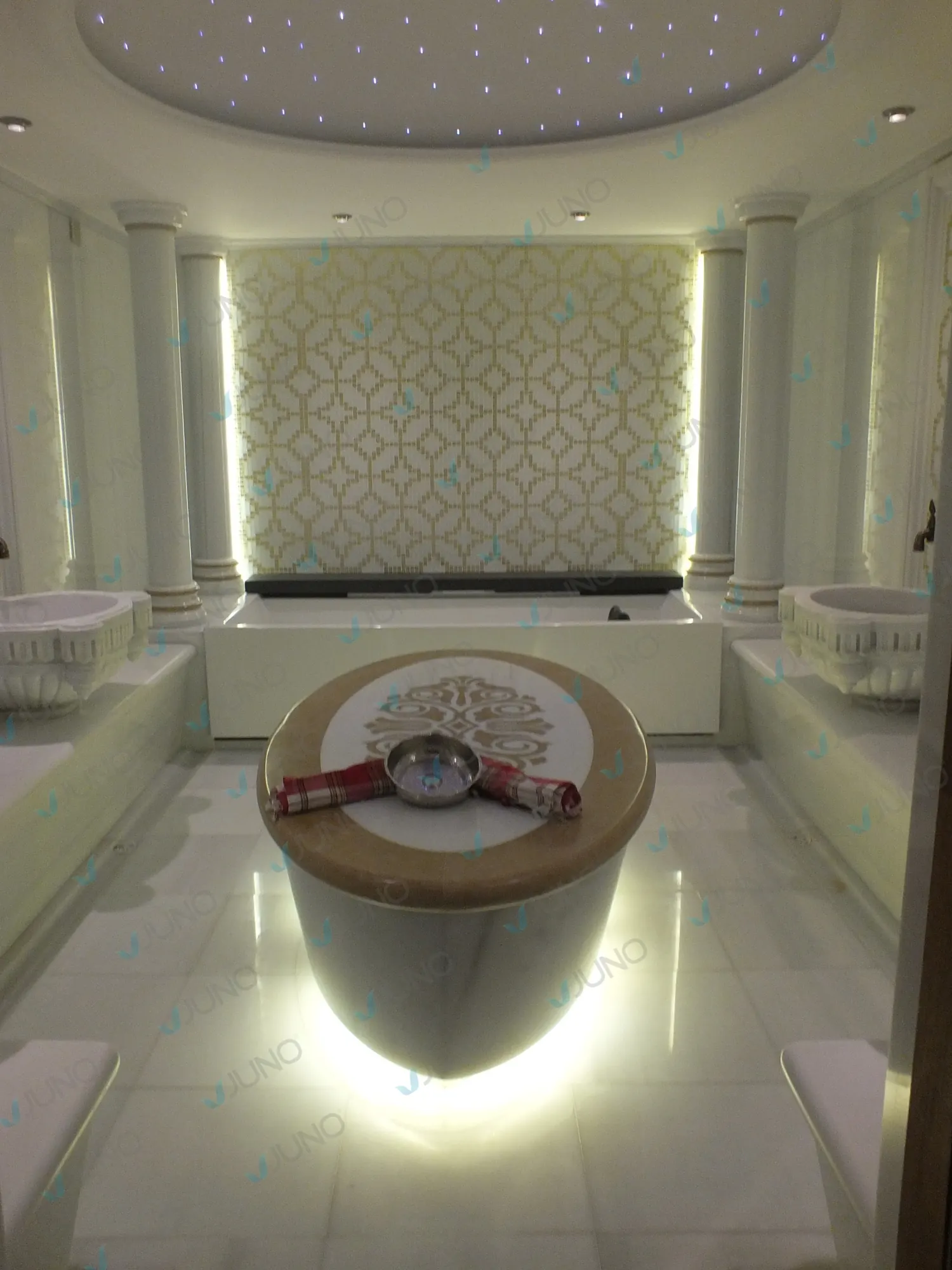
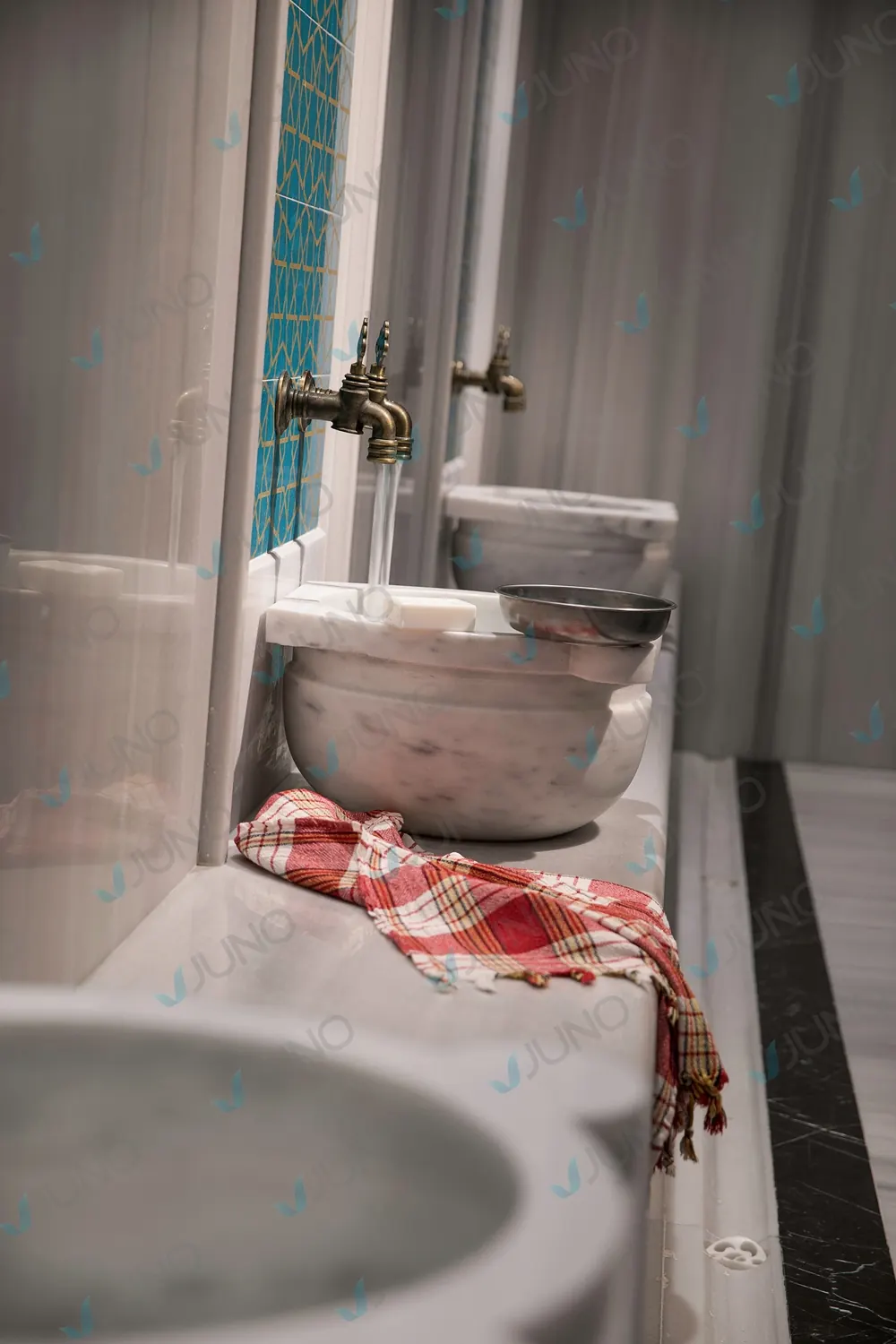
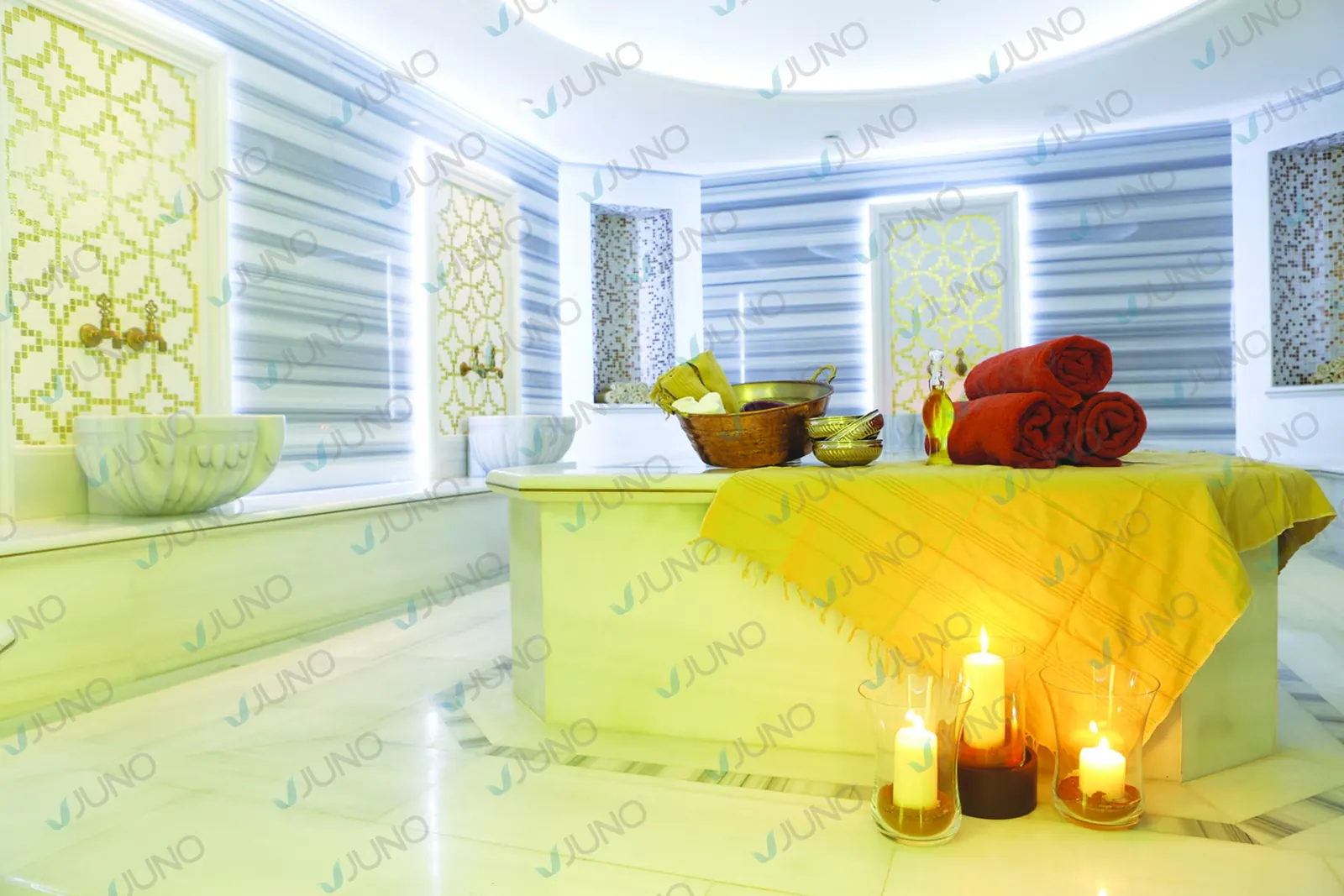
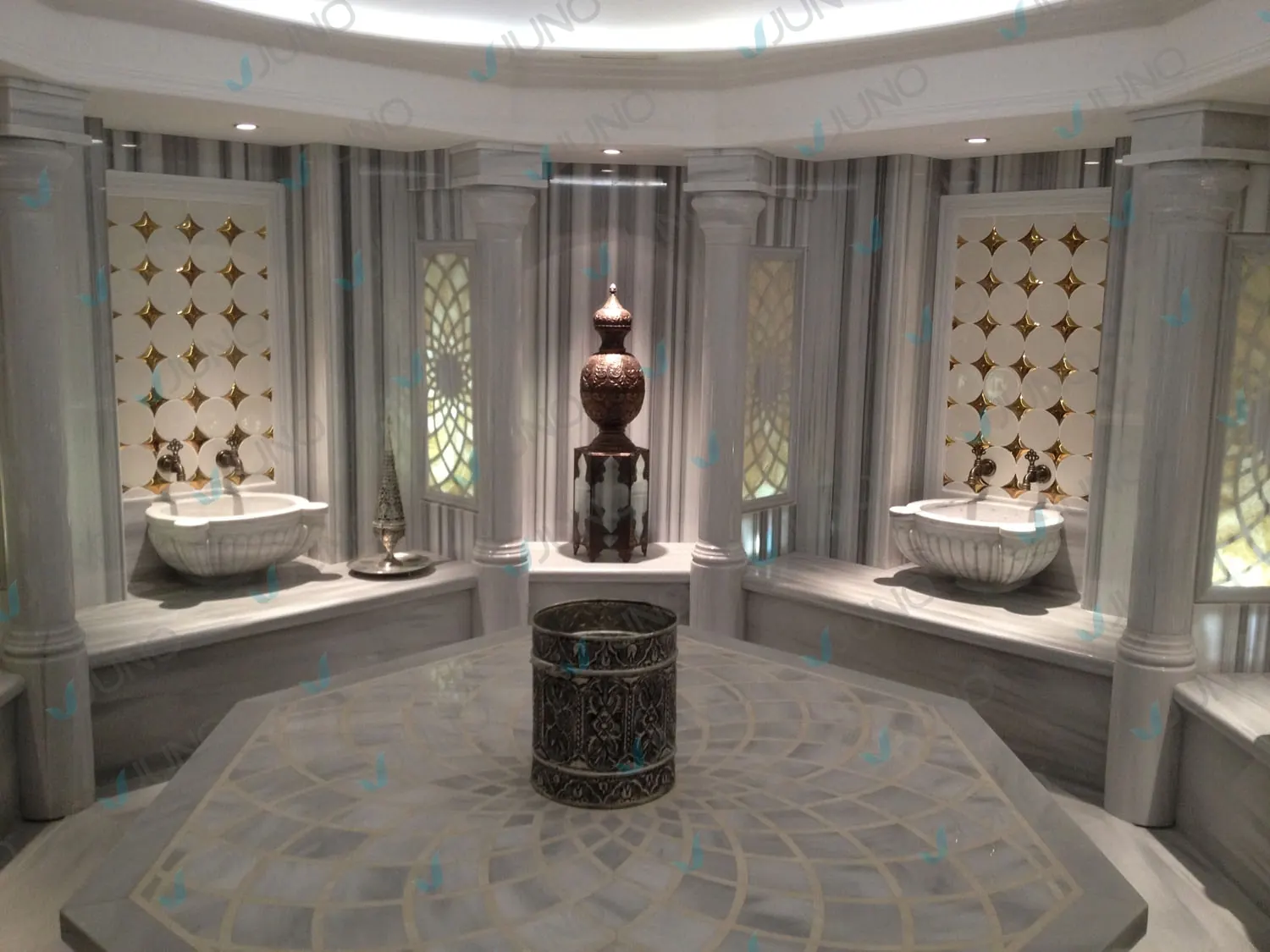
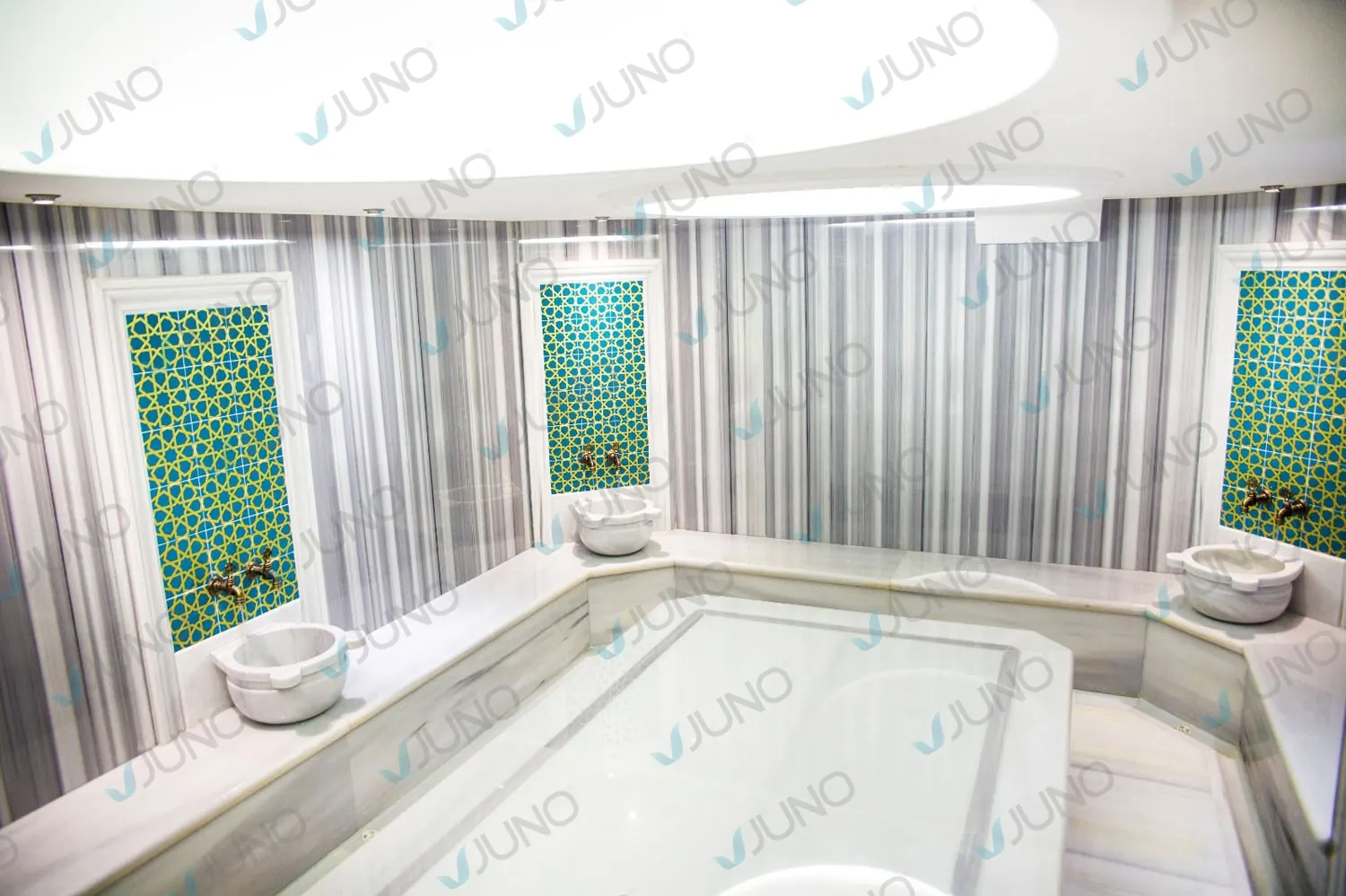
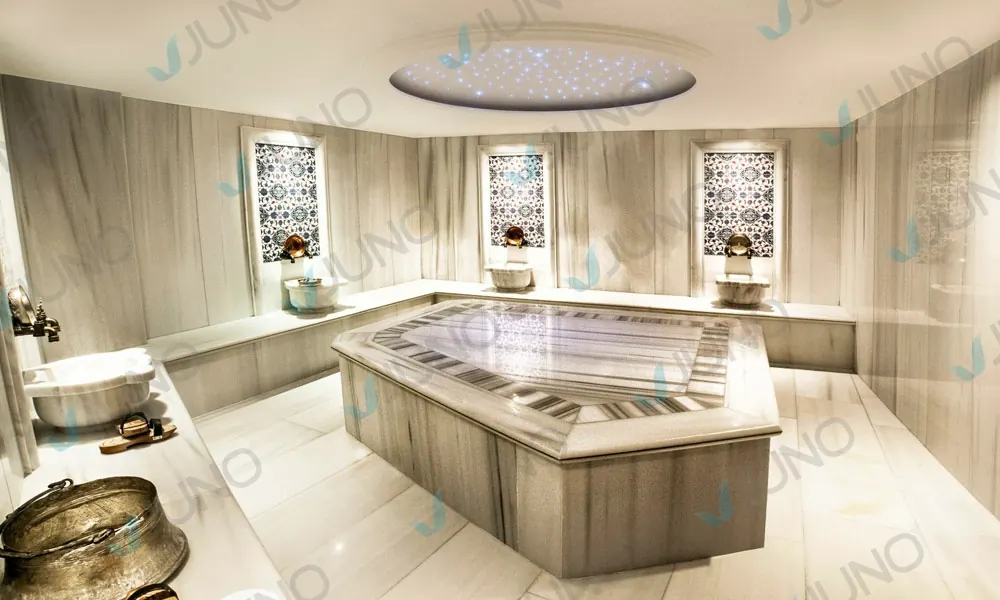
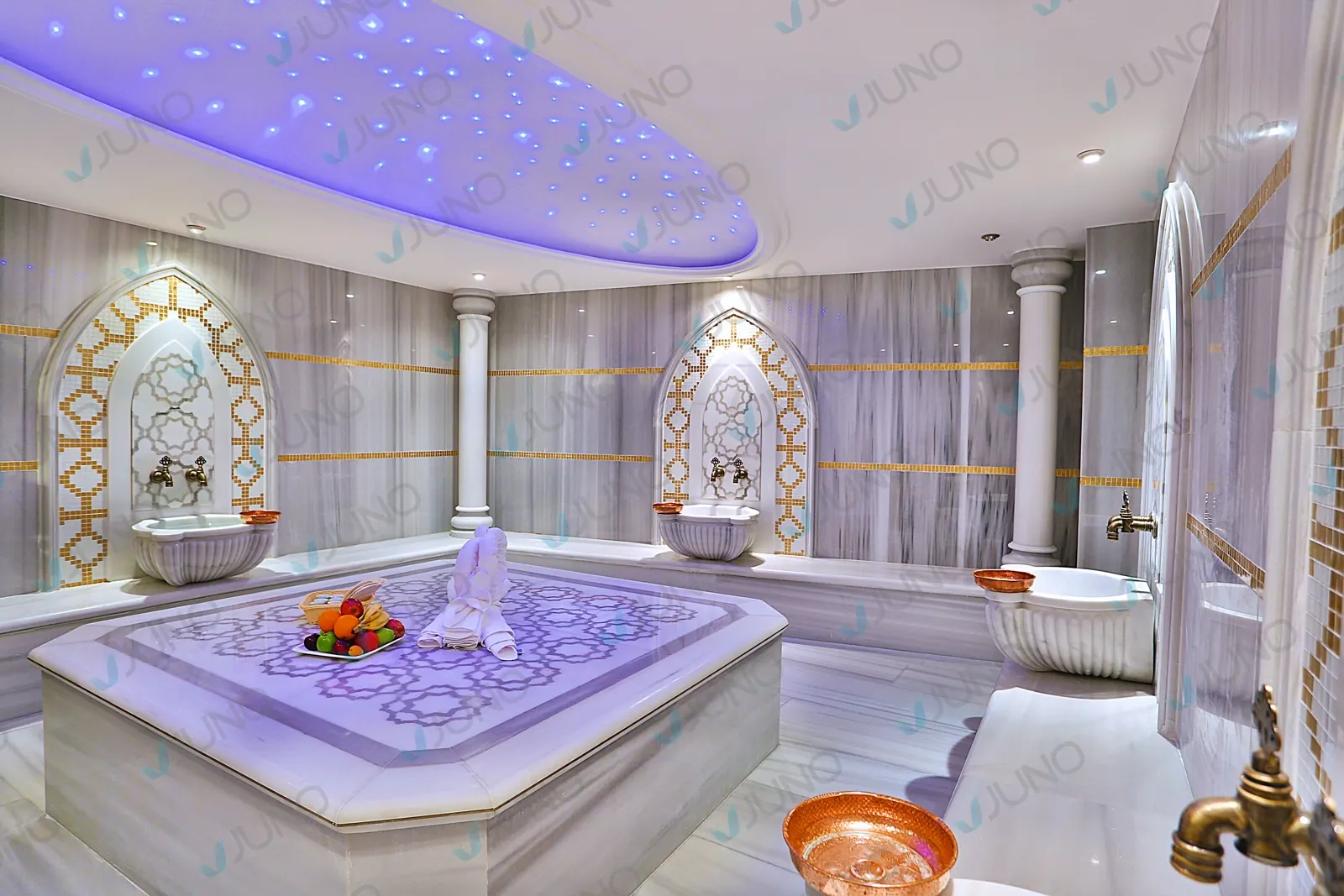
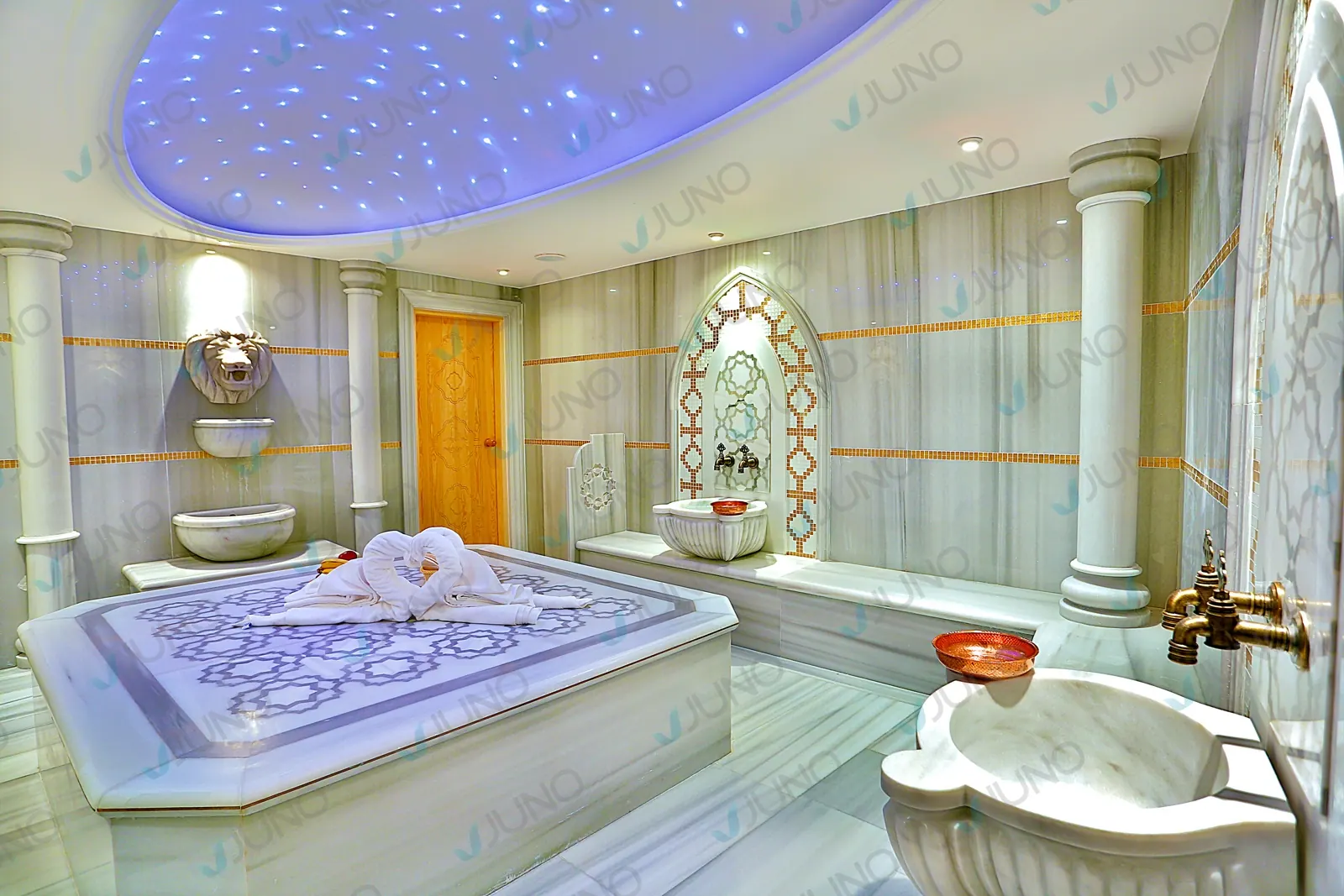
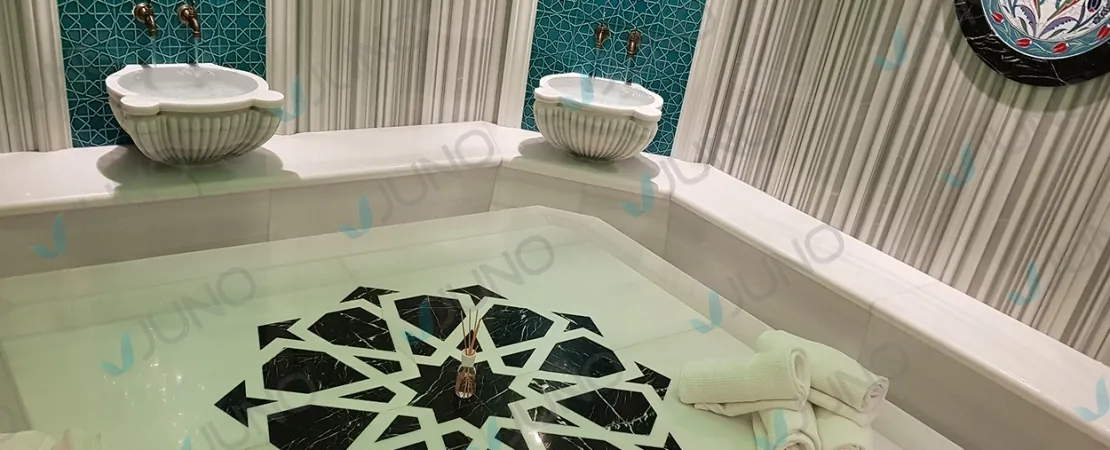
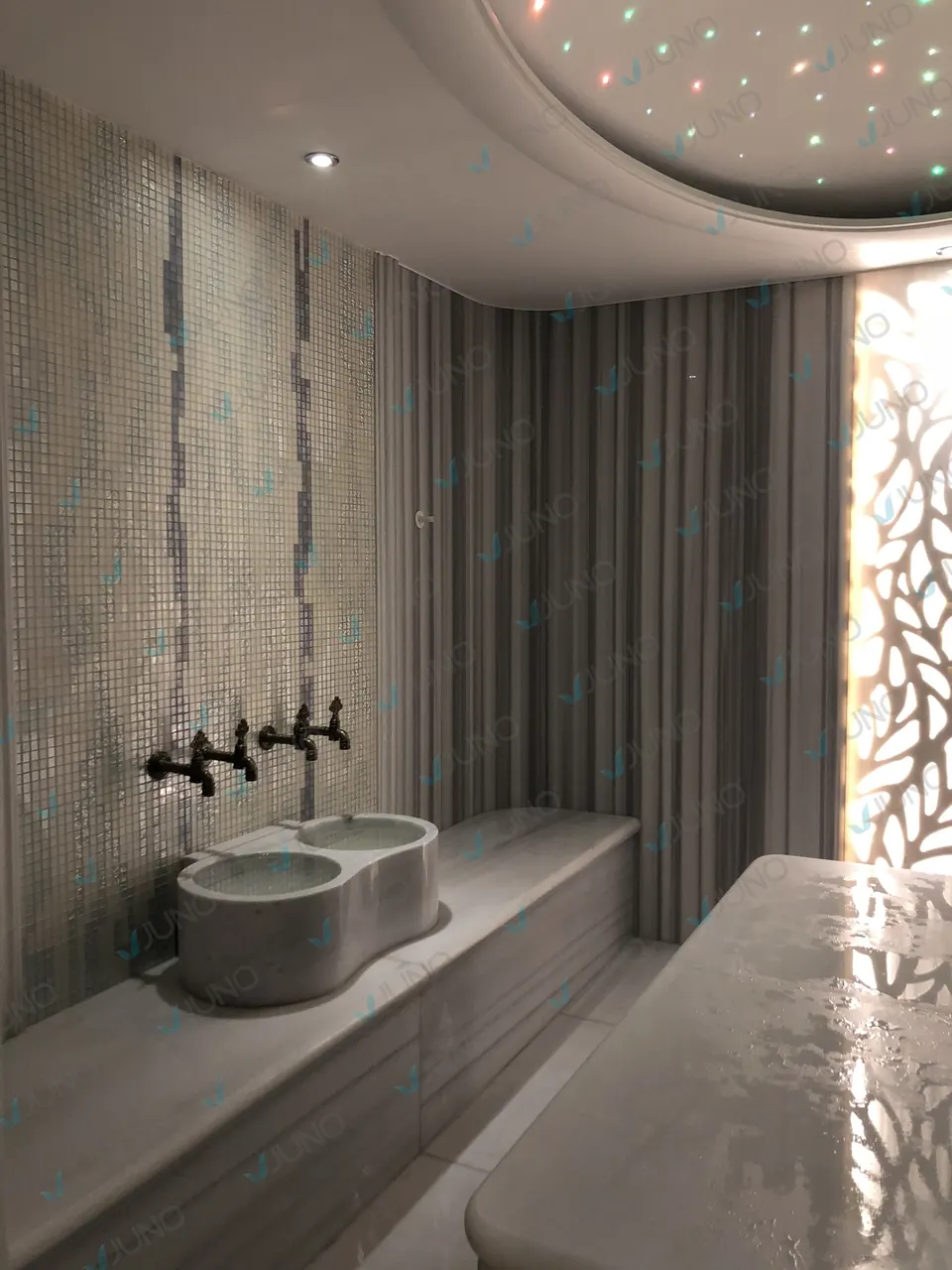
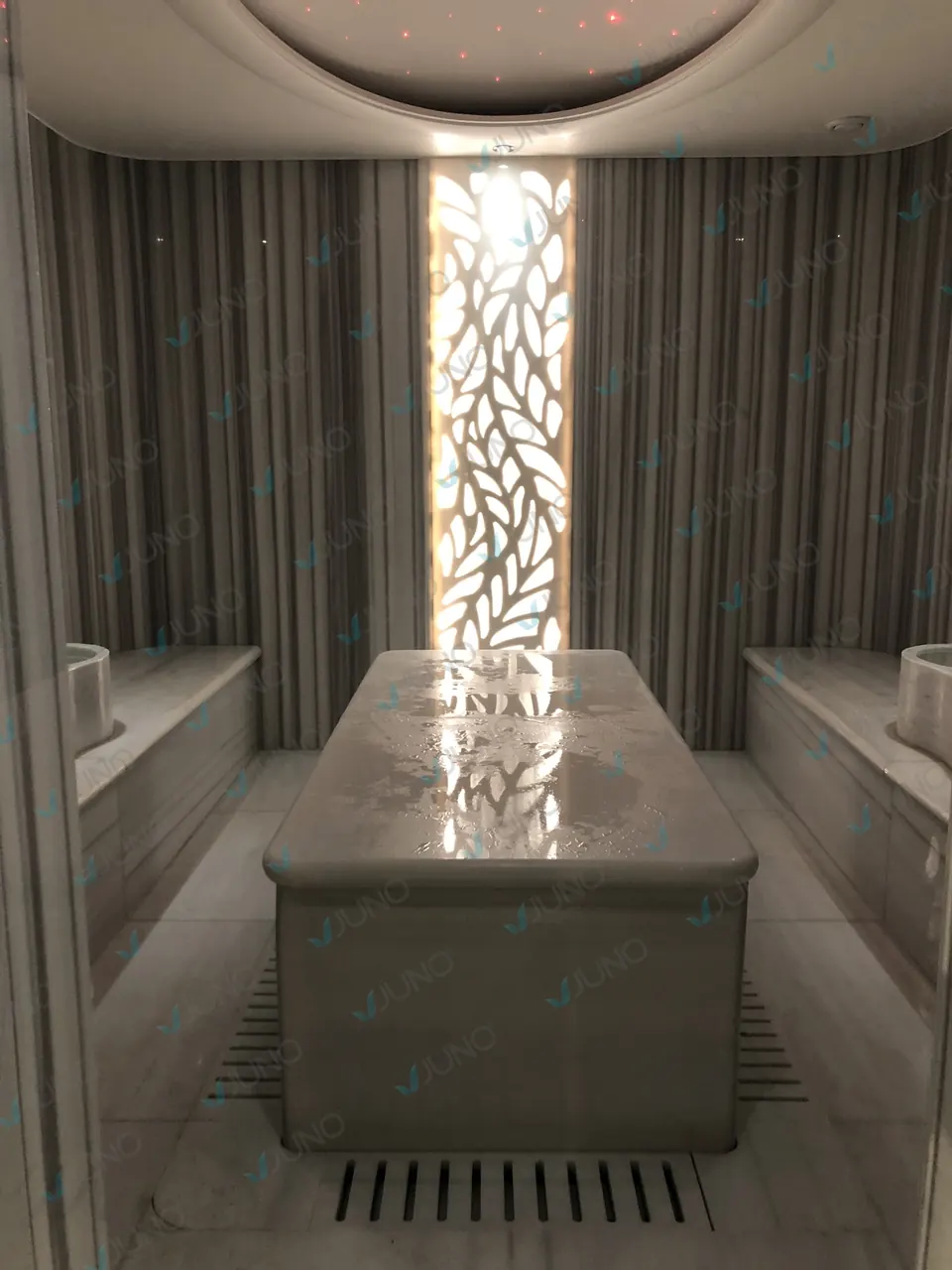
The hot section of a hammam usually has a circular plan and is covered by a high dome. It is generally heated by a large stone hearth known as the göbek taşı (navel stone) or kurna (basin). With its dense steam and heat, this section relaxes the body and provides an ideal environment for cleansing.
Aesthetic Elements
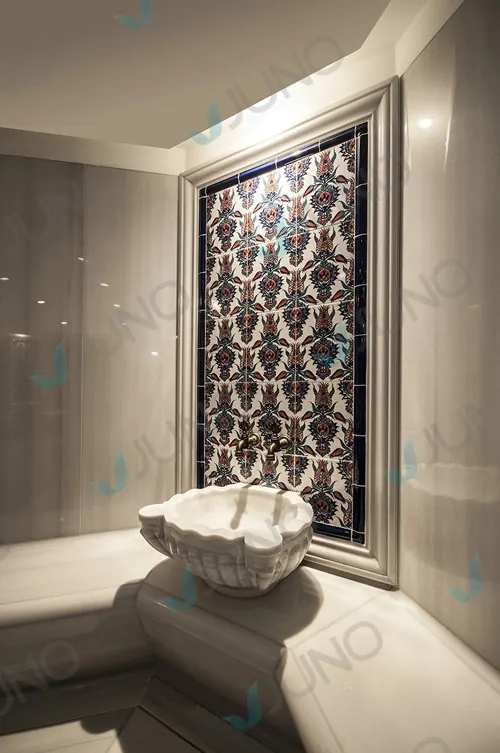
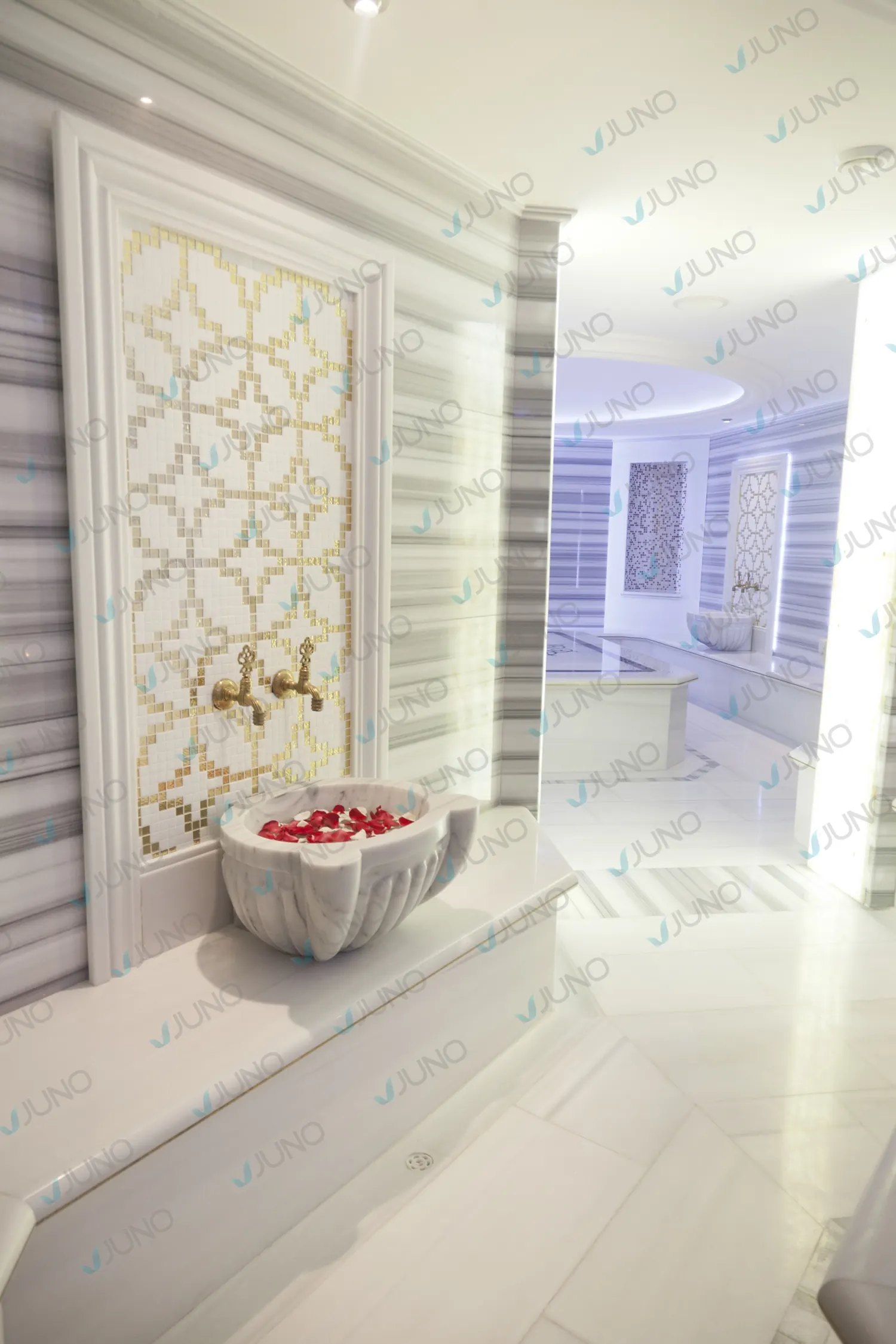
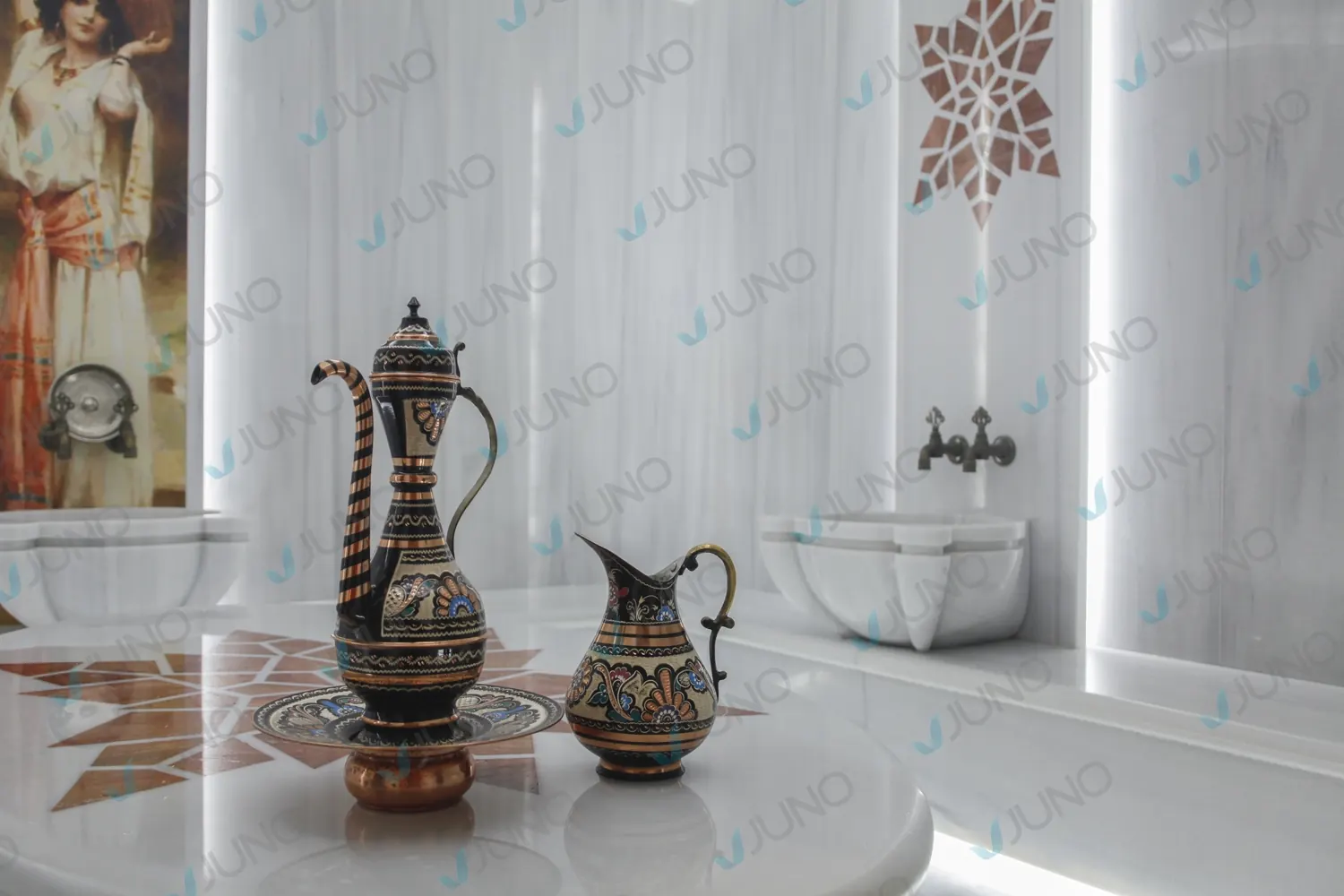
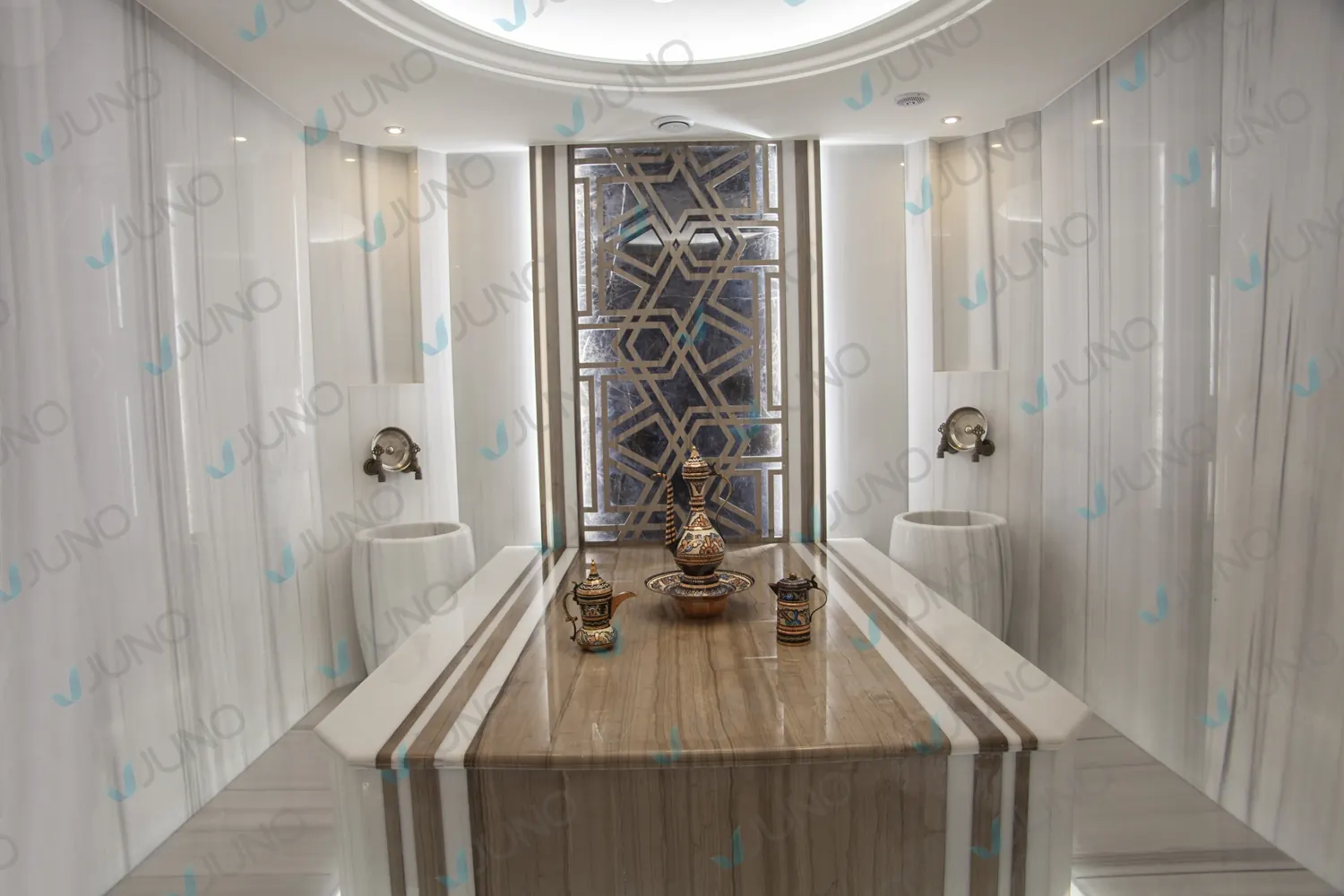
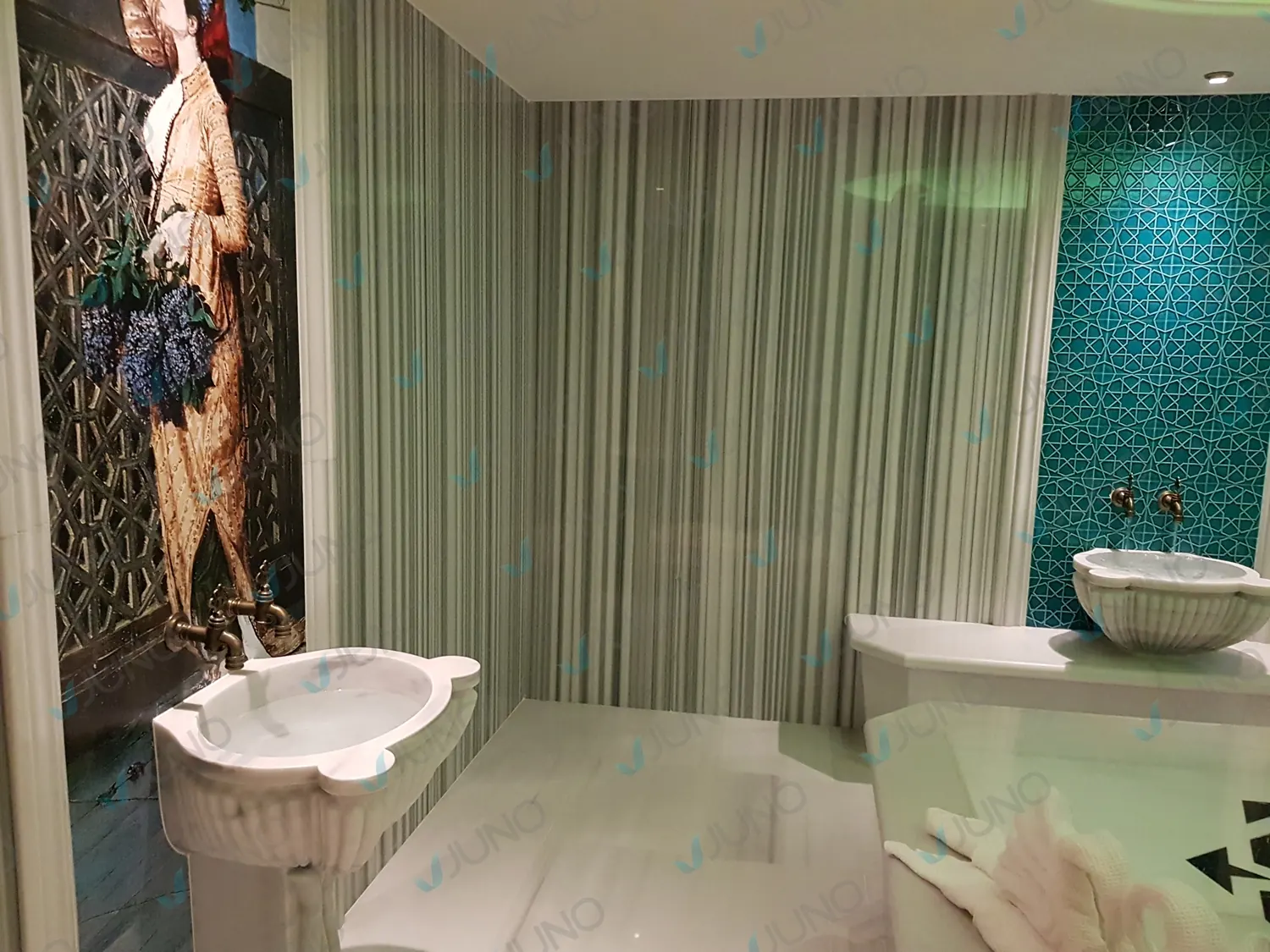
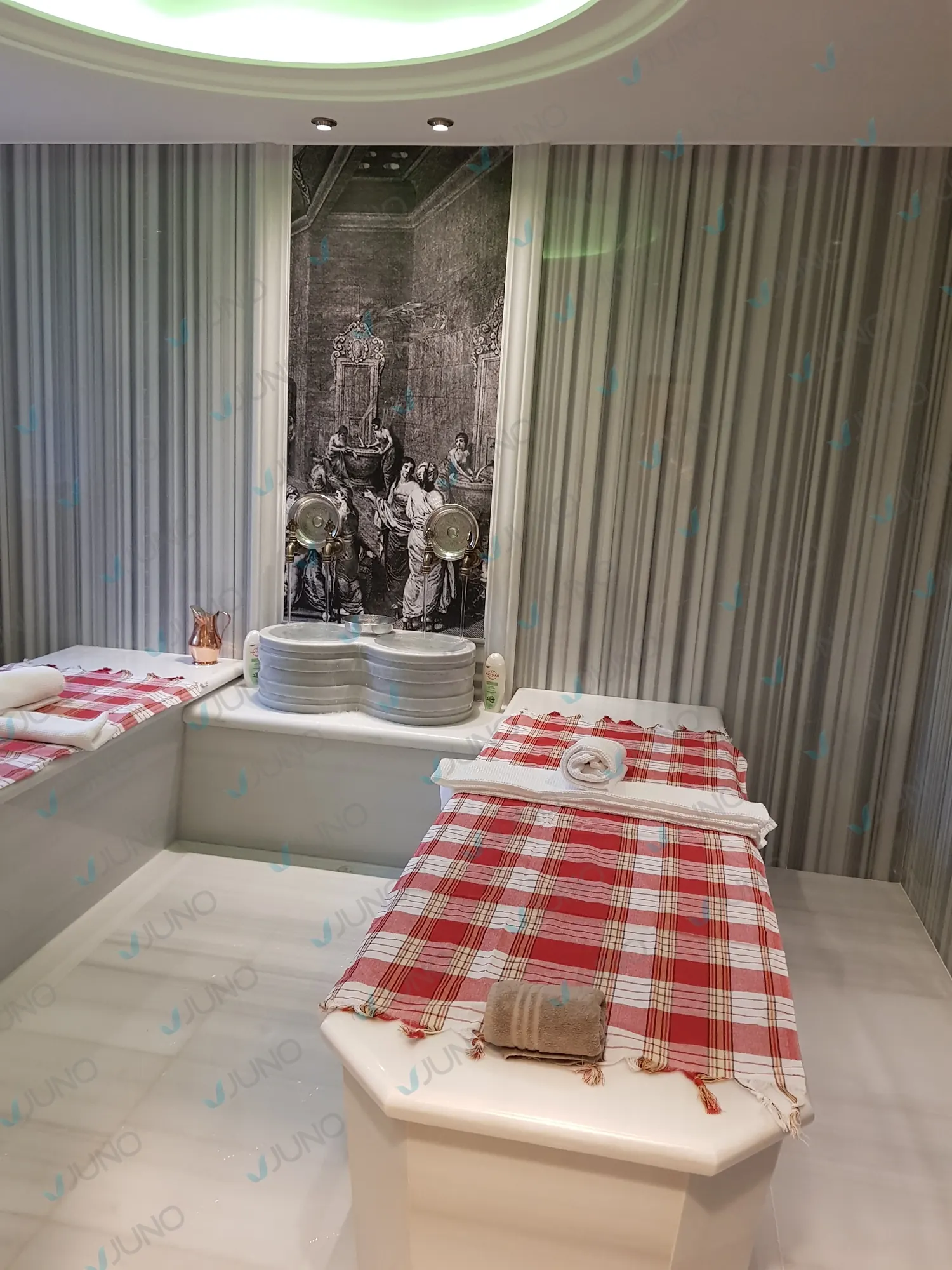
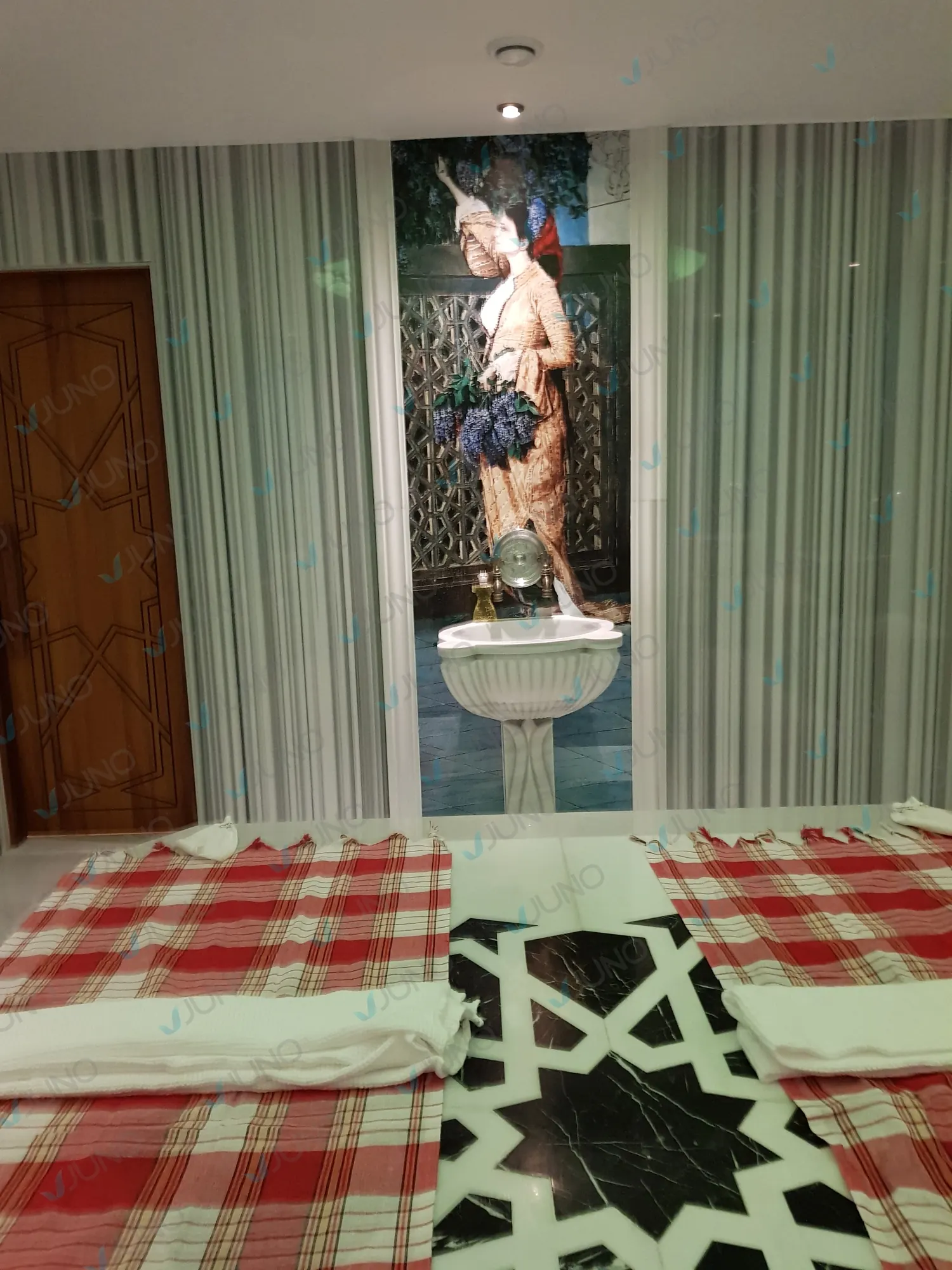
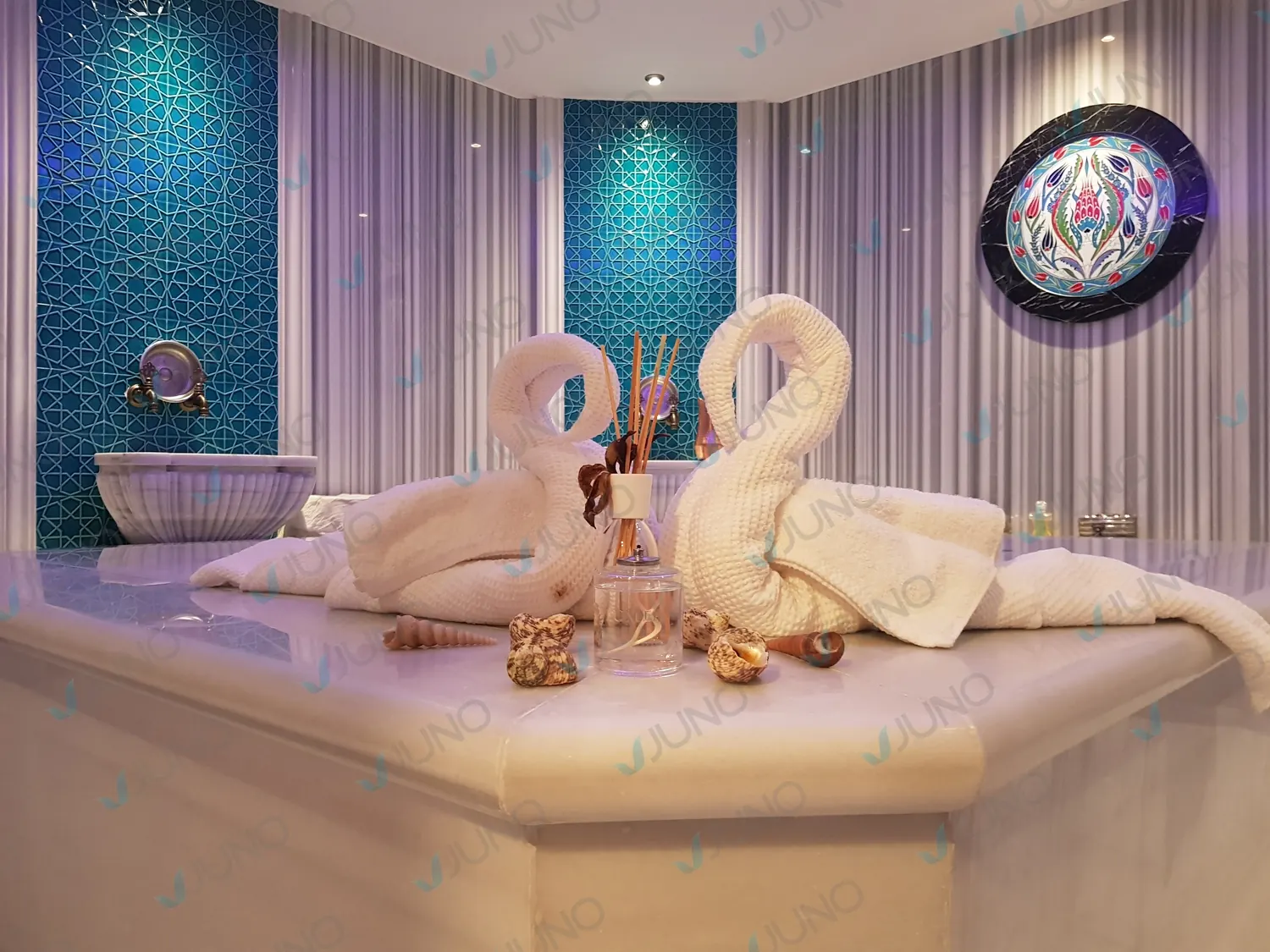
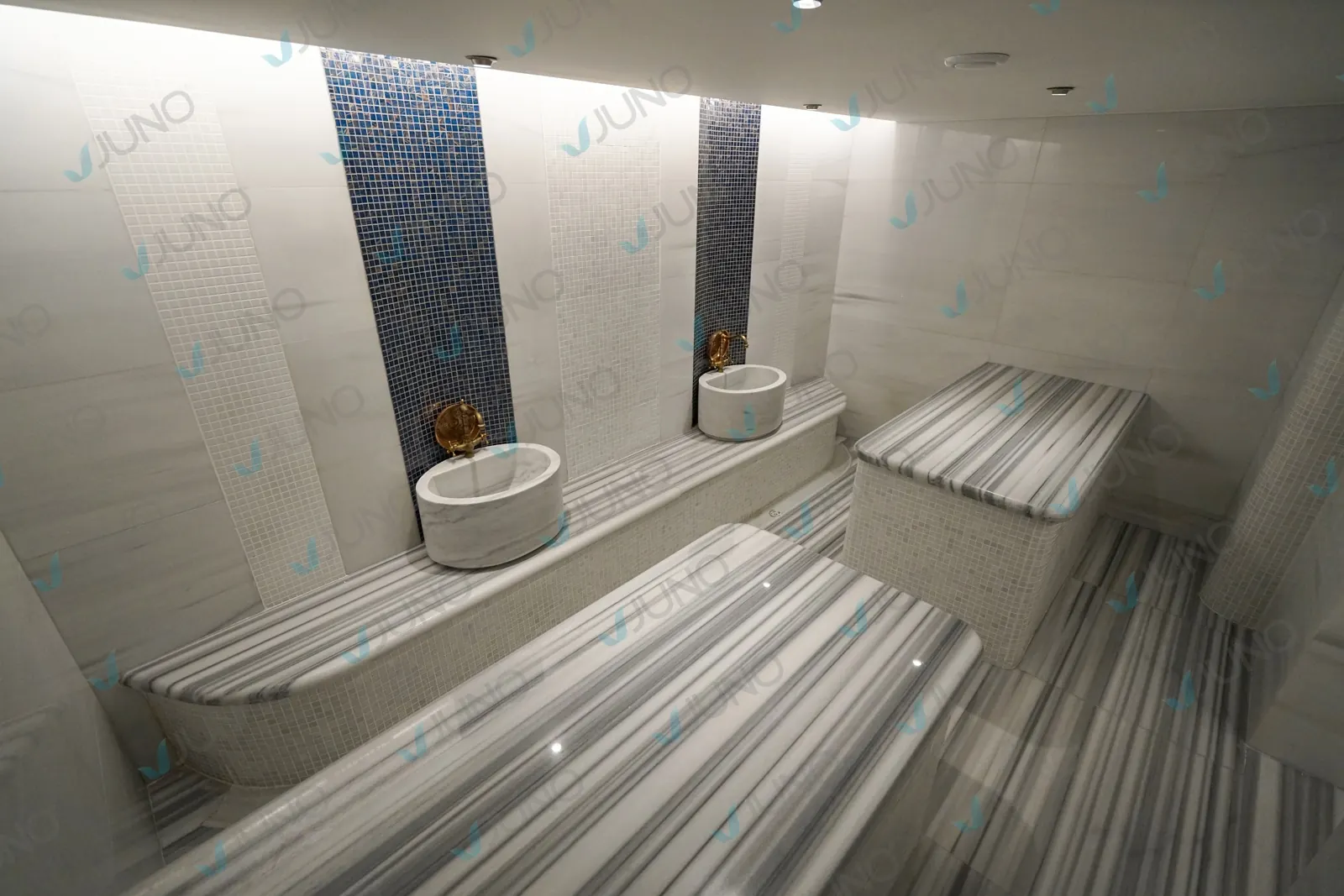
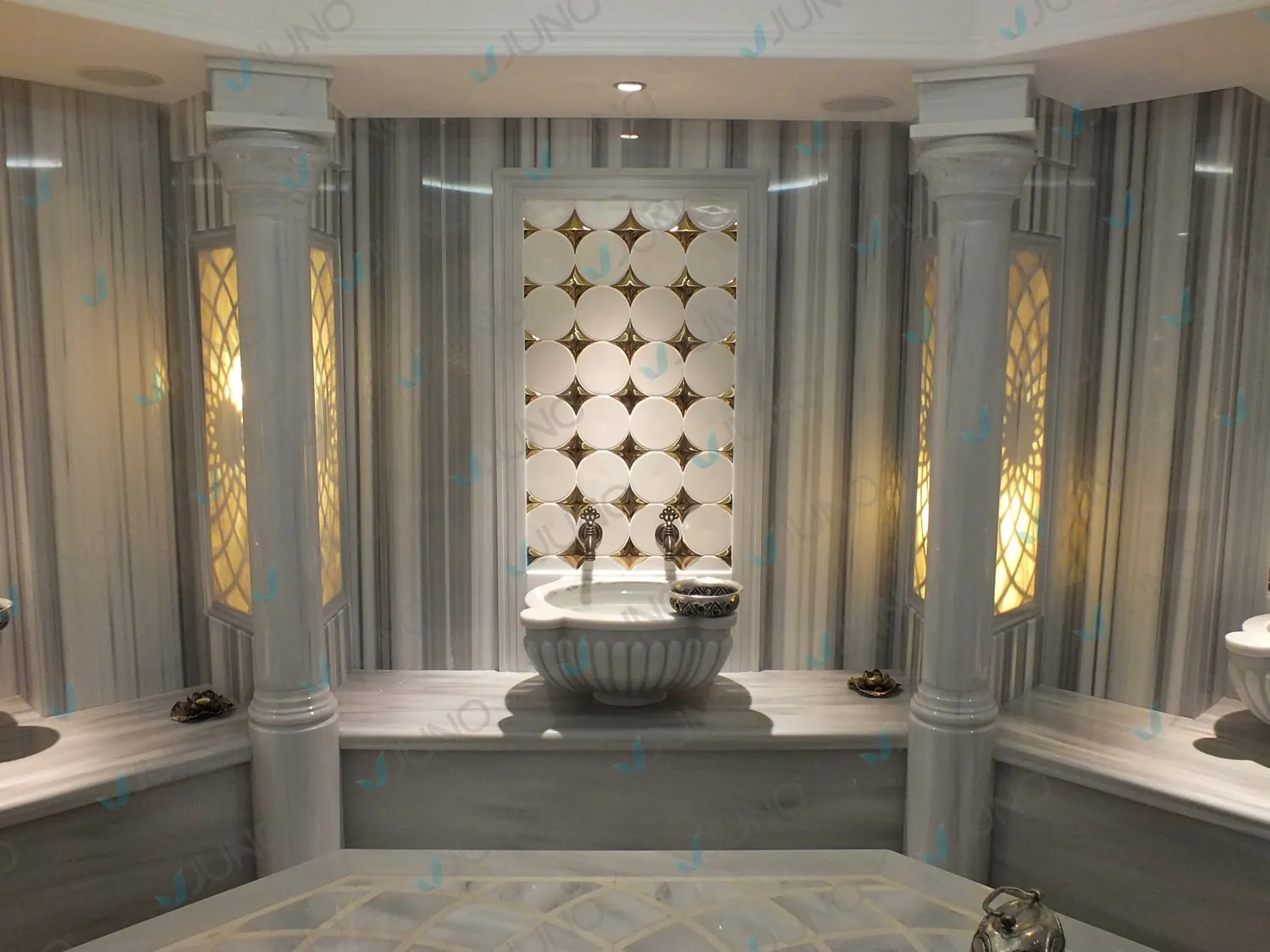
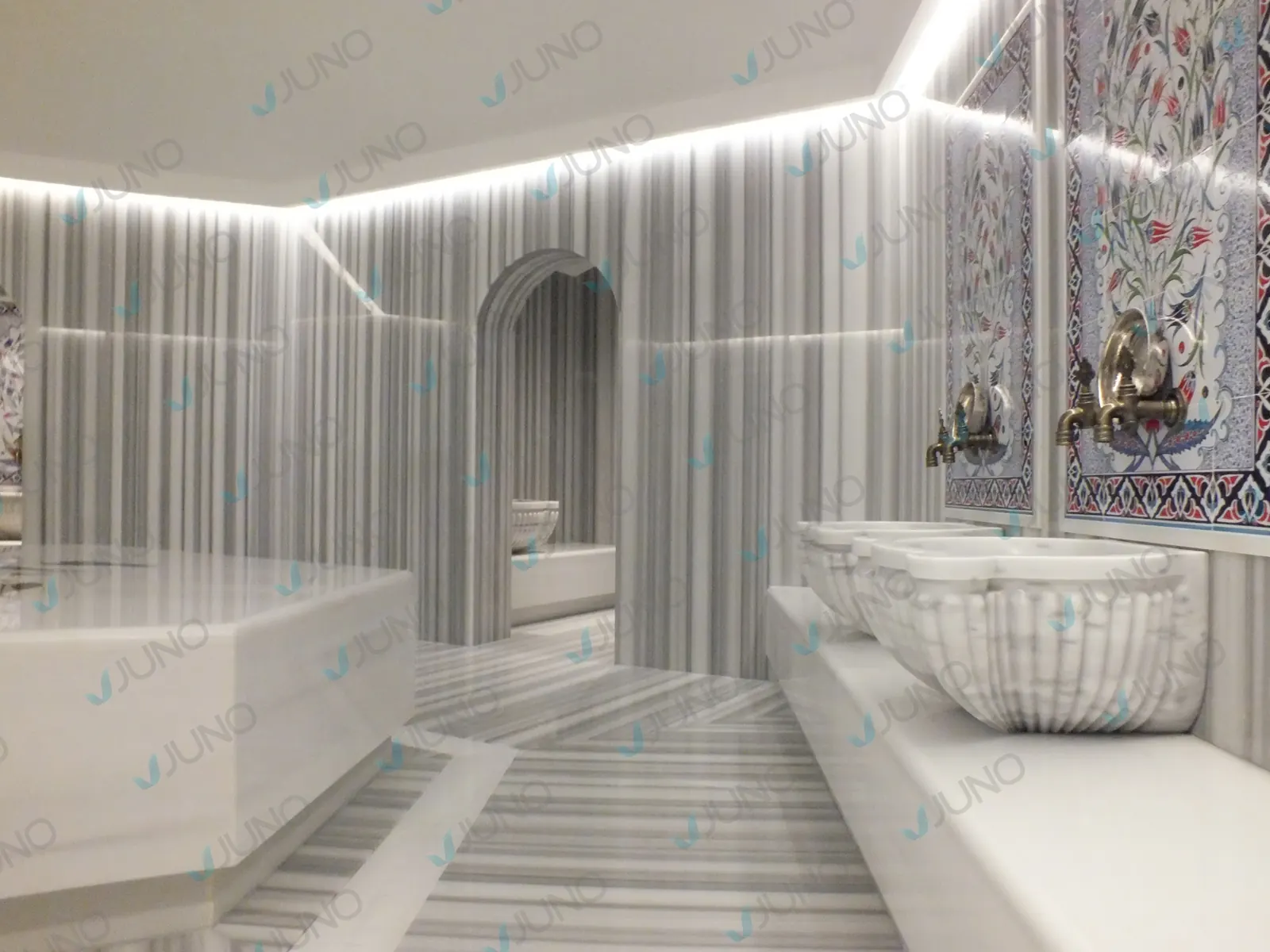
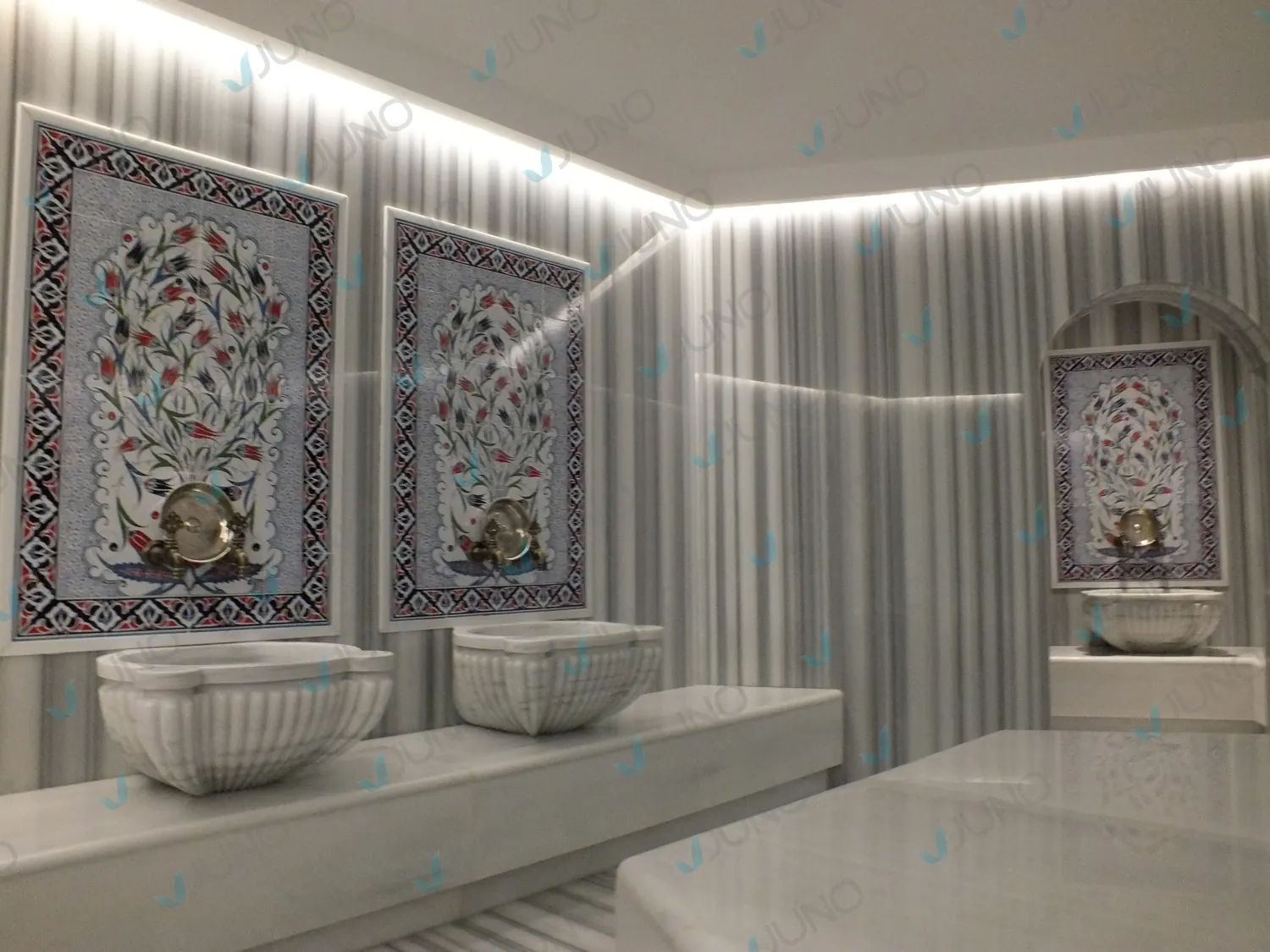
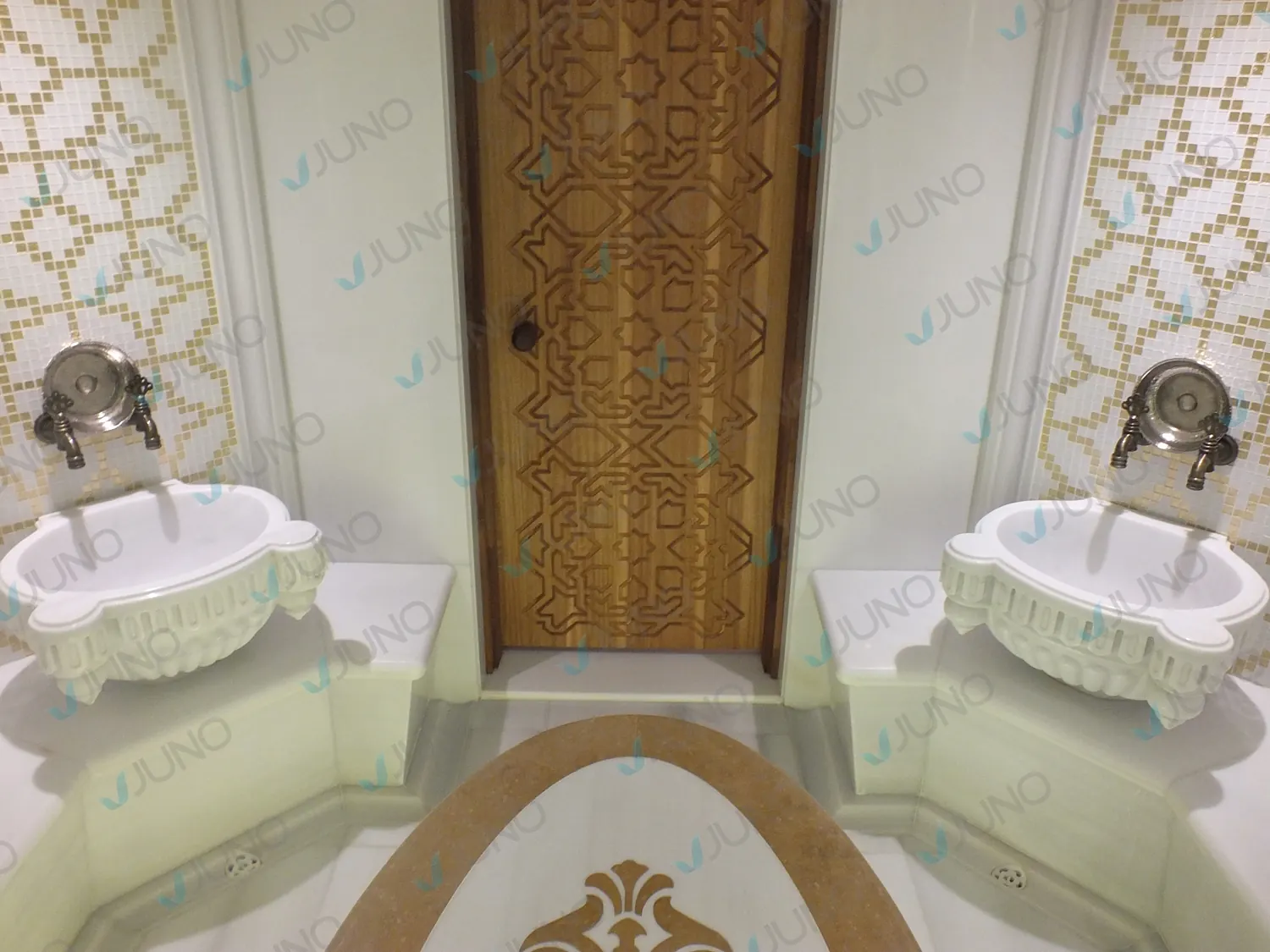
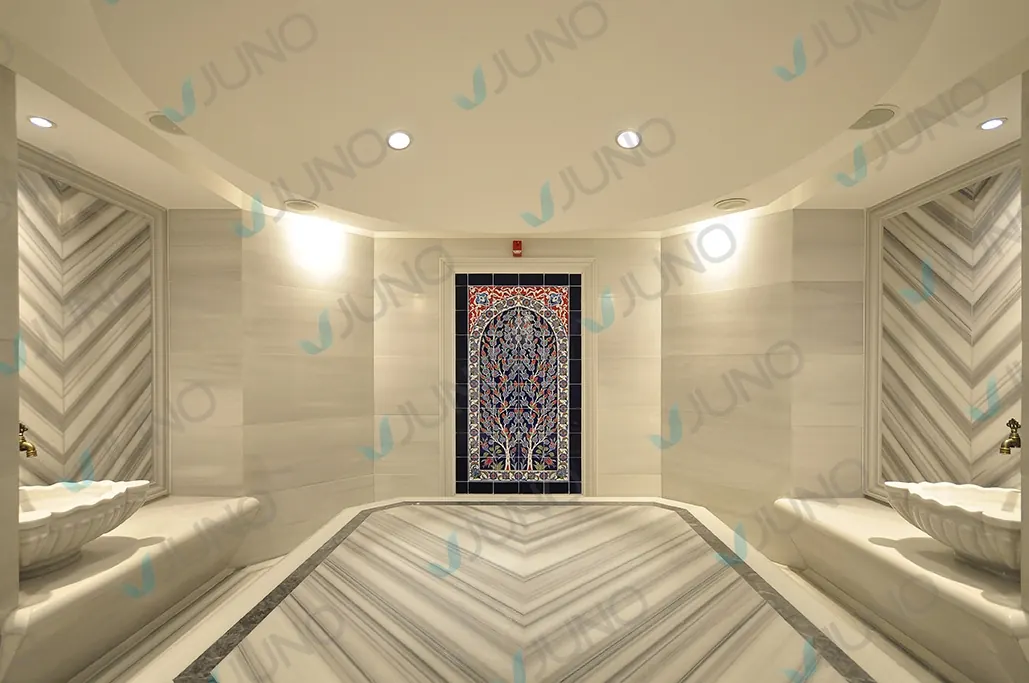
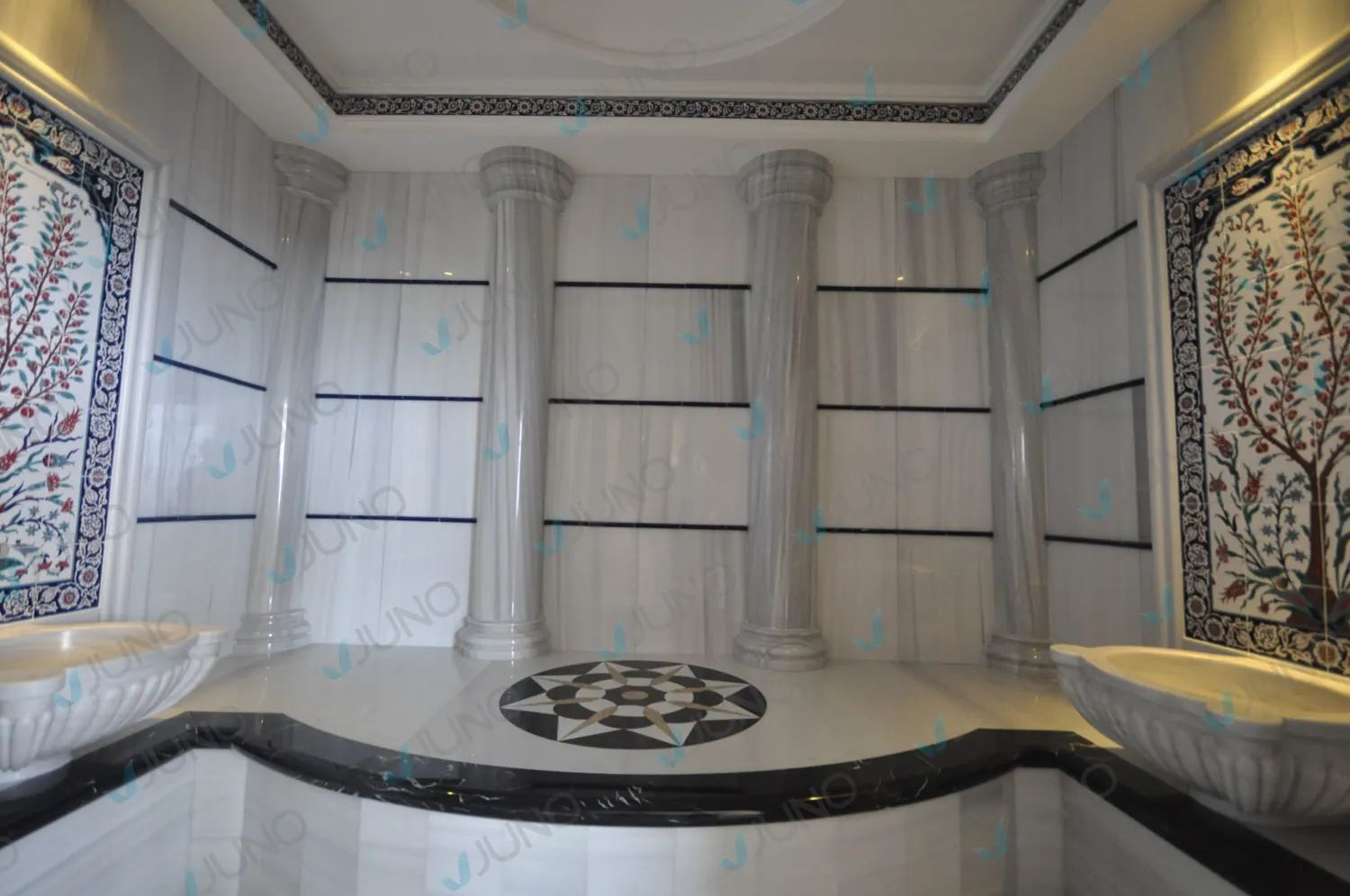
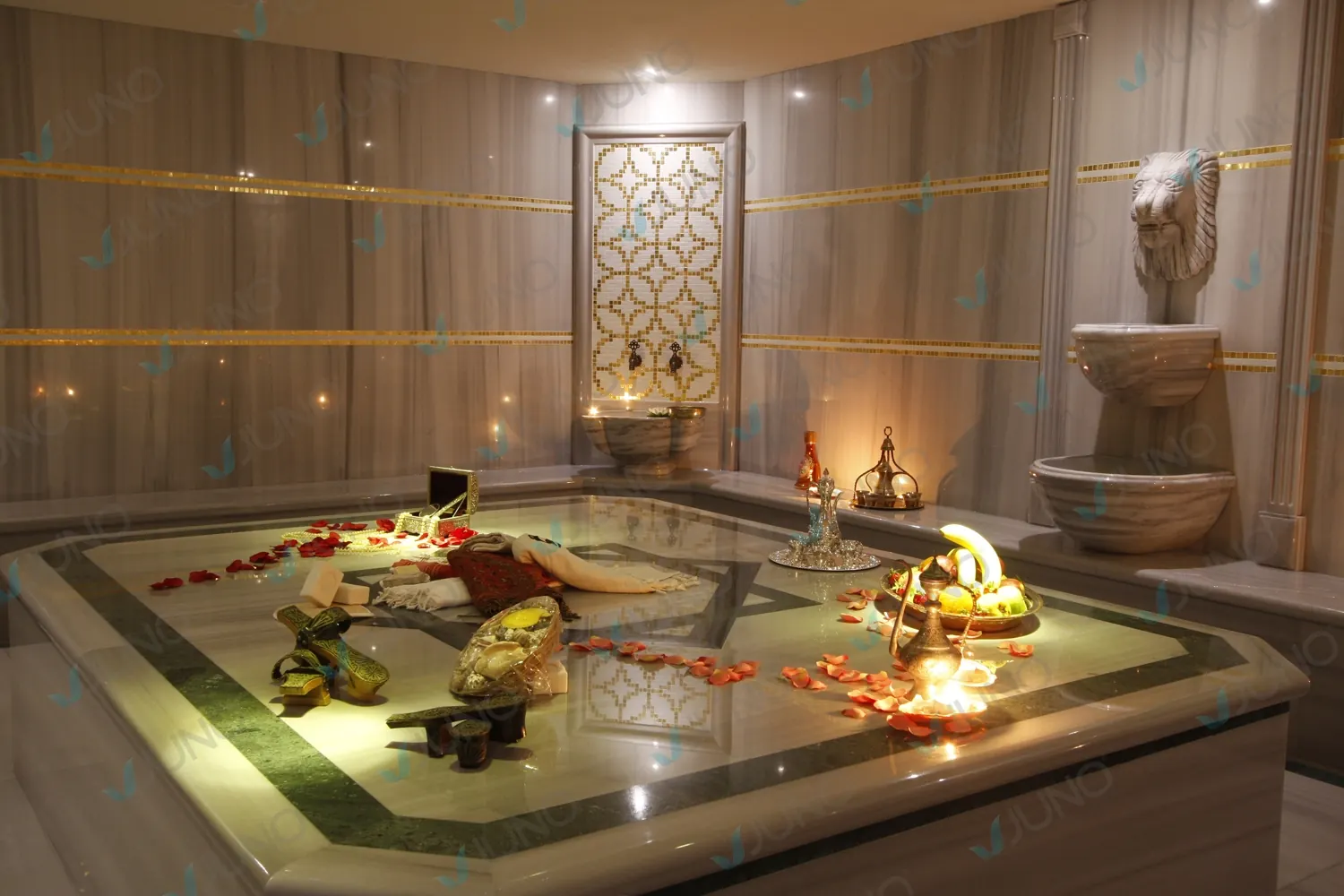
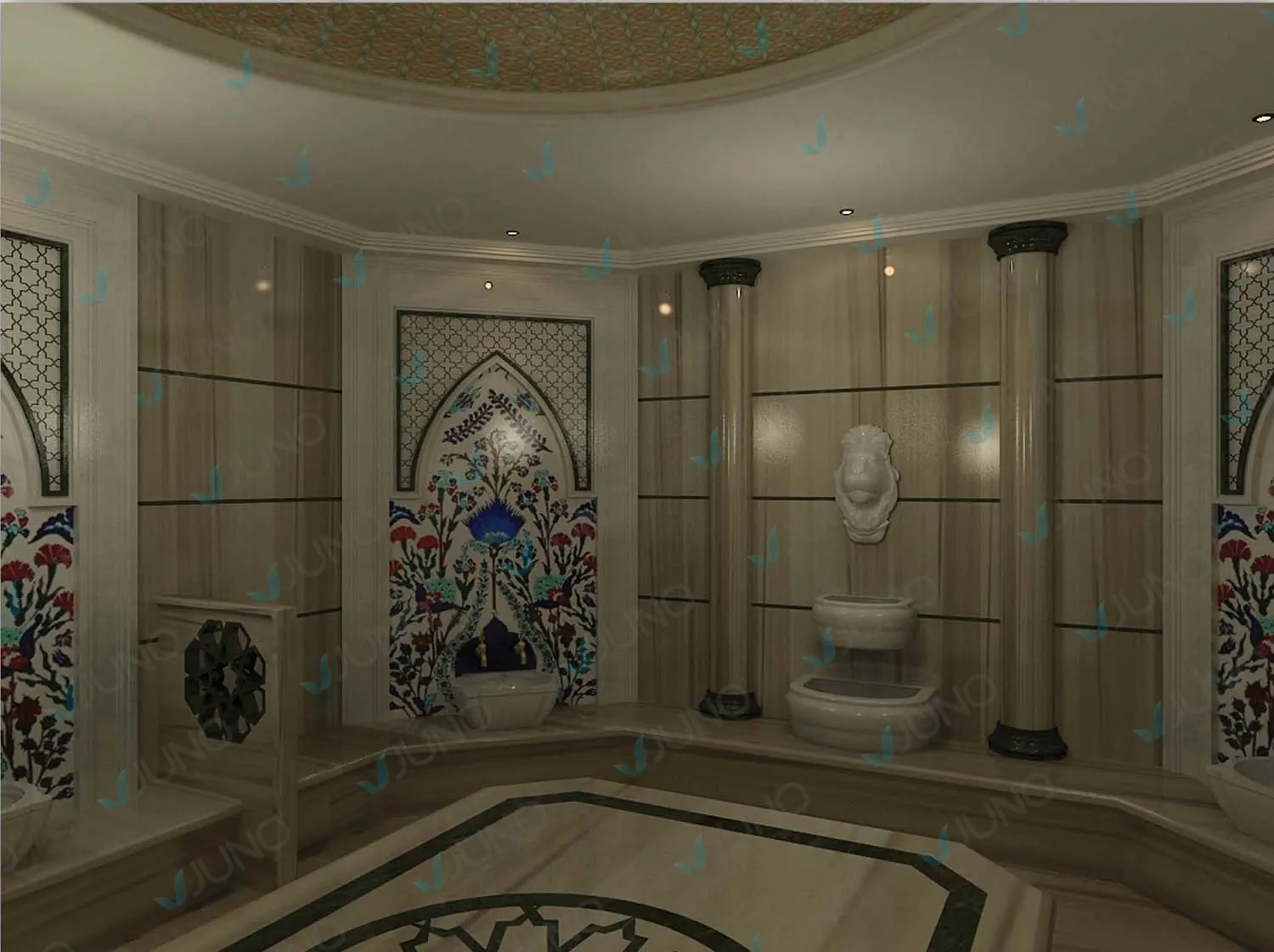
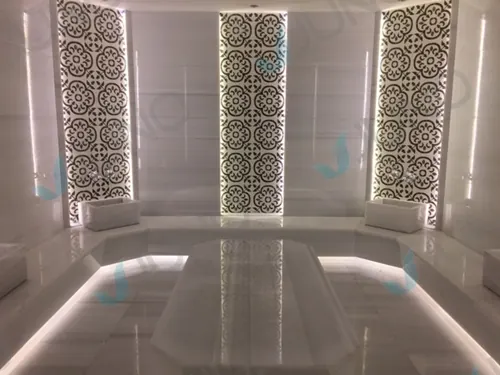
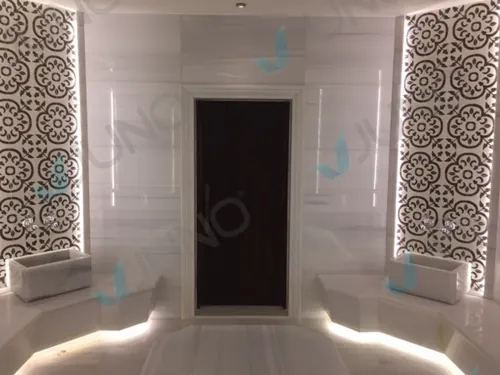
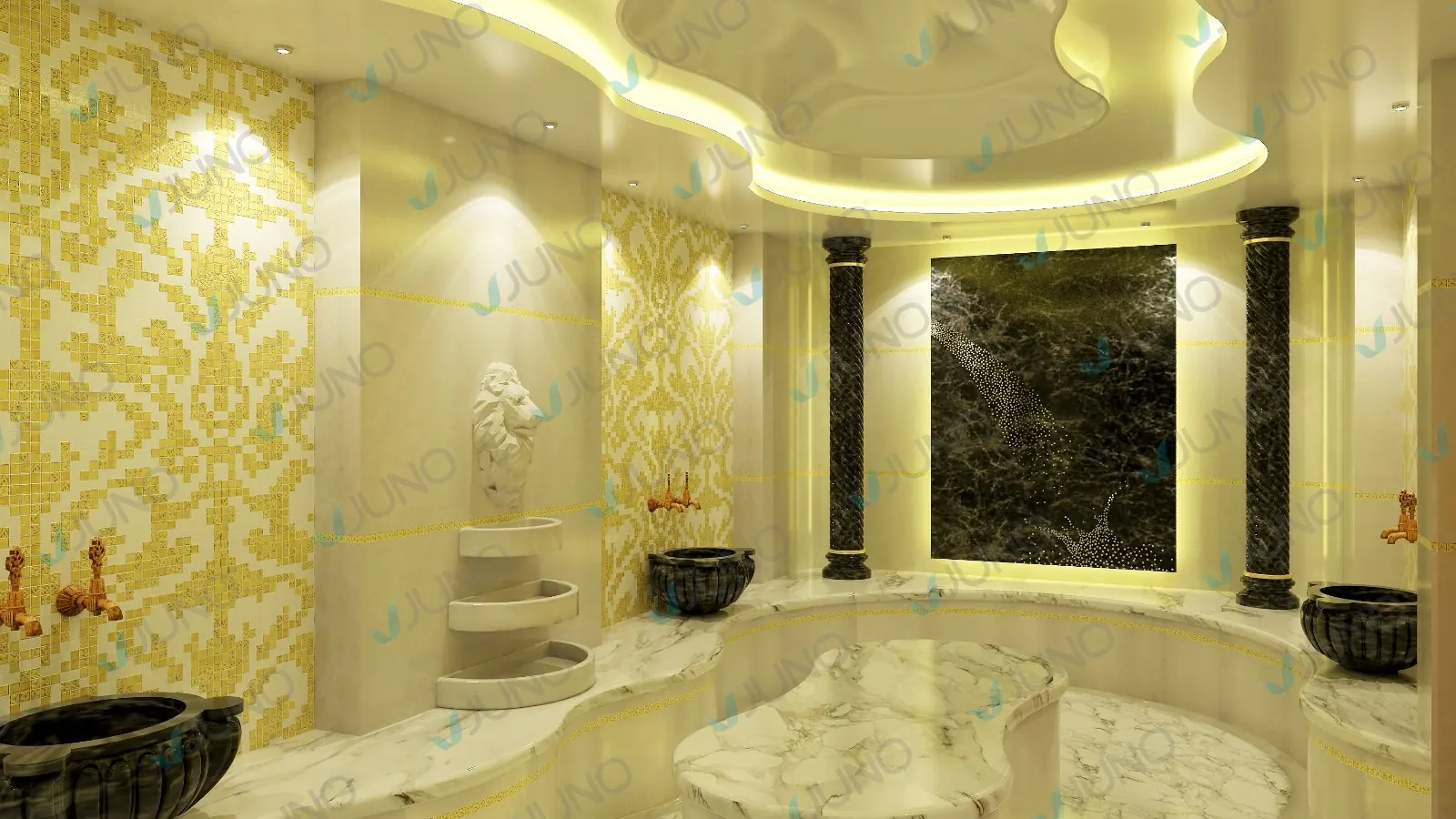
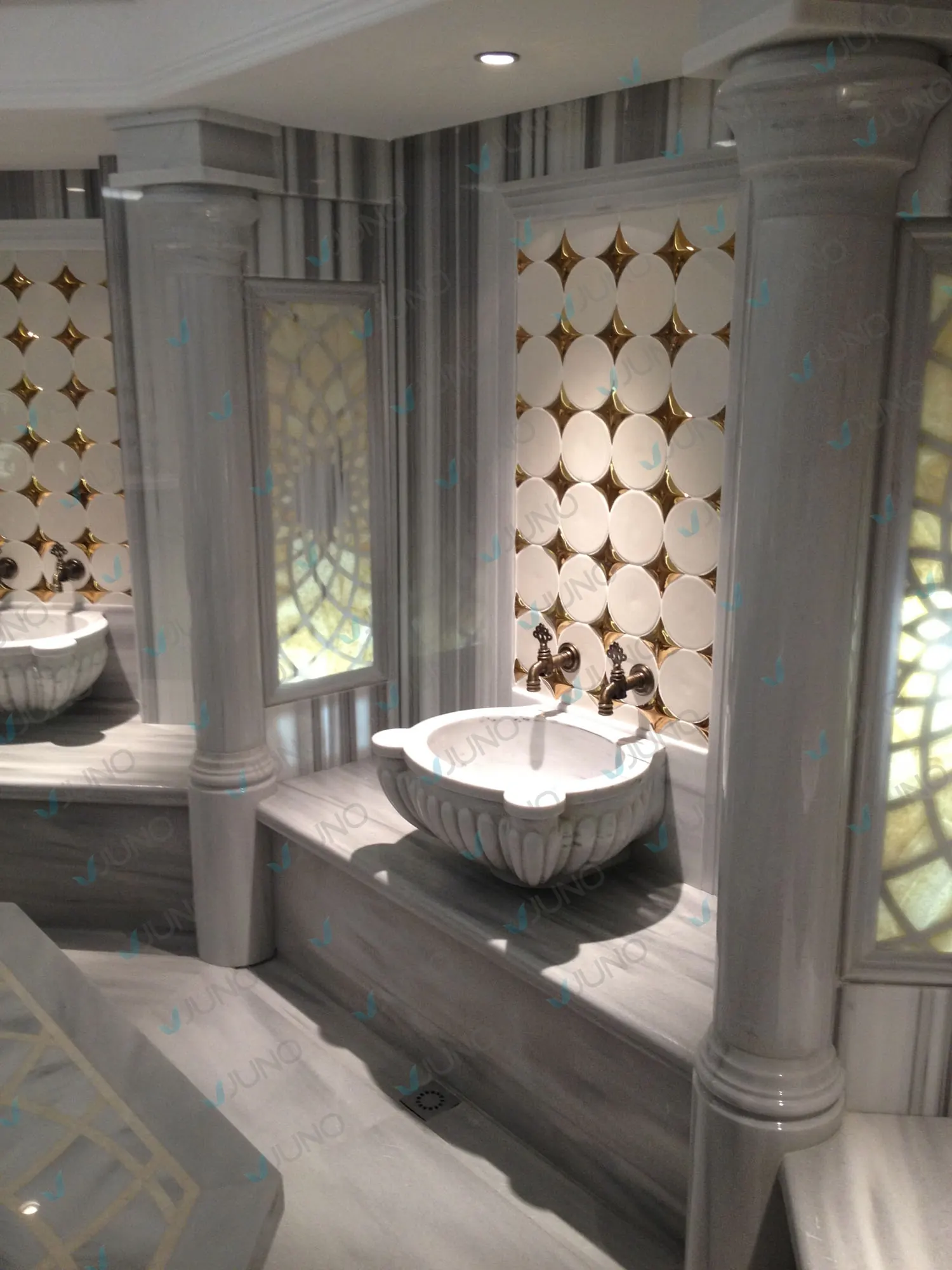
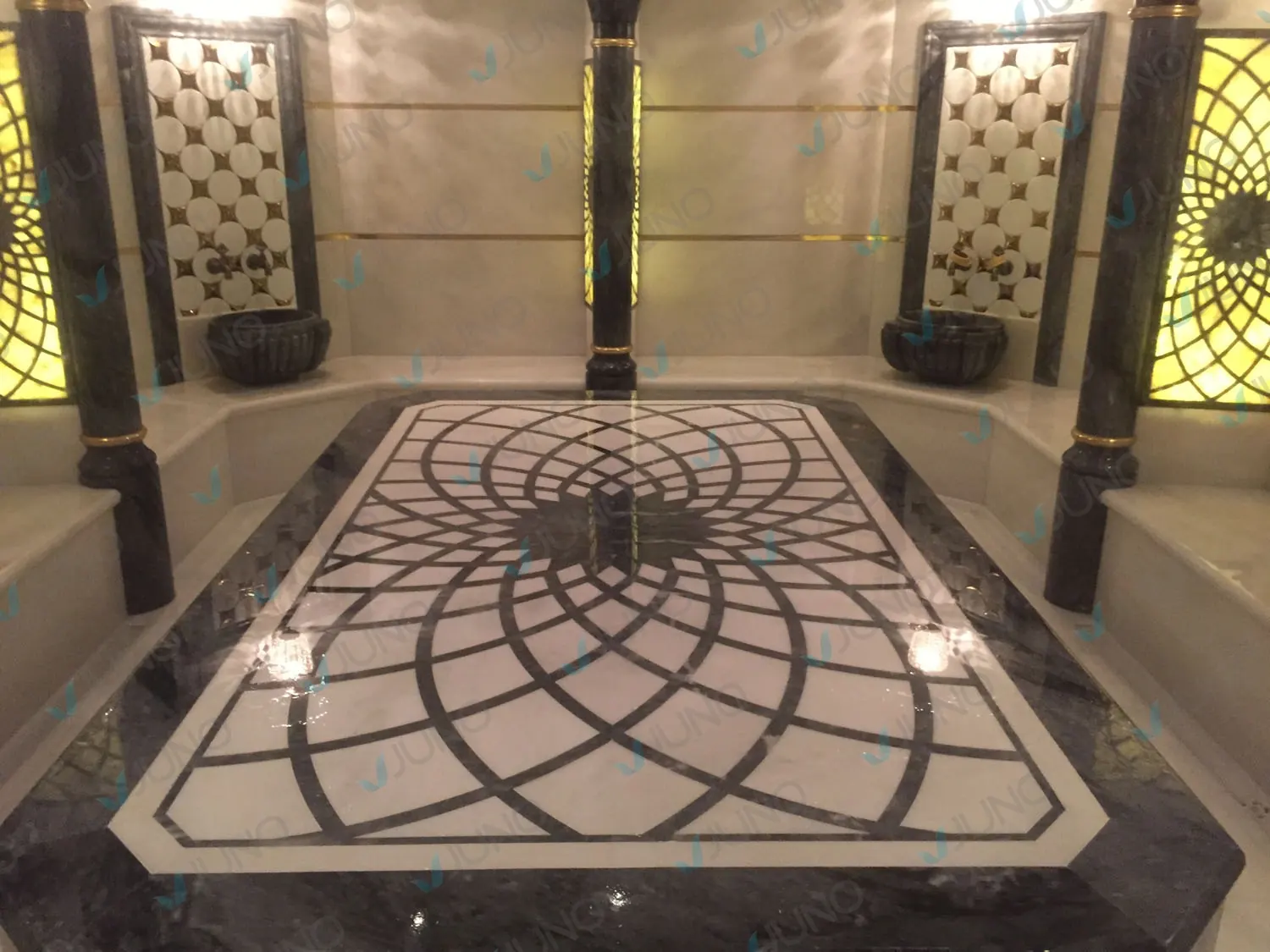
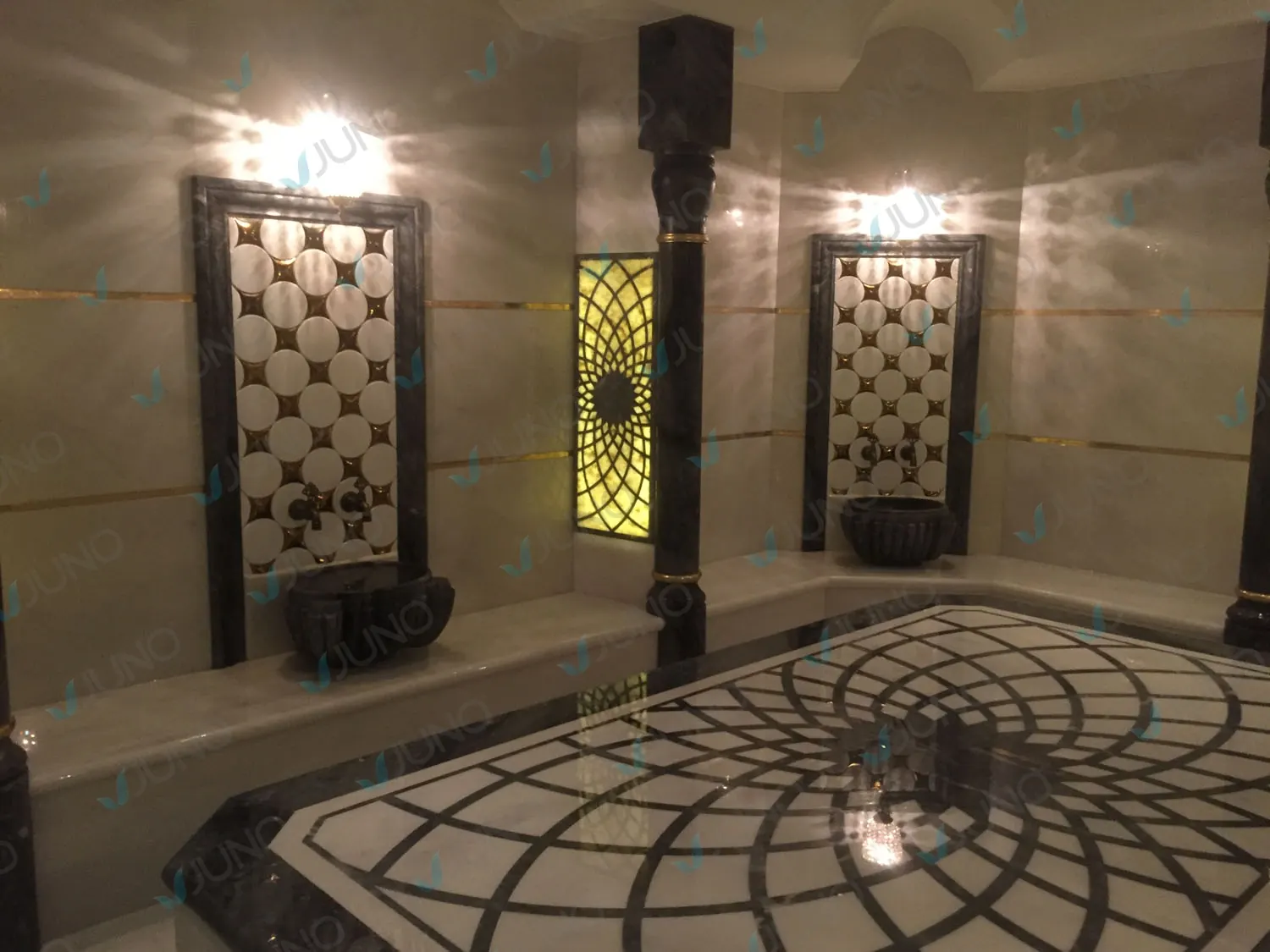
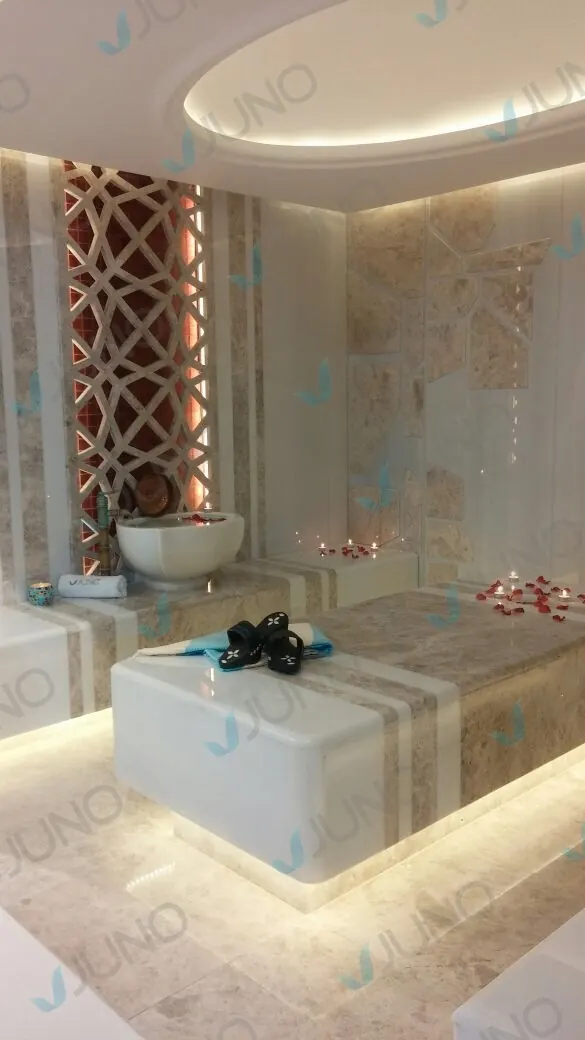
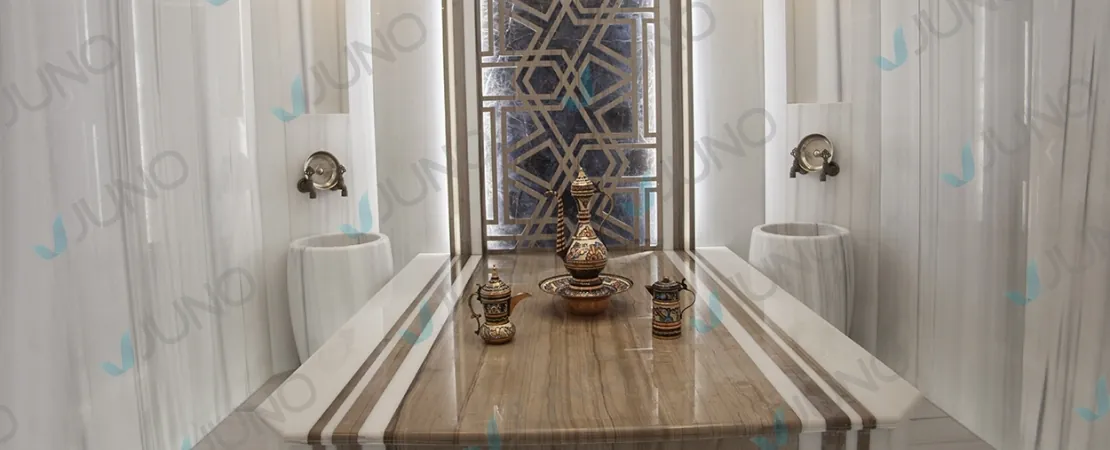
The aesthetic elements of Turkish hammams cannot be overlooked either. Çini tilework, mosaics, marble ornamentation and decorated tiles adorn the walls and floors of hammams. Stained-glass windows add a mystical air to the setting through the play of the light that filters in.
From the Traditional Hammam to the Modern Hammam
Turkish hammams have undergone important changes as their traditional architecture has met the modern world. The classic structural features of traditional Turkish hammams have come together with modern architectural thinking, giving rise to new and innovative hammam designs.
Functionality and User Experience
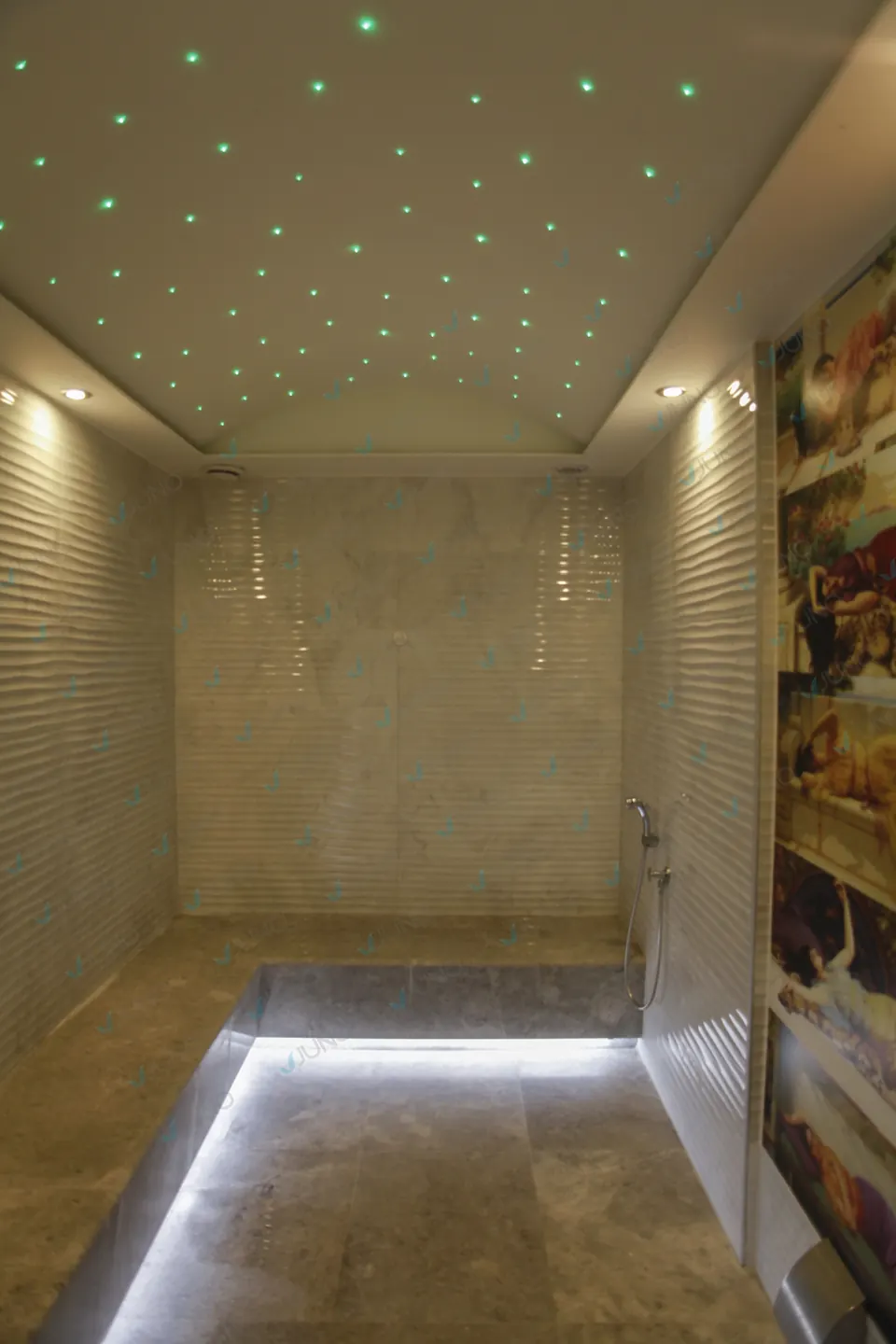
Functionality and user experience are at the forefront of this change. Modern Turkish hammams respond to visitors’ needs by offering more ergonomic and functional spaces. Features such as individually focused designs, private steam rooms and personal shower areas combine the traditional hammam experience with modern comfort.
Technology
As technology has advanced, hammam techniques and systems have changed too. Innovations such as water treatment systems that clean more effectively, and automatic heating and ventilation systems, have begun to be used in modern hammams. This both increases energy efficiency and raises hygiene standards.
Aesthetics
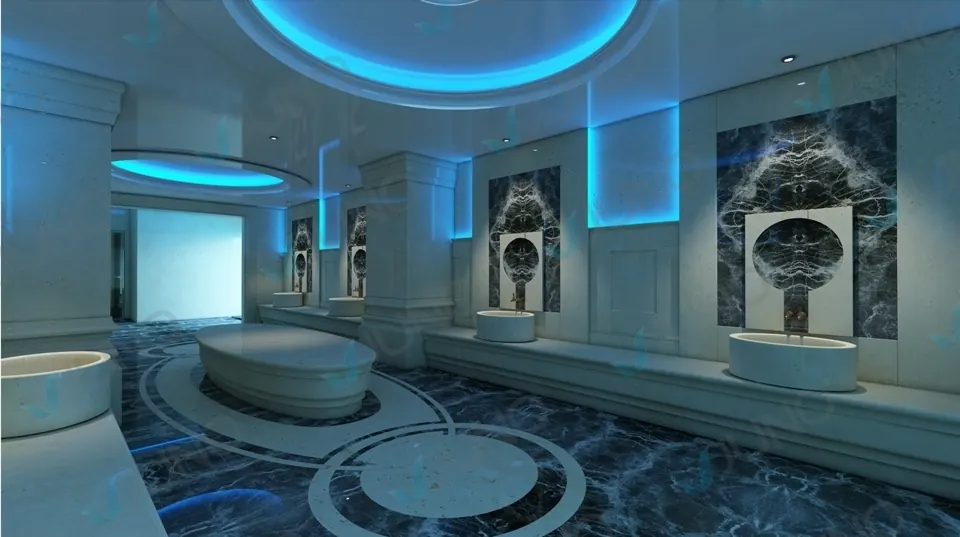
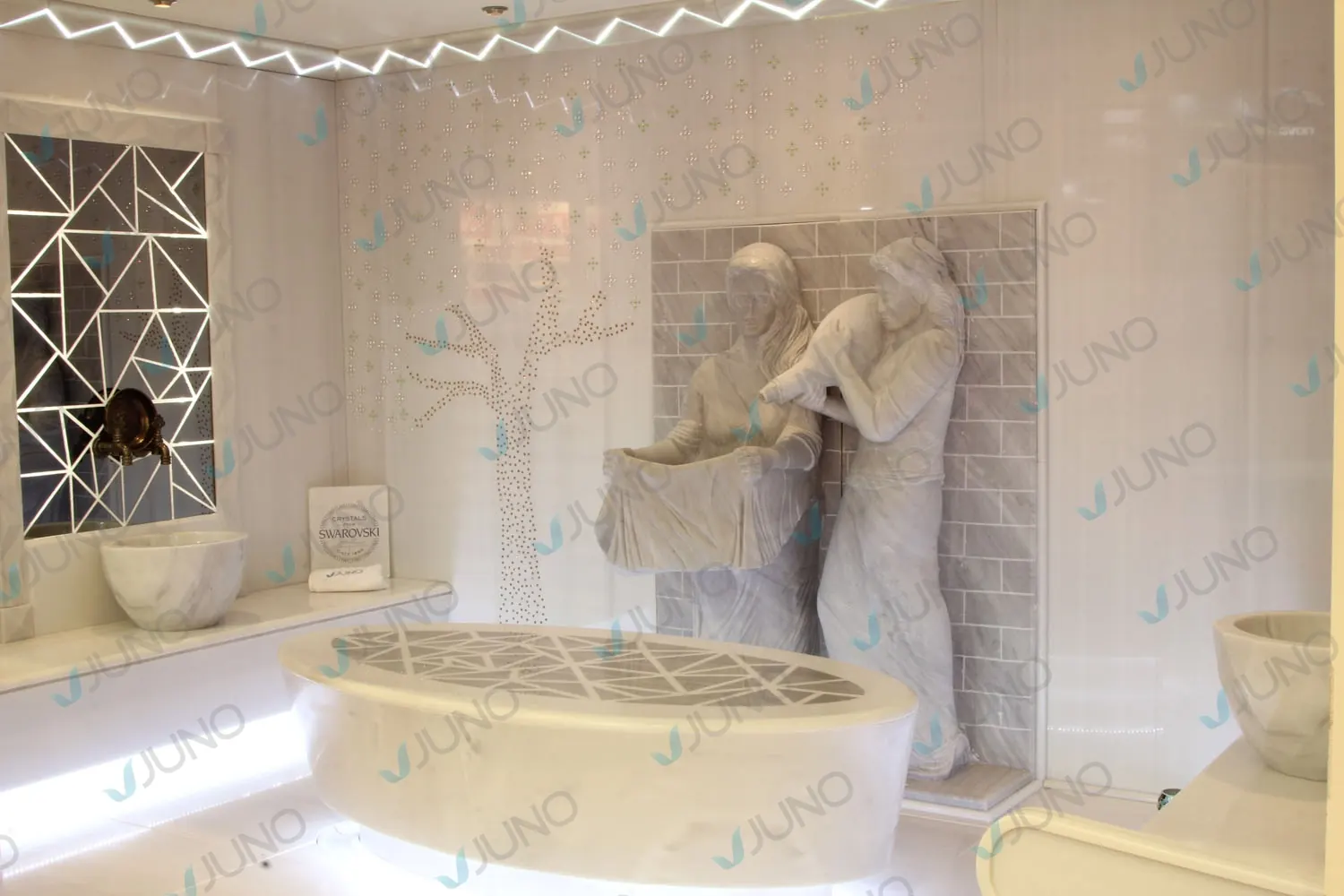
Modern Turkish hammams are also changing in aesthetic terms. Traditional ornaments and details are combined with minimalist and contemporary styles to achieve a stylish, modern look. Hammam designs are being renewed through the use of glass, metal and other modern materials.
Integration into Urban Life
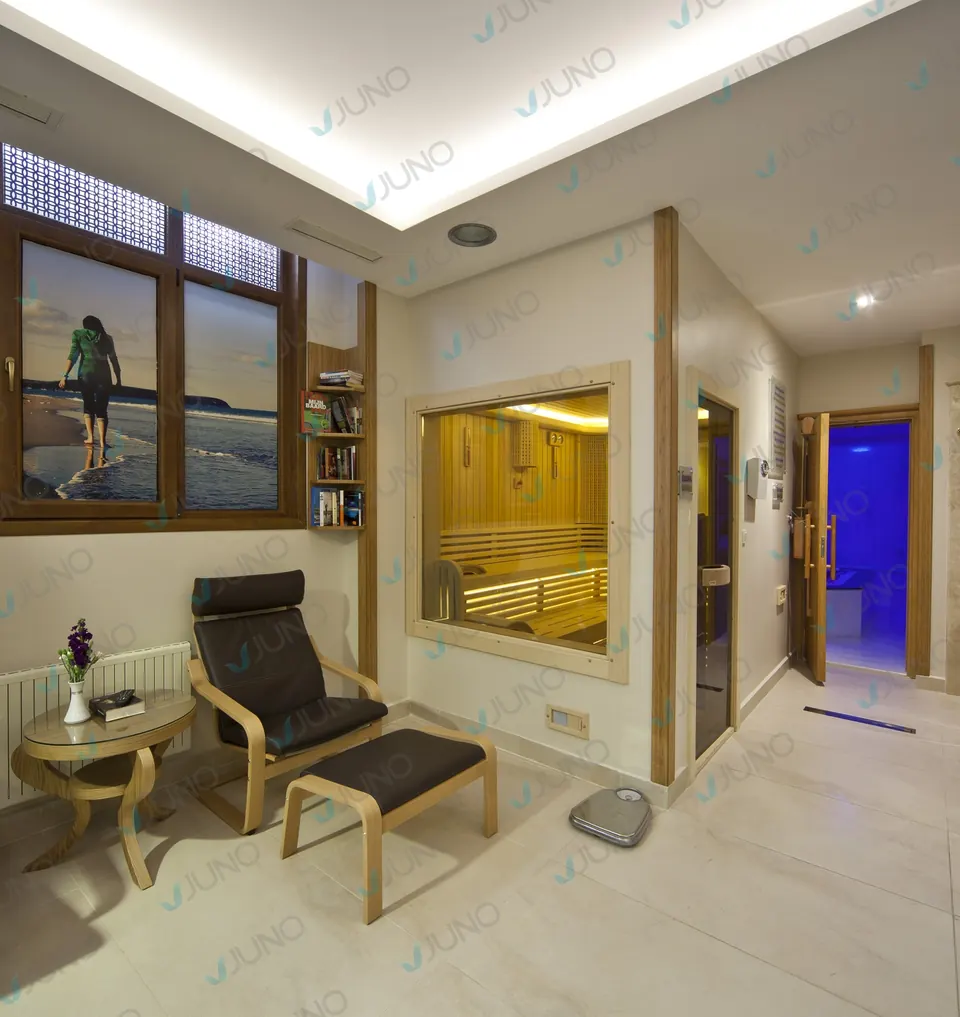
The integration of modern hammams into urban life is also noteworthy. Modern hammams in city centres or hotels offer city dwellers the traditional hammam experience while also providing an atmosphere in harmony with the dynamism of contemporary life.
How Turkish Hammams Contribute to Spa Culture
The contributions of Turkish hammams to spa culture are important in many respects:
A Tradition of Cleansing and Relaxation
Turkish hammams rest on a tradition thousands of years old and focus on bodily cleansing and relaxation. This tradition forms the foundation of spa culture and shapes the general structure of the places people visit to relax and shed stress.
Heat and Steam Therapy
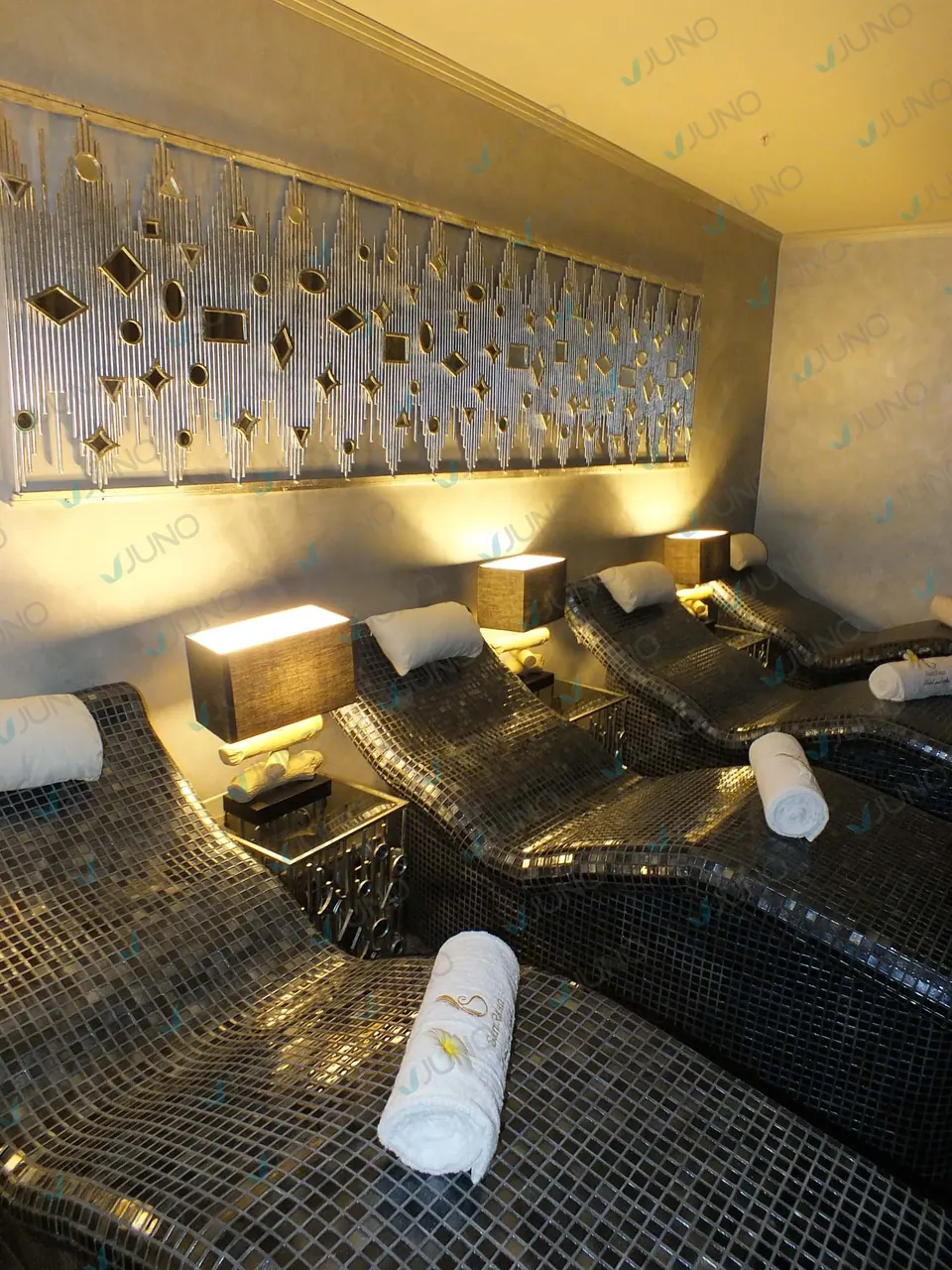
In Turkish hammams, heat and steam help the body eliminate toxins while relaxing the muscles. These features have become an indispensable part of spas too; features such as saunas and steam rooms carry the influence of Turkish hammams into spas.
Massage and Care Treatments
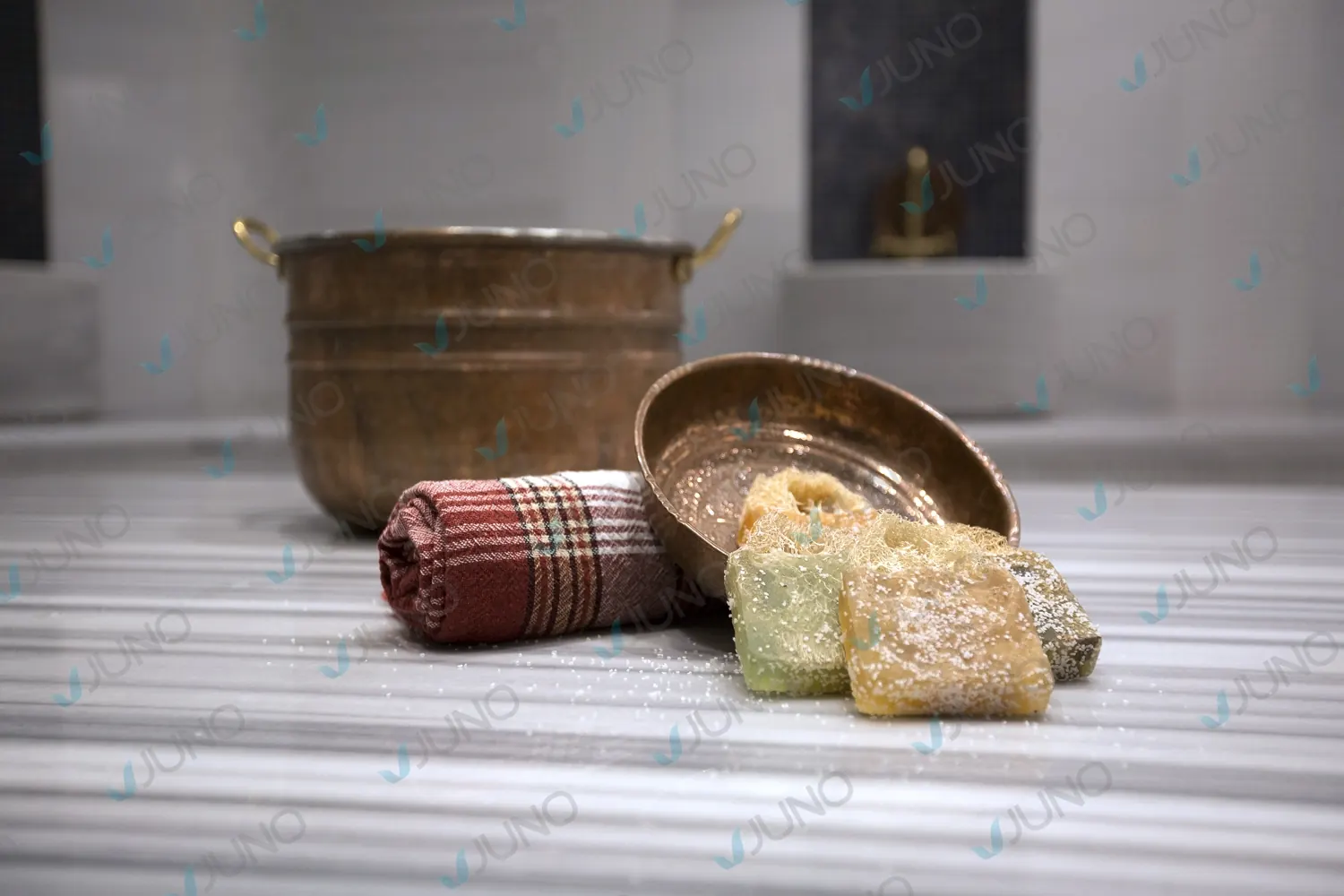
The traditional foam massage, body care and skin cleansing practised in Turkish hammams find similar treatments in spas. Services such as massage and skincare are just a few of the ways in which the Turkish hammam tradition contributes to spa culture.
Rituals and Traditions
A visit to a Turkish hammam follows a particular ritual. Specific practices, such as moving between the cold, hot and warm rooms and the foam massage, may vary in spas; however, integrating the rituals into spa experiences in general allows the cultural richness of the Turkish hammam to be shared through spas.
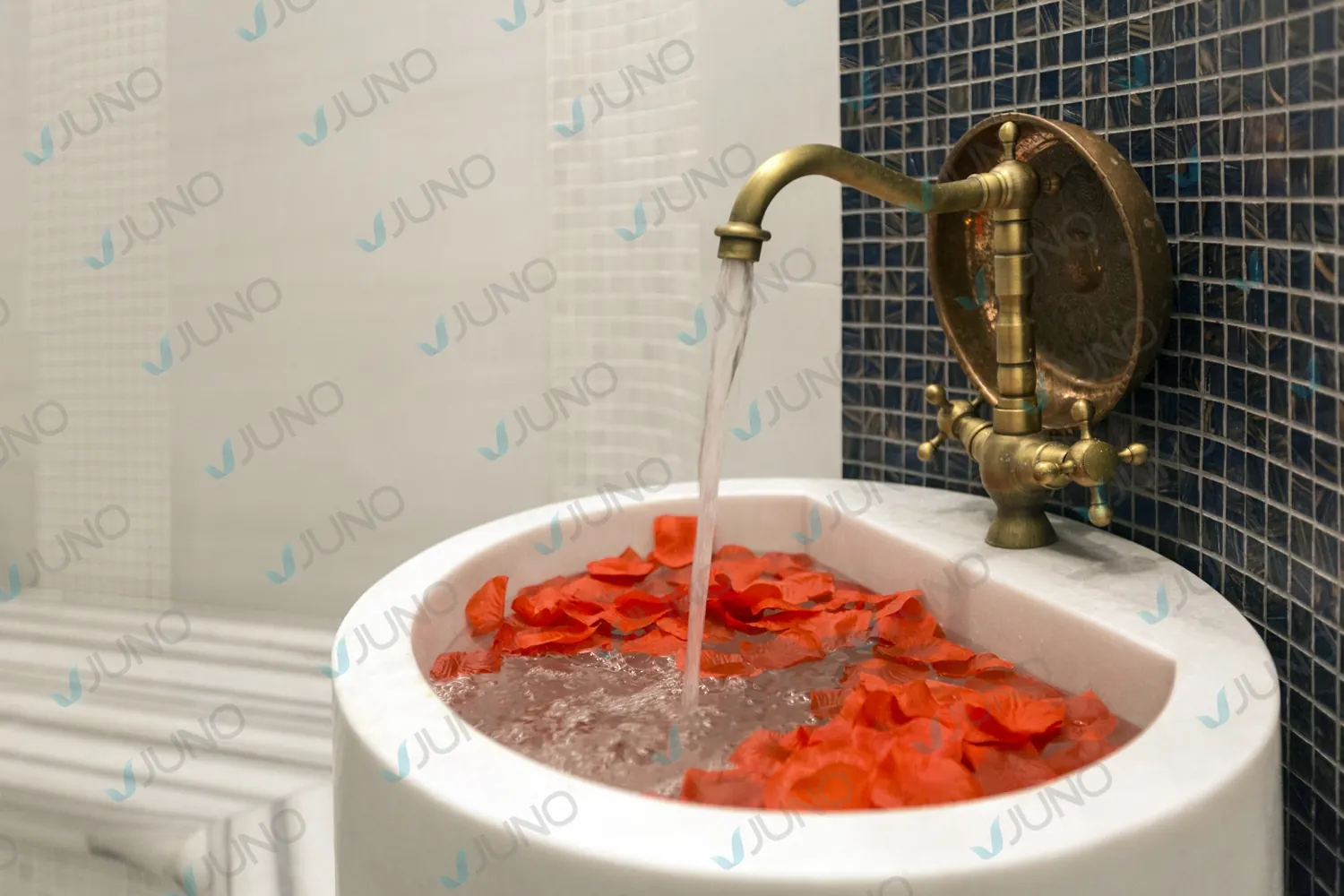
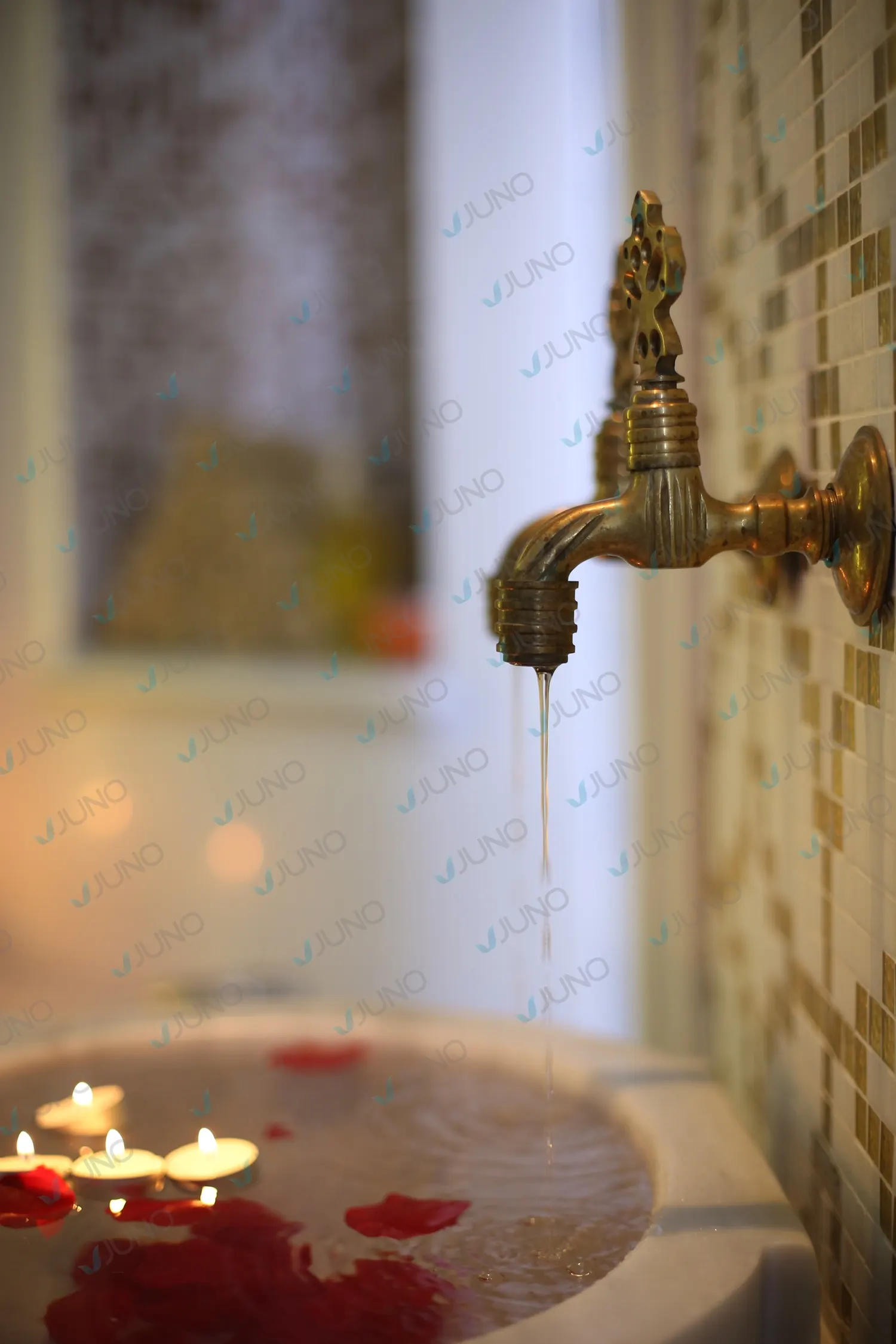
In addition, there is usually a şadırvan (an ornamental fountain) at the entrance of a hammam. Traditionally, these fountains contribute to visitors’ ritual before they begin the process of spiritual and physical purification.
The Cultural and Social Importance of the Turkish Hammam
Beyond being places of cleanliness and relaxation, Turkish hammams are a cultural meeting point. Here people come together, chat, engage in cultural exchange and keep traditional practices alive.
In conclusion, Turkish hammams stand out not only for their architecture but also for their cultural and social importance. Combining traditional architectural elements with functionality and aesthetics, these spaces offer visitors a unique and unforgettable experience.
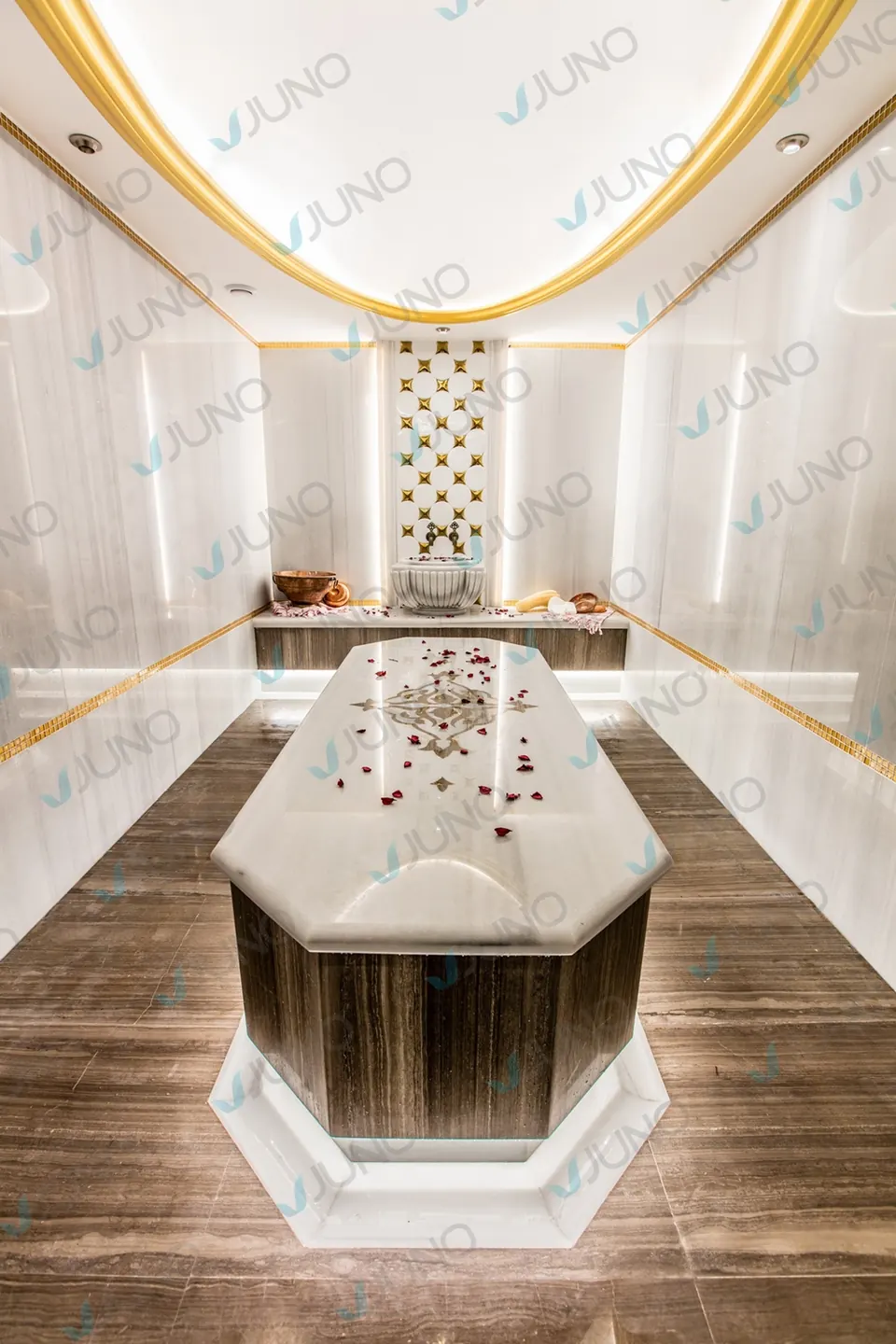
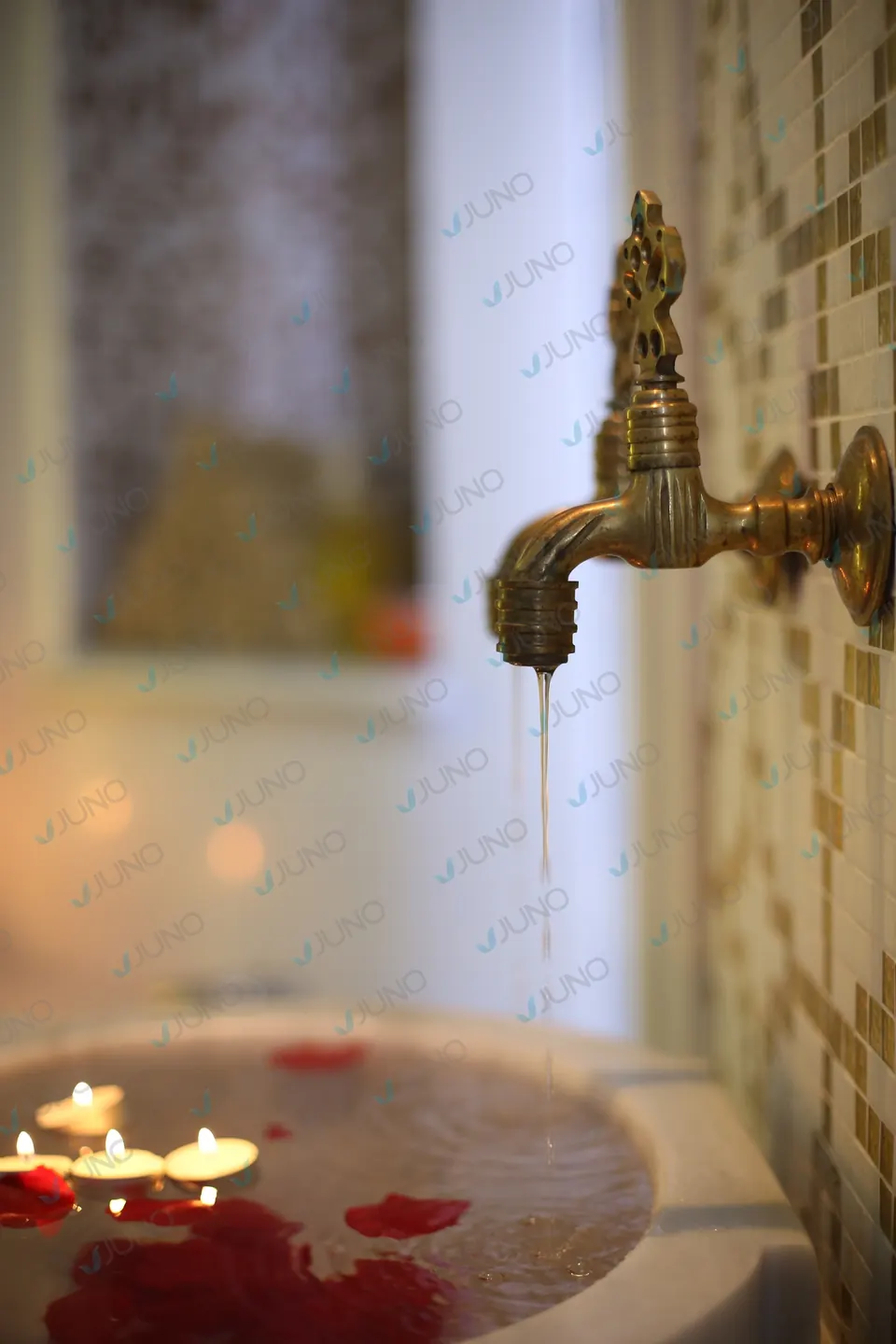
Building a Hammam with Juno Spa
As Juno Spa, we are one of the well-known companies in Istanbul and around the world when it comes to building the Turkish hammam, the most important part of any spa area. We owe our reputation in hammam design, construction and production to having our own interior architecture team and our own marble-processing facility.
We have supported our customers in hammam construction and manufacture for 30 years.
Differences Between a Turkish Hammam and a Steam Room
The Turkish hammam and the steam room are both traditional spa facilities used for bodily cleansing and relaxation. However, the two terms refer to different facilities and experiences. Here are some of the main differences between a Turkish hammam and a steam room:
Cultural Origin
- Turkish Hammam: The Turkish hammam is a traditional bathing facility with deep roots in Turkish culture. Turkish hammams have been in use since the Ottoman Empire.
- Steam Room: Steam rooms can be found in various cultures and spa facilities. They can be used alongside other heat-therapy rooms such as saunas.
Structure and Design
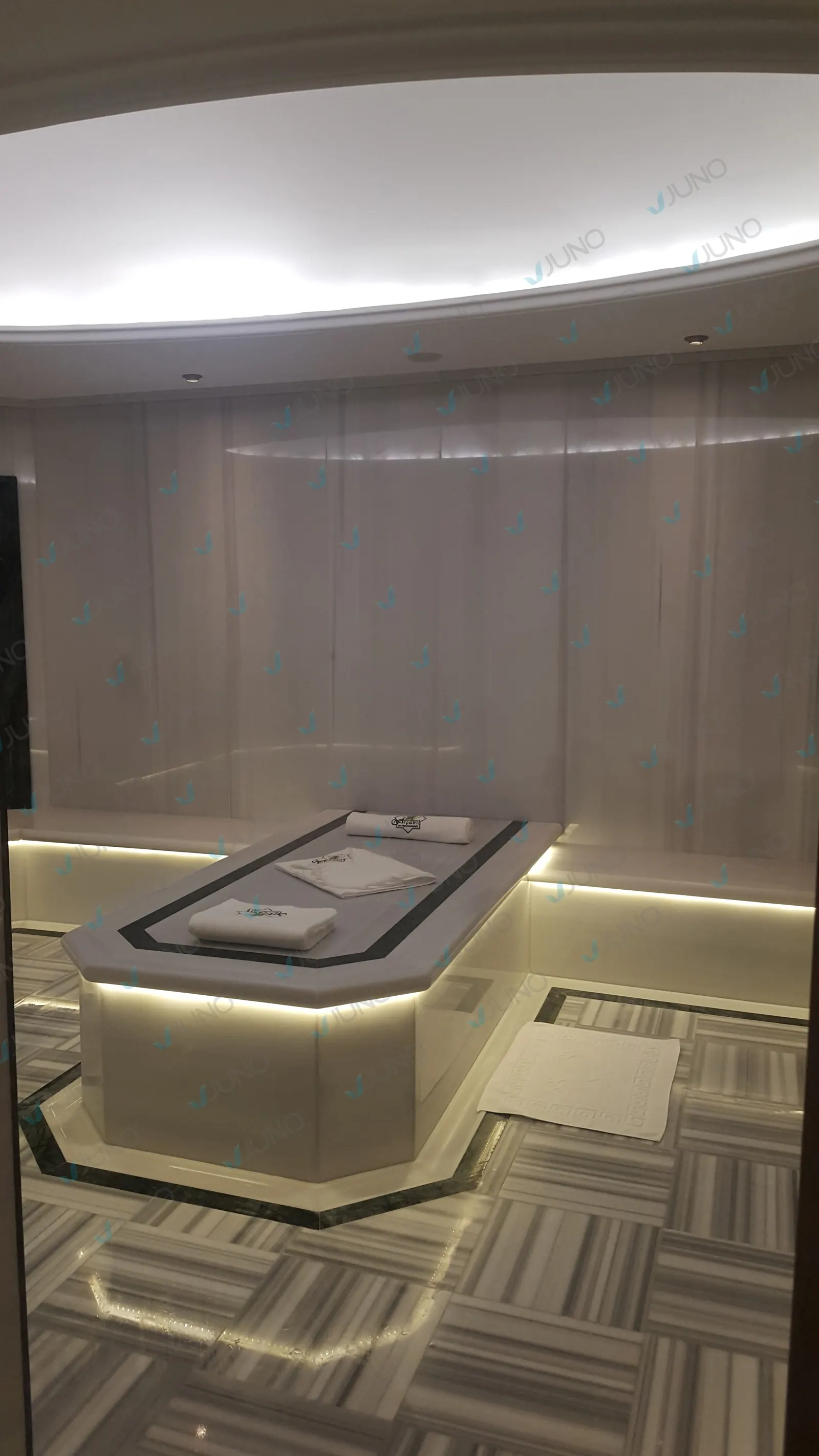
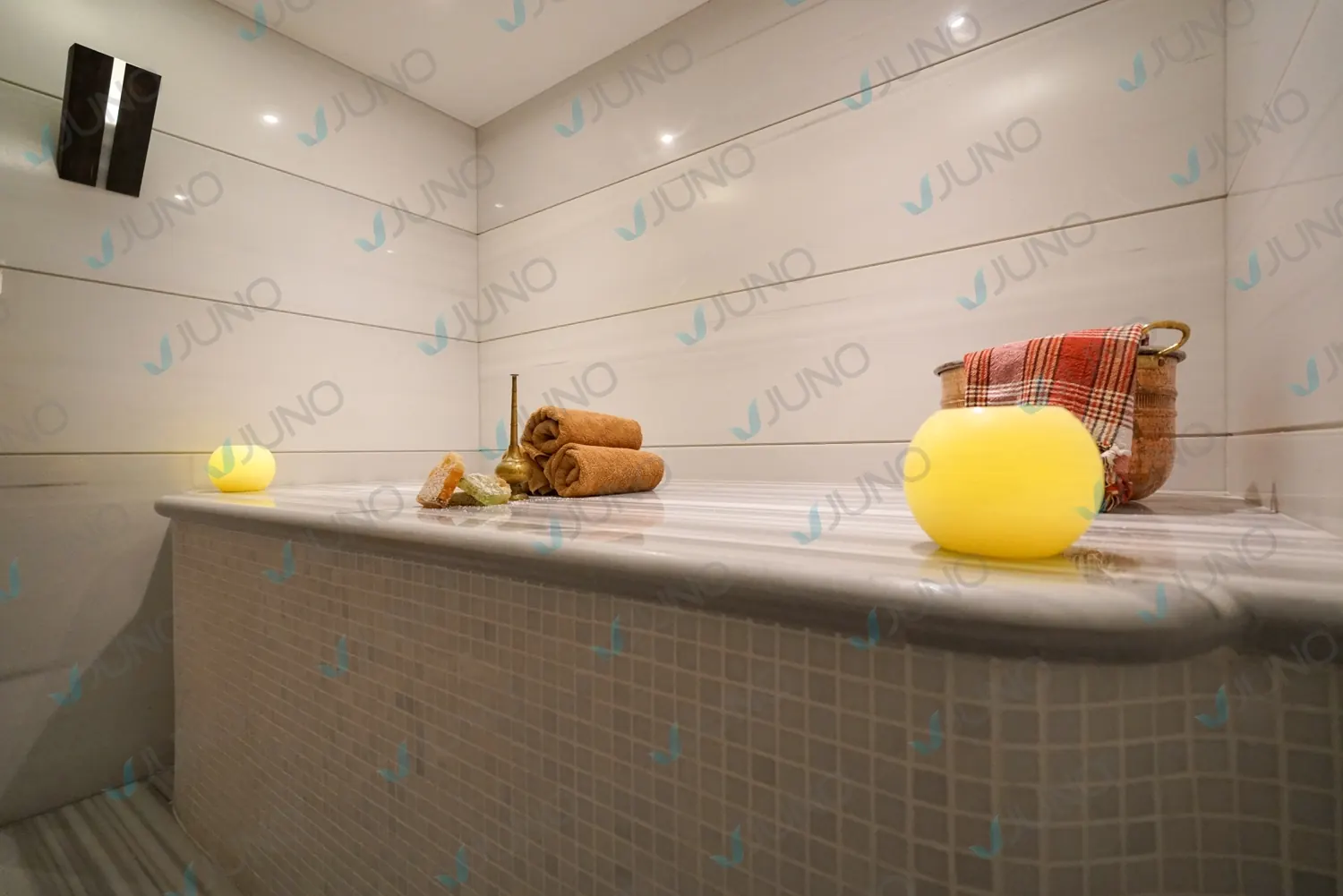
- Turkish Hammam: Usually built of marble and follows a defined architectural layout. A Turkish hammam may consist of sections such as a cold section (changing room), a hot room and a warm room.
- Steam Room: Steam rooms in more modern spa facilities are generally clad in ceramic or mosaic. These rooms usually have a seating platform and a steam-generating system.
Heat and Humidity
- Turkish Hammam: The temperature is generally high, but the humidity is low. Special bathing practices such as water treatments and scrubbing (keseleme) can also be carried out.
- Steam Room: The temperature is high and the humidity is very high. These rooms usually contain steam-generating systems.
Bathing Ritual
- Turkish Hammam: Washing generally takes place in the hot room. You first sweat in the hot room, then move on to the warm room, where the washing is carried out.
- Steam Room: Steam rooms are generally used for relaxing while seated. The bathing ritual may be less emphasised in such facilities.
Aromatherapy and Massage
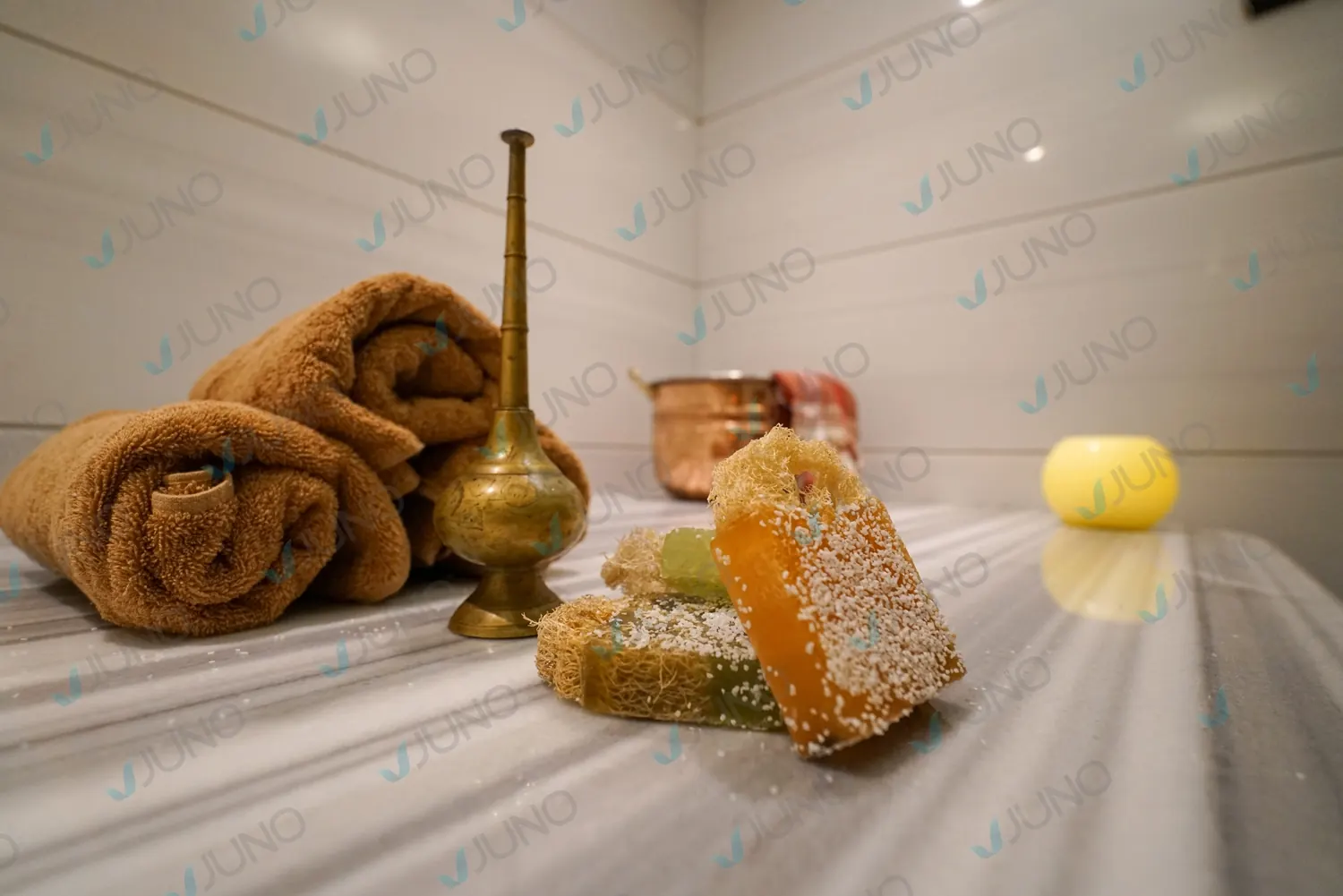
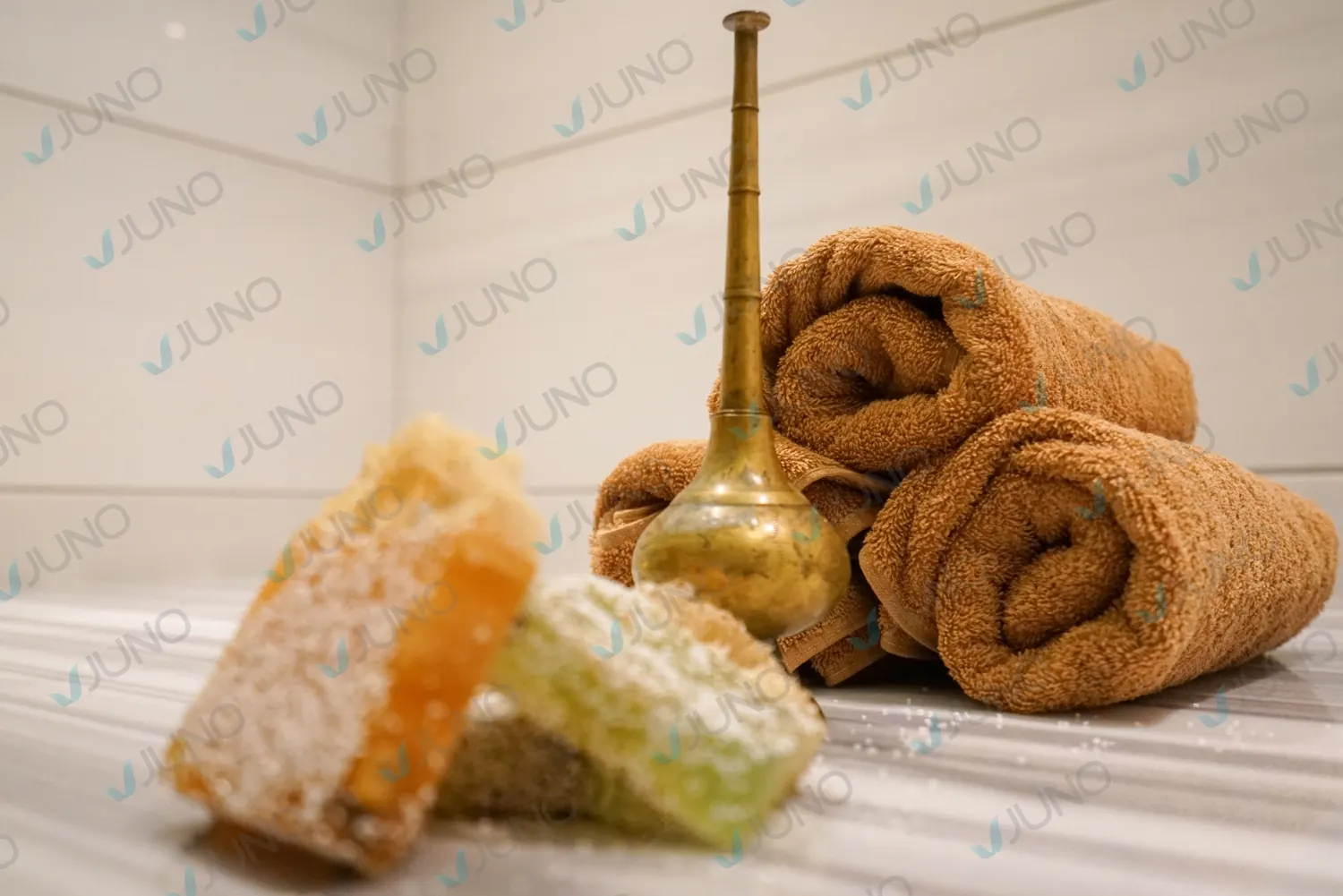
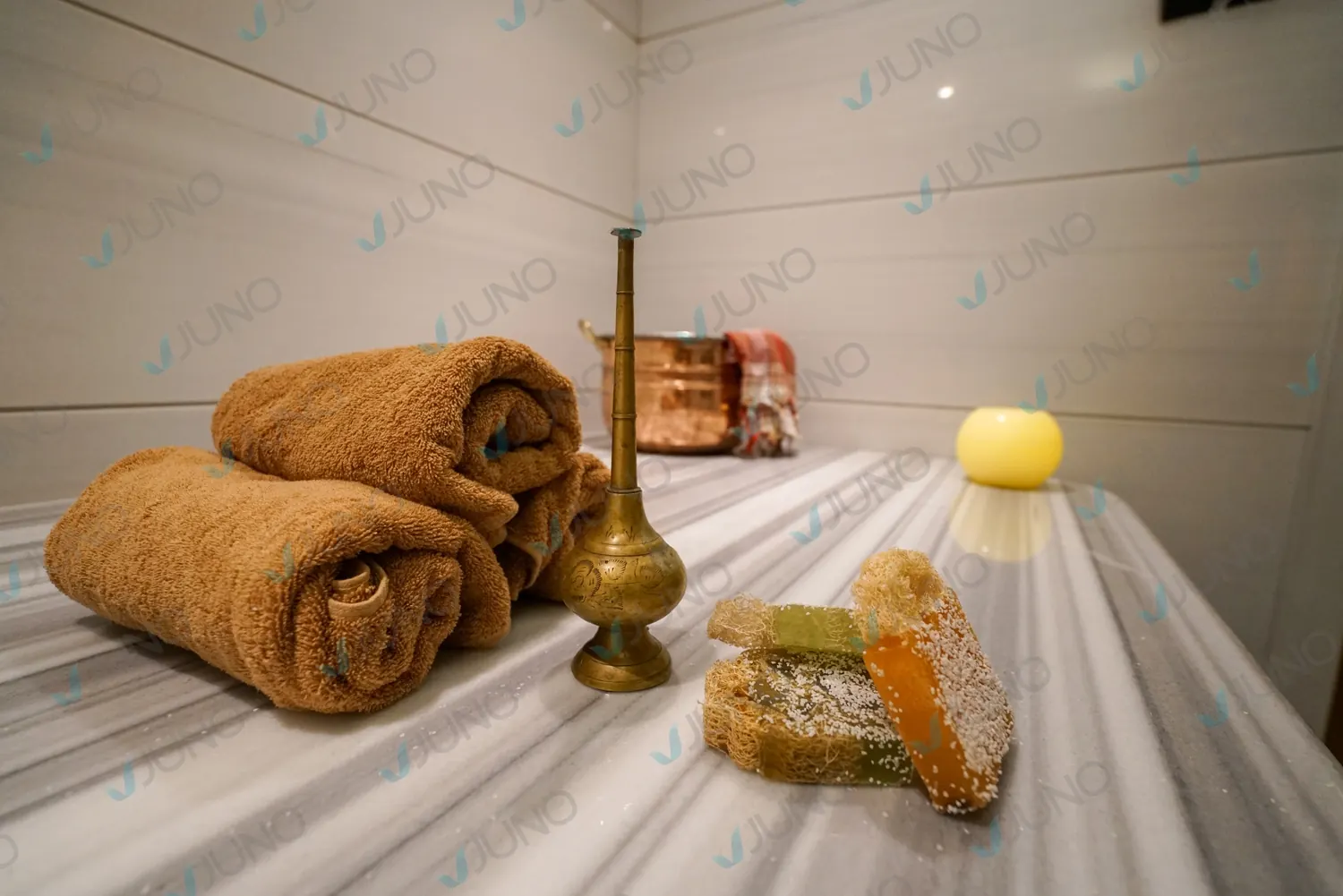
- Turkish Hammam: Traditionally includes special treatments such as scrubbing (keseleme) and foam massage. Aromatherapy is also frequently used.
- Steam Room: Aromatherapy oils can be used, but these facilities are generally not intended for specialised treatments in the way that massage rooms are.
Both facilities come from different cultures and rest on similar basic principles, but they differ significantly in design, use and experience.
Considerations in Hammam Design and Construction
Juno Spa is a hammam production and construction company known for its custom-designed hammams.
Hammam design and construction call for a combination of architectural expertise, engineering and a thorough knowledge of traditional bathing practices. Some general considerations and steps in hammam manufacture, design and construction are as follows:
- Project Planning
- Define the scope of the project, including the size of the hammam, the number of rooms and the desired features.
- If traditional elements are to be used, take the target audience and cultural context into account.
- Architectural Design
- Work with architects who specialise in spa and wellness facilities.
- Plan the flow and layout of the hammam to balance privacy with shared areas.
- Pay attention to ventilation and lighting for a comfortable and inviting atmosphere.
- Custom Design
- If the hammam is to be unique or to appeal to a particular theme, work on custom design elements.
- Consider using traditional Turkish or regional design motifs, materials and colours.
- Construction
- Collaborate with experienced builders and contractors who are familiar with spa construction.
- Ensure that construction complies with health and safety regulations and guidelines.
- Use materials suited to the humid, hot environment of a hammam.
- Technology Integration
- Consider using modern technologies in heating, lighting and ventilation systems.
- Apply water- and energy-saving solutions wherever possible.
- Quality Control
- Inspect and test regularly to make sure that construction meets the design specifications and quality standards.
- Cultural Considerations
- If the hammam is to reflect a particular cultural or historical context, ensure that the design and construction respect and preserve these elements.
- Safety Measures
- Put safety measures in place for both customers and staff, such as non-slip flooring, sturdy handrails and emergency procedures.
- Customer Experience
- Pay attention to the overall customer experience, from the entrance to the various bathing rooms, and provide a seamless and enjoyable journey.
- Regulatory Compliance
- Ensure that construction complies with local building regulations, health legislation and other relevant legal requirements.