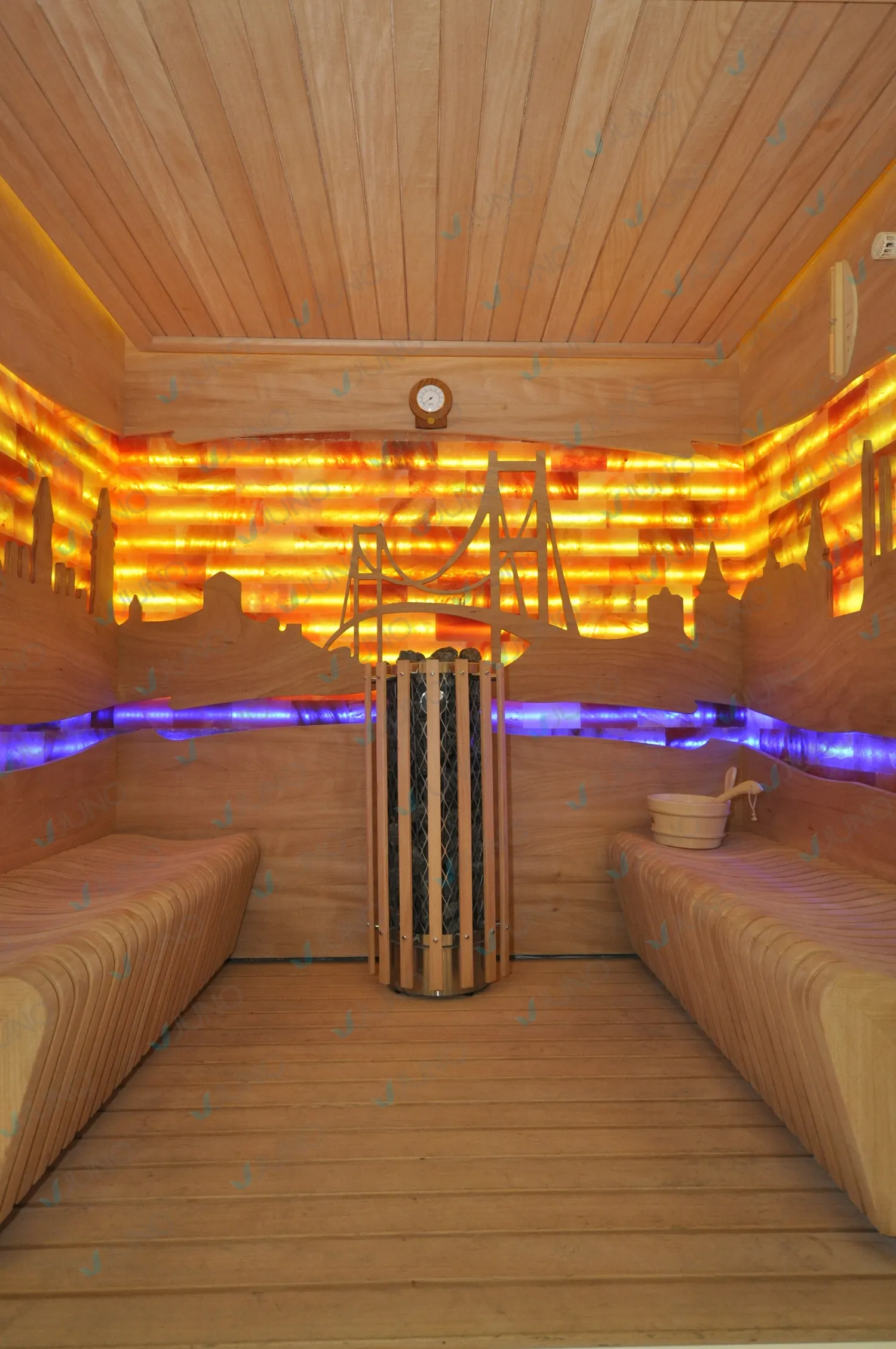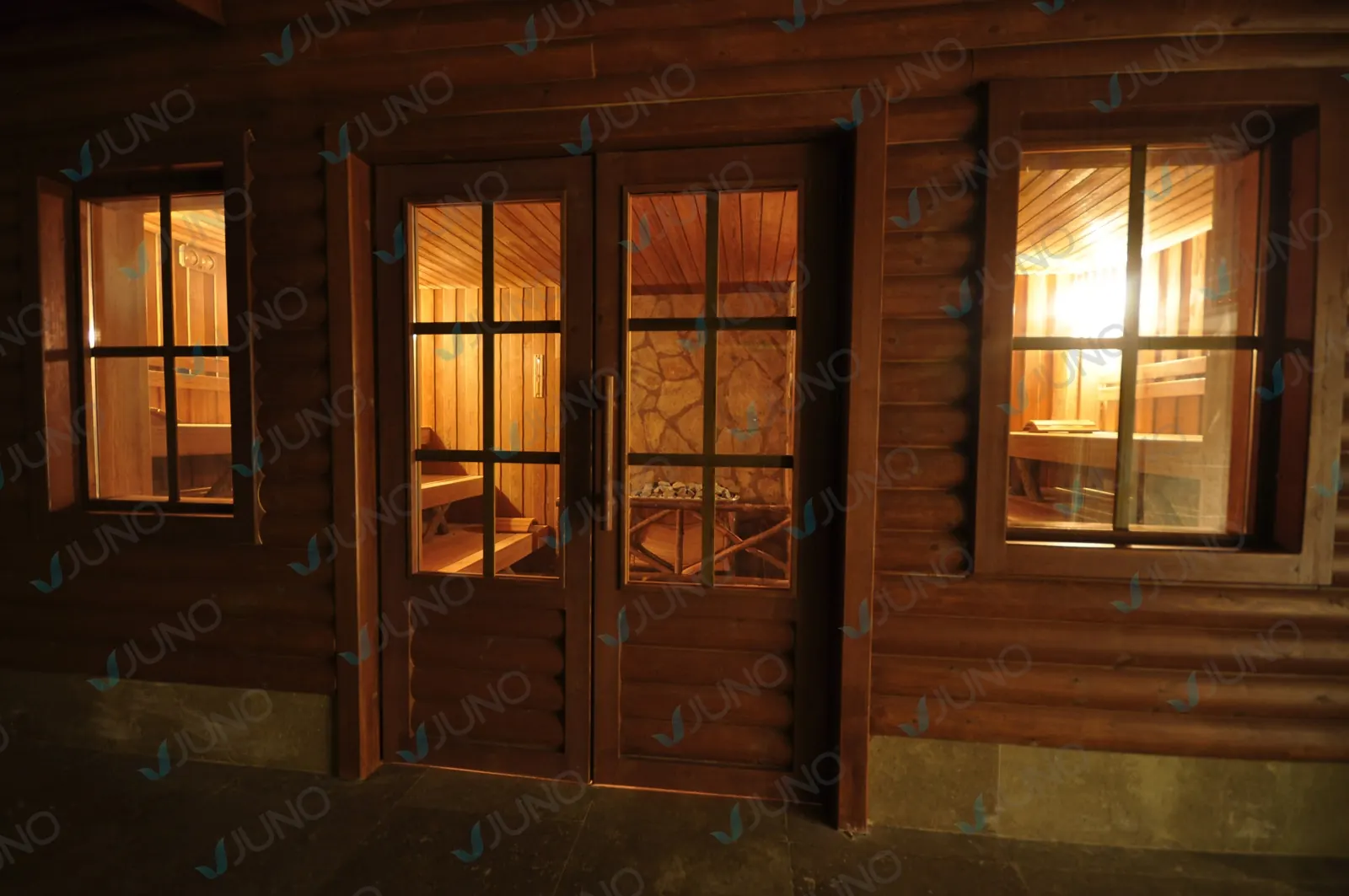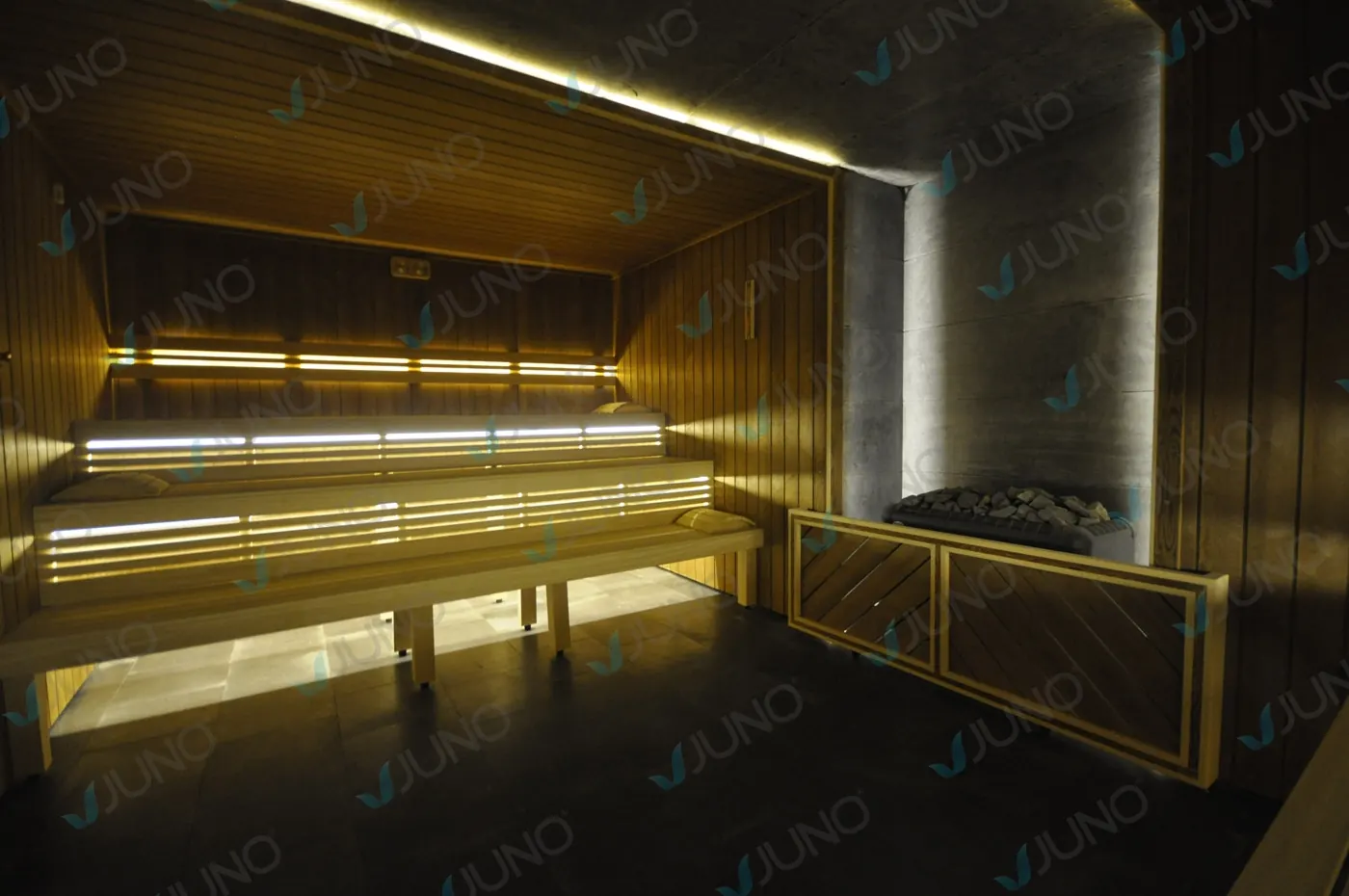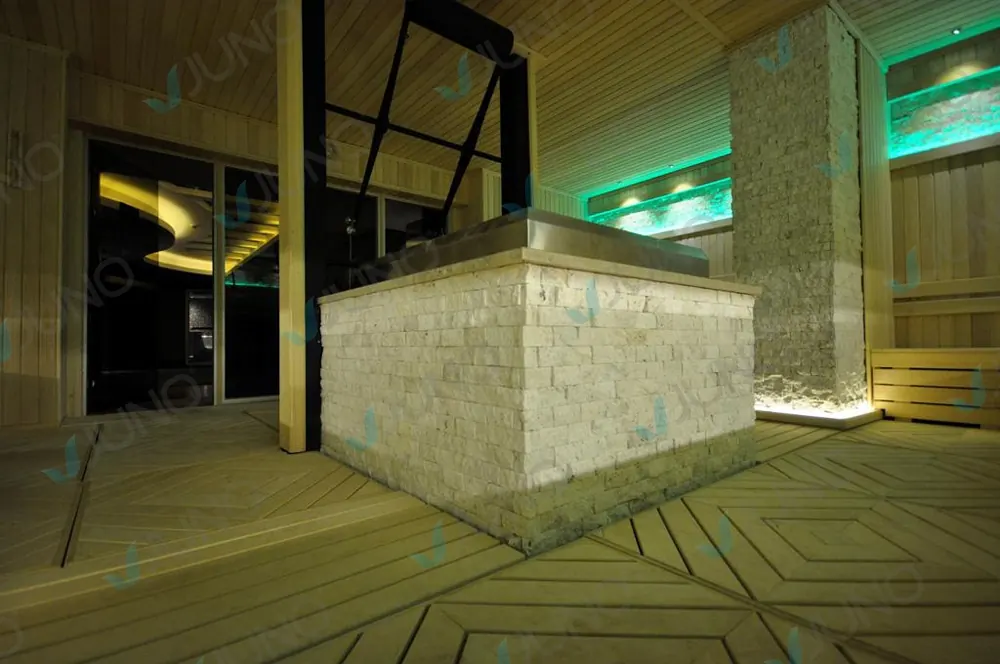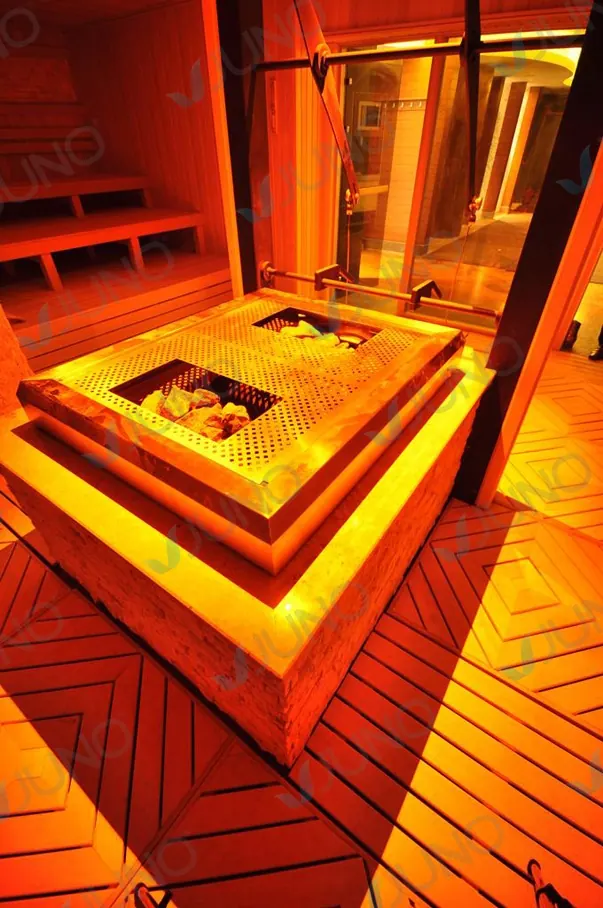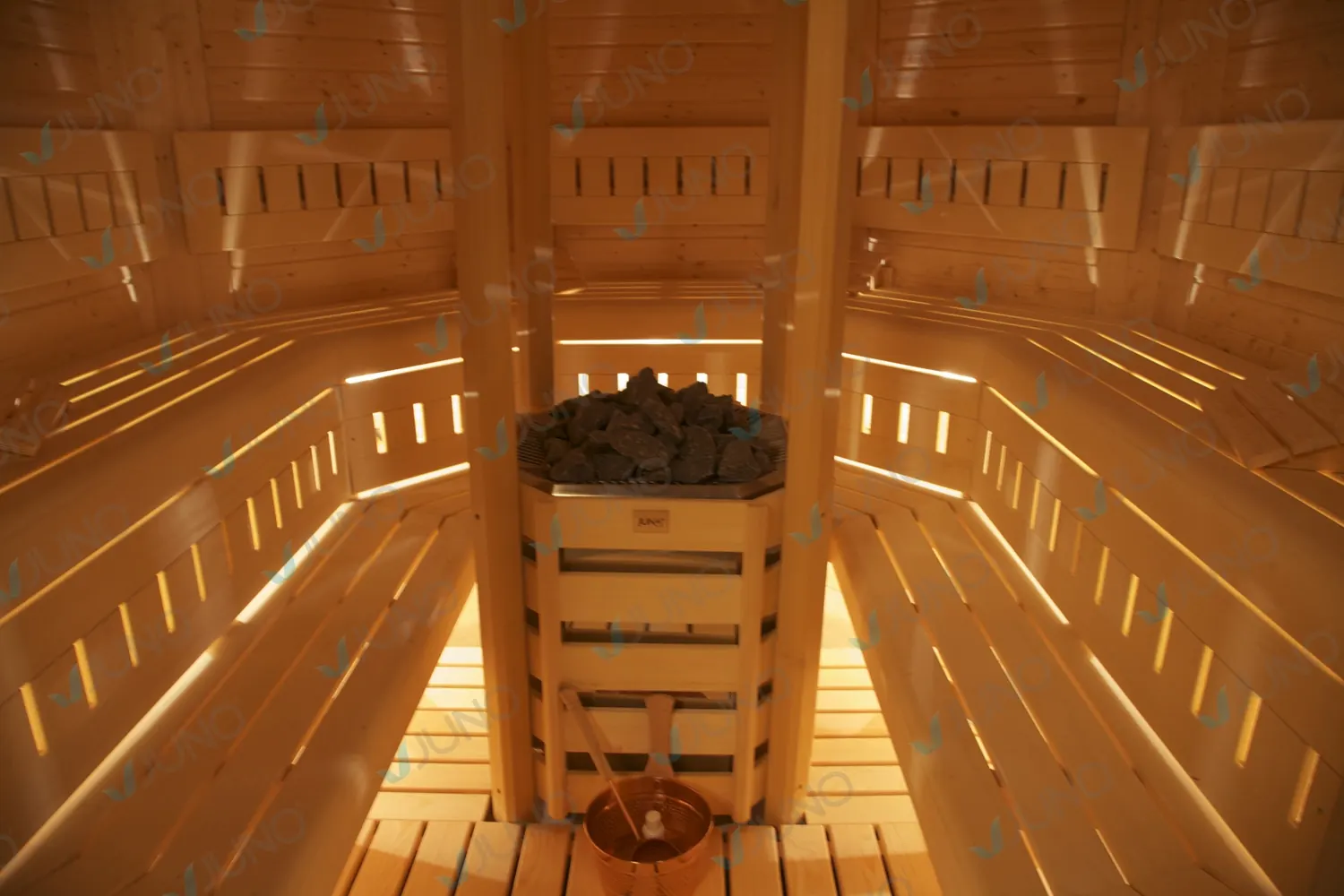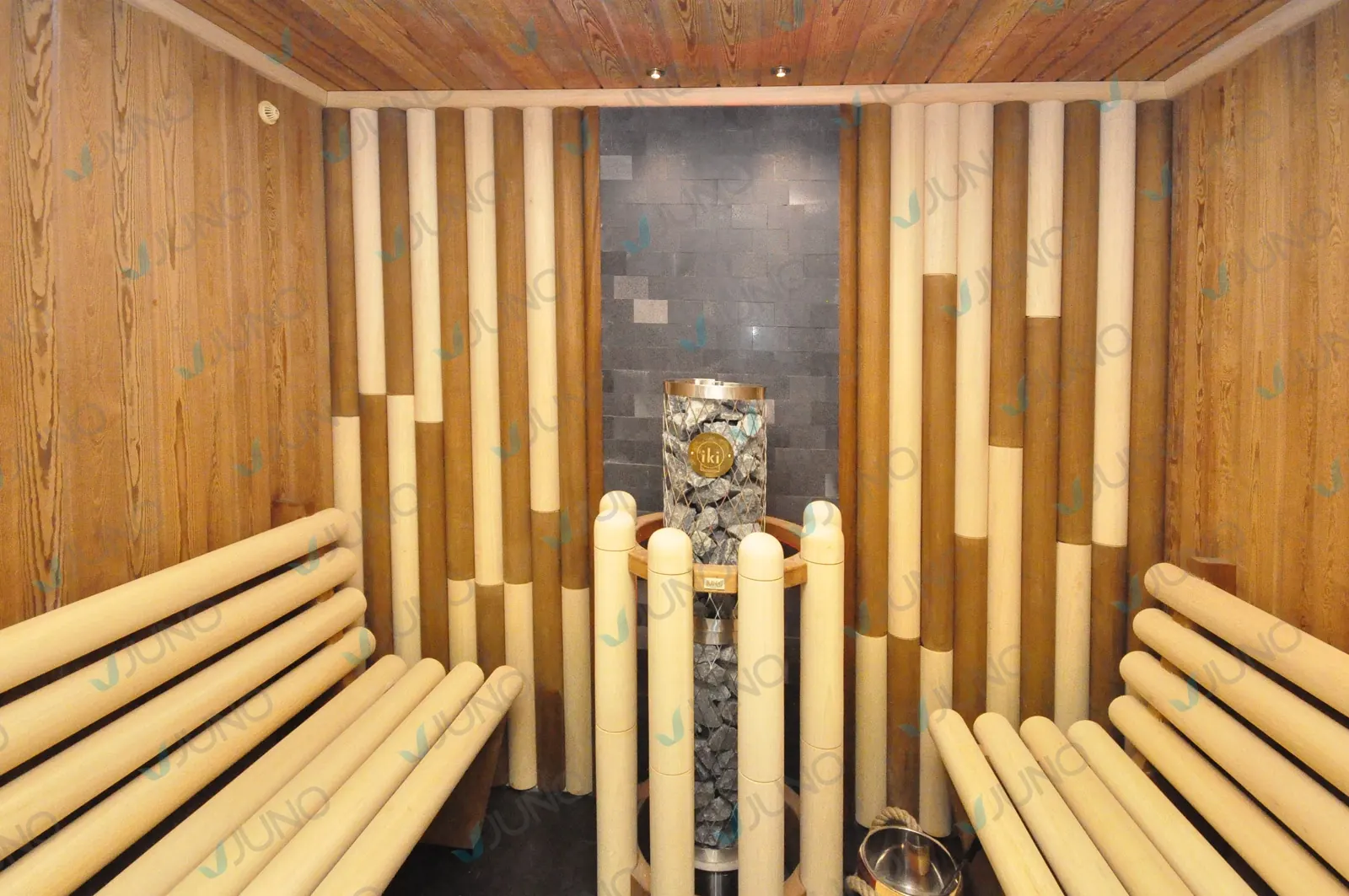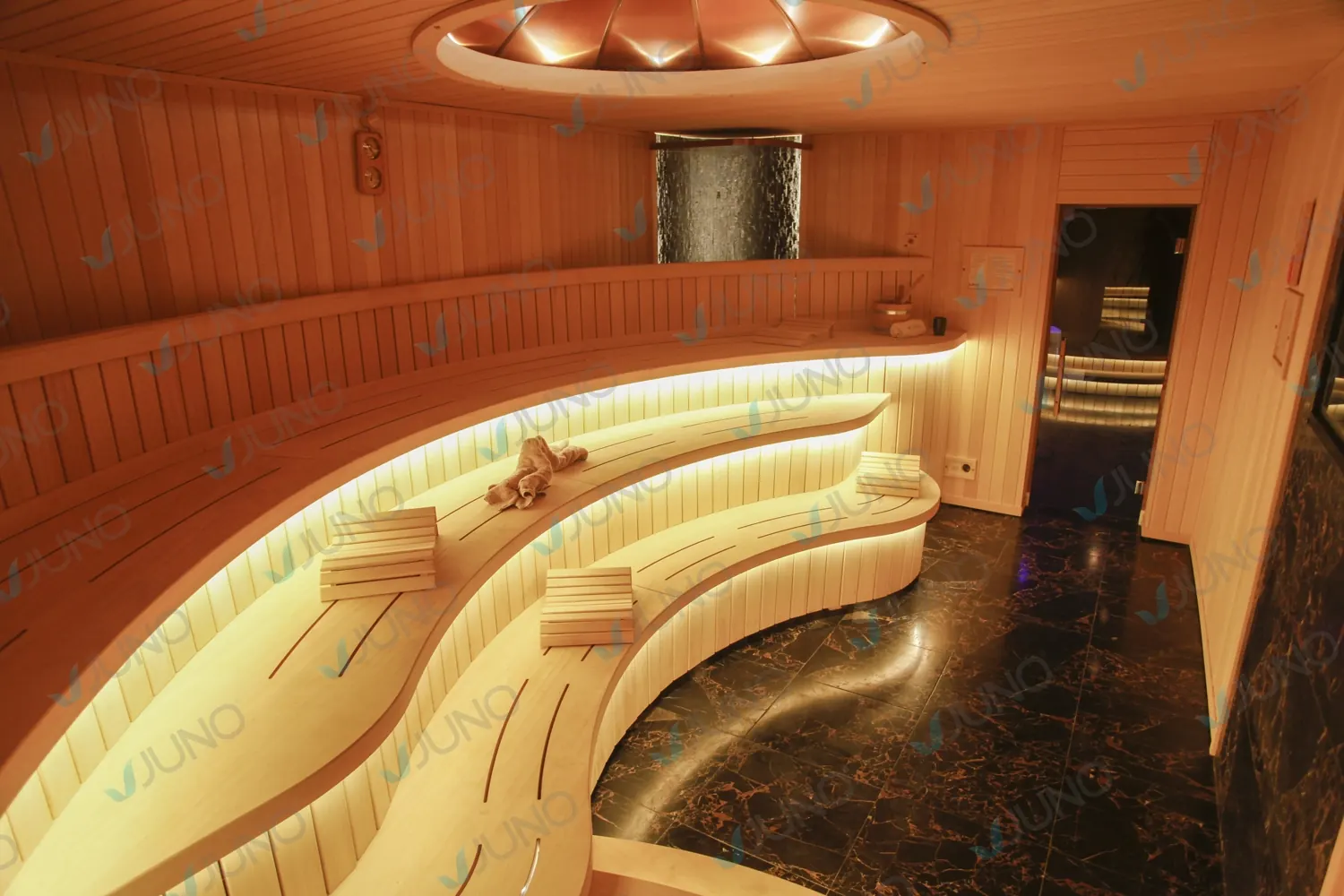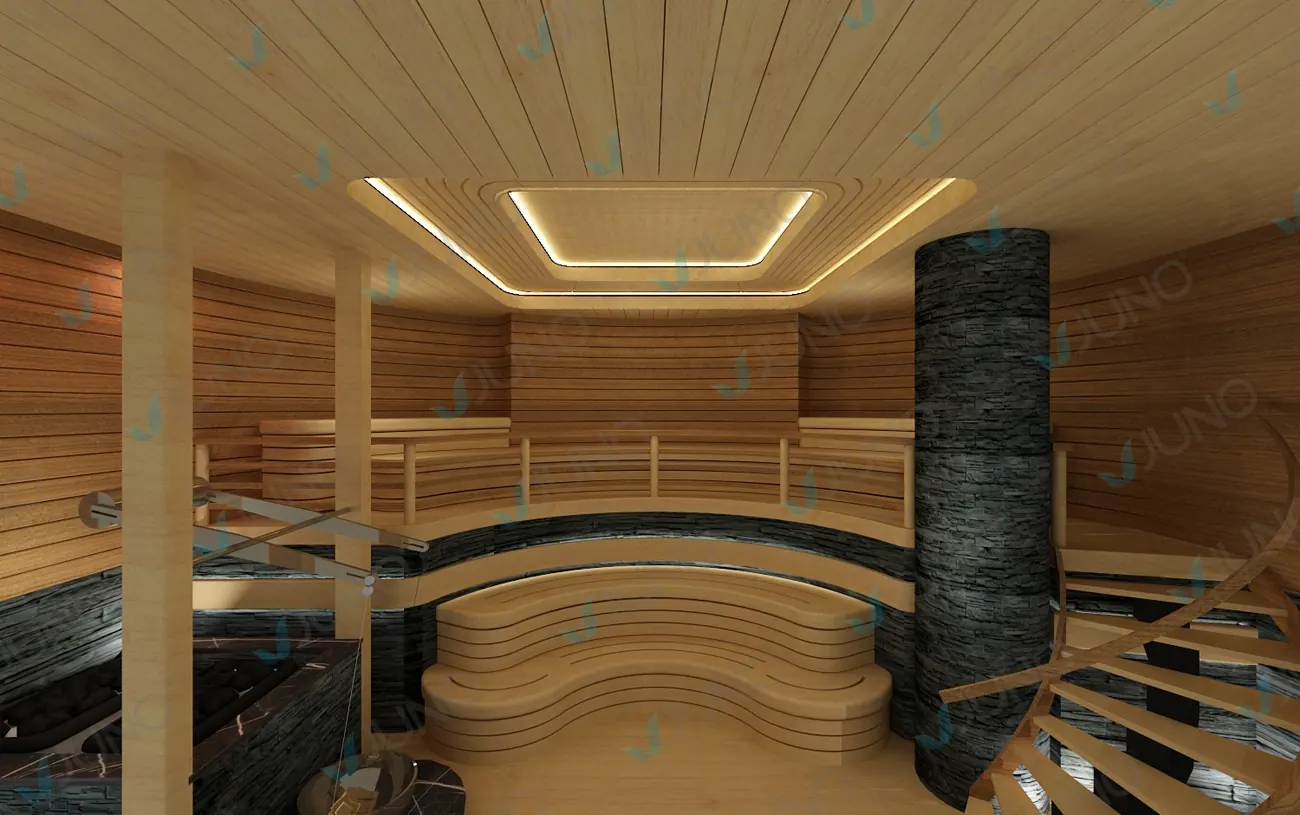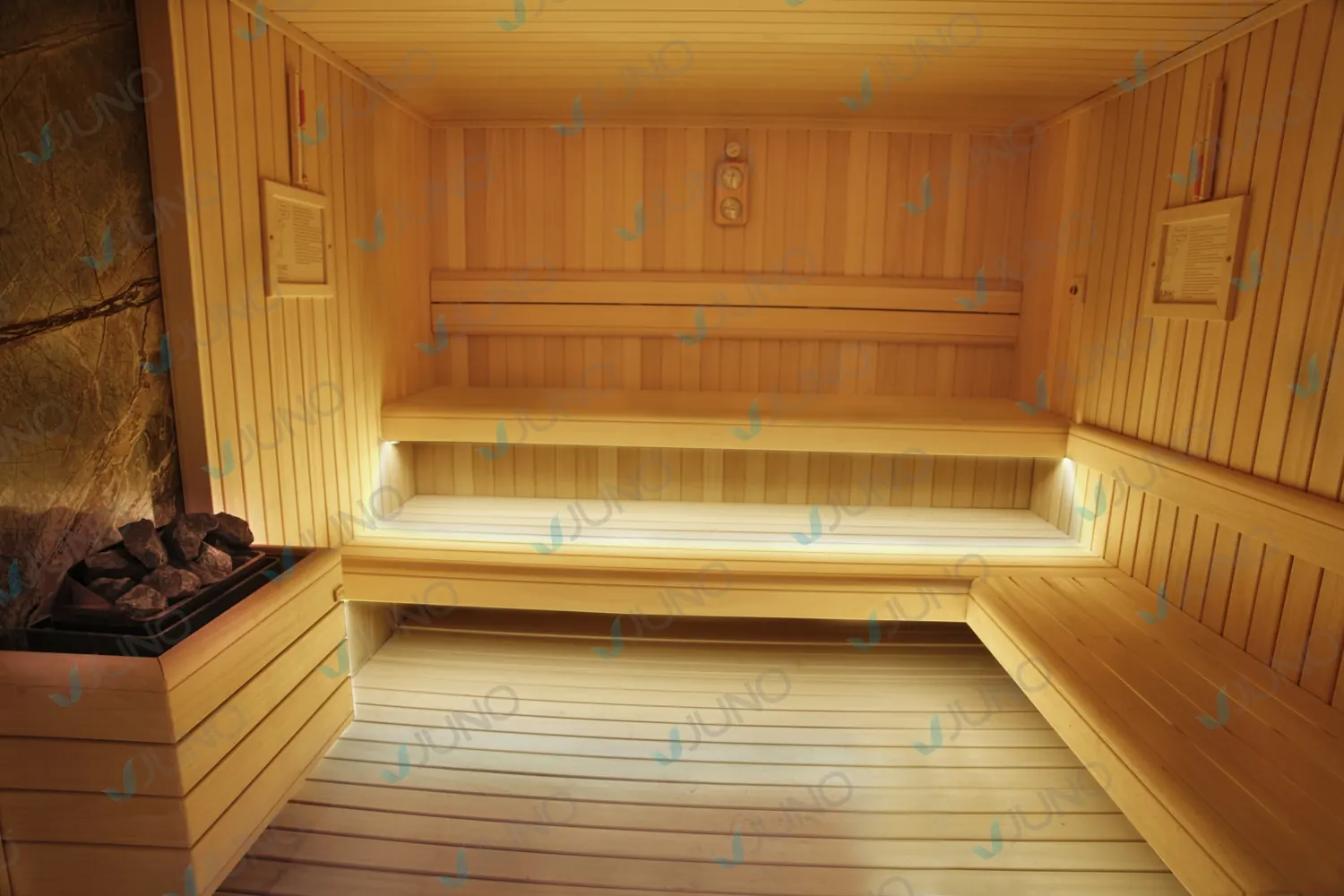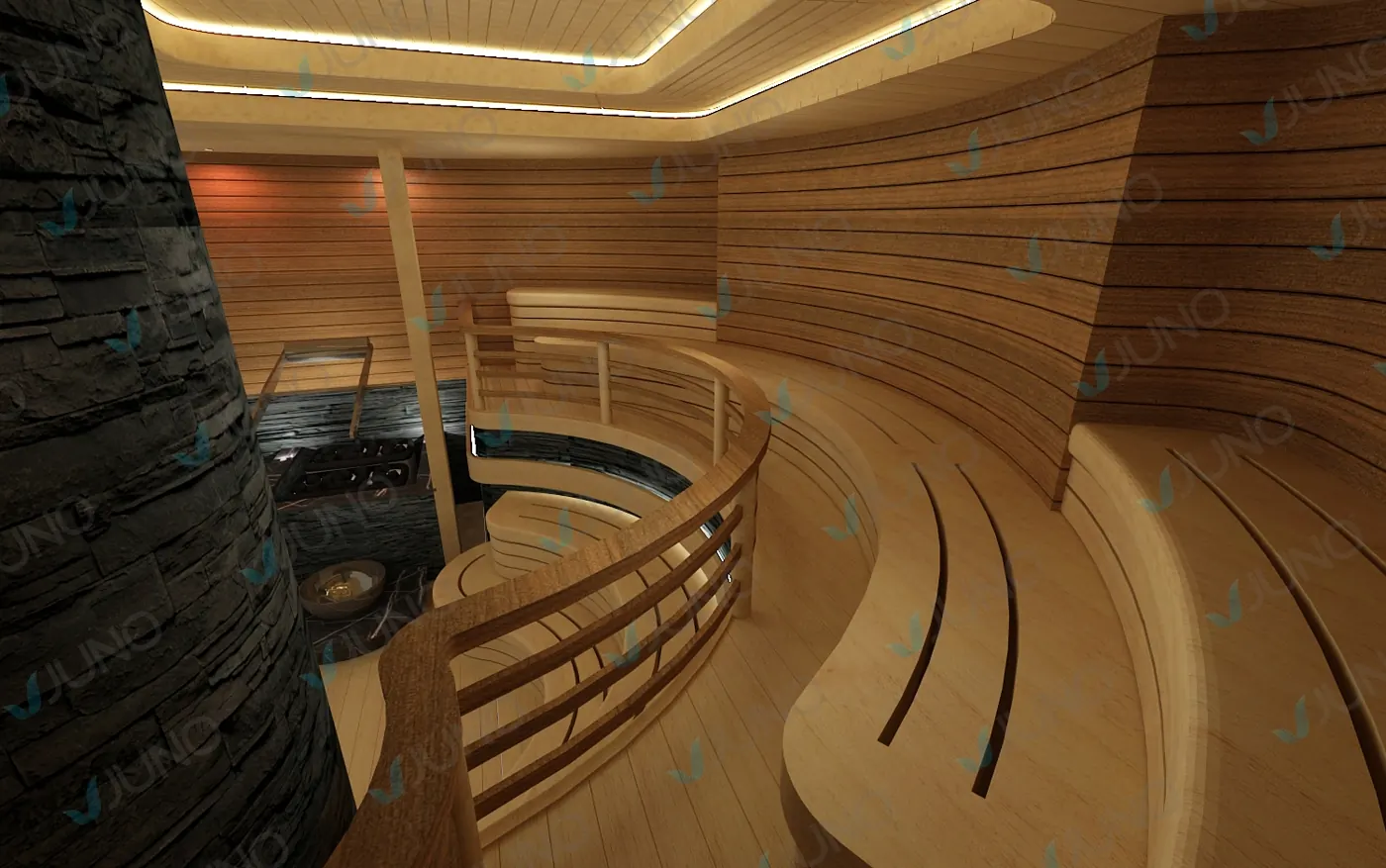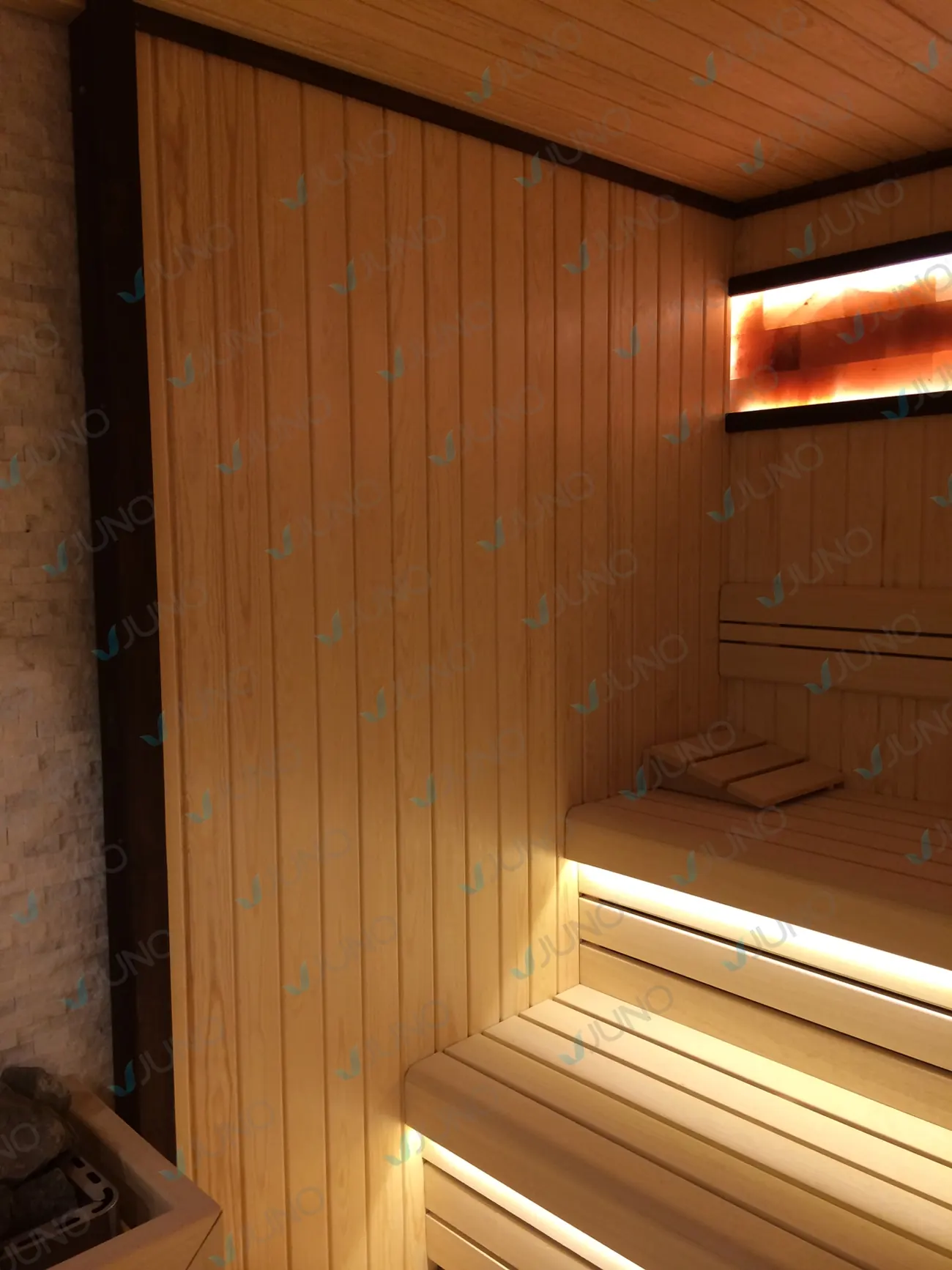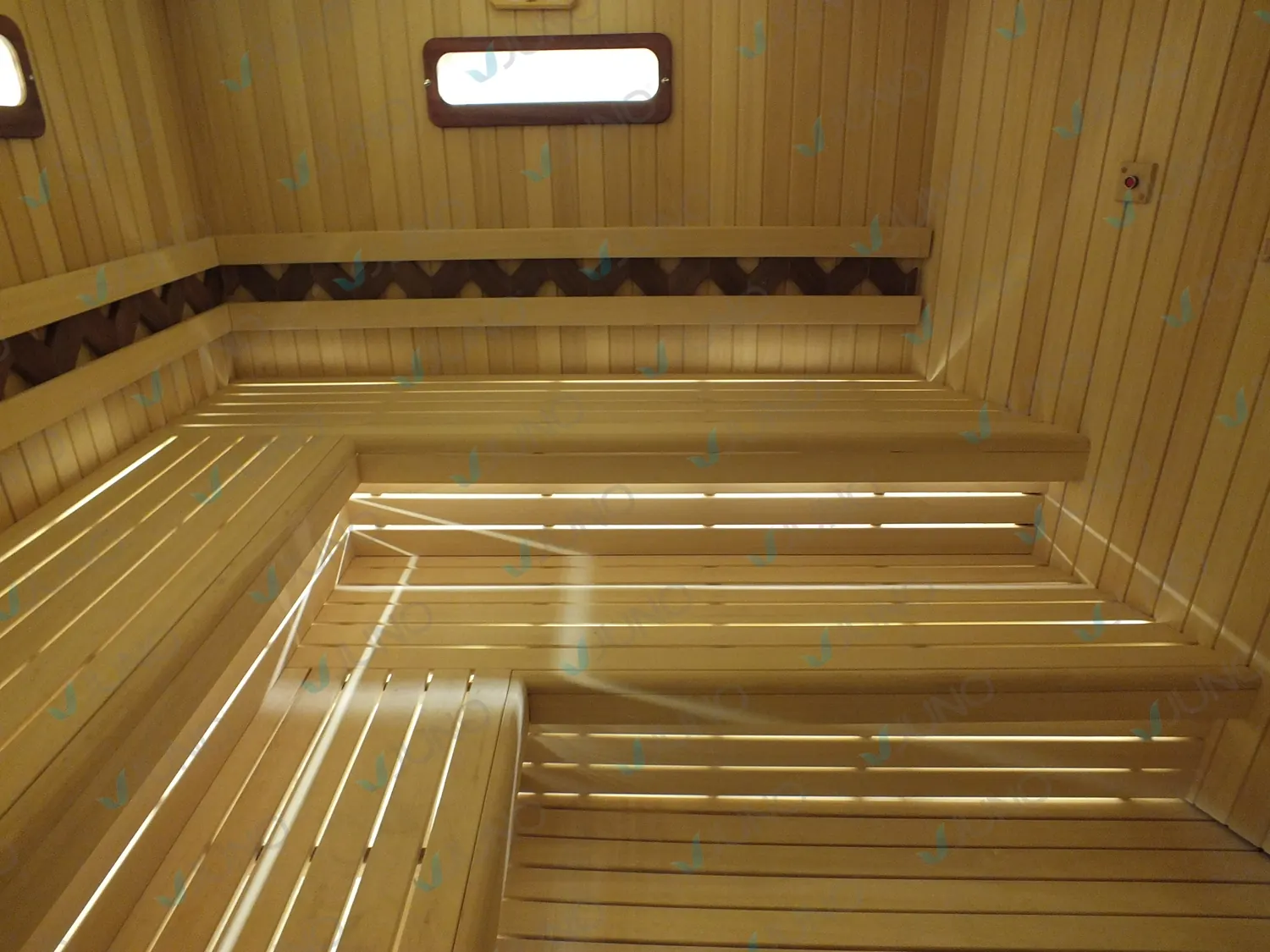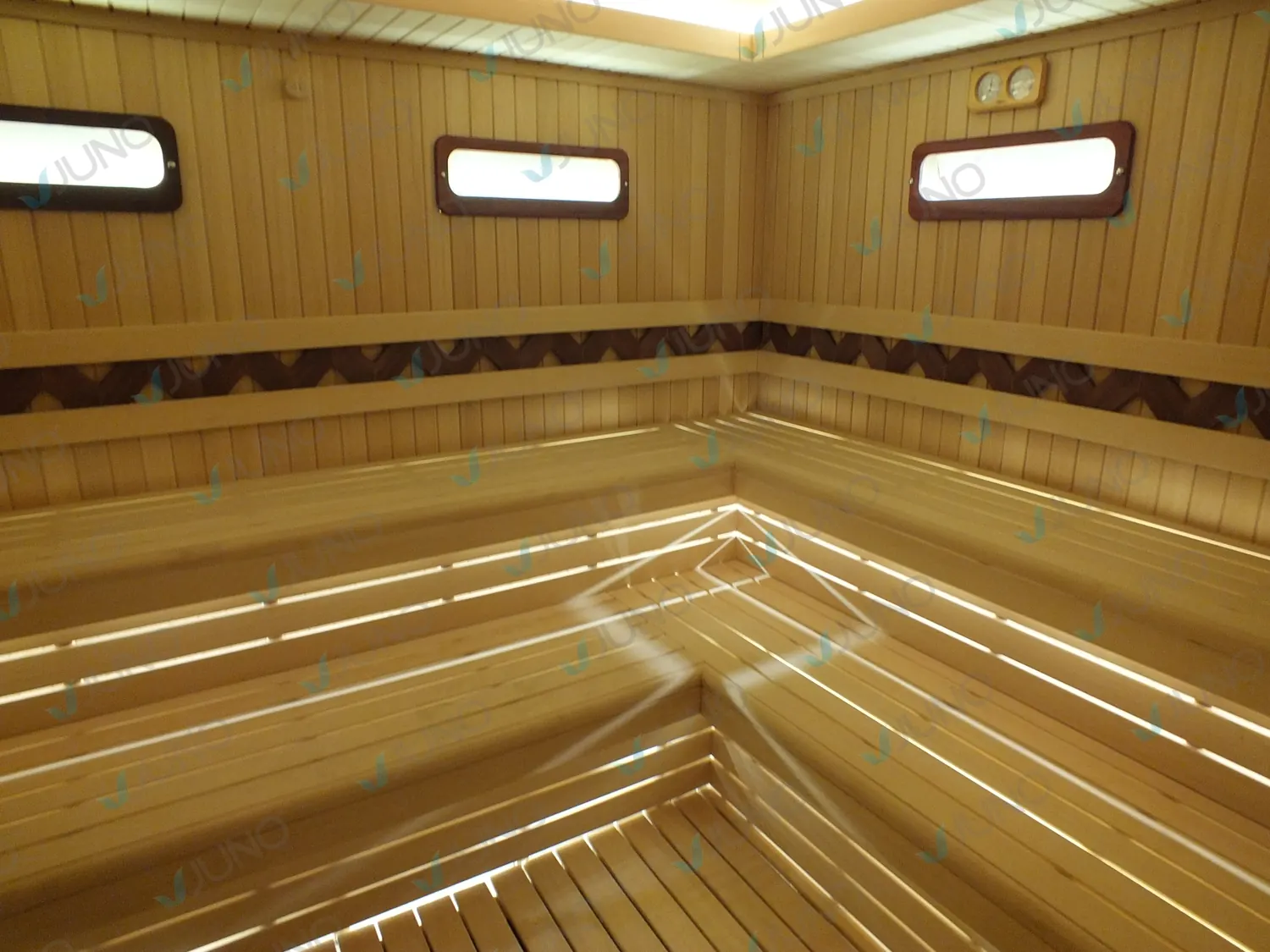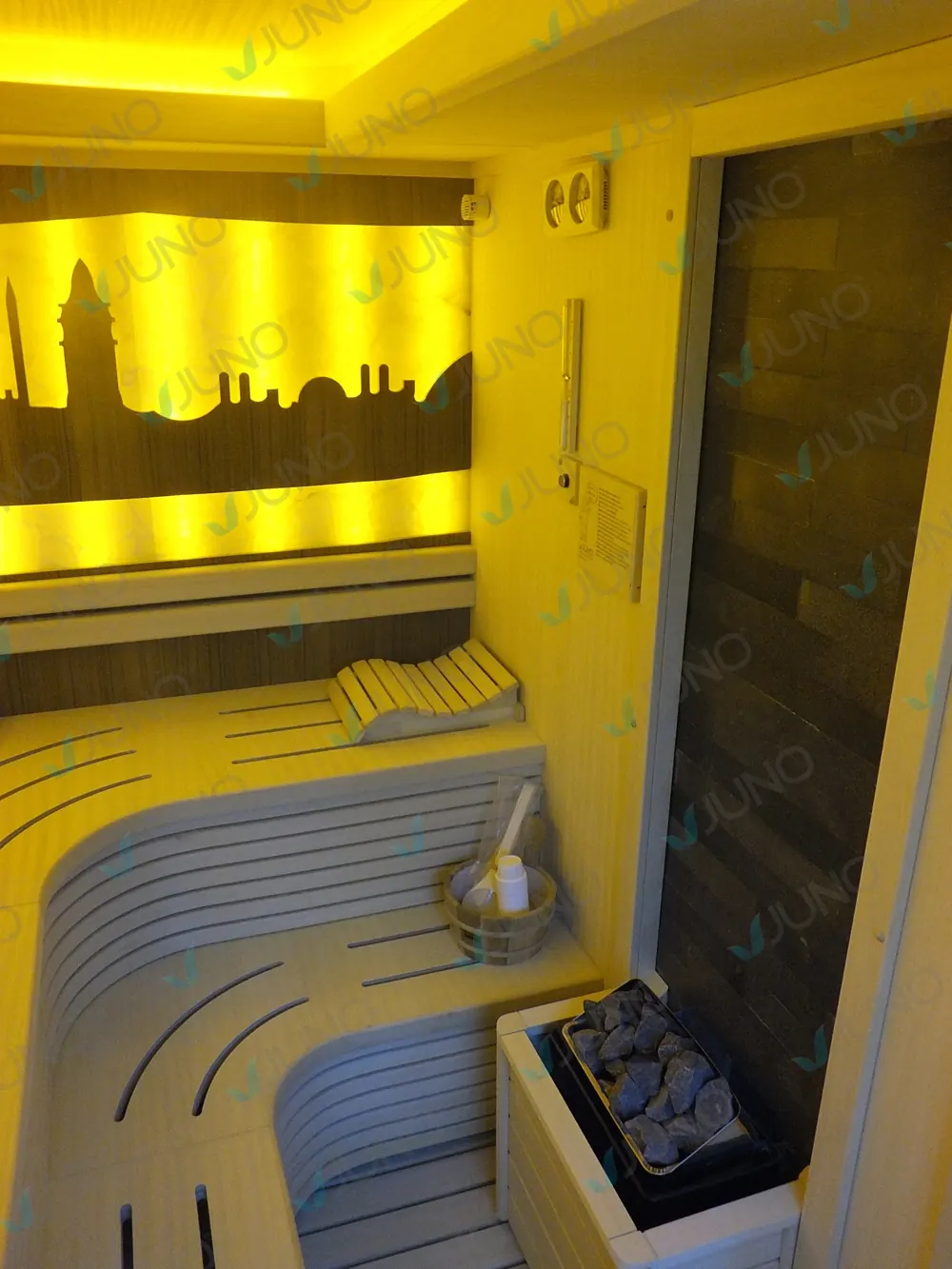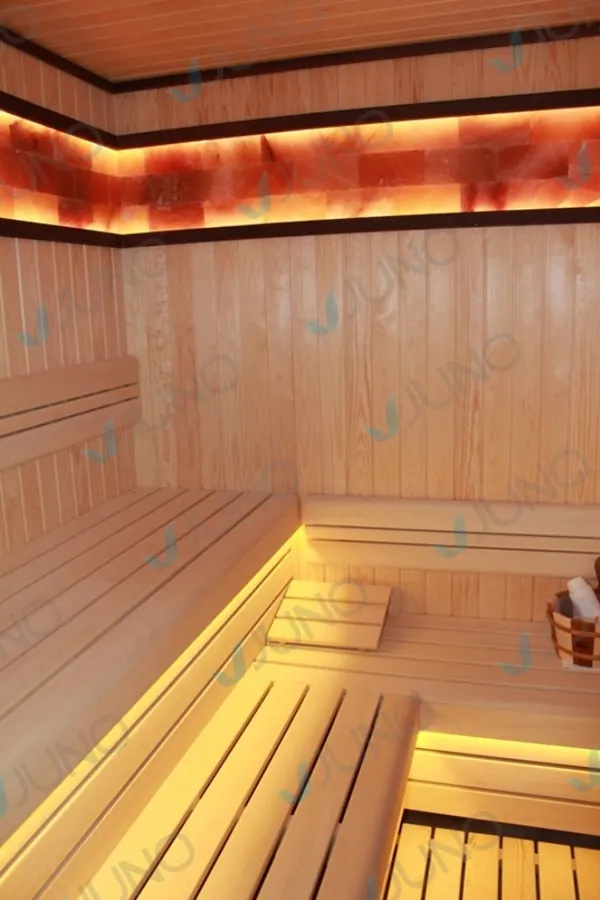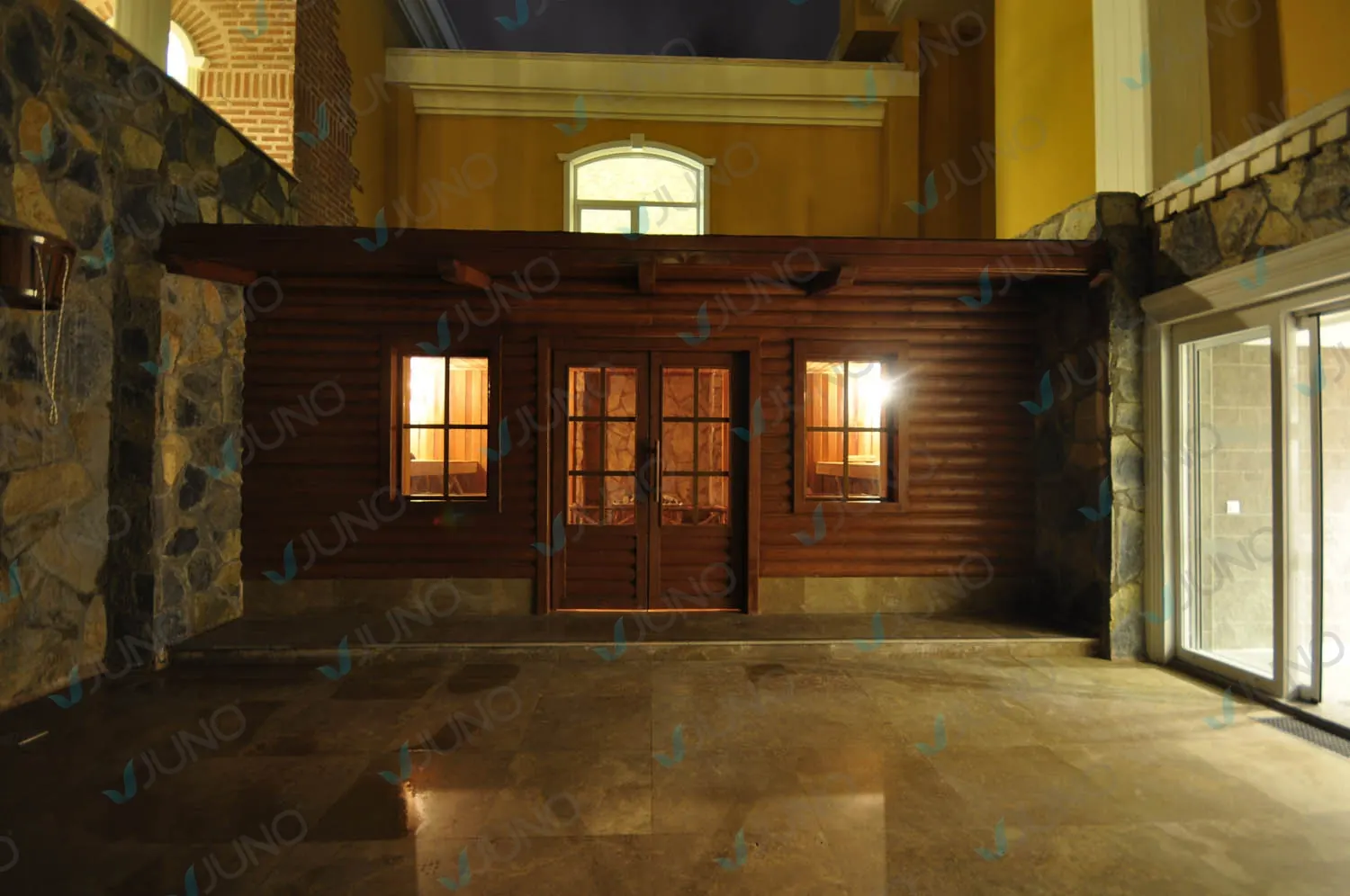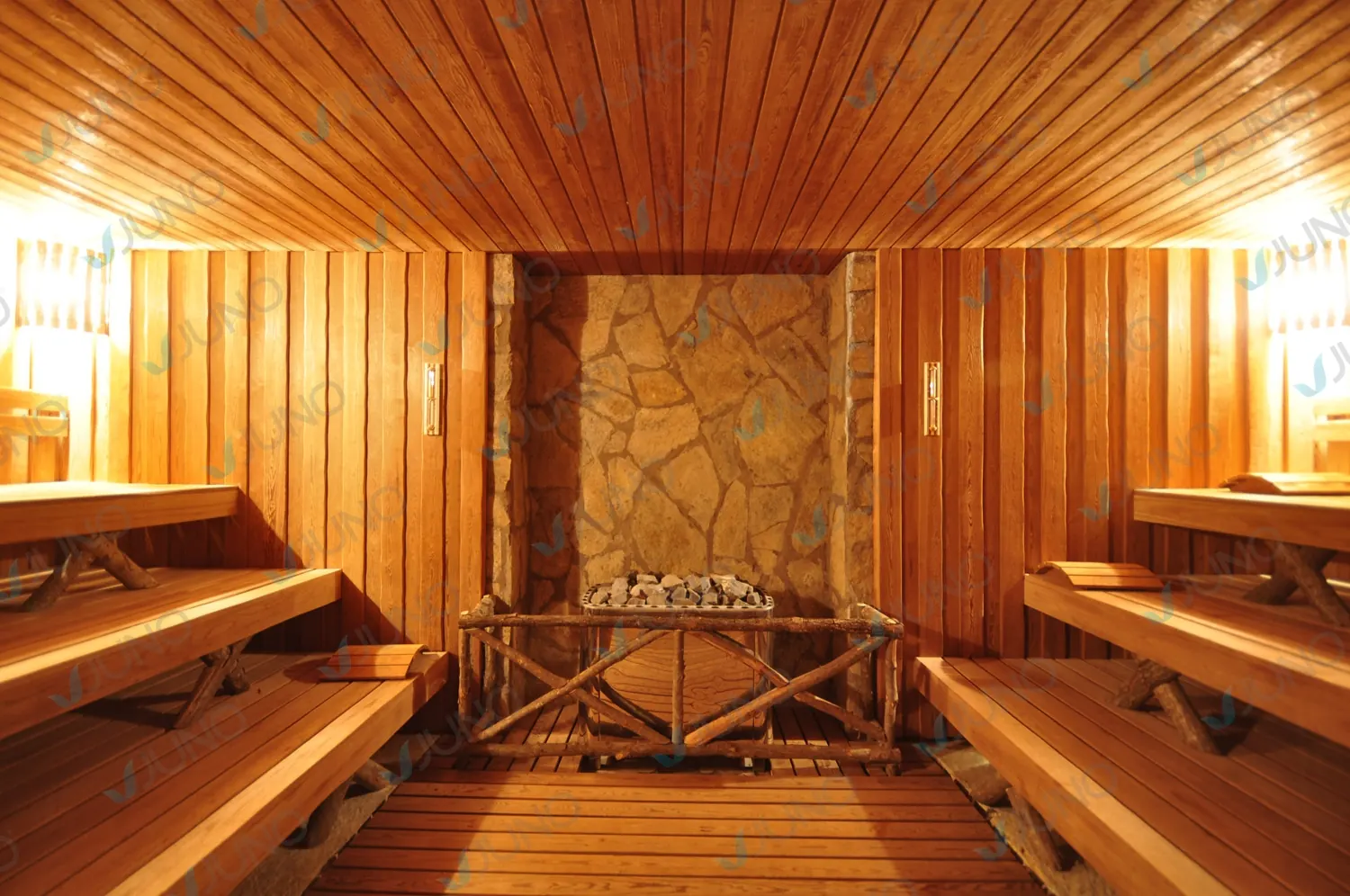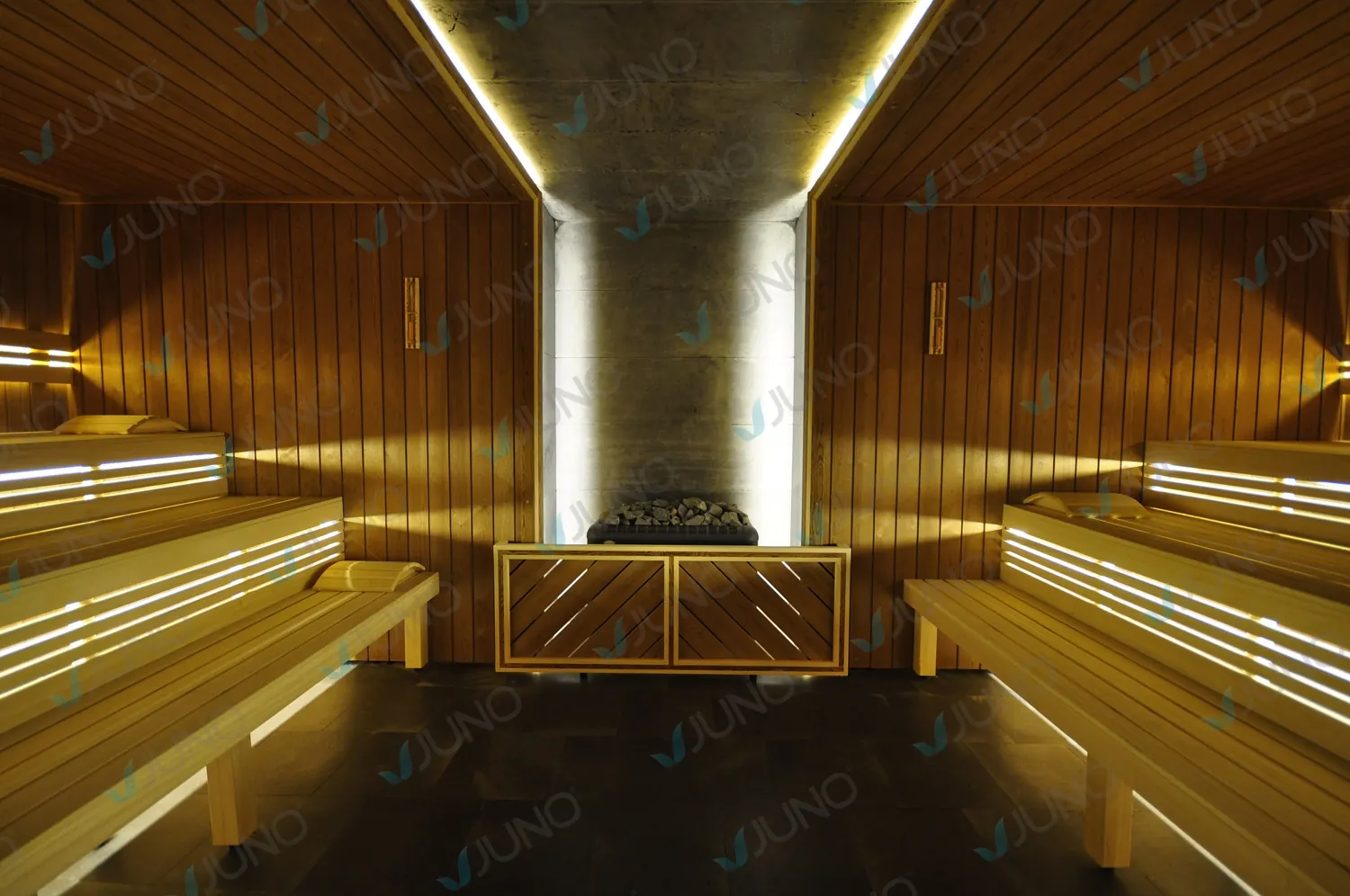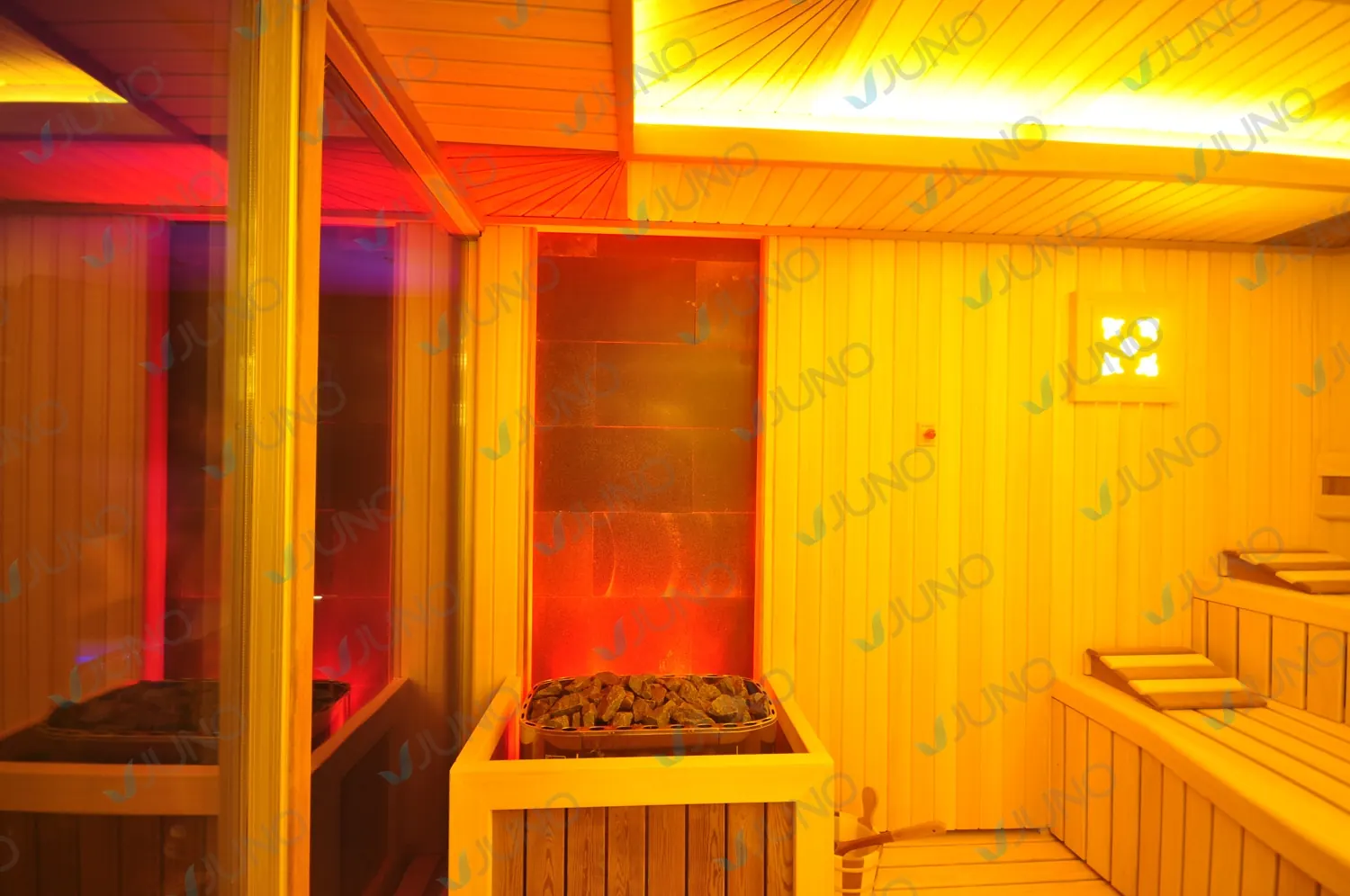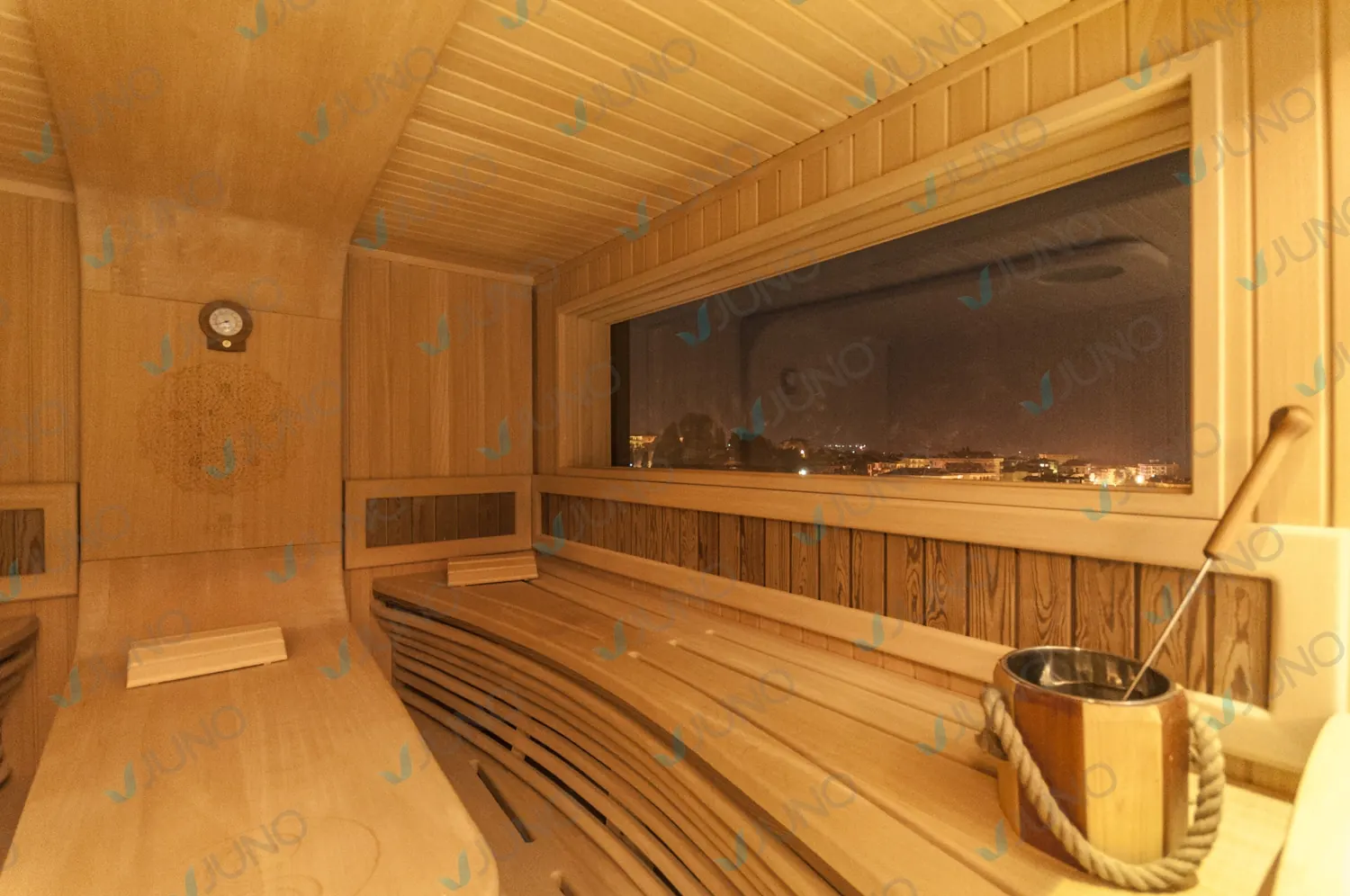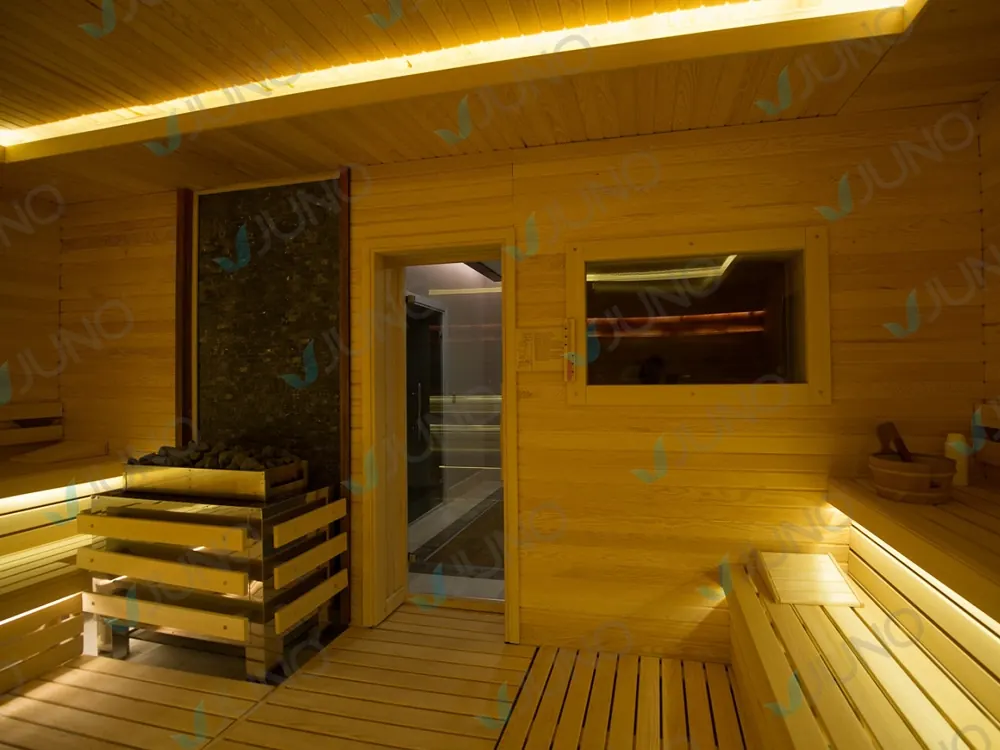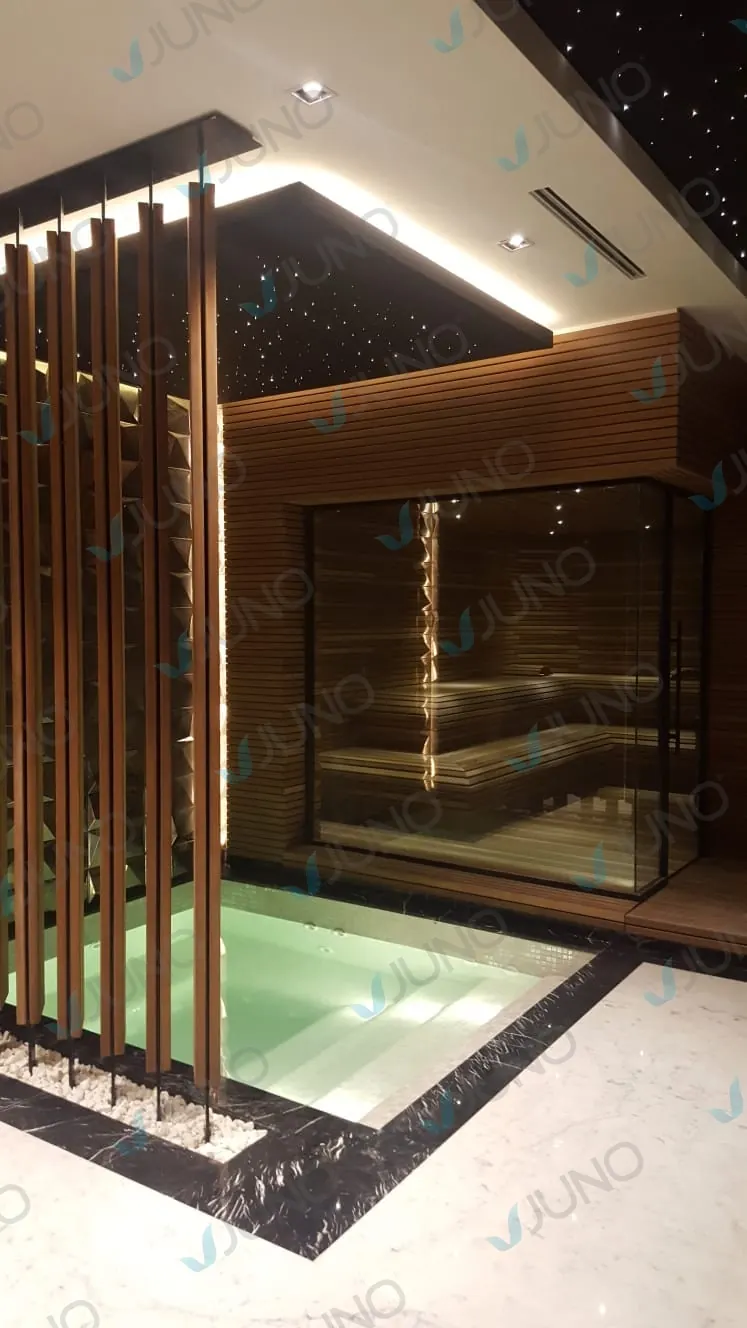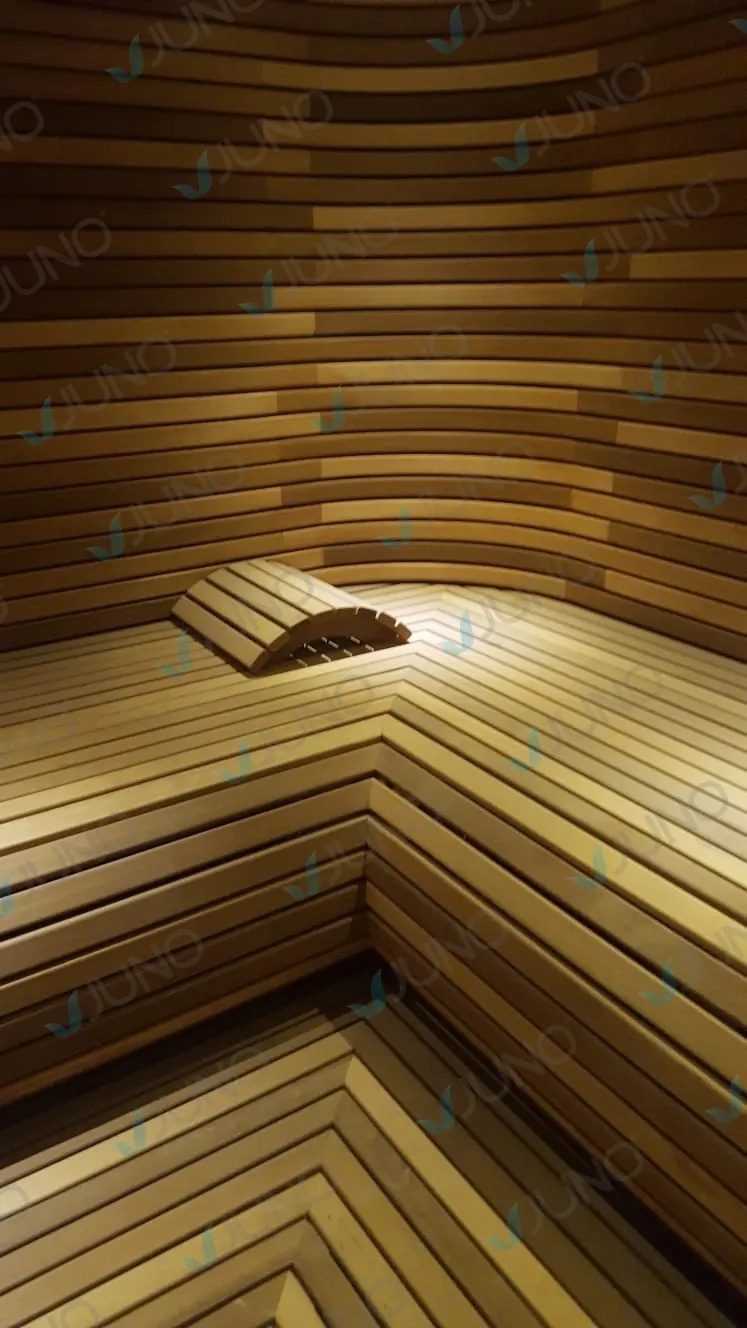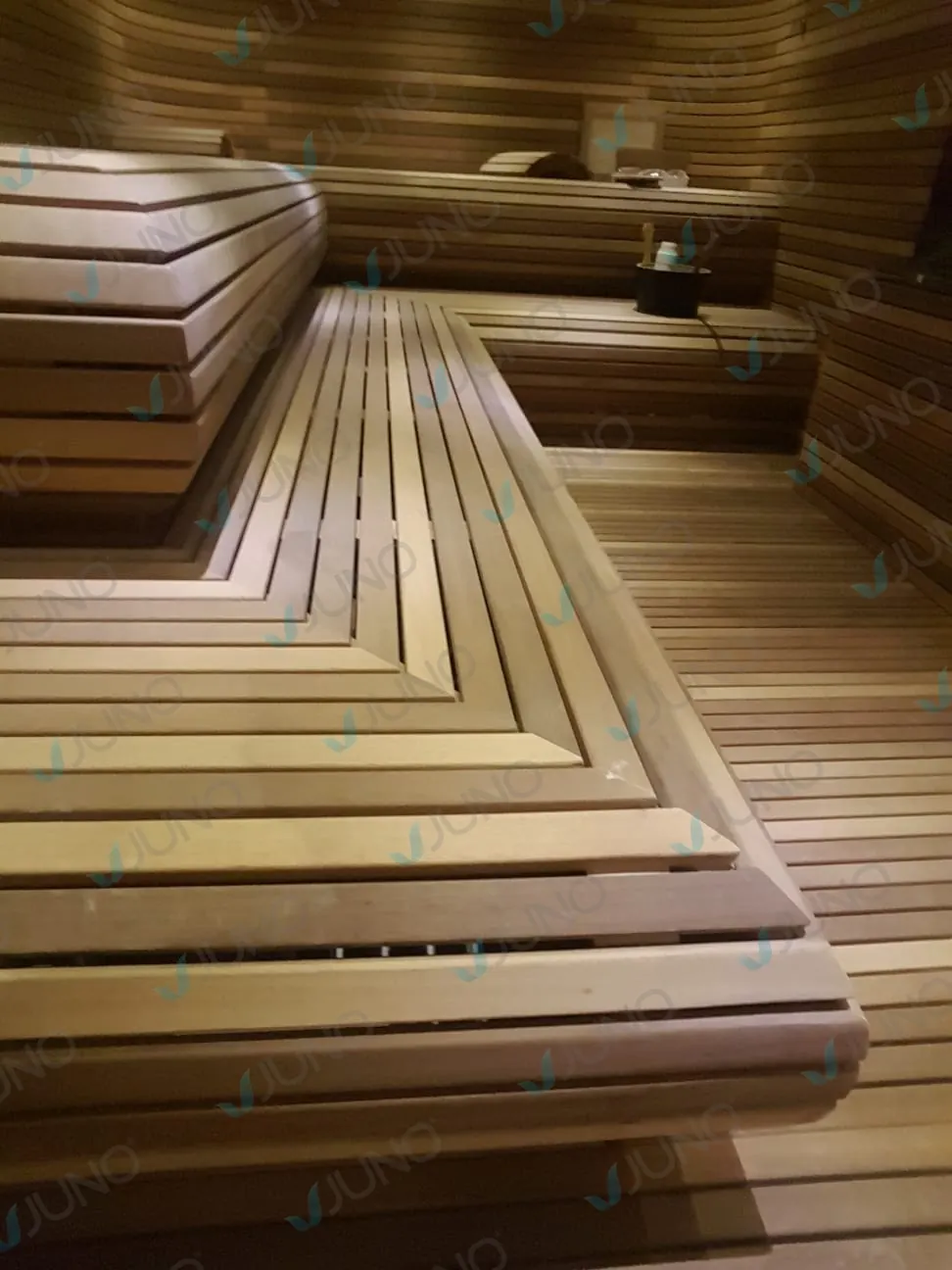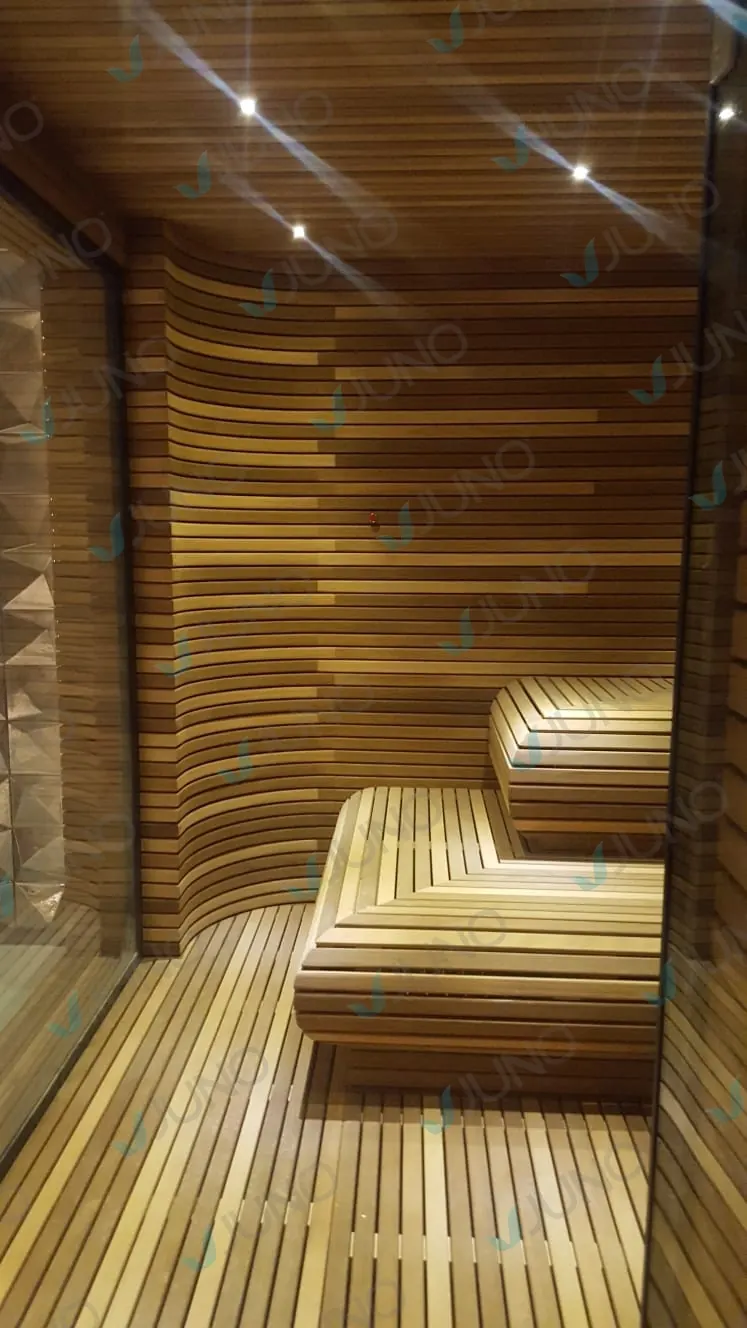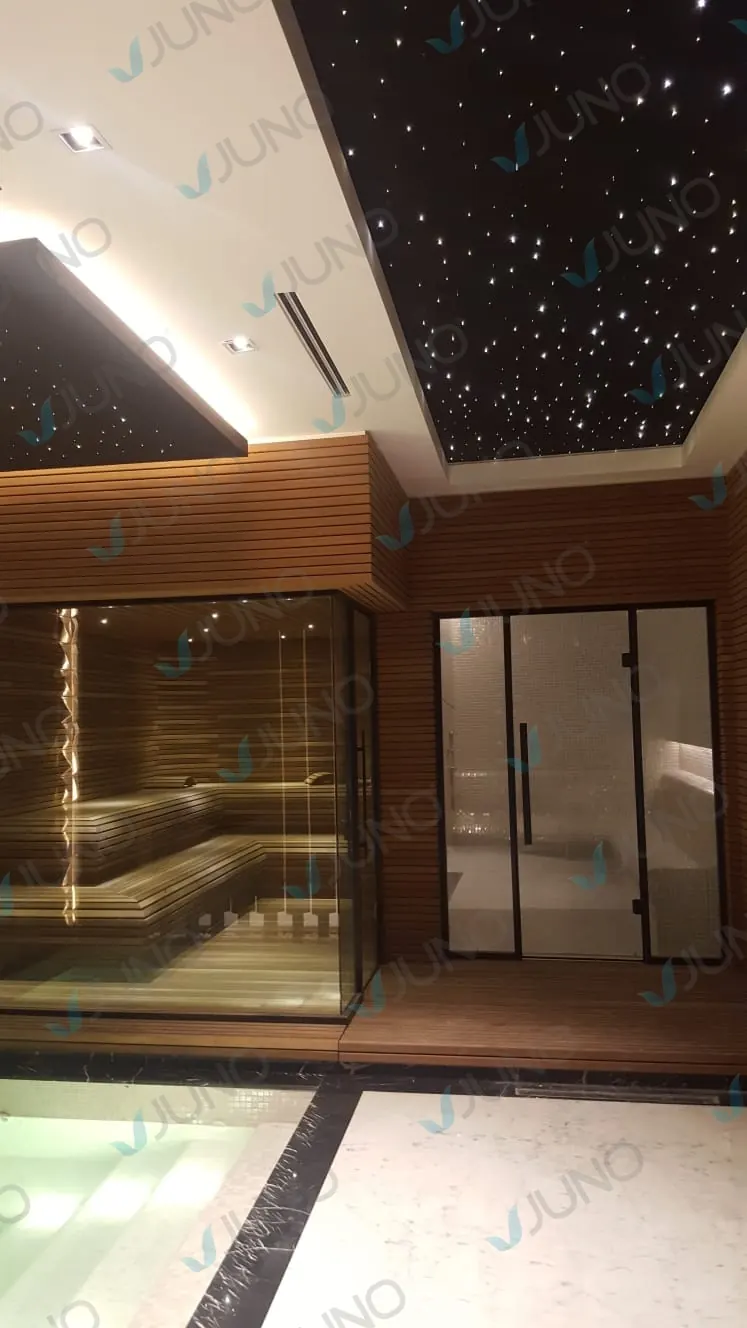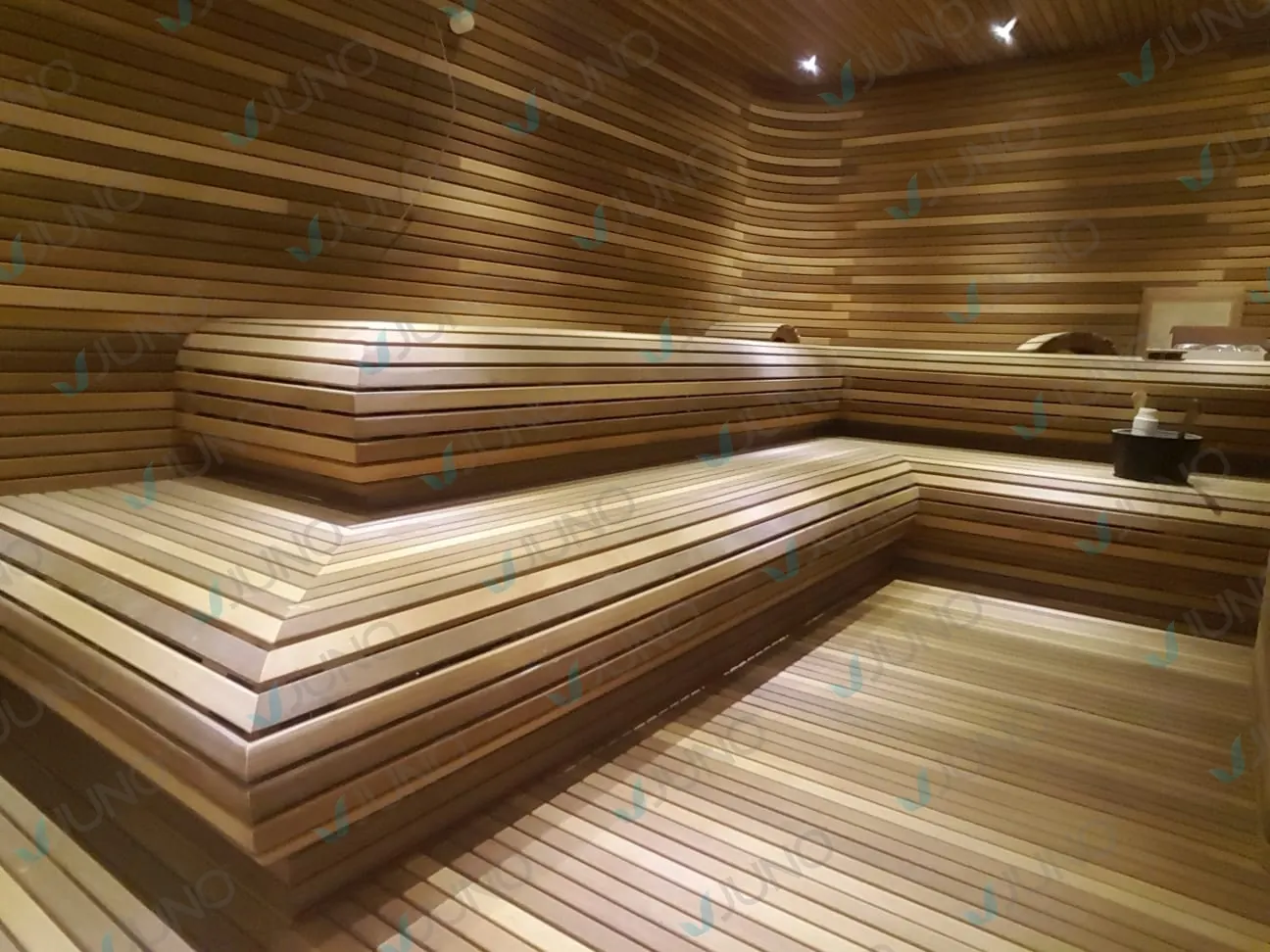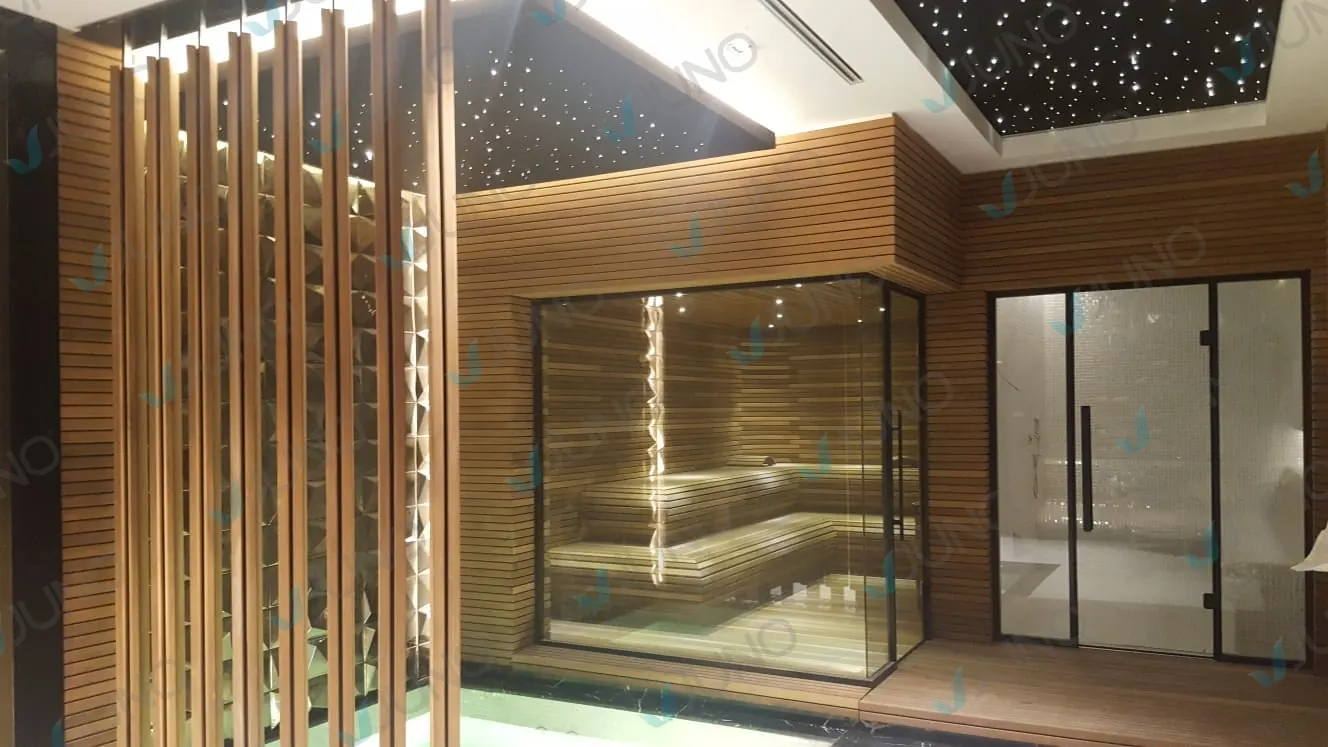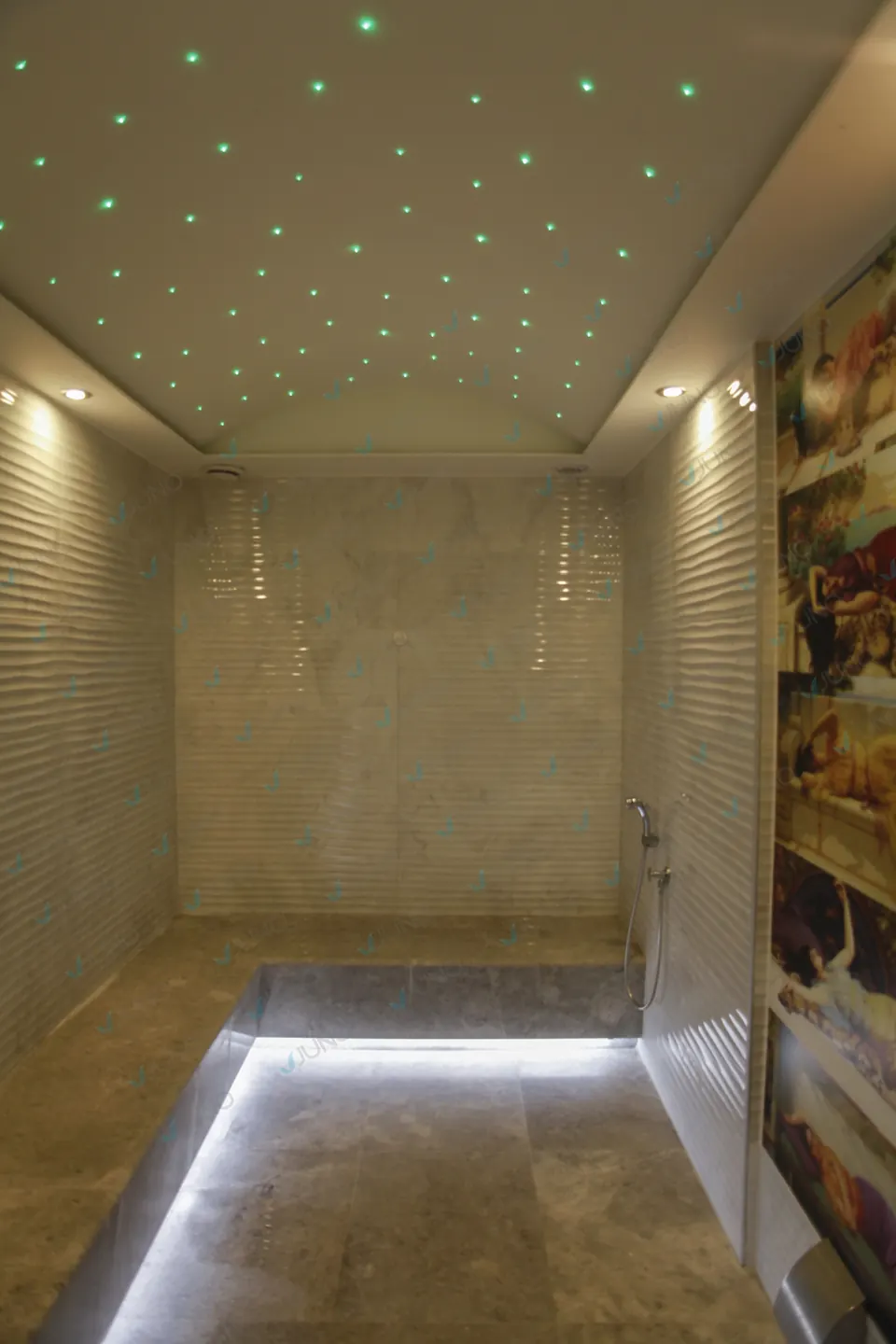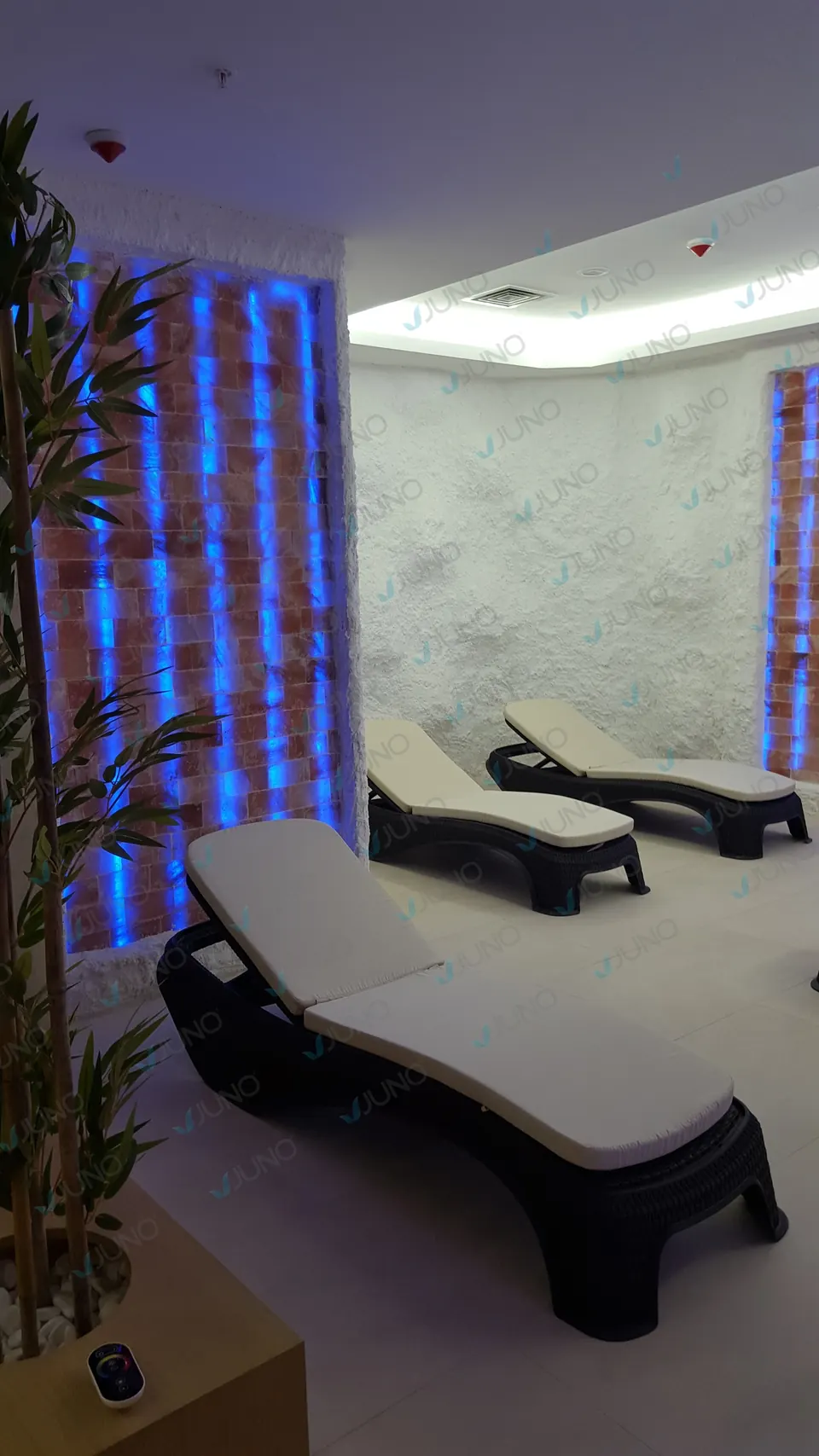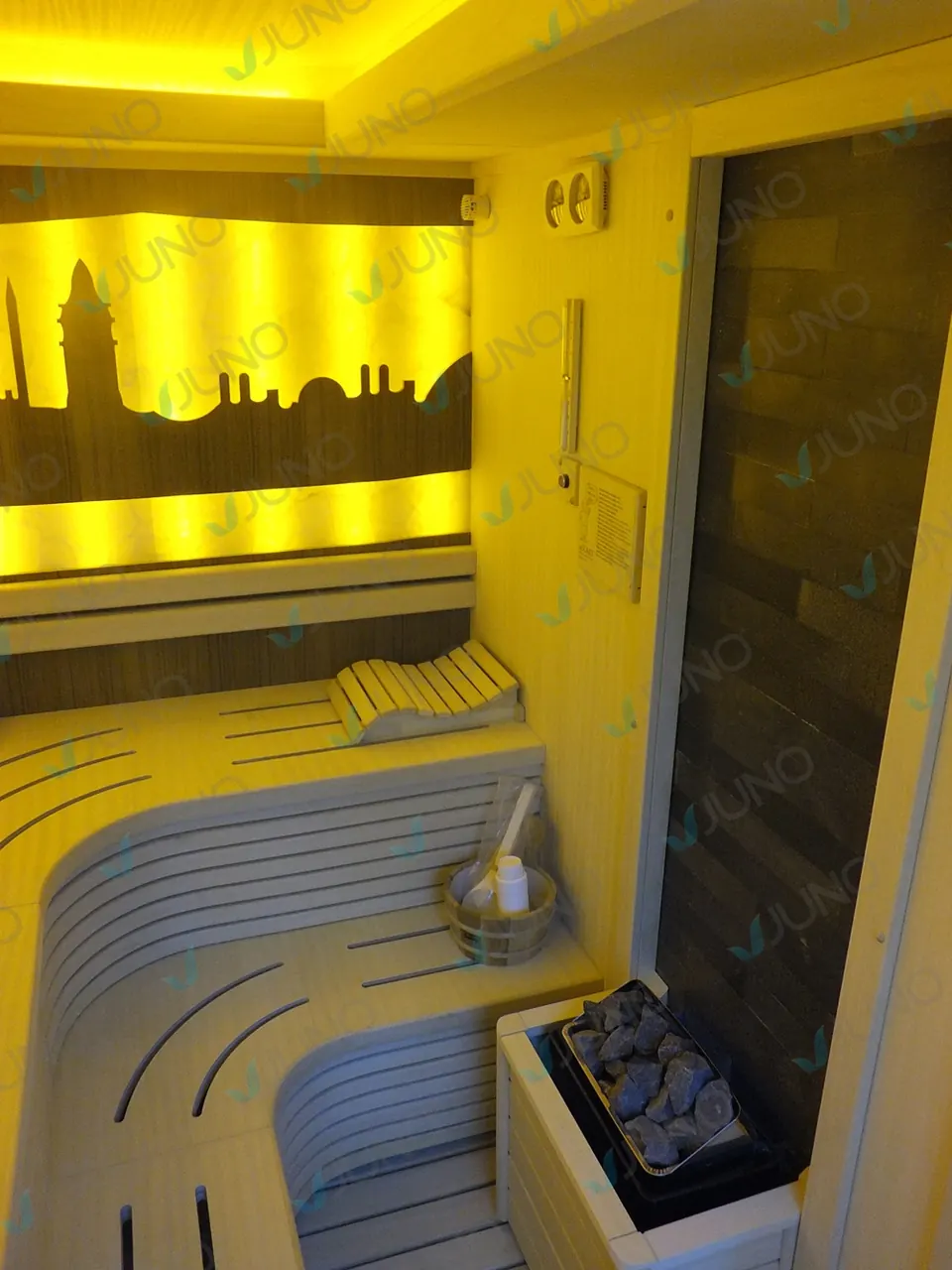
The History of the Sauna and Finnish Sauna Culture
Who built the first sauna matters less than who developed it to the high standards of the culture we see today.
The sauna was revived and developed in Finland because the Finns live close to the forest and nature and could never give up using the sauna in daily life. This attitude is partly a matter of tradition, and partly the approach the Finns have historically taken to keeping the human body healthy. That is why, even today, the Finns remain the guardians of sauna culture and sauna enjoyment.
The sauna has always been important to the Finns. With a history of more than a thousand years, it began as a place for bathing, but because it was the only clean place with plenty of water, it was also used for giving birth and for healing the sick.
Today there are estimated to be around 2 million saunas in Finland, 1.2 million of which are in private apartments, summer cottages, hotels and public swimming pools.
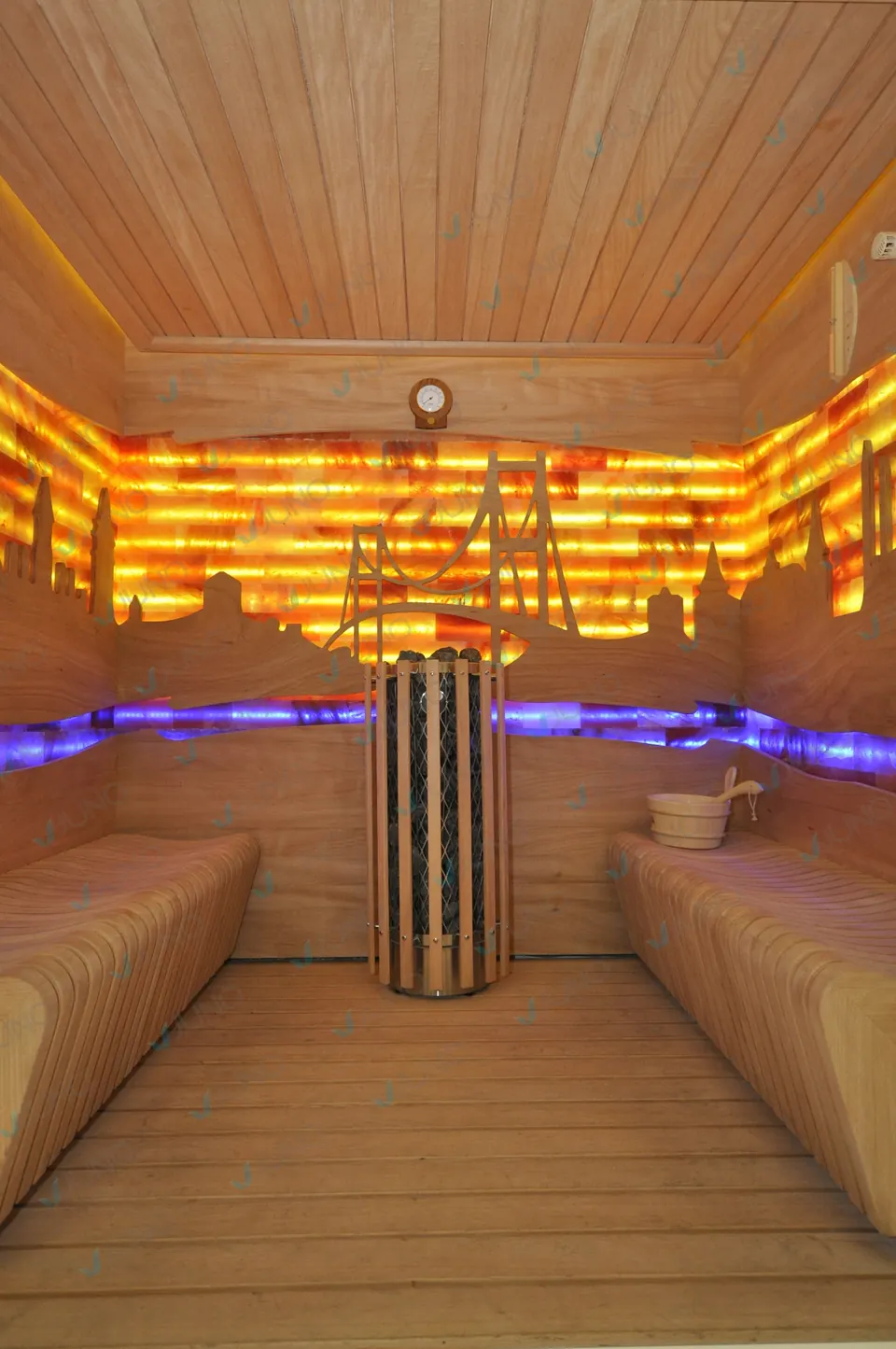
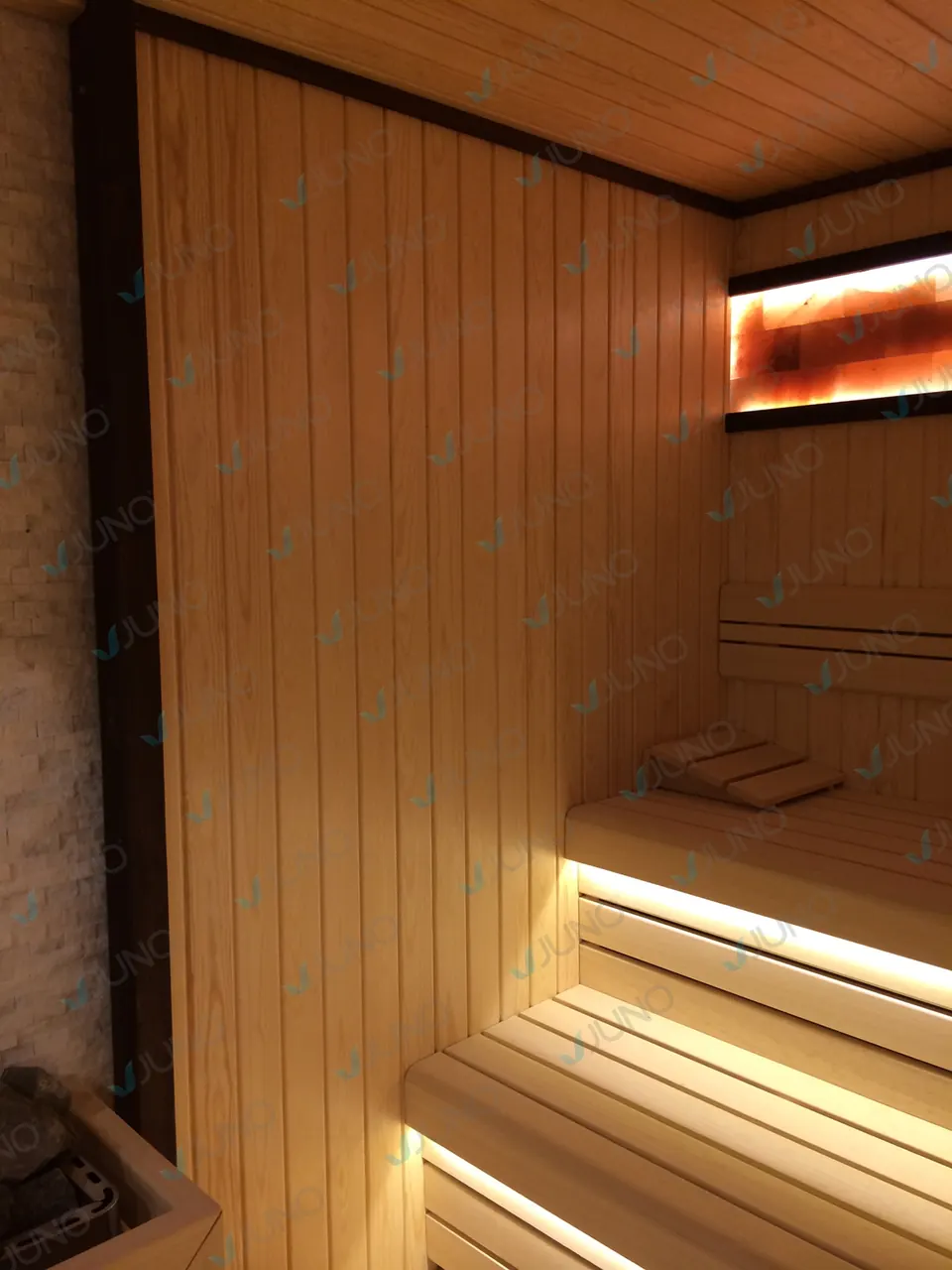
What Makes Russian Saunas Different
Some of the features in which Russian saunas may differ from classic saunas are as follows:
- Design and Materials: Russian saunas may generally use designs and materials different from those of classic saunas. For example, wood is very commonly used in traditional Russian baths.
- Humidity Level: Humidity is generally higher in Russian baths. This can make the environment damper and steamier.
- Temperature: Temperature can vary depending on the design of the bath and the methods used. In some cases, however, the temperature in Russian baths can be higher than in classic saunas.
- Use of Hats: In traditional Russian saunas, users generally wear a special fringe or hat to protect their heads. This helps protect the head from the effects of excessive heat.
- Use of Branches and Brooms: In some Russian baths, branches or special brooms may be used during the bath. This is a traditional practice intended to stimulate the body and increase blood circulation.
- A Cold Plunge Pool Instead of Drinking Cold Water: In classic saunas, cold water is usually drunk; in some Russian baths, however, there is a cold-water pool in which to cool off instead of drinking cold water.
Differences Between a Social Sauna and a Classic Sauna
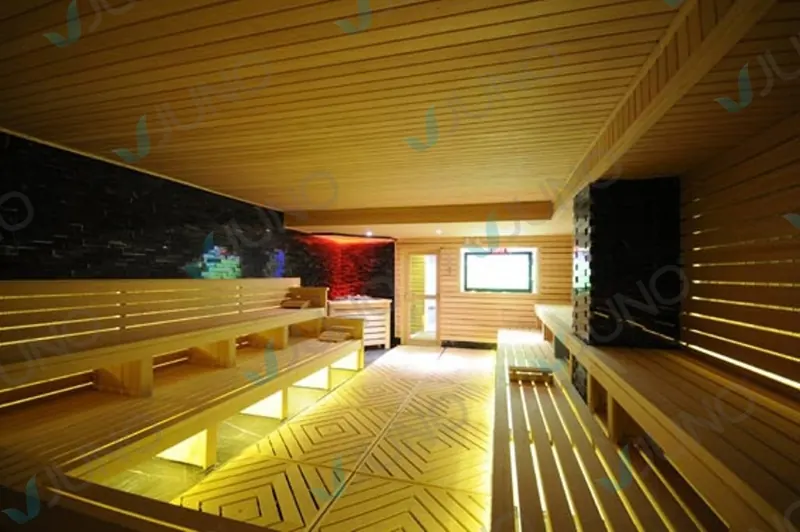
The social sauna and the classic sauna are based on essentially similar principles, but there are some differences. Some of the differences that set the social sauna apart from the classic sauna are as follows:
Group Experience
- Classic Sauna: Usually used individually or in small groups. People generally spend time at the temperature and humidity they prefer.
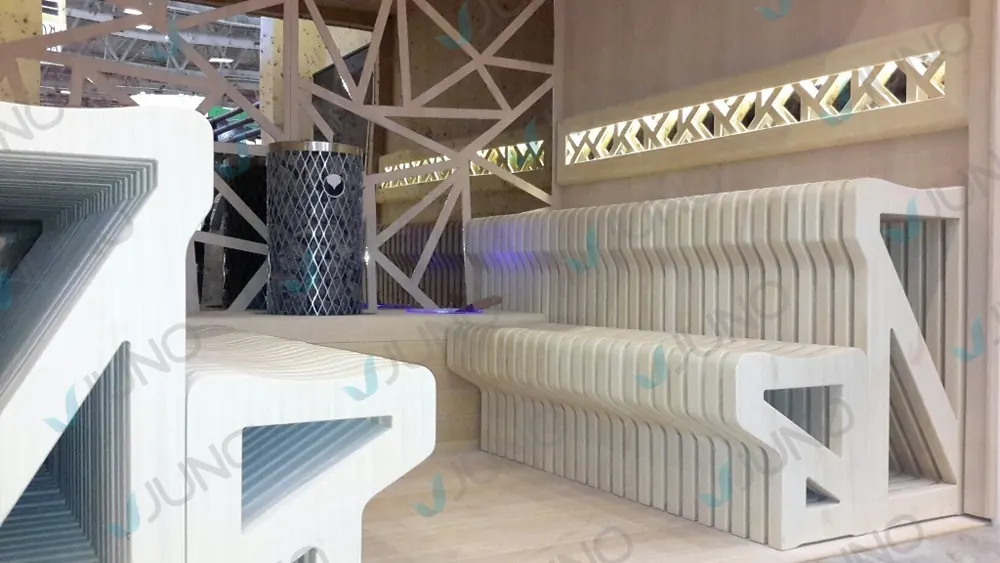
- Social Sauna: Designed for larger groups, it encourages social interaction between people. You can get together with friends or people you do not know and enjoy a pleasant experience.
Social Interaction
- Classic Sauna: Offers a quieter, more personal experience. Interaction with other people is usually limited.
- Social Sauna: Encourages people to come together, chat, get to know each other and interact socially.
Space Design
- Classic Sauna: Usually has a quiet, relaxing and personal atmosphere.
- Social Sauna: Has a larger, open design. It is laid out to make it easy for groups to gather and to encourage social interaction.
Events and Programmes
- Classic Sauna: Usually intended only for using the sauna itself.
- Social Sauna: May try to entertain participants by organising specific events, themed nights or programmes. This can enhance the social experience even further.
Humidity and Temperature Control
- Classic Sauna: Usually has a set temperature and humidity level, and individuals can adjust it to their own preferences.
- Social Sauna: Temperature and humidity levels can usually be set by shared decision, so that everyone in the group feels comfortable.
Either type of sauna can be chosen according to personal preferences and expectations. While the classic sauna offers a quieter, more meditative experience, the social sauna focuses more on social interaction and the group experience.
Additional Information About the Sauna
The Sauna in Finland
Almost every home in Finland has a sauna; no other country, not even the other Scandinavian countries, can claim this.
After the Session
After the sauna, cool your body down gradually. At the end of the session, take a shower to wash off the sweat.
Saunas for Pregnant Women and Children
Pregnant women can safely use the sauna under the same conditions as other users, but should stay at a somewhat lower temperature (around 70°C).
Children can also enjoy the sauna in complete safety, provided that certain precautions are taken. A child’s sauna bath should be voluntary, the heat load should be limited according to age (10 minutes at 70°C is too much for many children aged 2–5) and the child must be old enough to express discomfort in a way their parents can understand.
Frequently asked questions
Why do we need a sauna?
The sauna is an excellent way to benefit from overheating therapy. As well as raising body temperature artificially, as in an induced fever, the sauna promotes therapeutic sweating. The skin, our largest organ of elimination, is thought to remove 30% of the body’s waste through perspiration. Taking sauna baths regularly helps to repair the skin and to revive its cleansing activity.
The therapeutic value of saunas rests on the following facts: Overheating stimulates the metabolic processes in the body and slows the growth of viruses and bacteria; in this way the activity of all vital organs increases, the body’s healing forces are supported, and, because sweating is provoked, the skin’s capacity to eliminate waste and cleanse toxins rises considerably.
How does the sauna support medical treatment? What are its main benefits?
A growing number of medical clinics have patients use sauna bathing under a doctor’s supervision to detoxify the body by eliminating toxic chemicals. Sauna therapy uses heat stress and accelerated blood circulation to facilitate lipid mobilisation and to remove toxins stored in fatty tissue. Combined with other supplementary treatments, this therapy has proved highly effective in reducing the toxins that have accumulated in the body.
We must also stress that this therapy should take place within medically supervised programmes. The sauna should not be used for medical purposes without a doctor’s supervision. If you are ill, you should never use a sauna on your own.
Studies have shown that patients’ general health improved once the therapy was completed; these improvements include, for example, greater mental clarity, increased energy, fewer allergic reactions, a regular sleep pattern and the return of low blood pressure to normal. There is also evidence of liver regeneration and improved immune-system function.
Does sweating in the sauna burn calories?
Simply sitting in the sauna for 15–30 minutes can easily burn 300–600 calories.
Are there any health risks with the sauna?
Some people think that saunas and steam baths raise blood pressure. This is true, but their vessel-widening effect compensates for it to some extent. In the sauna, blood flow becomes concentrated and faster towards the skin, while circulation to the internal organs is largely reduced.
For many reasons, blood pressure is unpredictable; the sauna can raise blood pressure in some people and lower it in others. For this reason, heart patients should consult their doctors before using a sauna.
What should you pay attention to in the sauna?
Although the sauna is safe, there are a few points to keep in mind. Here are some recommendations for sauna users:
- Avoid alcohol and medication before the sauna; they can reduce sweating and cause overheating before and after your session.
- Do not stay in the sauna for more than 15–20 minutes.
- Drink 2–4 glasses of water when you leave the sauna.
- Do not use the sauna when you are ill, and if you feel unwell during the session, head straight for the door.
What should a sauna bath be like?
- Keep the sauna environment clean.
- It is a good idea to start with a bath or shower before the sauna, but your body should be dry: your skin should be slightly damp, not wet. You should also get a towel to sit on.
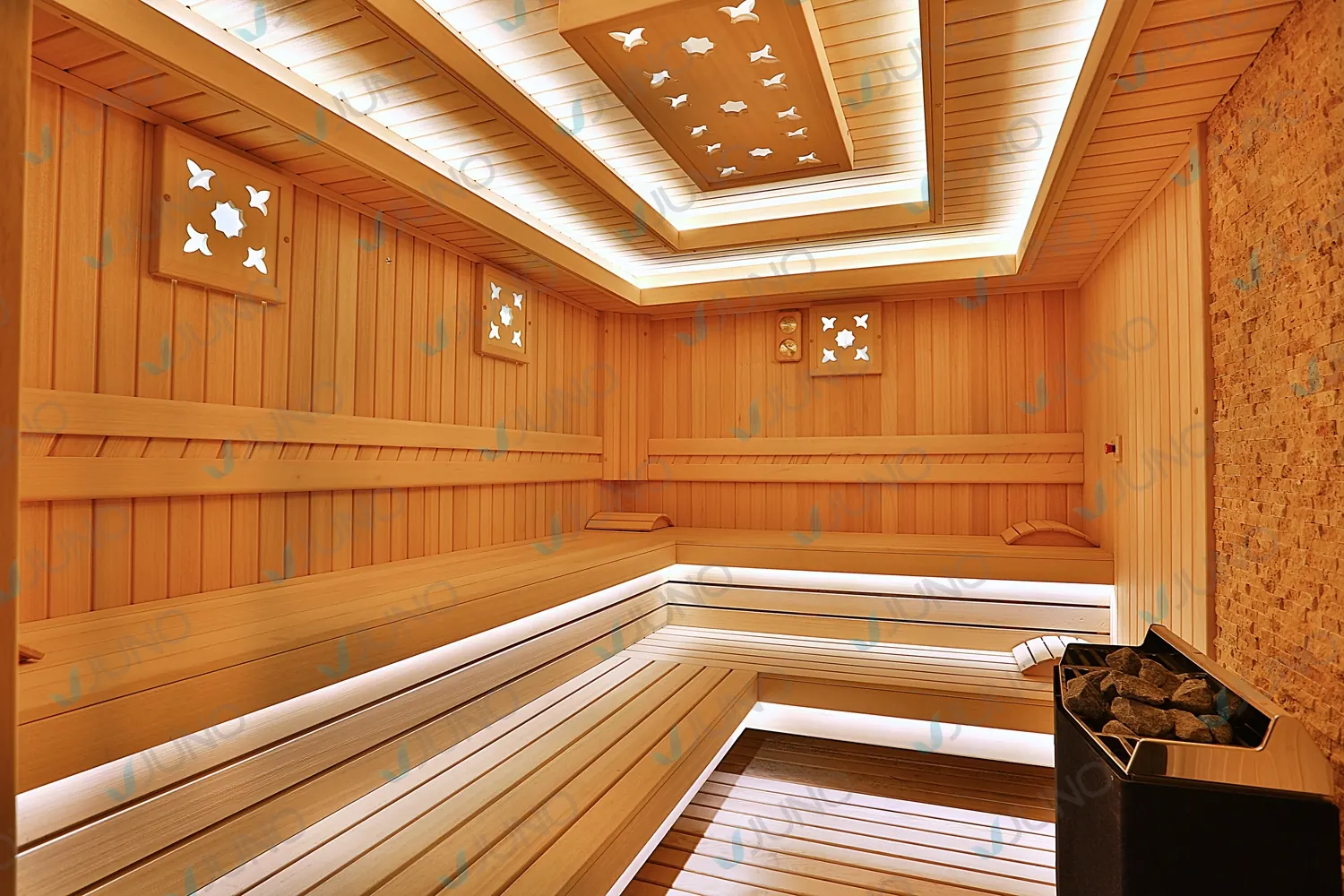
- When you enter the sauna, sit for a few minutes on the lower bench first and then on the upper benches, allowing the heat to penetrate the body and open the pores.
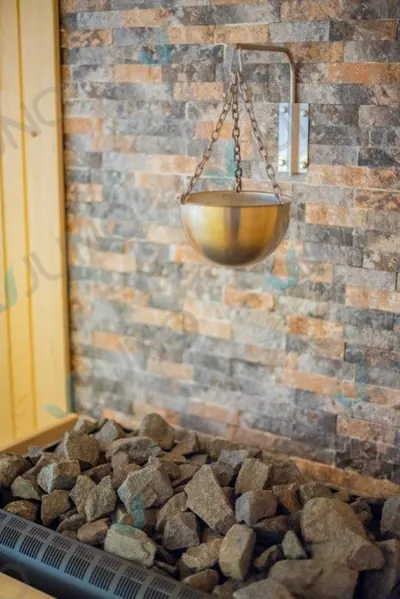
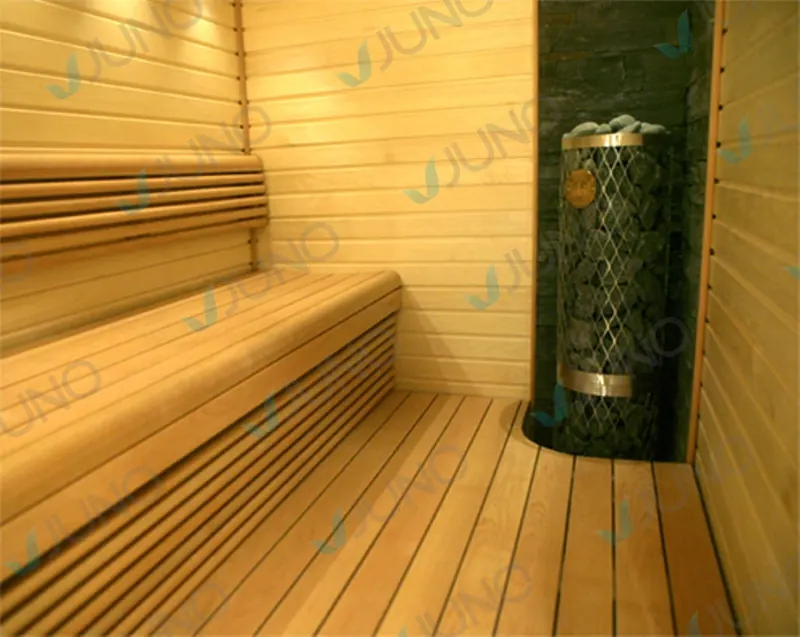
- The temperature should be 80–90°C; staying for 15 minutes at a time is enough. The humidity of the air is adjusted to your liking by sprinkling water on the hot stones. The steam will make the room feel hotter than it actually is.
- Finish with a cold shock, using a plunge pool or a cold shower. Then cool off in the cooling room; wearing a bathrobe in the cooling area is recommended.
- A sauna session in which you alternate between warming up and cooling down can help you feel better.
- You will enjoy a scrub with an exfoliating mitt or a brush.
Is a sauna difficult to install and expensive to run?
A sauna takes 20–30 minutes to be ready for use. Unlike thermal baths, a sauna is not kept ready all the time; it is heated only when it is going to be used.
Modern saunas are quick and easy to install. Small units run on a 220 V socket and use about the same energy as a washing machine. Larger ones are 380 V and likewise have low electricity consumption.
What is the ideal way to sit in the sauna?
The ideal way to sit in a sauna is with your back against the wall and your legs stretched out straight.
What is the smallest size a sauna can be? How large should the biggest home sauna be?
Smallest sauna: A sauna can be built in a space of 1 m², but it is recommended not to build a sauna in an area smaller than 1.5 m².
Largest home sauna: For economy (sauna cost plus electricity), a sauna area of no more than 6.5 m² is recommended.
Is ventilation essential in a sauna?
Ventilation is very important in a sauna. A technically correct intake of fresh air and outlet for toxin-laden air must be provided.
What are the recommended sauna temperature and session length?
The recommended sauna temperature is 90°C; two or three sessions of 15 minutes should be taken.
How is sauna essence used? Is it necessary? Is it beneficial?
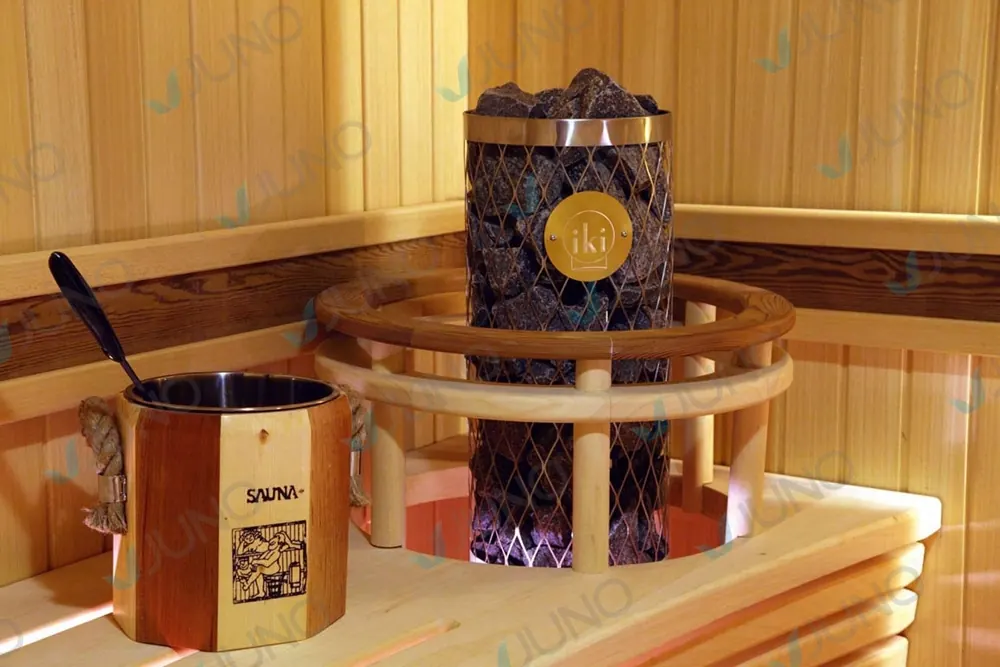
Add 2–3 drops of sauna essence to a sauna bucket filled with water. When you ladle water onto the stones on top of the heater, the steam produced carries the scent of the sauna essence throughout the sauna room.
Eucalyptus sauna essence helps to open the airways in complaints such as flu and colds.
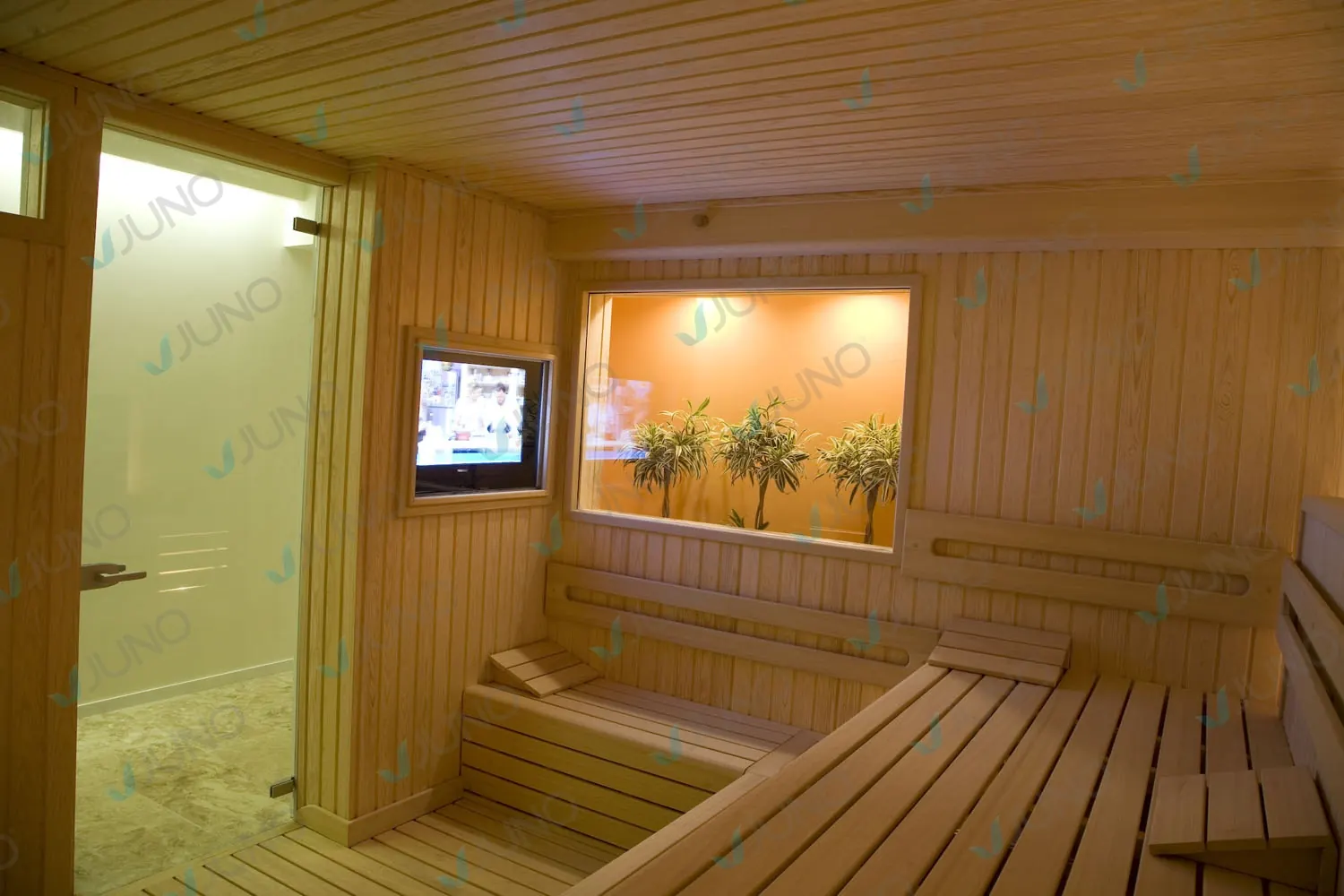
Can you watch TV in saunas?
It is possible to install a TV in a sauna by using techniques suited to saunas.
What are the differences between a portable sauna and a fixed sauna?
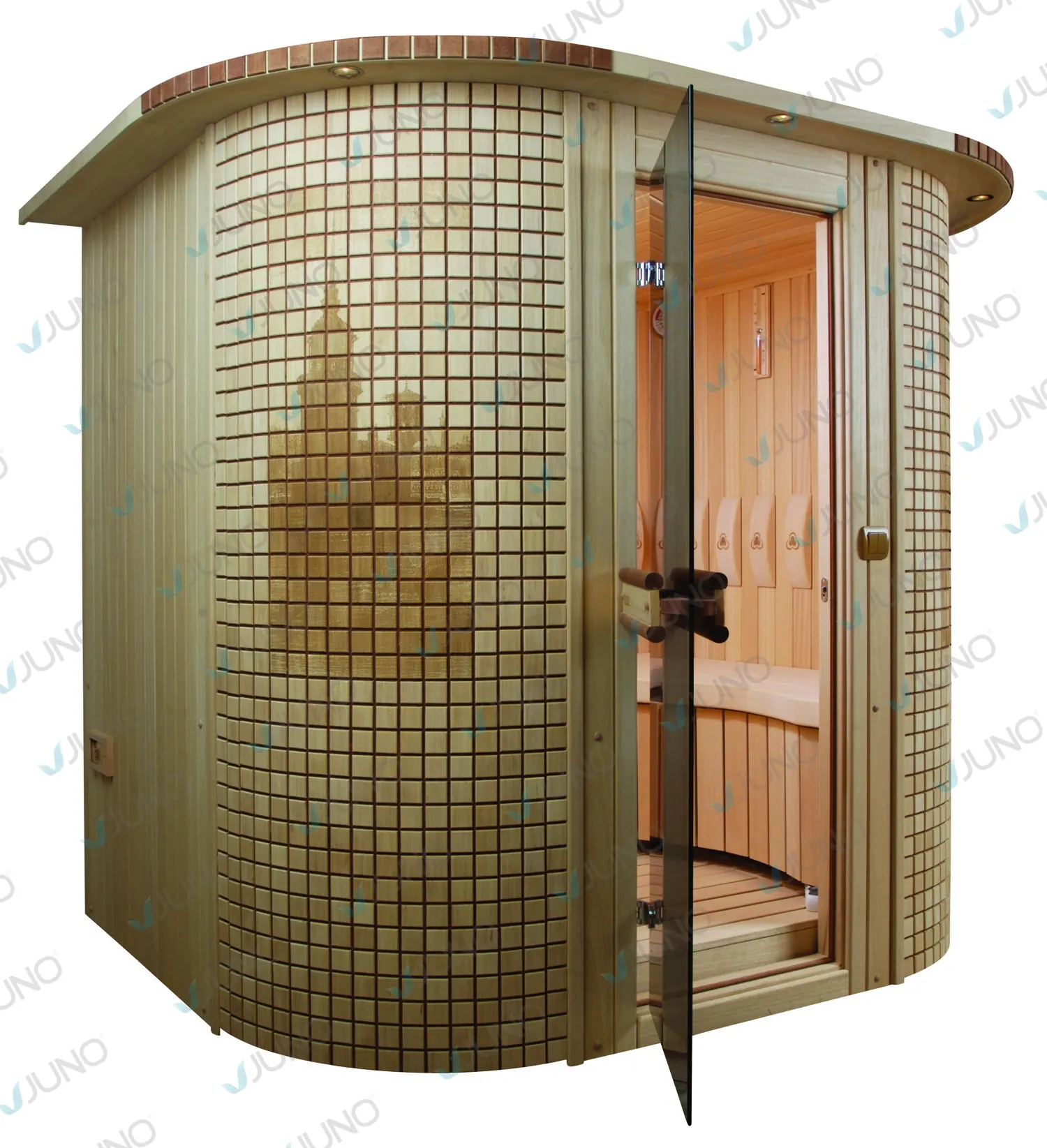
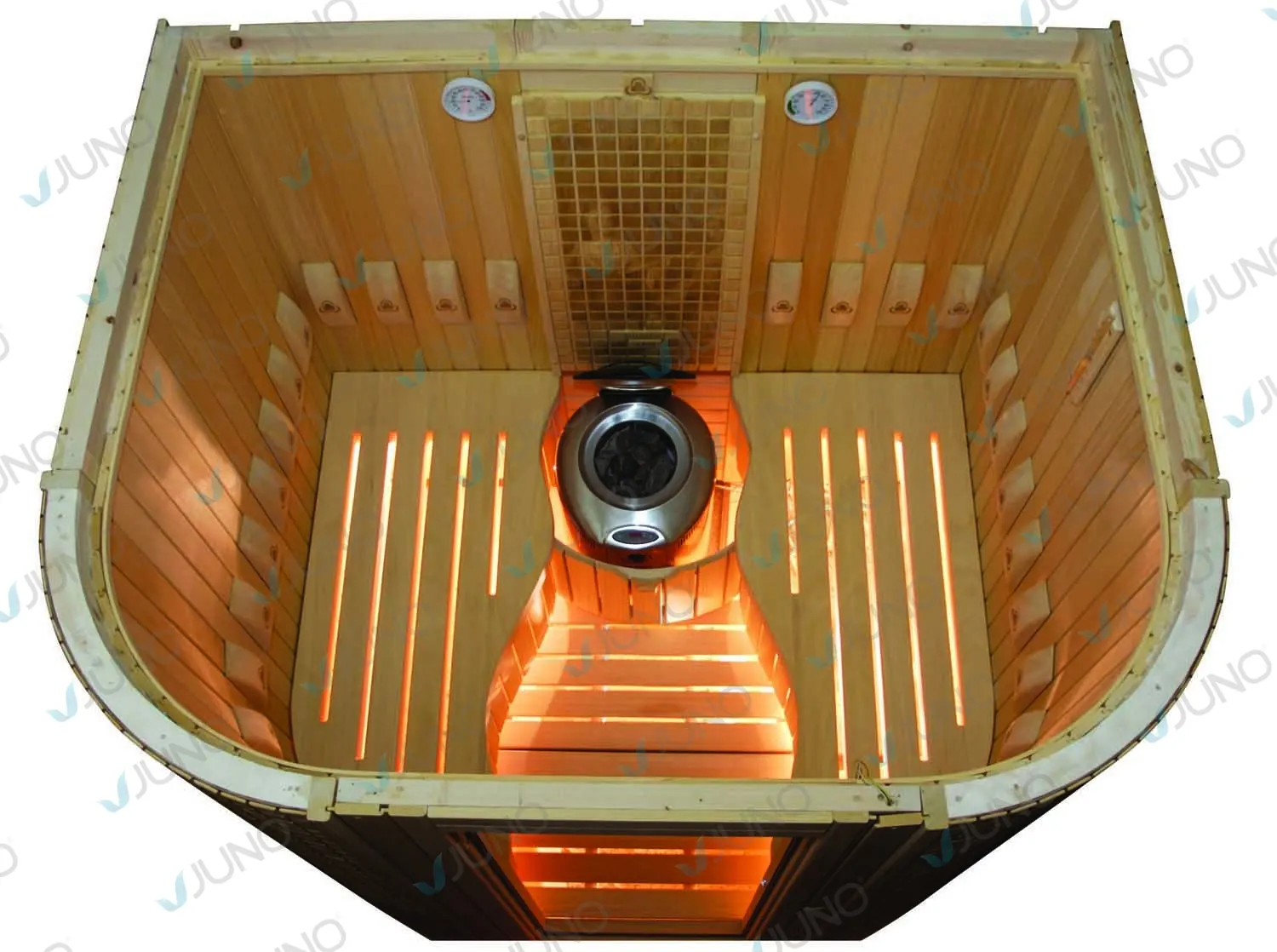
Portable sauna: A type of sauna that can be assembled in a suitable place in your home from ready-made panels in 2 hours and, if it has to be moved, taken apart and set up again.
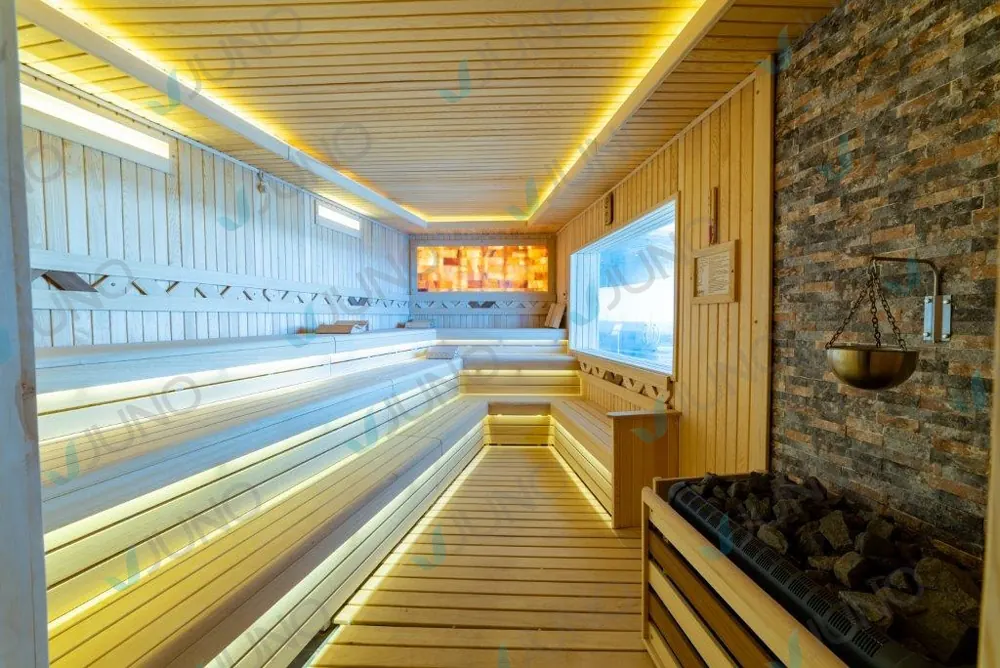
Fixed sauna: A type of sauna installed in 1 day, using a mounting system on the walls, inside a small room with four reinforced-concrete walls. (It is generally preferred for hotel and social-facility saunas.)
Where in my home can I have a sauna built?
When choosing a location for the sauna, it is preferable for it to be close to a shower. A sauna can be installed in spaces such as a bathroom, bedroom, gym, unused toilet, balcony, high attic or under the stairs.
Can the sauna be used in summer?
Using a sauna in summer is a very real need. Summer heat causes heavy sweating during the day, and this sweat sticks to the skin, clogs the pores and prevents the skin from breathing.
Scrubbing with a mitt or a loofah cleans only the surface of the skin; opening pores that have become blocked is possible only with a sauna.