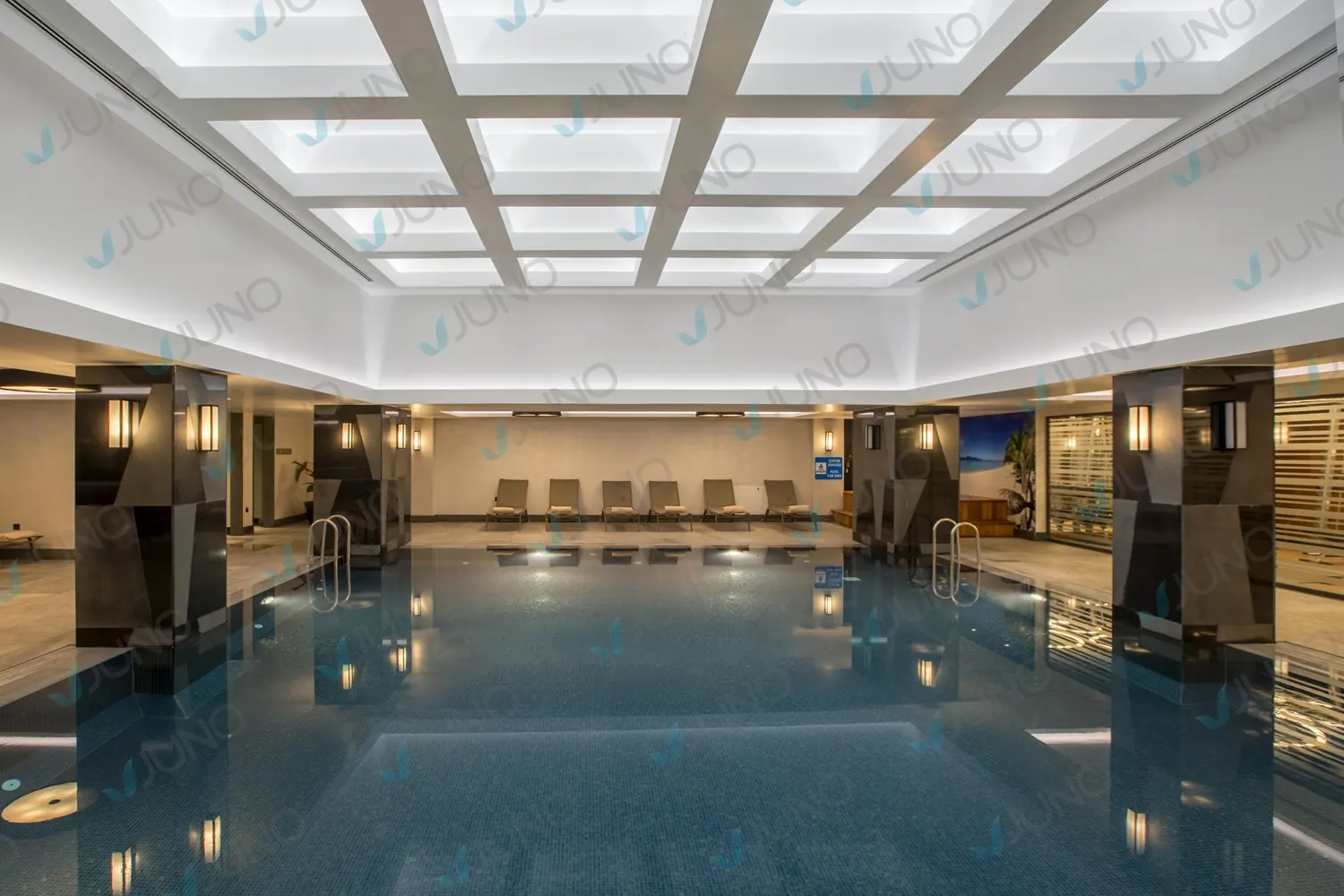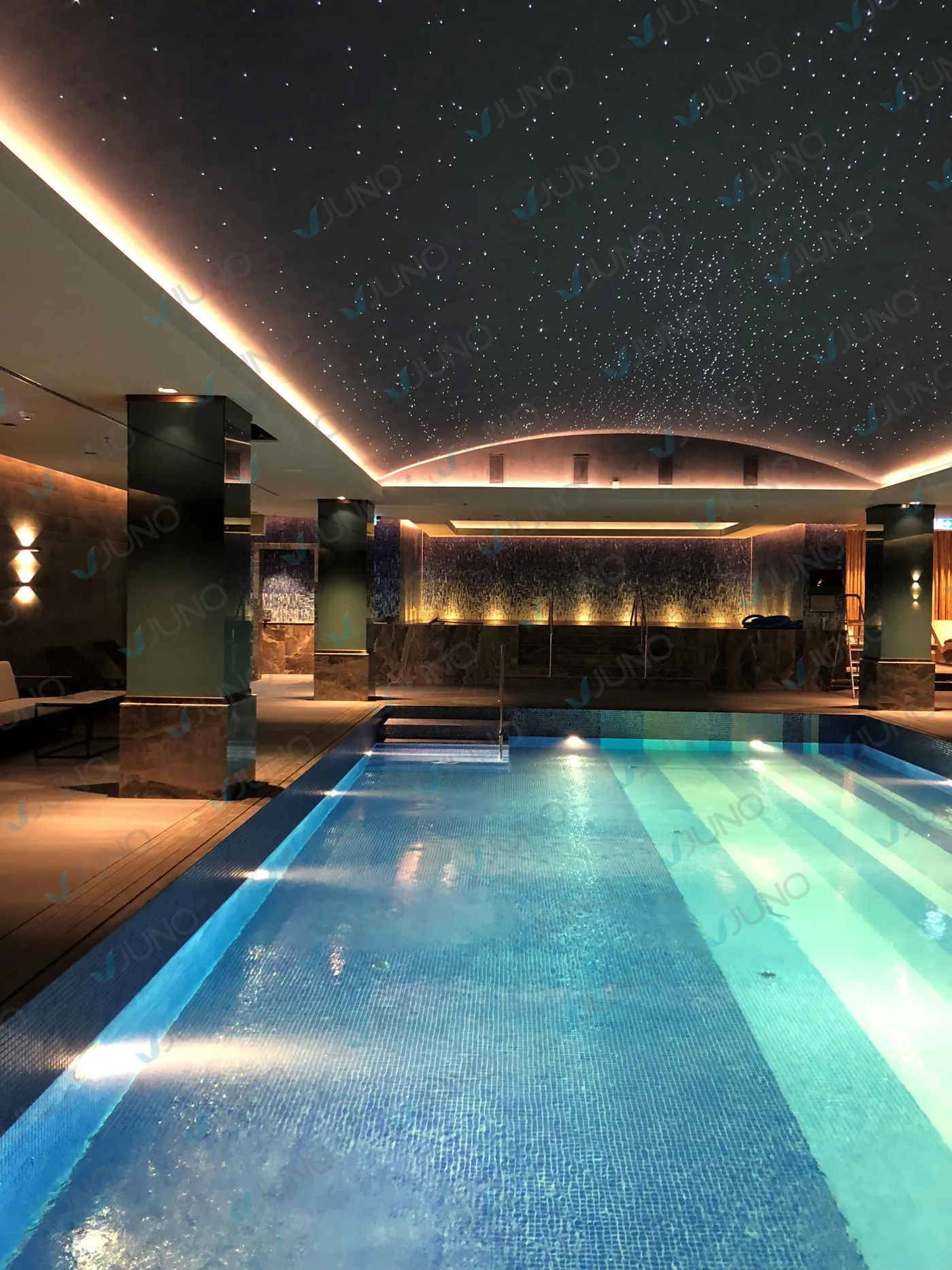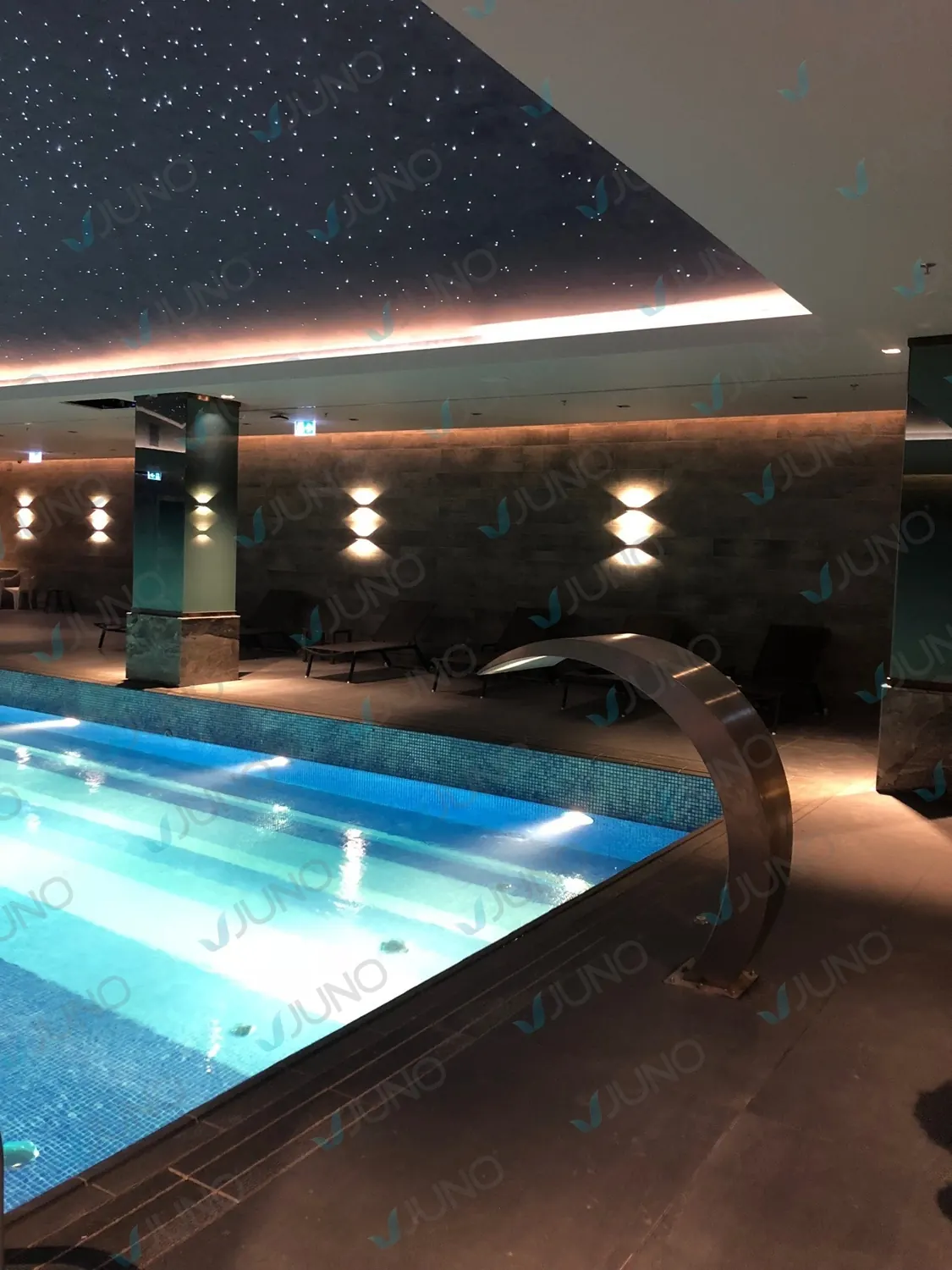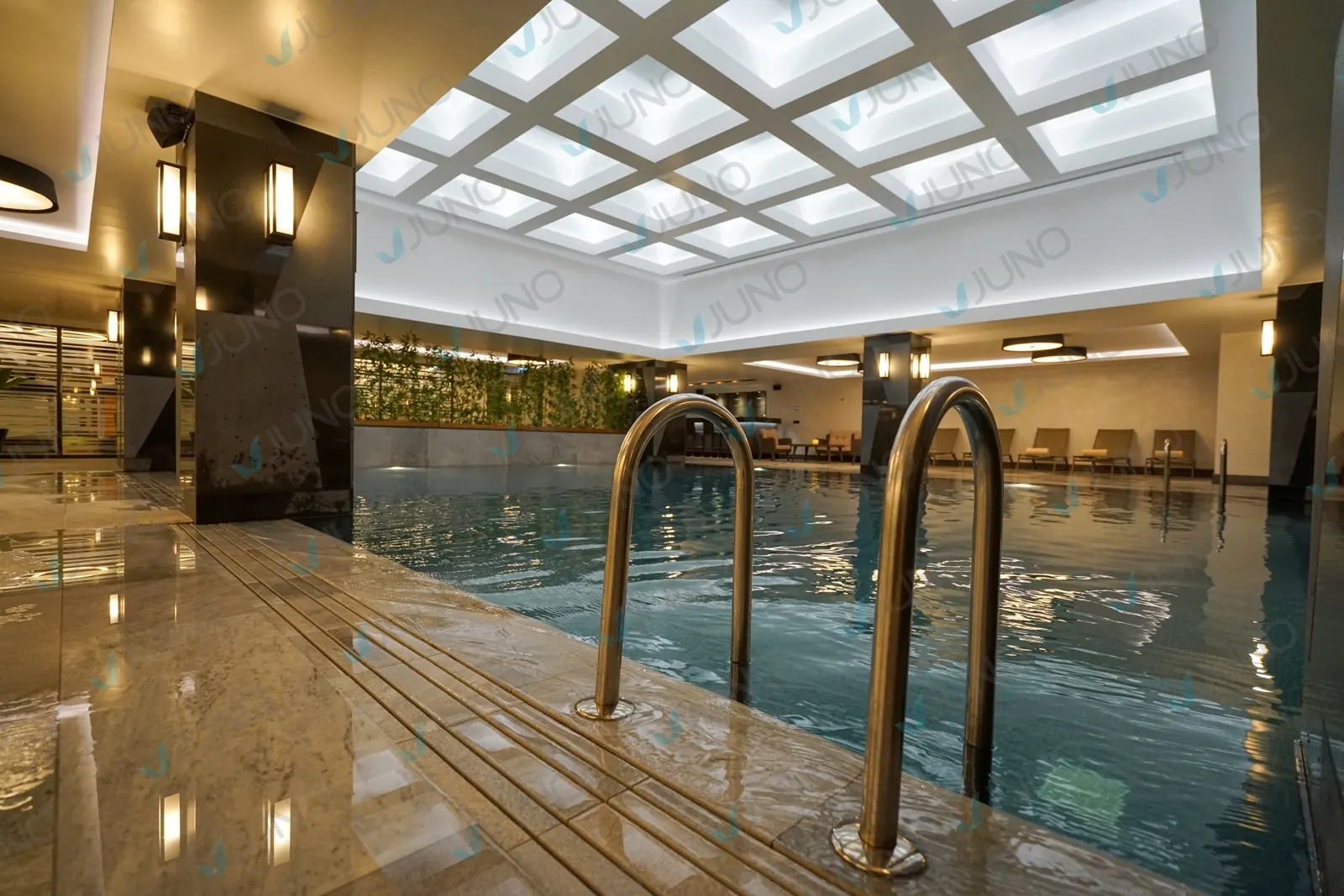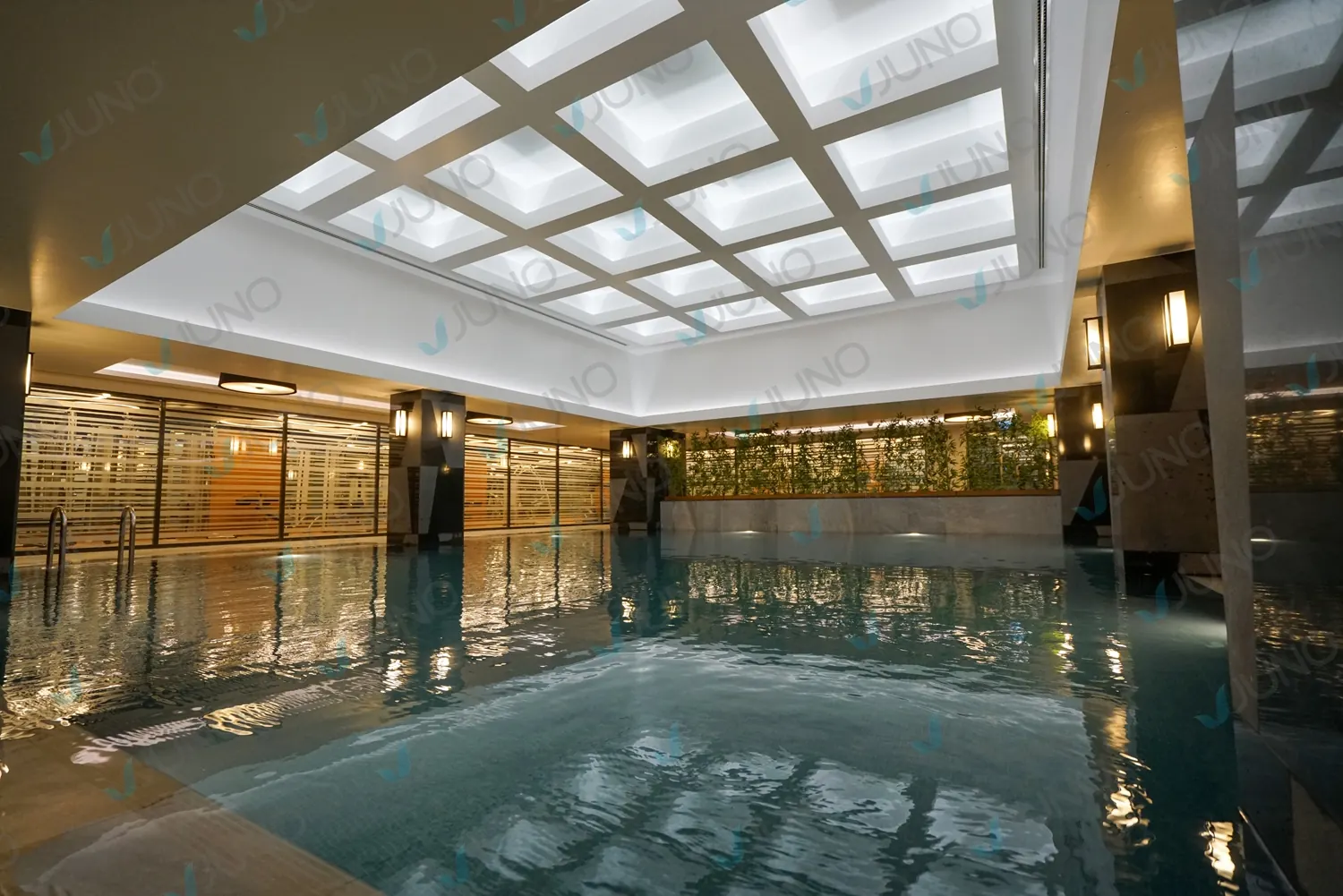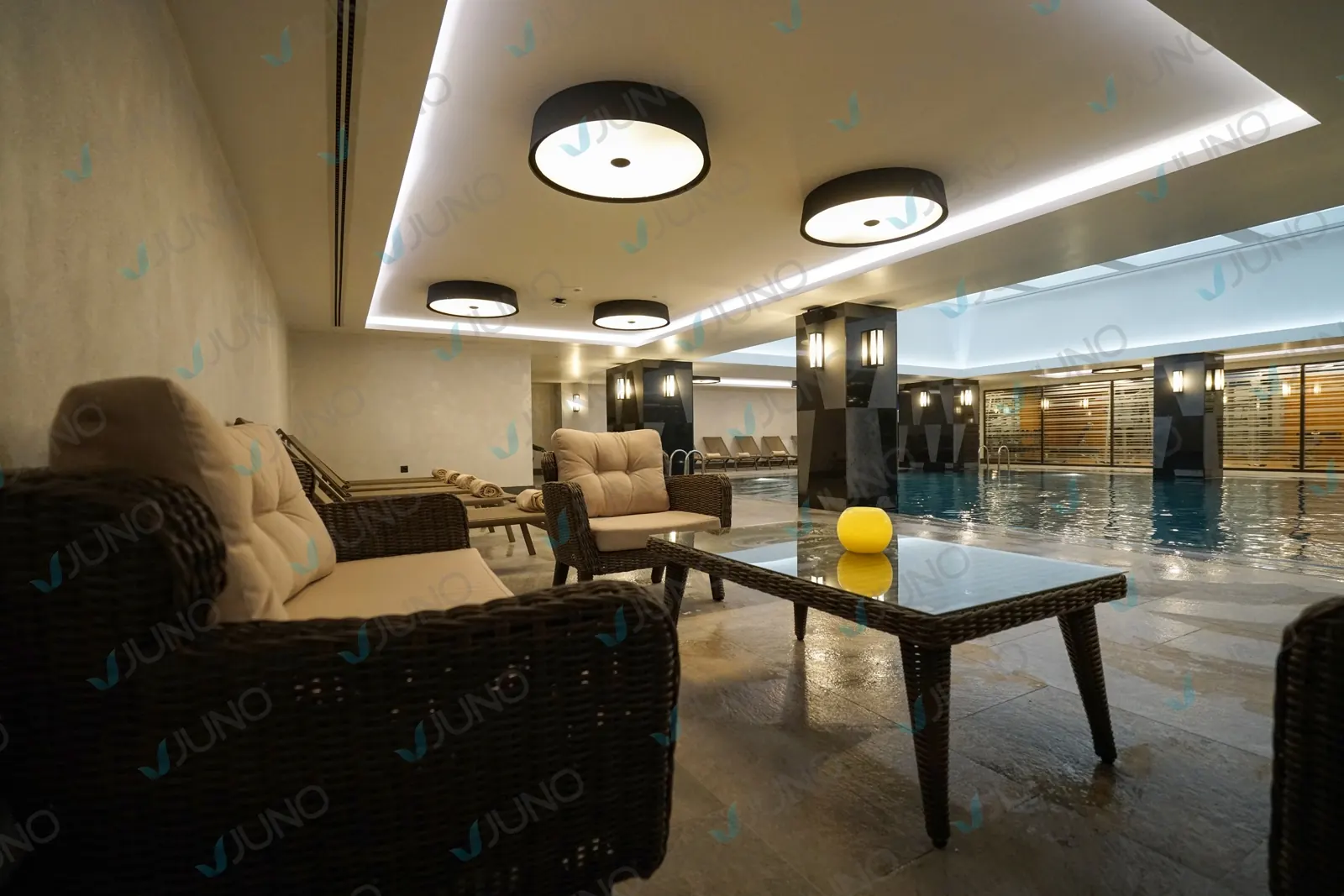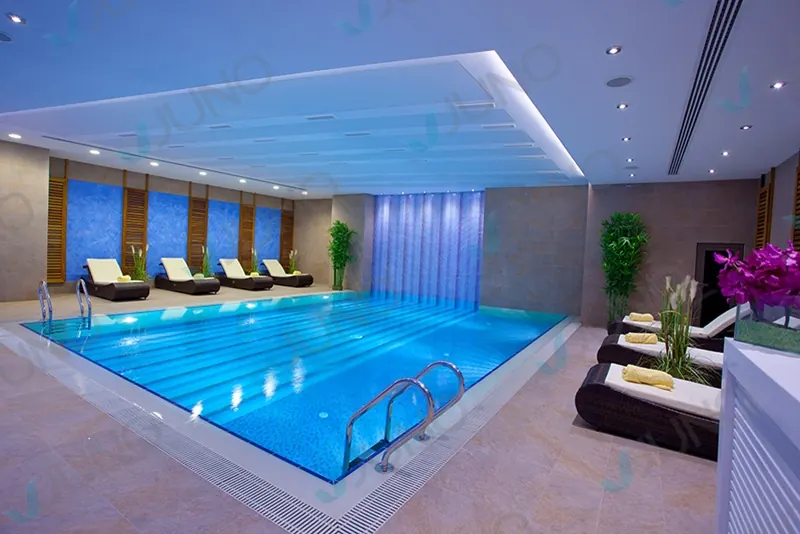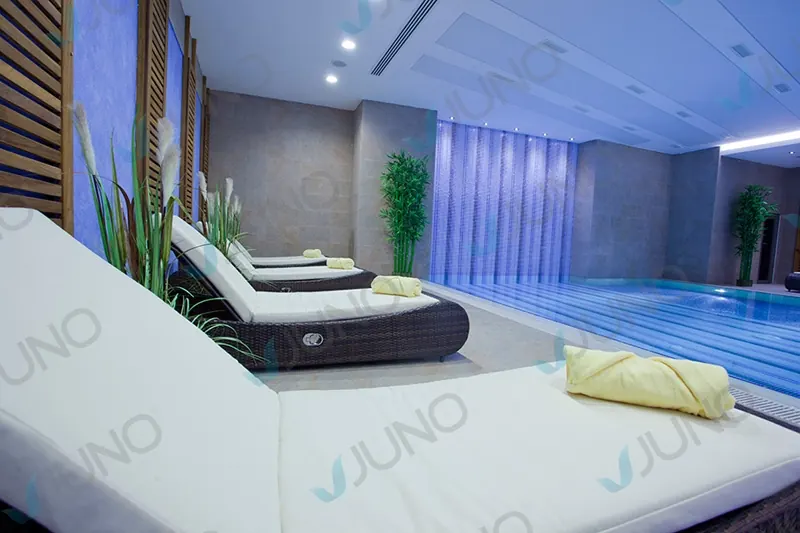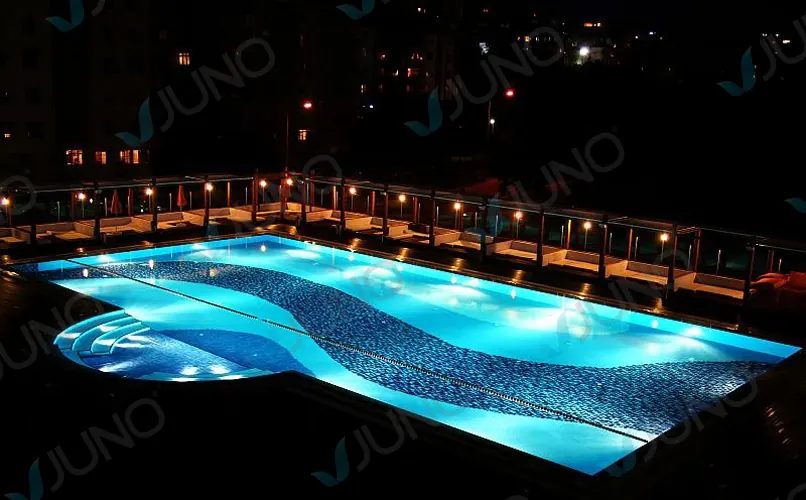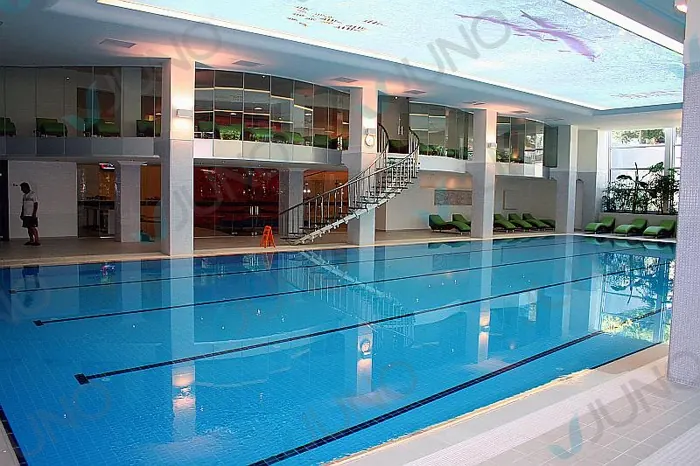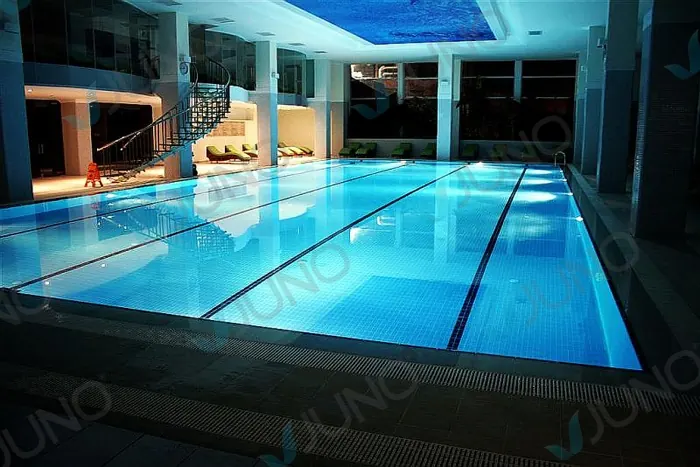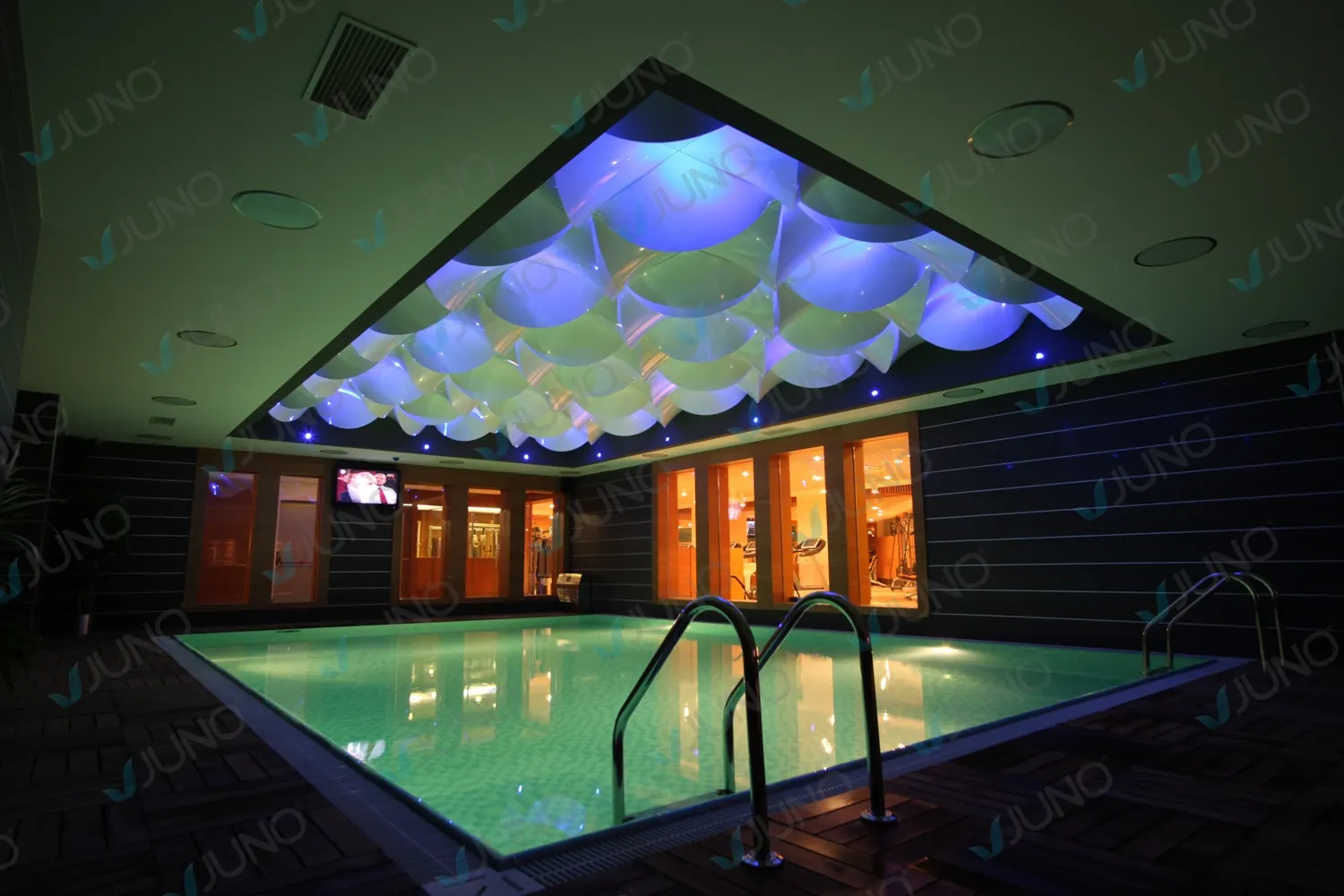
Alternative Forms, Materials and Additional Features
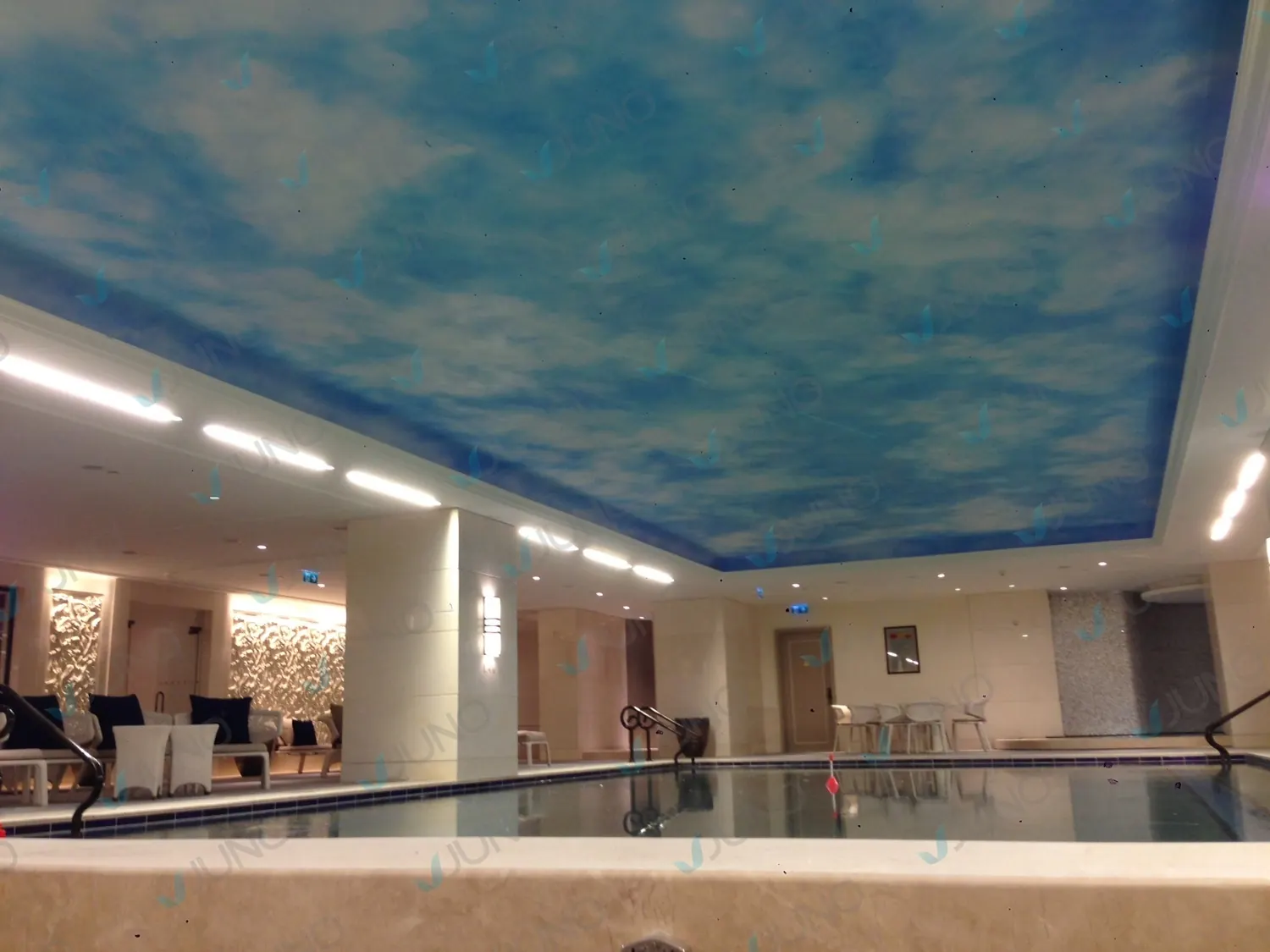
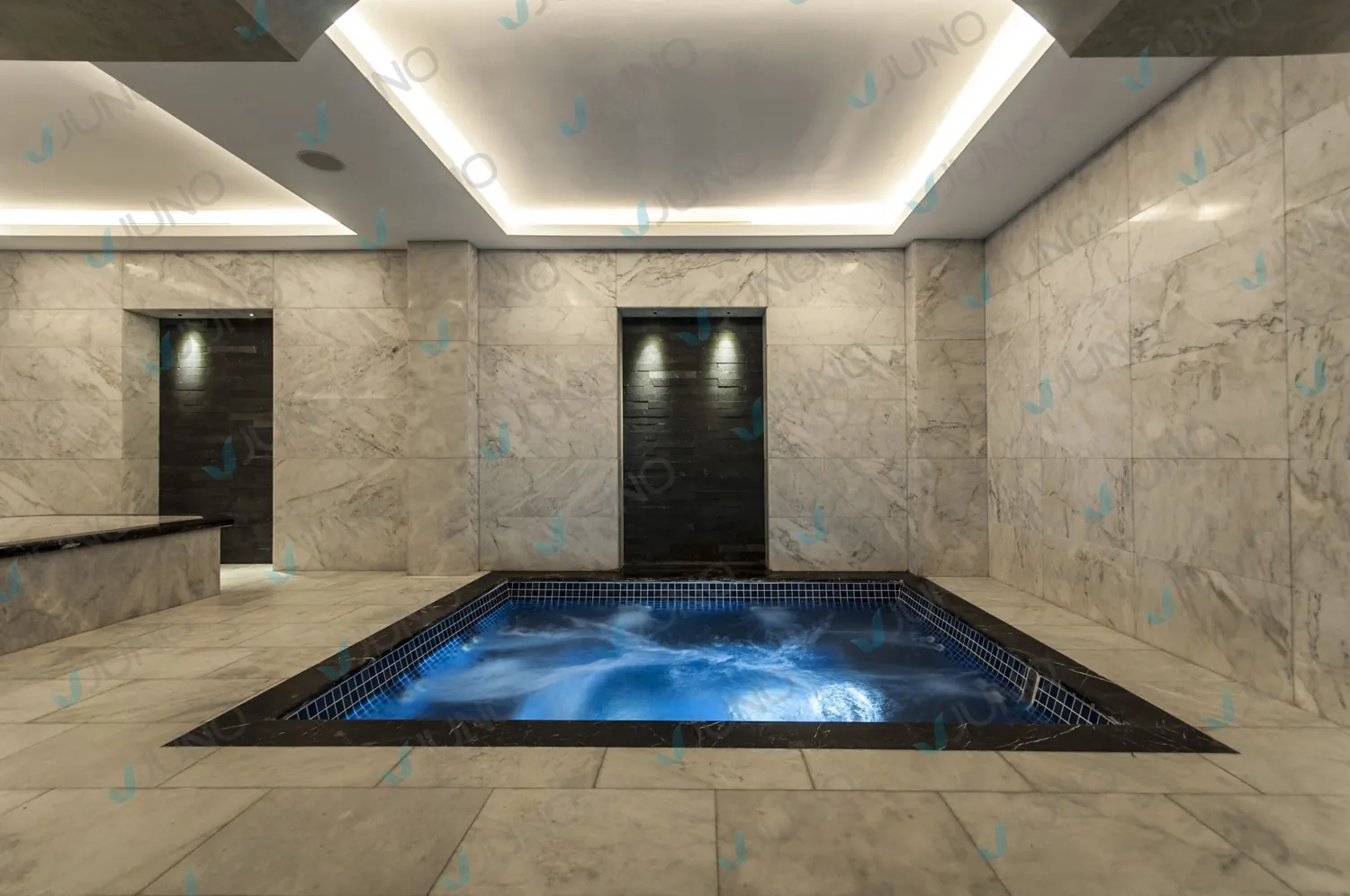
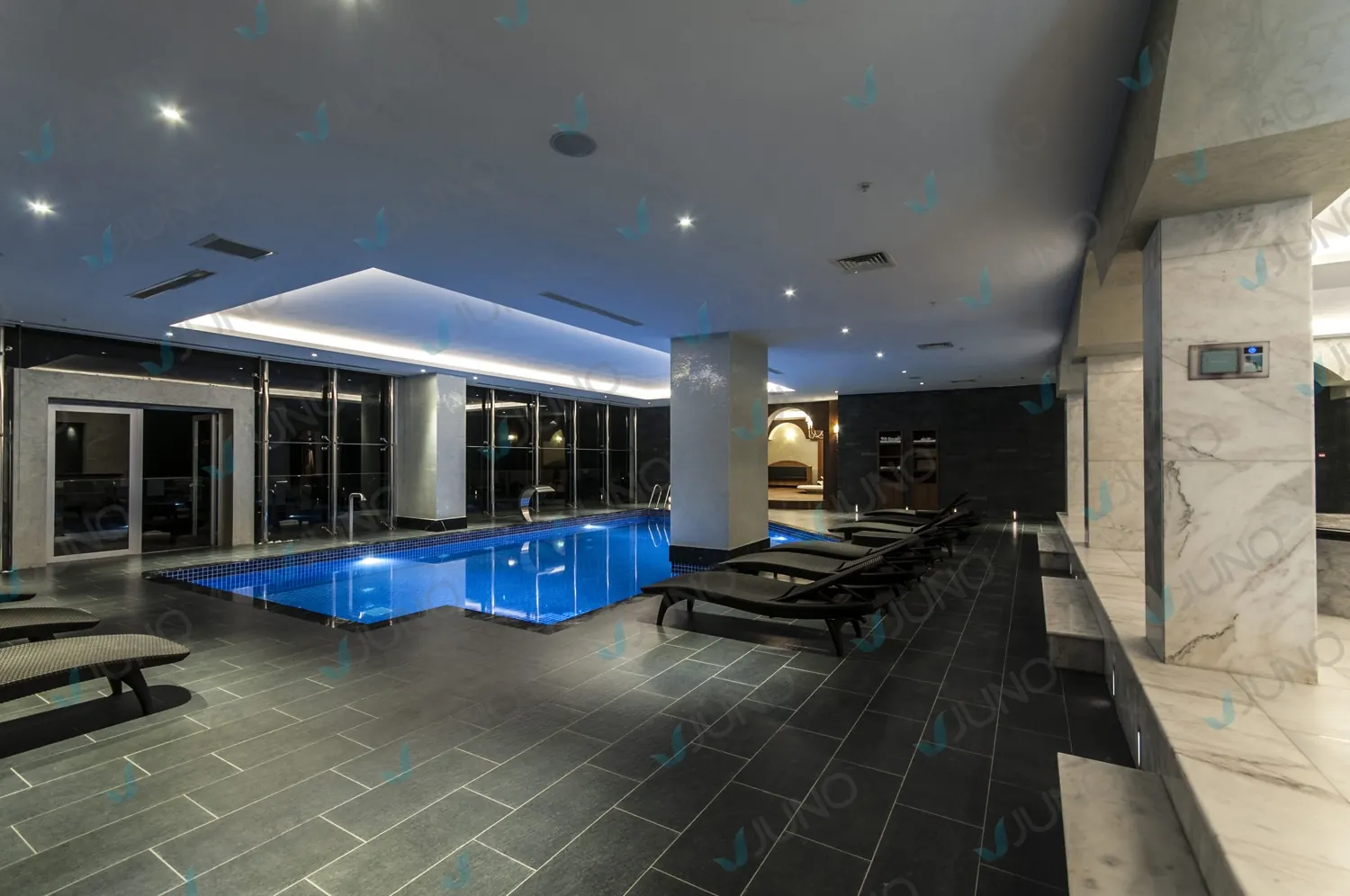
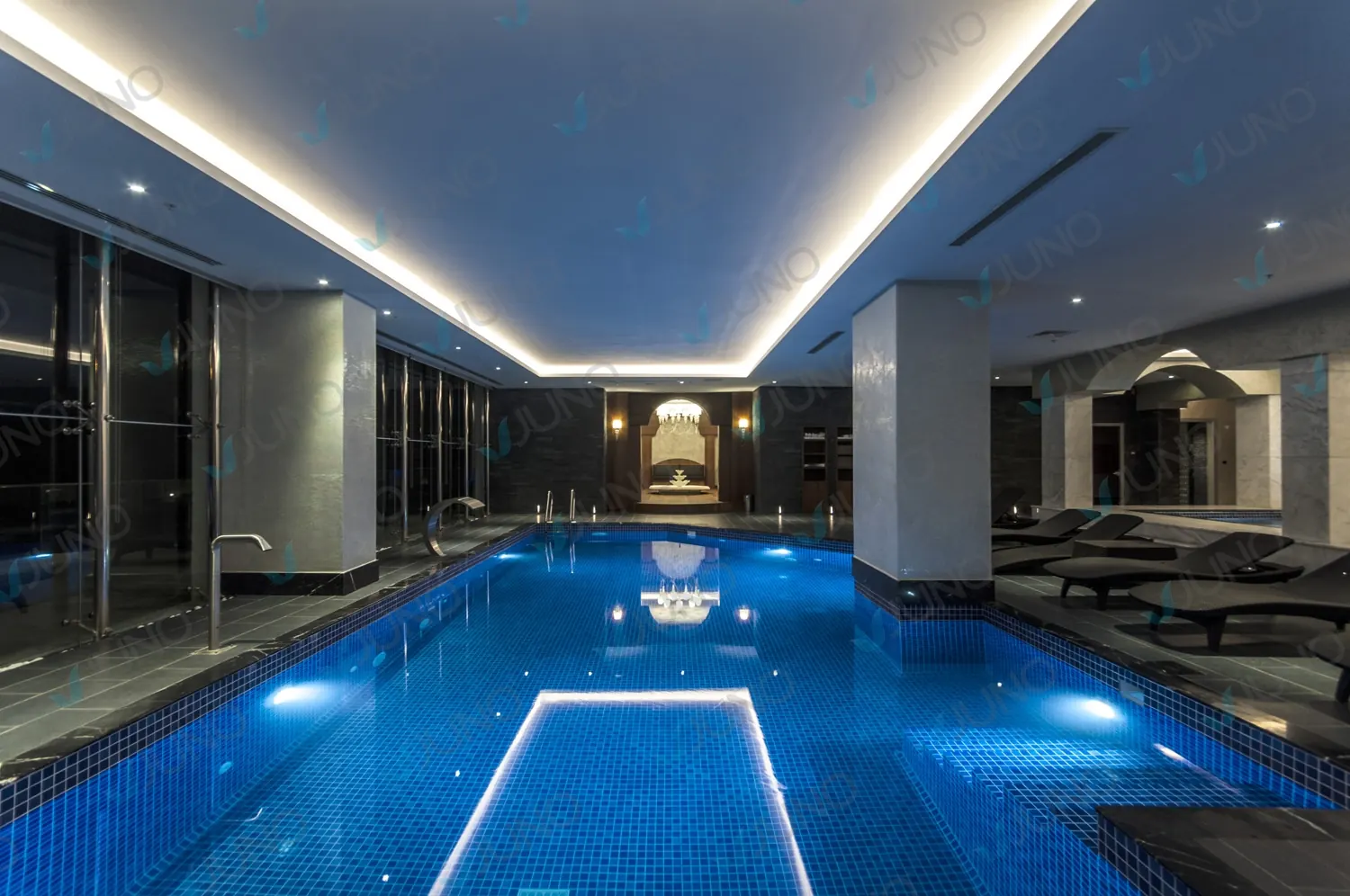
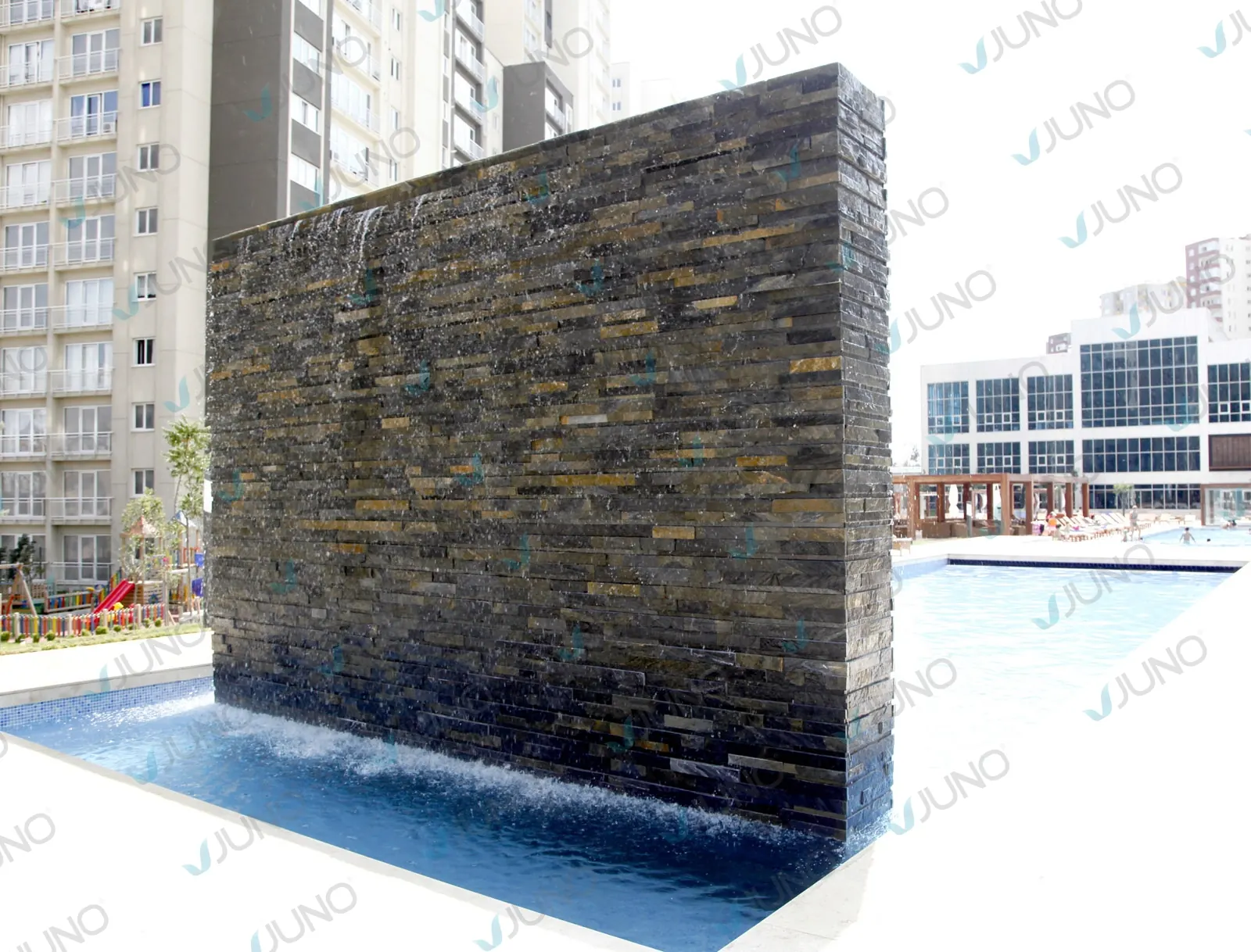
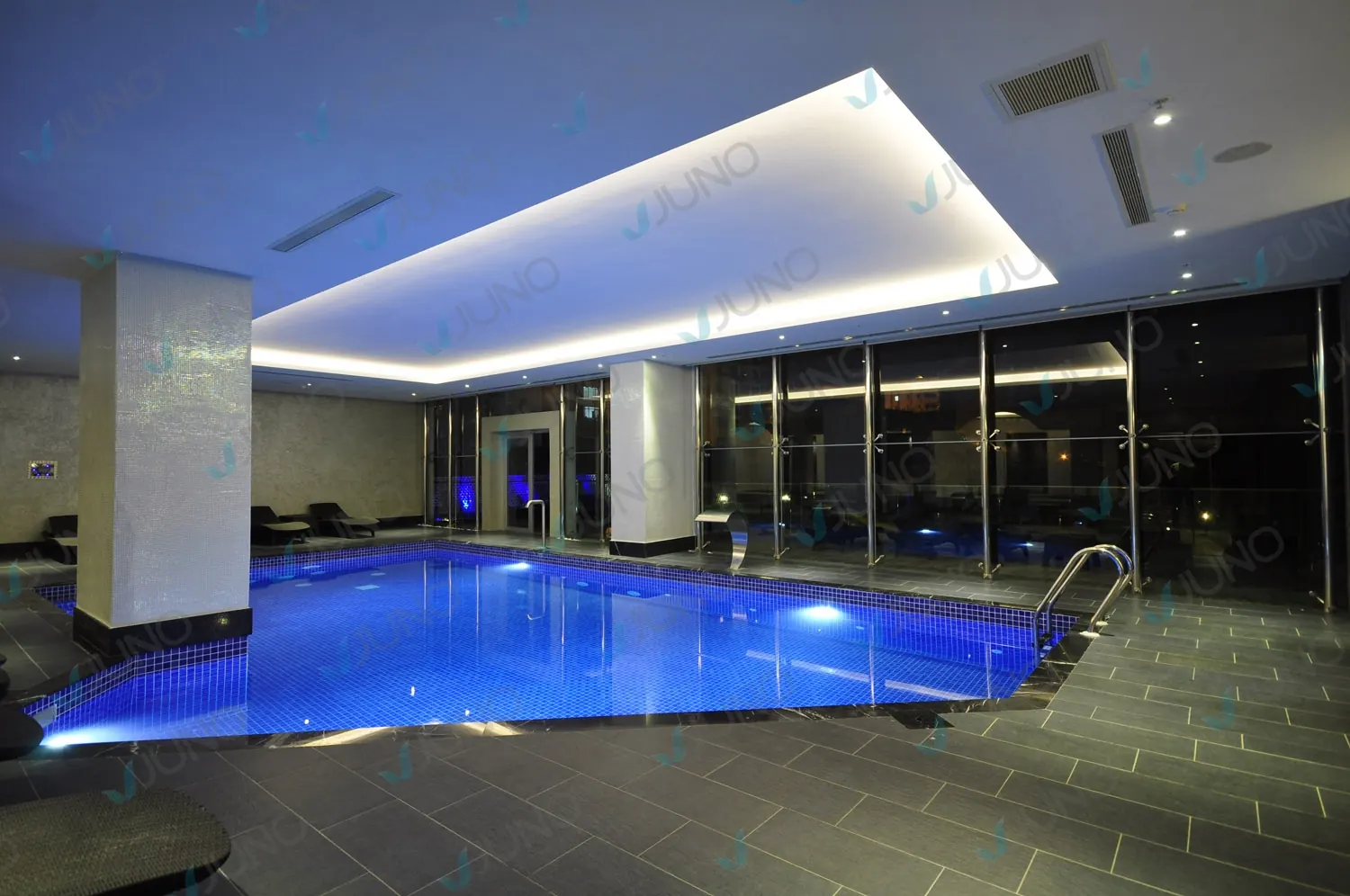
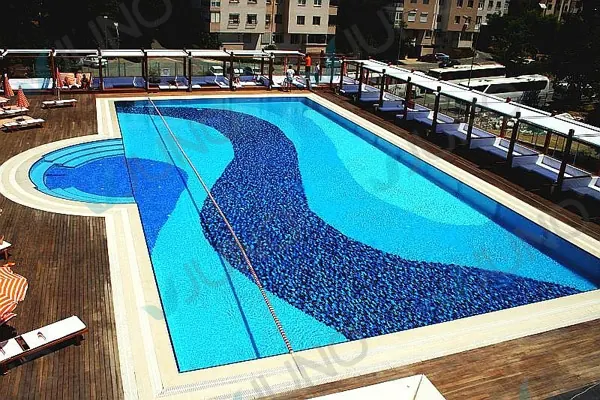
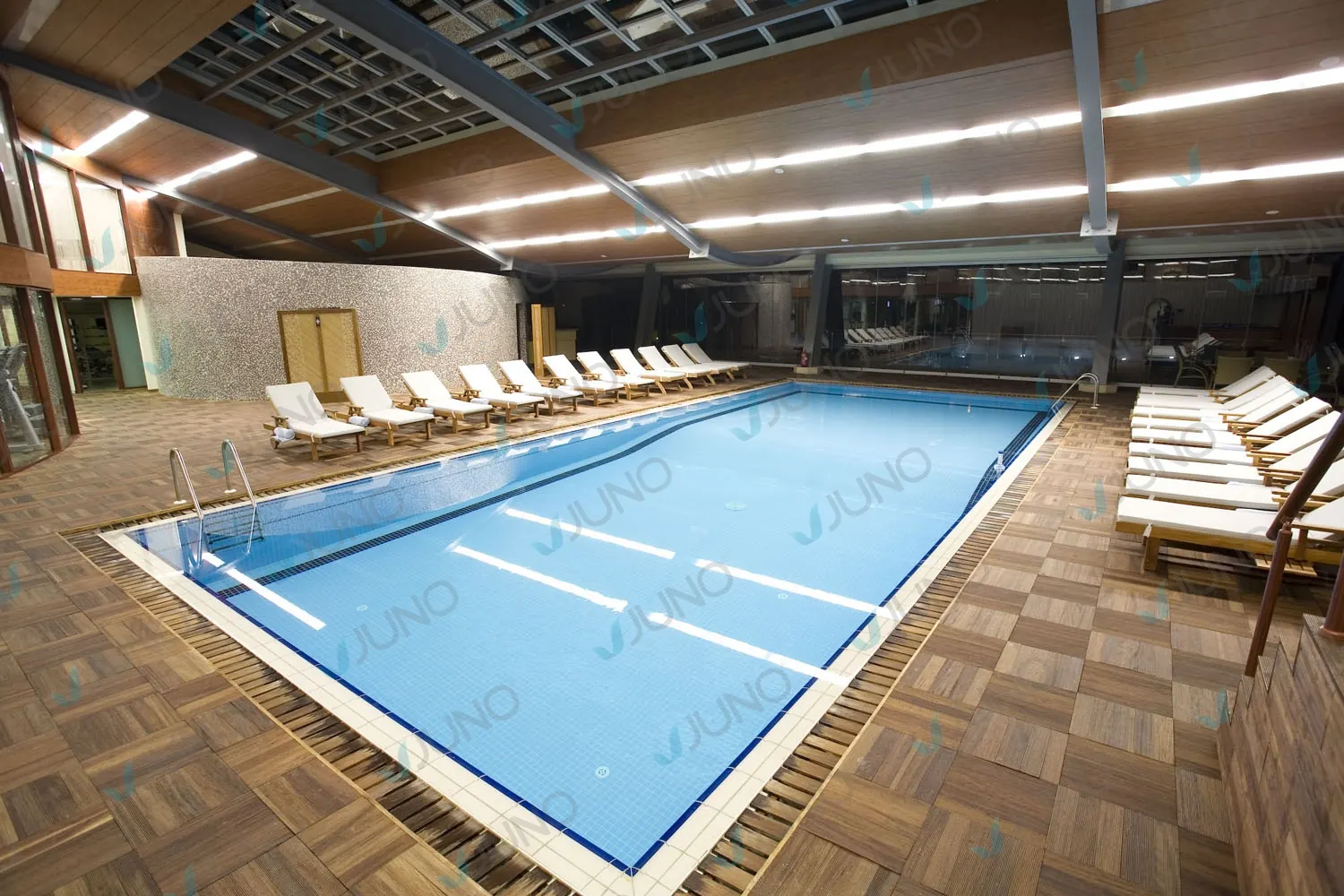
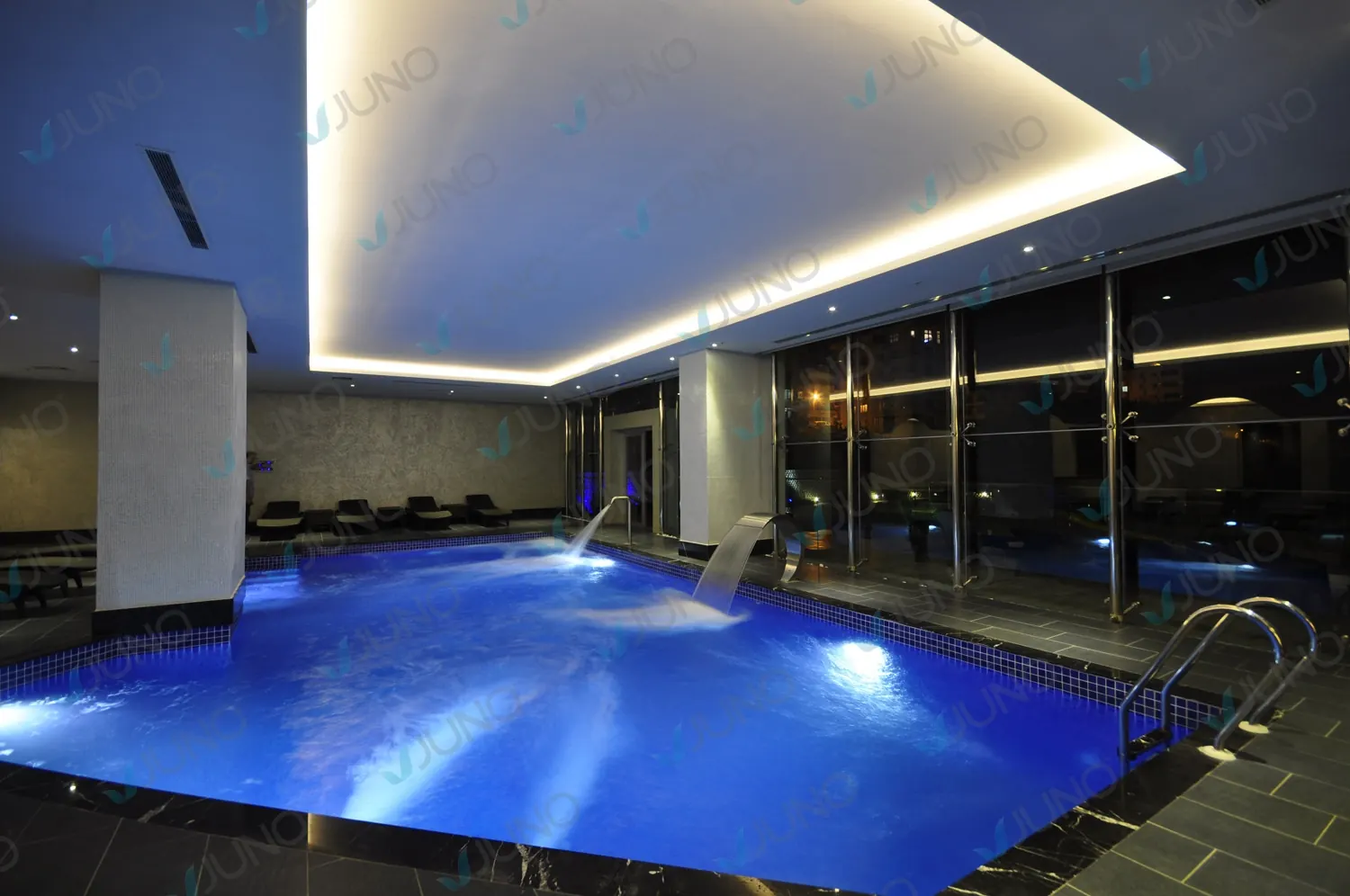
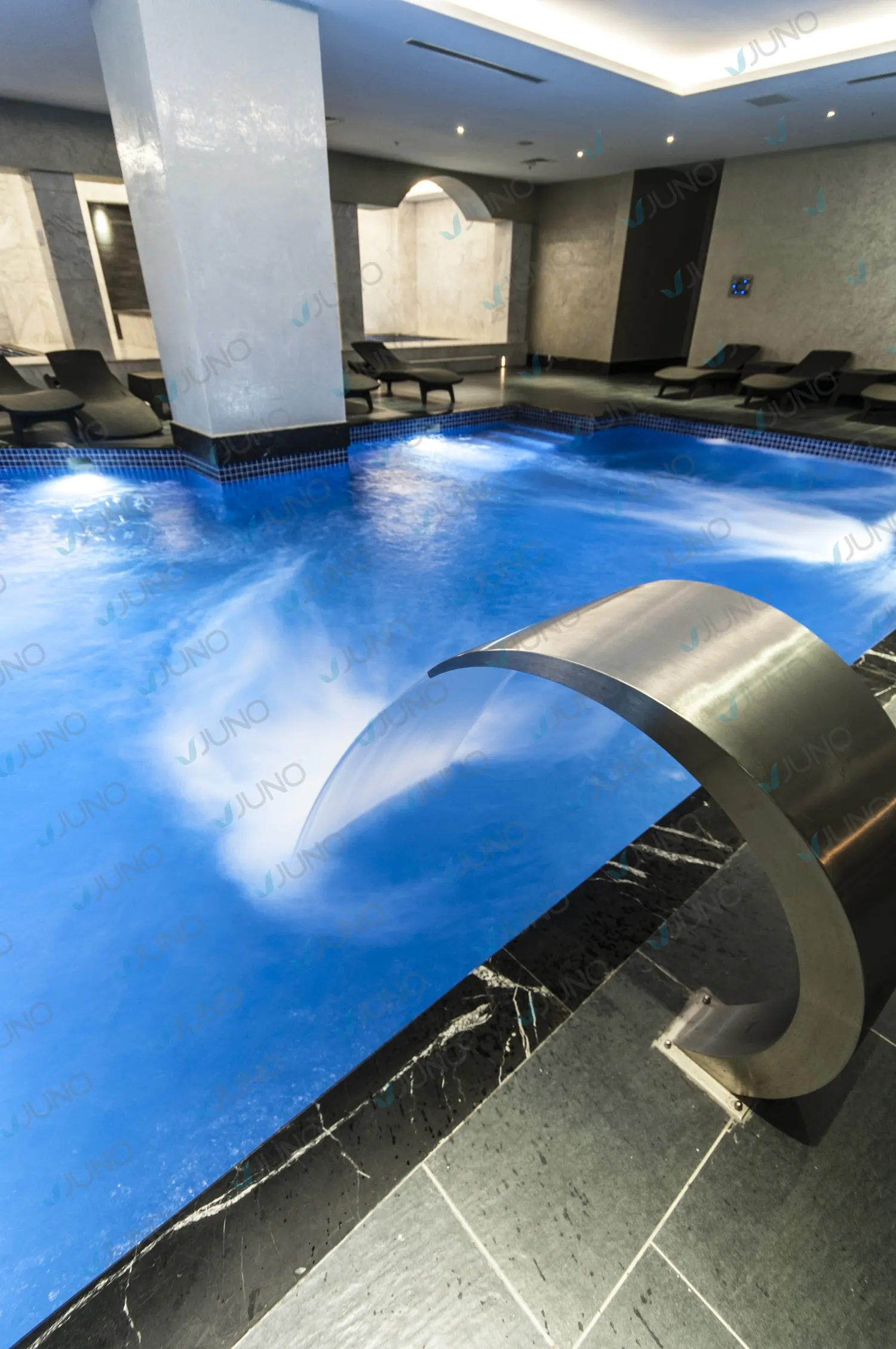
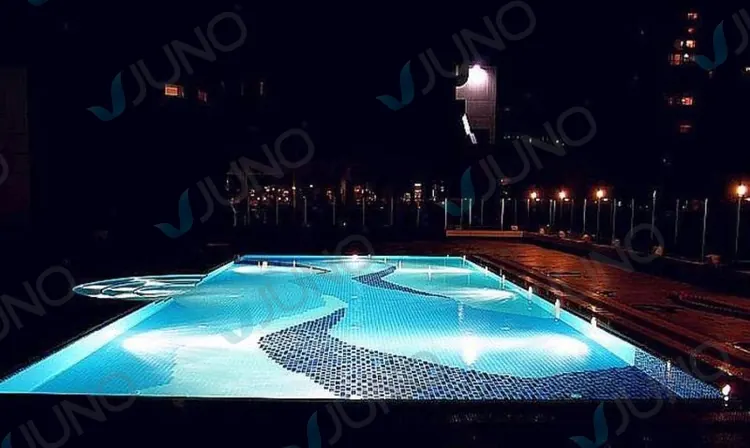
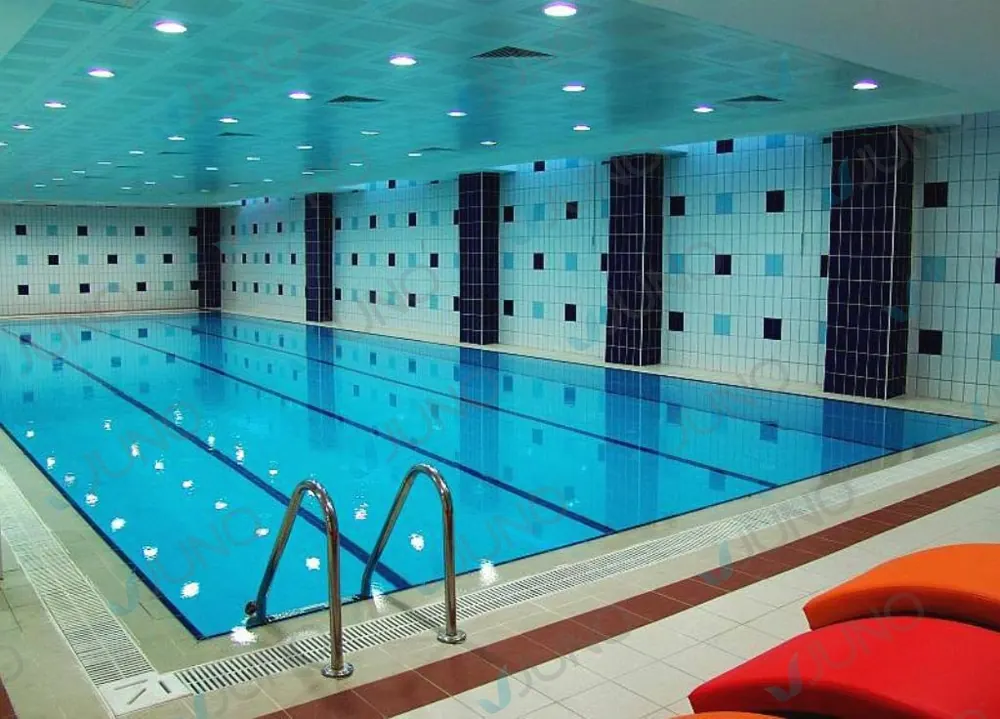
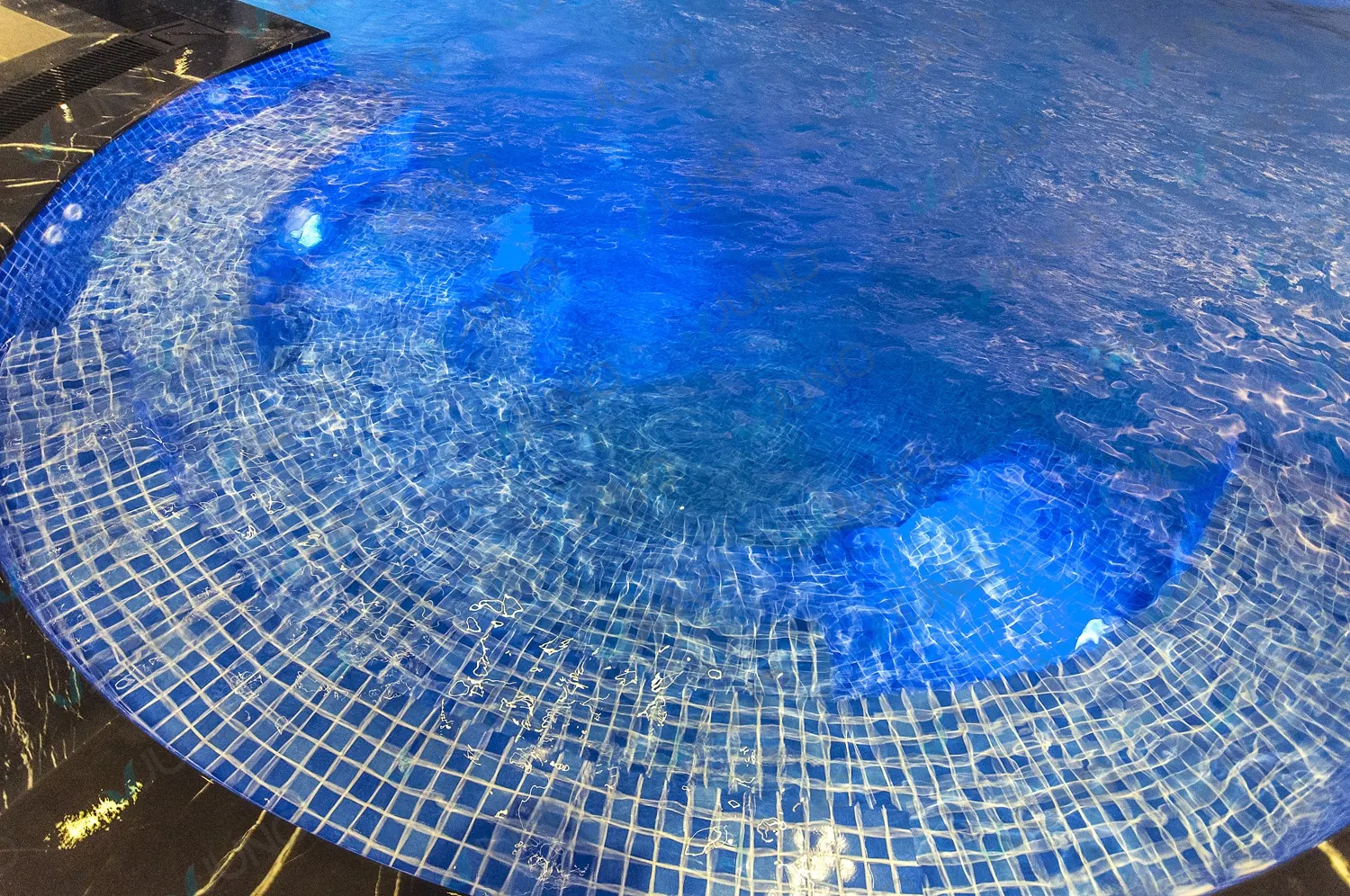
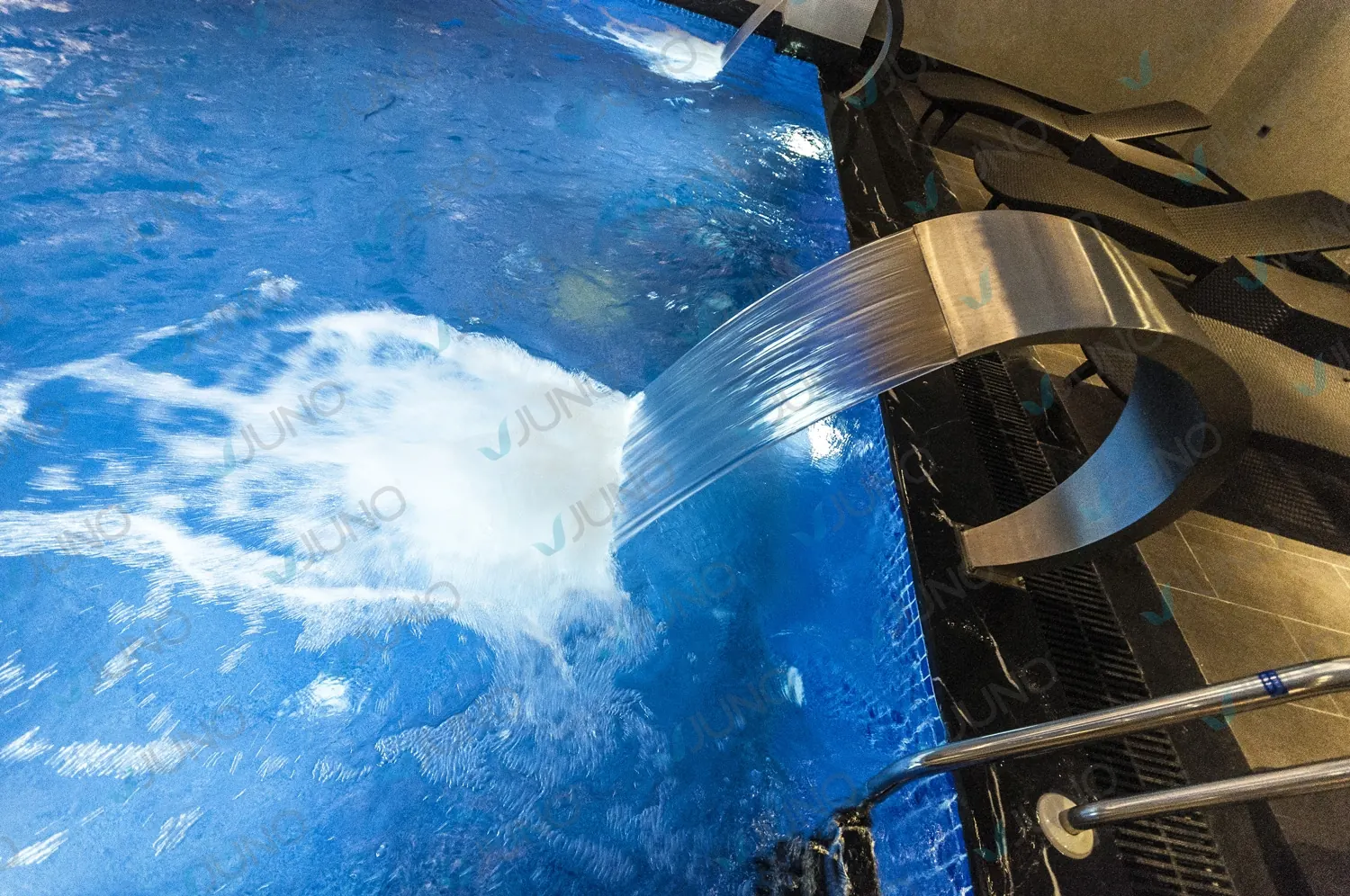
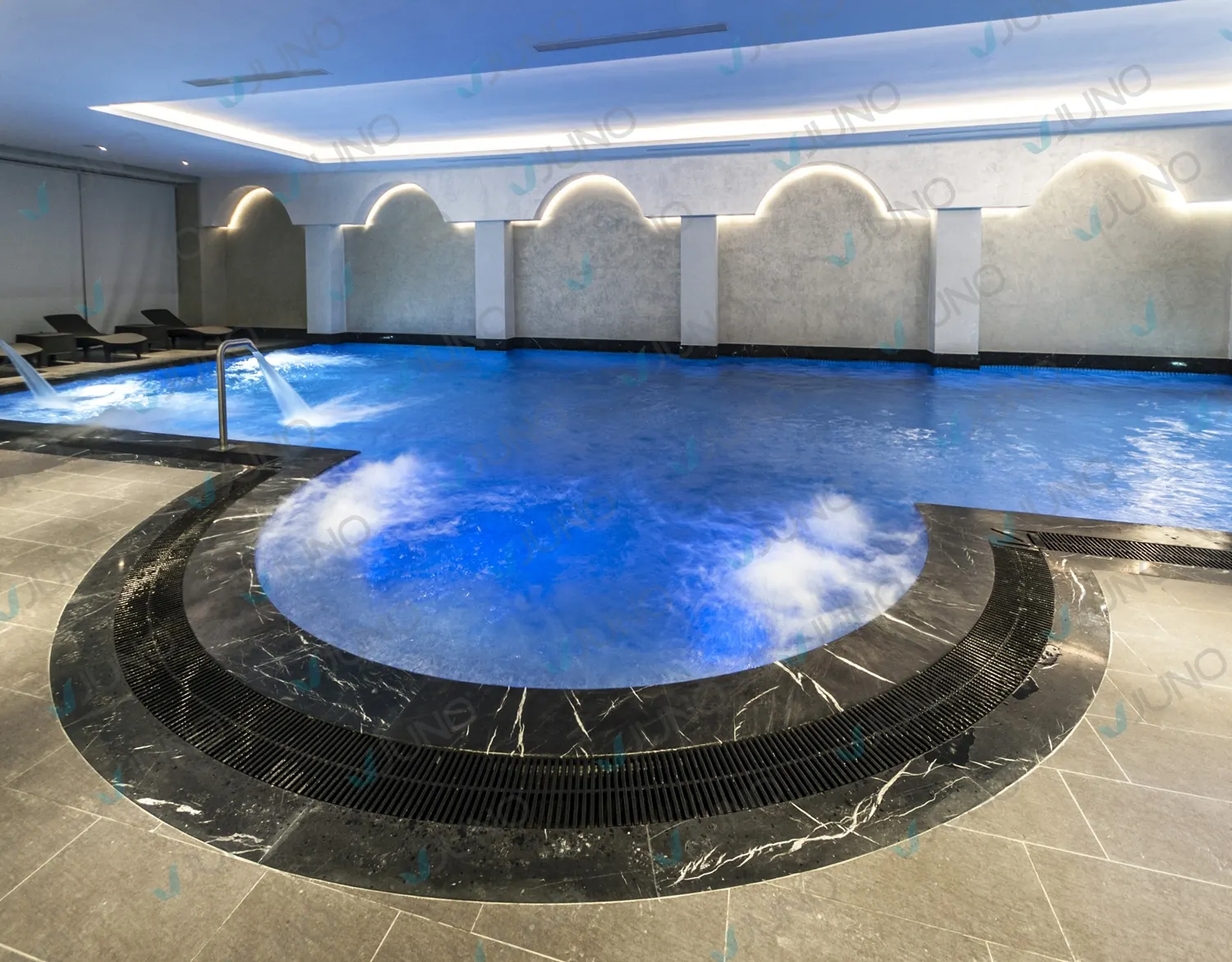
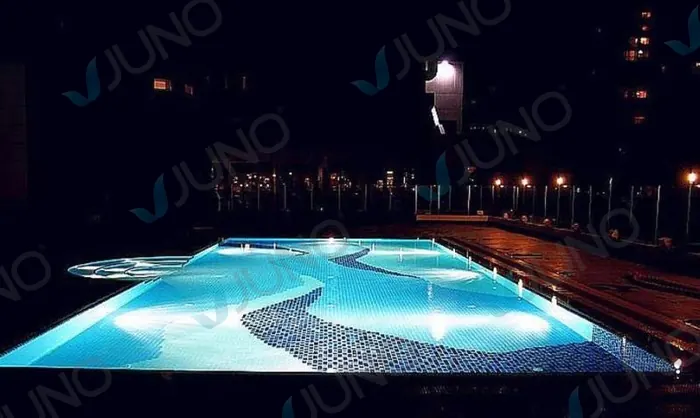
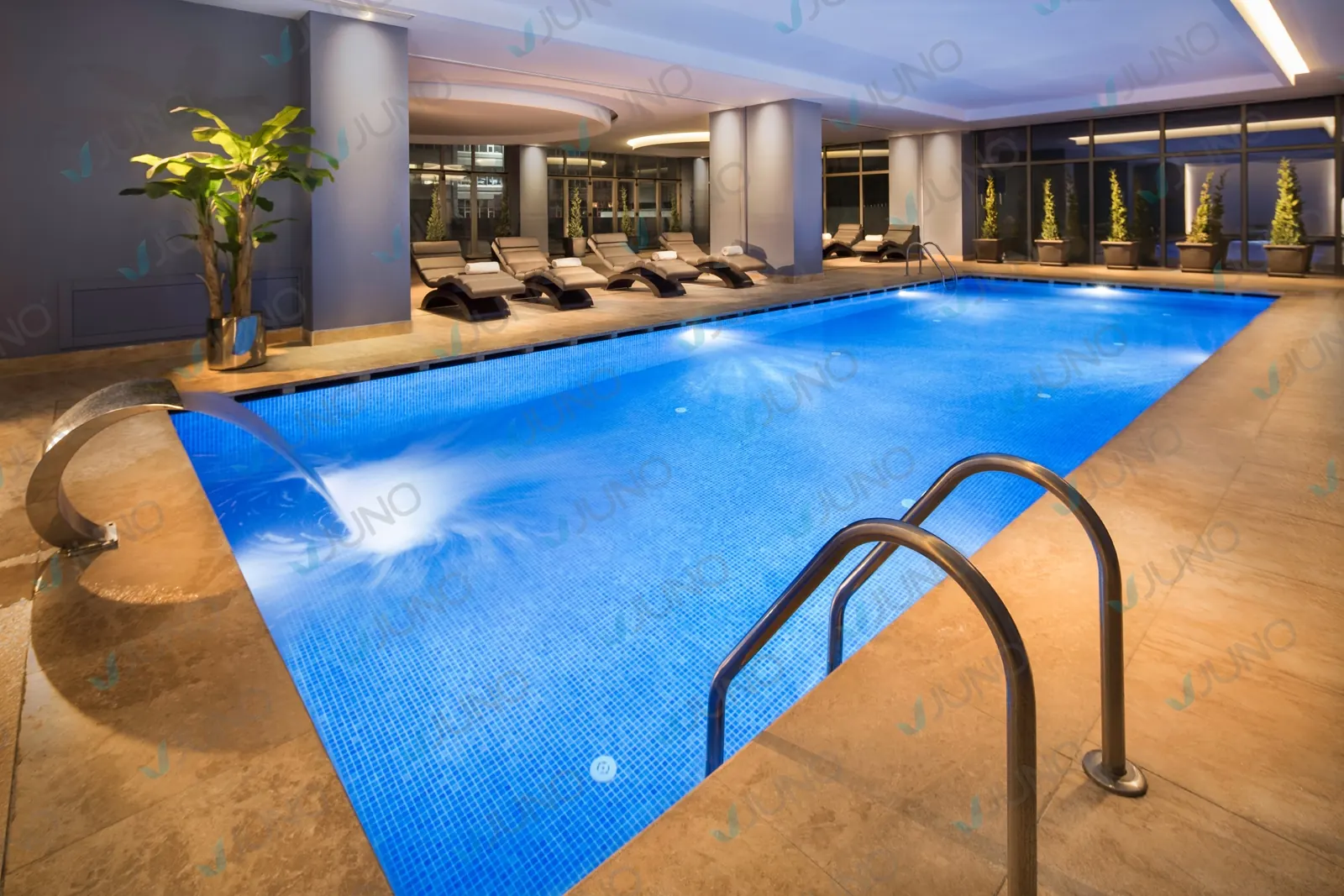
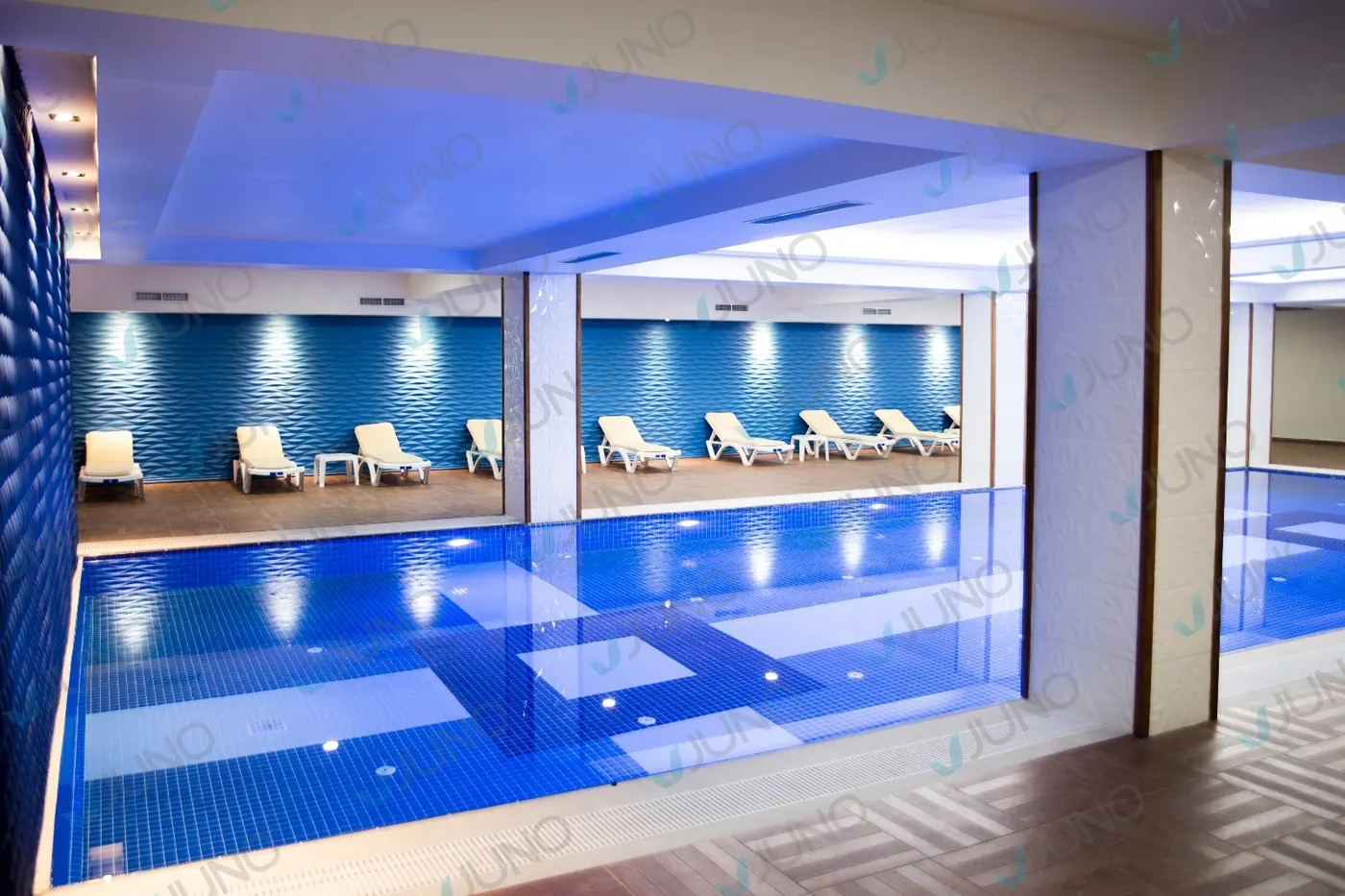
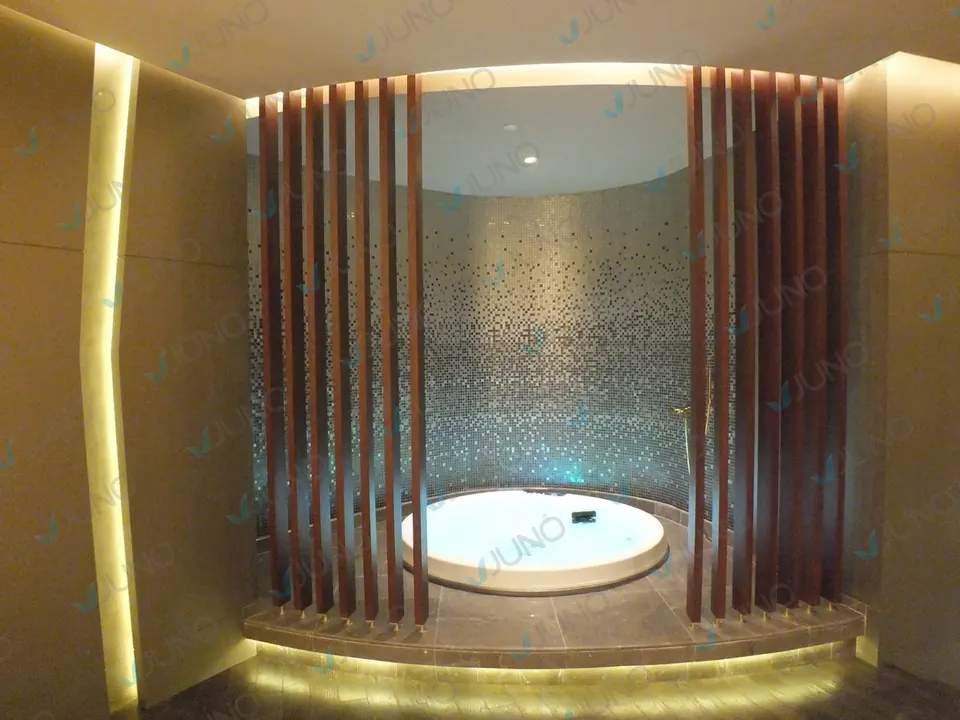
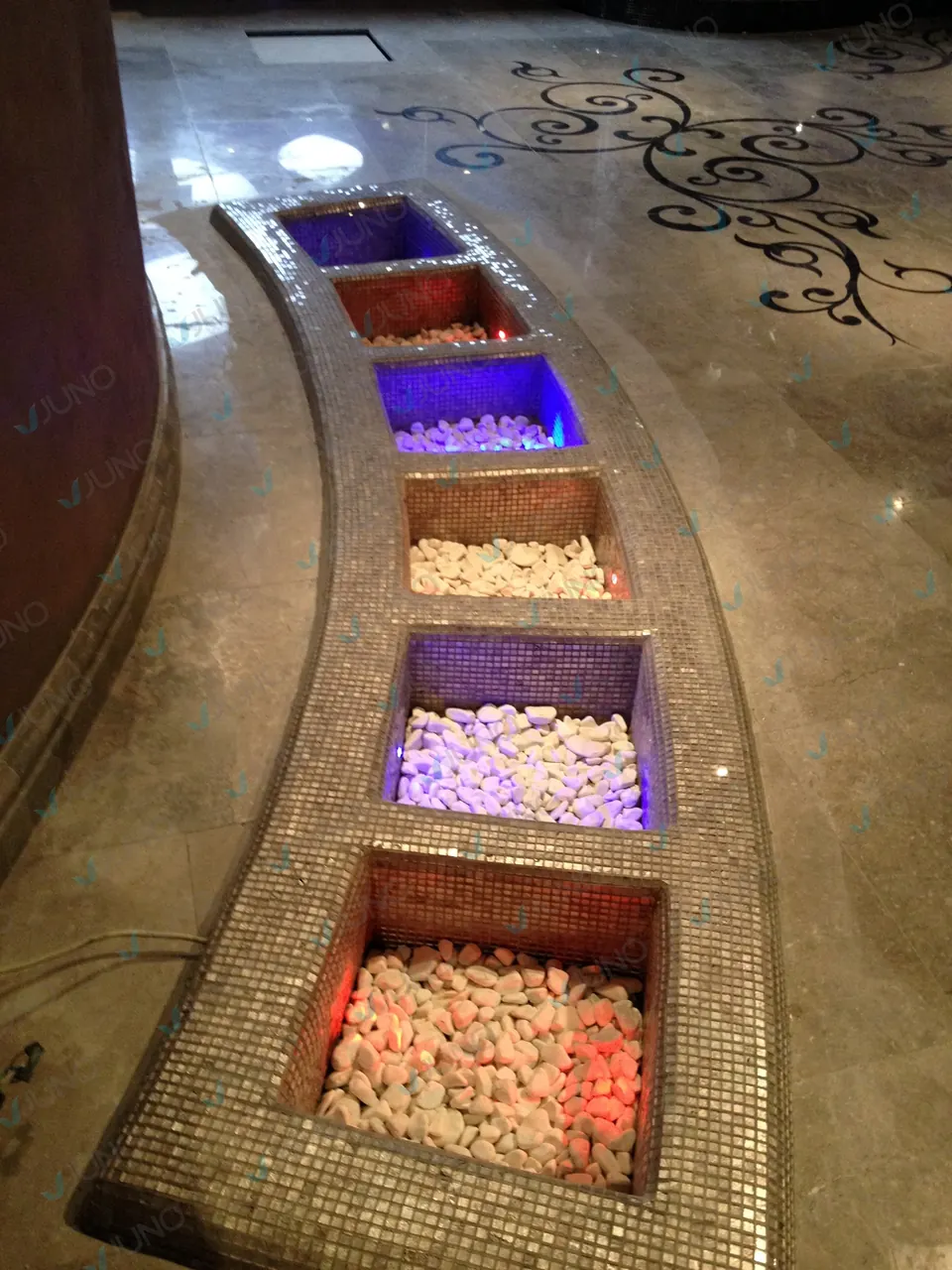
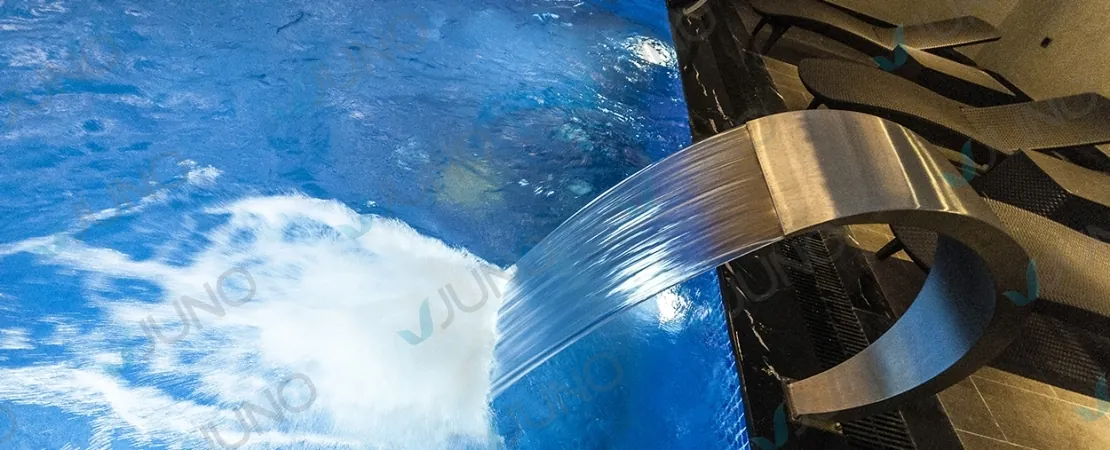
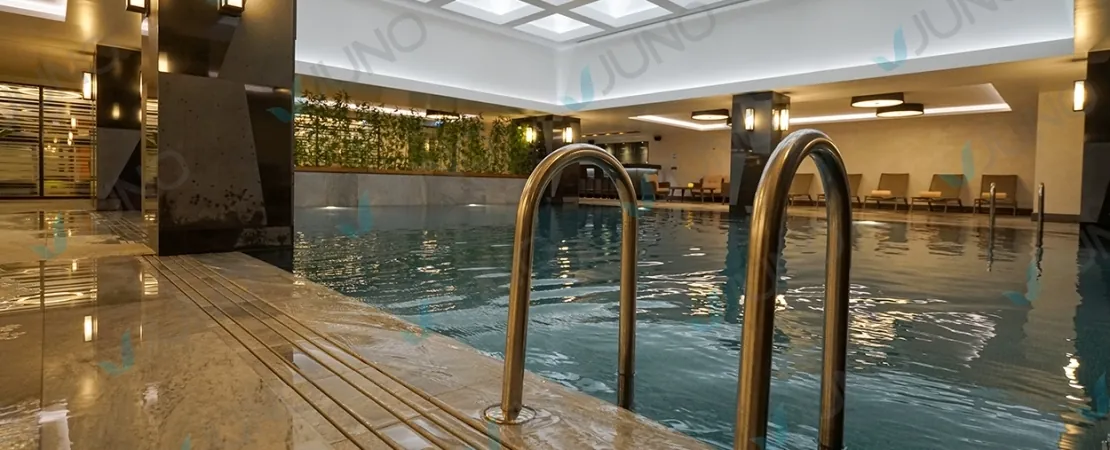
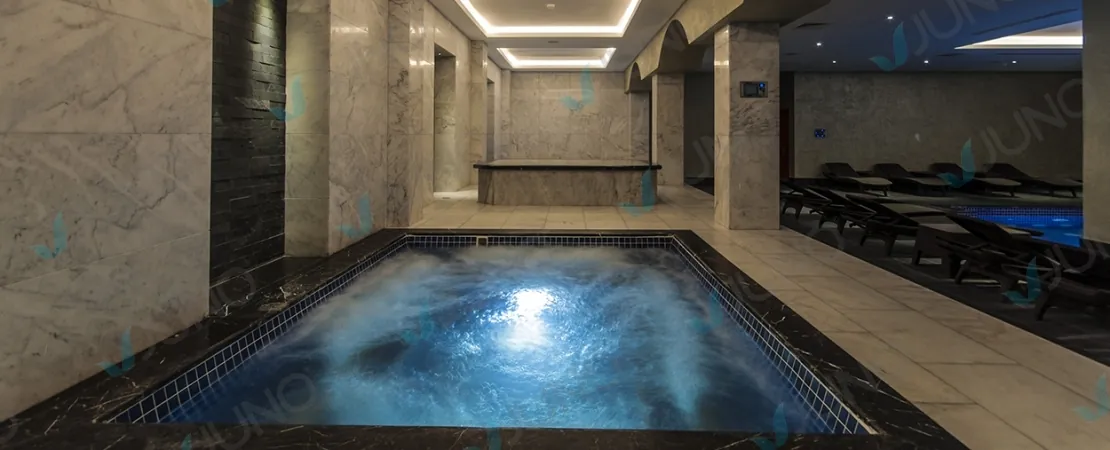
If you wish, we can plan the pool so that it adds a new feature to the space:
- Hydro-massage systems
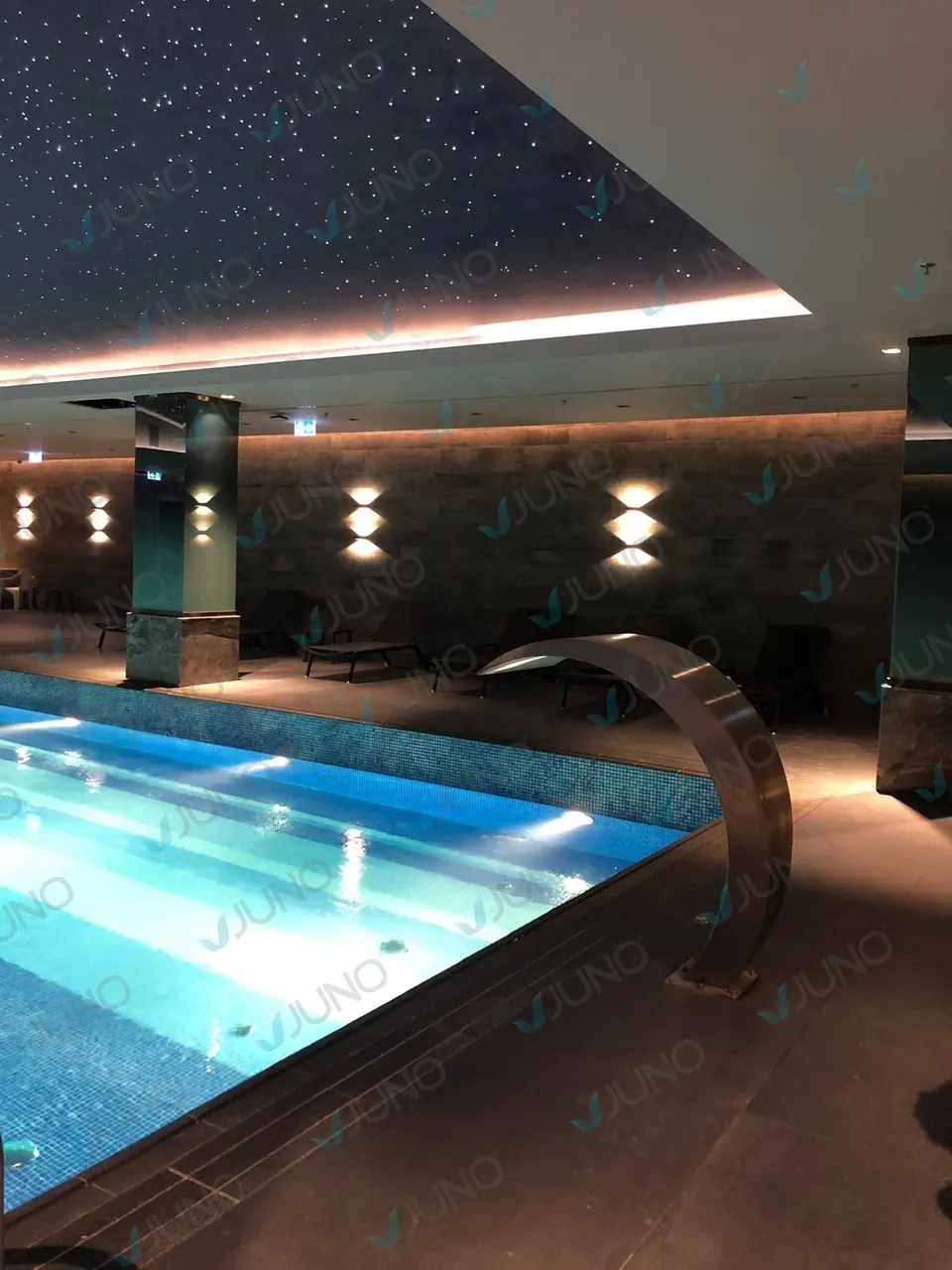
- Waterfalls
- Fountains
- A wide range of alternative materials
Pool Design, Manufacture and Construction
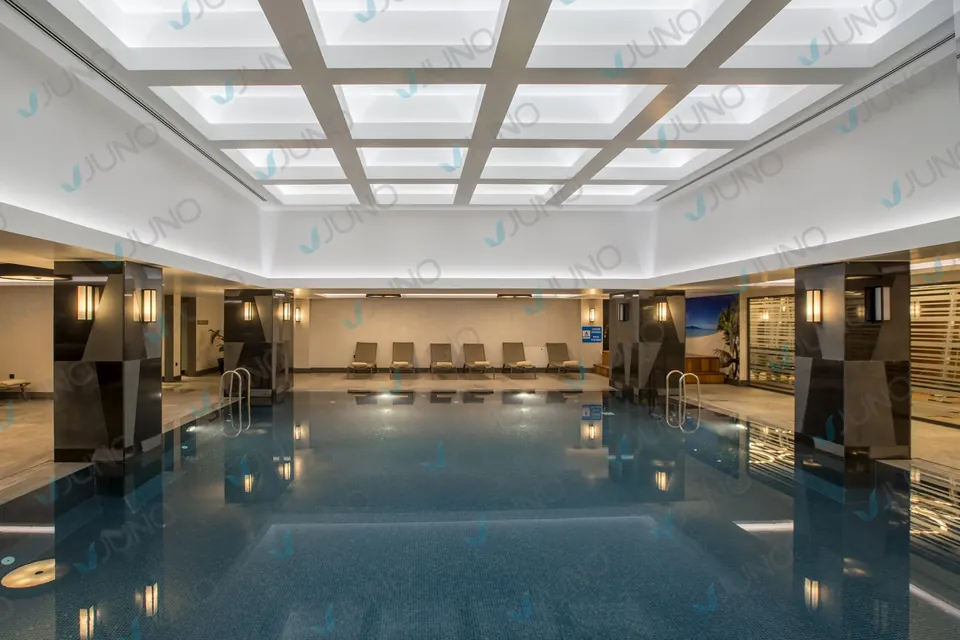
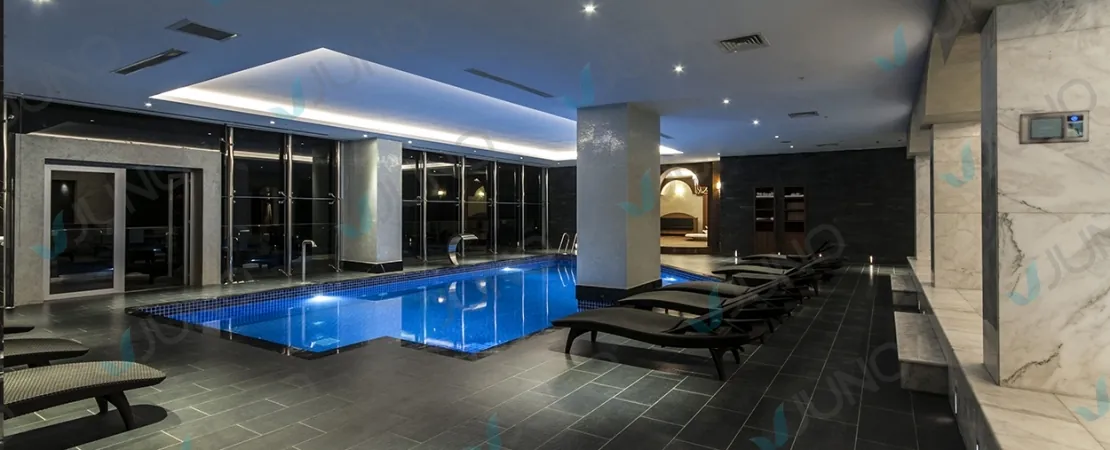
As Juno Spa, we manufacture and build swimming pools at our production facility in Istanbul.
We are a company that carries out swimming pool design and layout work with our team of interior architects.
Historical Development of Swimming Pools
Swimming pools have a very long history and have been used in various cultures for different purposes over time. Here is the historical development of swimming pools:
- Ancient Rome: In Ancient Rome there were large swimming pools, usually built as part of bathhouses. These pools were generally used by the nobility and the wealthy classes.
- Middle Ages: Throughout the Middle Ages, swimming pools were generally regarded as a luxury and were mostly found in palaces or on the private estates of wealthy families. However, they were not common in general.
- Renaissance: Interest in swimming pools grew with the Renaissance. In this period, outdoor swimming pools, usually decorated with art and architecture, began to be built in Europe, especially in Italy.
- 18th and 19th Centuries: Towards the end of the 18th century swimming became a popular sport, and the number of swimming pools increased in this period. However, these pools were generally not open to the public and were available only to a certain class.
- 20th Century: By the early 20th century swimming pools had become more common. As swimming grew in popularity, public swimming pools began to be built. In the United States in particular, municipalities and sports clubs built public pools.
- Later Years: From the middle of the 20th century, swimming pools became widespread across the world. Swimming pools can be found in many different places, such as holiday resorts, hotels, sports facilities and public parks. These pools are used for recreational activities, sporting events and entertainment.
Health Benefits of Swimming
Swimming is a comprehensive form of exercise with many positive effects on general health. Here are some of the health benefits of swimming:
- Cardiovascular Health: Swimming can improve cardiovascular health through its positive effects on the heart and blood vessels. Exercising in water raises the heart rate, which strengthens the heart muscle and improves blood circulation.
- Muscle Strength and Flexibility: Swimming works many muscle groups in the body. It strengthens the muscles of the back, shoulders, arms and legs in particular. It can also increase joint flexibility.
- Improved Coordination and Balance: Moving in water can improve coordination in the body. Staying balanced while coping with the resistance of the water can also develop the sense of balance.
- Weight Control and Weight Loss: Swimming can help with weight control by increasing calorie burn. Exercising in water supports body weight, which can reduce the stress on joints and bones.
- Stress Reduction: Activities in water, including swimming, usually have a stress-relieving effect. Water can help people relax and rest mentally.
- Respiratory System Health: Swimming can improve respiratory function. Regular swimming strengthens the respiratory muscles and can increase breathing capacity.
- Circulatory System Improvement: Swimming can help more oxygen and nutrients reach the cells by increasing blood circulation. This can improve general health in the body.
- Fewer Injuries and Less Pain: Exercising in water can reduce the stress placed on the joints and muscles in the body. It can therefore reduce the risk of injury and ease chronic pain.
- Improved Mental Health: Swimming can improve general mental health by increasing the release of endorphins. This can help in coping with depression, anxiety and stress.
Differences Between a Swimming Pool and a Sauna
A swimming pool and a sauna are two different types of facility that serve different purposes. Here are some key differences between a swimming pool and a sauna:
Purpose
- Swimming Pool: Swimming pools are generally used for water sports, swimming, exercise or simply cooling off. They can be used for both recreation and sport.
- Sauna: Saunas are generally used to eliminate toxins from the body, relax the muscles and improve general health. A sauna typically offers a dry or steamy environment at high temperatures.
Temperature and Humidity
- Swimming Pool: Swimming pools are generally kept at cool temperatures, and people in the pool are usually there to cool off in the water.
- Sauna: Saunas are generally at higher temperatures and offer a dry environment. This environment aims to eliminate toxins from the body through sweating.
Physical Activity
- Swimming Pool: Swimming pools allow a range of physical activities in the water. Activities such as swimming, water aerobics and underwater exercise can be carried out in these facilities.
- Sauna: In a sauna, sitting and resting is the norm. Physical activity is generally limited, and the purpose of using a sauna is mostly to rest and relax the body.
Health Benefits
- Swimming Pool: Swimming pools can increase cardiovascular endurance, strengthen the muscles and improve general fitness levels.
- Sauna: Saunas can offer a range of health benefits, such as relaxing the muscles, reducing stress, increasing blood circulation and strengthening the immune system.
Type of Use
- Swimming Pool: Swimming pools are generally found in sports centres, hotels, water parks or private residences, and can usually be designed as outdoor or indoor pools.
- Sauna: Saunas can generally be found in gyms, spa centres, hotels or private residences. They can be designed for both personal and communal use.
Differences Between a Swimming Pool and an Ornamental Pool
A swimming pool and an ornamental pool are water features that differ in many respects, such as purpose, size and design. Here are the key differences between these two types of pool:
Intended Uses
- Swimming Pool: Swimming pools are generally built for sport. They are designed for swimming and other water sports. They are usually long and deep and aim to provide a suitable environment for swimming.
- Ornamental Pool: Ornamental pools are built for aesthetic purposes. They are used for gardens, courtyards or landscaping. They are usually small and decorative and may contain fish, plants or ornaments.
Sizes
- Swimming Pool: These are generally large and can be long and deep. Because they are intended for sport and exercise, they need large areas.
- Ornamental Pool: These can be smaller and, as they are used as part of landscape design, generally play a decorative and aesthetic role.
Depth and Shape
- Swimming Pool: Depth can vary and generally follows certain standards. Swimming pools usually have a straight, long shape.
- Ornamental Pool: Depth can vary but is generally shallow. They can be more varied in shape and design; for example, they can be circular, oval or free-form.
Filtration and Maintenance
- Swimming Pool: To maintain water quality, these generally need complex filtration systems and chemical maintenance.
- Ornamental Pool: Filtration systems can generally be simpler, and maintenance can be less intensive.
Water Movement
- Swimming Pool: Water circulation and flow are carefully designed to provide a suitable environment for swimming.
- Ornamental Pool: Water movement generally serves an aesthetic purpose. Elements such as waterfalls, fountains or water effects are added to enhance the look and sound of the water.
Experience and Additional Options
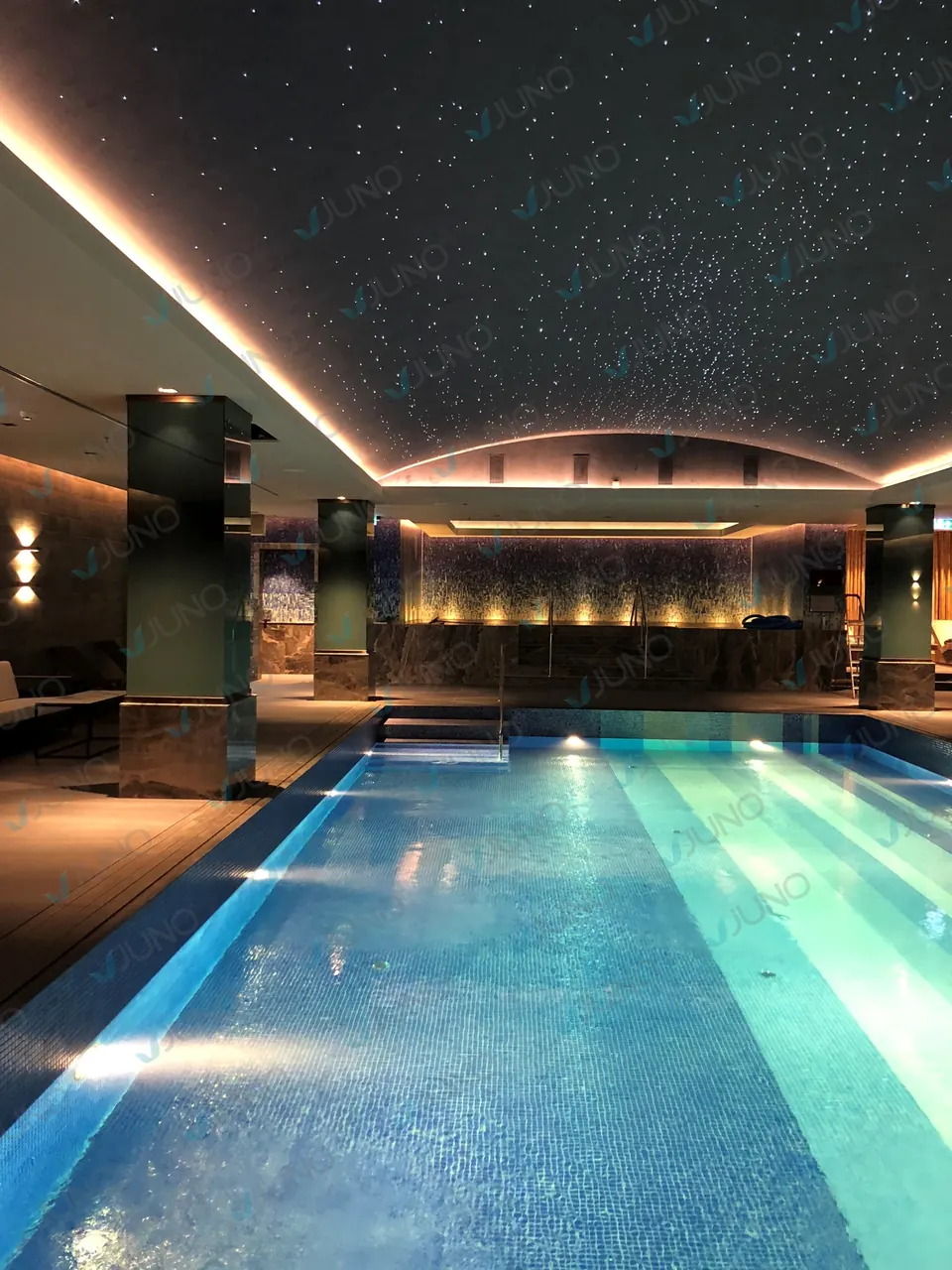
Juno Spa & Wellness, based in Istanbul, is a well-known swimming pool company and has manufactured and built many custom-design pools for spa projects around the world.
To enrich the pool environment, we can also add functional and decorative elements if you wish. Hydro-massage systems, waterfalls, fountains and wave systems are some of these options.