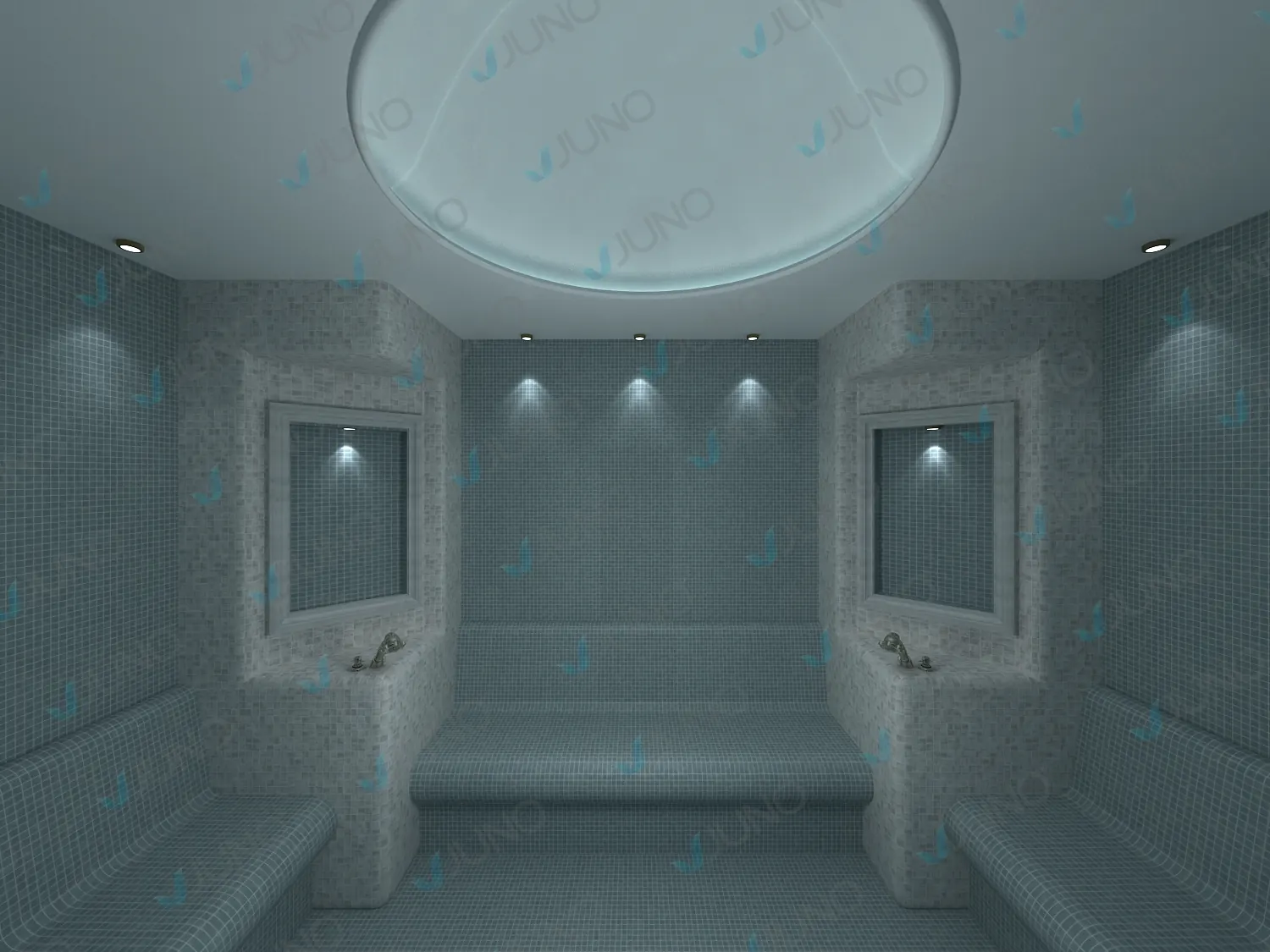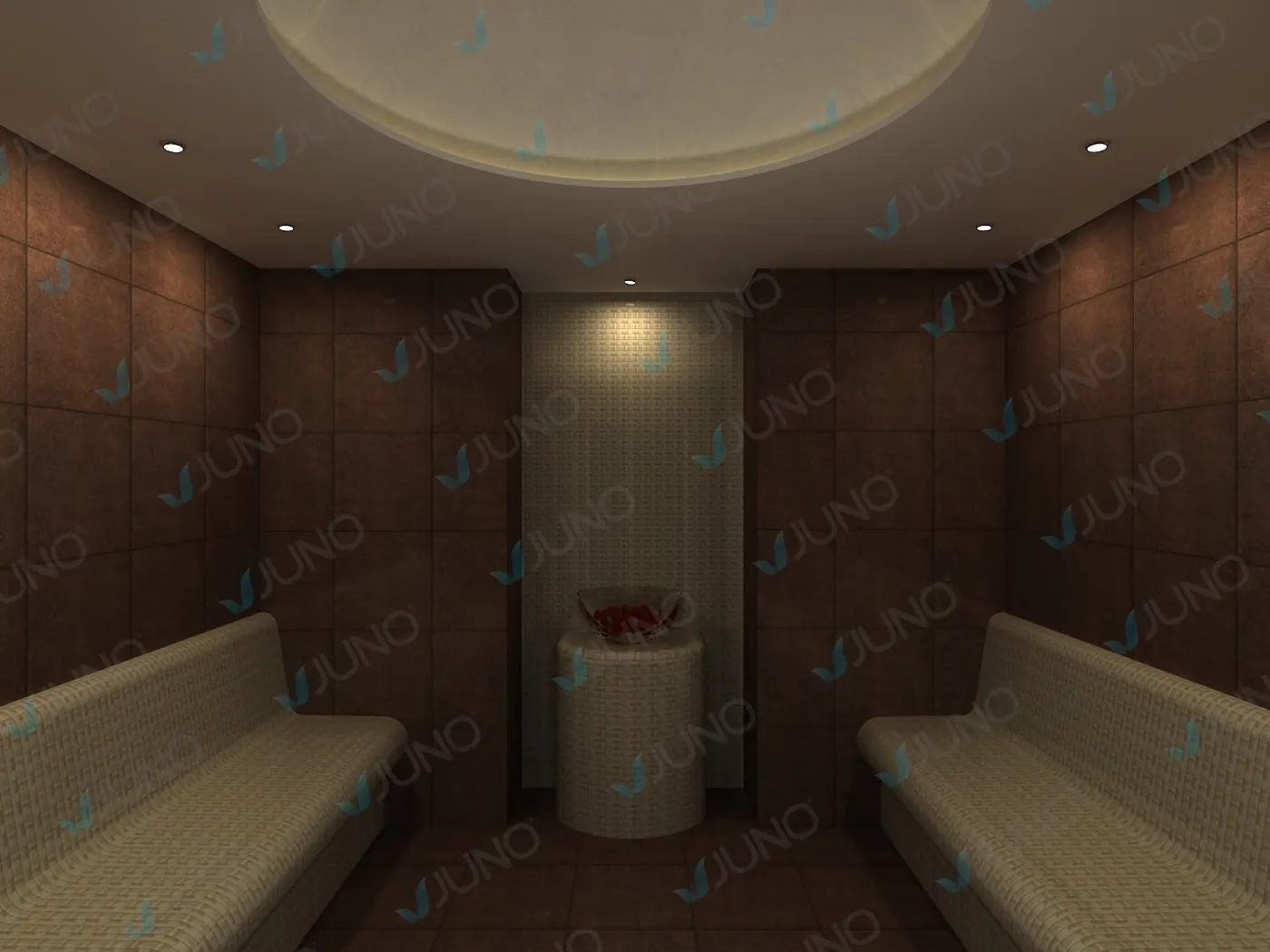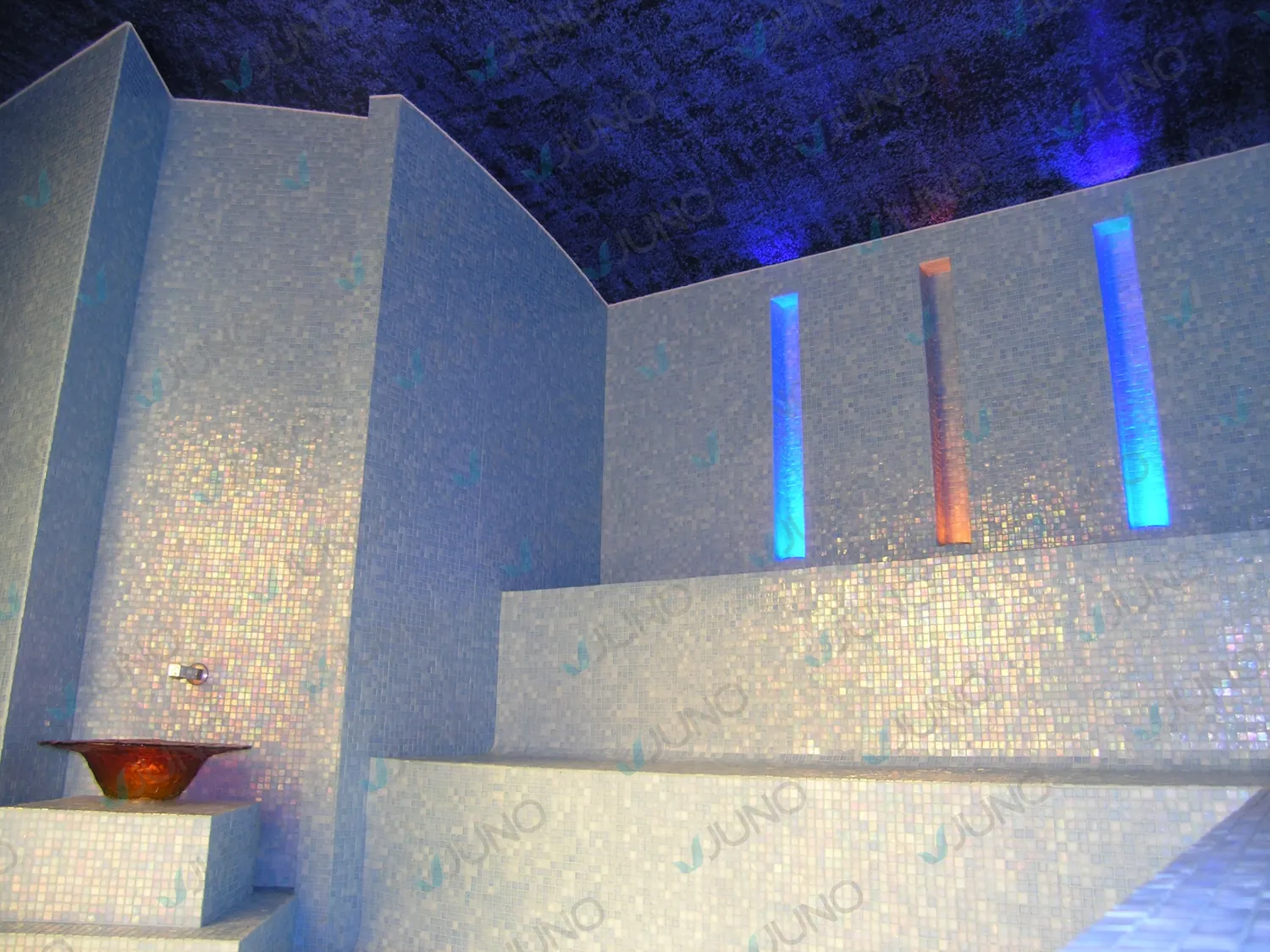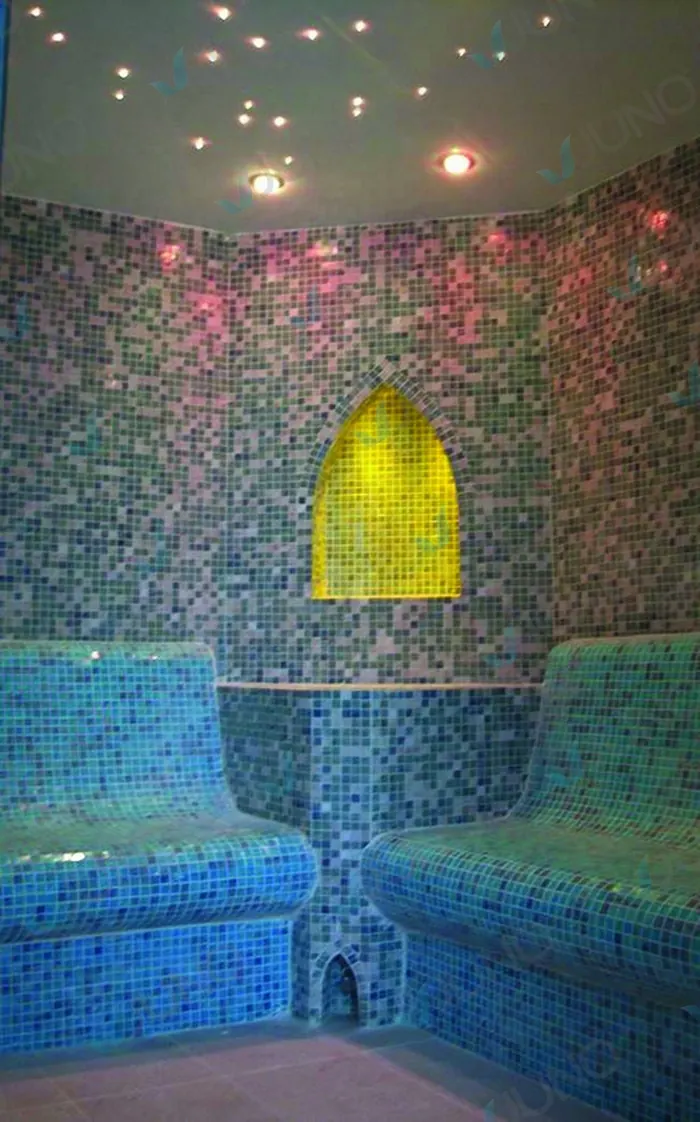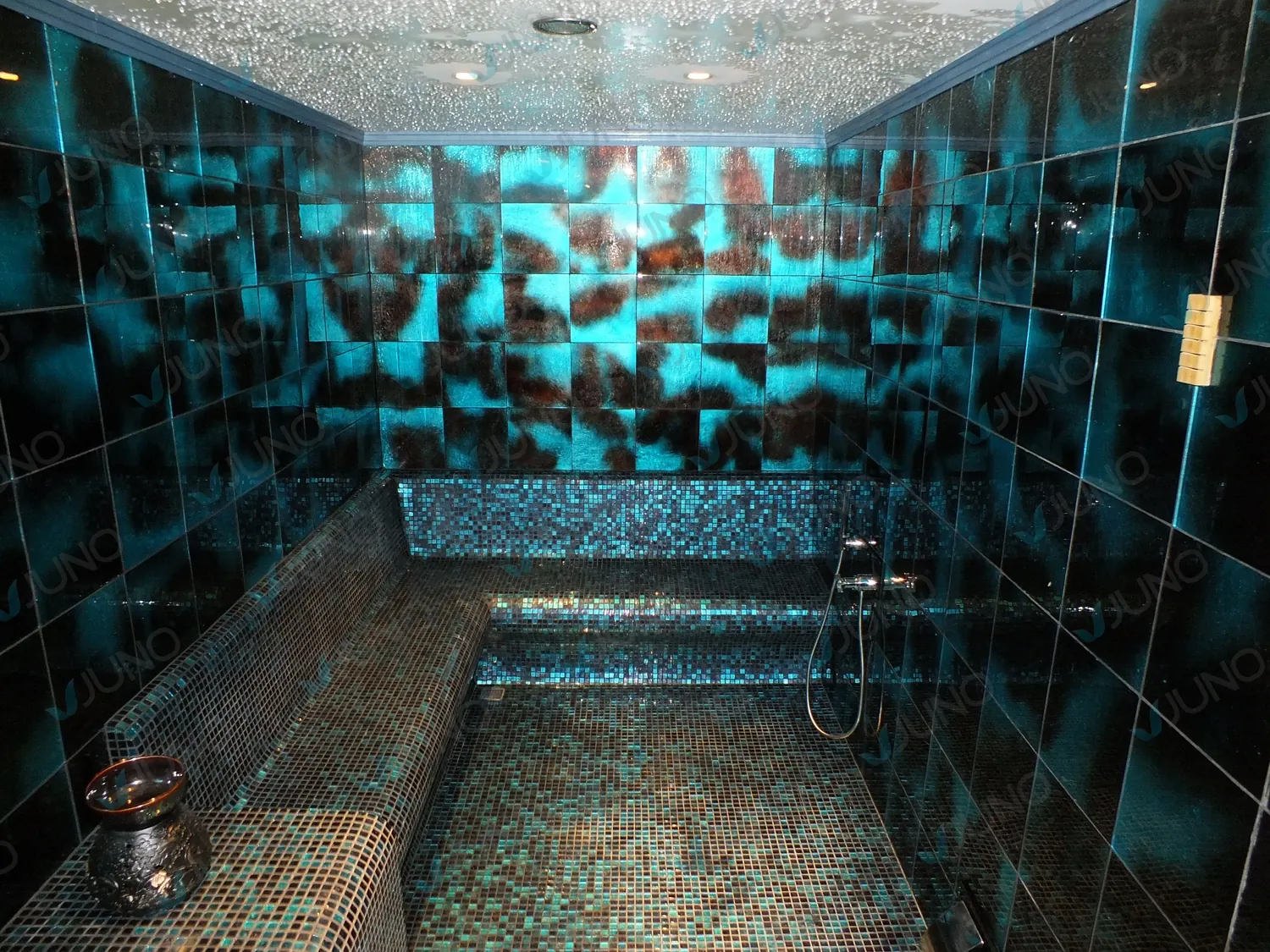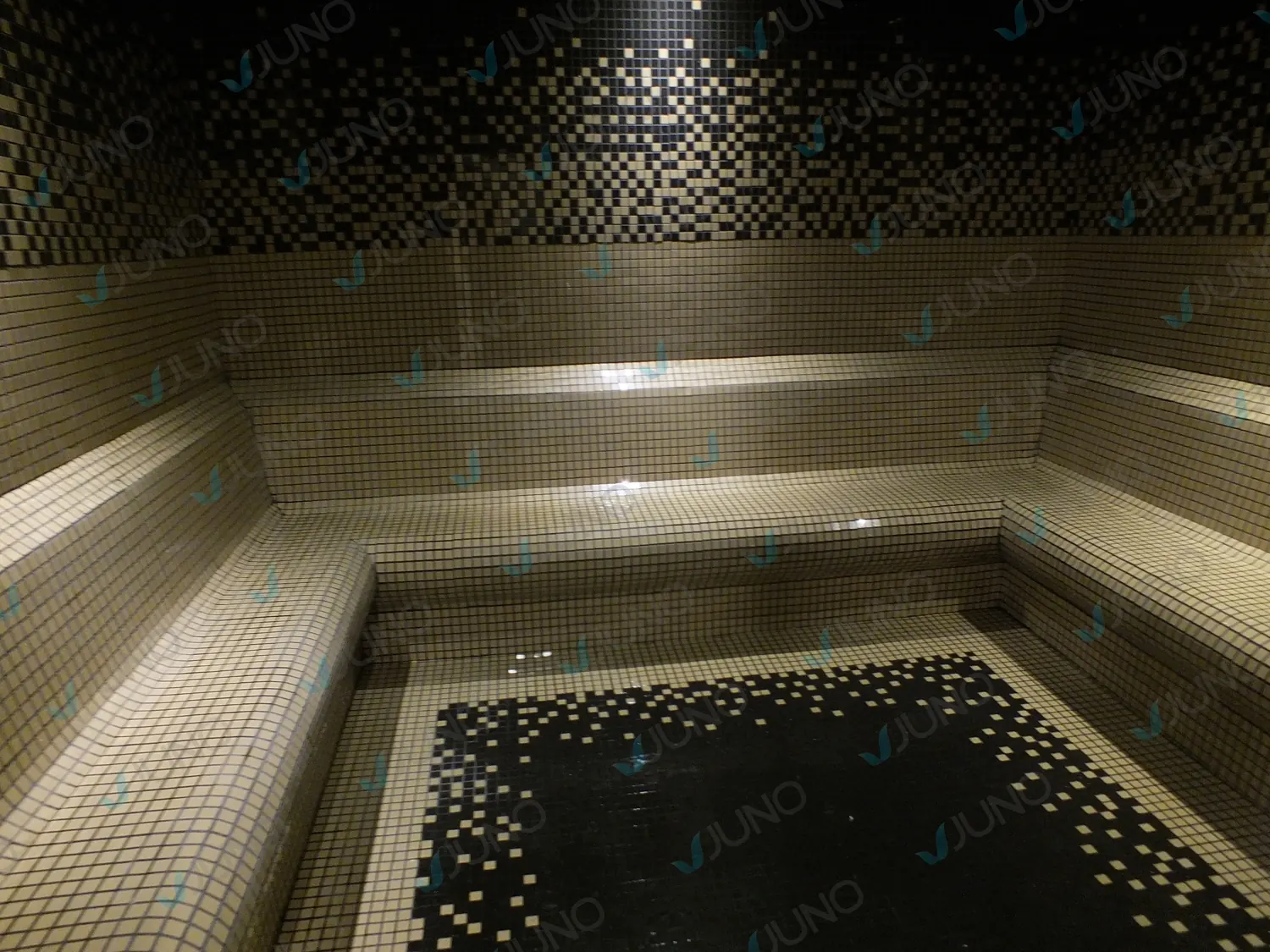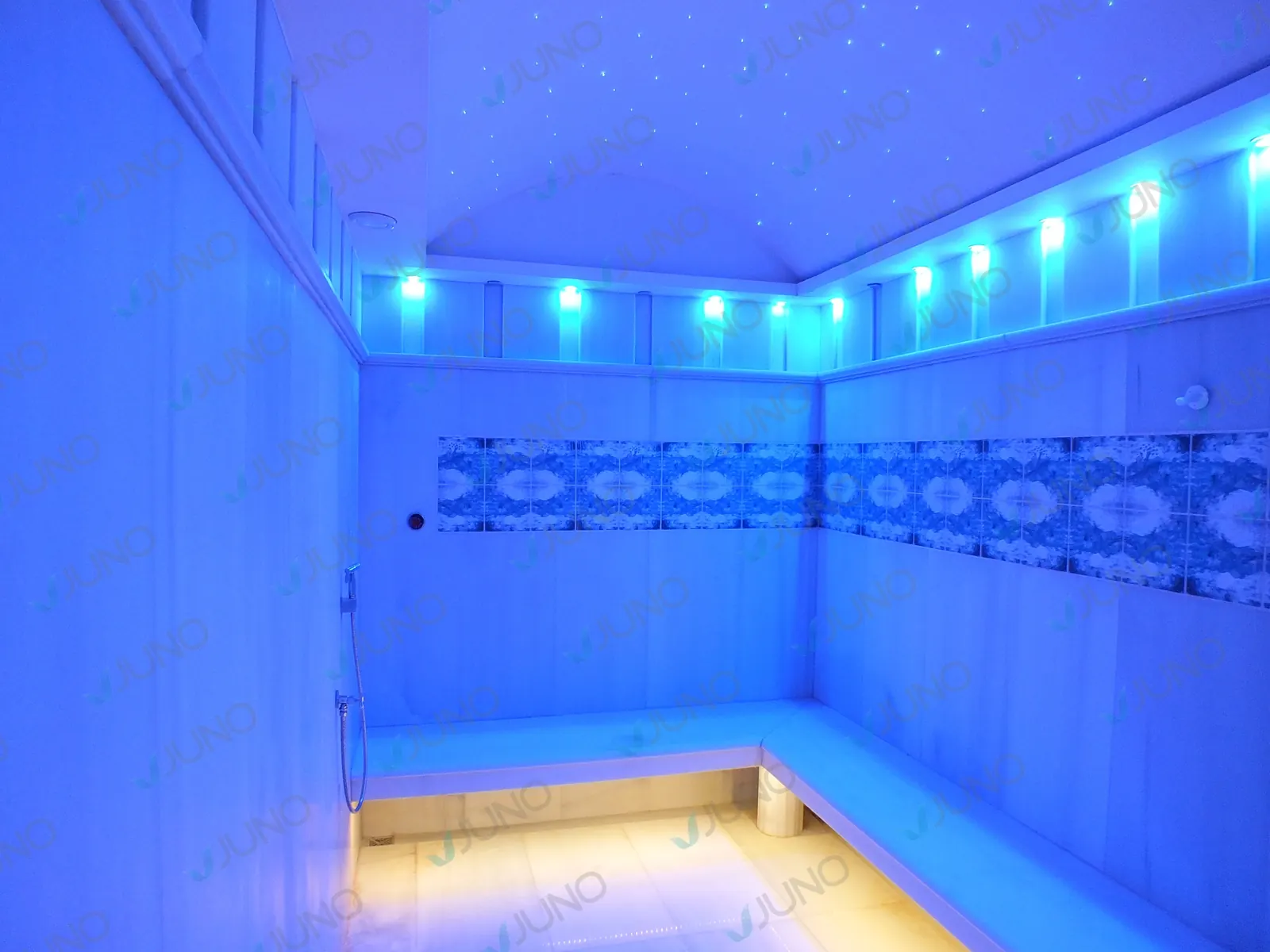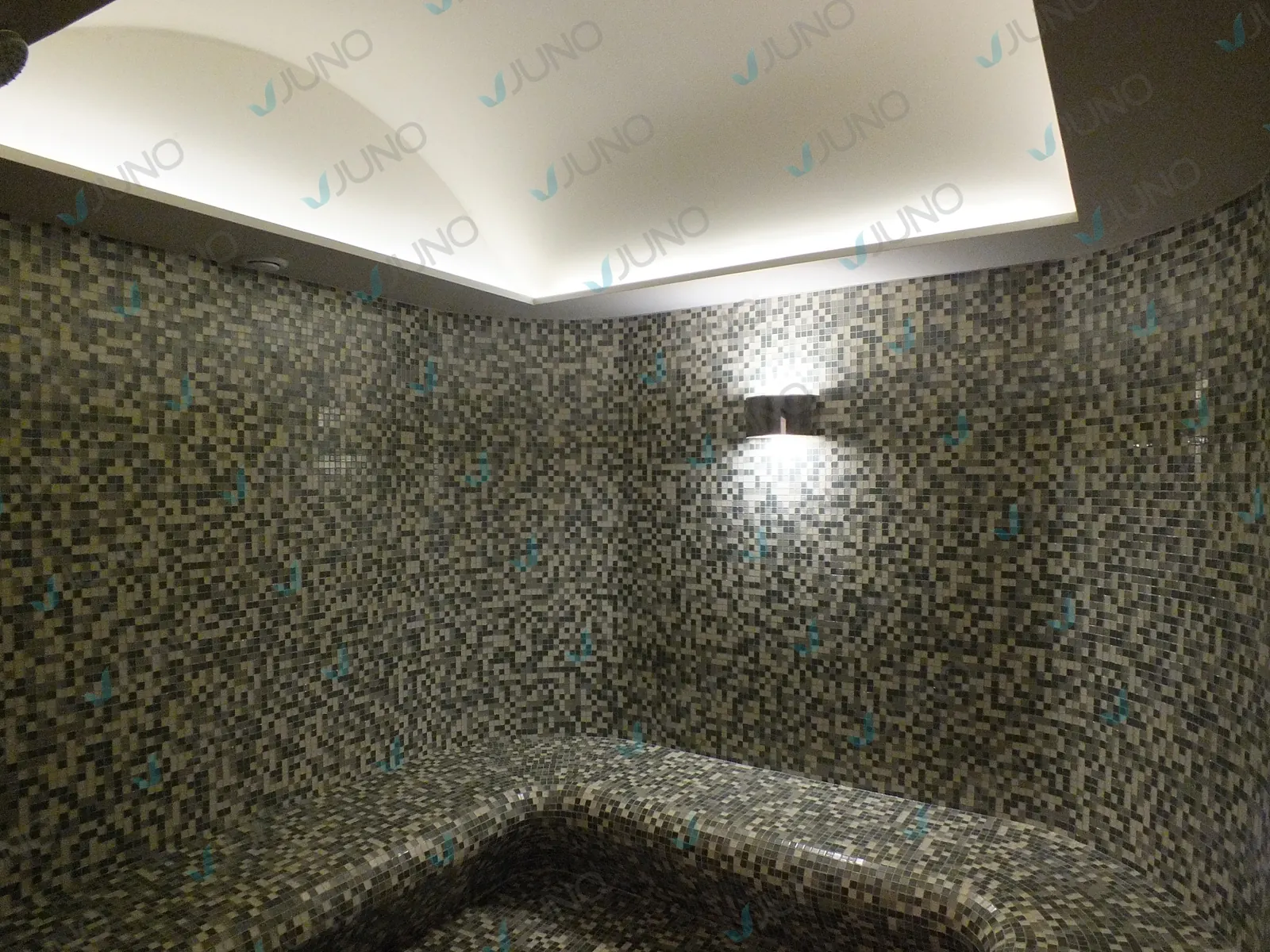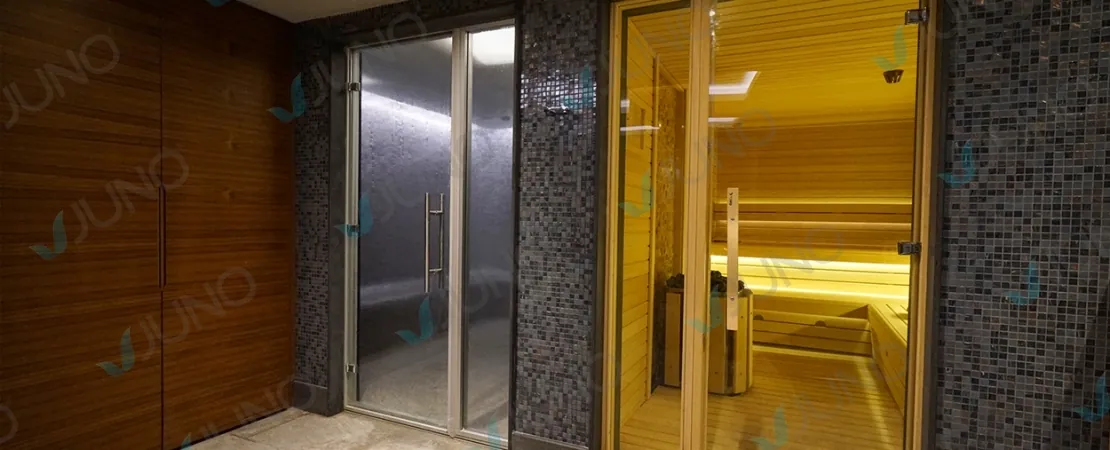

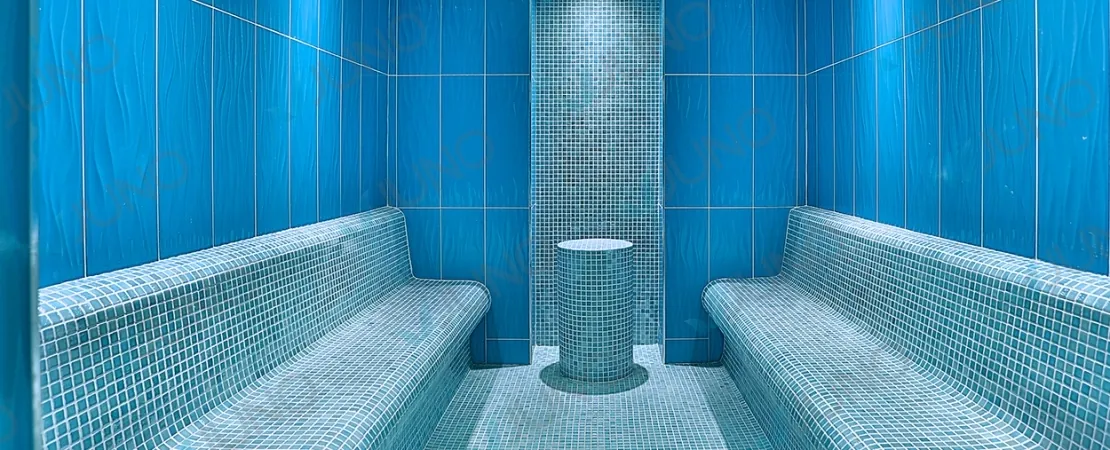

A Solution to Help You Feel Good
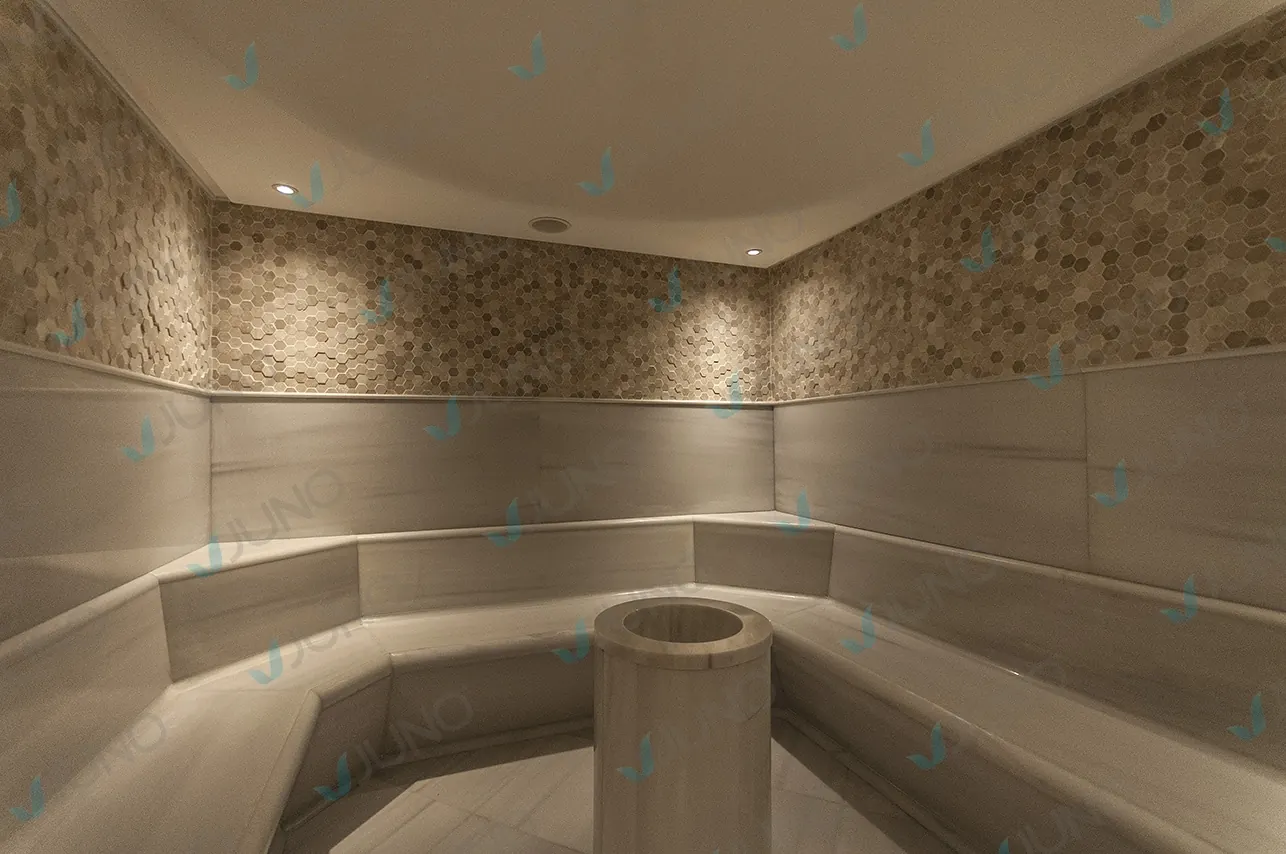
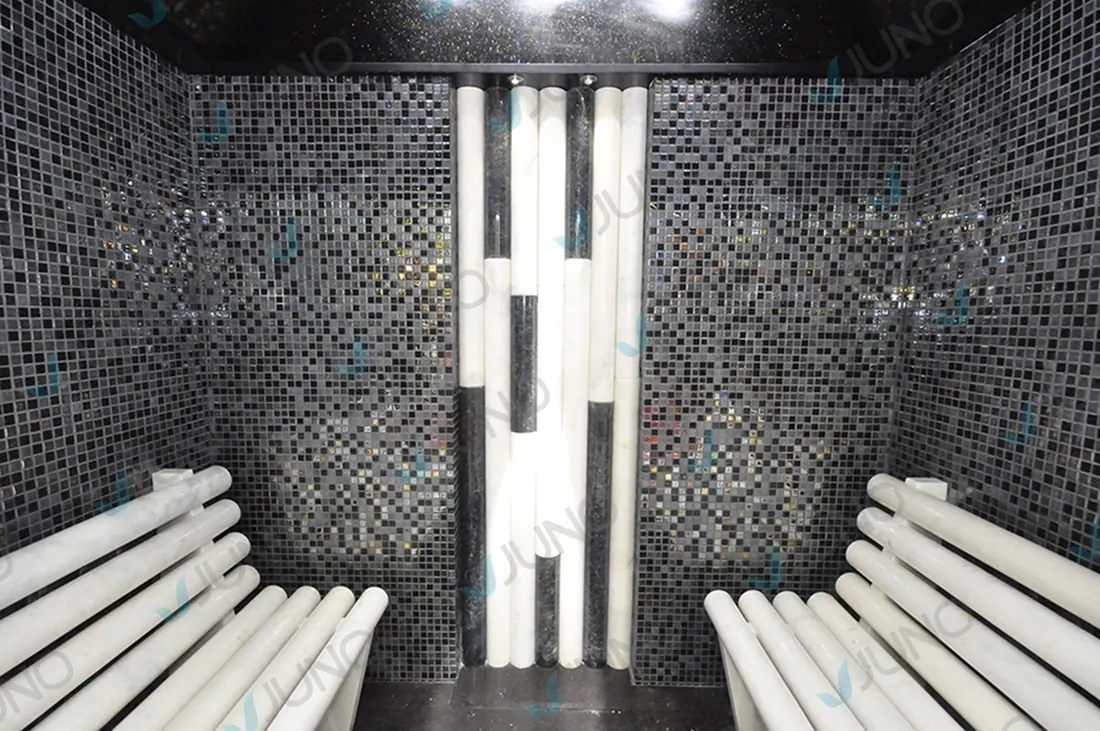
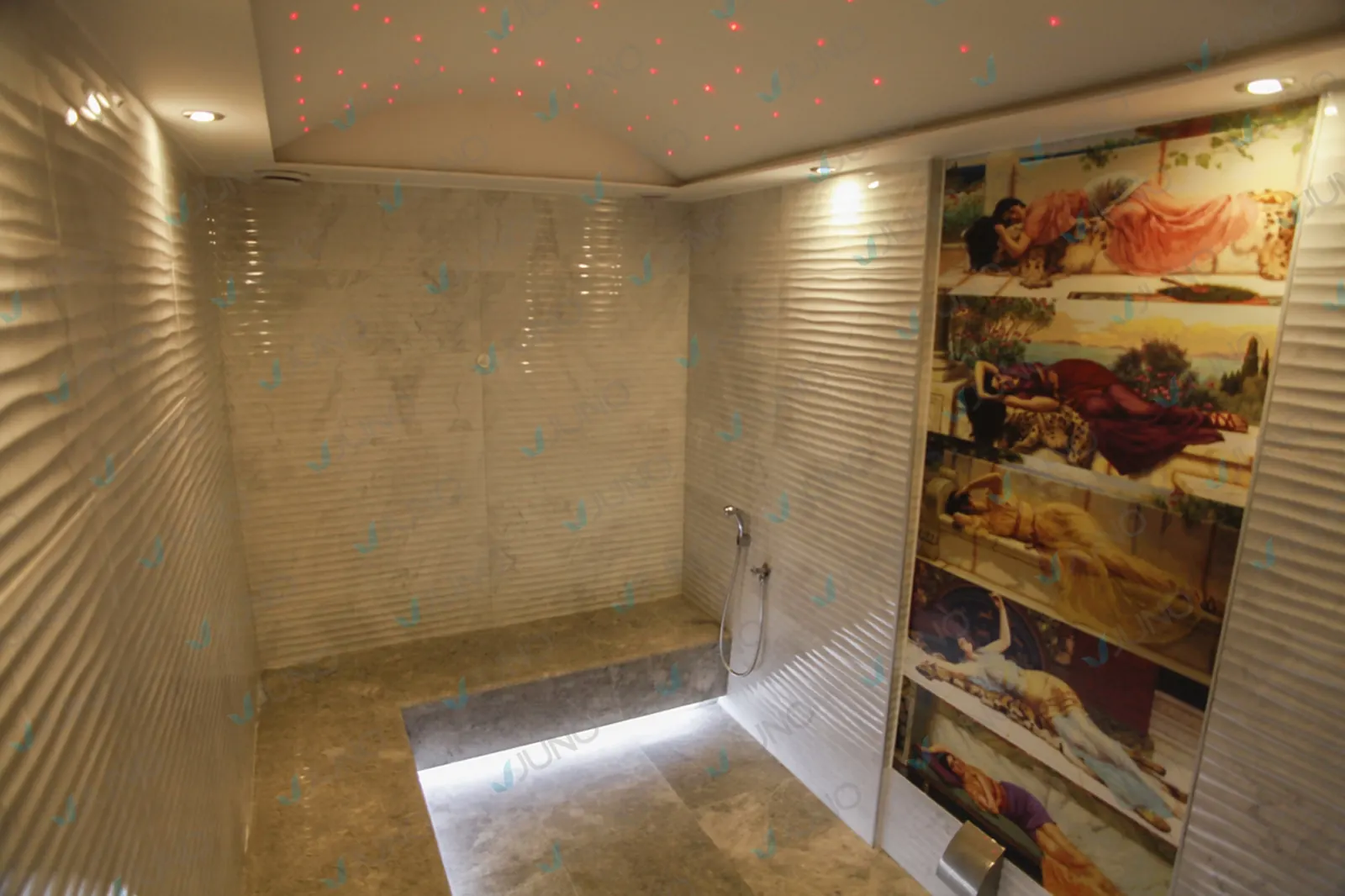
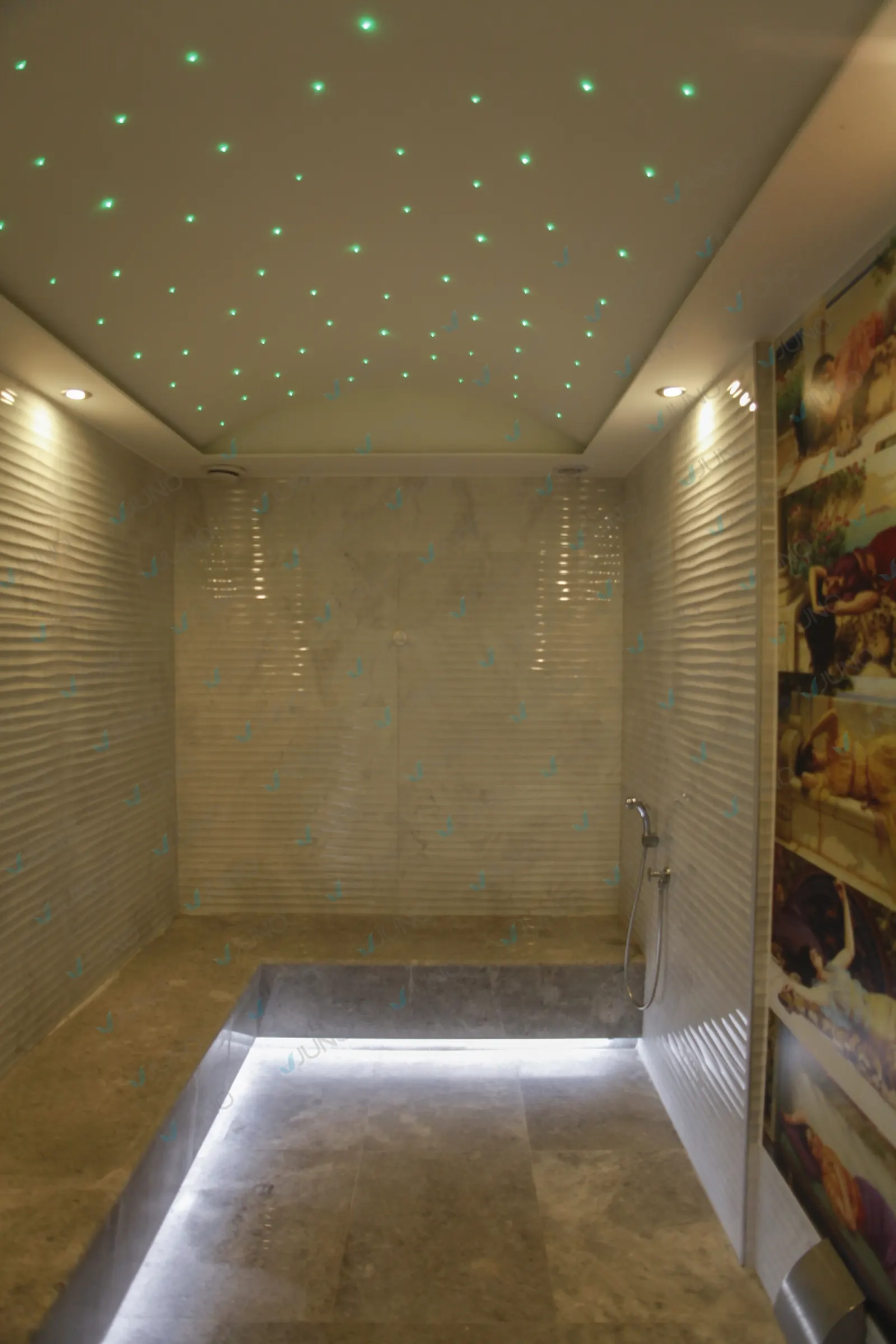
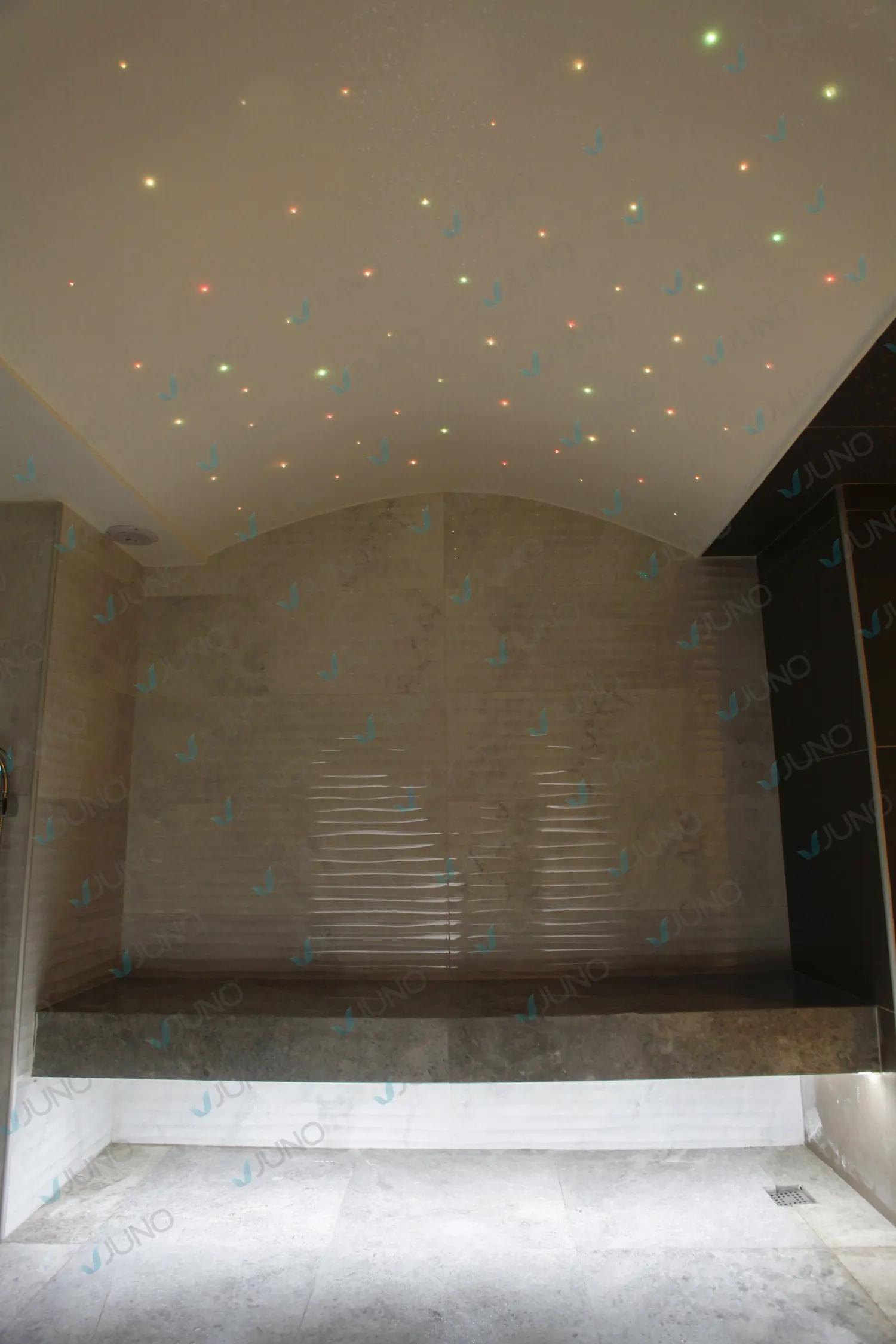
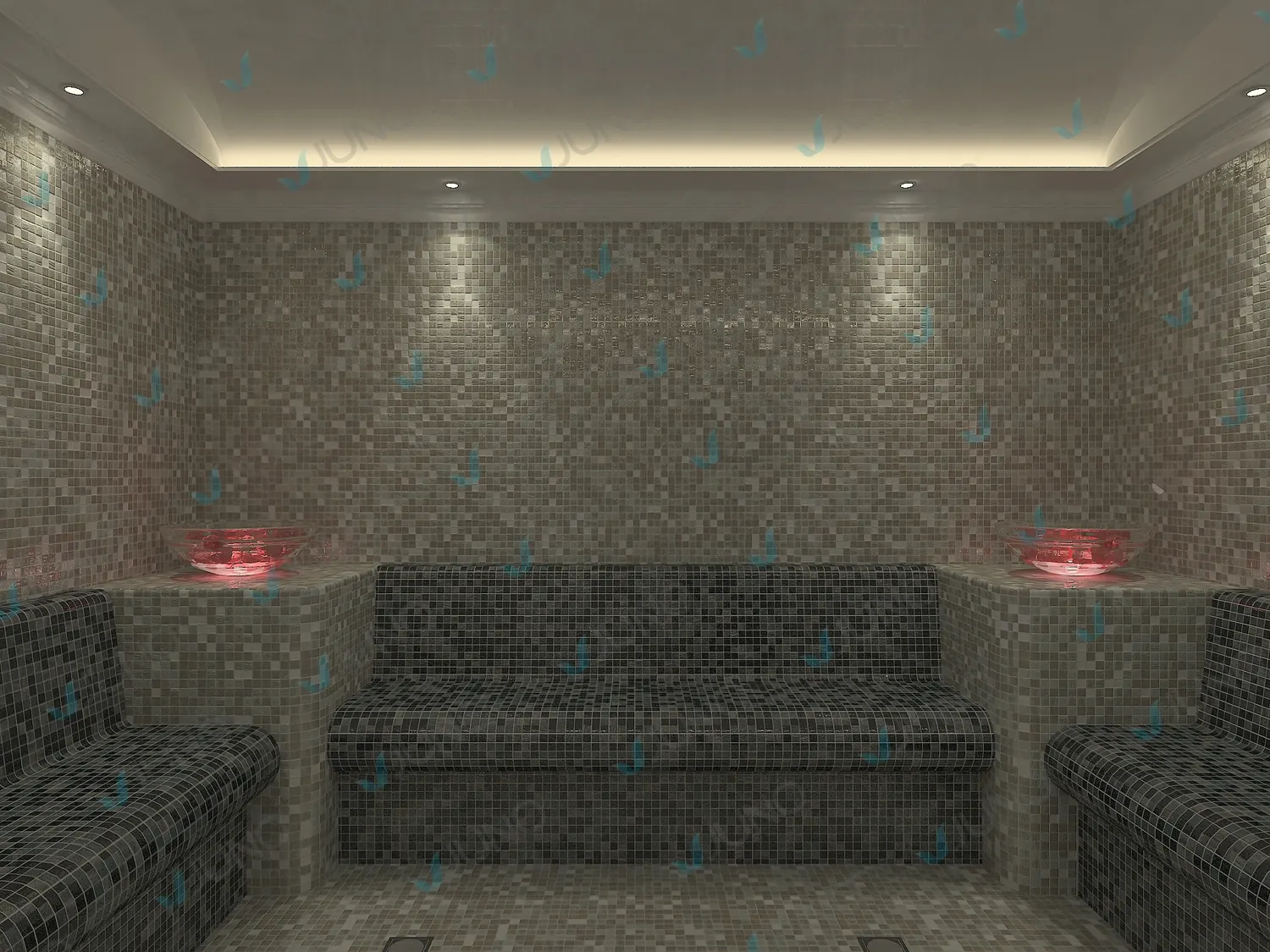
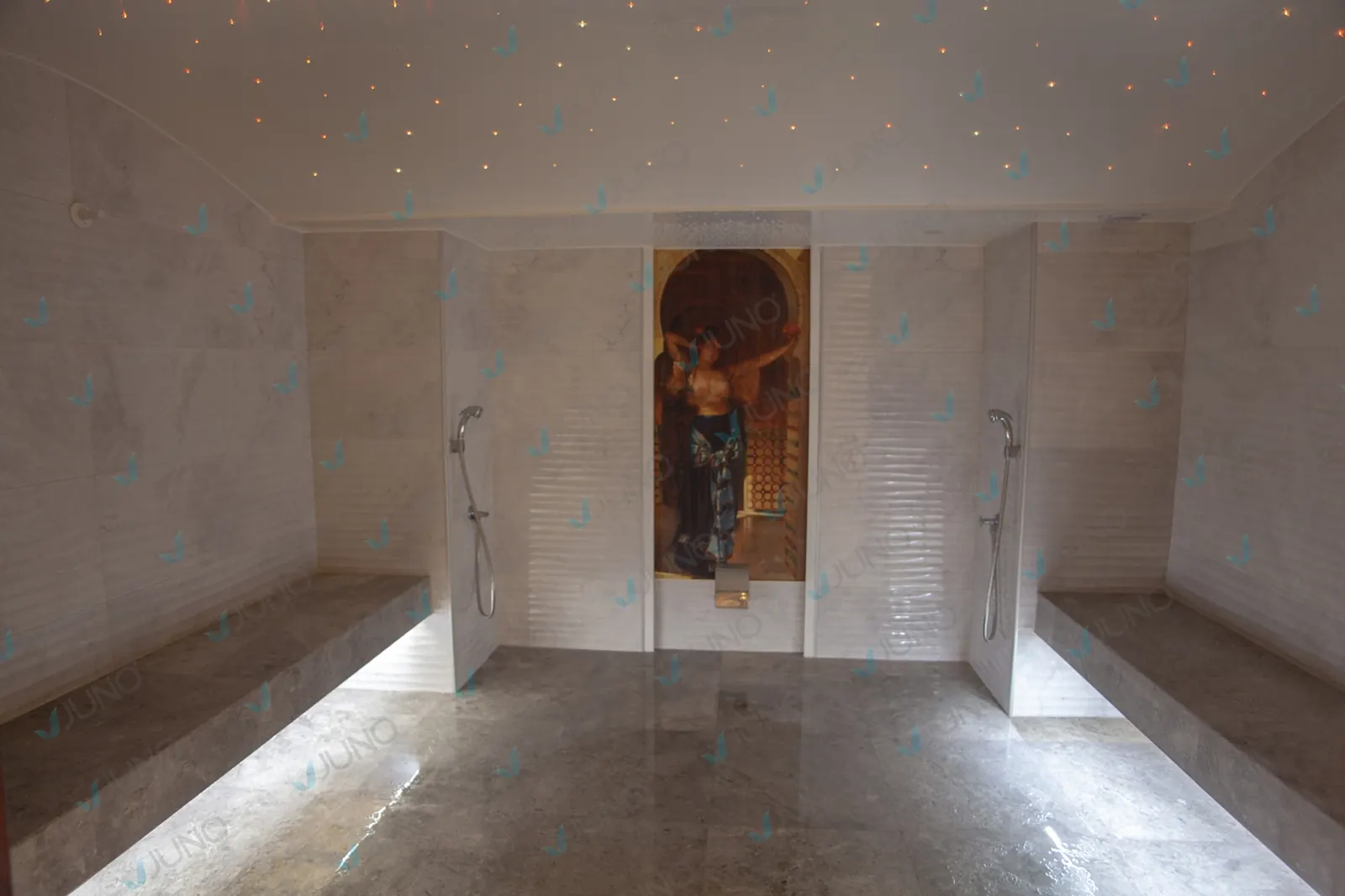
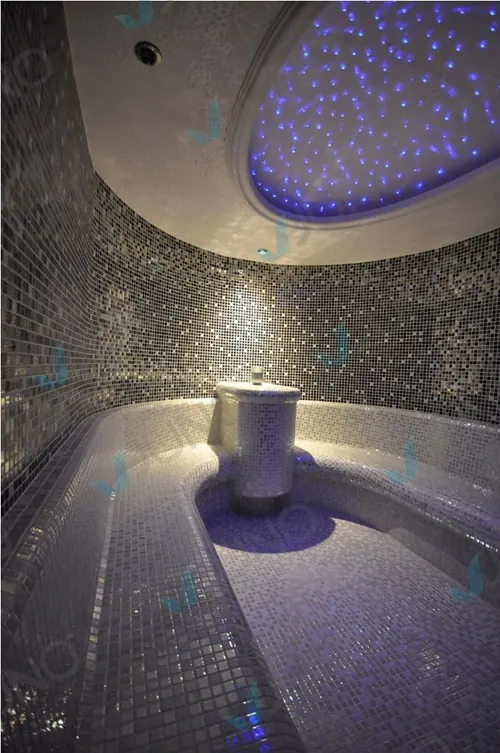
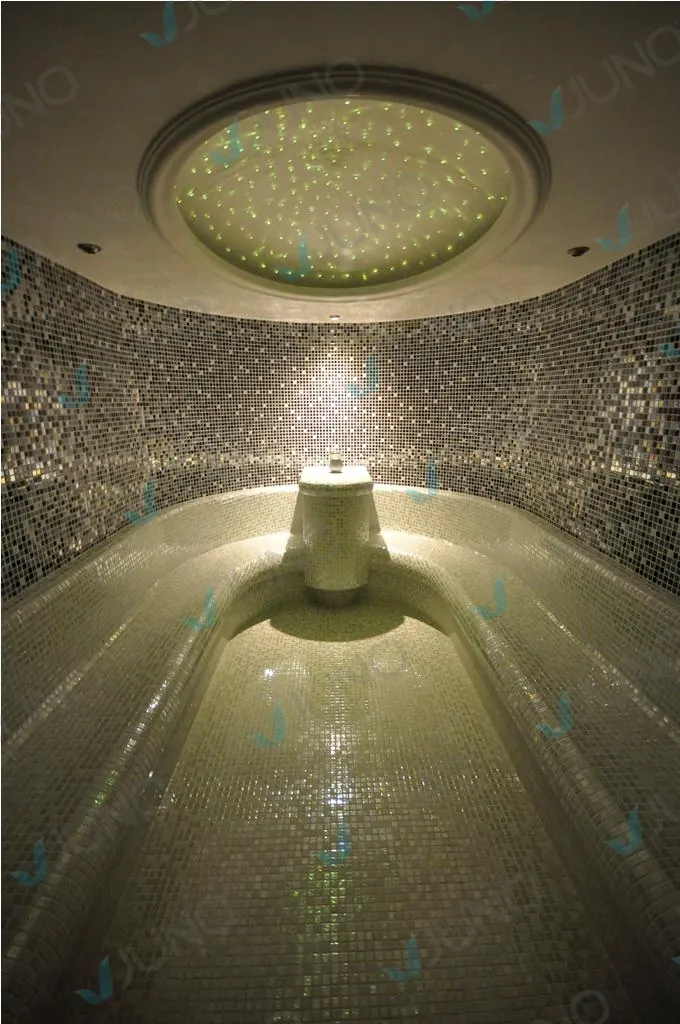
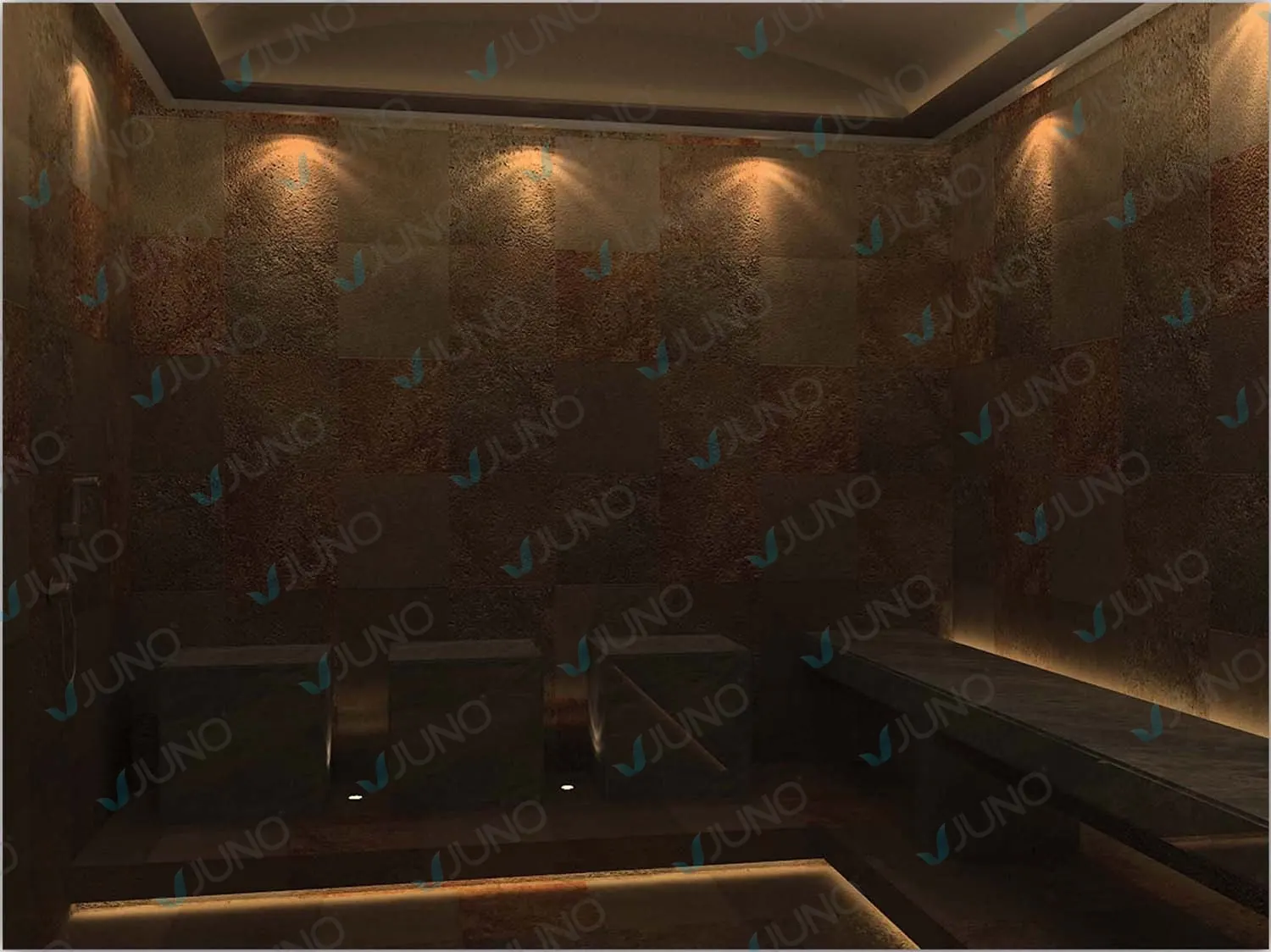
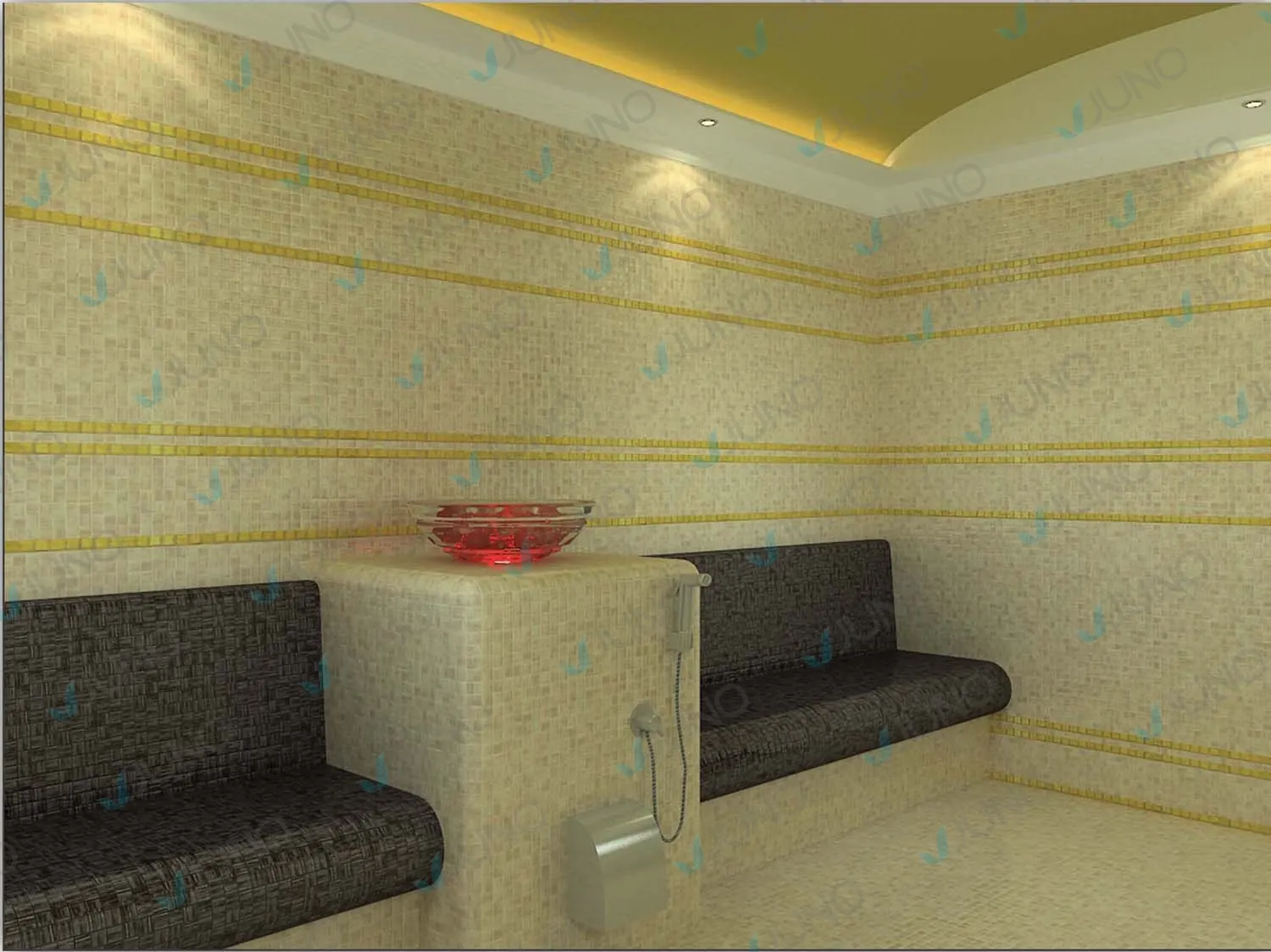
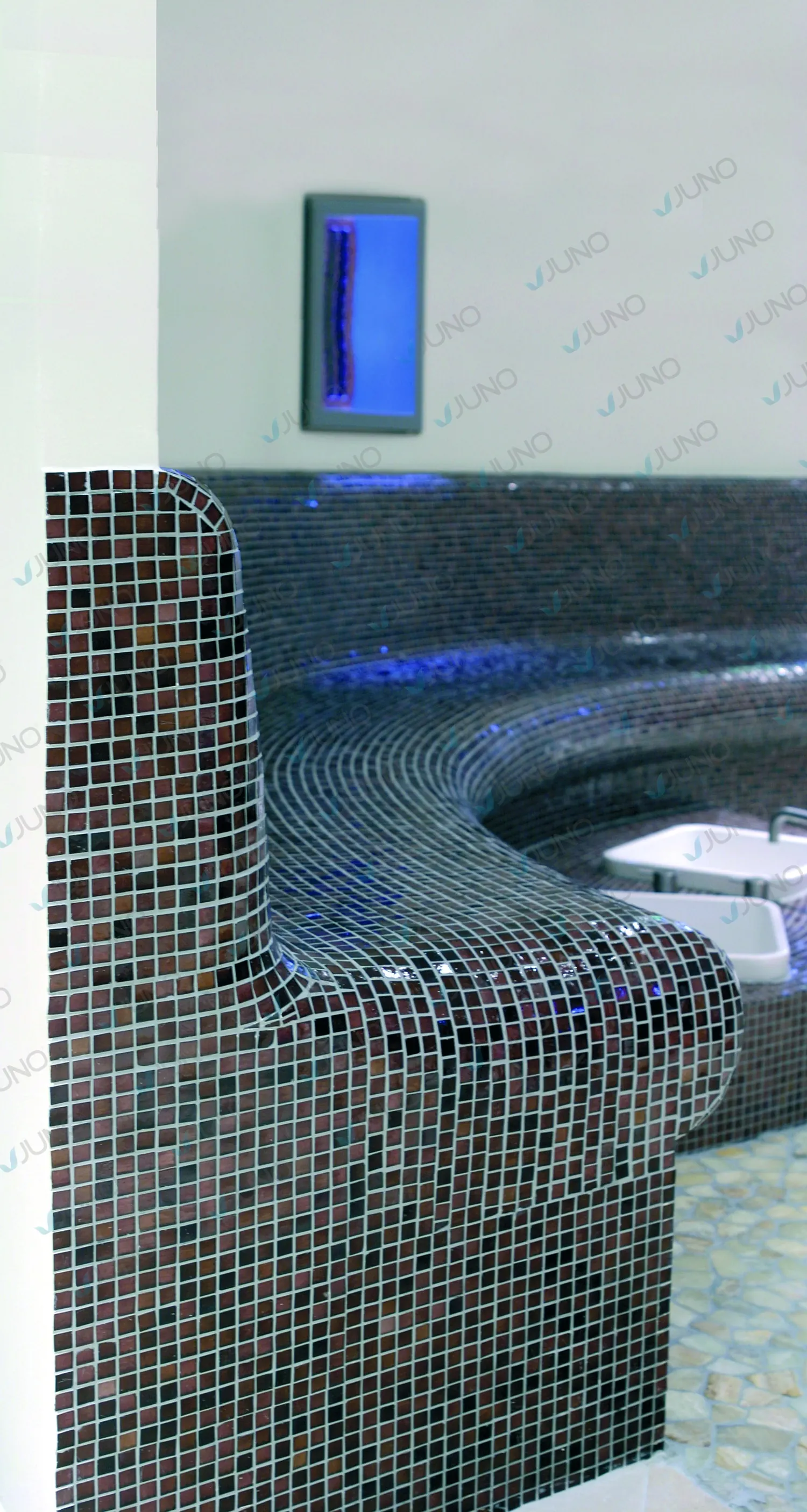
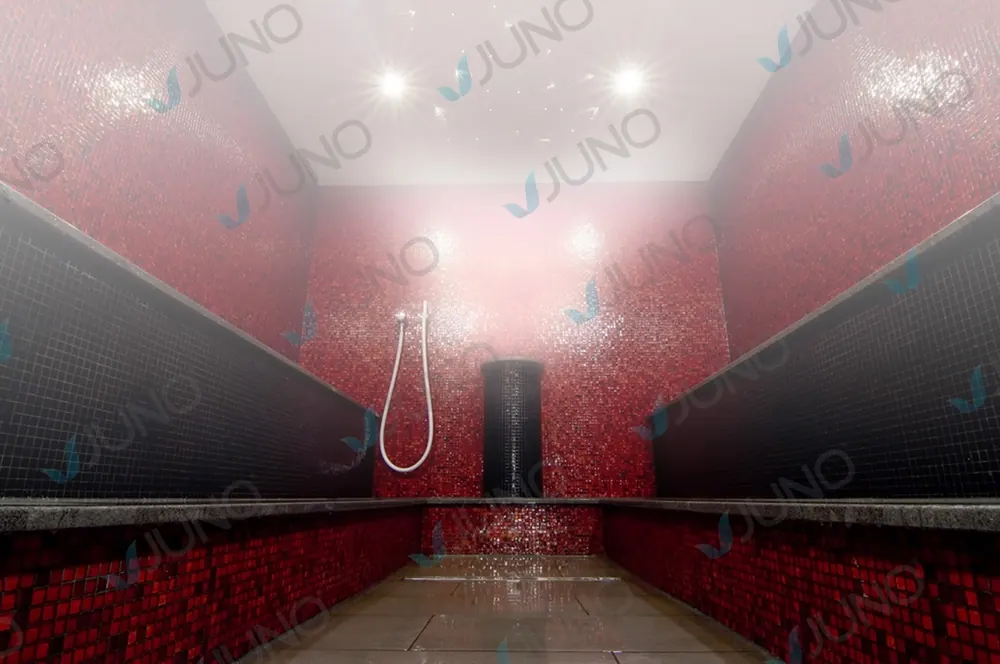
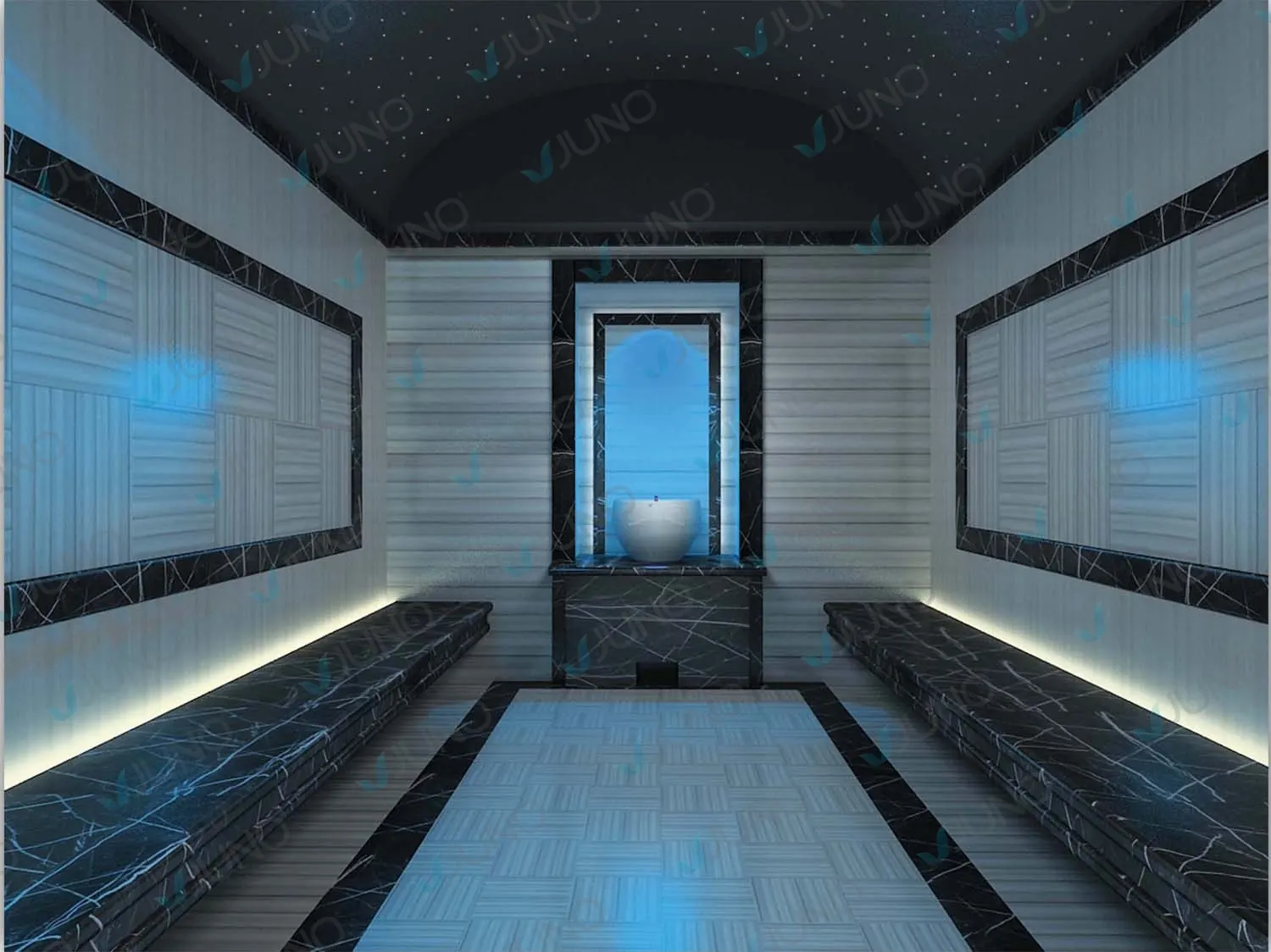
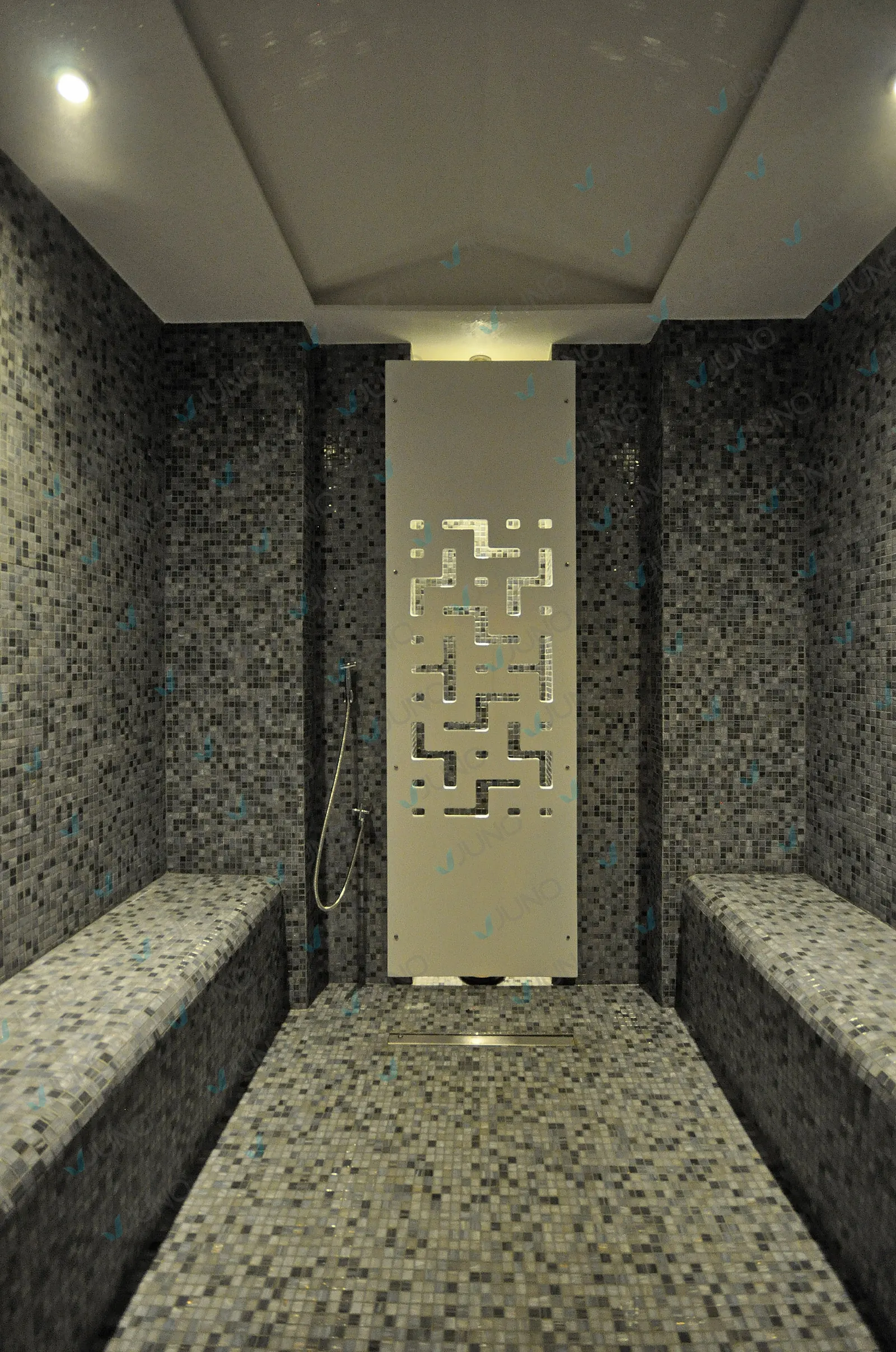
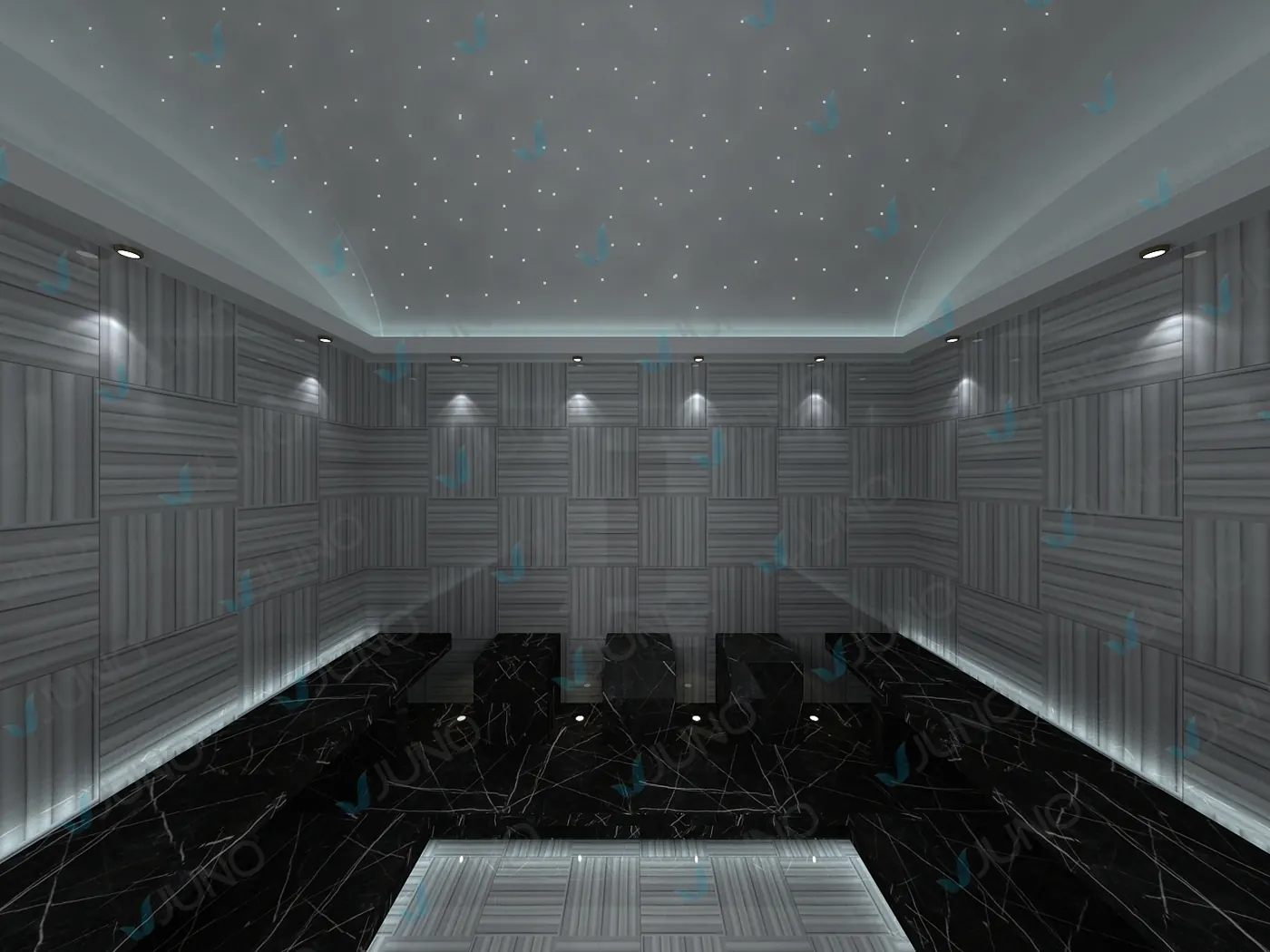
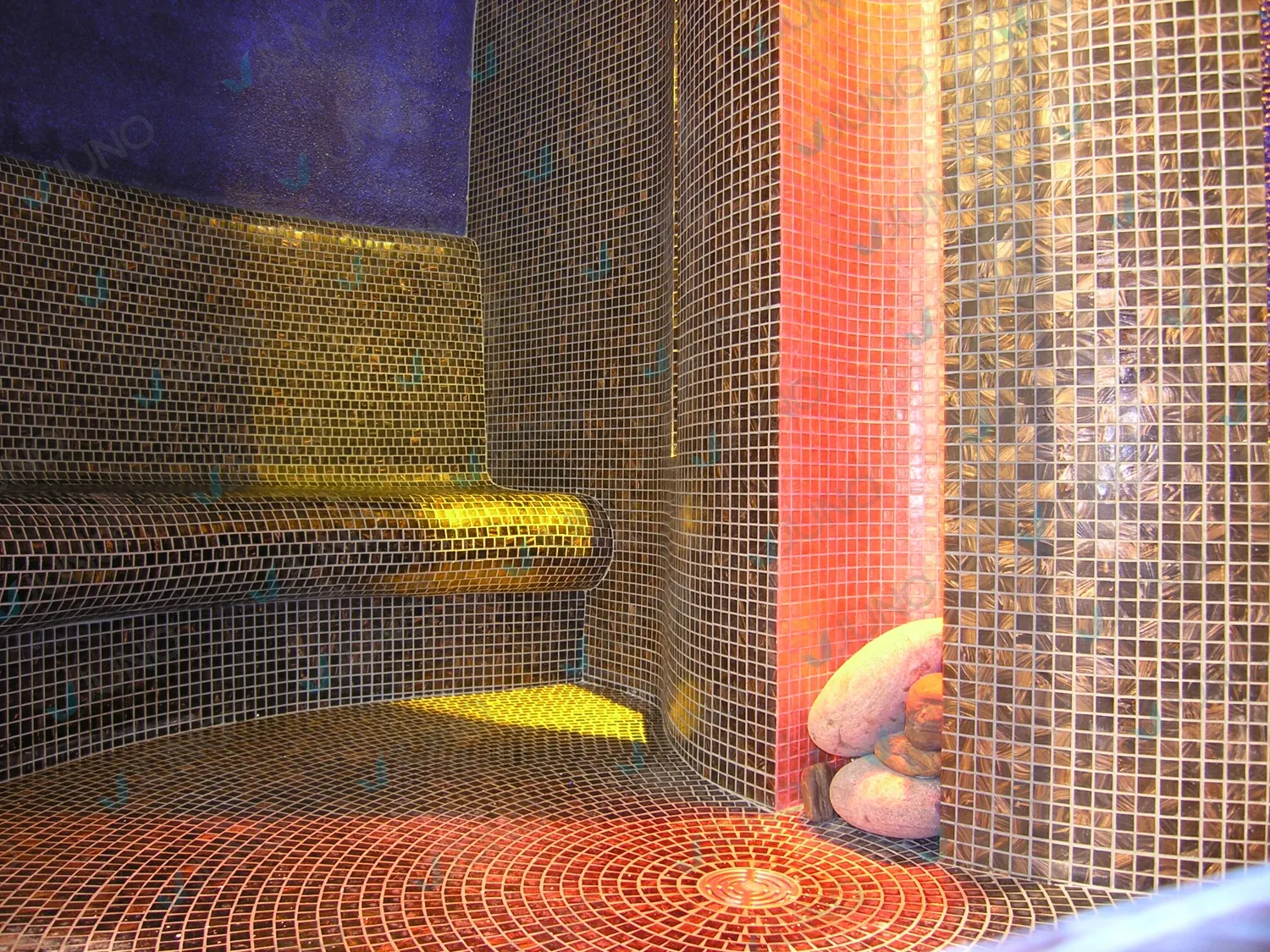
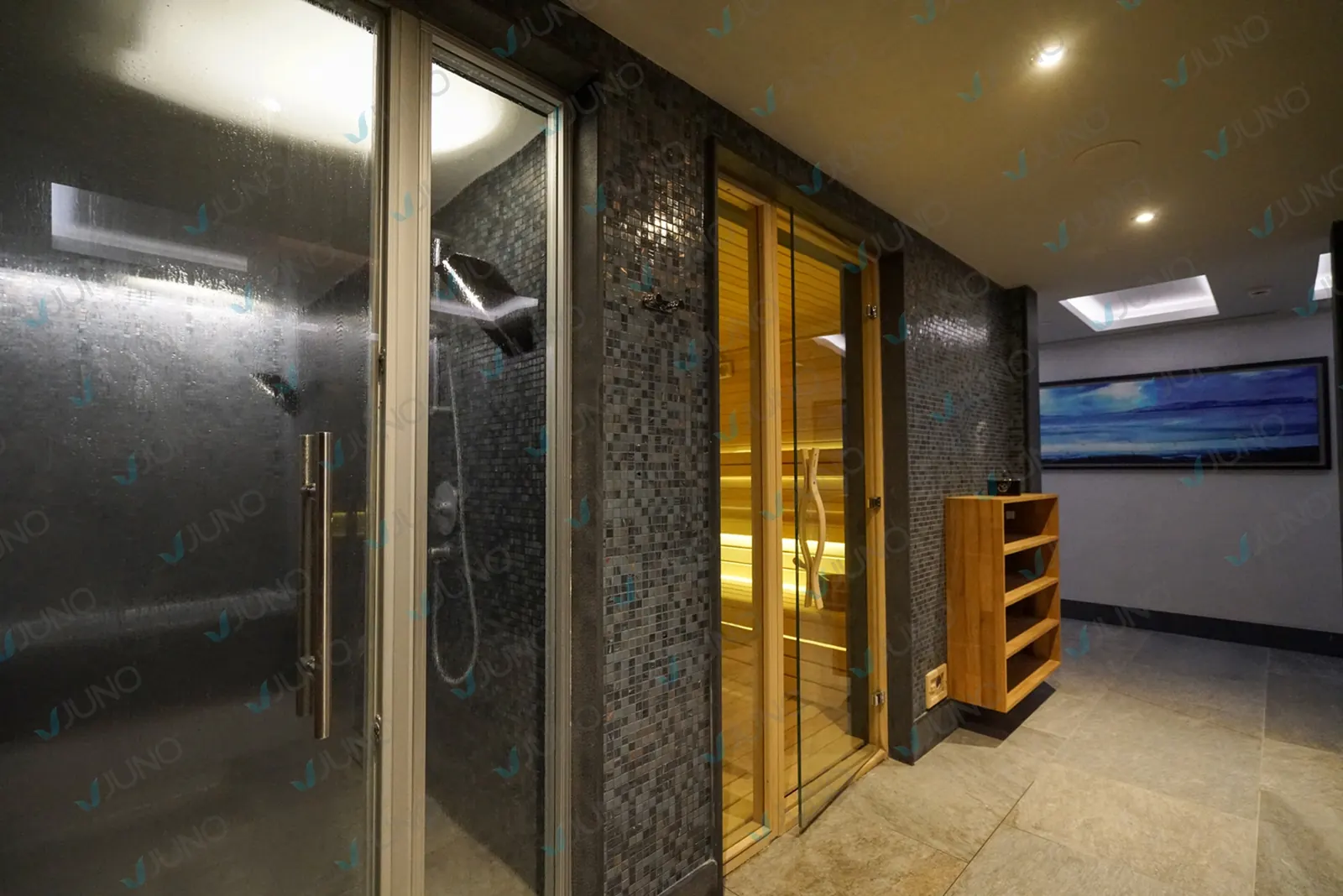
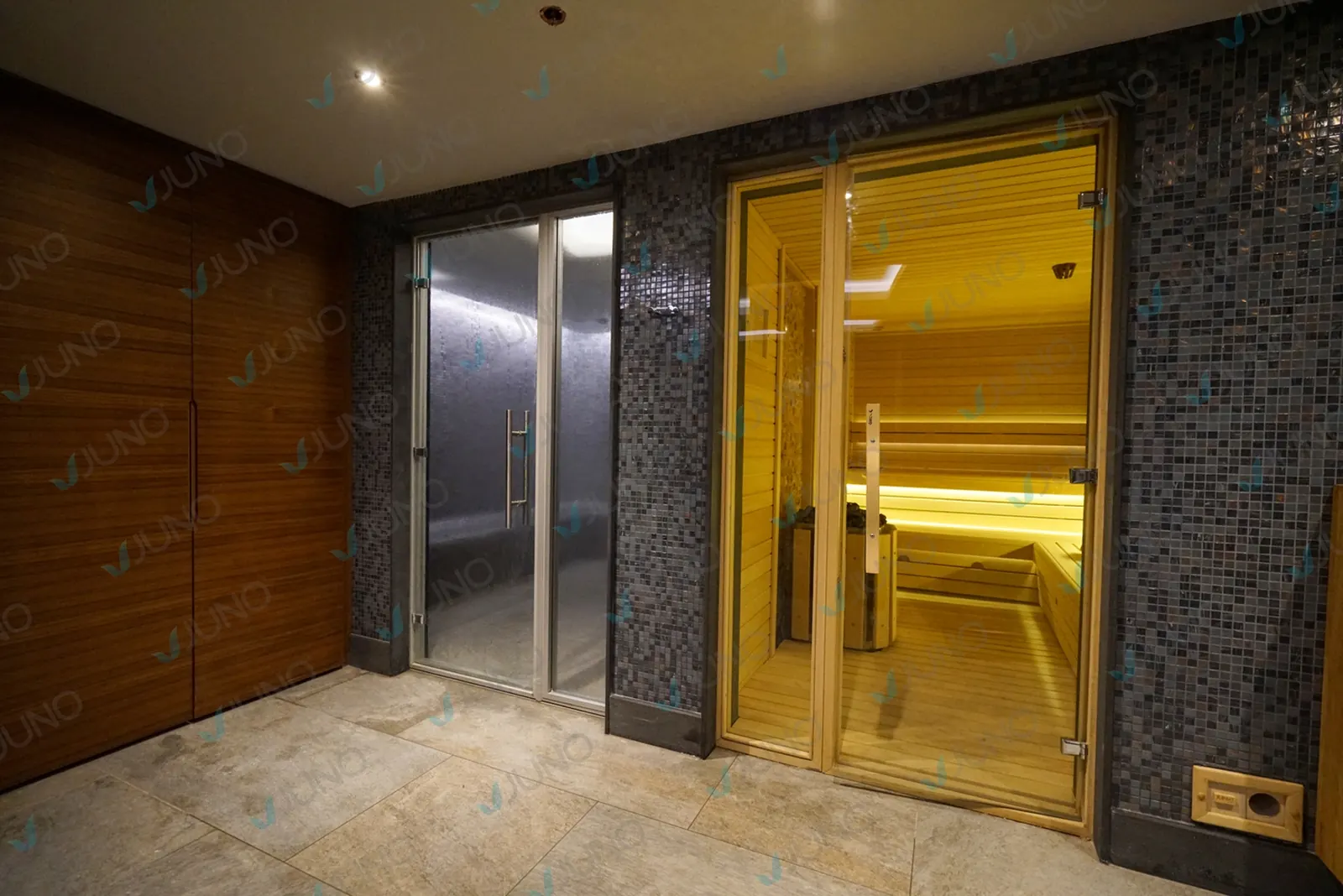
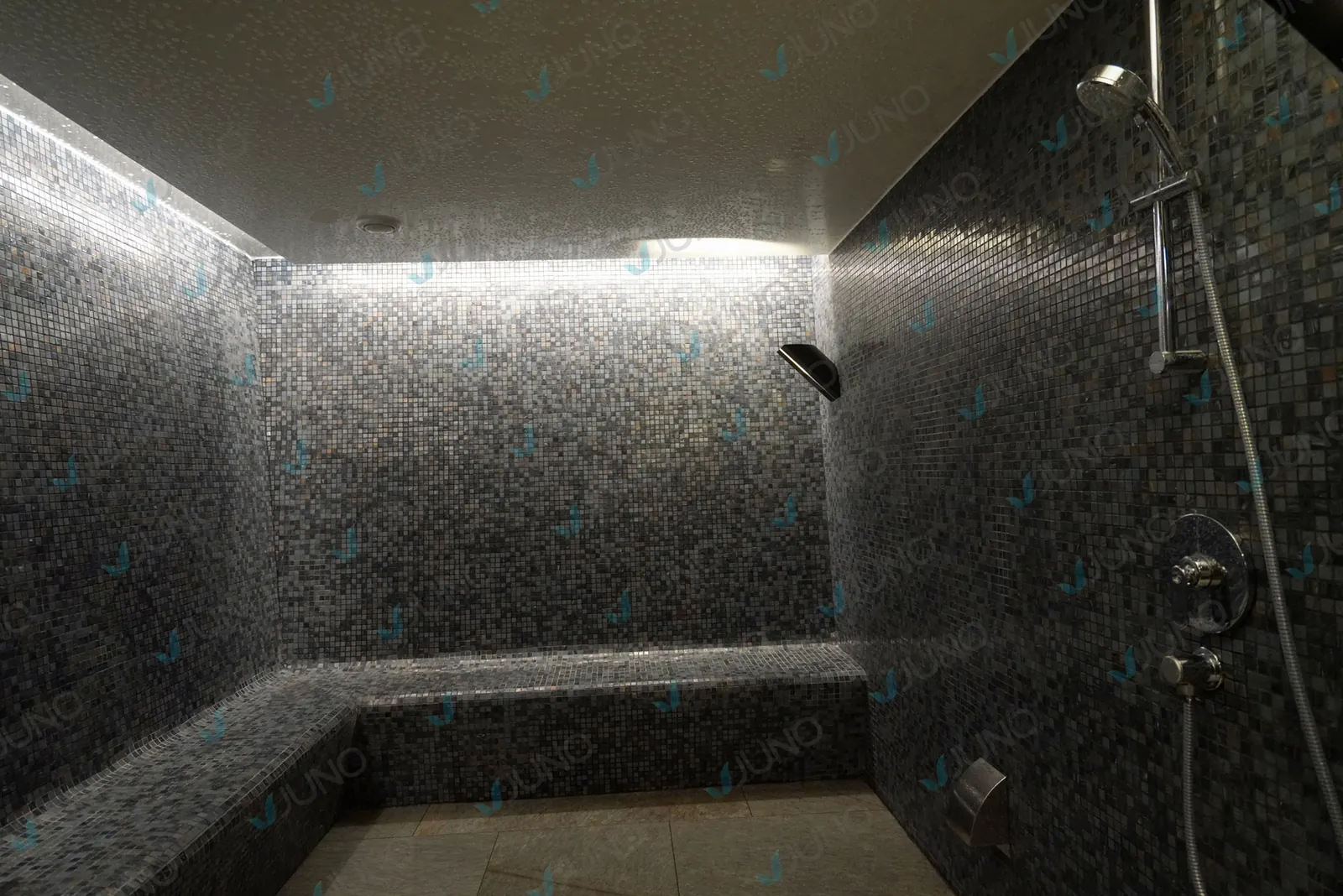
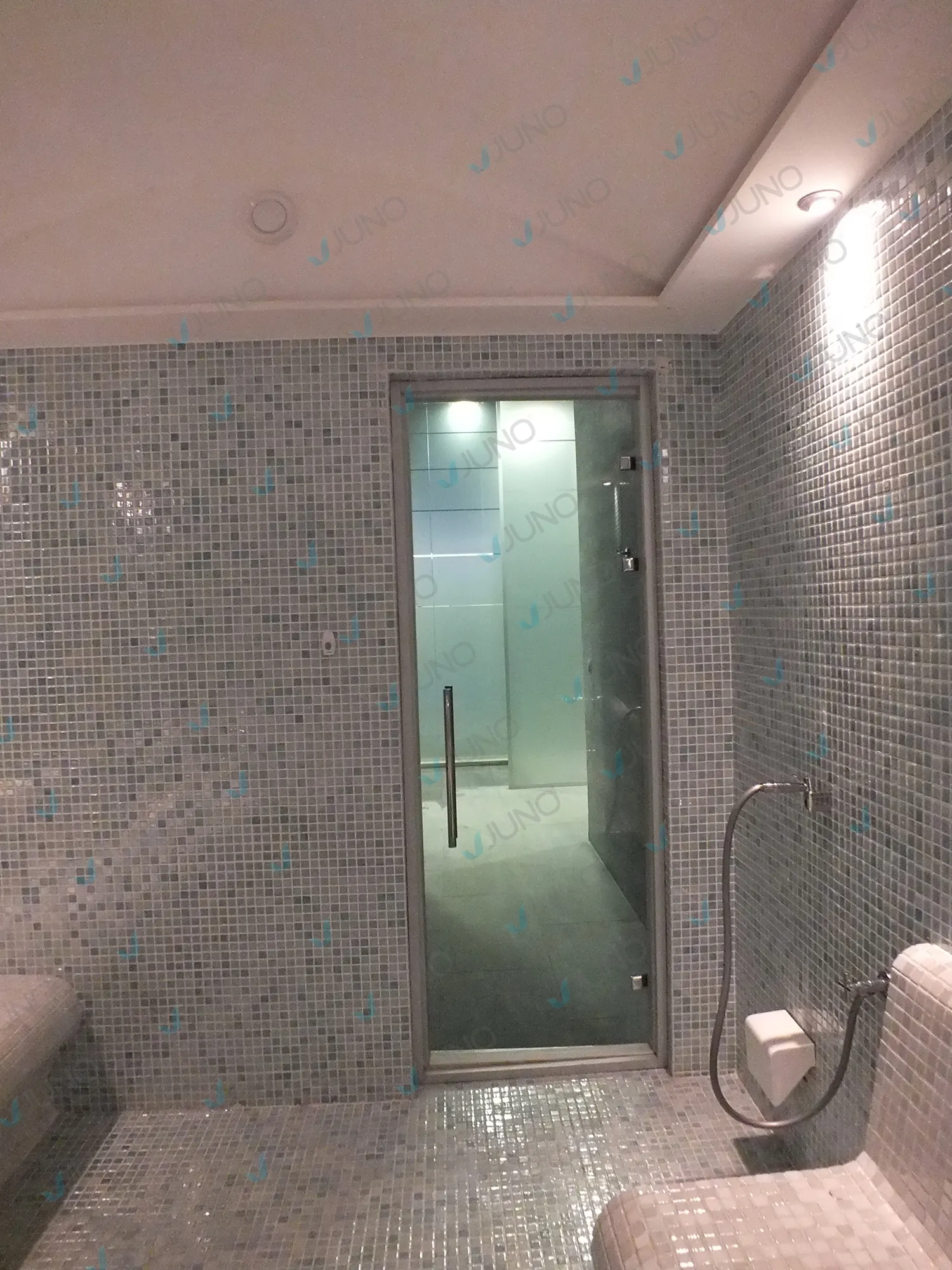
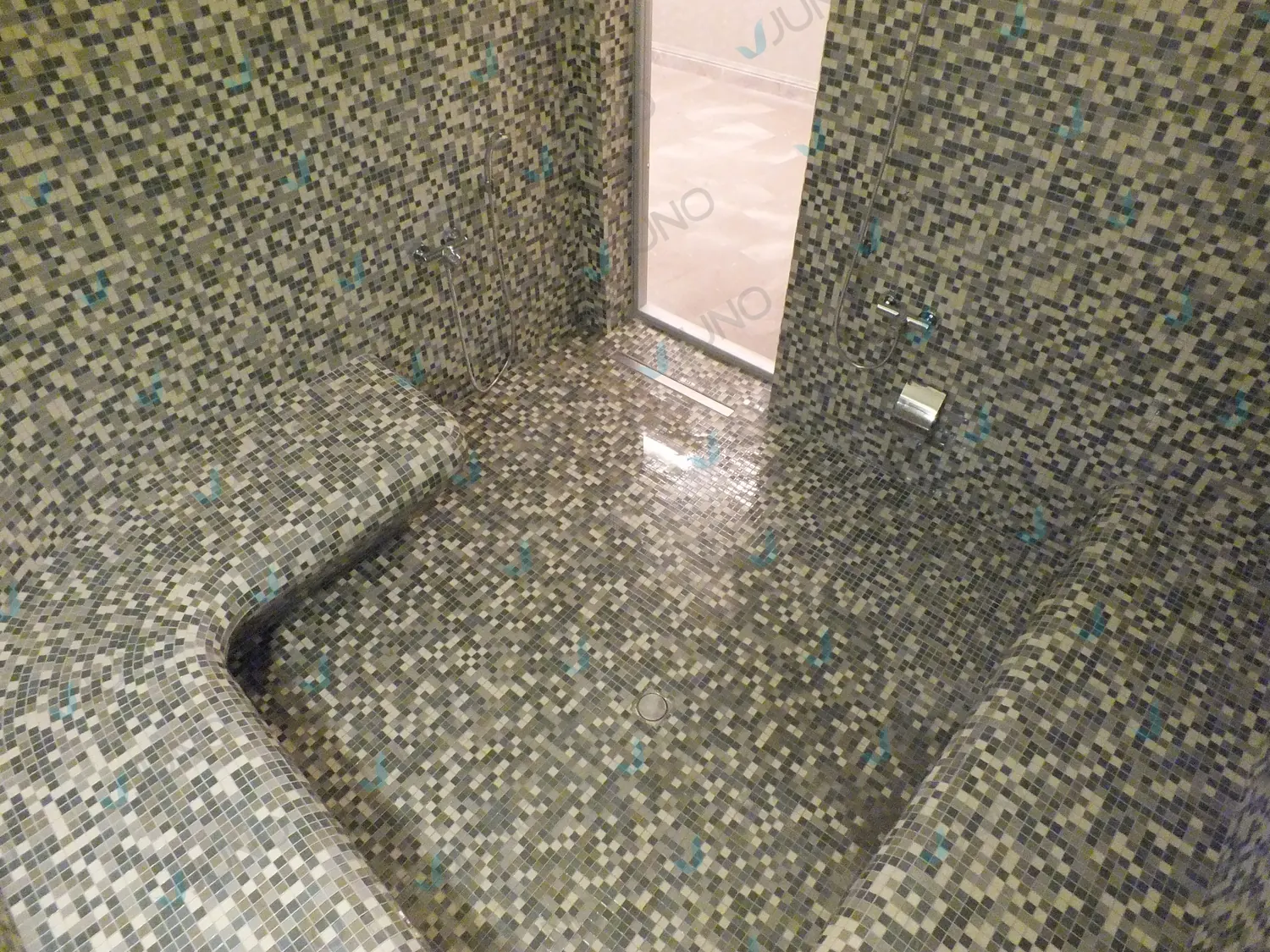
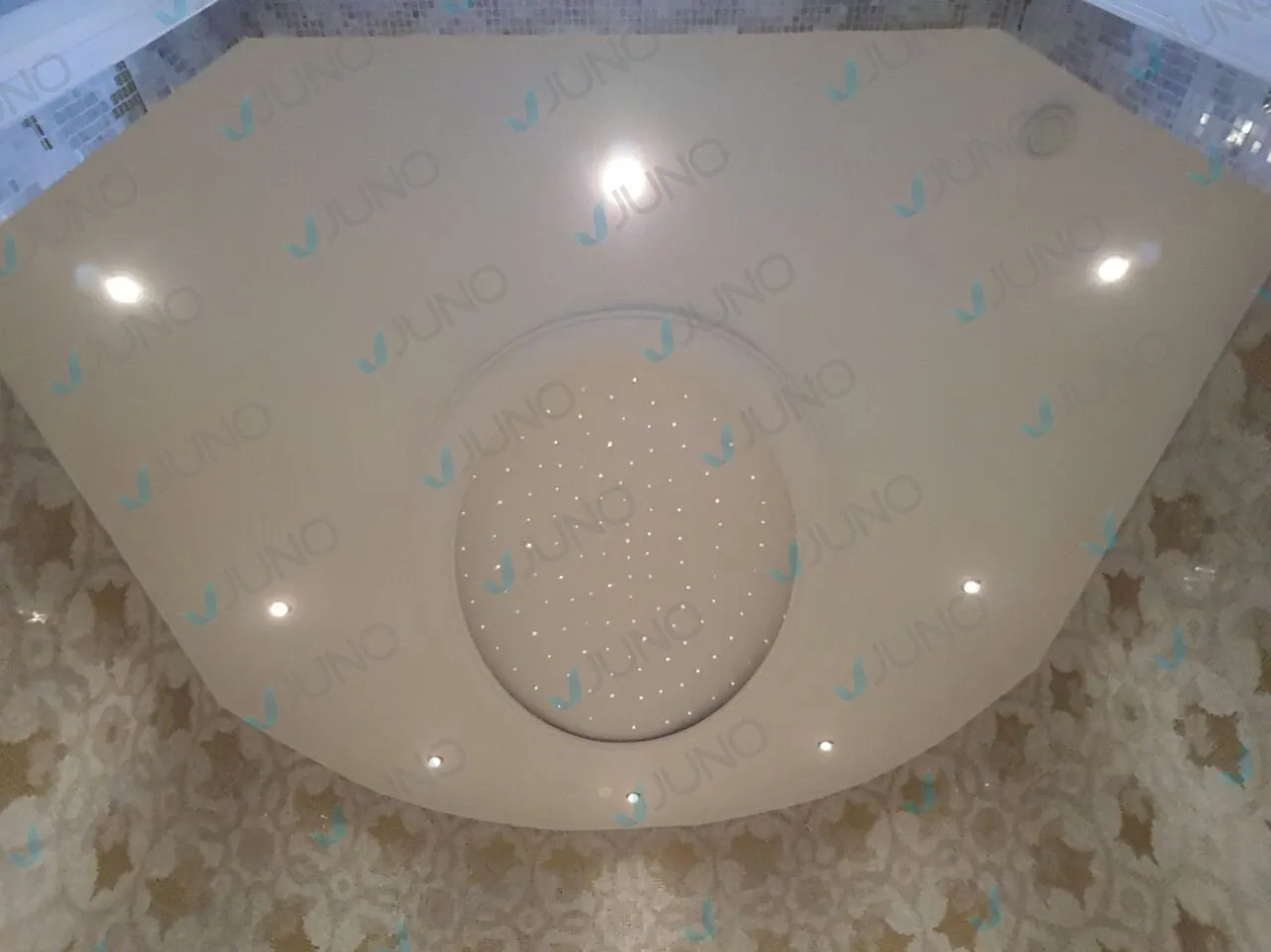
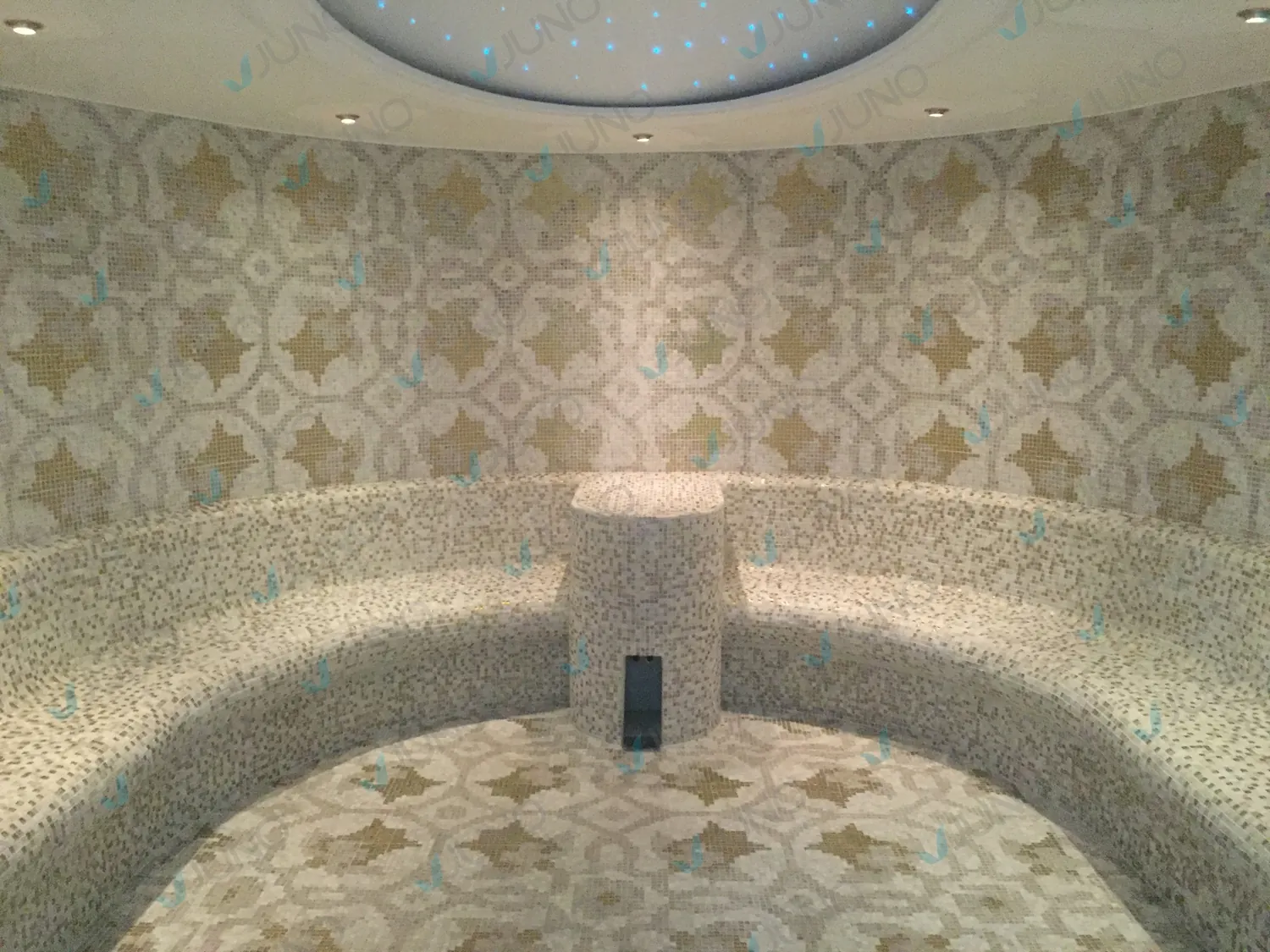
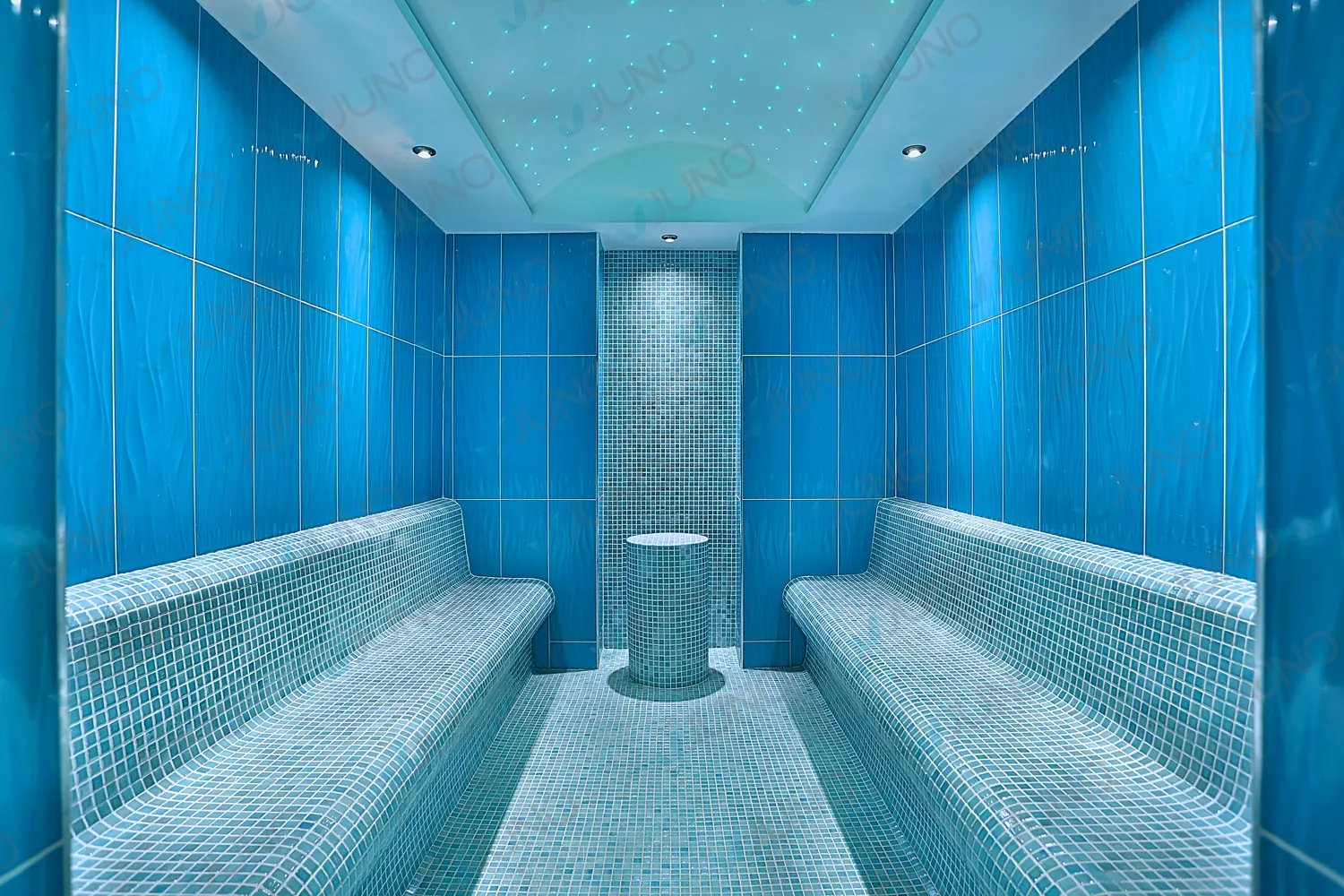
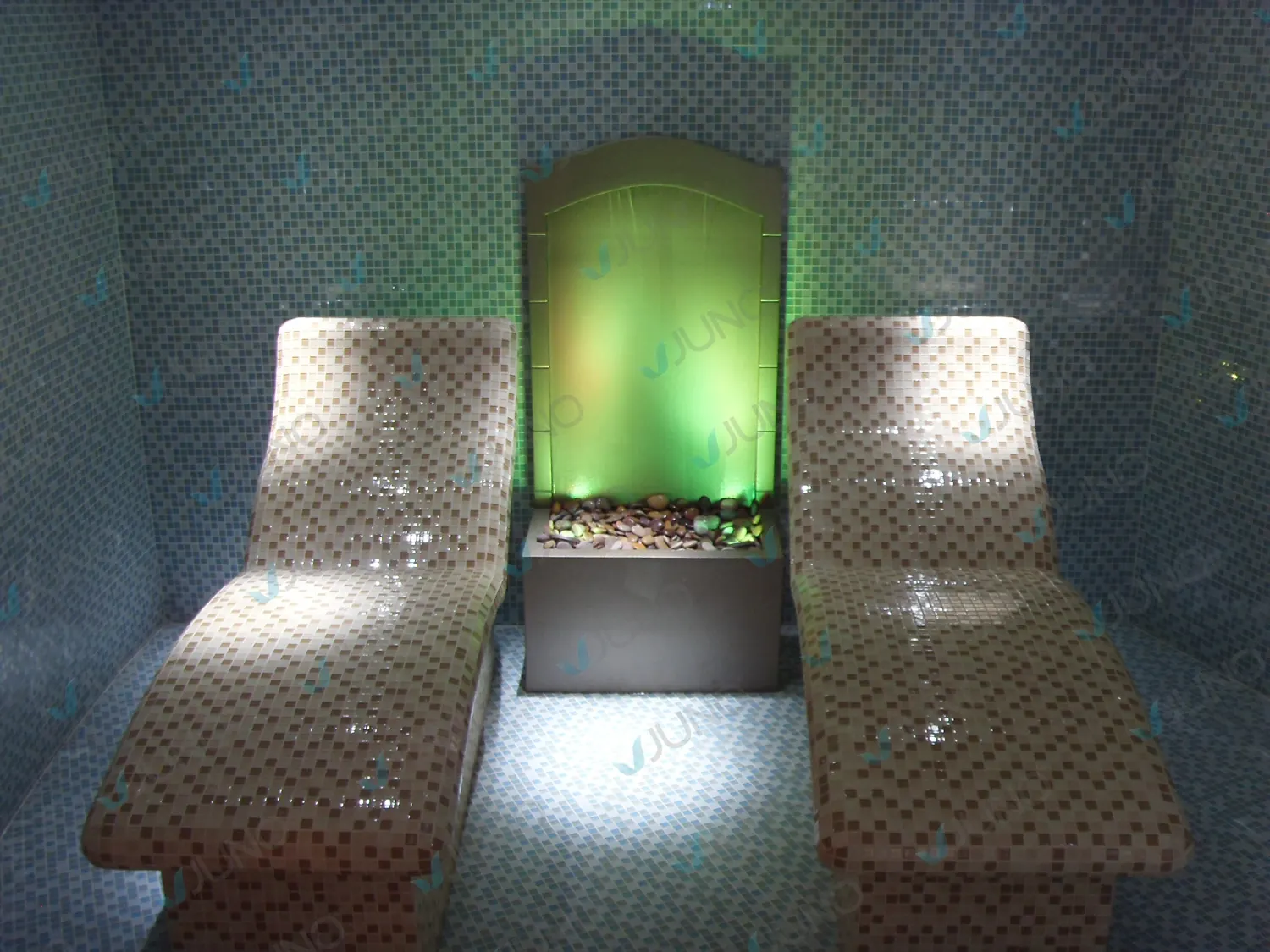
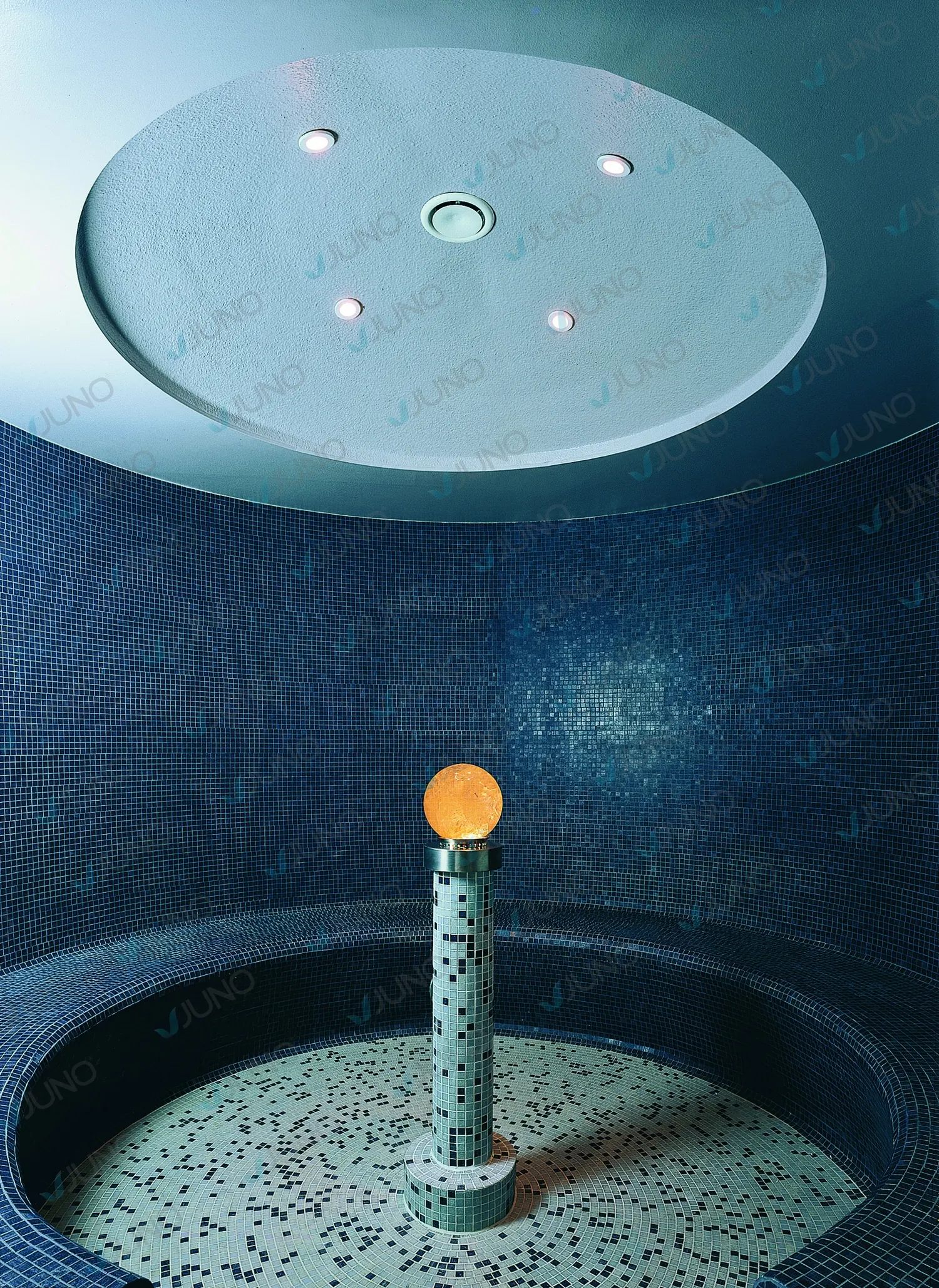
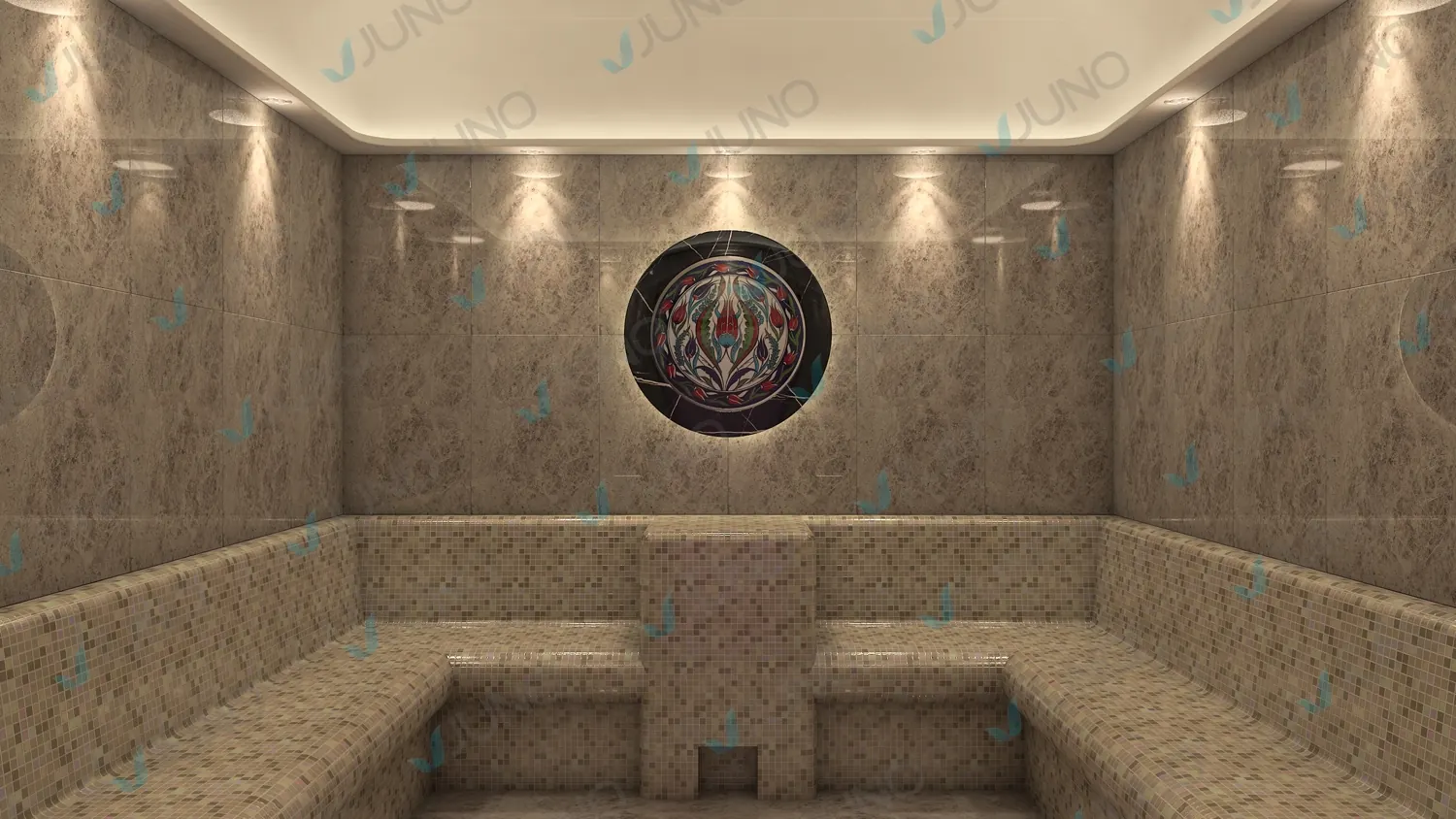
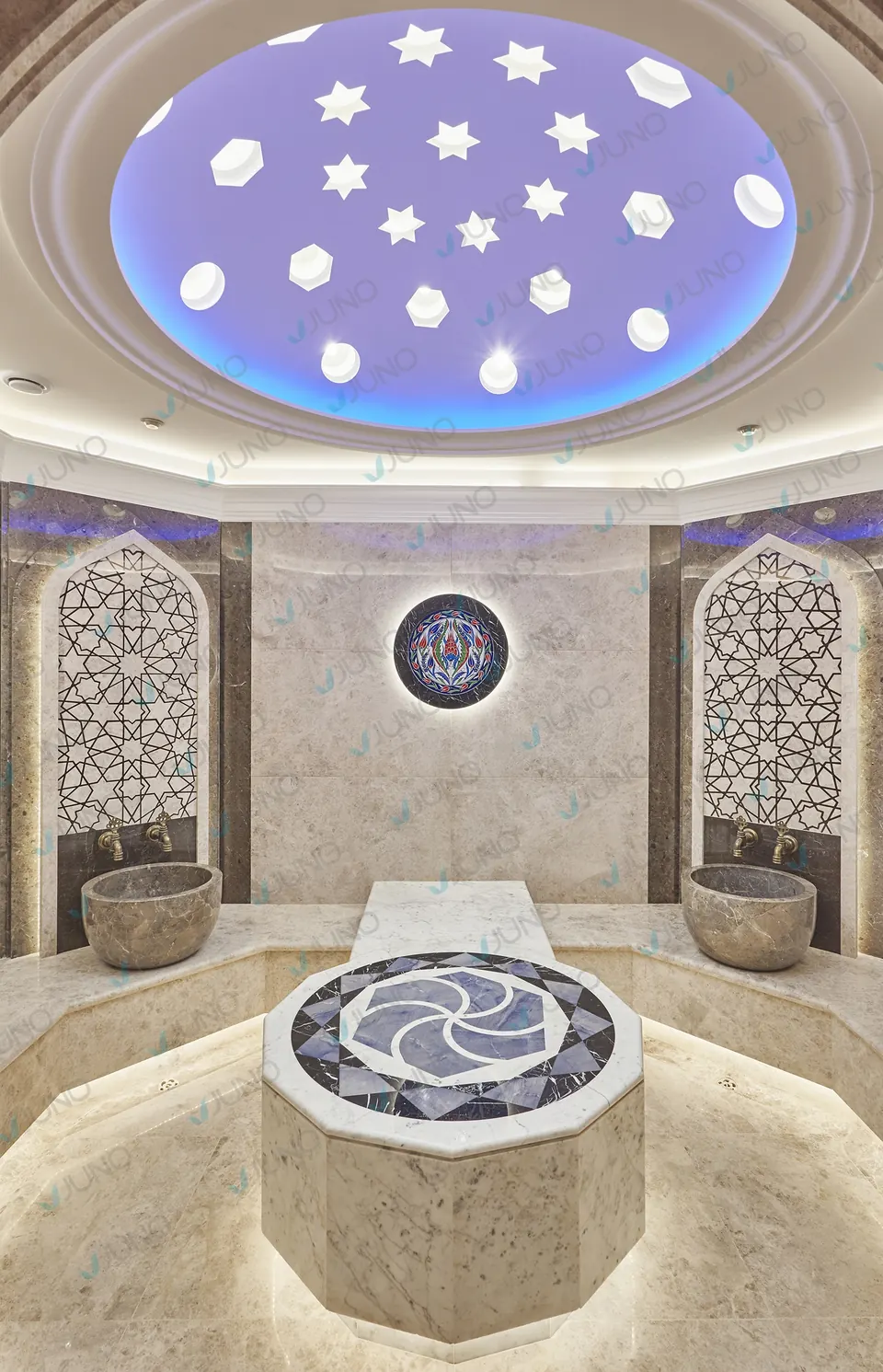
To rest a body tired by the day and help you feel better, Juno also offers solutions in the field of steam rooms. With a steam room, you can say hello to a healthier life.
After a steam room session, muscle aches and pains ease, the skin is deeply cleansed and regains the moisture it needs.
Afterwards you will feel renewed, refreshed and as if newly born…
What Is Steam? A Brief Look at the Benefits of the Steam Bath
Sweating and Ridding the Body of Toxins
Whether dry (sauna) or wet (steam), steam bathing has long been regarded as the simplest way to rid the body of toxins. In this way the pores of the skin open, millions of sweat glands begin to secrete, and the body expels the metabolic substances and other waste it has produced.
Sweat contains almost the same elements as urine, which is why the skin is sometimes called the third kidney. Through sweating, up to 30% of the body’s waste is removed from the body.
As body temperature rises, the body’s natural response is to sweat and so cool itself as the sweat evaporates. In a sauna, a person’s toxin-laden sweat dries on the skin. For this reason, taking a shower after a sauna session is recommended.
In a steam bath, however, which provides 100% humidity, this evaporation is not possible, so the loss of valuable body heat is either very small or nil. You sweat heavily, but your sweat does not evaporate and dry on your skin.
The higher humidity level becomes the primary heat transfer mechanism, raising body temperature still further and causing a significant amount of condensation on the body.
Hyperthermia and the Cardiovascular System
The cleansing and healing power of the hyperthermia process does not begin until body temperature reaches 38–39.5°C. This warming of the body takes place more quickly and more effectively in a steam bath than in a sauna, and takes only 10–15 minutes.
Another benefit of steam bathing is its stimulating effect on the cardiovascular system. During a 15–20-minute session, the pulse rises from an average of 75 beats per minute to 100–150. Blood circulation therefore speeds up but blood pressure does not rise, because as the heat accelerates blood flow, the capillaries in the skin dilate at the same time.
Steam for the Respiratory Tract
Steam bathing and steam inhalation are an effective treatment for improving breathing conditions and are strongly recommended for colds, sinusitis, bronchitis, allergic conditions and asthma.
- Steam relieves inflammation and congestion of the membranes of the upper respiratory tract.
- It soothes throat irritation by moistening the air.
- Steam relieves spasmodic breathing (asthma, whooping cough).
- Steam loosens secretions and stimulates the discharge of mucus from the throat and lungs.
- Steam relaxes the muscles and reduces coughing.
- Steam protects the mucous membranes from excessive drying.
What Are the Differences Between a Steam Room and a Sauna?
Steam Room
- The generator is outside the room.
- The temperature is around 45°C at most.
- Humidity is close to 100%.
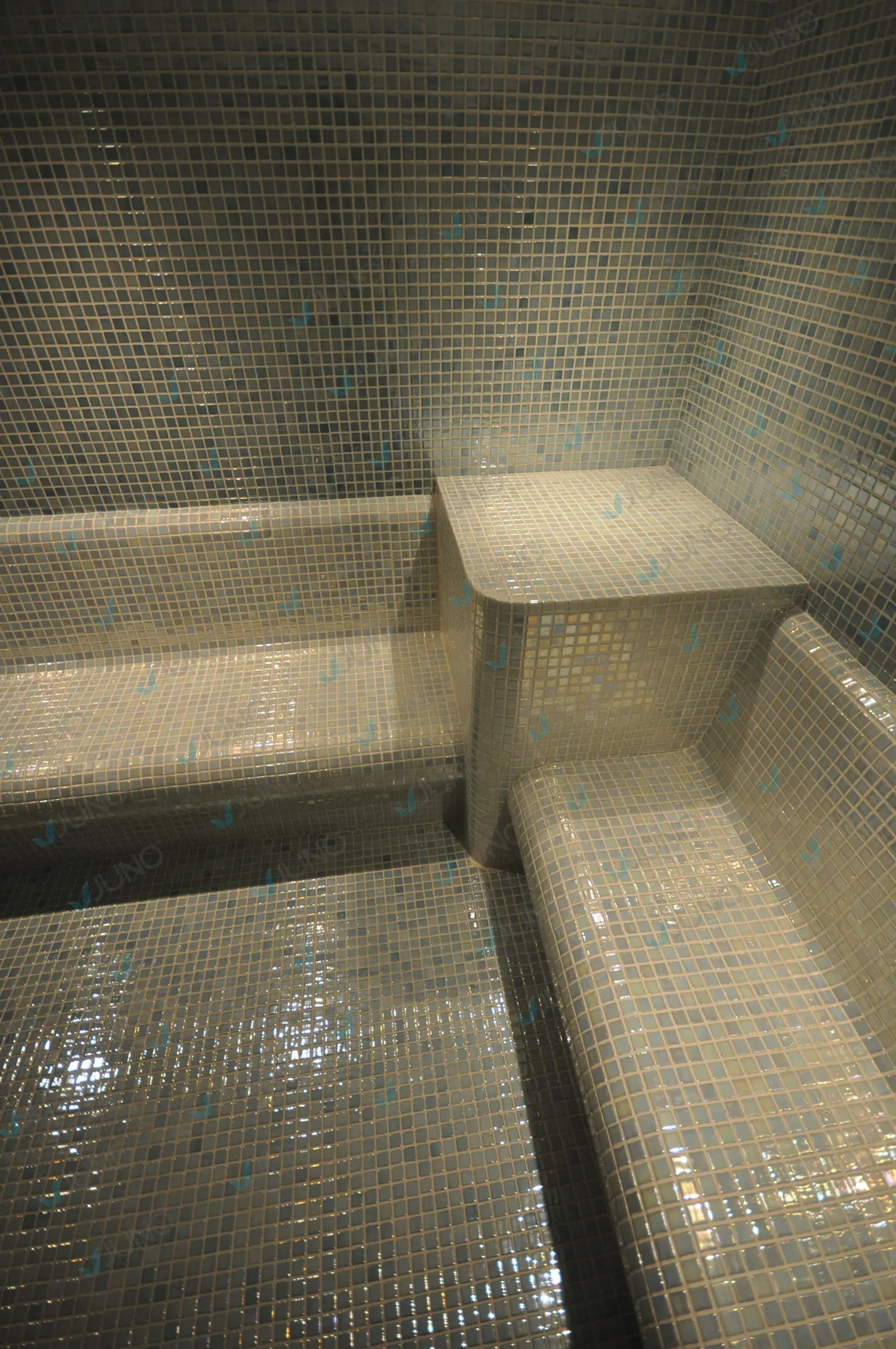
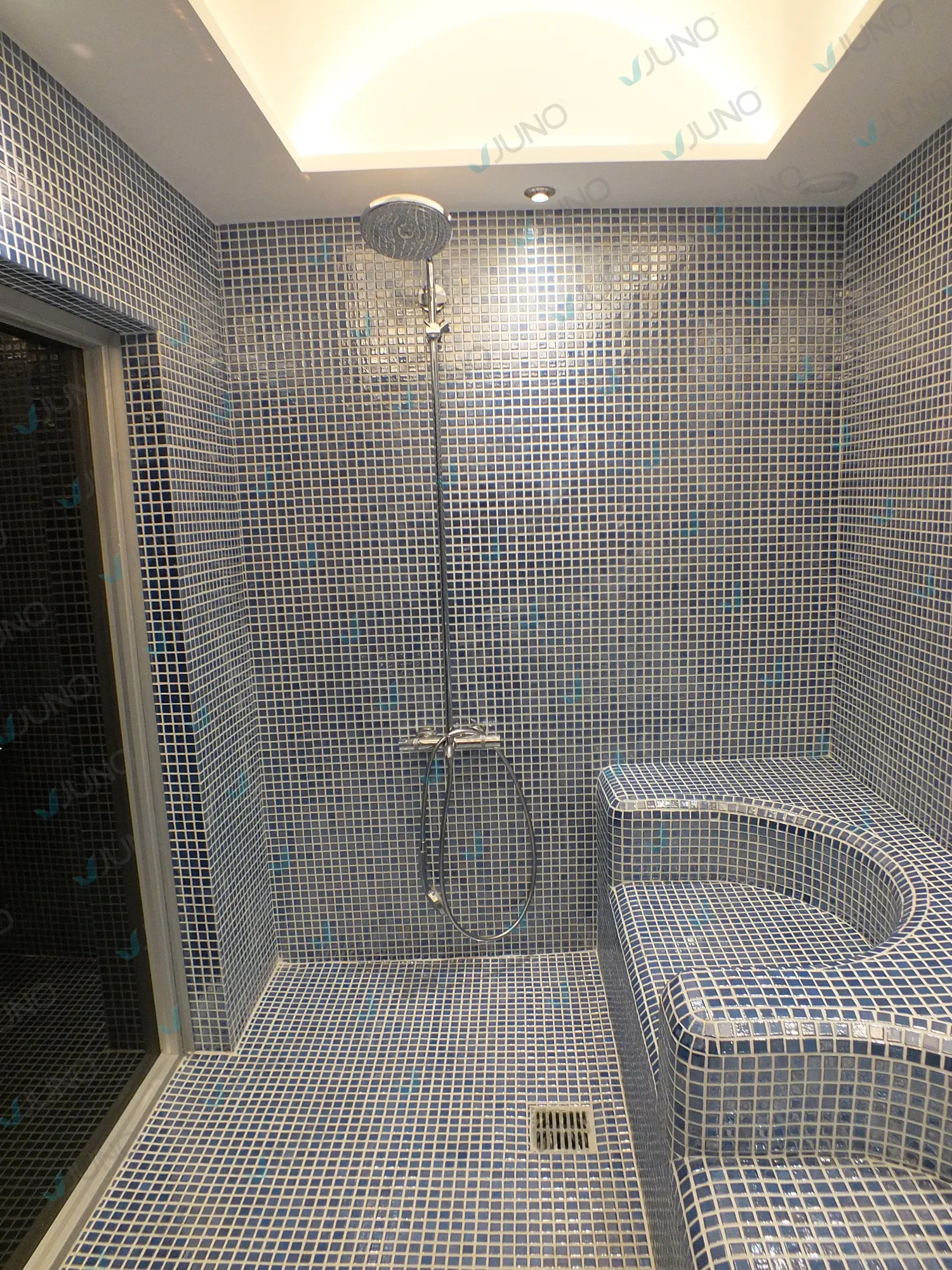
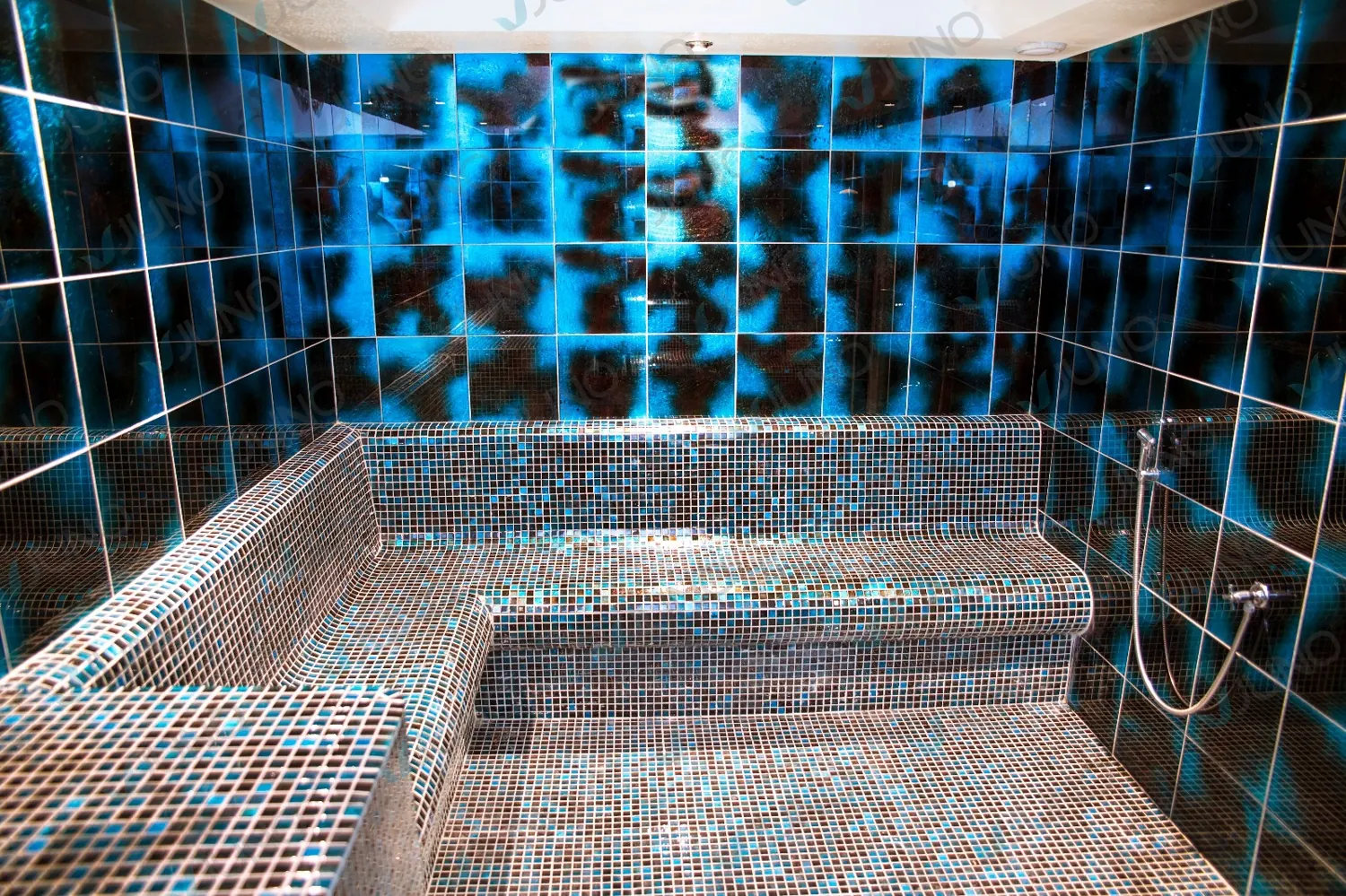
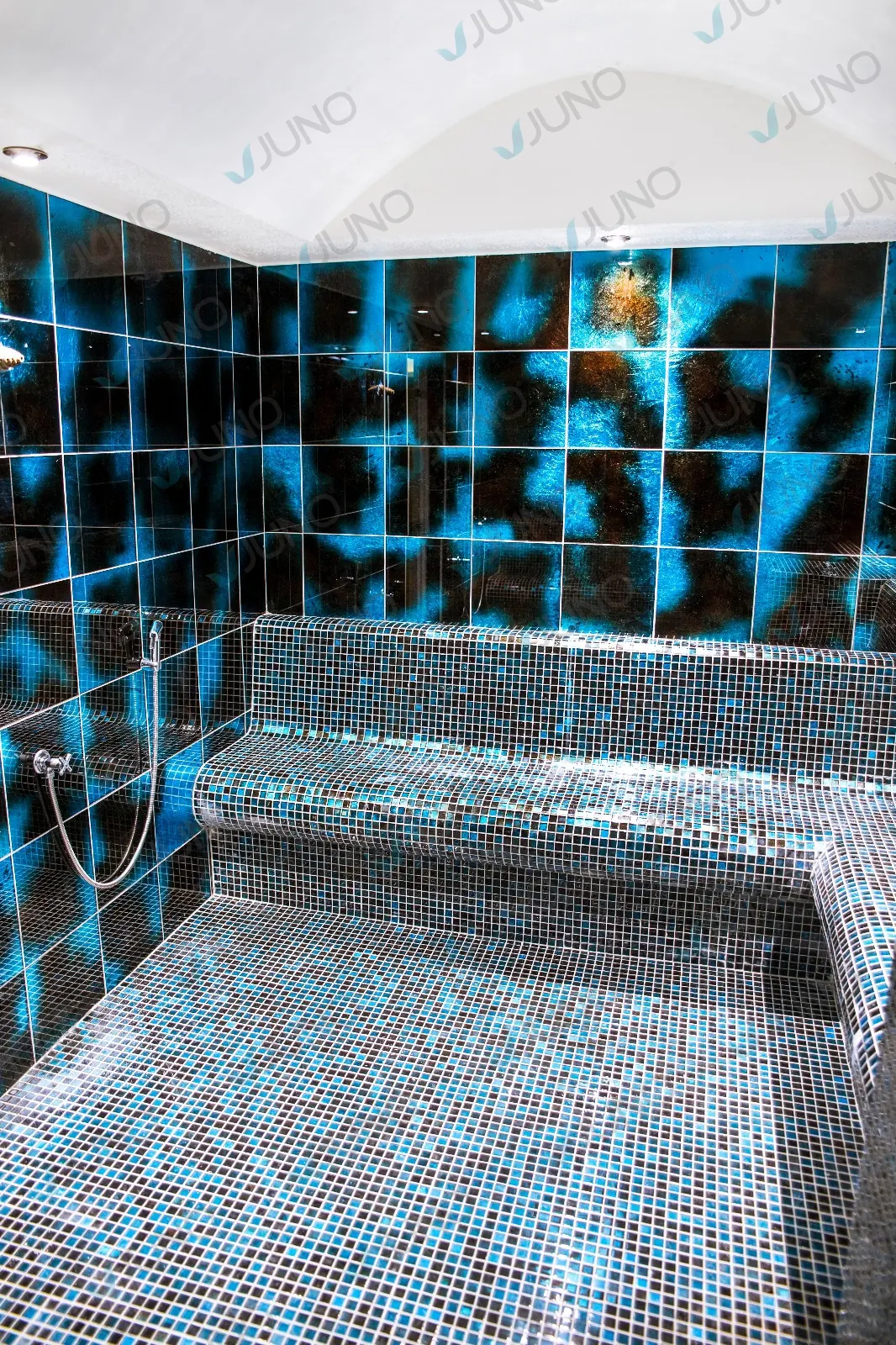
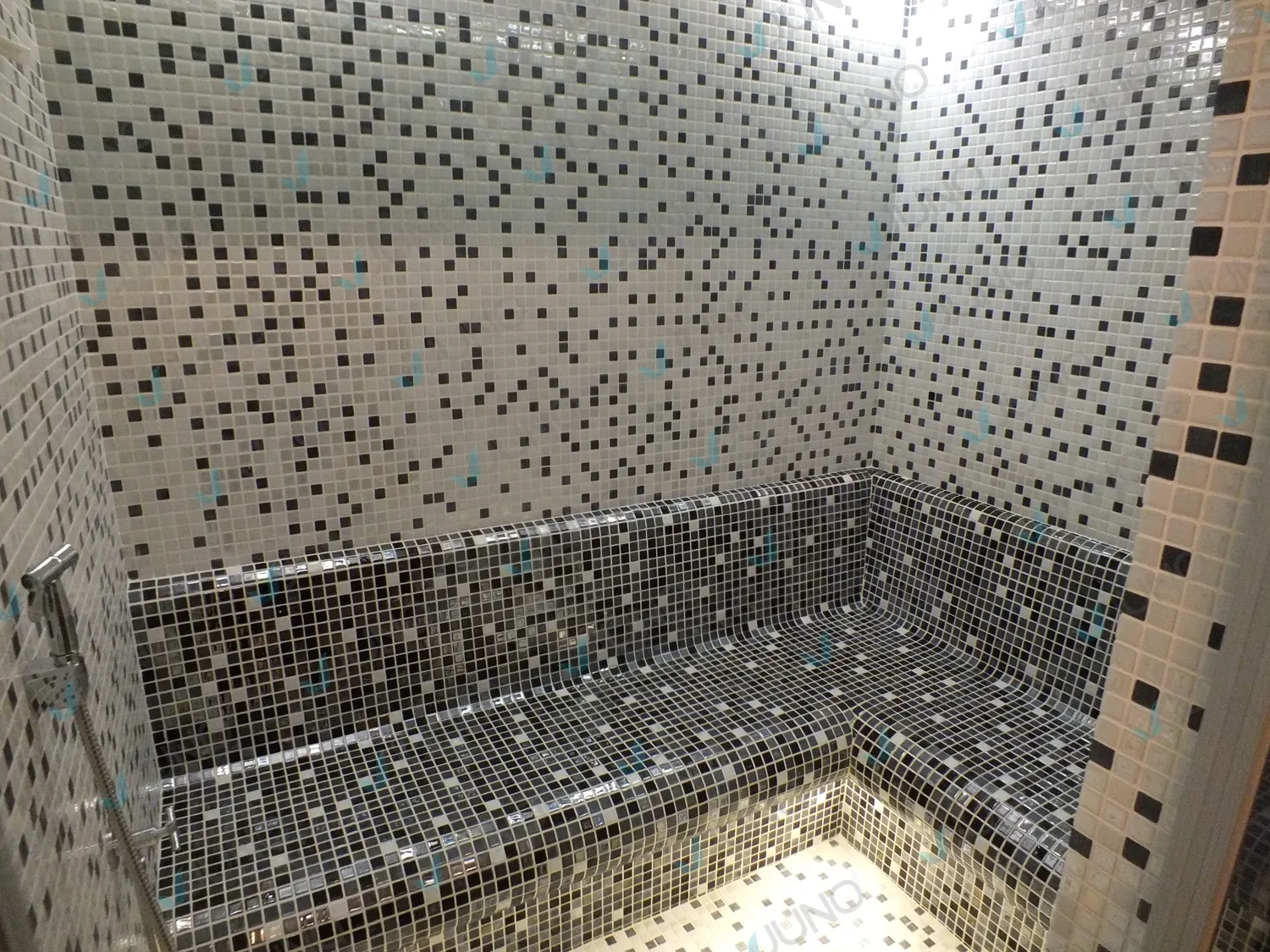
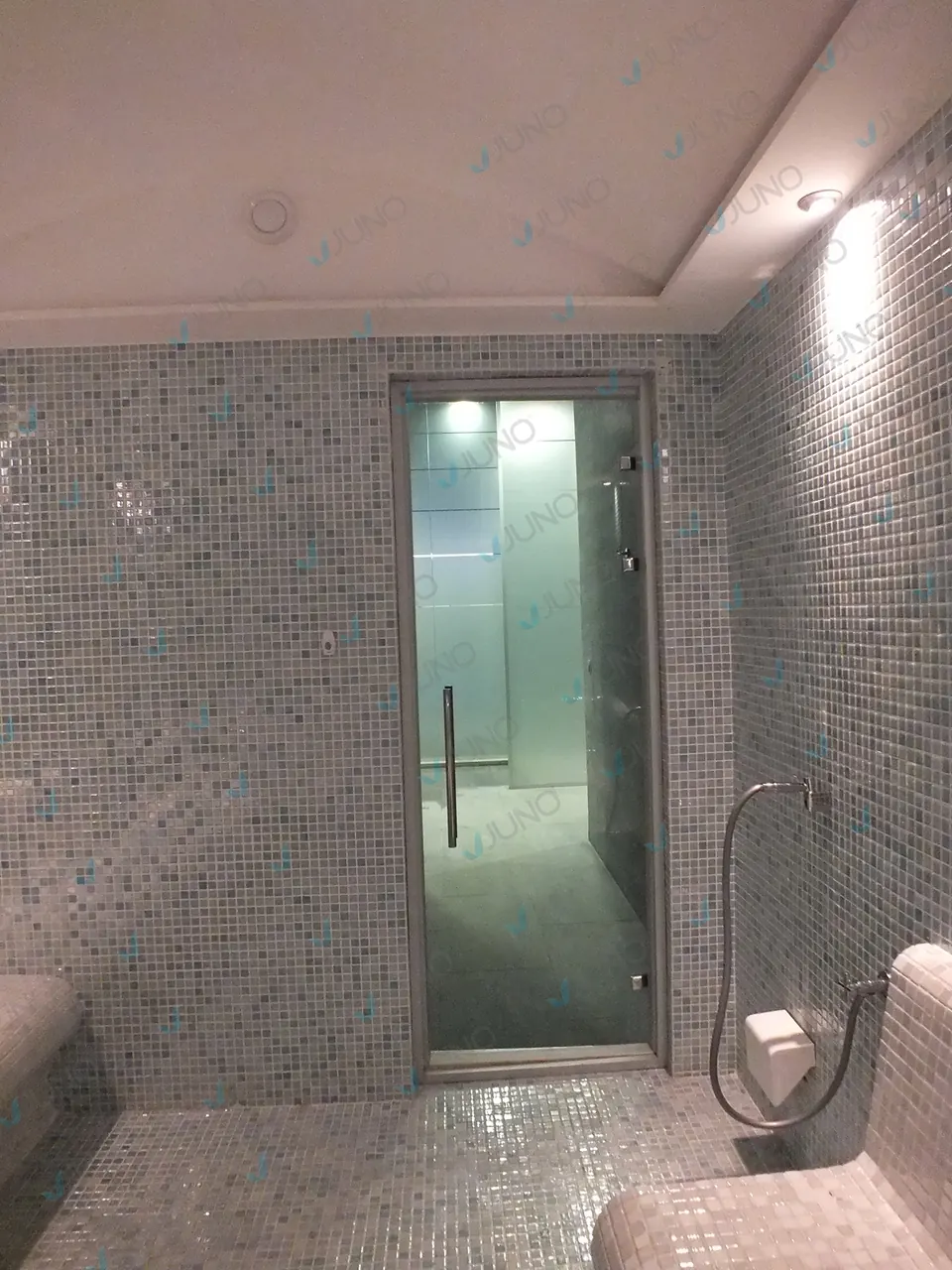
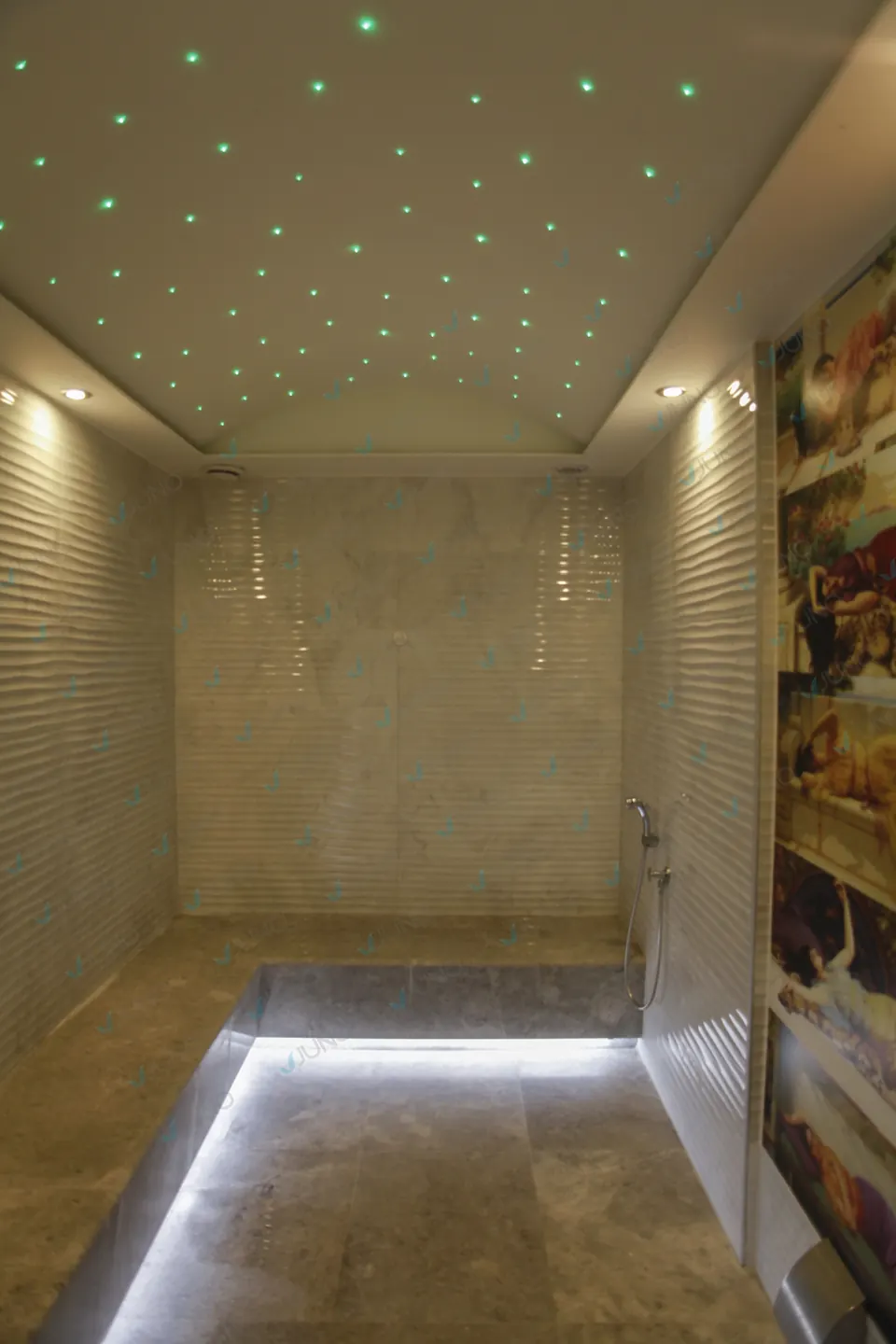
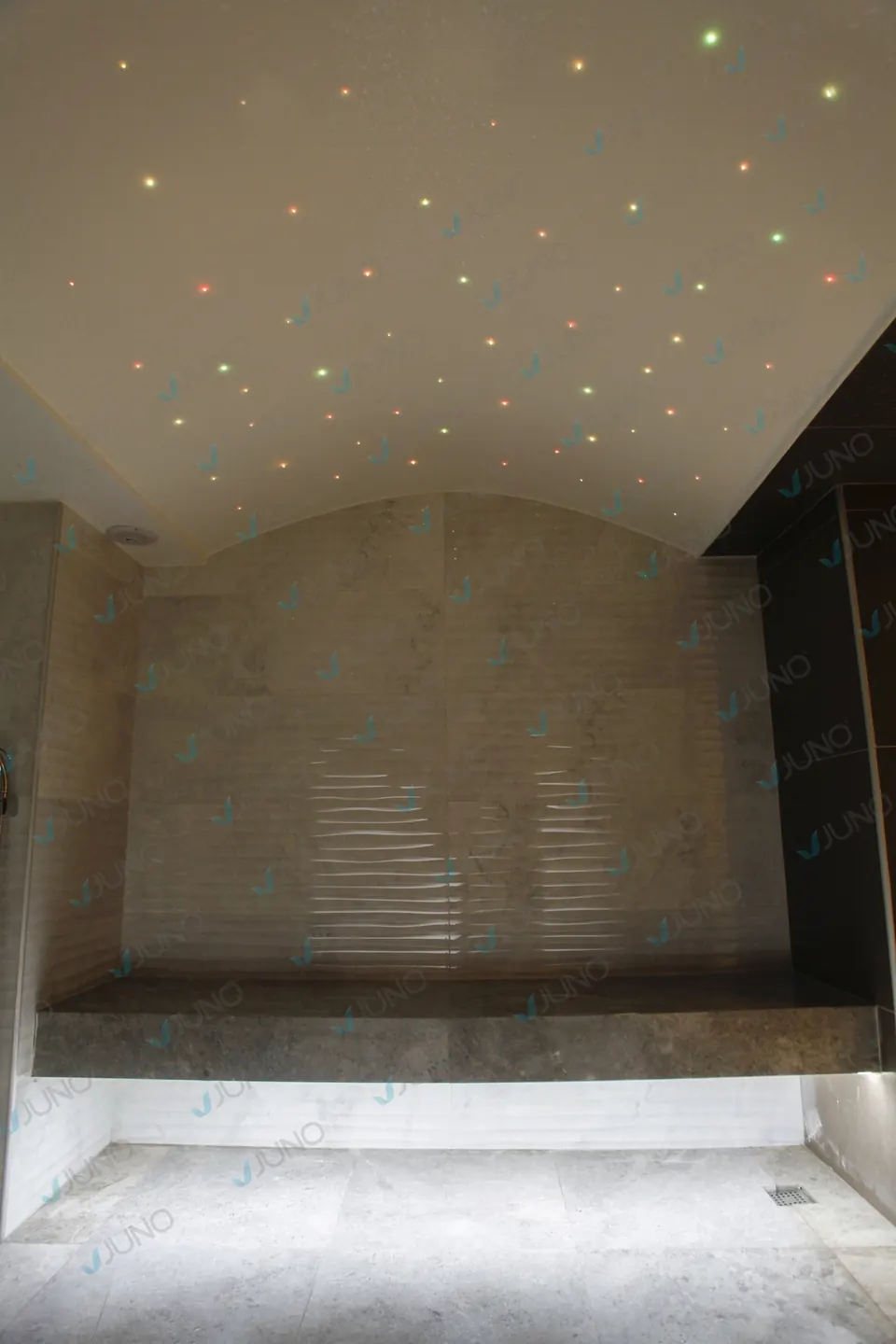
- Ceramic tiles can be used on the walls and ceiling.
- A sloped ceiling is strongly recommended.
- A floor drain is required.
- All interior surfaces must be given a waterproof sealing coat.
Sauna
- The sauna heater is inside the room.
- The temperature is around 90°C at most.
- Humidity reaches up to 25%.
- There are no ceramic materials on the walls and ceiling.
- The ceiling is flat.
- A floor drain is not required.
- Waterproofing is not required.
Steam Room Equipment
The DEVATEC steam generator is a new system, different from classic steam generators with a resistance heater. The DEVATEC steam generator does not work with a resistance system; it creates an electric current between electrodes by means of the minerals in the water, and the heat energy released in this way produces the steam. This system puts an end to scale build-up in the boiler and to resistance failures. A timer-controlled automatic drain system is provided.
- Control: Operated via a built-in control panel.
- Features: Has an acid-resistant water tank, with timer and temperature control; wall-mounted. Installed outside the steam room.
The History of the Steam Room
The history of steam rooms goes back a very long way. In ancient Roman and Greek times, people used hot steam baths for cleansing, relaxation and health. These can be regarded as the ancestors of today’s steam rooms.
Ancient Rome had vast bathing complexes known as “thermae”. These complexes included hot-water pools, cold-water pools, sweating rooms and massage areas. The Romans used steam baths regularly for hygiene and for social activities.
In medieval Europe the popularity of bathhouses declined, but hot steam baths continued to be used traditionally in the Middle East and Asia. During the Ottoman Empire, Turkish hammams became an important part of this culture.
The design and use of modern steam rooms became popular again towards the middle of the 20th century. Sauna culture developed especially in Finland and spread around the world. With growing interest in the spa and wellness sector, steam rooms are today widespread in many different cultures and places.
Today’s steam rooms combine modern technology with contemporary design thinking and are used for a range of purposes such as health, relaxation and skin care. Steam rooms can be found in a wide variety of settings, from spas and sports facilities to hotels and private homes.
Custom-Designed Steam Rooms Worldwide
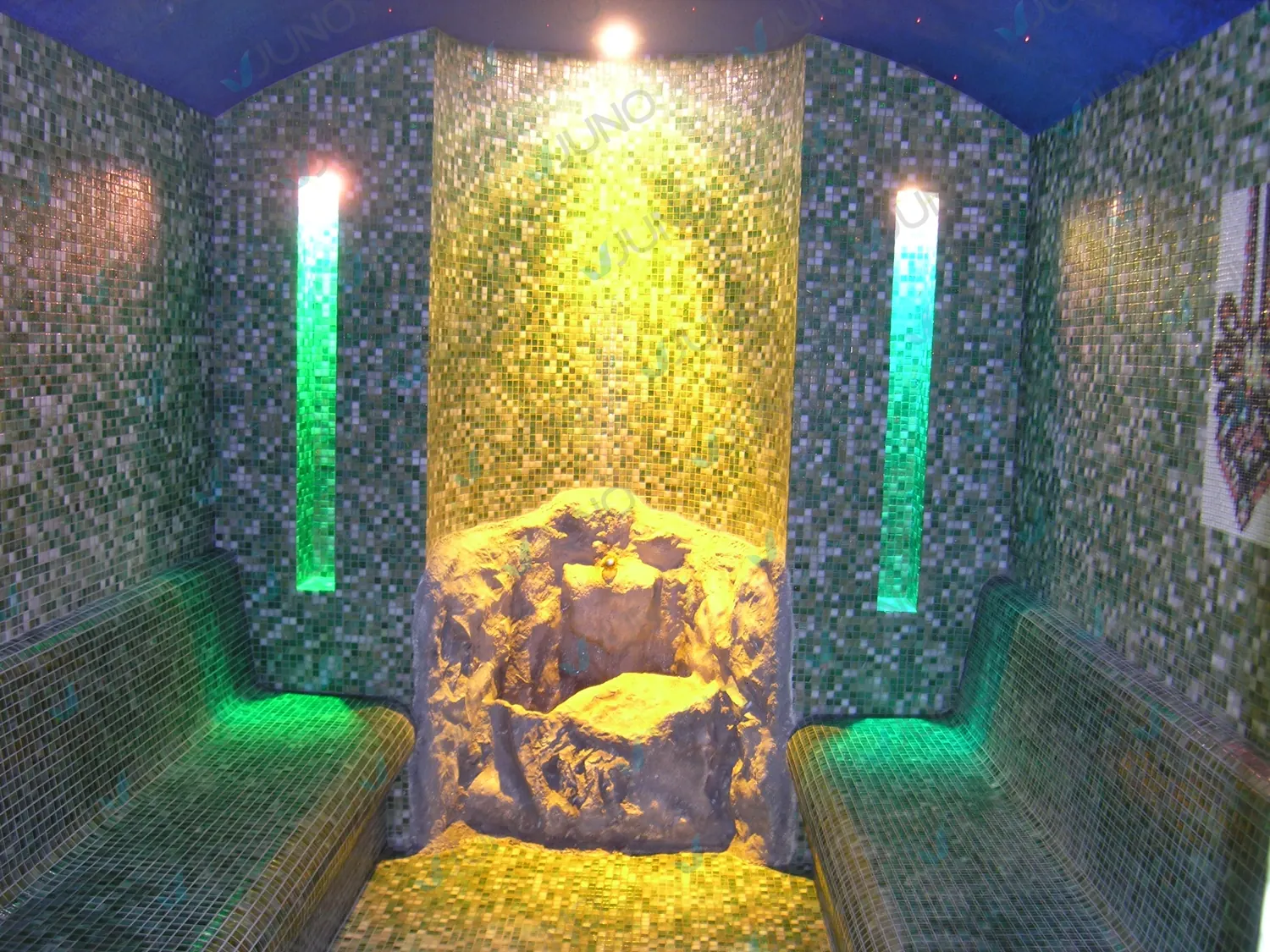
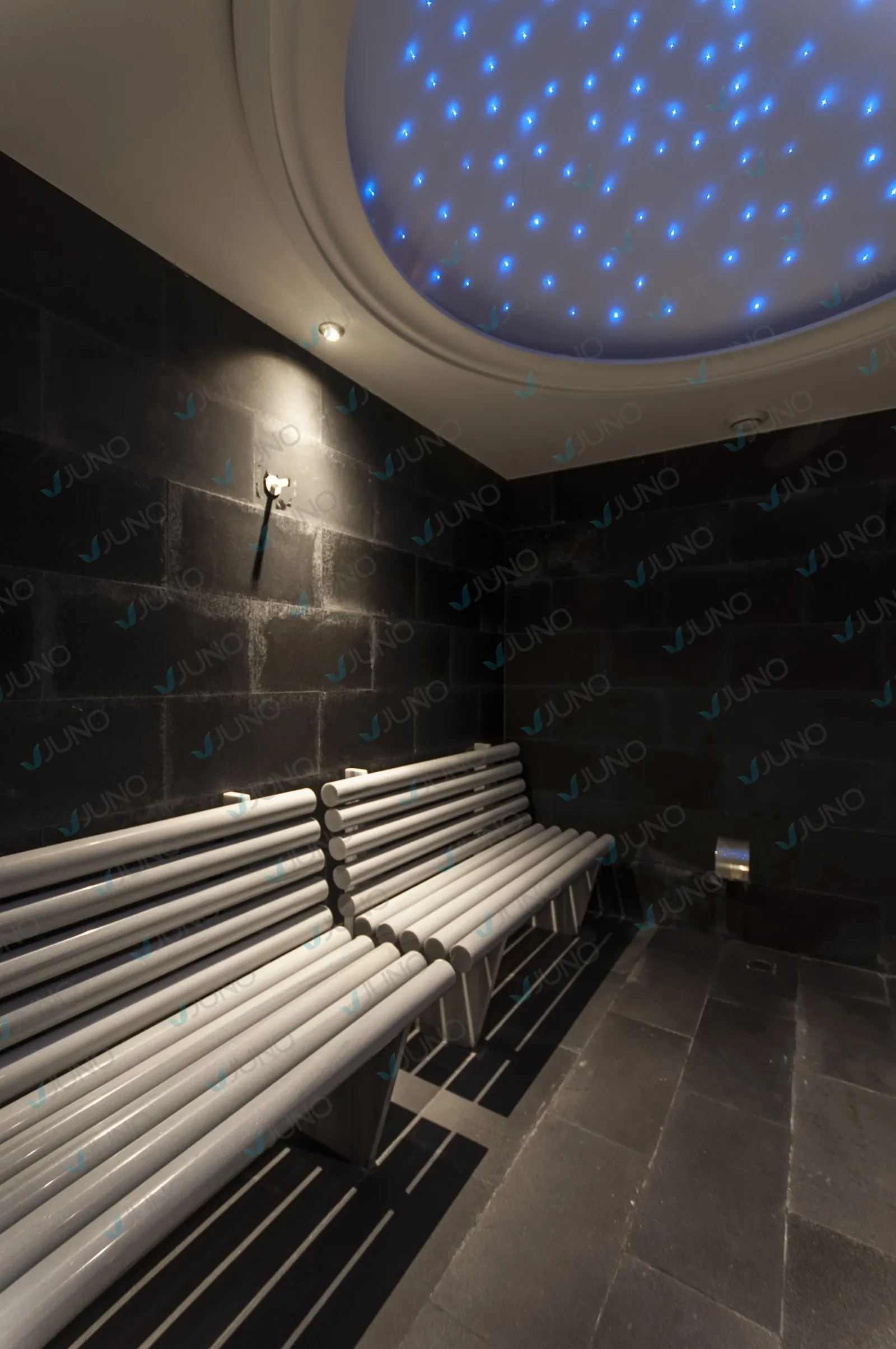
Since 1996, Juno Spa has built a great many custom-designed steam rooms for spa centres and facilities around the world.